
Ready to do some bird-watching right from your window? As the leaves start to change and the air gets crisp, your backyard becomes a major hotspot for all kinds of feathered friends.
Fall is migration season, which means you will see some familiar birds getting ready for their long trip south, while new ones arrive to hang out for the winter (depending on where you live!).
It’s the perfect time to grab a cup of coffee, get cozy, and see who’s stopping by your garden. Learning to spot these common fall birds is a great way to connect with the nature outside your door. Let’s get to know your new neighbors.
Where We Got This Data
All bird identification and behavioral insights in this article are based on expert-backed sources, including university extension programs, ornithological field guides, and reputable birding organizations. Seasonal patterns and habitat recommendations reflect current research and best practices in backyard birding and wildlife gardening.
1. American Robin
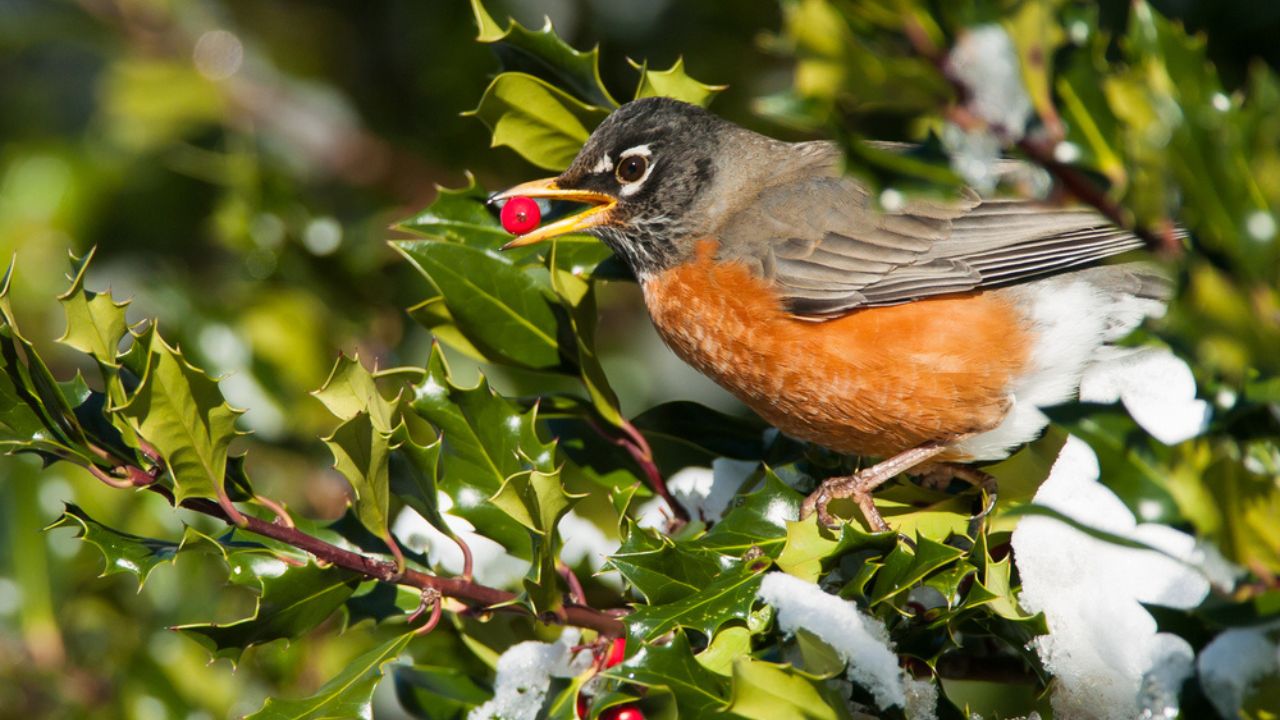
Image Credit: Shutterstock.
The American Robin’s behavior shifts dramatically in fall, making these familiar birds more noticeable in residential areas. While many people associate robins with spring’s arrival, numerous populations actually remain year-round, especially in areas with abundant food sources. During autumn, robins abandon their territorial summer behavior and gather in impressive flocks that can number in the hundreds.
These flocks are constantly on the hunt for berries, stripping trees and shrubs of their fruit. Their diet shifts from insects to berries, making them excellent seed dispersers for your garden. You’ll often spot them working through fallen leaves, tilting their heads to listen for movement below.
Quick Recognition Tips:
- Distinctive rusty-red breast and dark gray head
- About 10 inches long with a yellow bill
- Often seen in flocks during the fall
- Ground foraging with head-tilting behavior
2. Northern Cardinal
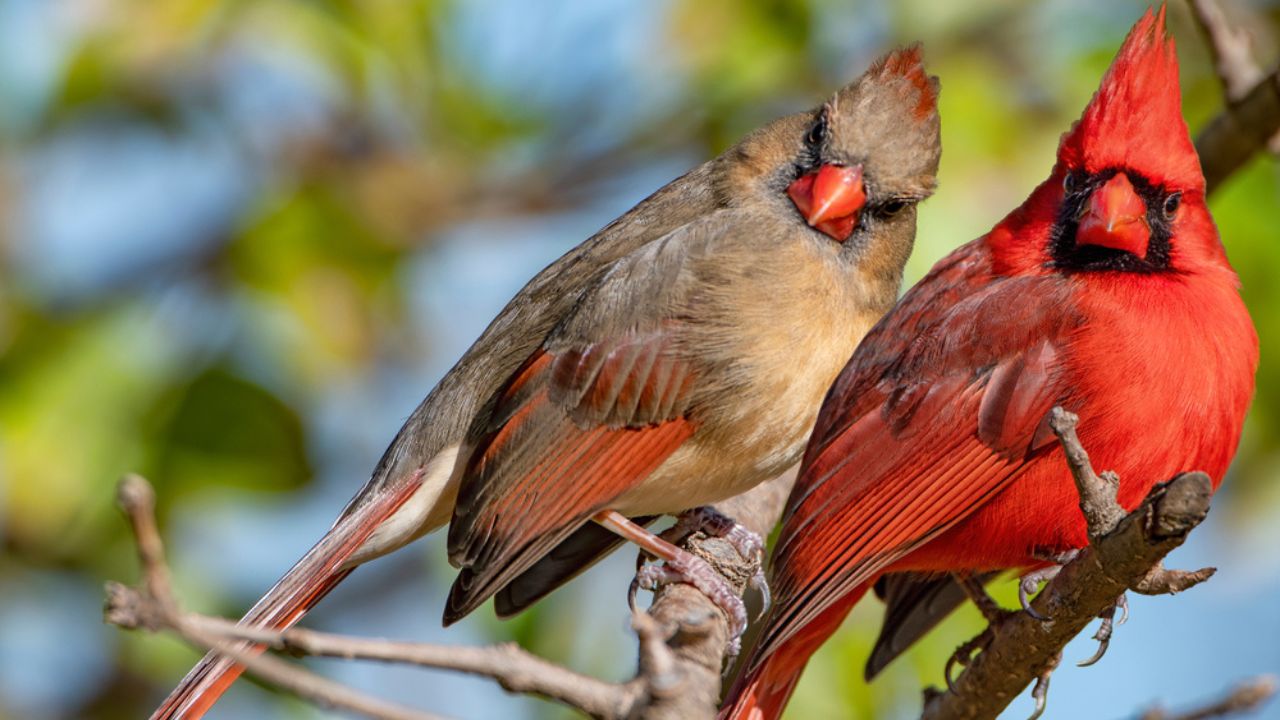
Image Credit: Shutterstock.
Cardinals add a pop of red to autumn’s muted tones, making them a favorite fall sight. As natural food dwindles, these vibrant birds flock to feeders, with both males and red-tinged females showing up regularly.
They love dense shrubs for nesting and are pros at cracking sunflower and safflower seeds. Want cardinals in your yard? A well-placed feeder and some landscaping will do the trick.
Quick Recognition Tips:
- Males: brilliant red all over with a black face mask
- Females: warm brown with red on wings, tail, and crest
- Prominent crest on the head
- Thick, orange-red bill
- “Birdy-birdy-birdy” or “cheer-cheer-cheer” call
3. Blue Jay
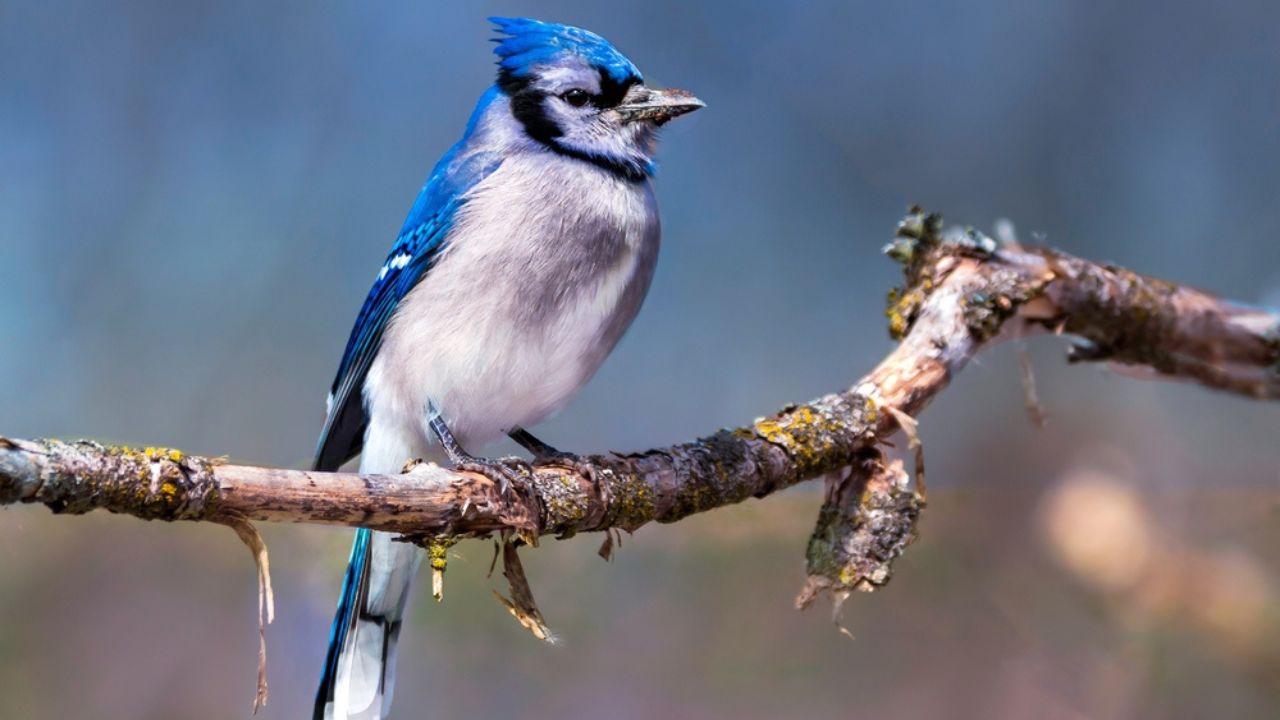
Image Credit: Shutterstock.
Fall brings out the Blue Jays! These clever birds get busy burying thousands of acorns for winter, even helping plant oak forests. Their loud calls and bold presence are impossible to ignore. Many stay year-round, acting as your yard’s natural alarm system for predators.
Quick Recognition Tips:
- Bright blue back, wings, and tail with black barring
- White underparts and a black necklace across the chest
- Prominent blue crest
- Loud, varied calls including harsh “jay-jay” sounds
- About 11-12 inches long
4. Black-capped Chickadee
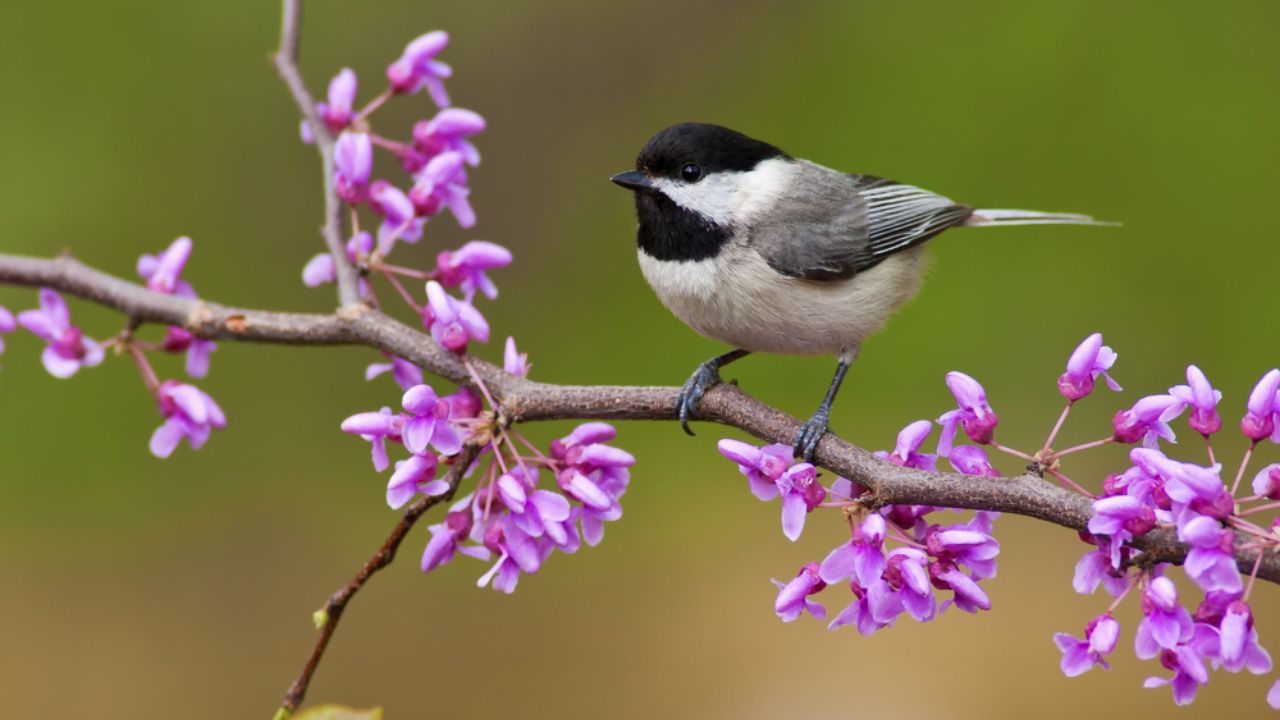
Image Credit: Shutterstock.
Black-capped Chickadees bring tons of energy to feeders as fall sets in. These agile acrobats hang upside-down with ease and charm us with their curious, friendly nature.
Did you know they can stash thousands of seeds and remember where they hid them for months? They love sunflower seeds but won’t say no to suet or peanuts. Plus, they often lead mixed winter flocks with nuthatches and woodpeckers.
Quick Recognition Tips:
- Black cap and bib with white cheeks
- Gray back and wings with buff-colored sides
- Very small size (4-5 inches)
- Distinctive “chick-a-dee-dee-dee” call
- Acrobatic feeding behavior
5. Mourning Dove
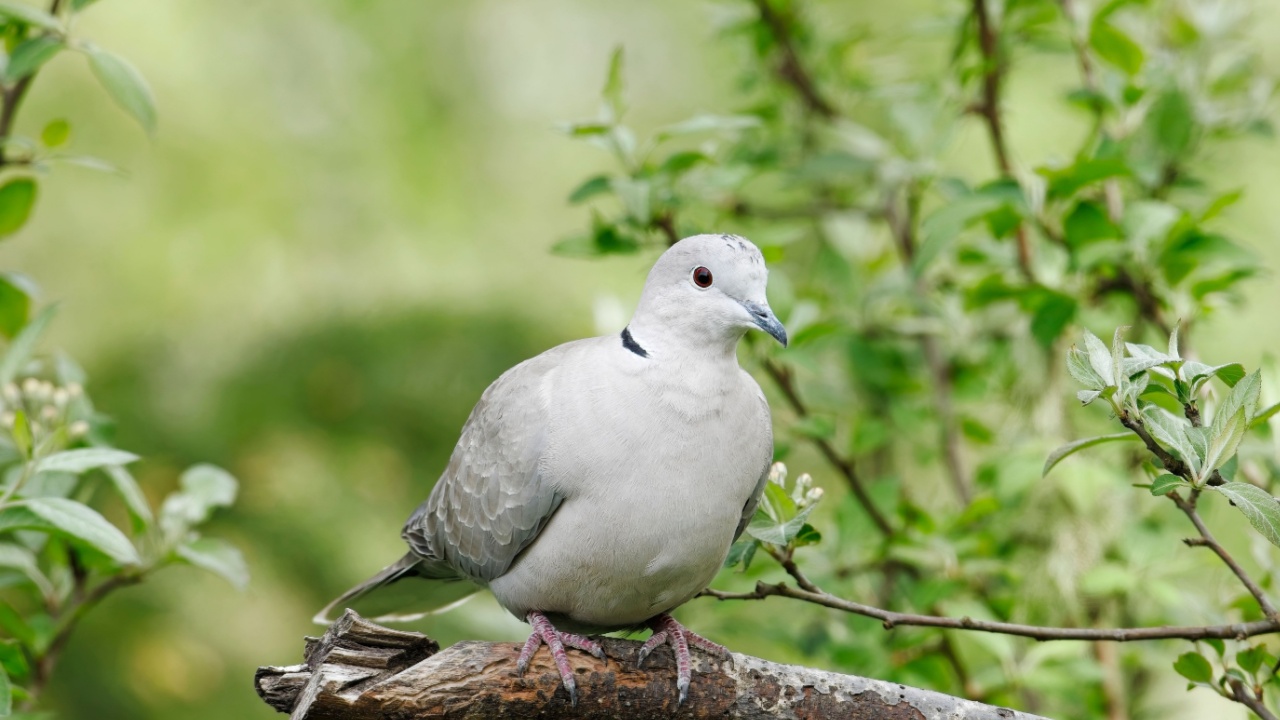
Image Credit: Shutterstock.
You know fall is here when you see large flocks of Mourning Doves gathering on power lines and rooftops. Their gentle cooing is the perfect peaceful soundtrack for a crisp autumn morning. These birds are built for long-distance travel, with some flying over 1,000 miles during migration.
You’ll often spot them on the ground, where they love to look for seeds on bare soil or short grass. If you want to attract them, scatter some millet, cracked corn, or sunflower seeds.
Quick Recognition Tips:
- Soft gray-brown overall with black spots on wings
- Long, pointed tail with white edges
- Small head with dark eyes
- Distinctive mournful cooing call
- Fast, direct flight pattern
6. White-throated Sparrow
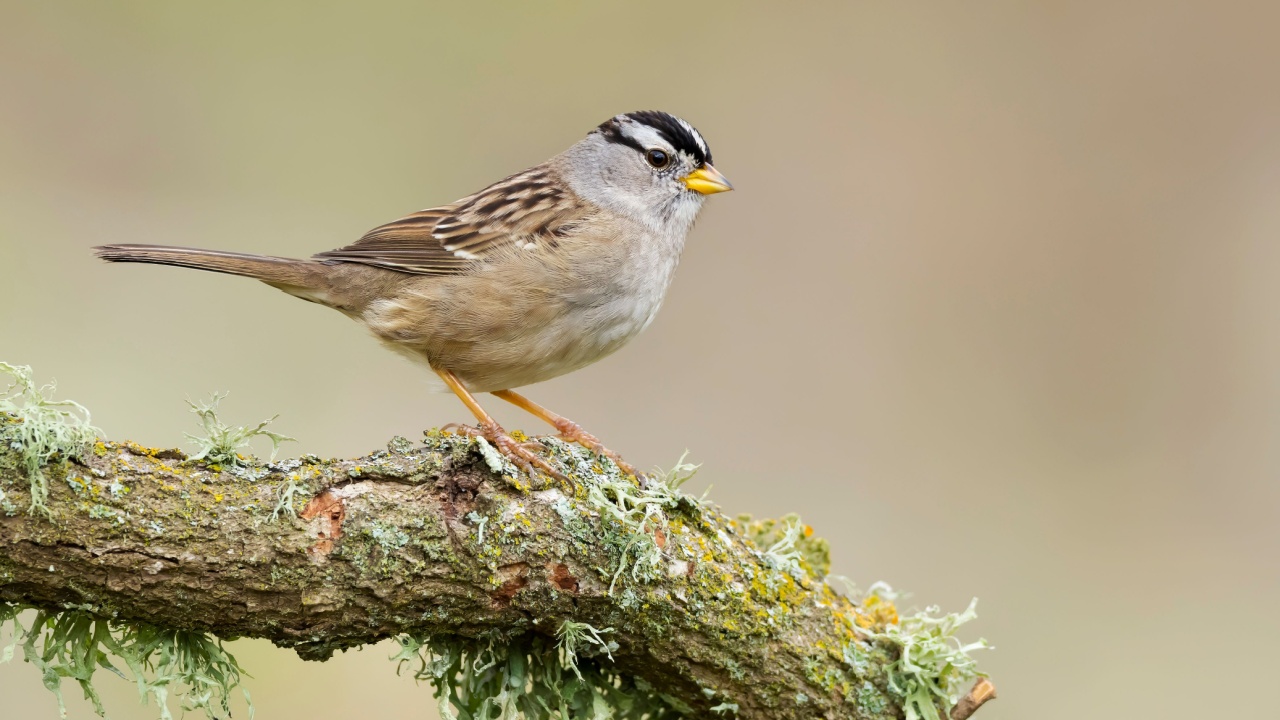
Image Credit: Shutterstock.
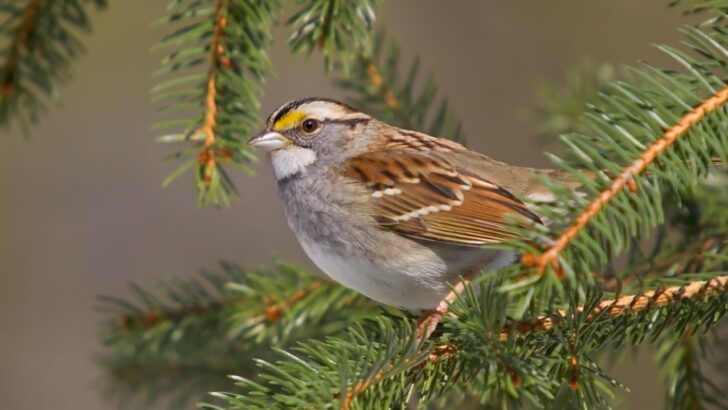
Keep an eye out for these handsome sparrows passing through your backyard in loose flocks from September to November. You will know they are around when you hear their sweet, whistling song, which sounds like they are singing “Old Sam Peabody-Peabody-Peabody.”
White-throated Sparrows like to forage on the ground, scratching through fallen leaves to find seeds and insects. If your yard has plenty of food, they might just stick around for a few days or even weeks.
Quick Recognition Tips:
- Distinctive white throat patch
- Black and white striped crown
- Yellow spot between the eye and the bill
- Gray face and underparts
- Ground-scratching feeding behavior
7. American Goldfinch
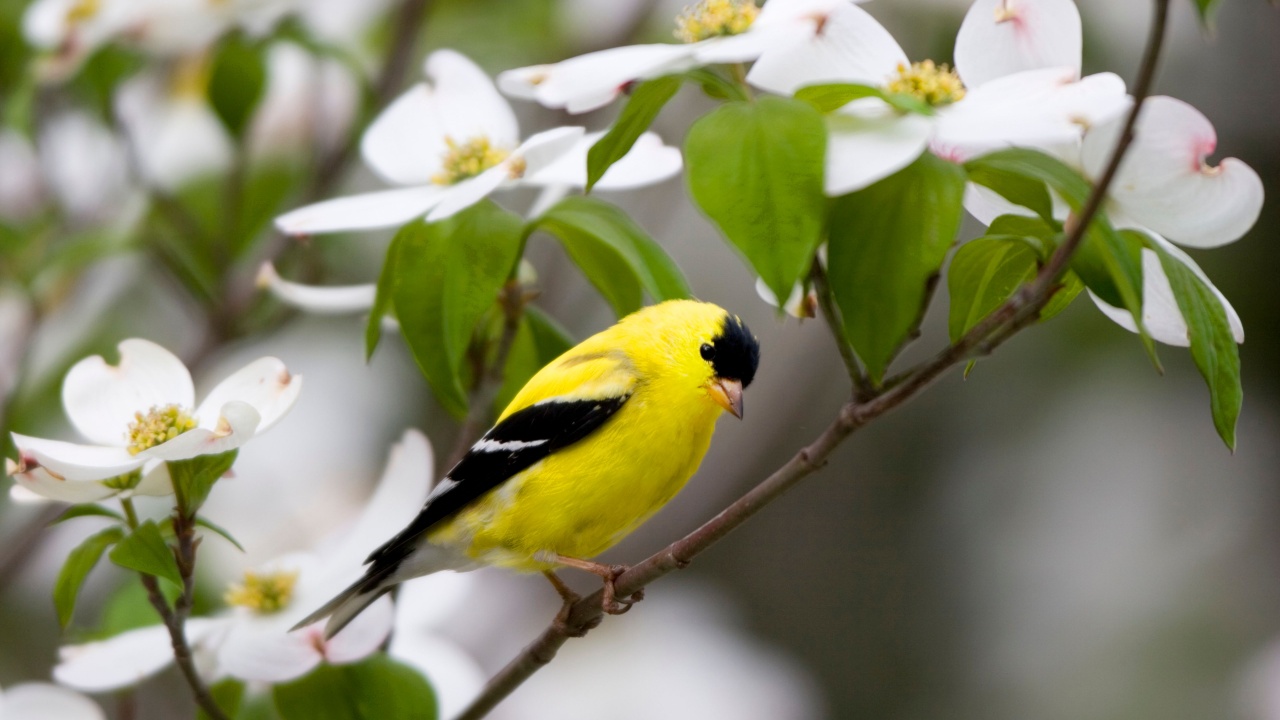
Image Credit: Shutterstock.
American Goldfinches get a full wardrobe change in fall! Their bright summer yellow fades to a more subtle olive-brown, which is easy to miss for new birders.
But their bouncy flight and cheerful calls stay the same all year. These little seed specialists have perfect beaks for munching on sunflowers and other flower seeds.
Quick Recognition Tips:
- Fall/winter: olive-brown with darker wings and tail
- Yellow finch males retain some yellow coloring
- Undulating, bouncing flight pattern
- “Po-ta-to-chip” flight call
- Acrobatic feeding on seed heads
8. Dark-eyed Junco
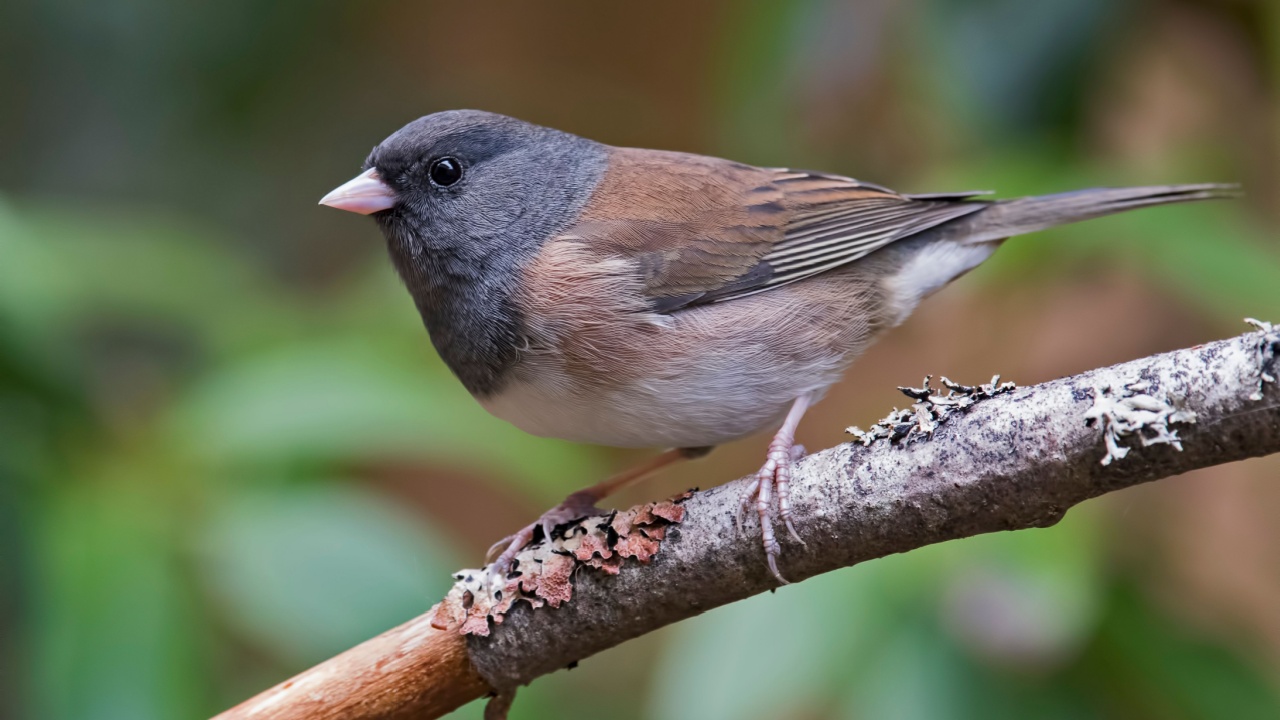
Image Credit: Shutterstock.
Dark-eyed Juncos are also called “snowbirds” because they show up when it gets cold. These little sparrows breed up north in forests and mountains, then head south or to lower areas for winter. You will likely to spot them in your backyard around the first frost.
Juncos love foraging on the ground. They have a “double-scratch” move, hopping forward then kicking backward with both feet to find seeds. They also like to stay near dense cover so they can quickly hide from predators.
Quick Recognition Tips:
- Dark gray head and back with white belly
- White outer tail feathers flash in flight
- Pink bill and legs
- Ground-hopping feeding behavior
- Often travels in small flocks
9. Red-bellied Woodpecker
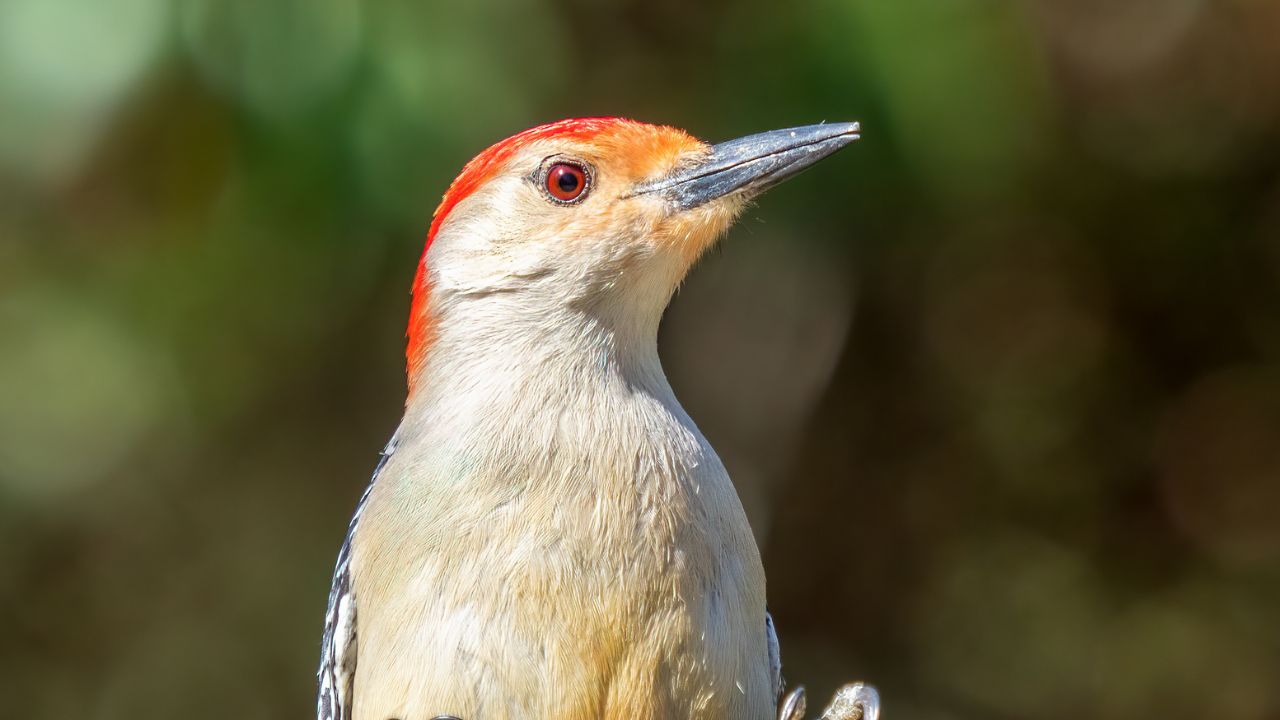
Image Credit: Rhododendrites – Own work, CC BY-SA 4.0/Wiki Commons.
You might be surprised to learn that the Red-bellied Woodpecker‘s most prominent feature isn’t its belly, but its bright red cap. You’ll see more of these medium-sized woodpeckers in the fall as they store food for winter and visit feeders.
They aren’t picky eaters, enjoying both insects and plants like acorns and seeds. To attract them, put out suet, sunflower seeds, peanuts, or even oranges.
Quick Recognition Tips:
- Red cap and nape (males have more extensive red)
- Black and white barred back
- Gray face and underparts with a subtle red tinge on the belly
- Loud “churr” call and various chattering sounds
- Strong, chisel-like bill
10. Cedar Waxwing
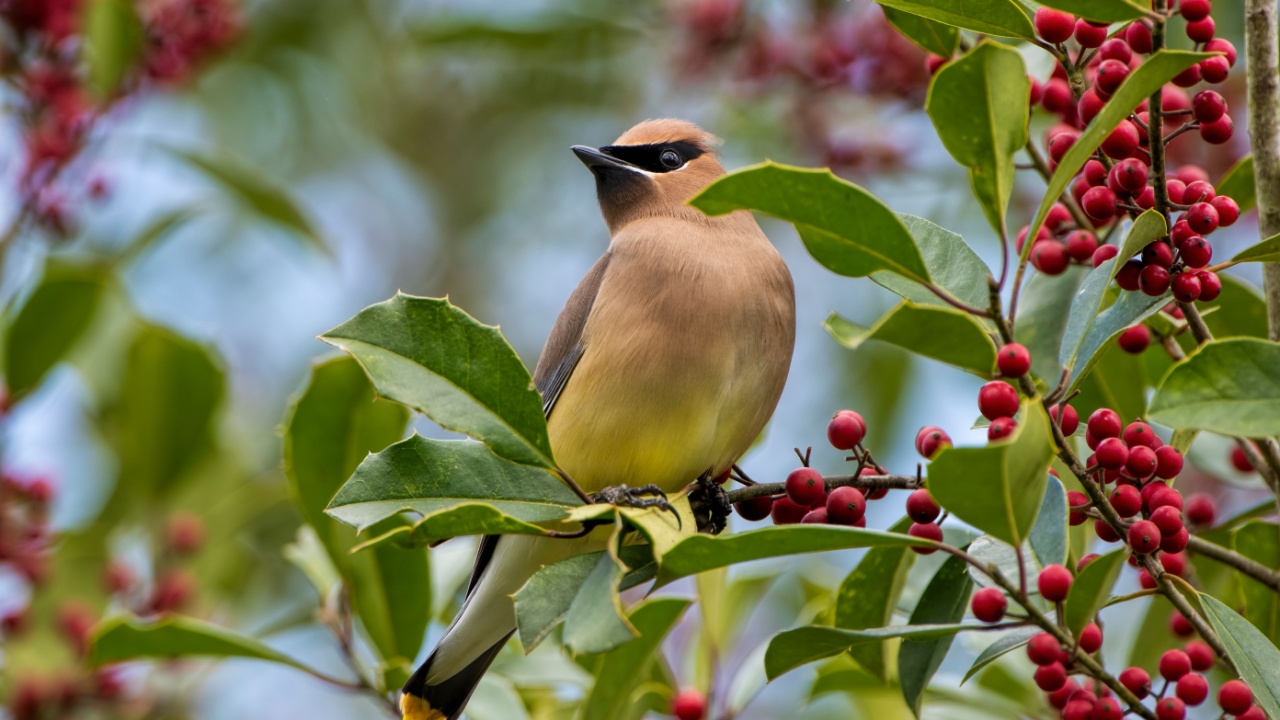
Image Credit: Shutterstock.
Cedar Waxwings are sleek, social birds that travel in tight flocks. They’re always on the move, following the berry crops. If you have fruit-bearing trees and shrubs, you might get a visit.
In fall and winter, they eat almost nothing but fruit. To attract them, plant mountain ash, crab apple, or juniper. You might even see them passing berries to each other.
Quick Recognition Tips:
- Silky, smooth plumage in brown and gray tones
- Black mask through the eyes
- Bright yellow tail band
- Small red “wax” tips on wing feathers (not always visible)
- Very social, always in flocks
11. White-breasted Nuthatch
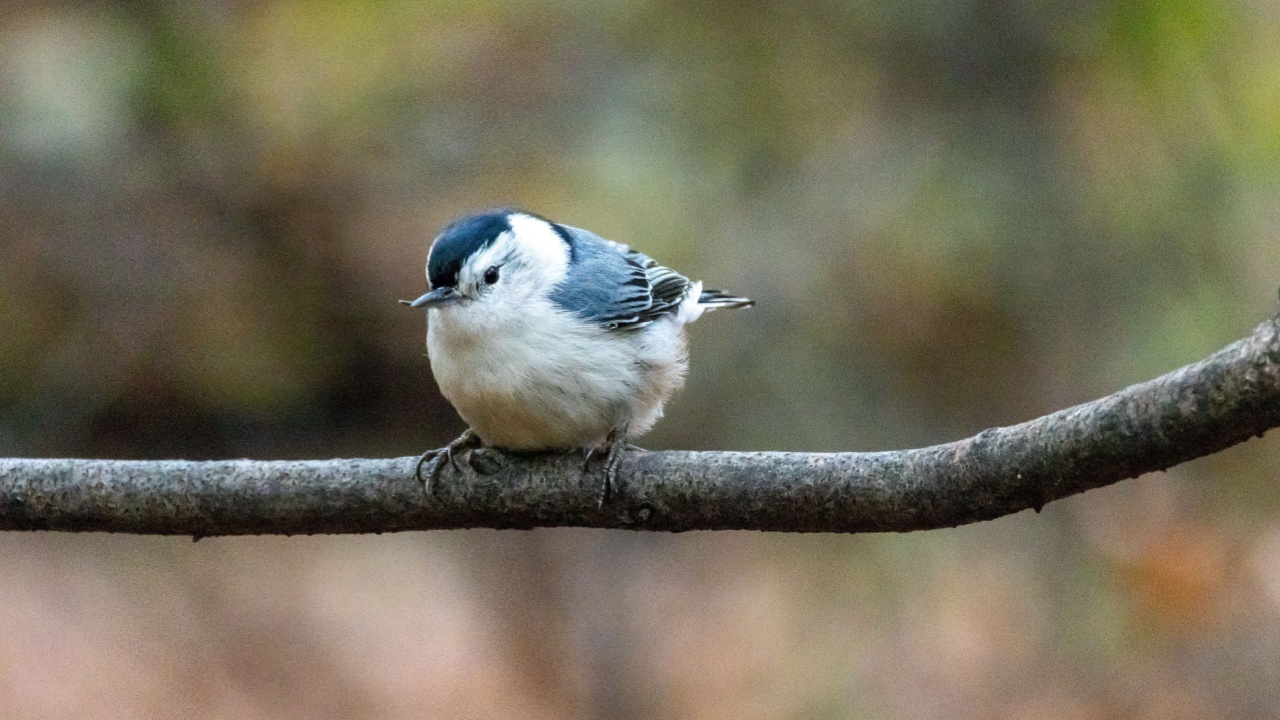
Image Credit: Shutterstock.
White-breasted Nuthatches are the little gymnasts of the bird world, often seen spiraling headfirst down tree trunks as they hunt for insects and stashed seeds.
Their powerful feet let them move along bark in ways most other birds can’t even attempt. You’ll know one is nearby if you hear its distinctive, nasal “yank-yank” call, a common sound in forests and even mature suburban yards.
They’re fantastic neighbors for your garden, as they happily gobble up insect pests and their eggs, providing natural pest control.
Quick Recognition Tips:
- Blue-gray back with white face and underparts
- Black cap (more extensive in males)
- Moves headfirst down tree trunks
- Short tail and compact body shape
- Nasal “yank-yank” call
Creating a Fall Bird Haven in Your Backyard
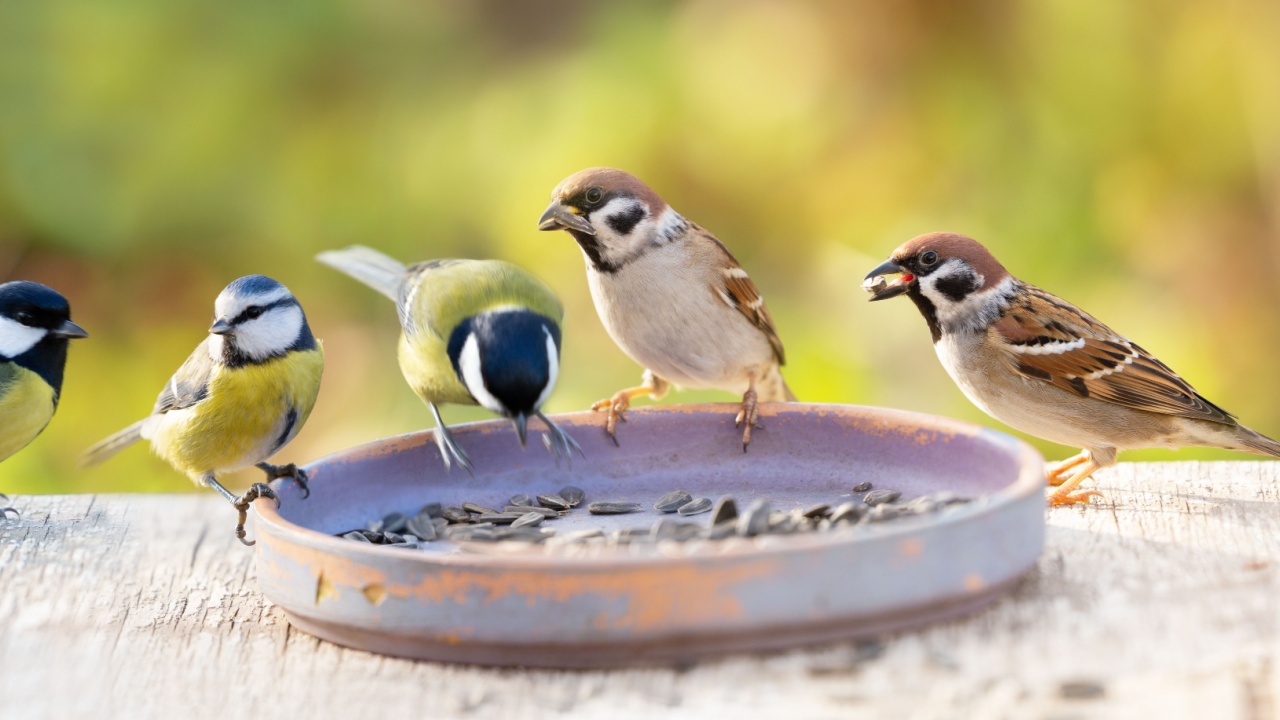
Image Credit: Shutterstock.
Now that you can recognize these common fall visitors, consider how to make your outdoor spaces more attractive to them. The best bird-friendly yards offer four essential elements: food, water, shelter, and nesting sites. Fall is an excellent time to assess and improve these offerings in your landscape.