10 Best End of September Crops to Plant for Winter and Spring
As another vibrant summer garden begins to wind down, many gardeners might think about hanging up their trowels for the year. But September is a golden opportunity for planting. This transitional month allows you to sow crops that will either provide a quick harvest before the first hard frost or establish strong roots to give you a head start on a bountiful spring. By using this time wisely, you can extend your harvest season and enjoy fresh vegetables through the cooler months and beyond.
Let’s explore ten fantastic crops you can plant this September (even the end!) to keep your garden productive and your kitchen stocked, fact-checked and sourced from the garden experts. From leafy greens for winter salads to robust roots that will sweeten in the cold, there’s something for every gardener to get excited about.
1. Corn Salad (Mache)
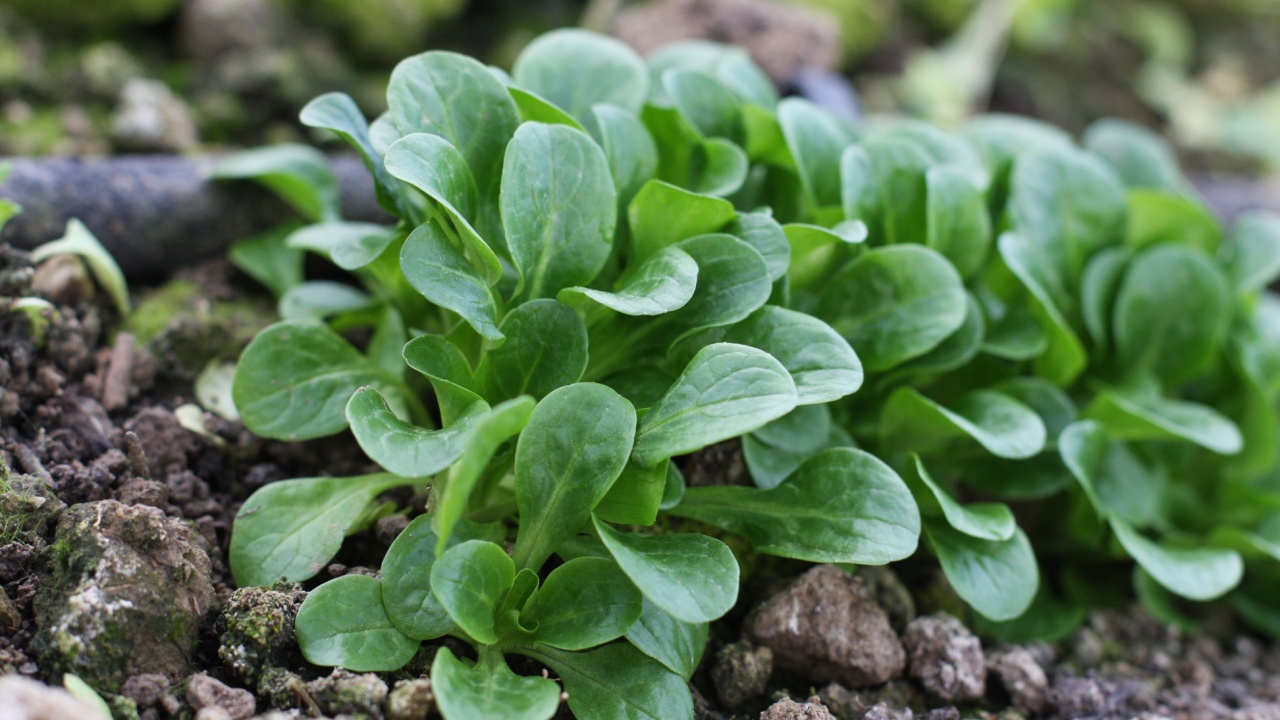
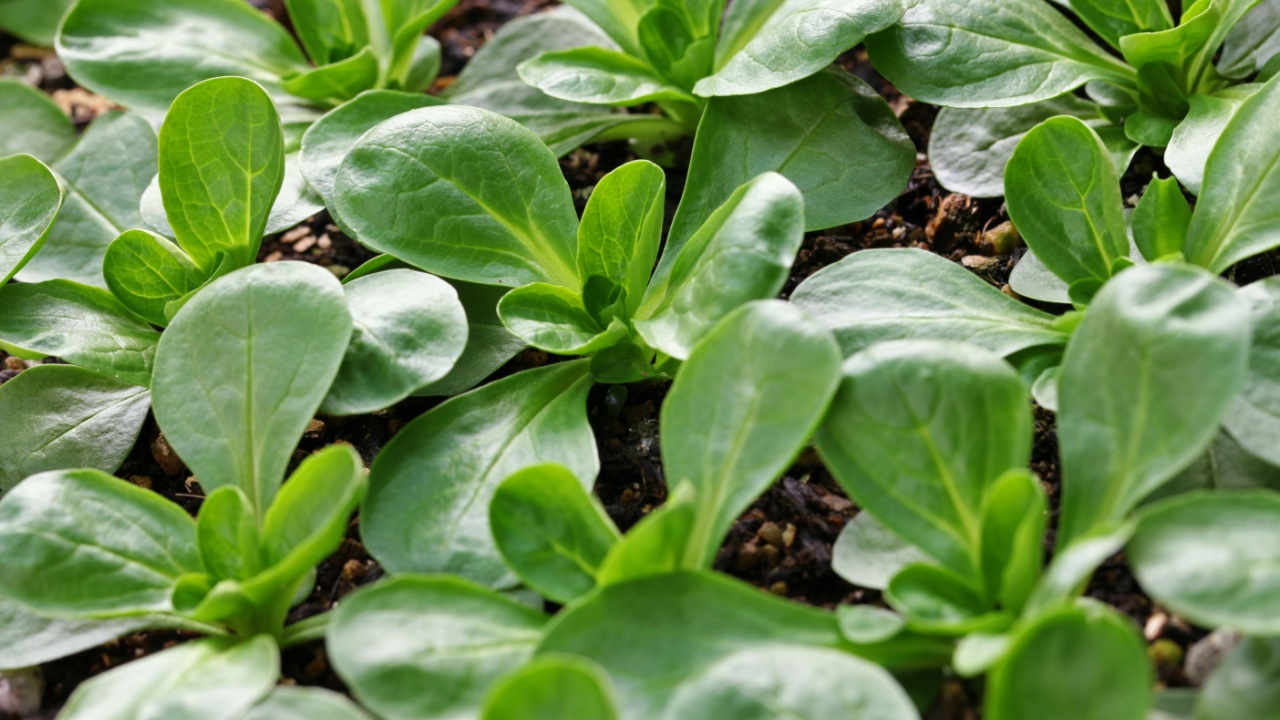
Also known as lamb’s lettuce or mache, this hardy green is a superstar of the cool-season garden. It has a delicate, nutty flavor that is a welcome addition to winter salads. Corn salad is incredibly resilient and can often be harvested from under a blanket of snow, making it a reliable source of fresh greens when little else is growing.
Planting it in September allows the seeds to germinate in the cooling soil, establishing strong plants before winter sets in.
How to Plant and Care for Corn Salad:
- Planting: Sow seeds about a half-inch deep in well-draining soil. You can plant in rows spaced about 12 inches apart or broadcast the seeds over a prepared bed. It’s a great option for containers as well, provided they have good drainage.
- Sunlight: Choose a spot that gets full sun, which is especially important as the days get shorter.
- Watering: Keep the soil consistently moist to encourage germination and steady growth.
- Harvesting: You can start snipping baby leaves in as little as six weeks. For a continuous harvest, pick the outer leaves and let the center of the plant continue to produce.
2. Arugula
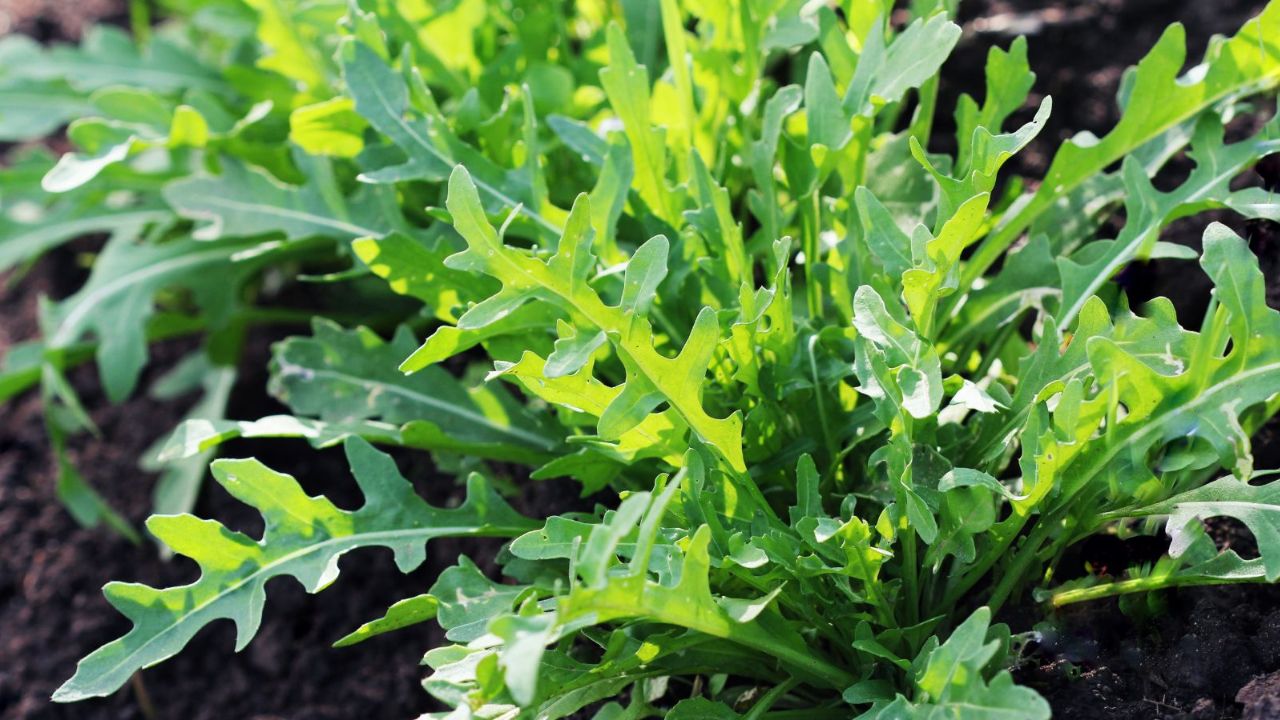
If you love a peppery kick in your salads and sandwiches, arugula (or rocket) is a must-plant. This fast-growing green thrives in cooler weather, which prevents it from bolting (flowering prematurely) and turning bitter. A September sowing gives you a quick and flavorful crop within a month or two.
Its speed and preference for cool temperatures make it the perfect plant to fill any gaps left by harvested summer vegetables.
How to Plant and Care for Arugula:
- Planting: Sow seeds thinly in drills about a half-inch deep. Space rows about a foot apart.
- Thinning: Once seedlings emerge, thin them to about six inches apart to give each plant room to flourish. Don’t throw away the thinnings—they are delicious additions to a salad.
- Watering: Consistent moisture is key to tender, flavorful leaves.
- Harvesting: Harvest as a “cut-and-come-again” crop. Begin picking the outer leaves when they are 2-3 inches long. This encourages the plant to produce more leaves from the center.
3. Fava Beans
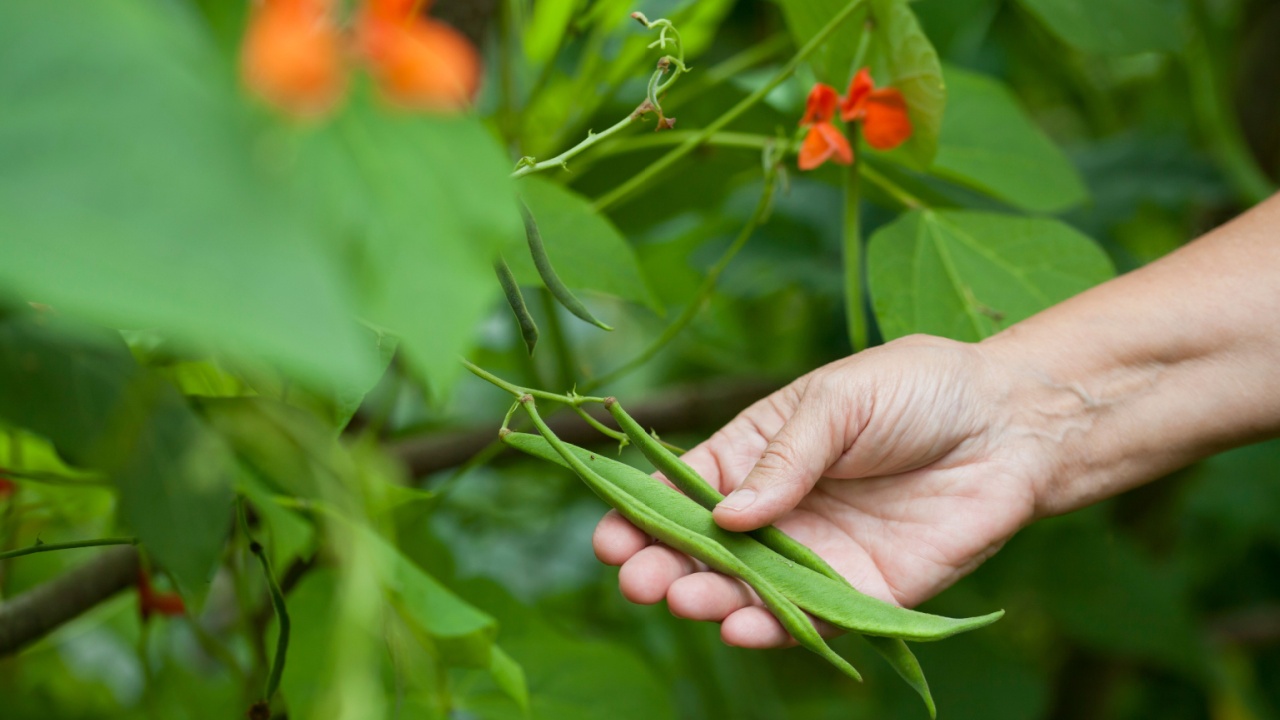
Planting fava beans in the fall is a classic gardener’s trick for an extra-early spring harvest. Sowing hardy varieties in September allows the plants to develop strong root systems before winter dormancy. When the weather warms in spring, they burst into growth, producing tender beans weeks before spring-sown crops.
This method not only saves you time next season but also yields a more robust and productive plant.
How to Plant and Care for Fava Beans:
- Variety: Choose a hardy variety specifically recommended for fall planting, like ‘Aquadulce’.
- Timing: Wait until the latter half of September to sow, once temperatures have cooled slightly.
- Planting: Sow seeds about two inches deep and six inches apart. They appreciate well-drained soil. Avoid planting in waterlogged areas, as this can cause the seeds to rot over winter.
- Care: The plants will grow a bit before winter and then go dormant. They are very hardy but can benefit from a layer of mulch in very cold climates.
4. Radishes
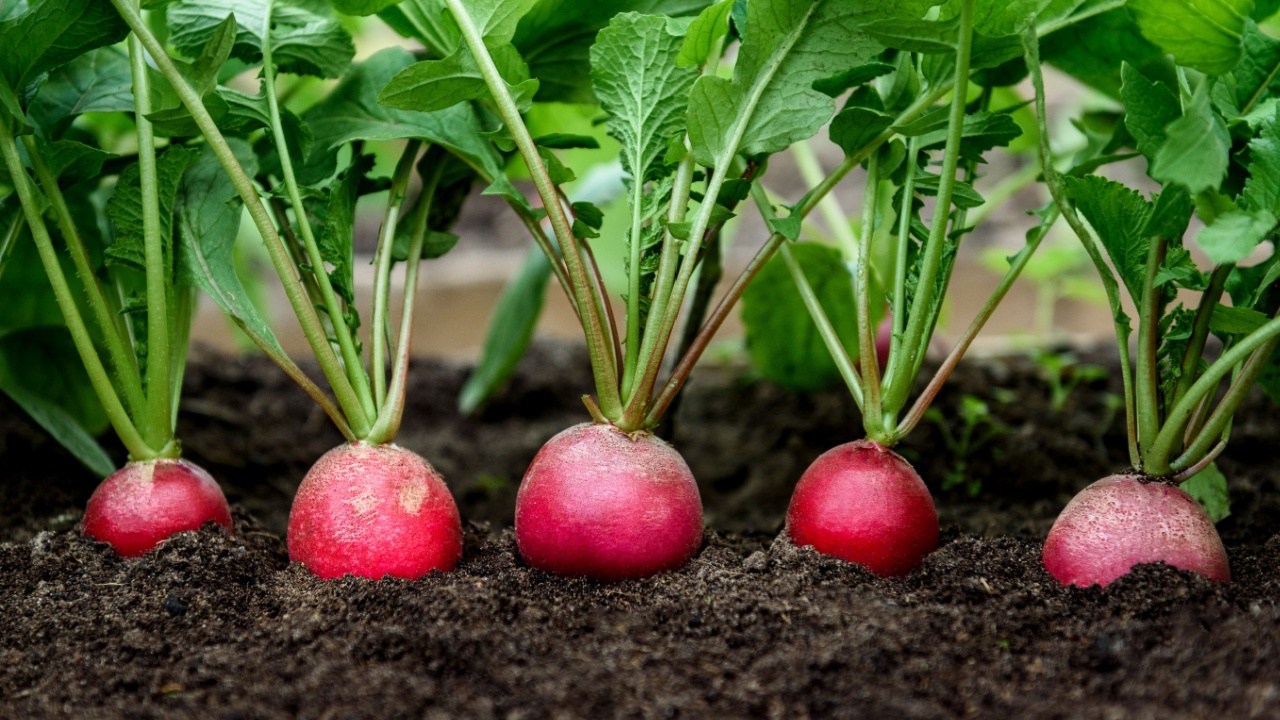
Radishes are the ultimate crop for impatient gardeners. Many varieties go from seed to harvest in under a month. September offers a great window to plant both quick-growing summer radishes and larger, hardier winter varieties like Daikon. The cooling soil helps prevent them from becoming overly spicy.
They are perfect for tucking into small, empty spaces in the garden for one last, quick harvest before winter.
How to Plant and Care for Radishes:
- Planting: Sow seeds about a half-inch deep and one to two inches apart.
- Soil: They prefer loose, well-draining soil to allow the roots to swell without obstruction.
- Watering: Keep the soil evenly moist. Dry conditions can cause the roots to become woody and pungent.
- Harvesting: Harvest summer radishes when they reach about an inch in diameter. Check them frequently, as they can grow quickly and become tough if left too long.
5. Winter Lettuce
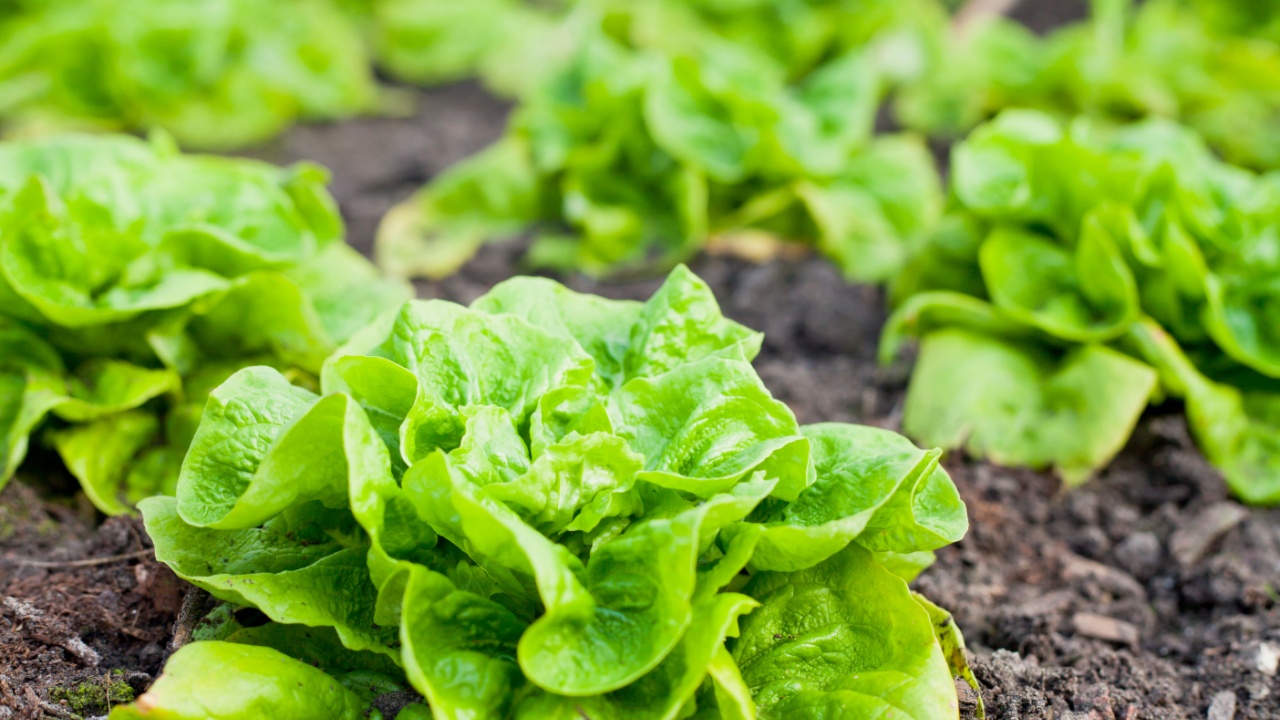
While lettuce is often seen as a summer crop, many varieties are specifically bred to withstand cold temperatures. Planting cold-hardy lettuce in September will give you fresh, crisp salads well into the fall and winter months. Varieties like ‘Winter Density’ or ‘Arctic King’ are excellent choices.
With a little protection, these lettuces can provide a welcome harvest during the grayest days of winter.
How to Plant and Care for Winter Lettuce:
- Planting: You can sow seeds directly in the garden or start them indoors for transplanting later.
- Protection: As temperatures drop significantly, plan to cover your lettuce with a cold frame, cloche, or a low tunnel covered in garden fleece. This will protect the leaves from harsh frosts and extend your harvest period.
- Watering: Water consistently, but be mindful not to overwater in cool, damp weather to prevent rot.
- Harvesting: Pick individual outer leaves as needed rather than harvesting the whole head.
6. Elephant Garlic
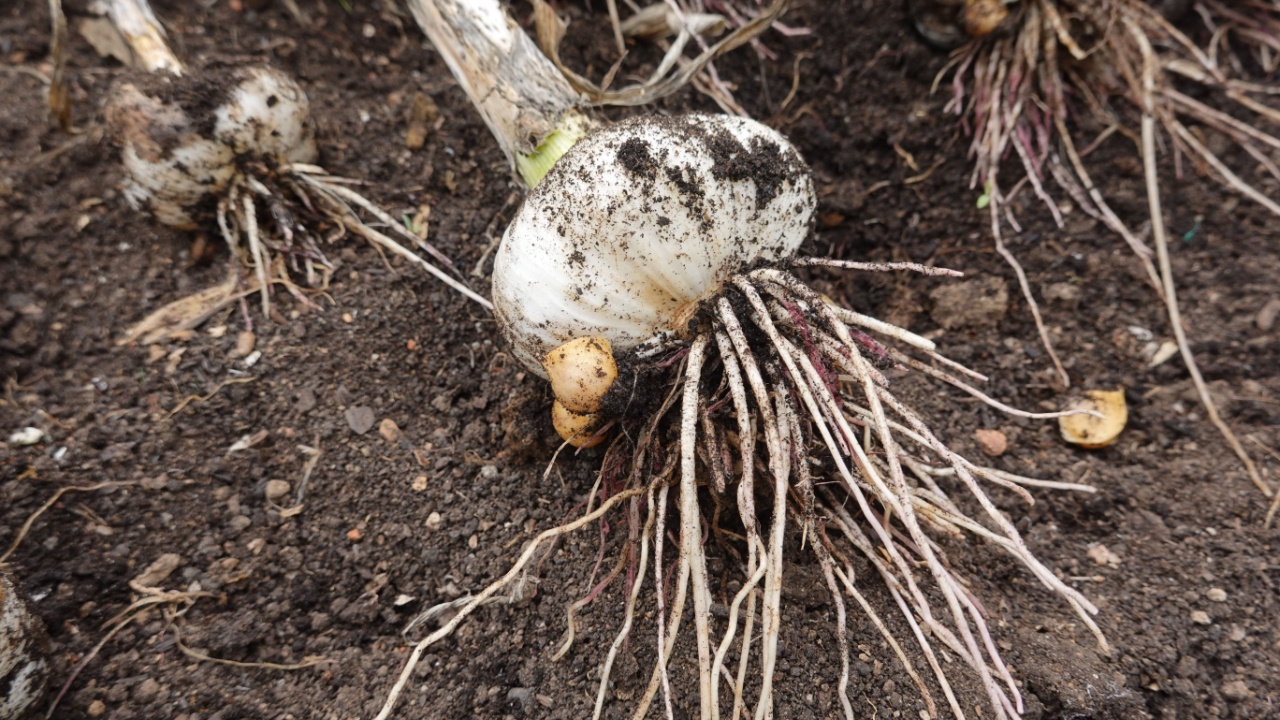
Despite its name, elephant garlic is more closely related to a leek than true garlic. It produces enormous, baseball-sized bulbs with a mild, sweet flavor. September is the ideal time to plant it, as it requires a long growing season to develop its impressive size.
Planting in the fall ensures the cloves experience the winter chill they need to split and form large bulbs for a summer harvest next year.
How to Plant and Care for Elephant Garlic:
- Planting: Separate the cloves from the main bulb and plant them pointed-end-up, about 4-6 inches deep.
- Spacing: Give them plenty of room to grow. Space individual cloves at least eight inches apart.
- Location: Choose a sunny spot with fertile, well-draining soil.
- Scapes: In the spring, the plant will send up a flowering stalk called a scape. Snip this off to redirect the plant’s energy into bulb formation. The scapes are a delicious bonus harvest with a mild garlic flavor.
7. Bunching Onions
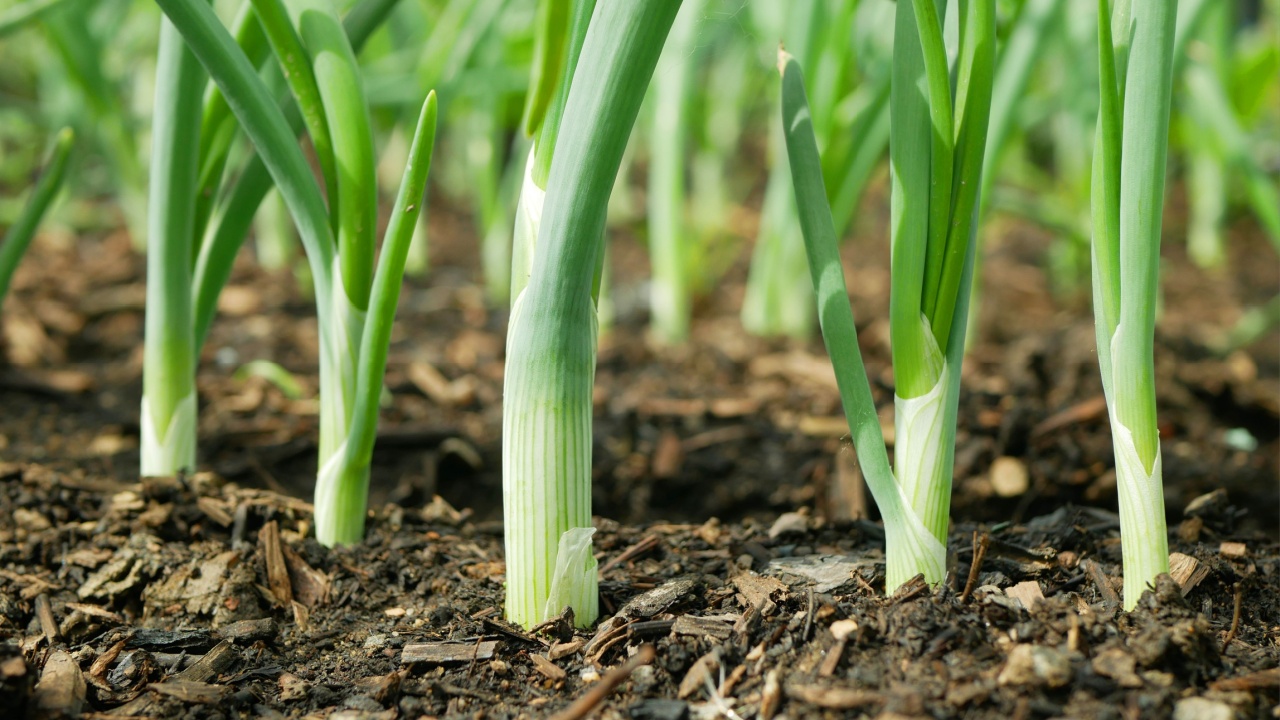
Also known as scallions or spring onions, bunching onions are a versatile and easy-to-grow crop. Planting hardy varieties in September can provide harvests in the fall, and if protected, they can even overwinter for early spring use. They don’t form a large bulb, so you can plant them more densely than bulbing onions.
They are perfect for adding fresh, mild onion flavor to dishes throughout the cooler months.
How to Plant and Care for Bunching Onions:
- Variety: Look for hardy winter varieties, such as ‘Ishikura Winter Long’.
- Planting: Sow seeds thinly in shallow drills, about a half-inch deep. Rows can be spaced about 12 inches apart.
- Thinning: Thin seedlings to about two inches apart to give them room to thicken.
- Harvesting: You can start harvesting in about eight weeks. Pull the entire plant, or snip the green tops and leave the base to regrow.
8. Spinach
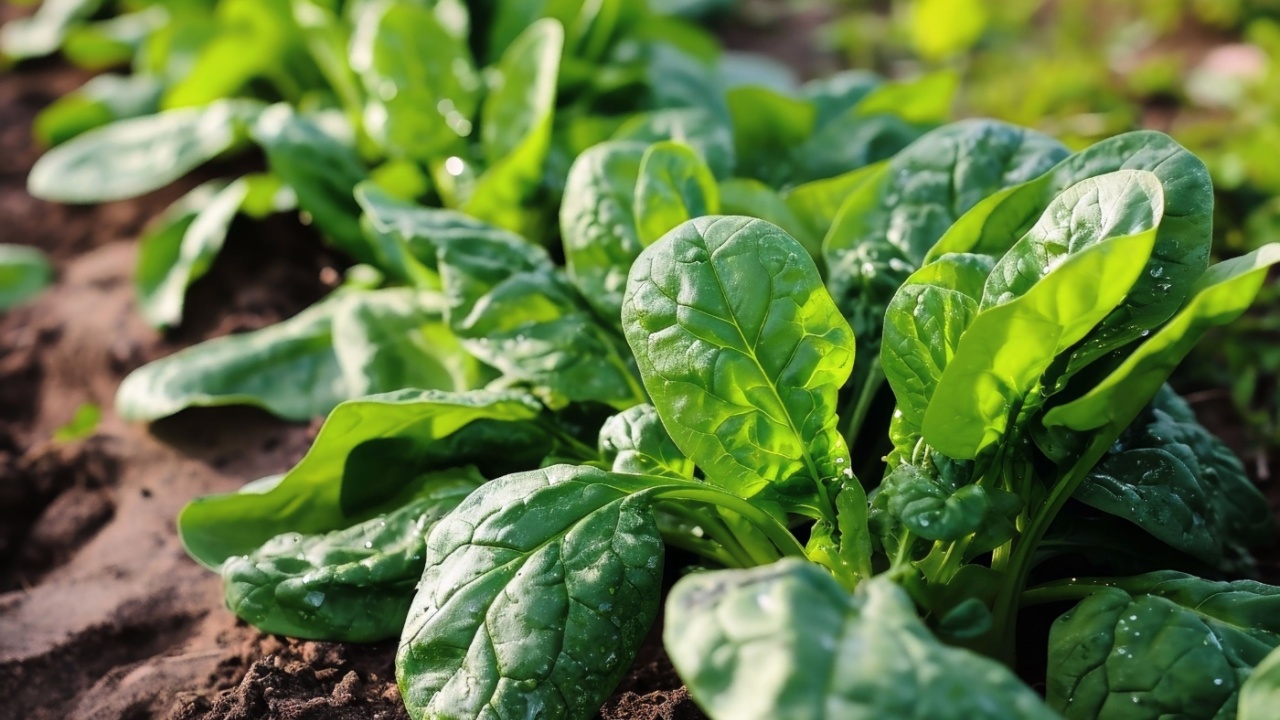
Spinach is a classic cool-weather crop that excels when planted in late summer or early fall. The cooler temperatures result in sweet, tender leaves, and you avoid the bolting issues common with spring plantings. A September sowing can yield a generous fall harvest and, with protection, can even overwinter for an extremely early spring crop.
Its nutritional value and versatility in the kitchen make it an invaluable addition to the fall garden.
How to Plant and Care for Spinach:
- Planting: Sow seeds about a half-inch deep and one inch apart in rows or blocks.
- Soil: Spinach loves rich, fertile soil. Amend your planting area with compost before sowing.
- Watering: Provide consistent water for the best leaf production.
- Harvesting: Begin harvesting the outer leaves once they are large enough to eat. Regular picking will encourage the plant to continue producing new growth.
9. Kale
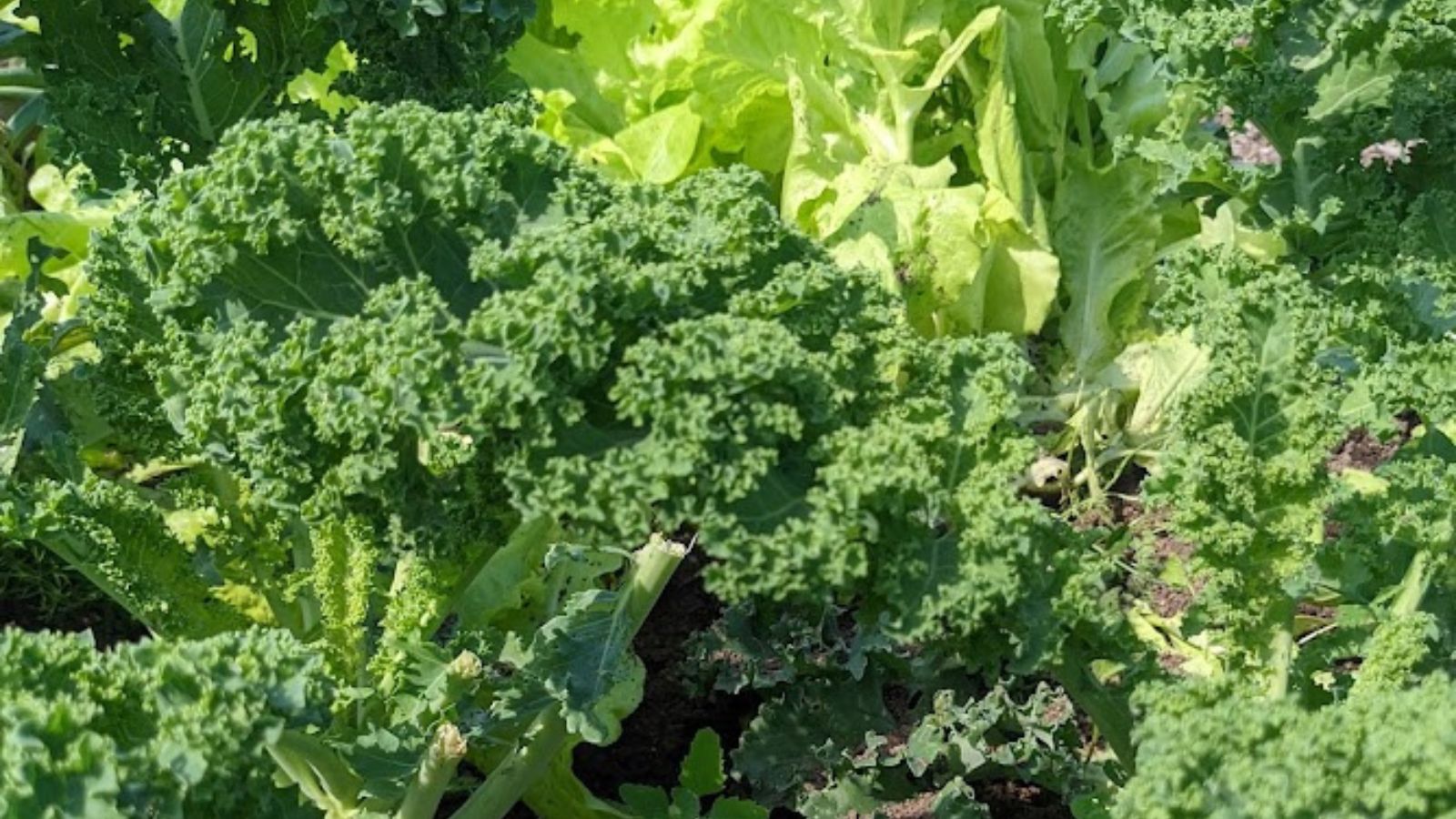
Kale is one of the most durable vegetables you can grow. Not only does it tolerate cold, but a light frost actually improves its flavor, converting starches into sugars and making the leaves sweeter and more tender. Planting in September gives it plenty of time to mature before the harshest winter weather arrives.
Many varieties will continue to produce leaves throughout the winter in all but the coldest climates, offering a steady supply of nutritious greens.
How to Plant and Care for Kale:
- Planting: Sow seeds a half-inch deep, or transplant seedlings you started indoors. Space plants about 18 inches apart to allow them to reach full size.
- Sunlight: Kale prefers full sun but will tolerate partial shade.
- Care: Mulch around the base of the plants to retain soil moisture and suppress weeds.
- Harvesting: Harvest the lower, outer leaves first, leaving the central bud to continue growing. This method can provide you with a harvest for many months.
10. Carrots
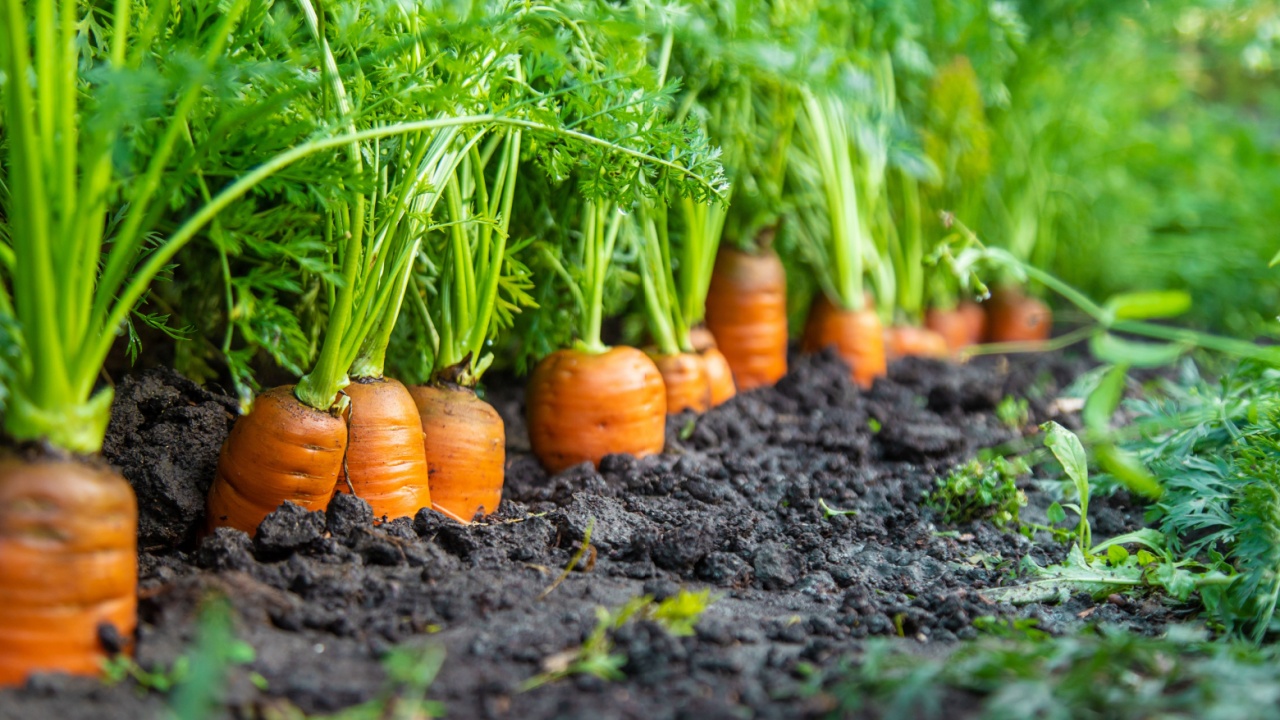
Sowing a final crop of carrots in September can lead to a surprisingly sweet winter treat. Carrots planted for a fall or winter harvest store their energy as sugar, so roots that mature in cold soil are often exceptionally sweet. Choose faster-maturing varieties to ensure they size up before the ground freezes solid.
Even if they don’t reach full size, you’ll still get delicious baby carrots to enjoy.
How to Plant and Care for Carrots:
- Variety: Select quick-maturing varieties like ‘Paris Market’ or ‘Nantes’ for a fall planting.
- Soil: Carrots need loose, deep, and stone-free soil to develop straight roots. Raised beds are an excellent option.
- Planting: Sow seeds about a quarter-inch deep. Carrot seeds are tiny, so try to space them as evenly as possible to reduce the need for thinning.
- Care: Keep the soil moist and be diligent about removing weeds, which can easily outcompete young carrot seedlings.
Fall Doesn’t Mean You Have to Stop Planting (Yet)
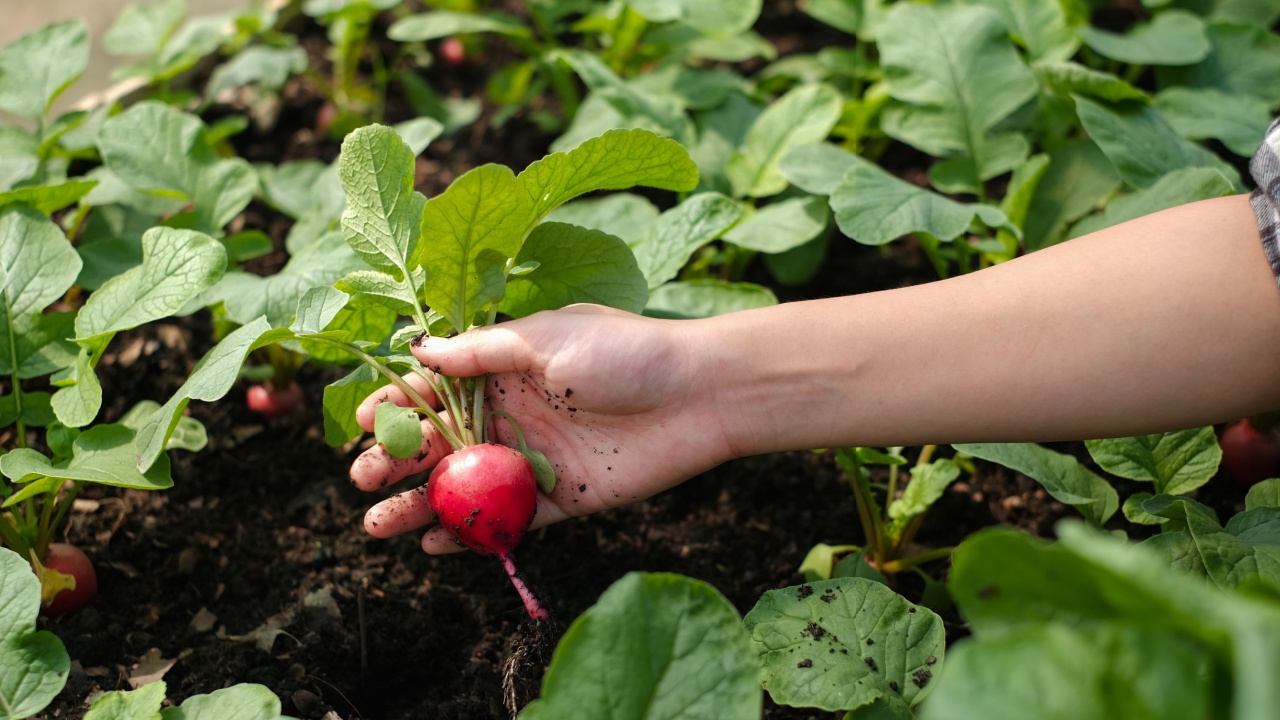
With so many great options to plant, September is the perfect time to get back out in the garden. Your first step is to take stock of your available space. Did your summer beans or zucchini finish up, leaving an open patch? That’s a perfect spot for some quick-growing arugula or radishes.
Next, choose a few crops from this list that your family will enjoy. Gather your seeds, prepare your soil by clearing out old plants and adding some fresh compost, and get sowing. With a little effort now, you can look forward to fresh flavors from your garden long after summer has faded.