

Garden edges are a necessity. They will tidy up a yard, hold soil in place during heavy rain, prevent creeping grass from hijacking your flower beds, and make mowing less painful. A solid border brings order and function to floods or gravel paths in a drought-prone area. The right edge also keeps mulch where it belongs, stops weeds from crossing into clean lines, and signals where the garden ends and lawn begins.
This list is for anyone tired of tripping over crumbling bricks or watching grass invade their carrots. Some ideas cost less than lunch. Others hold up for decades. You can use tools or none at all. The agenda is to build edges that work in your specific space. If the rain pools in one corner or the heat fries your herbs, some materials will hold up better than others.
There’s no shortage of practical, affordable, and smart ways to edge your garden. Here’s how to get it done.
1. Shovel-Cut Edges
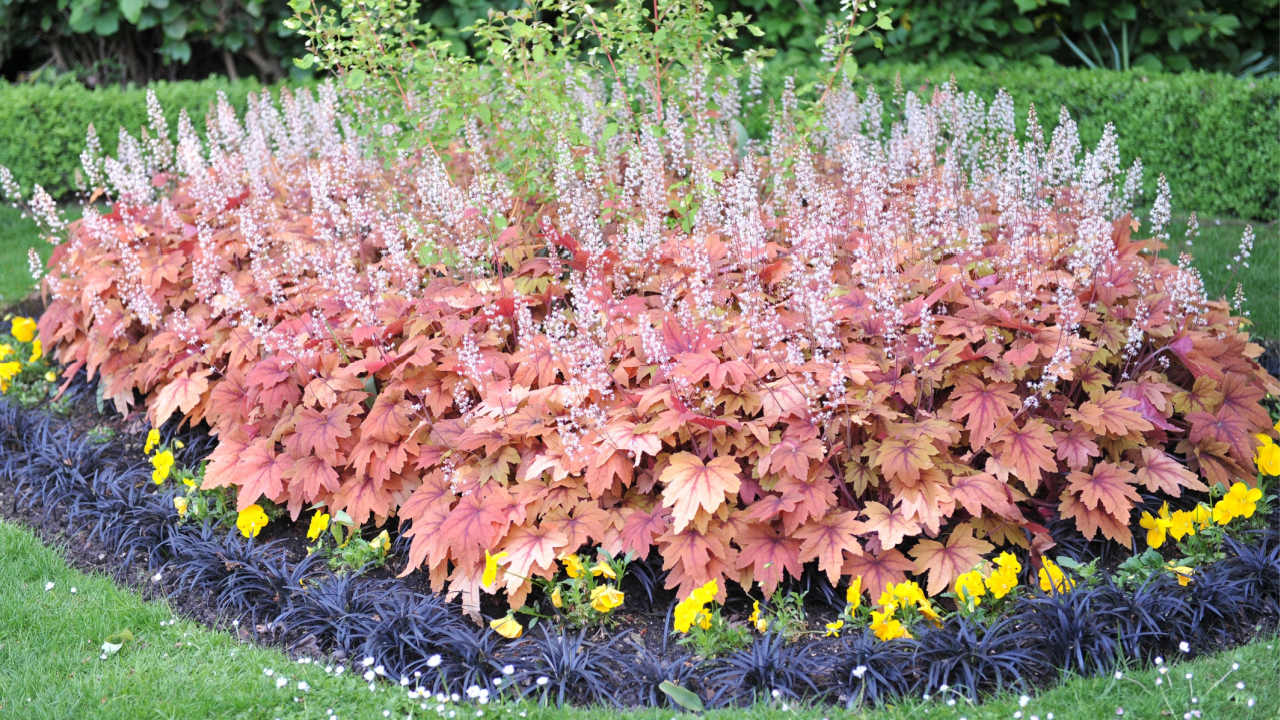
Image Credit: Shutterstock.
This is the simplest method with zero materials and minimal tools. Use a flat spade to slice a clean divide between the garden and the grass. Dig down a few inches, creating a small trench that helps contain roots and mulch. It’s fast and flexible, and you can change the shape easily if your garden evolves.
If you mess up the curve, you can re-cut it in minutes. Shovel edges work well for cottage-style gardens, curved beds, or people experimenting with layout. Maintenance does require re-cutting every couple of months during the growing season, especially in areas with aggressive grass. But this is the first step worth trying if you want control without committing to plastic or stone.
2. Stone Rows
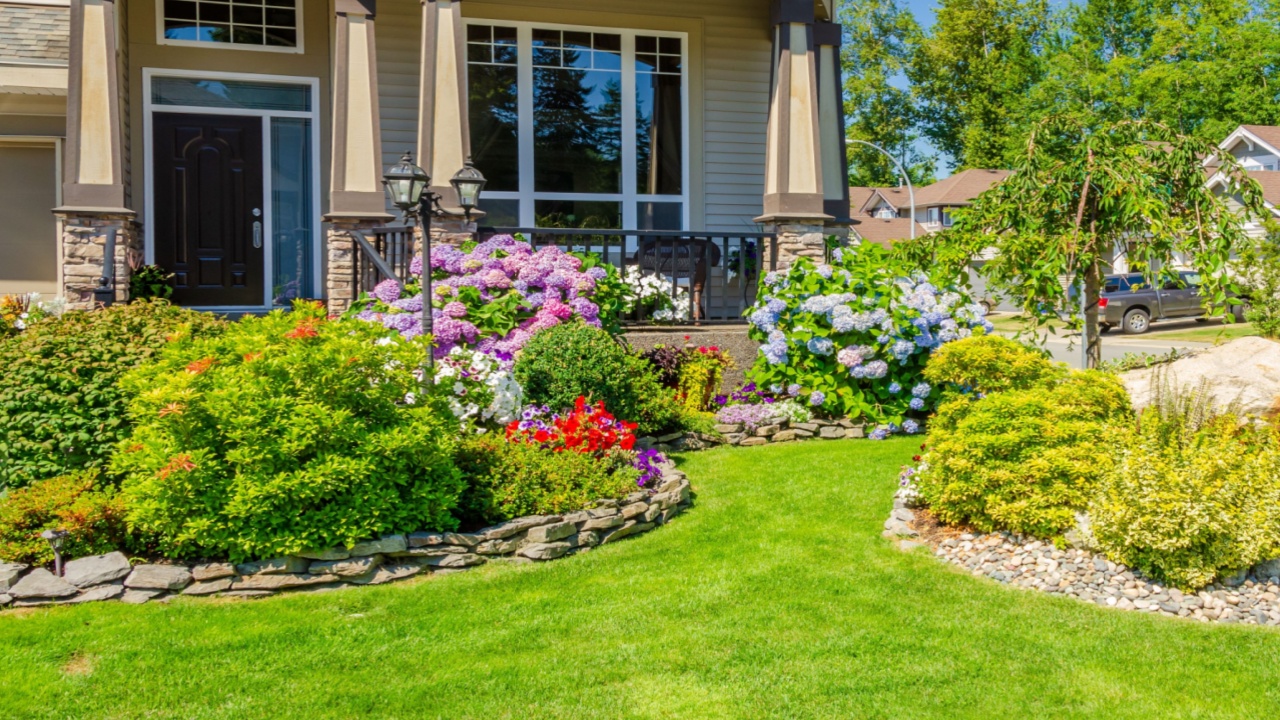
Image Credit: Shutterstock.
Local stone looks fabulous, and it lasts forever. It stays put in heavy rain and makes mowing simple. Use large stones along beds or stack smaller rocks to create a rustic line. In areas with slope, the stone helps with erosion, too. If your soil washes out easily, a thick stone edge will hold mulch and compost where they belong.
Spacing matters. Stones can be packed tightly for a clean look or spaced slightly to allow wildflowers to pop through. In vegetable gardens, stones heat up in the sun and help warm the soil nearby, giving peppers or tomatoes a boost. They’re also useful around fire-prone areas, where wood and plastic edging materials would fail fast. Pick stones that match your landscape so they blend into the environment instead of looking staged.
3. Recycled Bricks

Image Credit: Shutterstock.
Old bricks are everywhere and often free. They stack easily, can be set upright for height, or laid flat for a low barrier. Dry-stack them if you want to move them later, or use landscape adhesive to keep them in place permanently. The greatest advantages of bricks are that they resist rot, support heavy mulch, and survive decades if left undisturbed.
If the bricks come from demolition sites, scrub them before placing. Uneven bricks or mismatched sizes can still look deliberate if arranged in repeating patterns. If ants sneak in, add a layer of crushed gravel underneath to keep them out. This method works especially well in sandy or loose soils where sharper materials sink too easily.
4. Metal Strips

Image Credit: Shutterstock.
If you’re looking for clean lines that can appease your OCD neighbor, edge with steel or aluminum edging. It stays nearly invisible from a distance but does the job underneath. Ideal for contemporary gardens or straight-edged beds, metal strips are flexible enough to curve and strong enough to hold shape for years.
Choose coated steel if you’re worried about rust. It installs with stakes and lasts without warping like plastic sometimes does. This works best for those who want a defined, professional look without constant upkeep.
5. Timber Boards
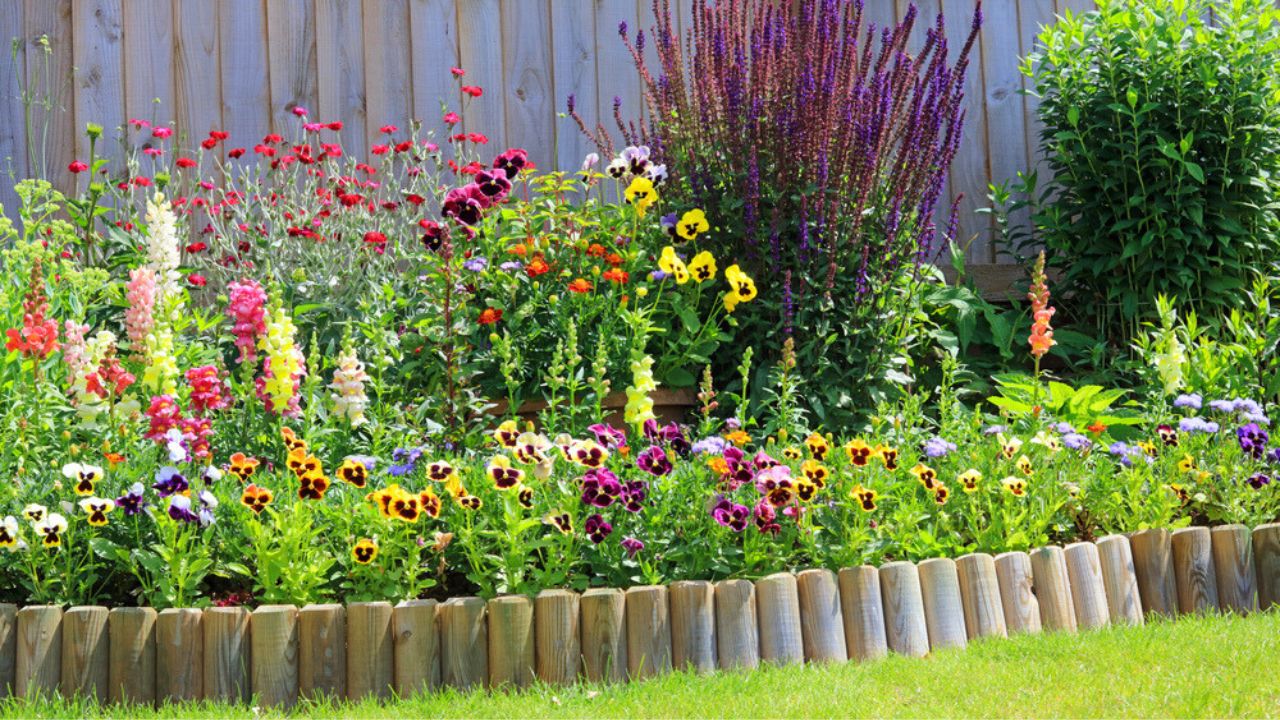
Image Credit: Shutterstock.
Treated wood makes a reliable barrier, especially for vegetable plots or raised bed areas. Use boards vertically for a crisp look or lay them flat for a wide, walkable edge. Landscape screws or metal brackets will help hold corners and long runs in place. Choose hardwood if you want it to last longer in wet conditions.
Cedar is a safe bet that resists damage without chemical treatment if termites are a concern. Boards are smart in gardens that see lots of foot traffic. You can sit on them while planting or weeding, and they keep everything squared off. Paint or stain them to match other outdoor structures, or leave them raw to blend in.
6. Concrete Pavers
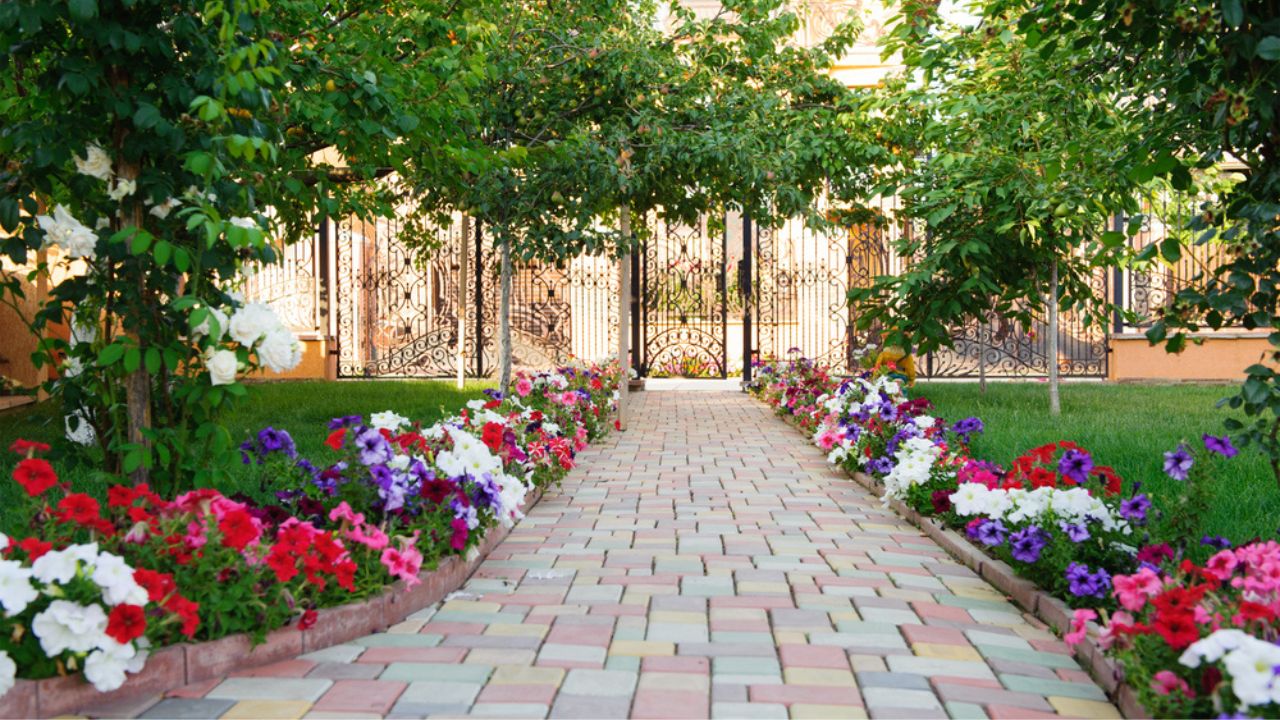
Image Credit: Shutterstock.
Pavers are easy to install and come in predictable sizes, without surprises during layout. They form clean bed boundaries and walkways, especially in flat areas where runoff isn’t a big concern. Set them in sand for flexibility or mortar for a permanent fixture. This is one of the most consistent materials for people who want to mow right up to the edge.
They also support wheelbarrows and carts without shifting, making them perfect for utility-focused gardens. If frost is an issue, use thicker pavers to handle the heave. For drainage, leave small gaps or install with a gravel base. Color choices are endless, so you can match walkways, patios, or retaining walls with ease.
7. Bottle Edging

Image Credit: Shutterstock.
Glass bottle edging works when done carefully. Bottles are buried neck-down so the bottoms create a colorful, repetitive barrier. They catch the light and form a visual cue around paths or flower beds. Use wine bottles for uniformity or mix soda bottles for a rainbow effect. You’ll need consistent depth and spacing, so take your time on the first row.
This method is better for dry climates where frost won’t shift the bottles much. In wetter zones, add drainage underneath. If you’re working with kids, wrap the bottles in cardboard before installing to avoid accidents. It’s best suited for decorative beds, not high-traffic vegetable plots or areas with mowing.
8. Corrugated Metal
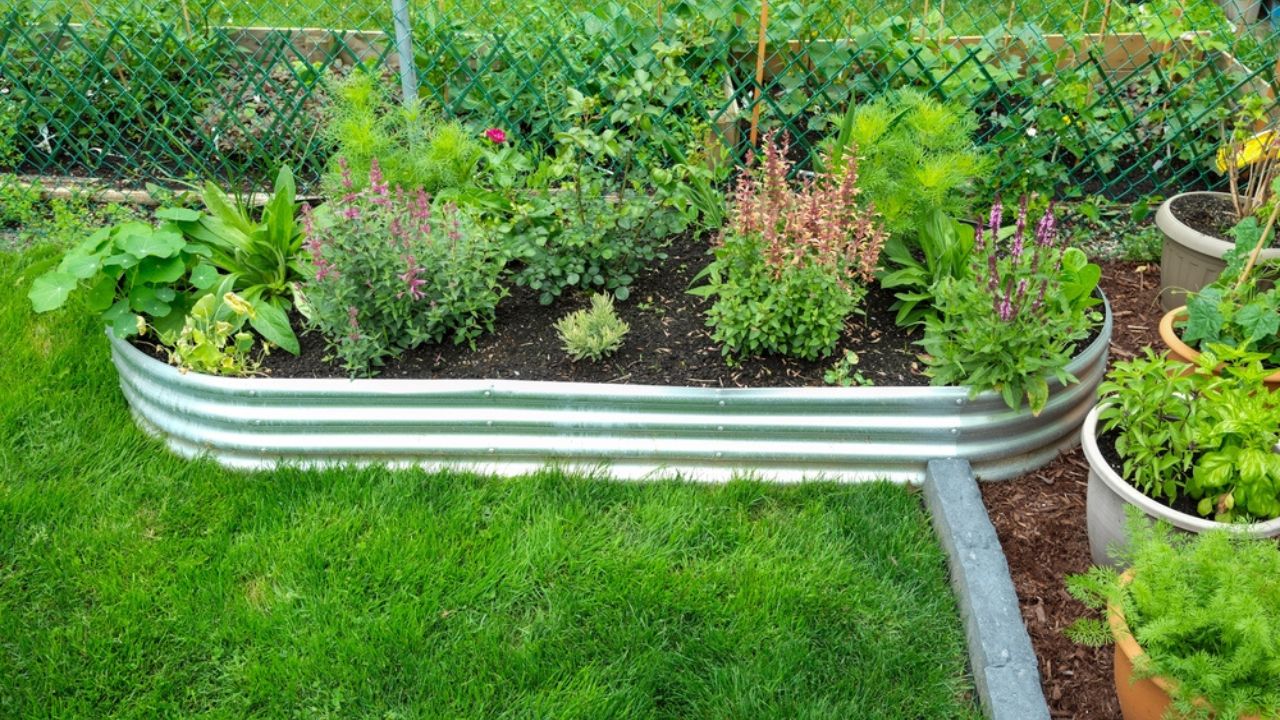
Image Credit: Shutterstock.
Cut pieces of corrugated metal make dramatic, strong edging that holds back soil and compost with ease. They curve around beds or stand tall along narrow paths. You’ll need a metal snip and gloves, but the results are industrial and nearly indestructible. Bury the lower third underground to keep it in place.
This style suits vegetable plots that get frequent watering. It reflects heat into the soil, which is helpful for crops like peppers or squash. It also deters burrowing critters better than wood or plastic. If rust is a concern, use galvanized metal or seal it with a rust-resistant paint. Great for people who want a solid structure without the bulk of timber.
9. Gabion Walls

Image Credit: Shutterstock.
Gabions are wire cages filled with rock, often used for retaining walls or erosion control. For garden edges, scale them down. You can buy pre-formed baskets or make your own with welded mesh. Fill them with leftover stone, brick chips, or even broken tiles. This is a superb option for anyone looking for a sturdy, striking, and low-maintenance edging.
Gabions are perfect for slopes, clay-heavy soils, or spots that flood. Water flows through while the soil stays in place. They double as insect hotels if you use mixed fill, and they give the garden some serious structure. Not the cheapest method, but once installed, you won’t need to touch them again for decades.
10. Bamboo Rolls
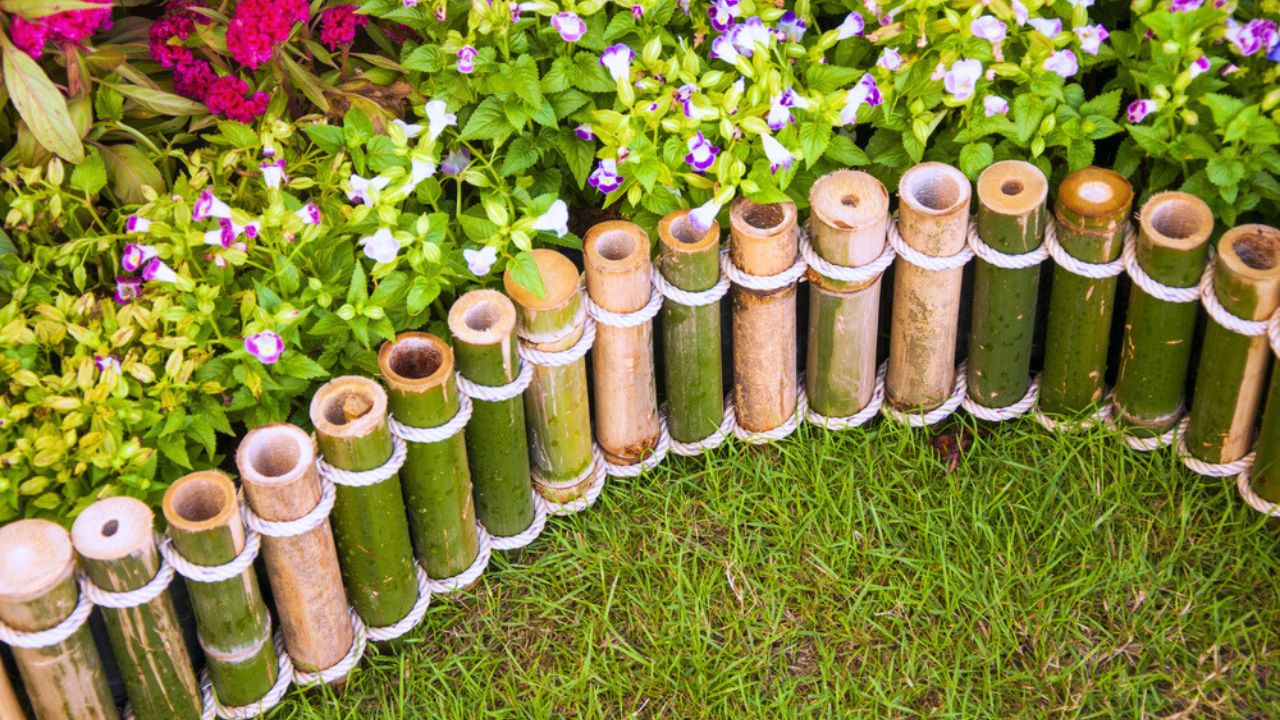
Image Credit: Shutterstock.
Bamboo edging comes in rolls or short panels; you can line it up around beds. You should go for this if you desire a lightweight and flexible edging. It gives garden areas a finished look without being too formal.
Most styles are held together with wire and can be staked into the ground with wooden pins. Cut to size with garden shears, and you’re done. This is great for renters or anyone who wants something temporary but tidy. Bamboo holds up well in sun and light rain, though it breaks down faster in soggy soil. If termites are common, treat them with a borate solution.
11. Rope or Twine Borders

Image Credit: Shutterstock.
Twine borders are made by stringing rope between short wooden stakes around a bed. It’s not meant to block soil but to mark clear zones visually. Gardeners use this method to keep pets or kids from trampling seedlings, or to keep pathways obvious. You can swap in jute, sisal, or even clothesline, depending on what you have.
It works well in community plots where shared space needs boundaries. If you refresh the rope once a season and check the tension, it stays looking sharp. It’s also handy around pollinator gardens where you want people to see but not walk through. Don’t count on it to block weeds, though; it’s all about structure and guidance.
12. Terracotta Pipes

Image Credit: LarsNB at Shutterstock.
Half-buried terracotta pipes create natural compartments along a bed. Place them vertically or lay them sideways, depending on the look. Water drains through easily, and the material ages nicely with time. Use full pipes for mini planters or cut them to size for edging.
This idea works well for Mediterranean-style gardens or dry regions where drainage matters. Terracotta warms quickly, which helps early spring planting. It’s also heavy enough to resist being knocked over by pets. For uniformity, stick to one pipe diameter. If you are interested, alternate sizes and fill a few with herbs or succulents.
13. Cinder Blocks
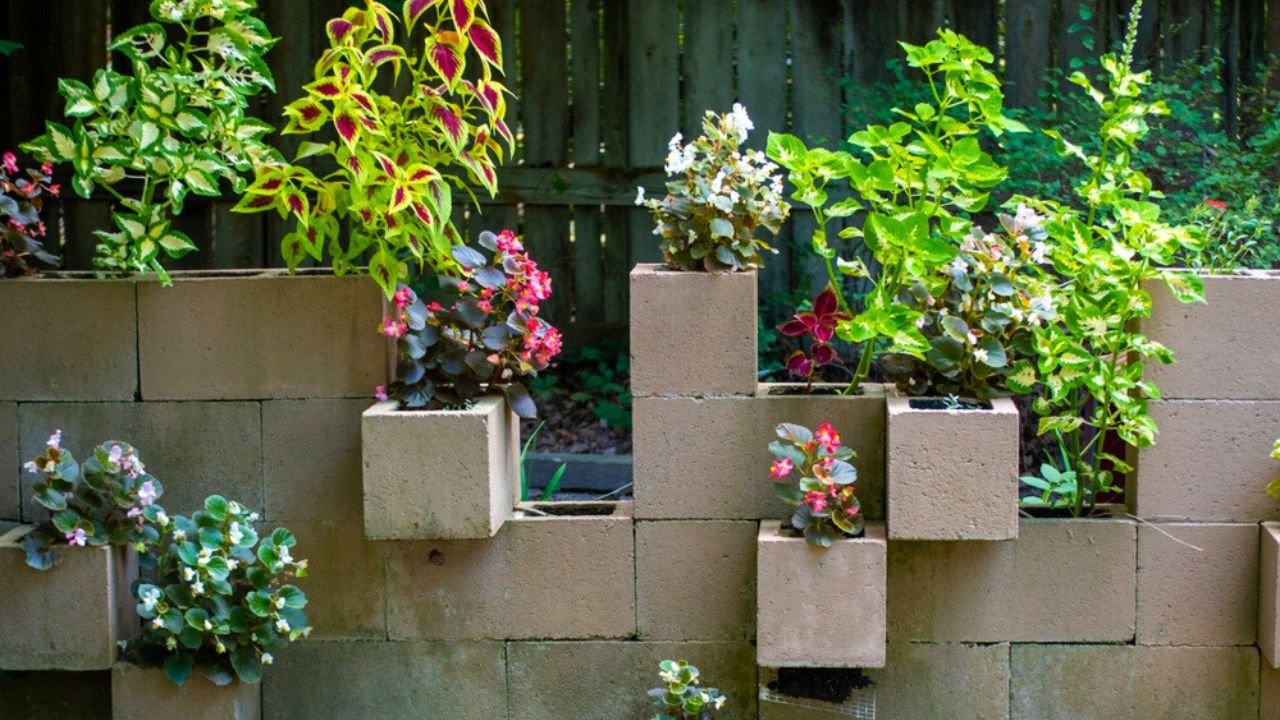
Image Credit: Shutterstock.
Cinder blocks should be among your first choices if you’re going for functional, cheap, and built-to-last edging. Lay them flat for simple boundaries, stack them two high, and fill the holes with soil. They’re perfect for urban gardens where materials have to do double duty. You can use the inner cavities as planters or tuck in solar lights for visibility at night.
They’re heavy, so once they’re in place, they won’t move. Use them to hold compost bins or separate weedy areas from food beds. Painting or sealing the outside gives a cleaner look, but they work fine raw.
14. Reclaimed Pallet Wood
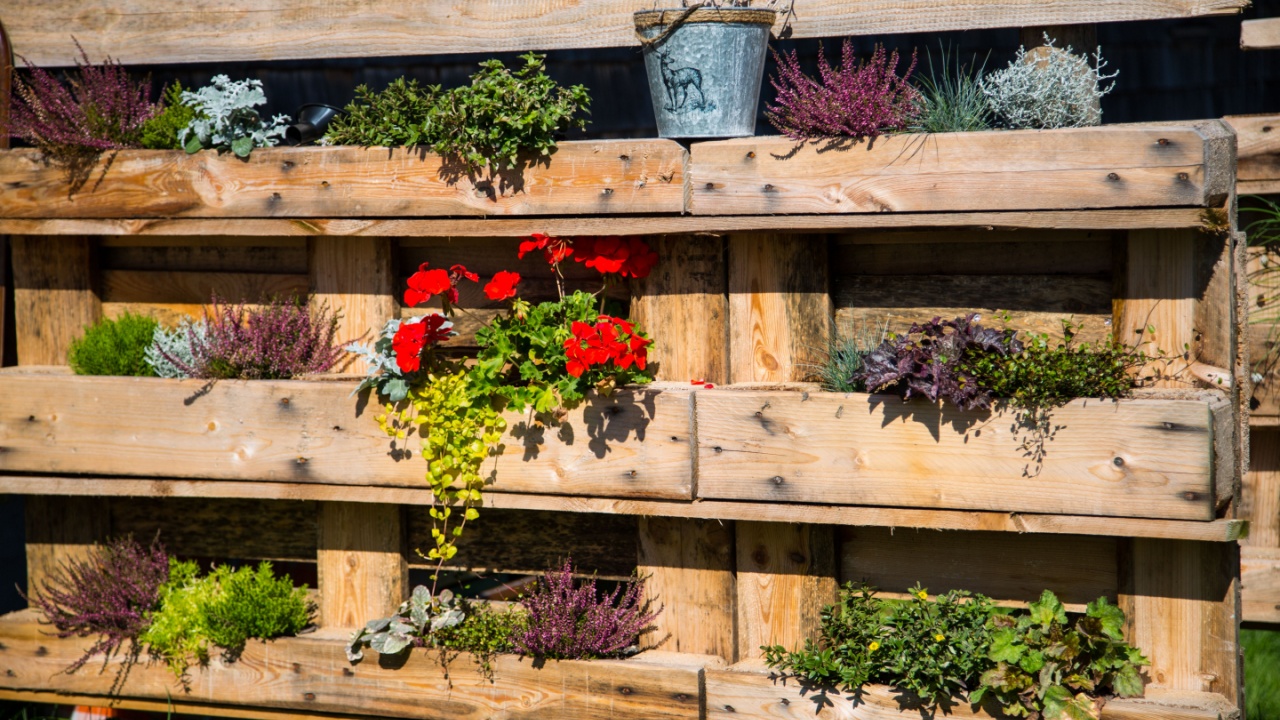
Image Credit: Shutterstock.
The list of things that old pallets can make is inexhaustible. They can also break down into free edging materials with a little work. Pry the slats loose, cut to size, and line them up vertically or horizontally along beds. Use wood screws and rebar stakes to keep them secure. This works well in areas where looks matter less than function.
It’s an easy way to build raised edges without buying lumber. Pallet wood handles wind, rain, and sun fairly well, though you should skip pieces marked with chemical treatments. Sand the edges lightly before installing and space gaps if you want airflow.
15. Living Edges
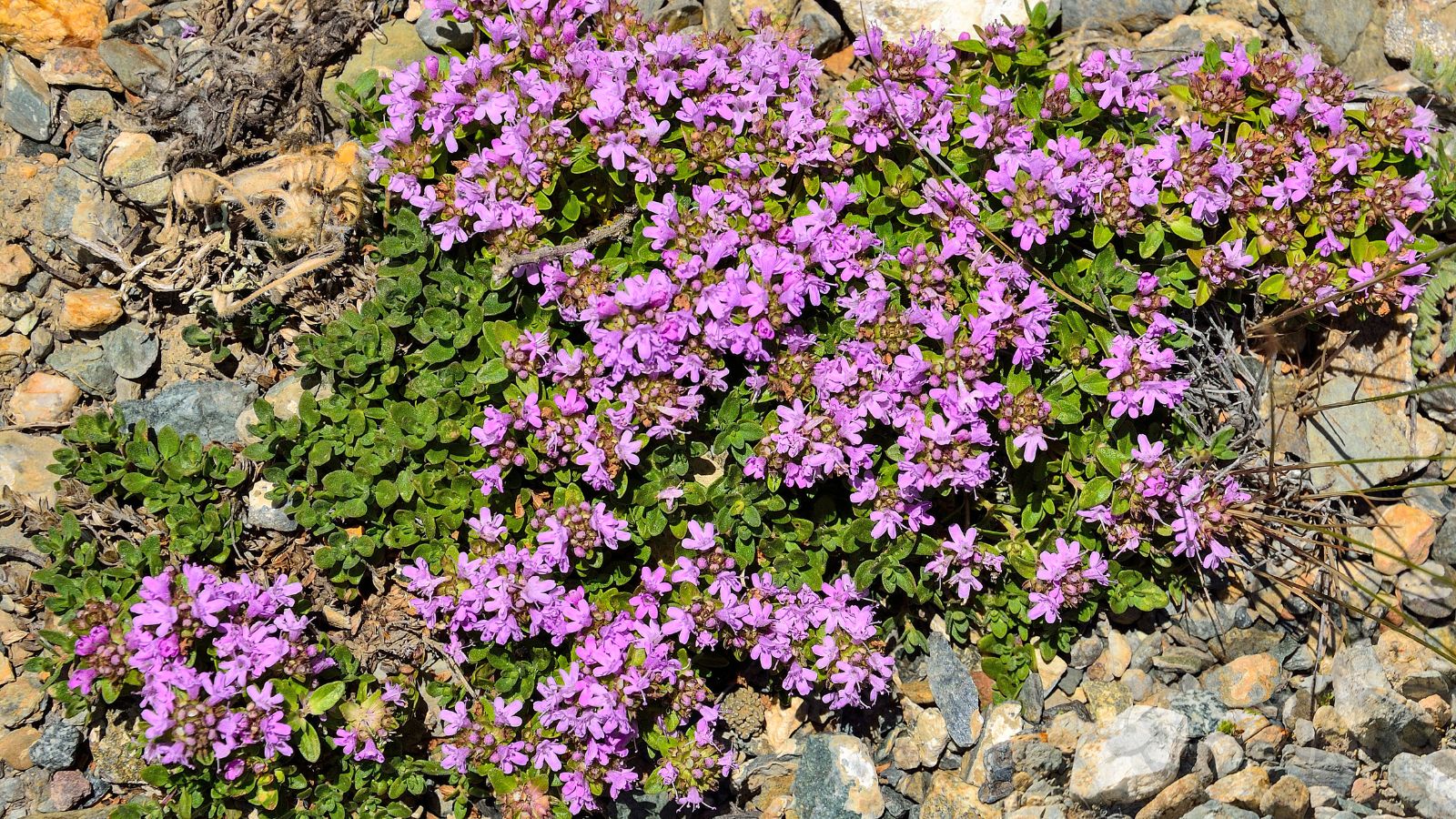
Image credit: Depositphotos.com.
They may take a minute to establish, but you can use low-growing plants like thyme, oregano, or creeping Jenny to create living edges. These hold soil in place and spill attractively into paths without taking over. Plant dense rows and trim regularly. It’s less precise than other methods but more rewarding if you want edible or pollinator-friendly options.
Living edges work especially well around food beds or herb gardens. Choose perennials that spread slowly and don’t mind regular trimming. They won’t stop grass from creeping in completely, but they make the transition from bed to path softer and more natural. Pair with hard edging underneath if you need more control.
Final Thoughts

Image Credit: Shutterstock.
Edging is a good way to manage a garden. Choose a style that works with your space. You get fewer surprises when you match the right material to your climate, foot traffic, and soil type.
Take into account how your garden changes over a year. Some materials help retain heat in cool seasons. Others make paths safer during rainy months. Choose with the long view in mind, not just the current season, and you’ll save yourself hours of digging, fixing, and starting over.