
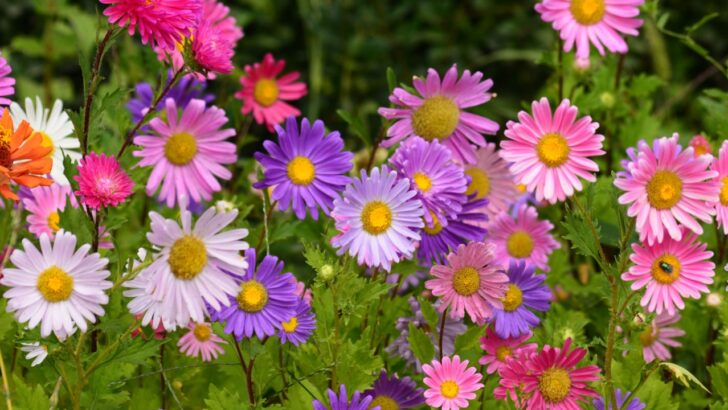
Asters are the grand finale of the garden season, bursting into a riot of purple, pink, blue, and white just as other flowers begin to fade. These hardy perennials are a cornerstone of any fall landscape, providing essential late-season nectar for pollinators and a final splash of vibrant color before winter. Their cheerful, daisy-like flowers and mounded growth make them incredibly versatile, but the key to a truly stunning garden design lies in pairing them with the right companions.
Choosing the right partners for your asters ensures a garden that offers visual interest from spring through fall. By selecting plants with similar care needs and complementary features, you can create a low-maintenance, high-impact display that supports a healthy ecosystem. This guide will walk you through nine fantastic companion plants that will help your asters thrive and make your garden the envy of the neighborhood.
1. Black-eyed Susan (Rudbeckia)
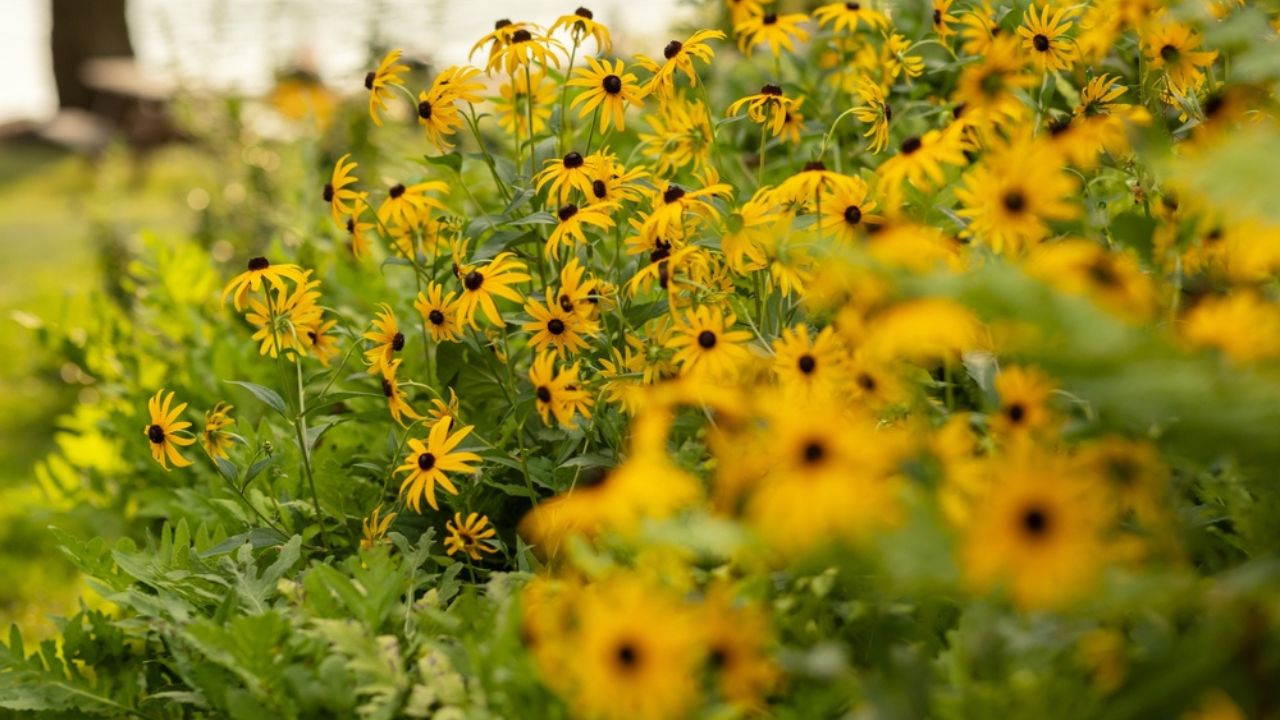
Image Credit: Shutterstock.
Black-eyed Susans are a classic garden favorite, and for good reason. Their golden-yellow petals and dark brown centers create a beautiful and striking contrast with the cool tones of purple and blue asters. Since they share similar sunlight and soil preferences, they are an effortless and reliable partner in any garden bed. Their bloom time often overlaps with early-blooming asters, creating a seamless transition of color.
These cheerful fall blooming flowers are not just a pretty face; they are workhorses in the garden. They attract a wide range of beneficial insects, including pollinators like bees and butterflies, which also benefit your asters. Their sturdy stems stand tall throughout the season, providing structure and support, and they help deter common garden pests, contributing to a healthier planting area.
Quick Guide:
- Why it works: Stunning color contrast and similar growing needs.
- Care: Full sun and well-drained soil. Drought-tolerant once established.
- Benefits: Attracts pollinators, deters pests, and adds structural height.
- Pro Tip: Leave the seed heads on through winter to provide food for birds.
2. Sedum (Stonecrop)
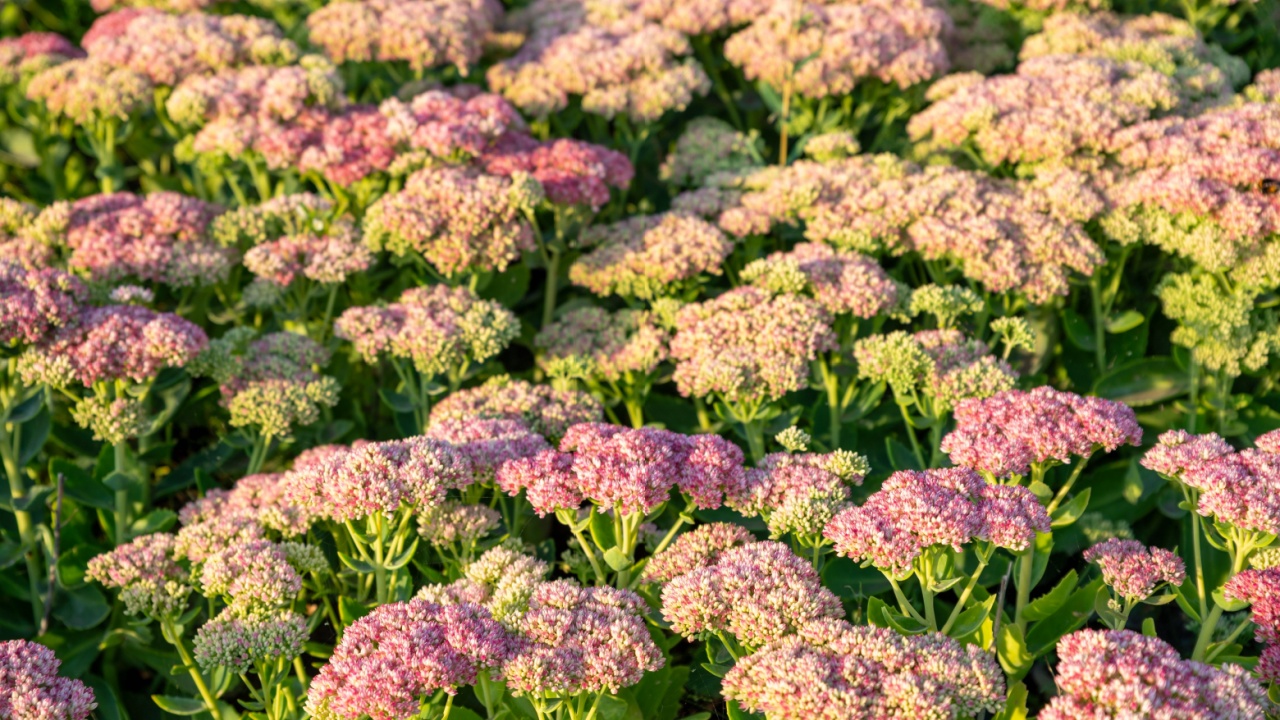
Image Credit: Shutterstock.
Sedums, particularly upright varieties like ‘Autumn Joy’, are an exceptional companion for asters. Their thick, succulent leaves provide a bold textural contrast to the fine, delicate foliage of asters. As summer ends, their flower heads evolve from a pale green to a deep pink or rusty red, perfectly complementing the rich jewel tones of fall-blooming asters.
Because sedums are succulents, they are incredibly drought-tolerant and thrive in the same full-sun, well-drained conditions that asters love. This low-maintenance nature means less competition for water and nutrients, allowing both plants to flourish without extra fuss. Their broad flower clusters also serve as landing pads for pollinators, making your garden a late-season haven for bees and butterflies.
Quick Guide:
- Why it works: Contrasting foliage texture and complementary fall color.
- Care: Full sun and very well-drained, even sandy, soil. Low water needs.
- Benefits: Reduces water competition and attracts a host of late-season pollinators.
- Pro Tip: Plant sedum in front of taller aster varieties for a beautiful layered look.
3. Ornamental Grasses
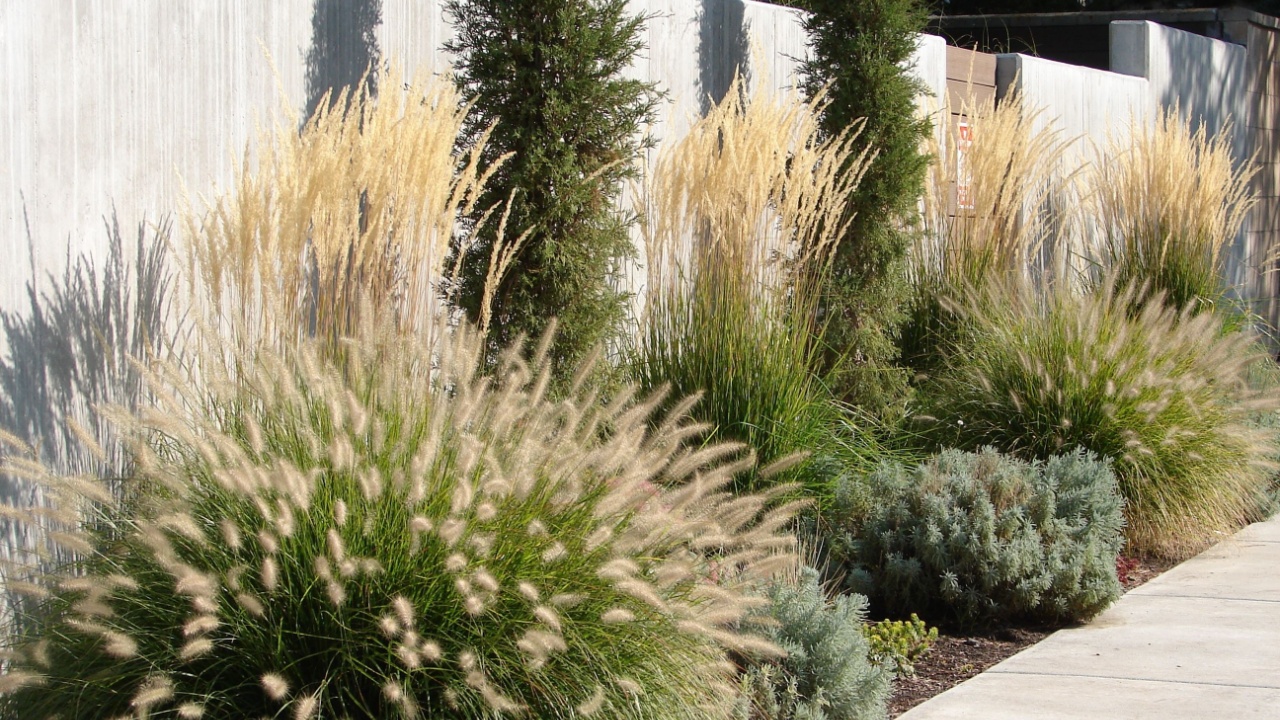
Image Credit: Shutterstock.
Ornamental grasses are a must-have for adding movement, texture, and sound to the garden. When paired with asters, they create a dynamic and sensory experience. The soft, feathery plumes of grasses like Feather Reed Grass or the airy seed heads of Tufted Hair Grass sway gently in the breeze, providing a graceful backdrop for the static, star-like blooms of asters.
These grasses bring year-round interest to the garden. Their foliage looks great from spring to fall, and many varieties retain their structure and color well into the winter, adding visual appeal even after the asters have finished blooming. They share a love for full sun and require minimal care once established, making them an ideal, low-effort partner.
Quick Guide:
- Why it works: Adds texture, movement, and year-round structural interest.
- Care: Full sun and well-drained soil. Most are drought-tolerant.
- Benefits: Creates a soft backdrop that makes aster colors pop.
- Pro Tip: Use taller grasses like Feather Reed Grass behind asters and shorter ones like Tufted Hair Grass in front to create layers.
4. Yarrow (Achillea)
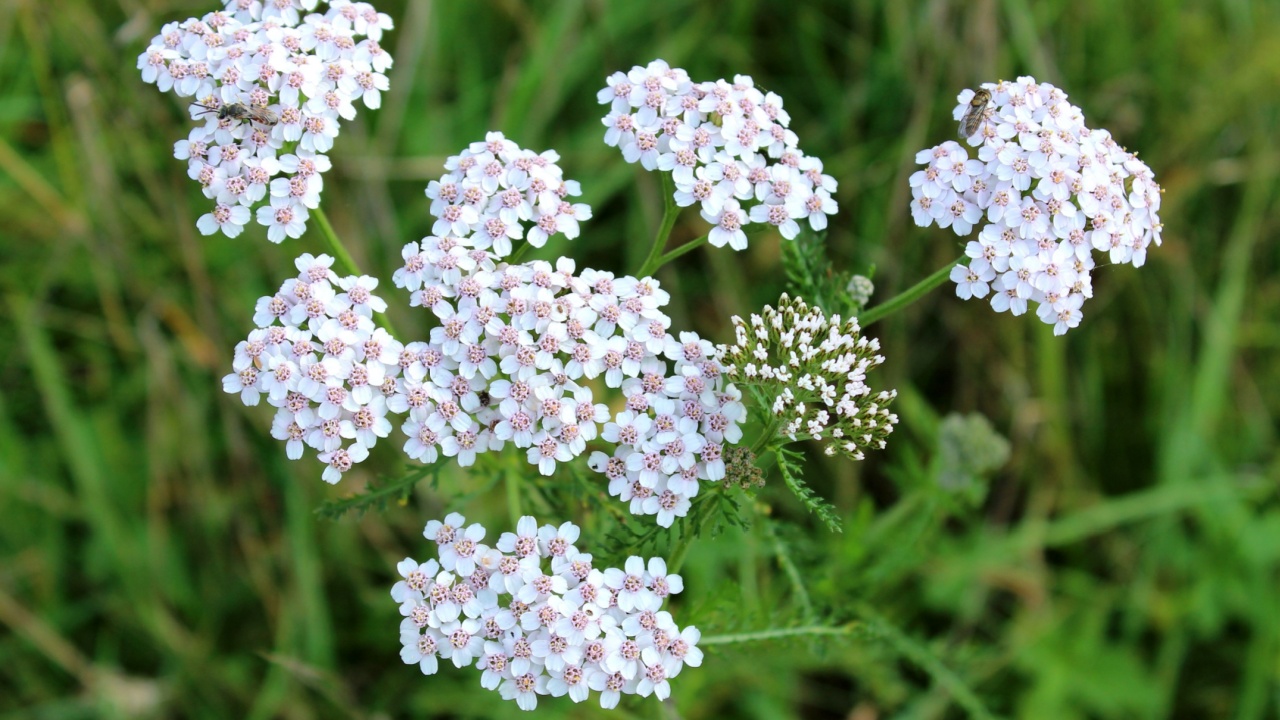
Image Credit: Shutterstock.
Yarrow is a hardy and resilient perennial known for its feathery, fern-like foliage and flat-topped flower clusters. Its unique flower shape provides a wonderful contrast to the daisy-like form of asters. Available in a spectrum of colors from yellow and pink to white and red, you can easily find a variety of yarrow to either complement or contrast with your asters.
Beyond its visual appeal, yarrow is a fantastic functional companion. It attracts beneficial insects like ladybugs and predatory wasps, which help control pest populations, including aphids that can sometimes trouble asters. Yarrow thrives in full sun and well-drained soil, mirroring the needs of asters, and its aromatic foliage can help deter deer and rabbits.
Quick Guide:
- Why it works: Contrasting flower form and pest-repelling properties.
- Care: Full sun and well-drained soil. Very drought-resistant.
- Benefits: Attracts beneficial insects and deters common garden pests.
- Pro Tip: Deadhead spent blooms to encourage a longer flowering season.
5. Hydrangea
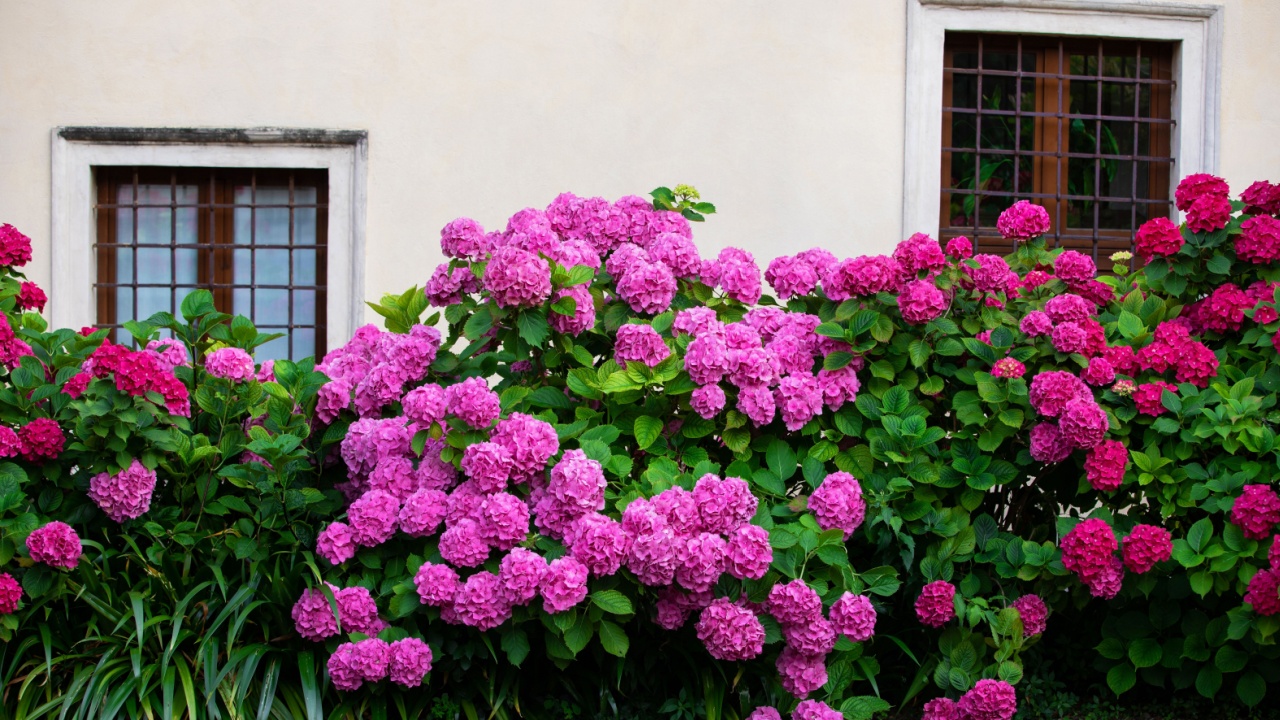
Image Credit: Shutterstock.
For a truly elegant and structured garden design, consider pairing asters with hydrangeas. The large, dramatic flower heads of hydrangeas create a lush and substantial backdrop for the more delicate aster blooms. Planting a row of asters in front of a hedge of Panicle Hydrangeas (Hydrangea paniculata) offers a sophisticated, layered look with continuous interest from summer into fall.
Panicle hydrangeas are a great choice because they thrive in full to part sun, similar to asters, and their blooms often age to beautiful shades of pink and red in the fall, harmonizing with aster colors. The formal, shrubby structure of the hydrangea contrasts beautifully with the wilder, more informal look of many aster varieties.
Quick Guide:
- Why it works: Provides a lush, structural backdrop with large, elegant blooms.
- Care: Full sun to part shade with consistently moist, well-drained soil.
- Benefits: Creates a formal, hedge-like appearance and offers continuous blooms from summer to fall.
- Pro Tip: Choose a hydrangea variety that blooms on new wood, so you don’t have to worry about late frosts damaging flower buds.
6. Coreopsis (Tickseed)
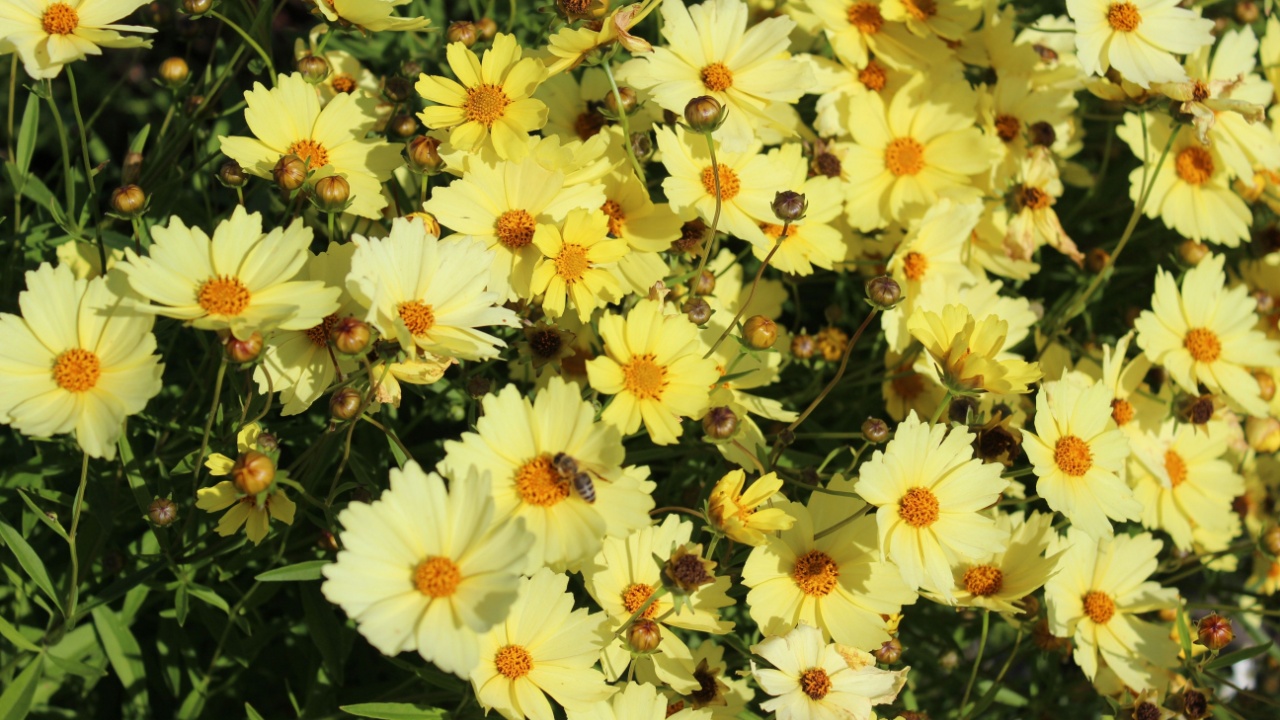
Image Credit: Shutterstock.
With its profusion of bright, sunny flowers, Coreopsis is another excellent companion that brings a vibrant splash of color to the garden. The cheerful yellow or bi-color blooms contrast beautifully with purple and blue asters, creating a lively and eye-catching display. Many Coreopsis varieties have long bloom times, starting in early summer and continuing into the fall, ensuring your garden is never without color.
Coreopsis is valued for its ability to thrive in full sun and well-drained soil, making it a perfect match for asters. Its dense, mounding habit can also help suppress weeds around your aster plants, reducing garden maintenance. This low-maintenance perennial is a reliable performer that brings season-long beauty.
Quick Guide:
- Why it works: Provides a long blooming season and a vibrant color contrast.
- Care: Full sun and well-drained soil. Tolerates poor soil conditions.
- Benefits: Helps suppress weeds and attracts pollinators.
- Pro Tip: Shear the plant back by about one-third after its first major flush of blooms to encourage reblooming.
7. Catmint (Nepeta)
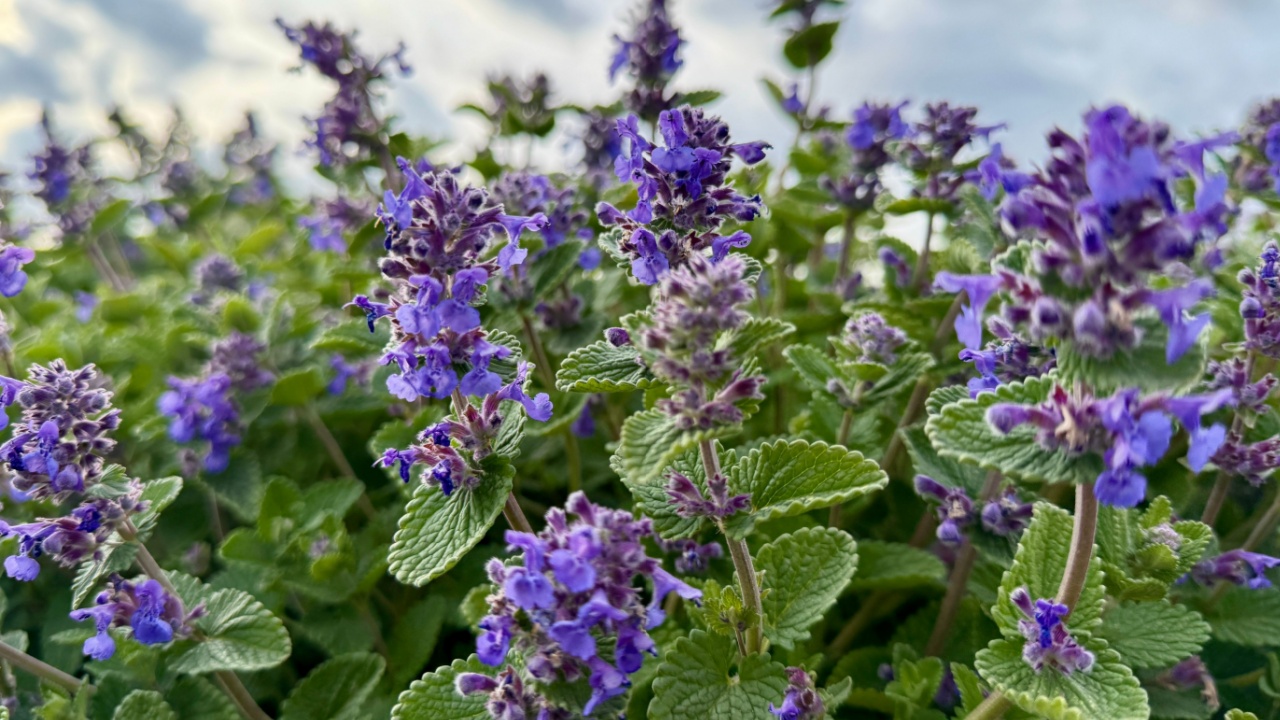
Image Credit: Shutterstock.
Catmint is a superb companion plant known for its aromatic gray-green foliage and long-lasting spikes of lavender-blue flowers. The soft, billowy texture of catmint creates a wonderful ground cover around the base of taller asters, softening the edges of the garden bed. Its cool-toned flowers harmonize beautifully with purple and blue asters, creating a cohesive and serene planting scheme.
One of the greatest benefits of planting catmint is its ability to repel common garden pests like aphids, which can sometimes be a problem for asters. It’s also highly attractive to pollinators, including bees and butterflies. Catmint is incredibly tough, tolerating heat, drought, and poor soil, so it won’t compete with your asters for resources.
Quick Guide:
- Why it works: Soft, mounding texture and natural pest-repellent qualities.
- Care: Full sun to part shade in well-drained soil. Very drought-tolerant.
- Benefits: Deters pests like aphids and attracts pollinators.
- Pro Tip: Cut back catmint after its first bloom cycle to promote fresh foliage and a second wave of flowers.
8. Lupine
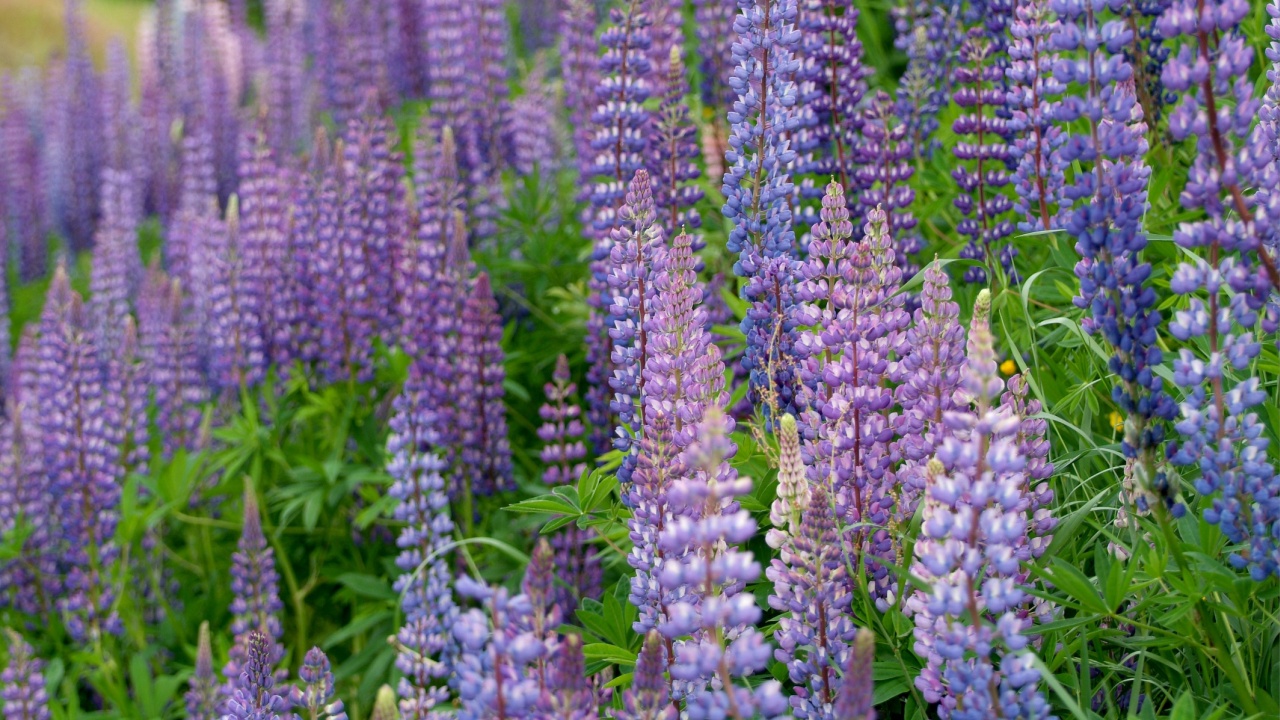
Image Credit: Shutterstock.
Lupines offer a dramatic vertical element with their tall, showy flower spikes that bloom in late spring and early summer. While their main bloom time doesn’t overlap with fall asters, they are an excellent companion for ensuring season-long interest. After the lupine flowers fade, their attractive, palm-like foliage remains, providing a lovely green backdrop for when the asters take center stage.
By planting lupines and asters together, you create a succession of blooms that keeps the garden vibrant from spring through fall. The lupines command attention early in the season, and as they finish, the asters grow and prepare for their autumn show. This partnership ensures that your garden bed is never dull.
Quick Guide:
- Why it works: Provides early-season color and creates a succession of blooms.
- Care: Full sun and well-drained, slightly acidic soil.
- Benefits: The foliage provides a lush green filler after blooms fade.
- Pro Tip: Lupines are legumes and can fix nitrogen in the soil, which can benefit neighboring plants.
9. Geranium (Cranesbill)
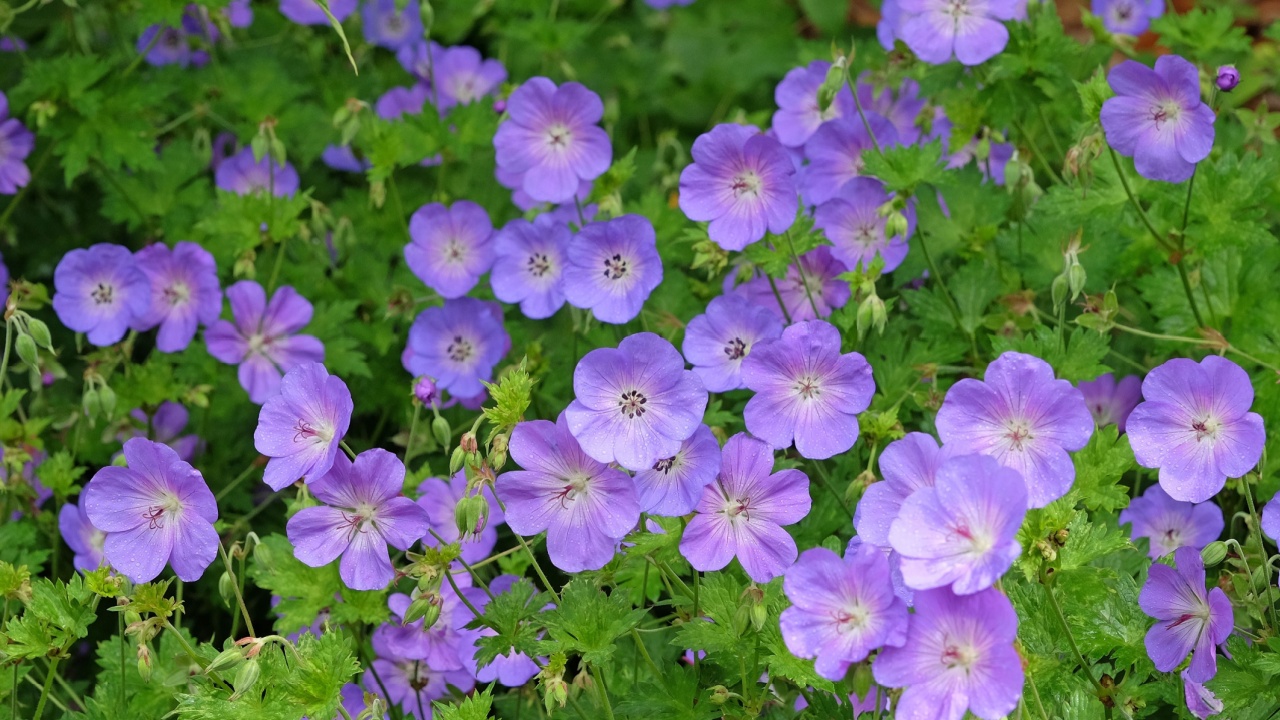
Image Credit: Shutterstock.
Hardy geraniums, also known as cranesbill, are versatile perennials that make a wonderful companion for asters. These plants form neat mounds of attractive foliage and produce a profusion of flowers from spring until frost. Their long blooming season ensures there is always color in the garden, culminating with the peak bloom of the asters in fall.
Geraniums are fantastic for filling in gaps at the front of a border or weaving between taller perennials. Their foliage often turns brilliant shades of red and orange in the fall, adding another layer of seasonal interest that complements the aster flowers. Most hardy geraniums are adaptable, thriving in conditions from full sun to part shade.
Quick Guide:
- Why it works: Long blooming season provides continuous color and attractive fall foliage.
- Care: Full sun to part shade with average, well-drained soil.
- Benefits: Excellent for filling gaps and acting as a living mulch to suppress weeds.
- Pro Tip: Plant different varieties of geraniums to enjoy a range of flower colors and foliage textures.
Asters are Part of a Thriving Fall Garden
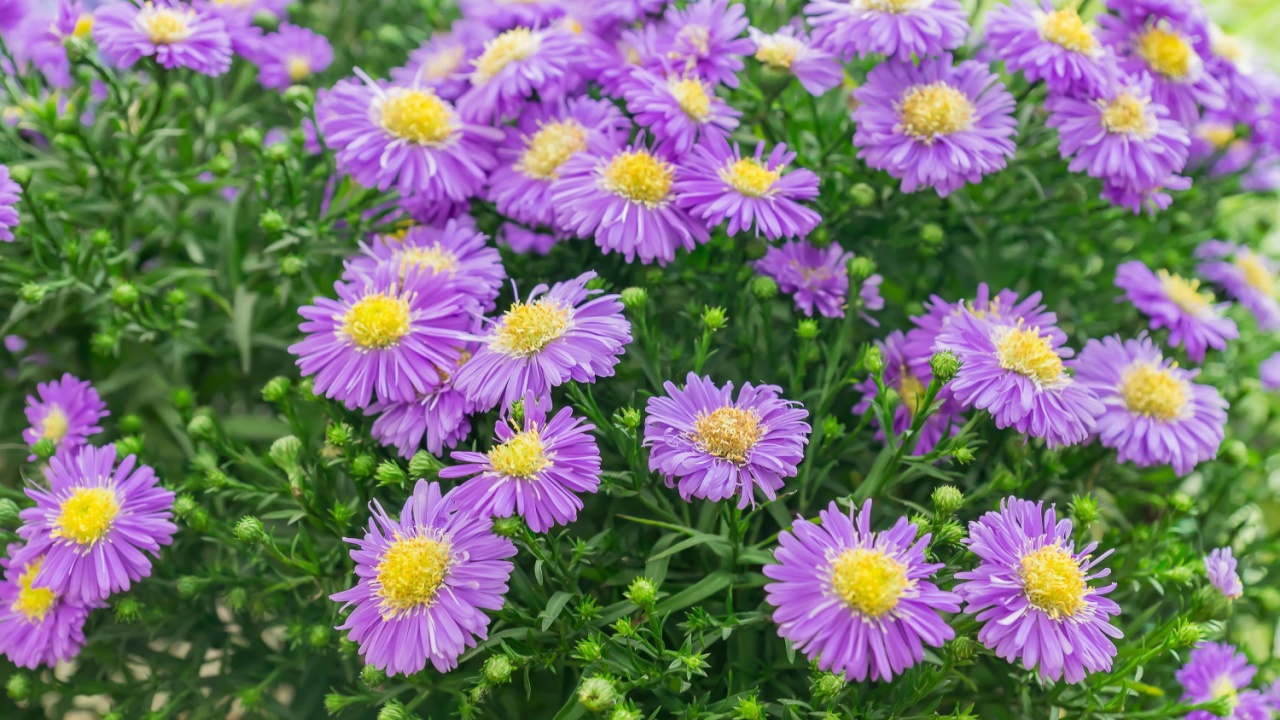
Image Credit: Shutterstock.
Now that you have a list of perfect partners for your asters, it’s time to start planning. Begin by observing your garden to find a spot that gets at least six hours of direct sunlight. Good drainage is key, so amend heavy clay soil with compost to improve its structure. When you’re ready to plant, think about layering.
Place taller plants like hydrangeas or ornamental grasses at the back, mid-sized asters and Black-eyed Susans in the middle, and low-growing companions like sedum or catmint at the front. This simple technique adds depth and makes your garden look professionally designed. By combining these plants, you’ll create a beautiful, resilient garden that buzzes with life all the way until the first frost.