
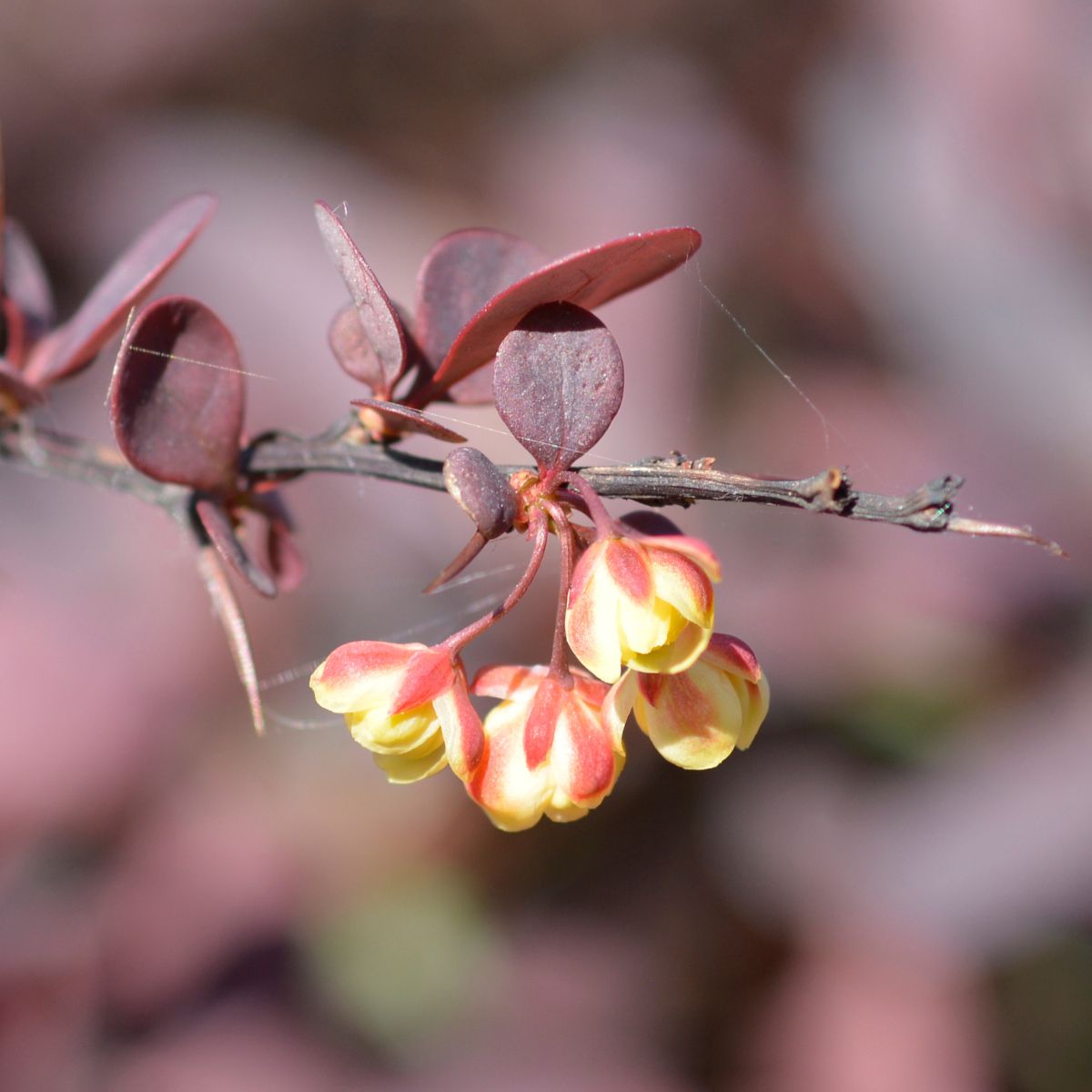
Kansas is home to more than 2,200 native plant species. These plants have evolved in the Kansas prairie and adapted to the growing conditions and ecosystems there, creating a landscape unique to the region. Exotic plants, on the other hand, come from a completely different habitat and have no established relationship with the native flora …
Serena Manickam
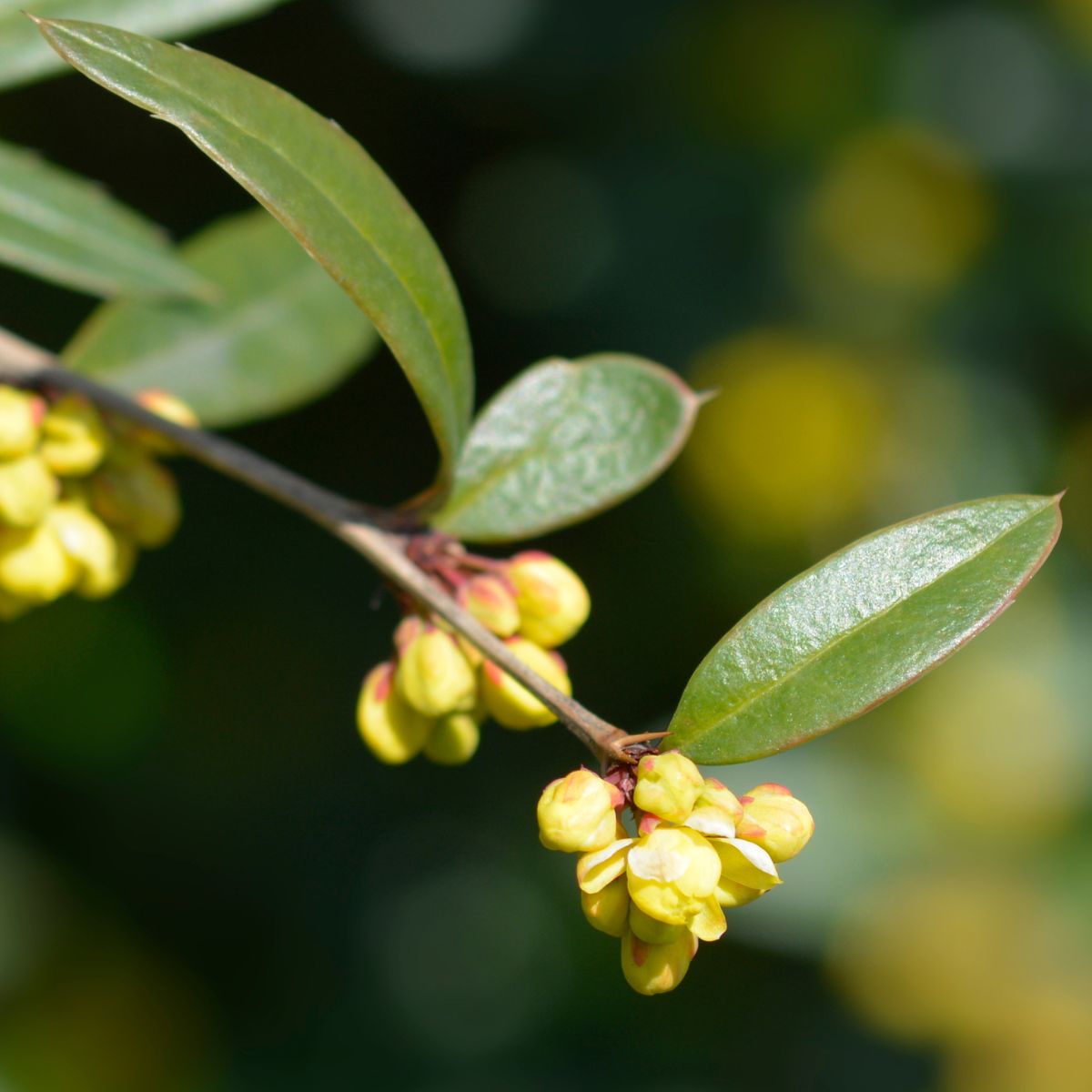
Invasive plants pose a significant challenge to Iowa’s ecosystems. These noxious weeds threaten prairies, forests, and even aquatic environments, impacting the health of native plants and animals. While humans often introduce invasive species, whether accidentally or intentionally, changing climates sometimes allow plants to spread naturally from their native range to a location where they lack …
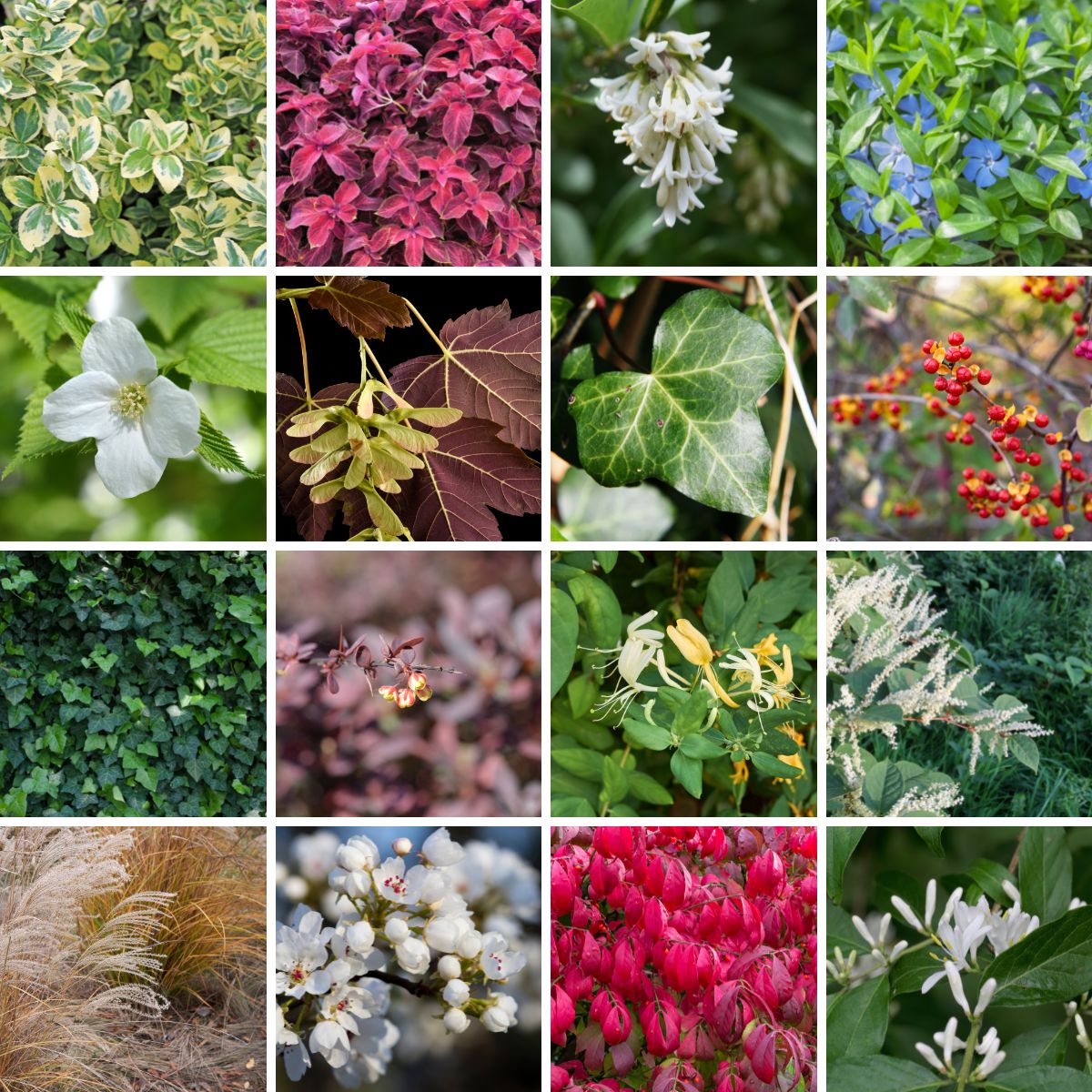
About one-fourth of the approximately 2,300 plants growing wild in Indiana are nonnative. While not all non-native plants are invasive, those that have earned the title can cause significant damage to local ecosystems. Some invasive plants are still sold by garden centers and nurseries, while others may have been planted in your landscape before they …
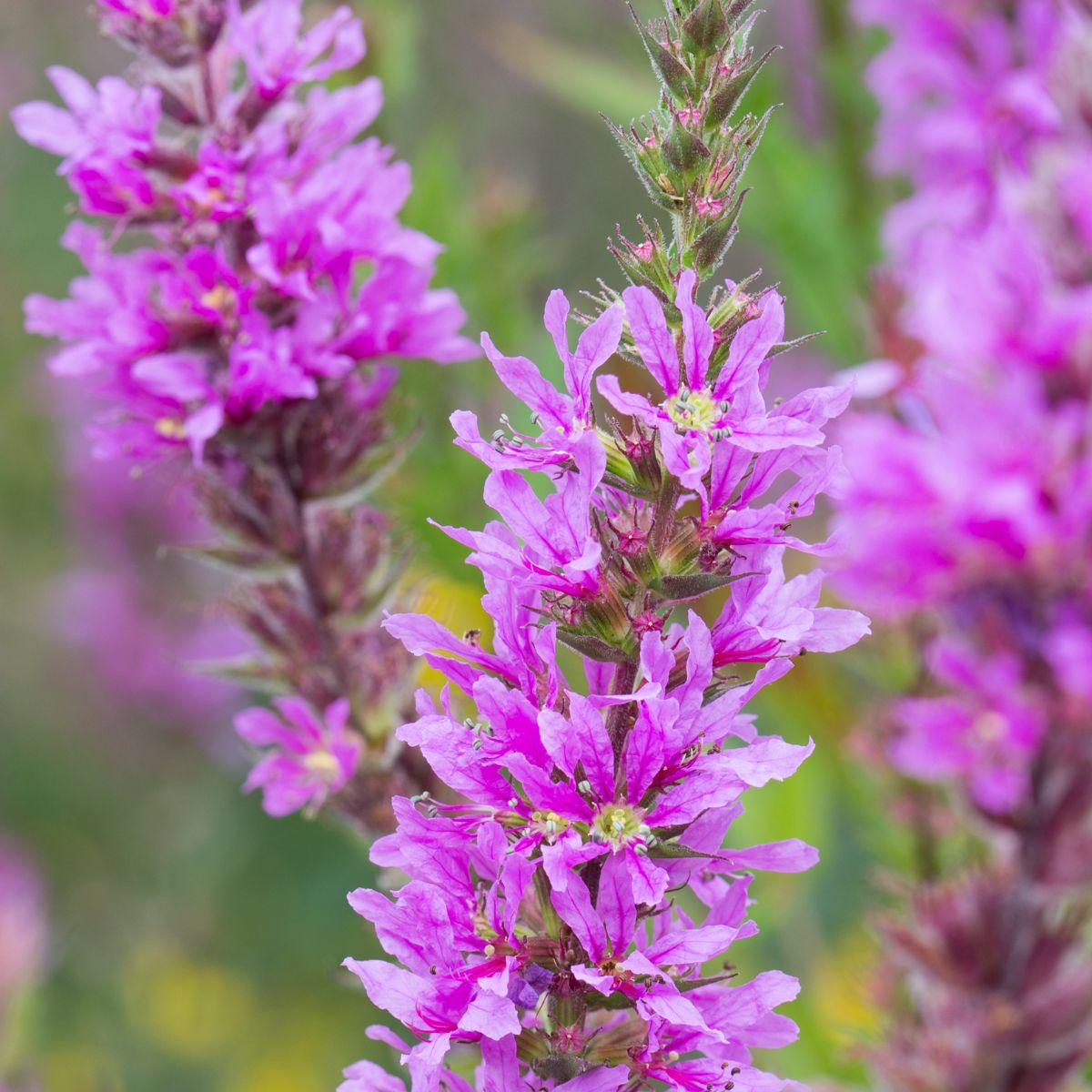
Just as weeds negatively impact a cultivated garden, invasive plants degrade ecosystems. These nonnative species spread aggressively, often forming dense monocultures and outcompeting native plants. Not only does this reduce plant biodiversity, but it also reduces wildlife habitat. Aquatic invasives sometimes slow water flow, increase sediment deposits, and change water quality. Invasive plants in Illinois …
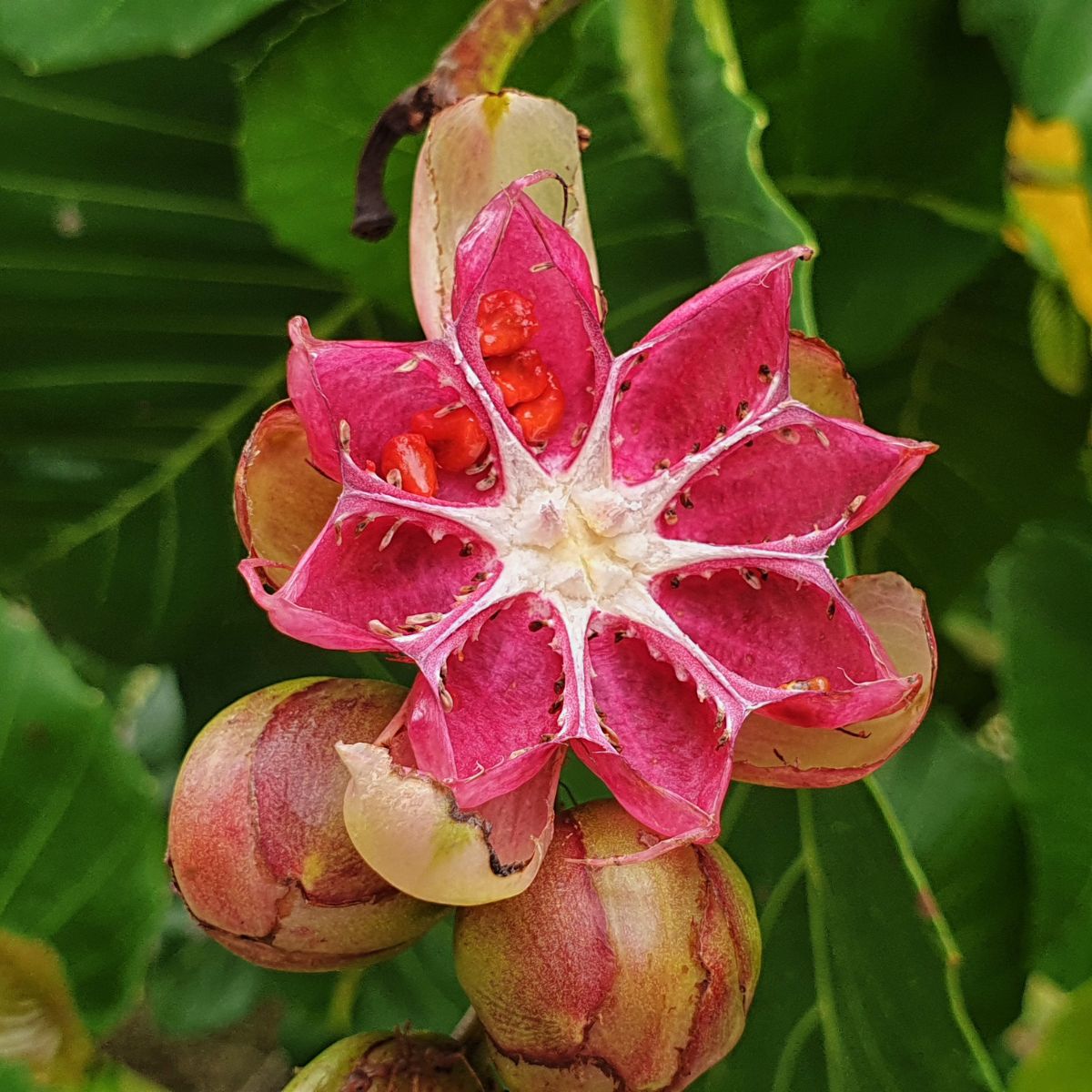
Before humans began introducing species from other parts of the world, the unique flora and fauna of Hawaii lived in isolation. Many of these native plants and animals exist nowhere else, having evolved on these remote volcanic islands. However, humans have introduced new species to Hawaii, intentionally as well as unknowingly, and some of them …
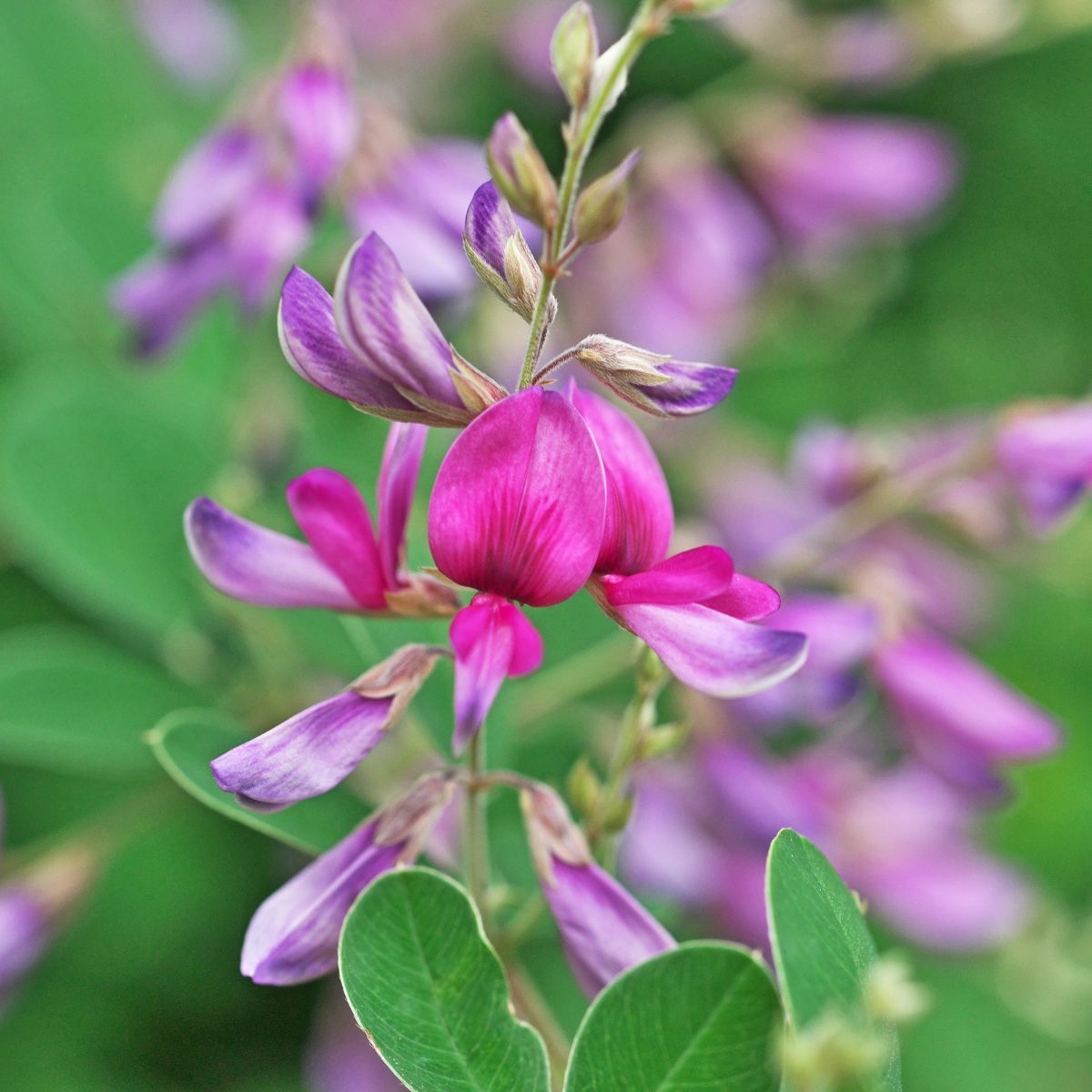
Georgia ranks seventh among the states for plant diversity. Unfortunately, it also has the fourth-highest extinction rate (plants and animals). While habitat destruction is the leading cause for loss of biodiversity, invasive species follow right on its heels. Invasive plants outcompete, spread diseases to, parasitize, and negatively alter the habitat of native plants. This in …

While most nonnative plants can be safely grown in home gardens without becoming a nuisance, about 12 percent of nonnative plants in Florida are considered invasive or even prohibited. These invasive species spread quickly and aggressively, harming native ecosystems and resisting eradication efforts. Although invasives make up a small percentage of nonnative plants in Florida, …
The state of Delaware recently outlawed 37 invasive plants (see link below), prohibiting the propagation and movement of these weeds within, into, and out of the state. These nonnative plants outcompete native species, reduce wildlife habitat, and often grow and spread quickly, making them difficult to eradicate. Below the complete list of the prohibited plants, …

Celery is one of those wonderfully versatile vegetables that you can almost always find in your crisper drawer. Great for everything from snacks to soup, maybe celery should be found in your garden, too! This cool-weather crop will appreciate a few plant friends to help provide shade, preserve soil moisture, suppress weeds, provide pest and …
With nearly a hundred aggressively spreading, nonnative plants degrading ecosystems in a single state, it can be easy to feel overwhelmed. To make things a bit more manageable, we have compiled a shorter list of some of the most common and worst invasive plants in Connecticut to help you identify and remove any invasives in …