As HOAs Manage Neighborhood Lakes, an Alabama Plan to Cull 226 Geese Sparks Protest
As more homeowner associations manage neighborhood lakes, trails, shorelines, and shared green space, one Alabama community is showing how quickly a wildlife problem can become a public HOA fight.
The Edgewater Owners Association in Madison, Alabama, voted to euthanize hundreds of Canada geese living around Lady Ann Lake, according to WAFF. Board President Brian Goodwin told the station that 226 Canada geese currently live in the neighborhood and that the growing flock has affected or posed risks to the lake’s quality, public health, walking trails, common areas, and resident safety.
The plan has drawn protest from residents and animal advocates. Rocket City Now reported that demonstrators gathered in the Edgewater community to oppose the potential culling and call for other options before the HOA moves ahead.
For HOA lake communities anywhere, it raises the same questions: who decides how shared wildlife is managed, what proof supports a drastic step, what permits are required, and whether the plan will stop the problem from returning.
Residents Protested the Plan for Lady Ann Lake
Rocket City Now reported that residents and animal advocates demonstrated against the proposed cull in Edgewater, a covenants-protected community built around Lady Ann Lake. Protesters said the HOA should consider non-lethal options before killing the birds.
WAFF reported that resident Natalie Tidwell said she had not personally experienced hostility or health issues from the geese and did not think the situation warranted lethal measures. Another resident, Pamela Webb, asked for the decision to be postponed so residents could try to prove whether cleanup and other measures could work.
The protest has also exposed disagreement inside the HOA. WAFF reported that board member Jack Hollum was one of two members who voted against the plan. Hollum said residents had volunteered to clean up after the geese, and some had offered to buy equipment to help.
The HOA Says the Goose Population Has Grown Too Large
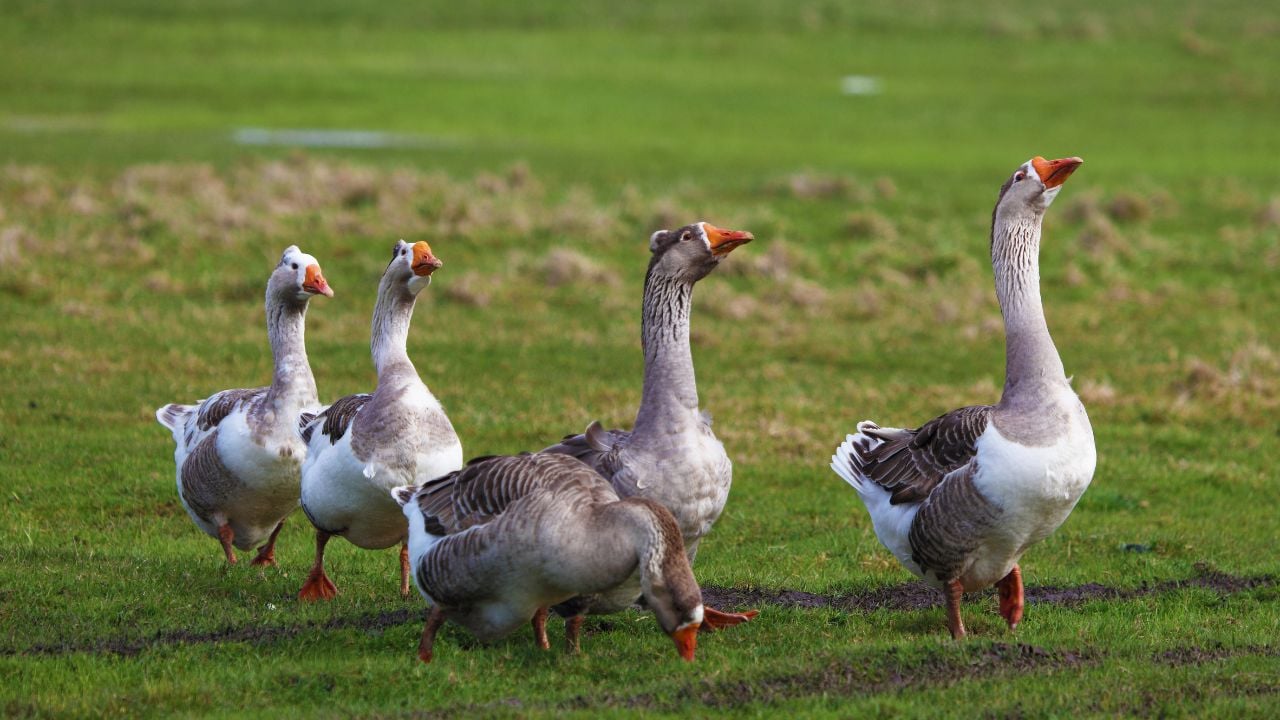
The HOA has defended the vote by pointing to the size of the flock and the condition of the lake area. Goodwin told WAFF that the geese have negatively affected the lake’s quality, public health, walking trails, common areas, and resident safety.
The Guardian reported that the HOA said it had spent more than six years trying to manage the resident Canada goose population around the 140-acre community lake. In that statement, the HOA said it had tried non-lethal measures including feces cleanup, predator deterrents, reduced grazing areas, and goose-deterrent sprays.
Those claims explain why the board says it moved toward a more severe option. Residents opposed to the cull say the HOA has not done enough to prove that volunteer cleanup, habitat changes, deterrents, or reproductive control methods could not reduce the problem without killing the geese.
Canada Geese Are Federally Protected
Canada geese are federally protected, so an HOA cannot simply remove or kill them like ordinary nuisance animals. The U.S. Fish and Wildlife Service says a migratory bird depredation permit is required for certain actions involving protected migratory birds that are causing damage or creating health and safety concerns.
WAFF reported that the Edgewater HOA received a permit to kill geese in 2020, but a USDA official said the board had not filed paperwork yet to receive another permit as of the station’s report. That timing matters because an HOA vote is not the same thing as current authorization to carry out a cull.
The Fish and Wildlife Service says a federal depredation permit is not needed to harass or scare birds, except for eagles and federally listed threatened or endangered species. The agency also operates a resident Canada goose nest and egg registration system for certain property managers, including homeowners associations, local governments, and public land managers.
The Fight Is Also About What Happens After Any Cull
The Edgewater dispute is not only about whether the HOA can get permission to remove geese. It is also about whether removal would solve the lake problem for more than a short time.
WAFF reported that Hollum said another flock repopulated the area within weeks after a previous cull in 2020. Goodwin told the station the HOA wants a long-term solution that could include expanding shoreline vegetation buffers, reducing attractants, continuing non-lethal deterrents, using reproductive control methods, improving water quality, and protecting community spaces.
For HOA lake communities beyond Alabama, that is the larger issue. A goose problem may involve droppings on trails, overgrazed grass, shoreline damage, aggressive behavior during nesting season, resident complaints, and water-quality concerns. It can also involve neighbors who value the birds as part of the lake environment and want a say before common-area wildlife is killed.
A stronger HOA plan would spell out the population count, documented damage, public-health basis, permit status, non-lethal methods already tried, costs, timeline, resident input, and what will keep the same problem from returning. In Edgewater, those questions are now public because residents are challenging whether the board’s answer went too far.