A Lismore Rally Shows Why Flood Buyback Homes Can Become a Demolition Fight
Lismore residents rallied at the Lismore Quad on Saturday to call for a pause on demolitions of homes bought after the 2022 floods.
According to The Echo, about 100 people attended the rally, where community members demanded that heritage-home demolitions stop, promised flood recovery be delivered, and every person be housed.
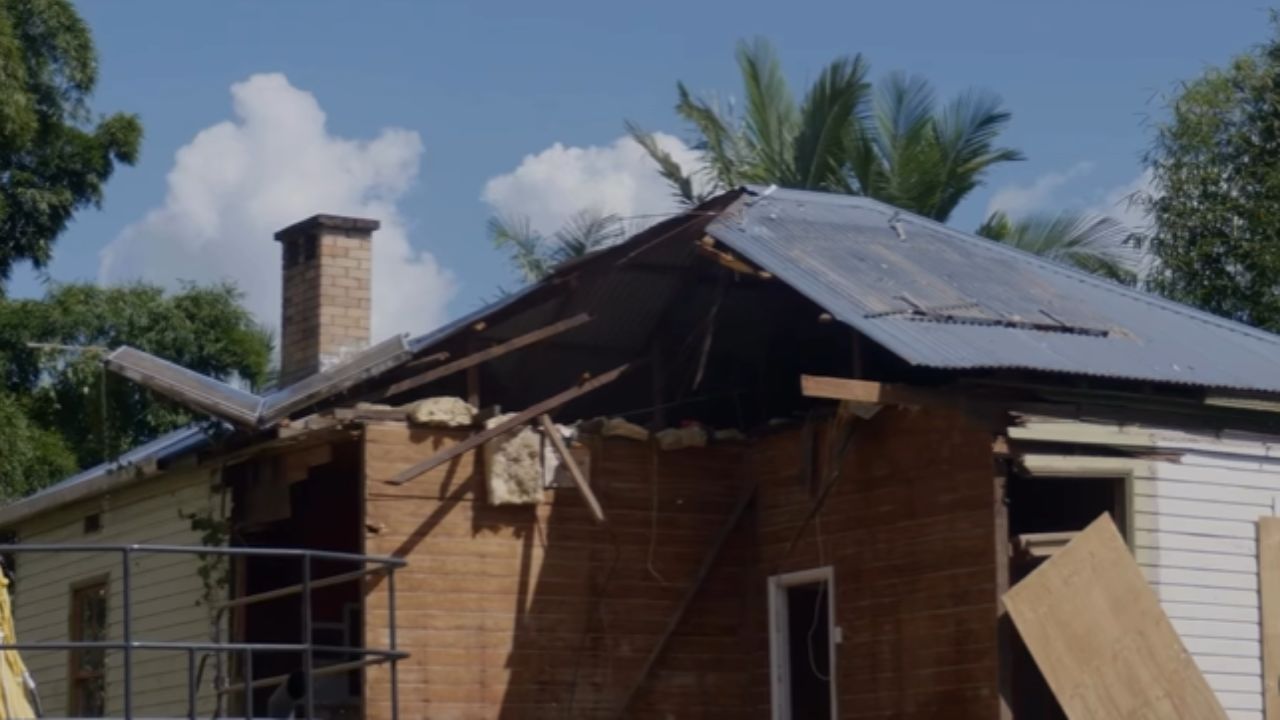
The dispute is tied to homes purchased through the post-flood buyback process. Residents and advocates say some of those houses still have value and should be reused, relocated, or repurposed instead of demolished.
The rally turned a recovery-program decision into a public fight over housing, heritage, flood risk, and what happens to homes after owners accept a government buyback.
Residents Called for a Pause on Demolitions
View this post on Instagram
The Echo reported that speakers at the rally argued the homes represent more than old buildings. They described them as heritage homes, public assets, and possible housing in a region still dealing with displacement and pressure on available homes.
The rally’s message was direct: stop demolishing houses that residents believe could still be saved. Community members called for decisions about buyback homes to consider reuse, relocation, and local housing need before demolition goes ahead.
The protest also reflected frustration that Lismore is still living with the consequences of the 2022 floods. For residents who watched homes, streets, and community landmarks go through disaster recovery, demolition is not only a technical decision about flood risk. It is also a decision about what disappears from the town.
The Homes Were Bought After the 2022 Floods
The NSW Resilient Homes Program was created to help flood-affected homeowners in the Northern Rivers and Central West after major flooding. The program includes voluntary buybacks, home raising, and resilience measures for eligible properties.
In Lismore, some homes purchased through the buyback process are now part of the demolition dispute. Residents opposing the demolitions are not arguing that flood risk should be ignored; they are arguing that some houses should be assessed for relocation or reuse before they are lost.
A buyback can remove people from dangerous residential areas, but the building itself may become part of a separate debate over salvage, relocation, heritage value, public housing need, and community memory.
Officials Are Planning Future Uses for Buyback Land
Lismore City Council says it is working with the NSW Reconstruction Authority on future uses for land purchased through the Resilient Homes Program.
The council’s project page says those areas are no longer suitable for residential use because of extreme flood risk. Planning for the land is expected to consider zoning, ownership, environmental needs, economic opportunities, and community input.
That means the argument over the homes is happening alongside a second question: what happens to the land after people move out and buildings come down or are removed? The council says the future-use planning process will involve community engagement, while residents at the rally are pressing for demolition decisions to slow down before more homes disappear.
Some Buyback Homes Are Being Sold for Relocation
The NSW Reconstruction Authority is offering selected buyback homes for purchase and relocation through auctions. Its guidance says relocating a home is a major undertaking and should be treated much like building a new house.
The authority tells prospective buyers to plan carefully before bidding. Relocation can involve land, transport, permits, rebuilding work, services, insurance, inspections, and legal advice.
The relocation program shows that demolition is not the only possible outcome for every buyback home, but it also shows why saving a house is not simple. A building may need to be suitable to move, a buyer must be able to take on the relocation process, and official requirements still apply.