
Autumn is beautiful, hands down, but watching your vibrant annual flowers fade can feel like saying goodbye to old friends. What if you didn’t have to? Many of the annuals you’ve nurtured all summer can be saved from the compost pile and brought back for an encore performance next year. With a little effort now, you can preserve your favorite plants, save money, and get a head start on next season’s garden.
Overwintering is the process of protecting plants from the cold to help them survive until spring. For many tender annuals, this means bringing them indoors, either as dormant plants or as active houseplants. This guide will walk you through twelve fantastic annuals that are prime candidates for overwintering, providing the specific steps you need to ensure they greet you again next spring, ready to thrive.
1. Begonia
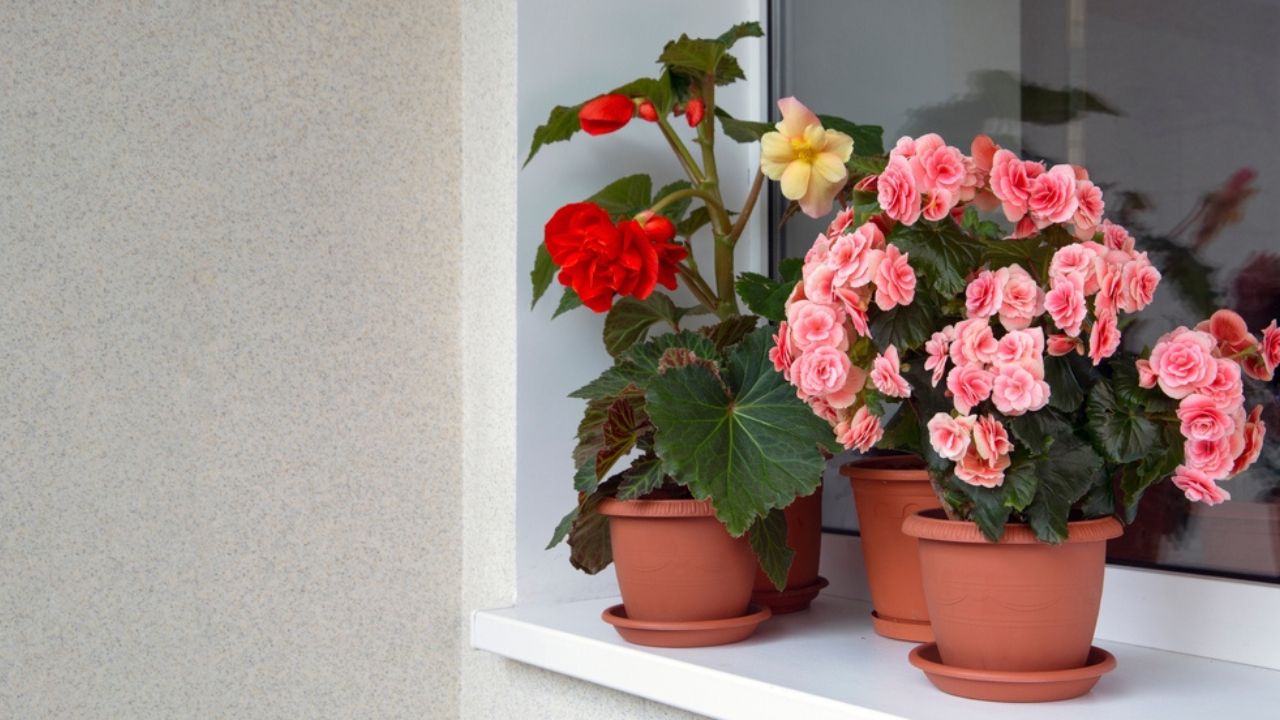
Image Credit: Shutterstock.
Begonias are beloved for their lush foliage and delicate, often prolific blooms. Because they are so tender, they are one of the first plants you should attend to as frost threatens. If you have tuberous begonias, you have a straightforward path to saving them for another year.
After the first light frost has caused the foliage to yellow and die back, it’s time to act. Carefully dig up the tubers, being gentle to avoid damage. Brush off the excess soil and let them cure in a dry, airy spot for about a week. Once they are fully dry, you can store them in a cardboard box or paper bag filled with peat moss or sawdust. Place the box in a cool, dark, and dry location like a basement or garage where temperatures stay consistently above freezing.
Quick Care Guide:
- When to Act: Before a hard freeze, ideally right after the first light frost.
- Method: Lift and store tubers.
- Storage: Cool, dark, dry place (e.g., basement, garage) in peat moss or sawdust.
2. Impatiens
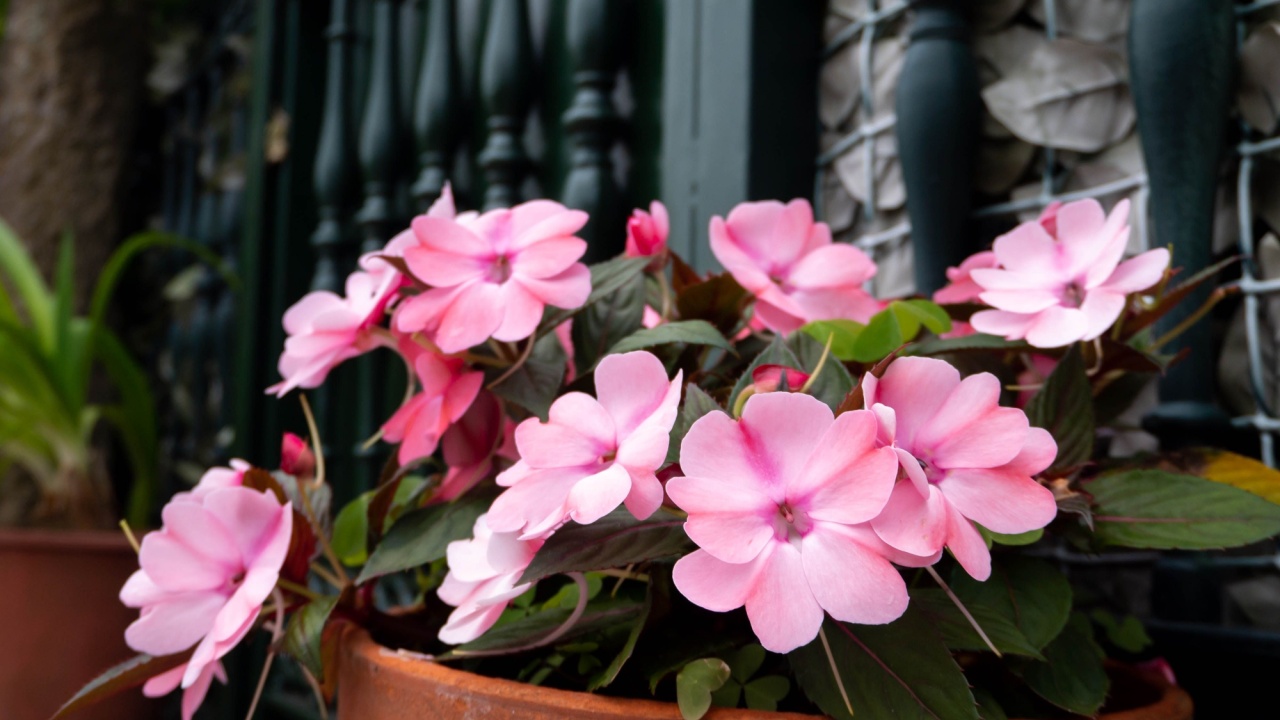
Image Credit: Shutterstock.
The cheerful, vibrant flowers of impatiens are a staple in shade gardens everywhere. These delicate plants will not survive even a light frost, so timing is critical. Fortunately, they adapt wonderfully to life as a houseplant, bringing a touch of summer indoors.
Before the first frost, select your healthiest plants to bring inside. You can either dig up the entire plant and repot it or take several 4-6-inch cuttings. If repotting the whole plant, check for any pests and treat them before bringing it indoors. Place your new houseplant in a spot with bright, indirect light, and keep the soil consistently moist. If you’re taking cuttings, place them in a glass of water until roots form, then pot them in soil.
Quick Care Guide:
- When to Act: Before the first frost is forecasted.
- Method: Bring indoors as a houseplant or take cuttings.
- Indoor Care: Provide bright, indirect light and maintain moist soil.
3. Geranium (Pelargonium)

Image Credit: Shutterstock.
Geraniums are classic container and bedding plants, known for their bold colors and distinctive scent. While technically perennials in their native warm climates, they are grown as annuals in most of the country. They are surprisingly easy to overwinter. You have two main options: saving them as dormant, bare-root plants or as active houseplants.
To save them as houseplants, cut the plants back by about a third and pot them up before the first frost. Place them in a sunny south-facing window where they can get at least four hours of direct sun. For the dormant method, carefully dig up the plants, shake the soil from the roots, and hang them upside down in a cool, dark place like a basement. You can also place them in a paper bag. About once a month, soak the roots in water for an hour to keep them from drying out completely.
Quick Care Guide:
- When to Act: Before the first hard frost.
- Method: Bring indoors as a houseplant or store as dormant, bare-root plants.
- Indoor Care: For houseplants, provide a sunny window. For dormant plants, store in a cool, dark spot and lightly hydrate roots monthly.
4. Lantana
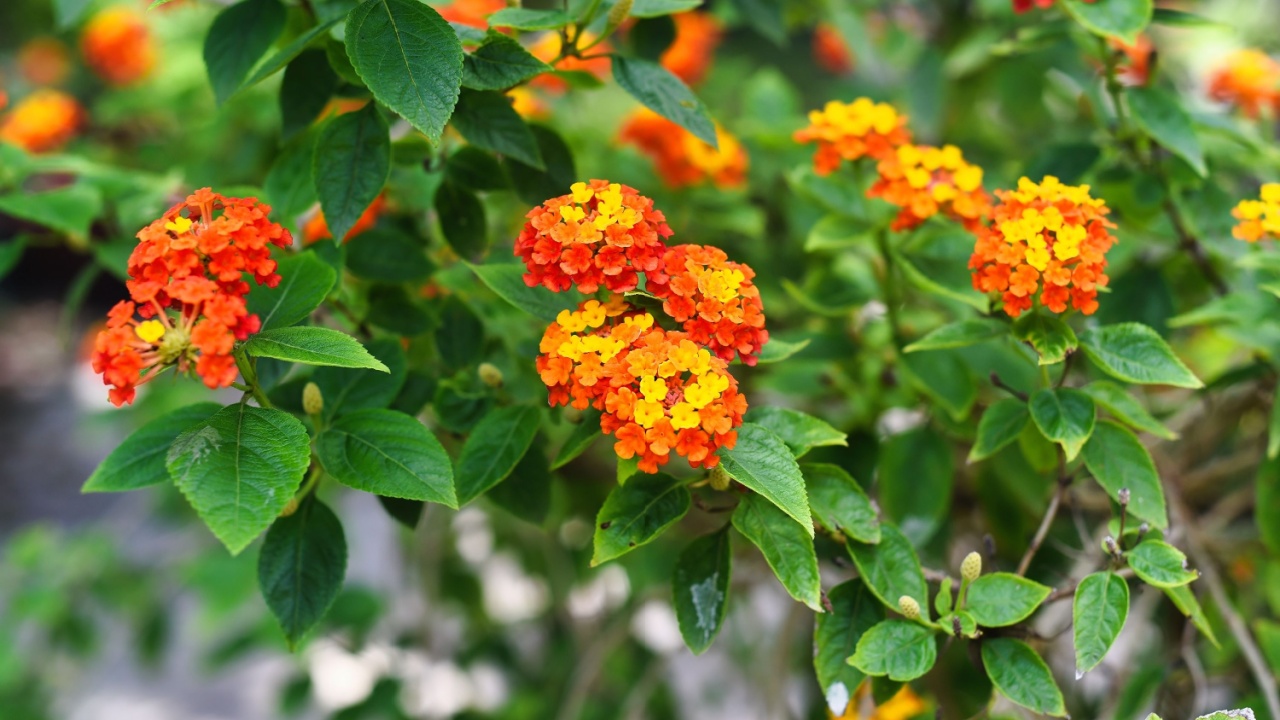
Image Credit: Shutterstock.
Lantana’s clusters of flowers are a magnet for butterflies and hummingbirds. In zones 7 and below, this heat-loving plant needs to be brought indoors to survive the winter. The best approach is to let it go dormant in a cool, protected space, as the low light of winter is usually not enough to keep it actively growing and happy.
Before the first frost, prune your lantana back significantly, to about 6-8 inches tall. Pot it and move it to a location with low light and cool temperatures, such as an unheated garage or basement that stays between 50 and 60 degrees Fahrenheit. Water it sparingly through the winter, just enough to keep the soil from becoming bone dry. It will look lifeless, but it’s just resting.
Quick Care Guide:
- When to Act: Before the first frost.
- Method: Prune hard and store in a pot to go dormant.
- Storage: Low-light, cool spot (50-60°F). Water sparingly.
5. Coleus
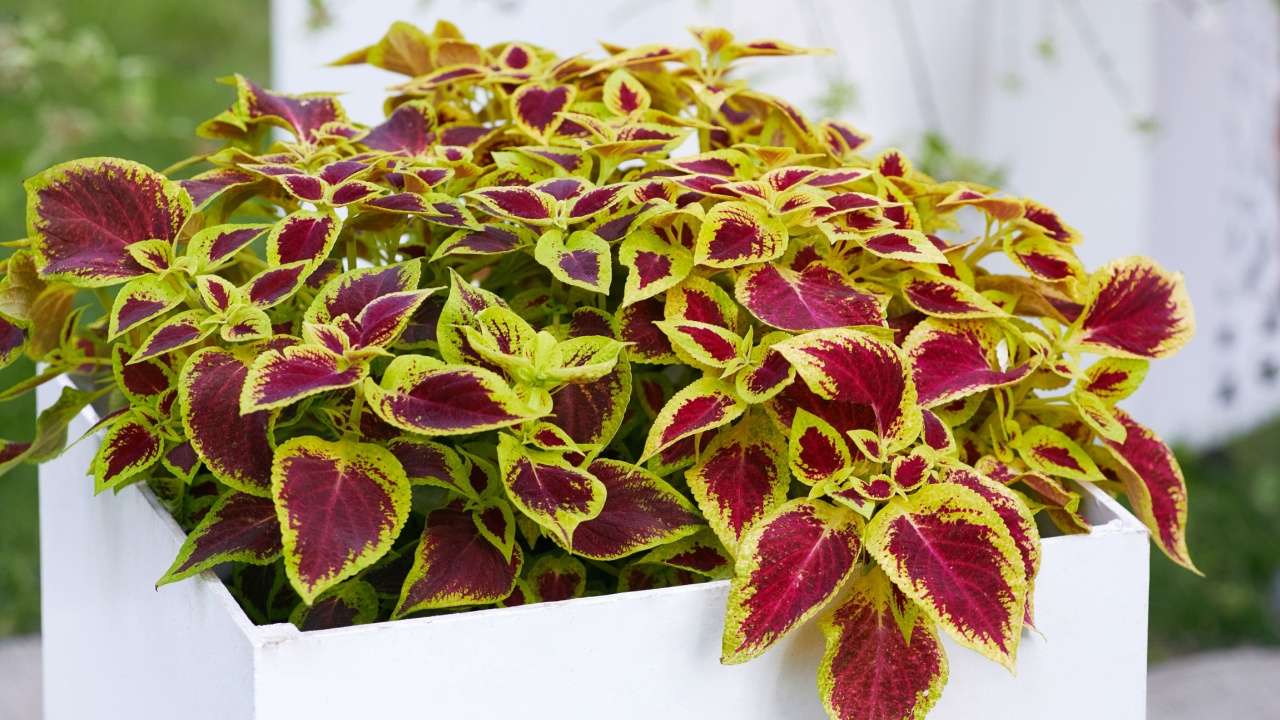
Image Credit: Shutterstock.
Grown for its incredibly vibrant and patterned foliage, coleus adds a splash of color to any shady spot. Like impatiens, coleus is extremely frost-sensitive and makes an excellent houseplant. Its brilliant leaves can brighten up your home during the gray winter months.
The easiest way to overwinter coleus is by taking cuttings. Snip several 4-6 inch stems from the tips of your healthiest plants before they are damaged by cold. Remove the lower leaves and place the cuttings in a jar of water on a bright windowsill. They will root within a few weeks. Once a healthy root system develops, you can pot them up in soil and care for them as you would any other houseplant.
Quick Care Guide:
- When to Act: Well before the first frost.
- Method: Take stem cuttings and root them in water.
- Indoor Care: Once potted, provide bright, indirect light.
6. Sweet Potato Vine (Ipomoea batatas)
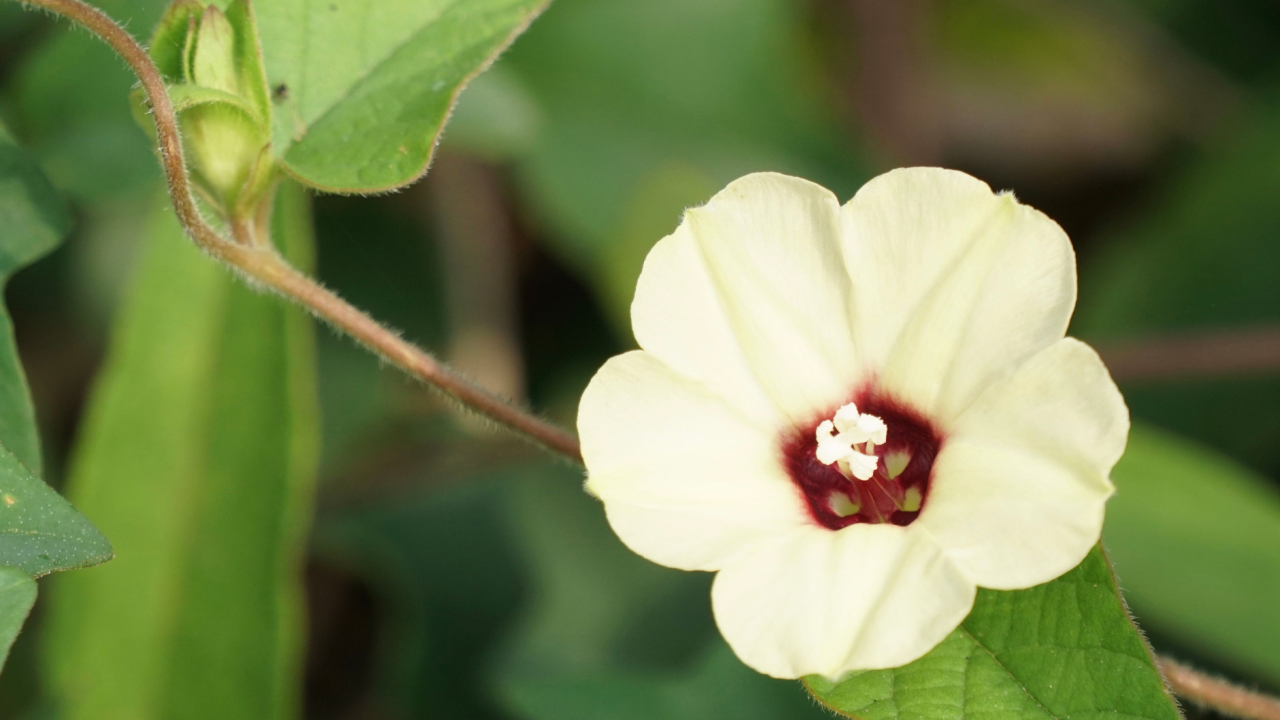
Image Credit: Shutterstock.
The dramatic, trailing foliage of ornamental sweet potato vine, in shades of chartreuse or deep purple, is a favorite for containers and hanging baskets. This tropical native produces edible-like tubers that are your ticket to saving the plant for next season.
Before the first frost hits, you can dig up the tubers. Cut the vines back, then gently lift the tubers from the soil. Allow them to dry and cure for a week or two in a warm, shaded spot. Once cured, store them in a box with peat moss or sand in a cool, dark place like a basement. In the spring, you can plant the tubers and watch new vines emerge.
Quick Care Guide:
- When to Act: Before the first frost.
- Method: Dig up, cure, and store the tubers.
- Storage: Cool, dark place (like a basement) packed in peat moss or sand.
7. Dahlia
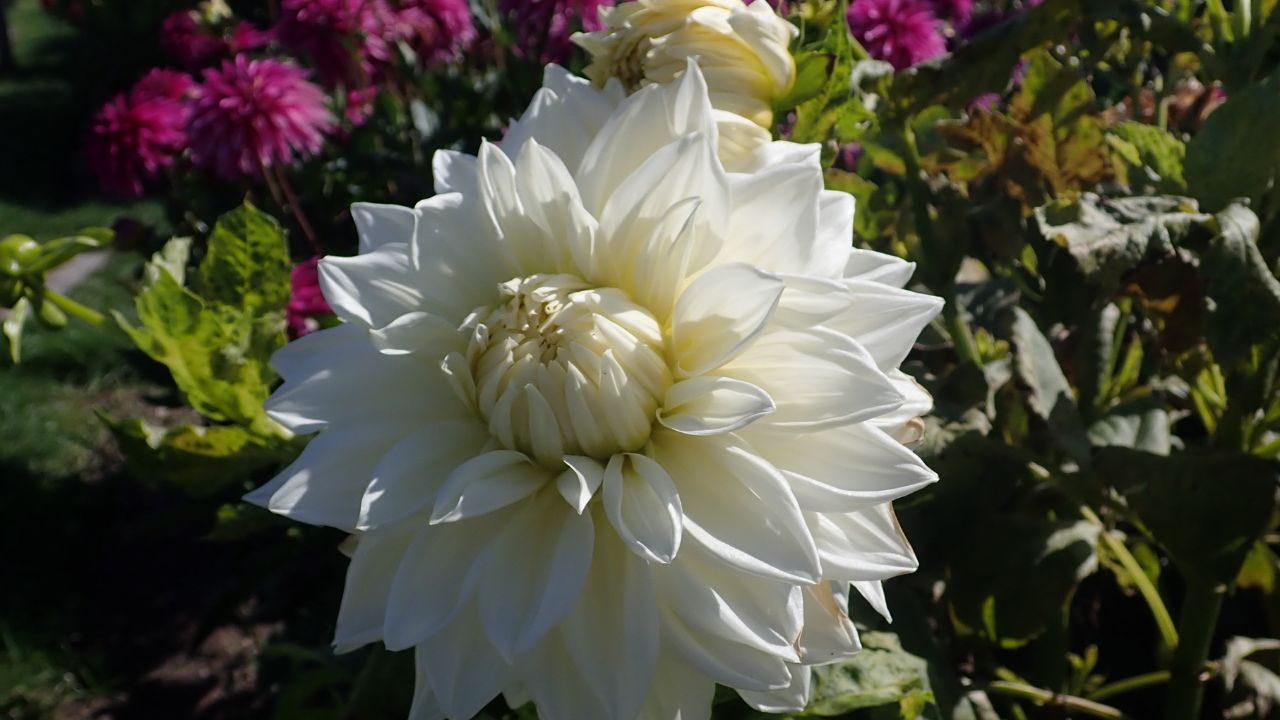
Photo Credit: Salicyna – Own work – CC BY-SA 4.0/Wiki Commons.
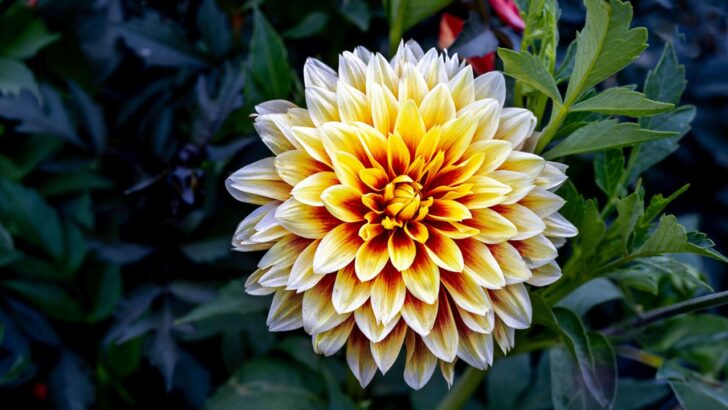
Dahlias produce some of the most spectacular flowers in the late summer garden, coming in a vast array of sizes, colors, and forms. In zones colder than 8, the tubers must be lifted from the ground to protect them from freezing.
You can wait until the first frost kills the top foliage; this actually helps signal to the tuber that it’s time for dormancy. Cut the blackened stems down to a few inches. Carefully dig up the tuber clump, rinse off the soil, and let it dry for a few days. Store the tubers in a ventilated box or crate filled with a medium like vermiculite or wood shavings. Keep them in a cool, dark spot that remains above freezing.
Quick Care Guide:
- When to Act: After the first frost has killed the top growth.
- Method: Lift, clean, and store tubers.
- Storage: Cool, dark, and ventilated spot in a medium like vermiculite.
8. Verbena
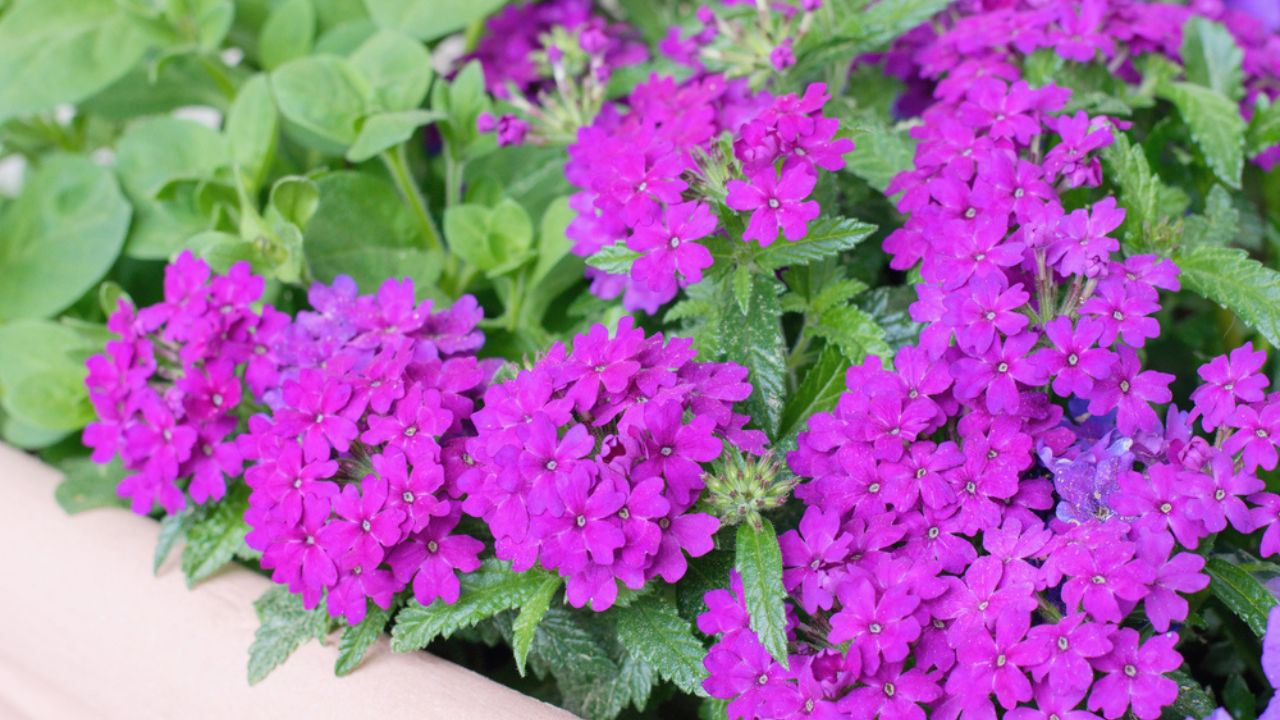
Image Credit: Shutterstock.
Verbena’s delicate flower clusters bloom profusely all season long, attracting pollinators to your garden. Many varieties can be brought indoors to live as houseplants through the winter, especially if you have a sunny window available.
Dig up your favorite plants before a hard frost and pot them in fresh, well-draining soil. Cut the plant back by about half to encourage bushier growth indoors. Place it in the sunniest, warmest spot you have. A south-facing window is ideal. It may not bloom as much as it did outdoors, but its green foliage will be a welcome sight. You can also take cuttings as another way to propagate for next spring.
Quick Care Guide:
- When to Act: Before a hard frost.
- Method: Bring indoors as a houseplant or take cuttings.
- Indoor Care: Provide a very sunny and warm location.
9. Bleeding Heart Vine (Clerodendrum thomsoniae)
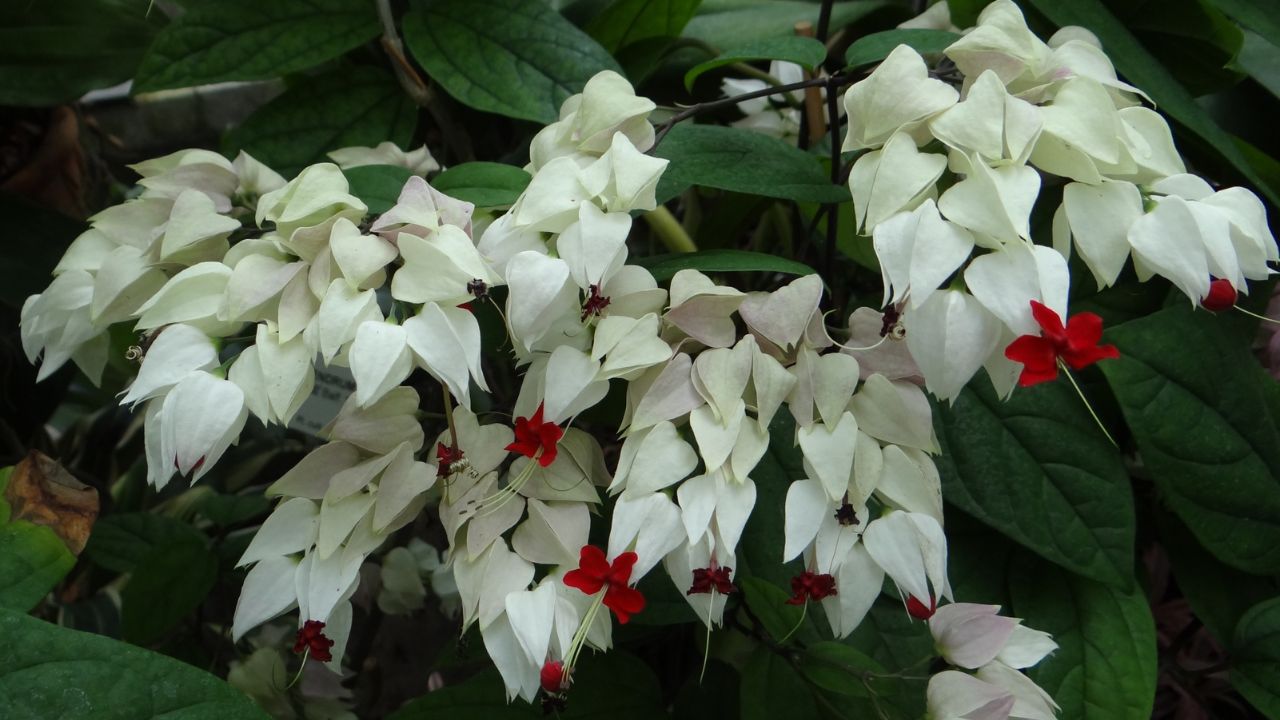
Photo Credit: Jerzy Opioła – Own work – CC BY-SA 4.0/Wiki Commons.
Not to be confused with the perennial bleeding heart (Dicentra), this tropical vine produces stunning white and red flowers. As a native of West Africa, it cannot tolerate cold temperatures and must be brought inside in zones 8 and colder.
If your vine is already in a pot, the job is simple. Bring it indoors before temperatures dip into the 40s. Its growth will naturally slow in the fall. Find a cool spot in your home, ideally between 55 and 65 degrees Fahrenheit, that receives moderate, indirect sunlight. Reduce watering to just a couple of times per month, allowing the plant to rest until spring.
Quick Care Guide:
- When to Act: Before temperatures drop below 50°F.
- Method: Bring a potted plant indoors.
- Indoor Care: Place in a cool room with moderate light and reduce watering significantly.
10. Dusty Miller (Centaurea cineraria)
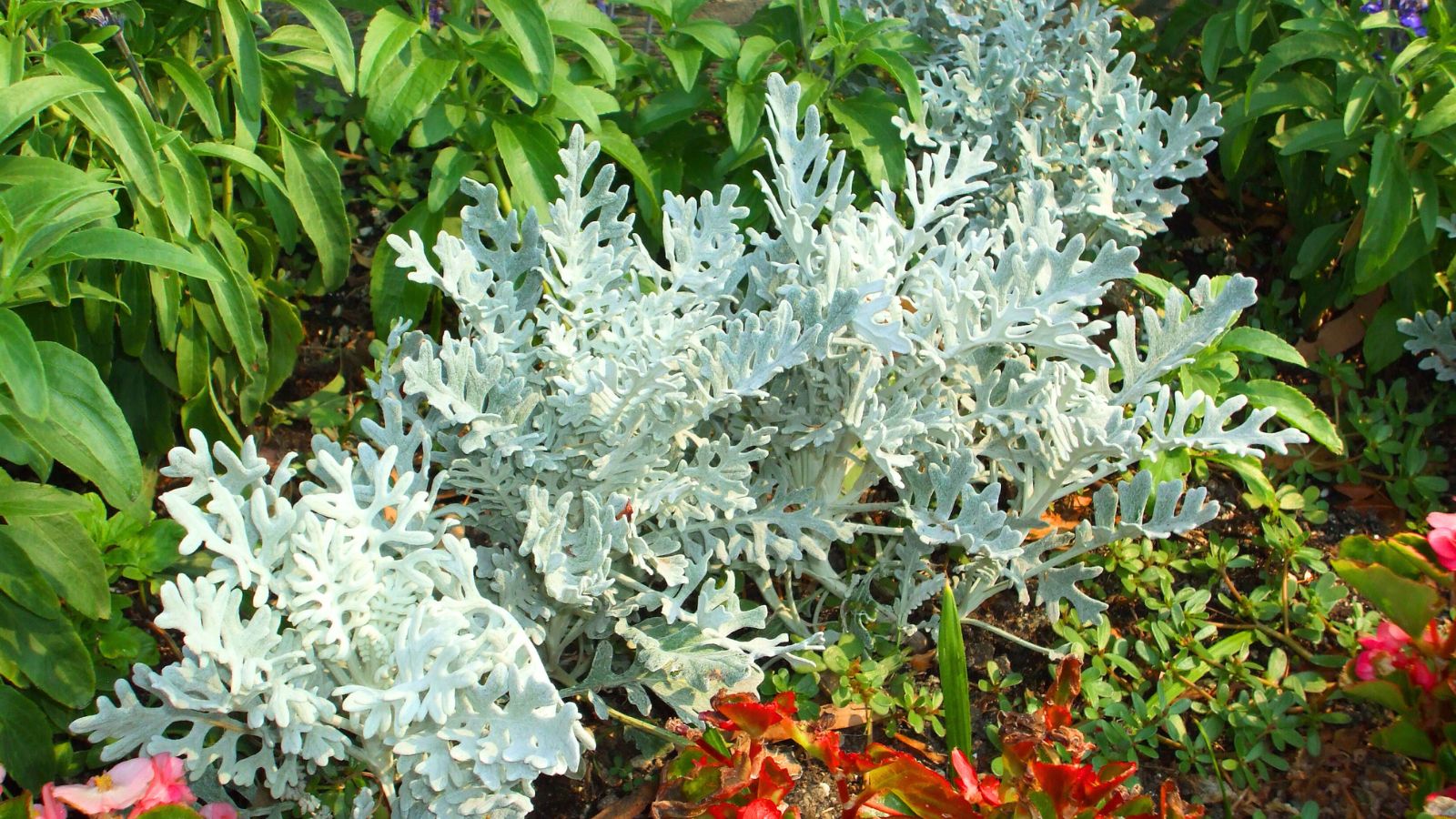
Image credit: YAY Images.
With its silvery, felt-like foliage, dusty miller provides a beautiful contrast in garden beds and containers. Though often grown as an annual, it is a perennial in warmer climates (zones 8-10) and can handle a light frost. To save it in colder regions, you can bring it indoors.
A few weeks before your first hard frost is expected, transition the plant inside. Prune the foliage back by about half to reduce stress and encourage a more compact shape. Pot it in well-draining soil and place it in a bright location, such as an east- or south-facing window. It prefers bright, indirect sun over intense, direct light.
Quick Care Guide:
- When to Act: Before the first hard frost.
- Method: Pot up and bring indoors as a houseplant.
- Indoor Care: Provide bright, indirect sunlight.
11. Bougainvillea

Image Credit: Shutterstock.
Known for its brilliant, paper-like bracts in stunning colors, bougainvillea brings a tropical flair to any sunny patio. In zones 8 and below, this vining plant needs winter protection. The easiest method is to let it go dormant in a cool, dark space.
If your bougainvillea is in a pot, move it into an unheated garage or basement where temperatures will stay consistently above freezing but cool (around 40-50°F). The plant will drop its leaves and go dormant. It requires very little water during this period; check the soil once a month and only water if it’s completely dry. Avoid fertilizing or pruning it until spring.
Quick Care Guide:
- When to Act: Before temperatures drop to freezing.
- Method: Move the potted plant to a cool, dark location for dormancy.
- Storage: Keep in a space above freezing (40-50°F) and water minimally.
12. Caladium
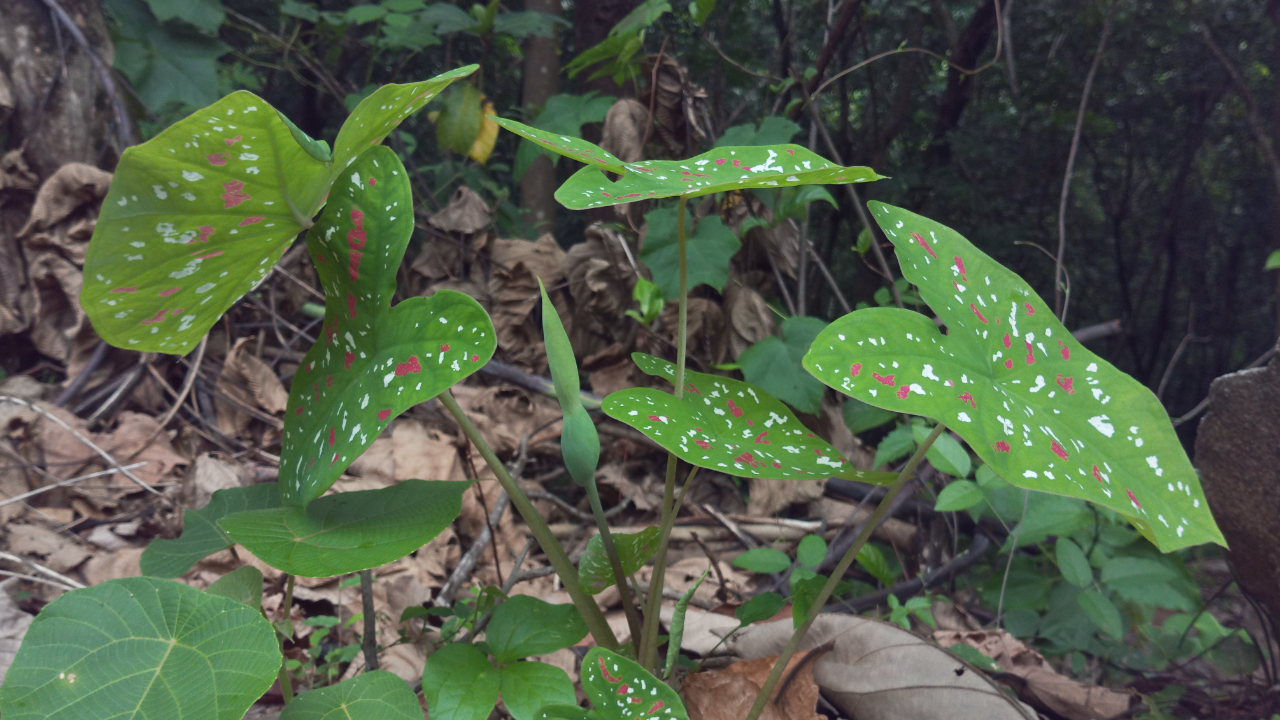
Image Credit: Nativeplants garden, CC BY-SA 4.0/Wiki Commons.
Caladiums are shade-loving foliage plants with spectacular, heart-shaped leaves painted in combinations of white, pink, red, and green. Like dahlias and begonias, they grow from tubers and are very easy to save. They are extremely sensitive to cold and will quickly turn to mush in cold, wet soil.
Once the leaves start to yellow and droop in the fall, stop watering and allow the foliage to die back completely. Carefully dig up the tubers, brush off the soil, and let them dry for a week or two. Store them in a mesh bag or a box with peat moss in a spot that stays warm and dry, around 60°F. Unlike dahlia tubers, caladiums prefer warmer winter storage.
Quick Care Guide:
- When to Act: When foliage begins to yellow in the fall.
- Method: Lift, dry, and store the tubers.
- Storage: Keep in a warm, dry place (around 60°F).
Prepare for a Flourishing Spring
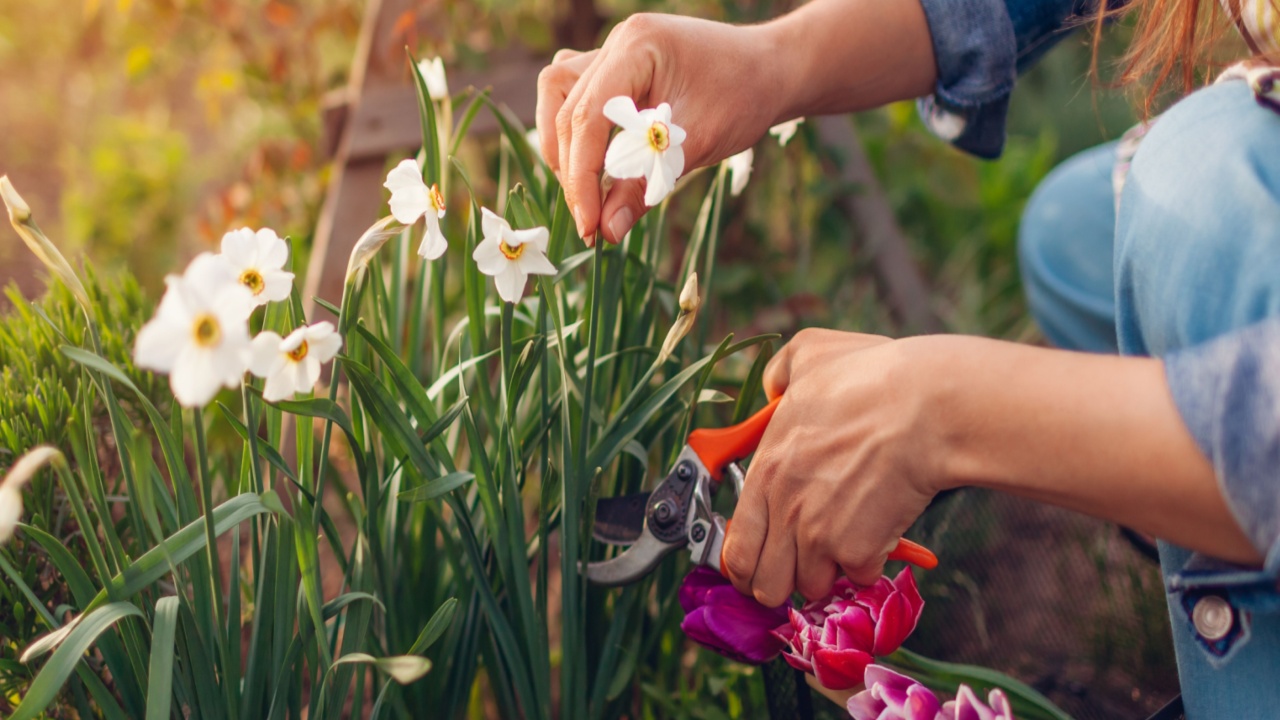
Image Credit: Shutterstock.
Overwintering your annuals is a rewarding project that bridges the gap between gardening seasons. Your first step is to take a walk through your garden and identify which of your favorite plants you’d like to save. Check your local forecast and make a plan to act before the first frost arrives.
Gather your supplies, whether that’s pots and soil for houseplants, paper bags for dormant geraniums, or boxes and peat moss for tubers. Label everything clearly so you know what you have when spring arrives. By taking these steps now, you are investing in the beauty of your future garden and extending the joy your plants bring you all year long.