
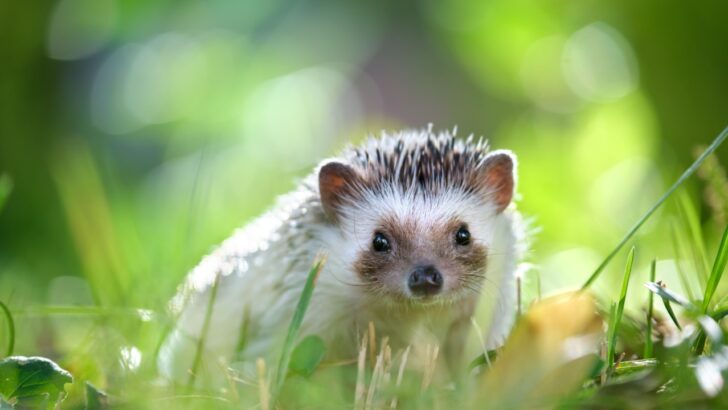
Releasing animals into the wild might appear to be an act of kindness, but it often causes unintended harm. Whether it’s domesticated pets or exotic species, setting them free can disrupt ecosystems, spread diseases, or doom the animals to survival challenges they’re not equipped to face.
Here’s a deeper look into 21 animals you should think twice about setting free, including one bonus addition that addresses domesticated pigs and wild boars.
Pets vs. Invasive Species

Image Credit: Shutterstock.
While the thought of setting a pet free into the wild may seem like a compassionate action, it can actually have detrimental effects. Domesticated animals, such as cats and dogs, are not equipped with the necessary survival skills to live on their own in the wild. They rely on humans for food, shelter, and protection.
When these pets are released into the wild, they often struggle to find food and may end up starving or becoming prey for other animals. In addition, they can spread diseases to native species that may not have immunity to them.
On the other hand, releasing invasive species into the wild is harmful because they are not native to the ecosystem and can cause disruptions in natural habitats. These species may outcompete native species for resources and can also introduce new diseases to the local populations.
Be a Responsible Pet Owner
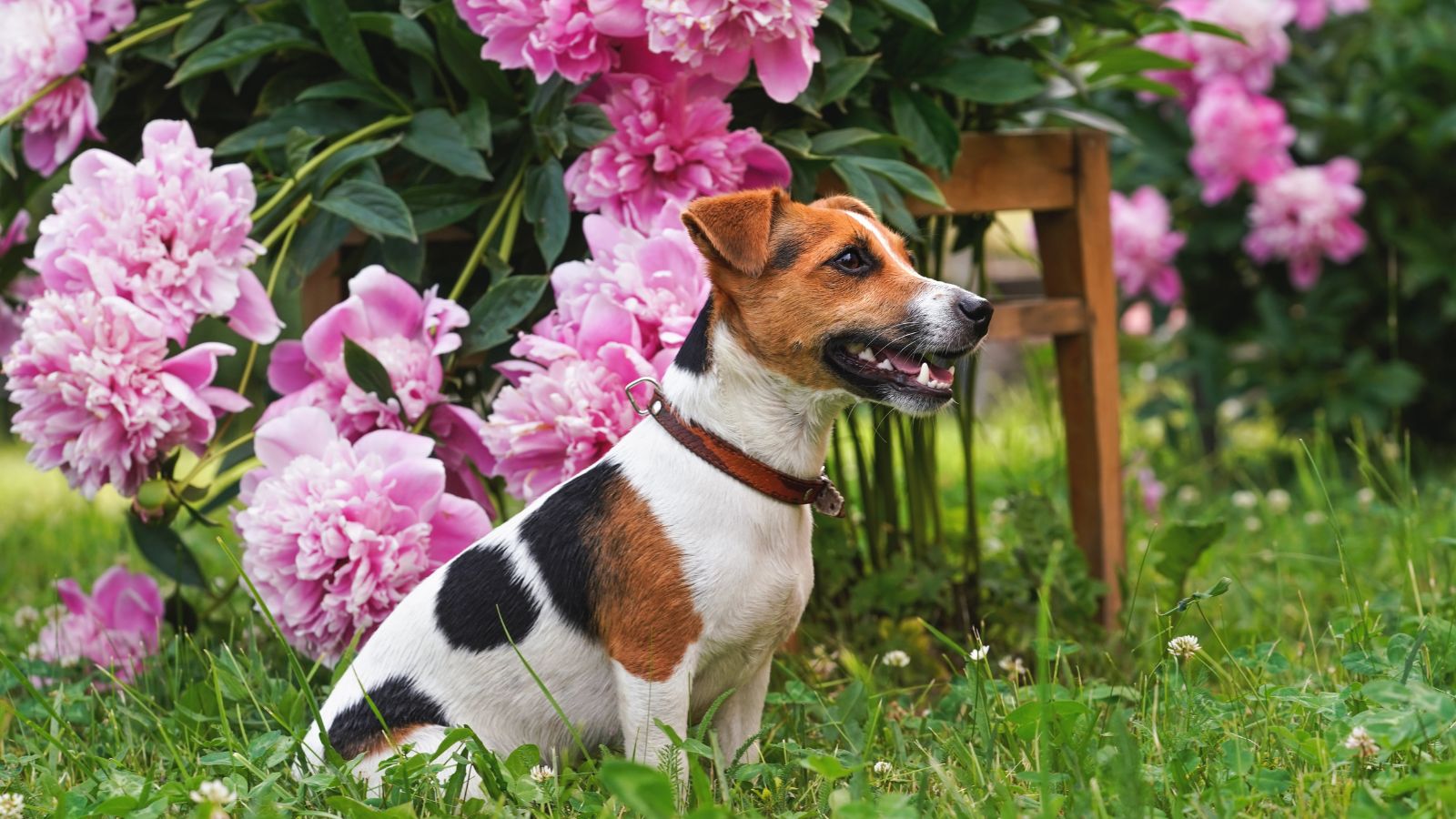
Image credit: YAY Images.
It is important for pet owners to be responsible and not release their pets into the wild. Instead, they should seek out proper care options such as animal shelters or finding a suitable owner who can provide them with a safe and healthy environment.
It is also vital for governments to implement strict laws and regulations regarding the ownership of exotic pets. This includes requiring permits and licenses for owning certain species, as well as enforcing penalties for those who illegally release their pets into the wild.
In addition, educating the public about the dangers of releasing pets into the wild can also help prevent this issue from occurring. By
1. Goldfish
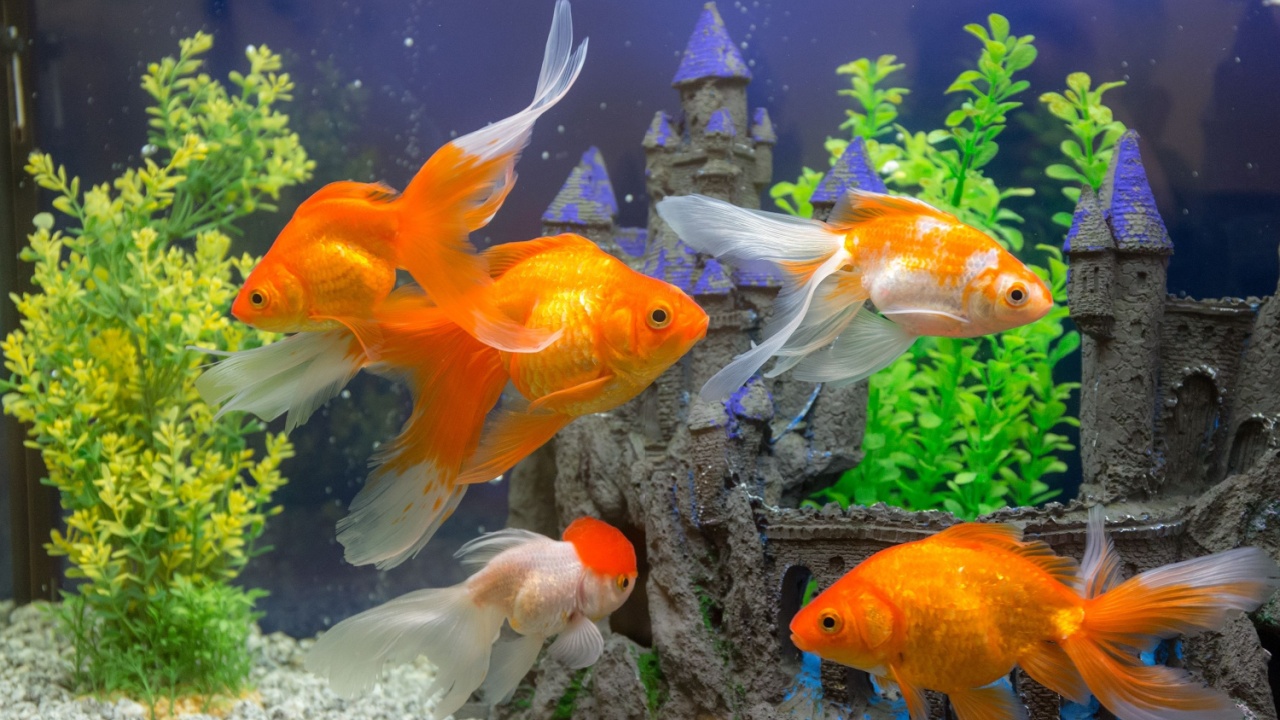
Image Credit: Shutterstock.
Goldfish may seem harmless, but once thriving in the wild, they become invasive and wreak havoc on aquatic ecosystems.
Capable of growing up to 16 inches in size, goldfish can outcompete native fish for food and disturb habitats by uprooting underwater plants. Their waste also contributes to poor water quality, altering the delicate balance of aquatic life.
2. Cats
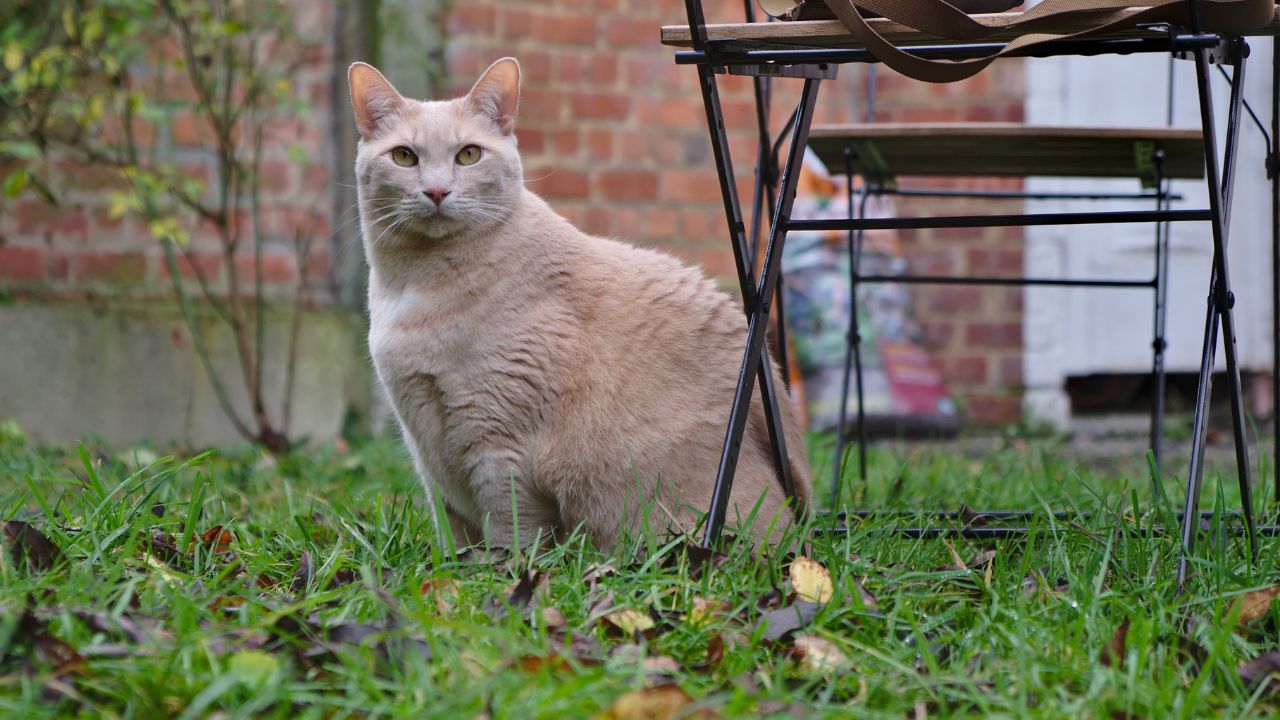
Image Credit: Trougnouf – Own work, CC BY 4.0/Wiki Commons.
Domestic cats are responsible for devastating impacts on native wildlife. Every year, they kill billions of birds and small mammals, including endangered species.
Furthermore, cats can introduce diseases like toxoplasmosis into local ecosystems. Once feral, they are highly efficient predators that decimate local biodiversity.
3. Turtles
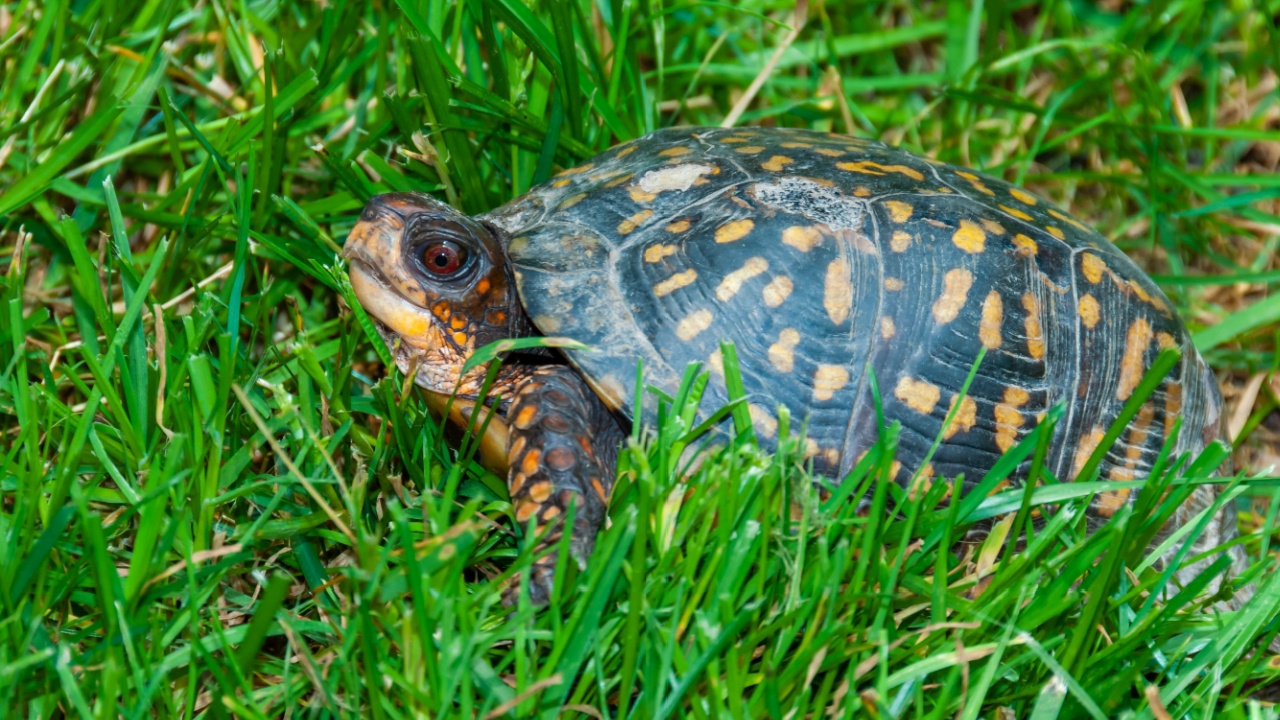
Image Credit: Shutterstock.
Setting pet turtles free often leads to competition for resources with native species. More concerning, released turtles can carry pathogens such as Salmonella, which can spread to native wildlife and humans. Non-native turtles also introduce parasites, further destabilizing natural habitats.
4. Rabbits
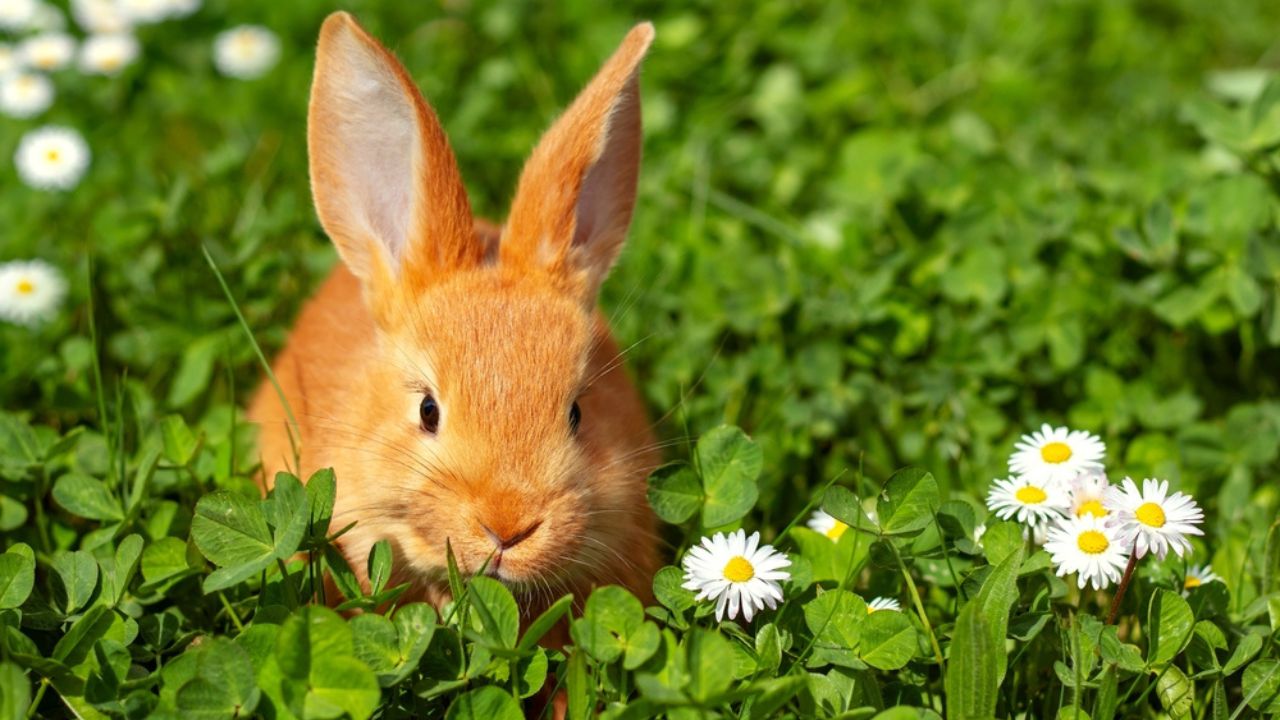
Image Credit: Shutterstock.
Rabbits may appear harmless, but their notorious breeding rate can lead to overpopulation in the wild. This contributes to habitat destruction and soil erosion, as voracious rabbits consume vegetation vital to other species.
Once established, they are nearly impossible to control, as demonstrated in Australia, where rabbits have caused widespread ecological damage.
5. Pythons
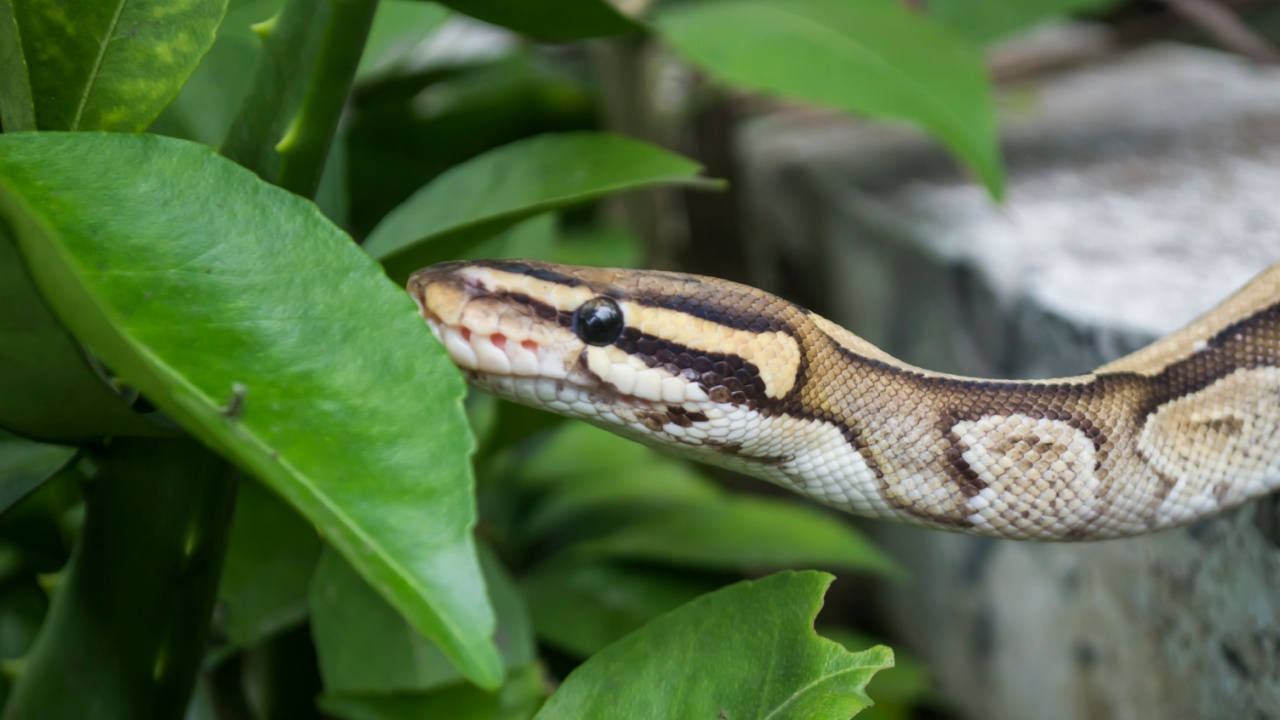
Image Credit: Shutterstock.
Large constrictor snakes, like Burmese pythons, have become infamous for their invasive impact in regions like Florida’s Everglades.
With no natural predators, they have drastically reduced populations of small mammals and birds, creating a devastating imbalance in their unnatural environment. Their presence threatens biodiversity across wide areas.
6. Parrots
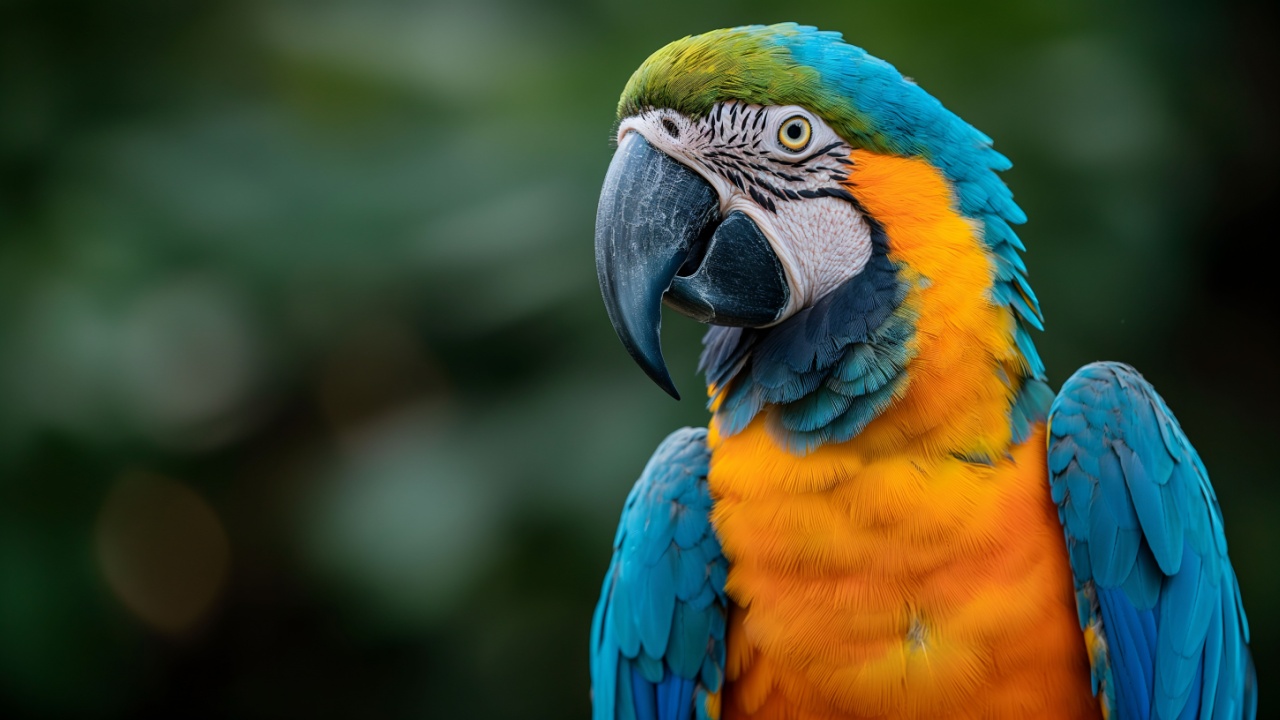
Image Credit: Shutterstock.
Released parrots have the potential to disrupt local bird populations by outcompeting them for nesting sites and food.
Bright and social, parrots can thrive in the wild, but their adaptability makes them difficult to manage. Large populations can deplete resources that native birds need to survive.
7. Dogs
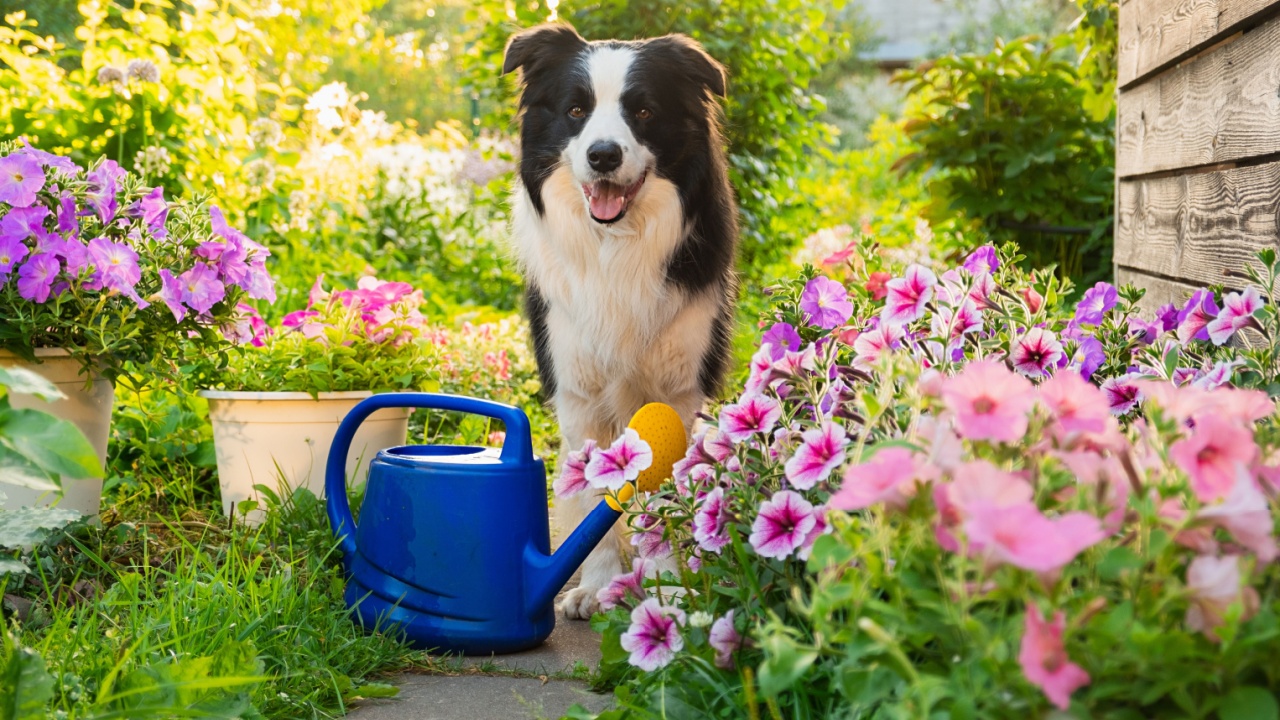
Image Credit: Shutterstock.
Dogs that are set free often turn feral and wreak havoc on native wildlife. They compete for resources with endangered species and are known to attack vulnerable small mammals and birds.
Diseases like rabies and distemper, which feral dogs may carry, also threaten other animals and humans.
8. Hamsters
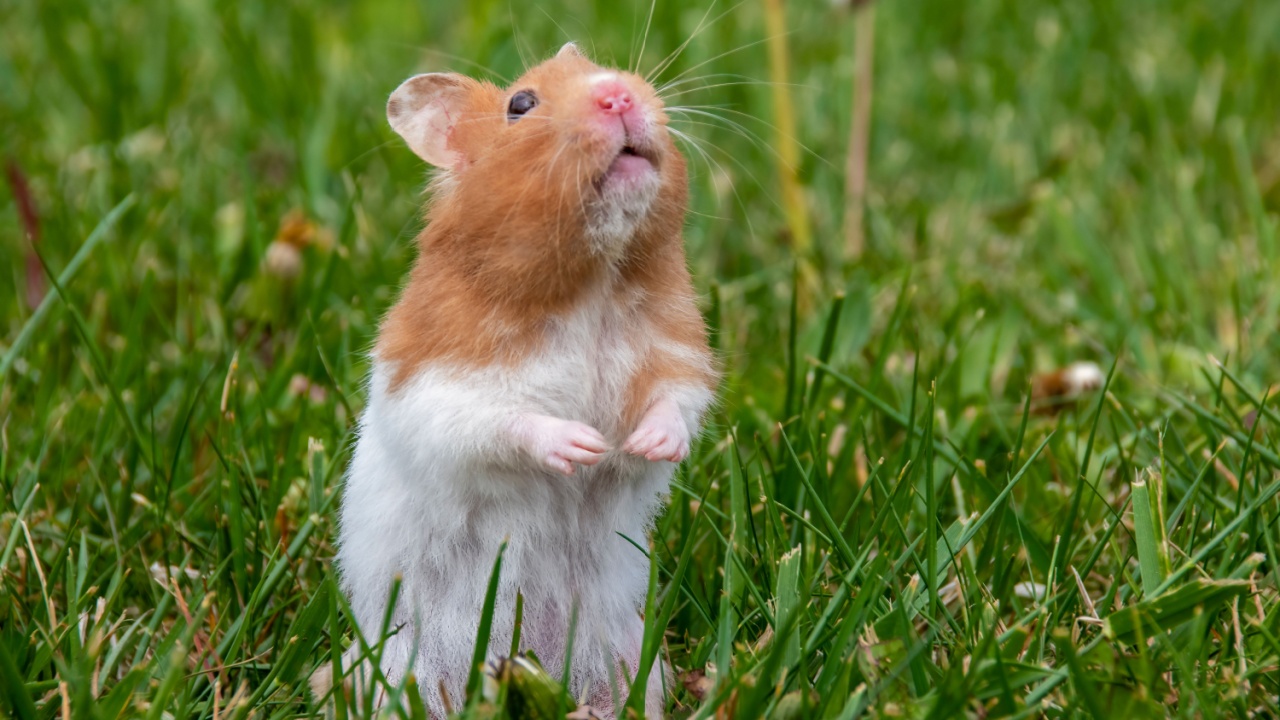
Image Credit: Shutterstock.
Out in the wild, hamsters may seem unlikely to cause harm, but they compete with native rodents for food and shelter.
When they establish populations, this competition stresses the local environment. Additionally, hamsters can be carriers of diseases that spread to native wildlife.
9. Iguanas
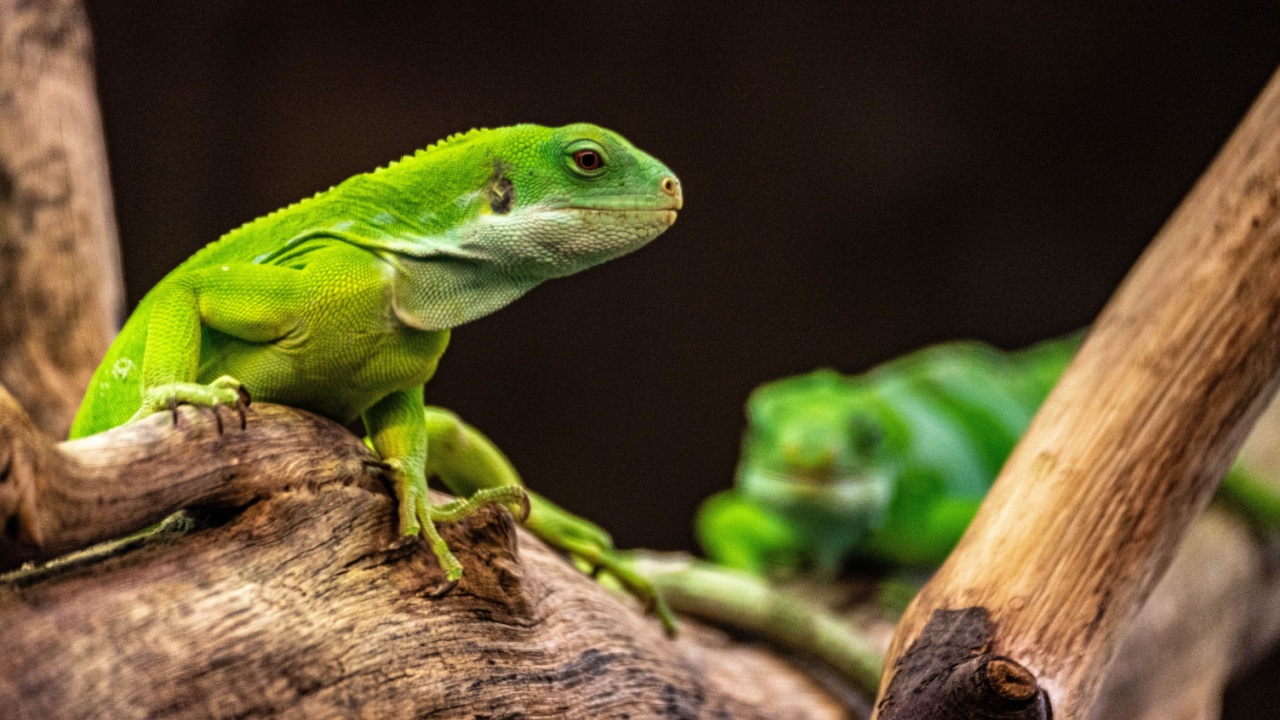
Image Credit: Shutterstock.
Iguanas released into the wild often become invasive, especially in warm climates.
They feed on vegetation, compete with native species for food, and contribute to habitat degradation. Their impressive breeding rates and adaptability make them hard to control, further compounding their ecological impact.
10. Ferrets
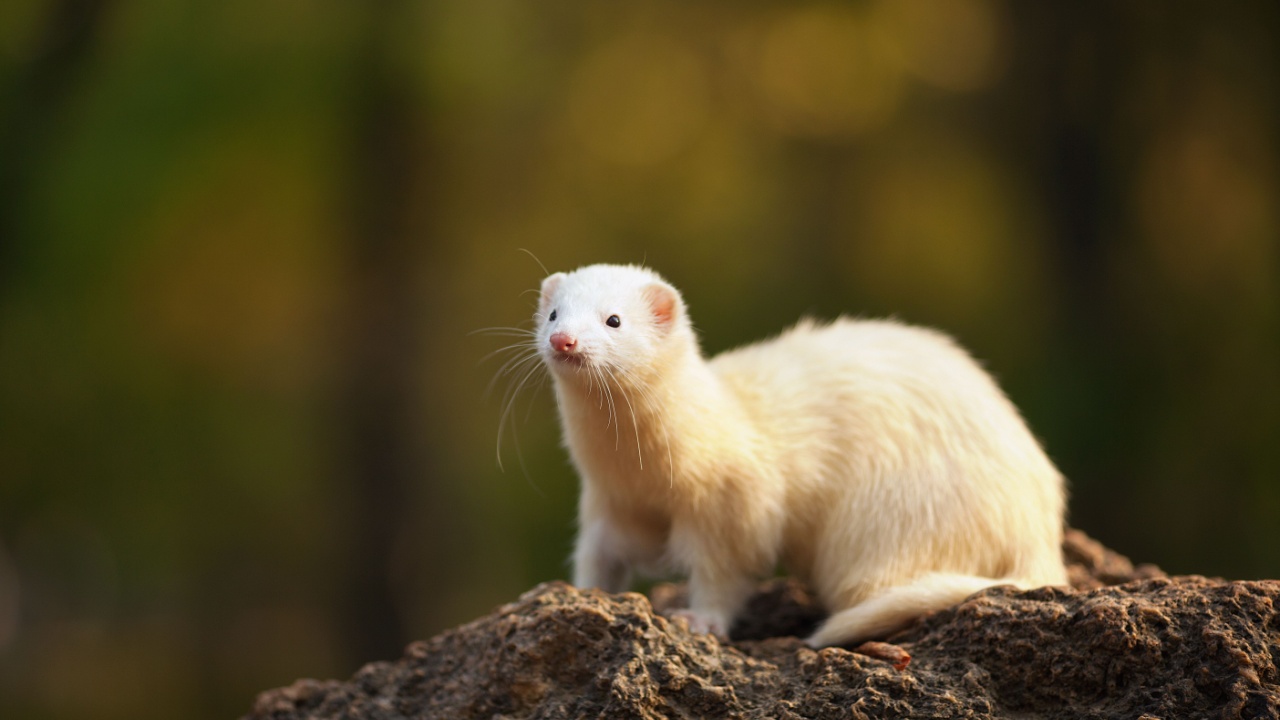
Image Credit: Shutterstock.
Ferrets are natural hunters, and when released, they can wreak havoc by hunting small mammals, birds, and their eggs. They also bring diseases like rabies into the wild population, further destabilizing ecosystems.
Ferrets’ agility allows them to thrive, often at the expense of endangered species.
11. Squirrels
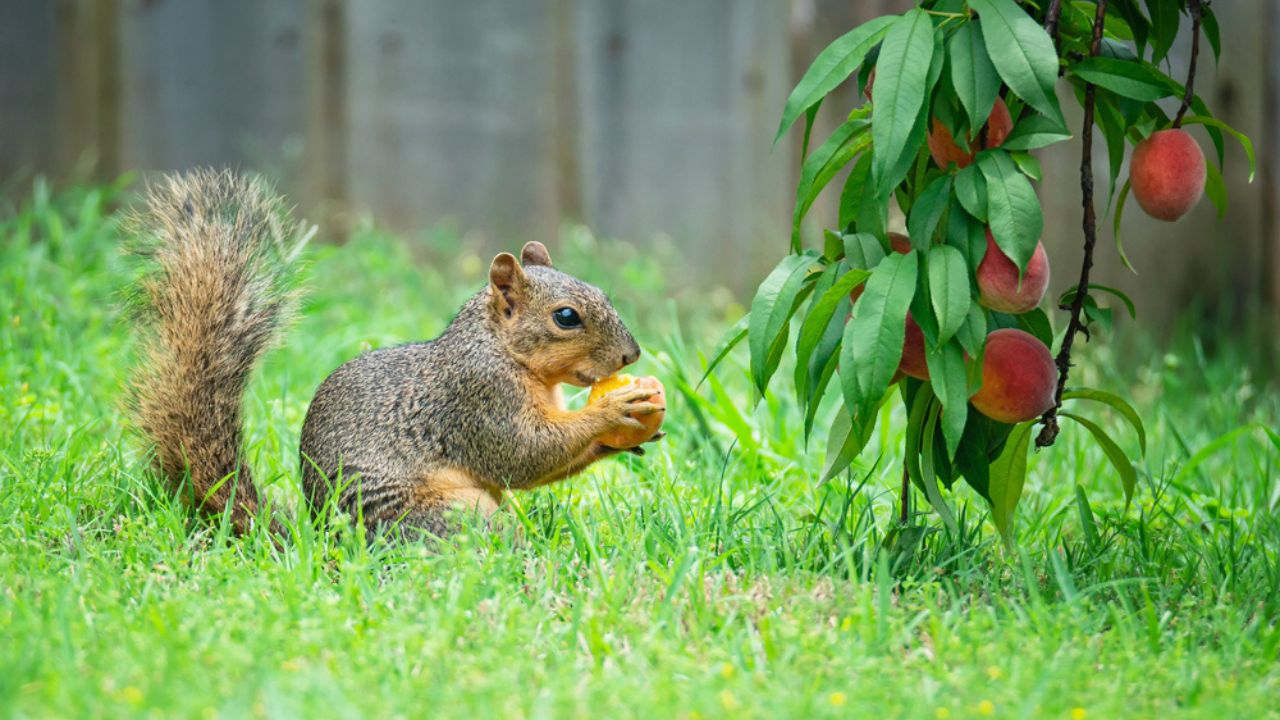
Image Credit: Shutterstock.
Non-native squirrels can displace local species by dominating food sources and nesting sites.
Their aggressive behavior can impact native rodents and birds, reducing biodiversity in the ecosystem. Additionally, they are known carriers of diseases such as Lyme disease, which pose risks to humans and animals.
12. Sugar Gliders

Image Credit: Shutterstock.
These small marsupials may seem harmless, but once introduced into non-native areas, they compete for food with local wildlife.
Their group dynamics allow them to establish colonies quickly, which can overwhelm local populations. Additionally, sugar gliders are vectors for diseases that negatively impact native species.
13. Raccoons
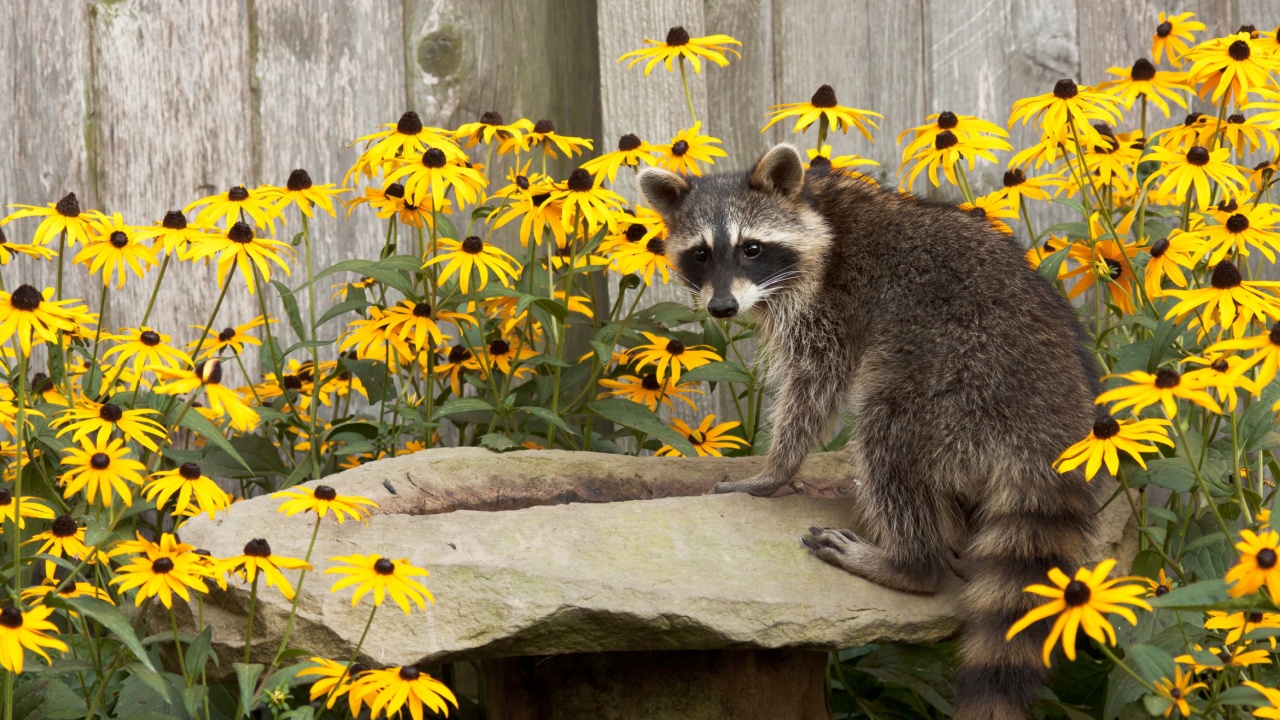
Image Credit: Shutterstock.
While raccoons are native to parts of the Americas, releasing them into non-native areas can spell disaster for local ecosystems.
These opportunistic feeders eat nearly anything, giving them a competitive edge over less adaptable species. They also spread diseases such as rabies and leptospirosis, harming both wildlife and humans.
14. Pigs and Wild Boars
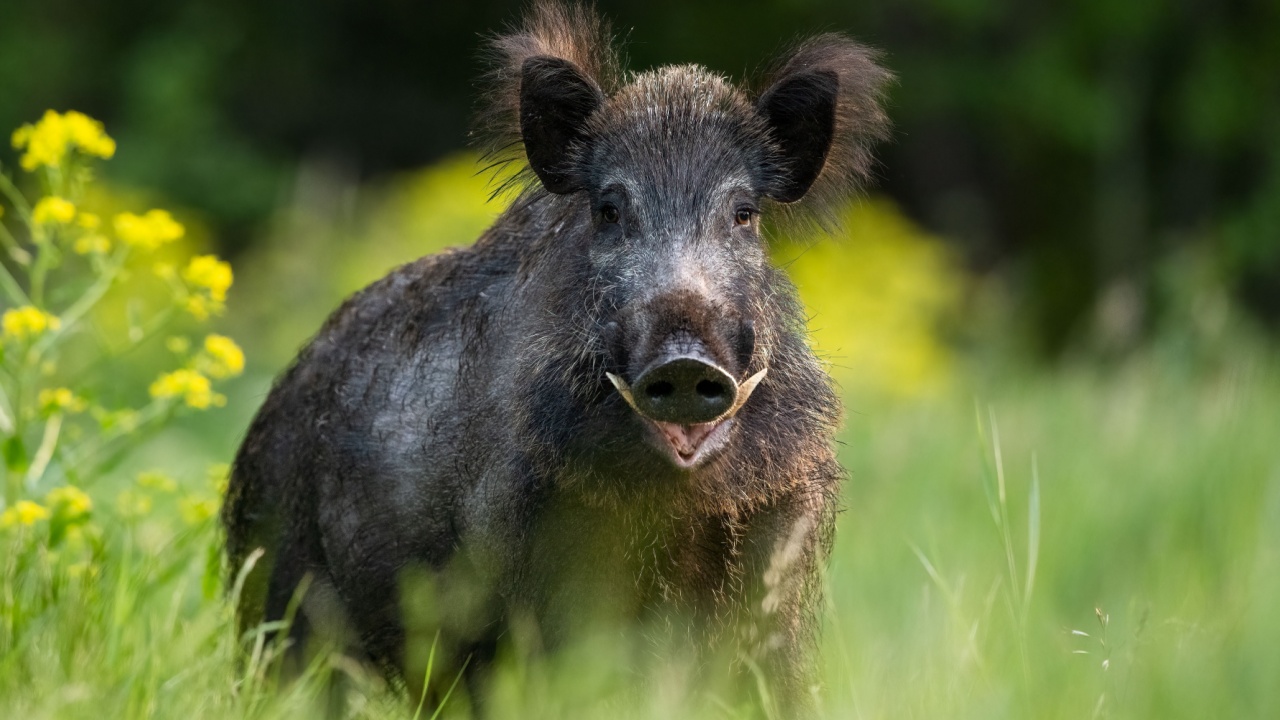
Image Credit: Shutterstock.
Whether domesticated or wild, pigs can transform landscapes in devastating ways. They uproot plants, disturb soil, and consume native species’ resources.
Their feeding behavior causes erosion and habitat destruction, and they spread diseases that impact agriculture and wildlife. Once feral, pigs are particularly hard to control due to their rapid reproduction and adaptability.
15. Koi Fish
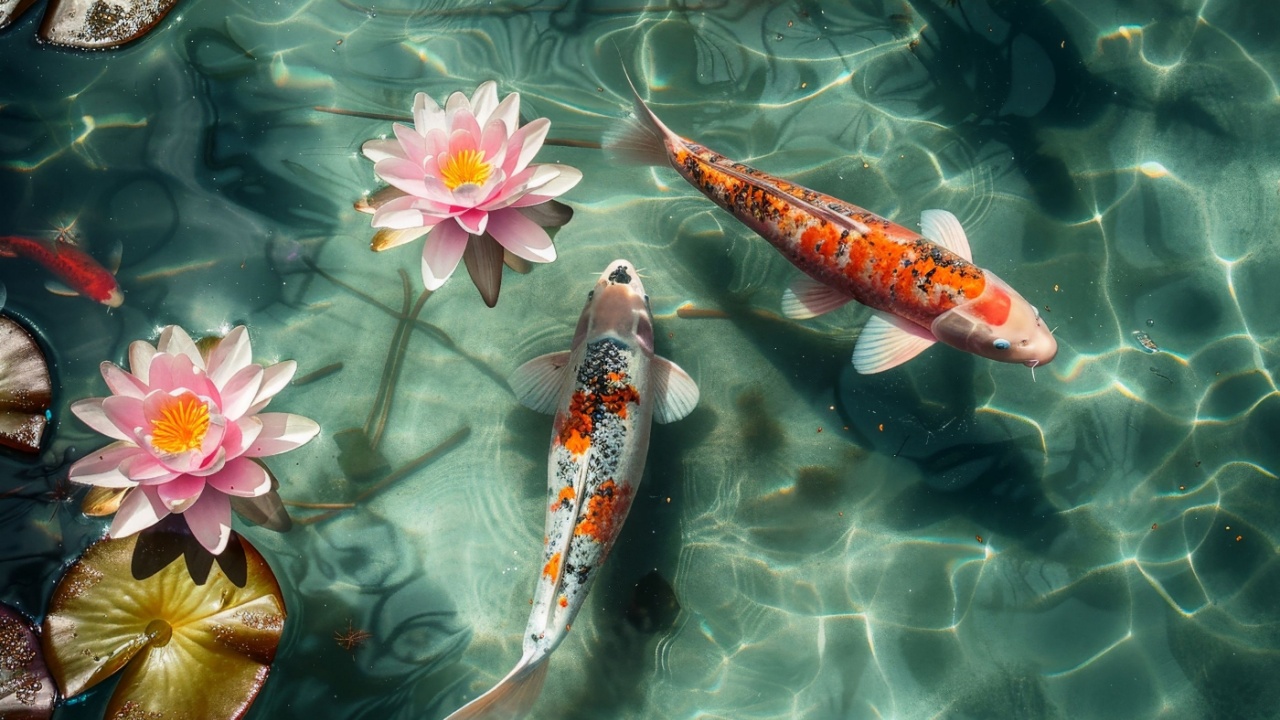
Image Credit: Shutterstock.
Koi fish are beautiful in ornamental ponds but disastrous in natural ecosystems. When released, they outcompete native fish for food and habitat. Their habit of uprooting vegetation degrades water quality, threatening the health of other aquatic life.
16. Chinchillas

Image Credit: Shutterstock.
Chinchillas, though domestic and adorable, can wreak havoc if released into the wild. Their diet of vegetation puts them in direct competition with native herbivores.
Rapid breeders can quickly form invasive populations, altering plant dynamics and placing additional pressure on ecosystems.
17. Domestic Hedgehogs
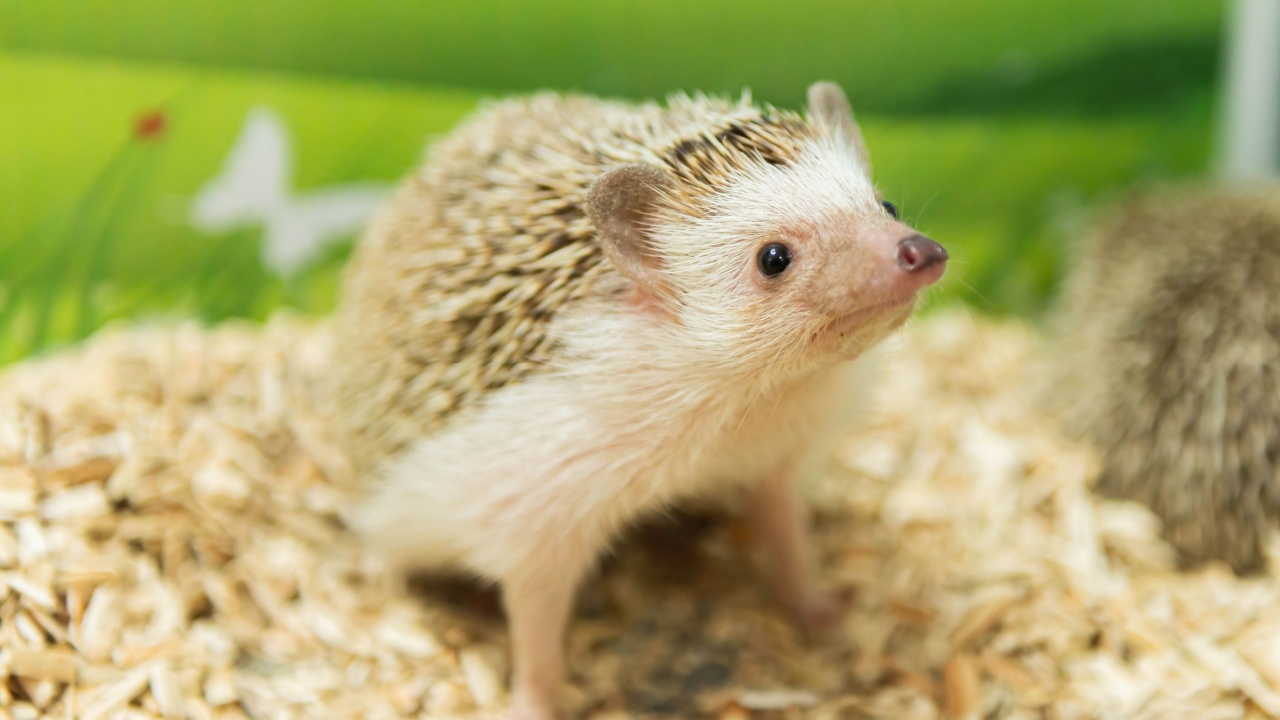
Image Credit: Shutterstock.
Hedgehogs introduced into non-native areas, such as islands, have decimated local insect and small bird populations. Ground-dwelling species, especially those that nest on the forest floor, are particularly vulnerable to hedgehog predation.
18. Tropical Fish
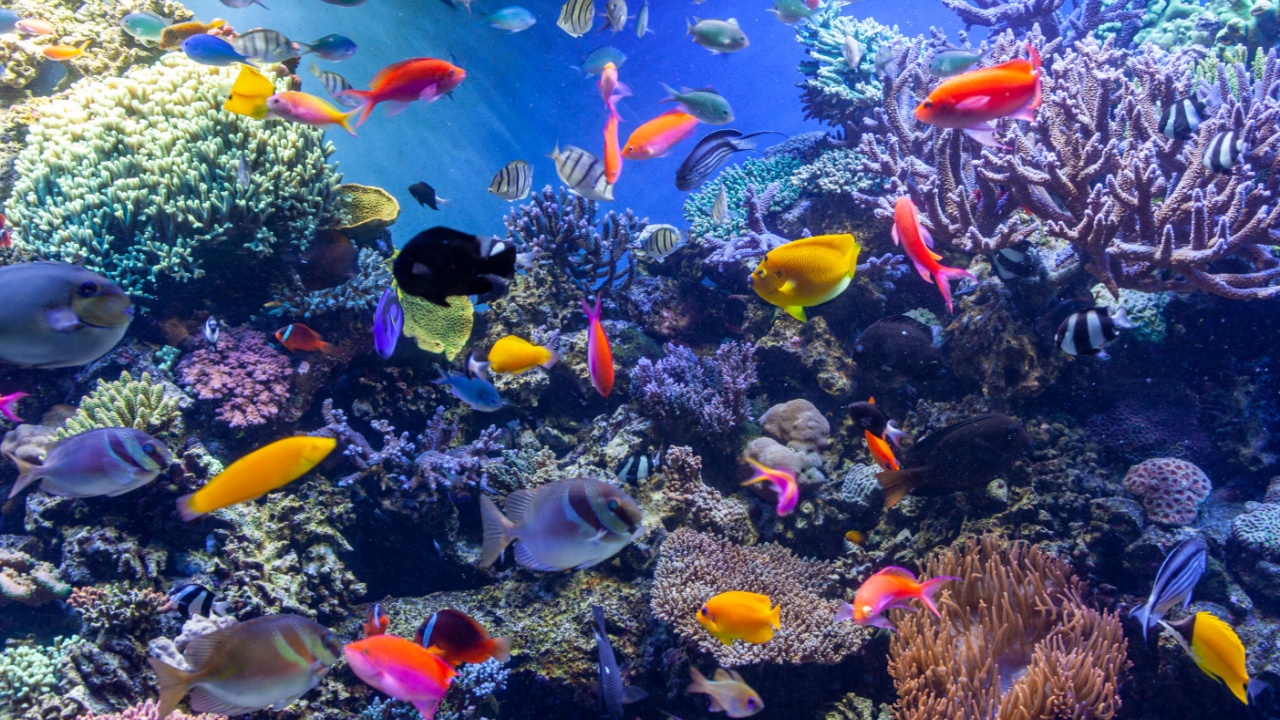
Image Credit: Shutterstock.
Tropical fish, when introduced into local waterways, can breed aggressively and overtake native species. By outcompeting them for food and territory, they threaten the balance of aquatic ecosystems. Their presence can also spread diseases unfamiliar to local aquatic life.
19. Frogs
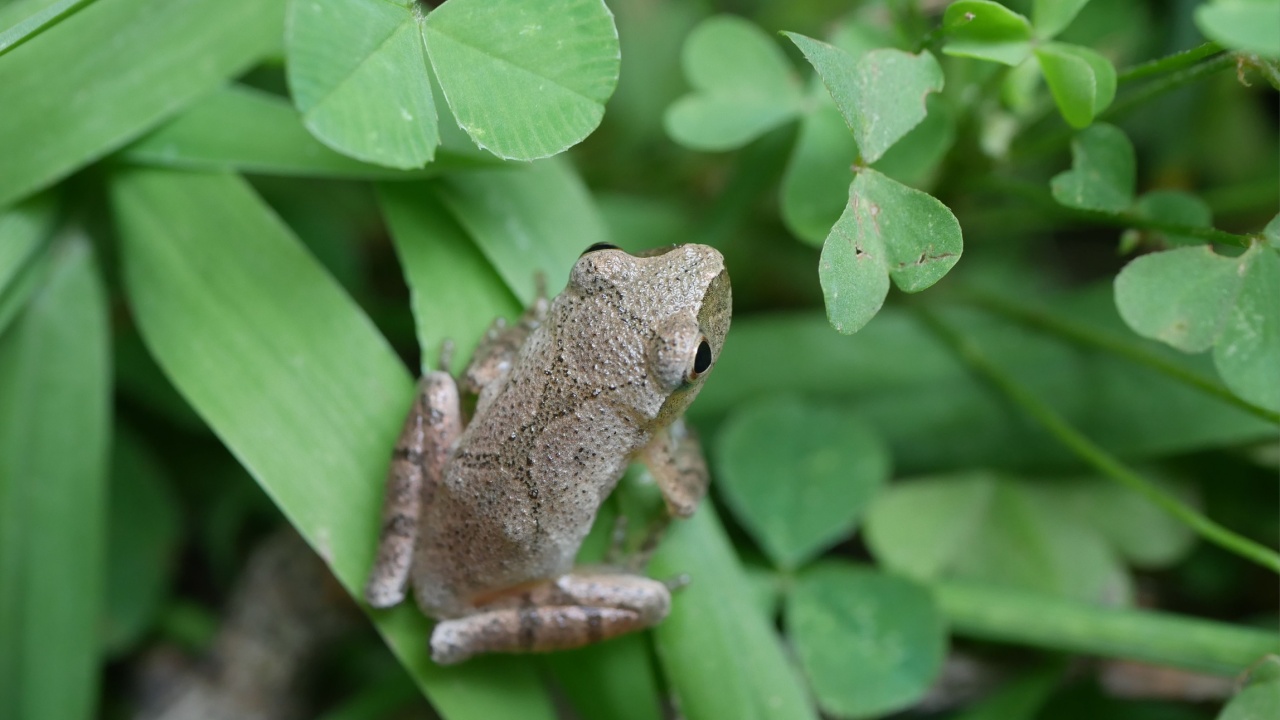
Image Credit: Shutterstock.
Non-native frogs spread diseases such as chytridiomycosis, which can devastate native amphibian populations. Additionally, they compete with local species for breeding sites and reduce food availability, leading to further declines in biodiversity.
20. Capybaras

Image Credit: Shutterstock.
Native to South America, capybaras are social animals that can disrupt new environments by consuming vegetation needed by local species. Their invasive potential includes exacerbating habitat loss and soil degradation, while their presence alters local ecosystems.
21. Snakes
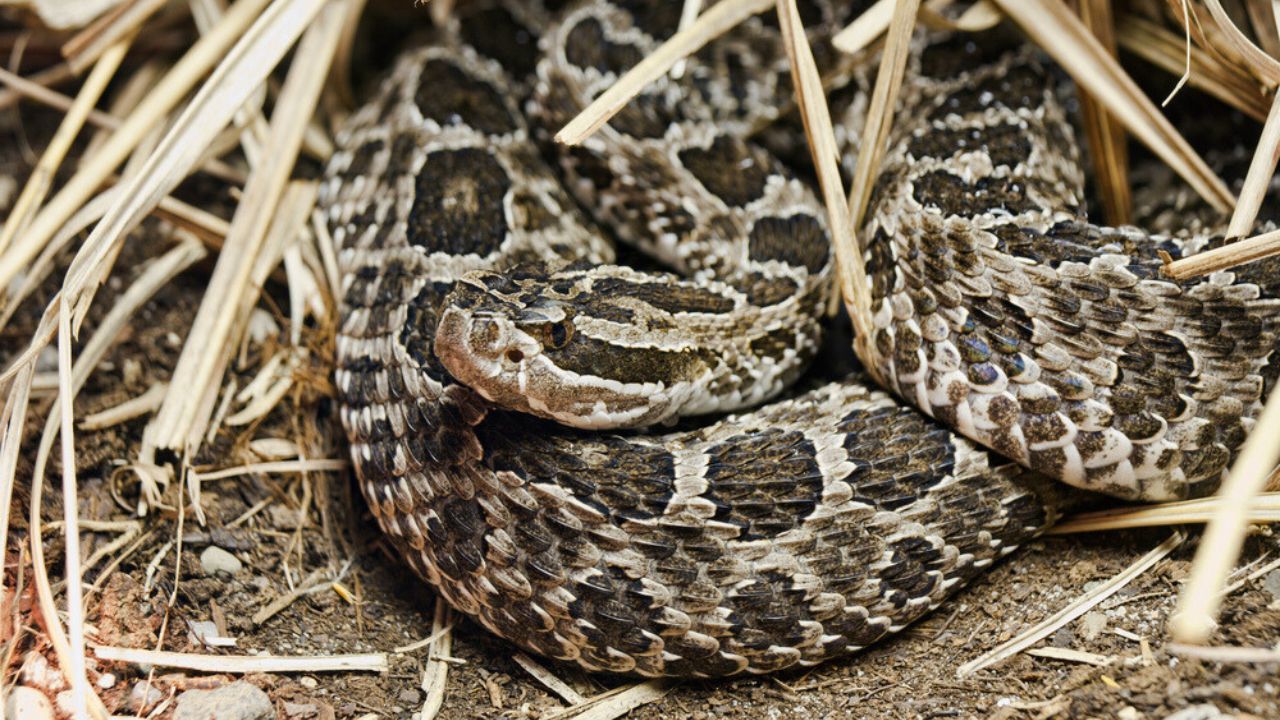
Image Credit: Shutterstock.
Outside of pythons, as mentioned earlier, other snakes can also quickly become a problem. Snakes introduced into non-native ecosystems can become apex predators, preying on species with no evolutionary defenses against them. Many snake species also carry diseases that can devastate native animal populations.
Think Before You Act
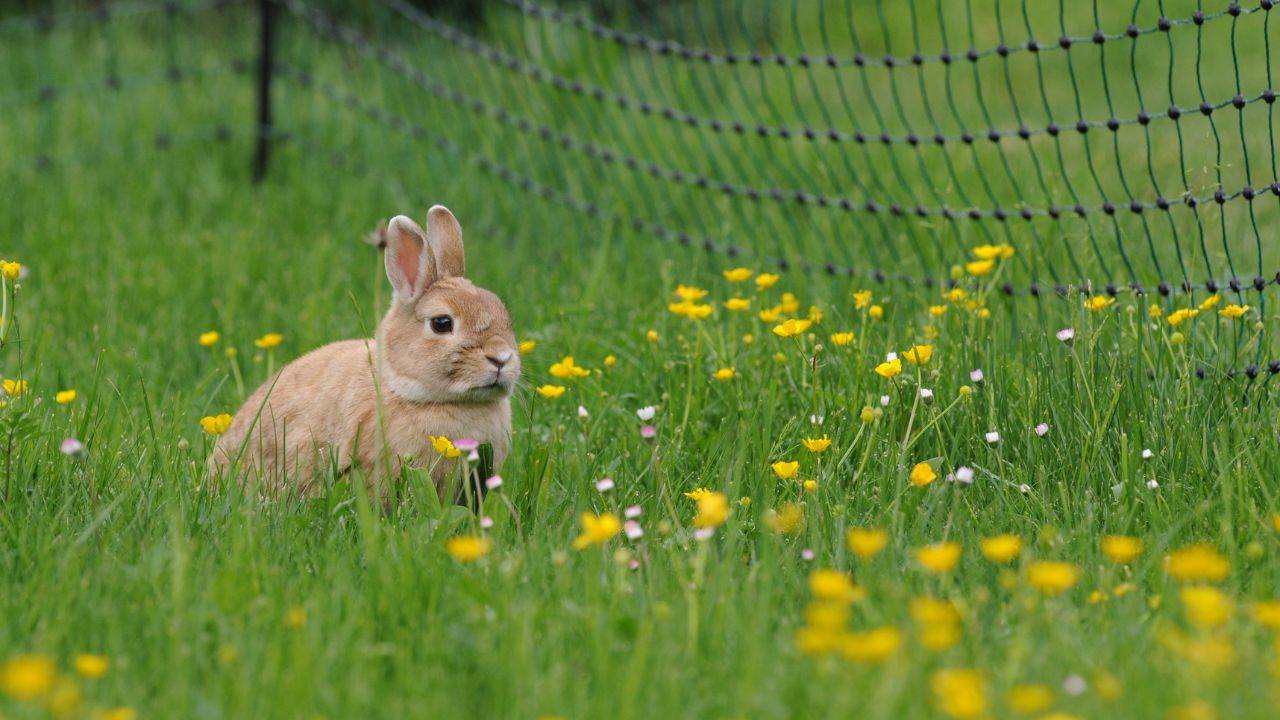
Image Credit: Shutterstock.
Releasing animals into the wild should never be a casual decision. Many of these creatures, despite their initial harmlessness, evolve into widespread ecological problems. Instead, contact local wildlife organizations or shelters to ensure proper care and management. By making informed choices, you can protect both animals and the environment.