14 DIY Projects That Don’t Have Any Resale Value (Or Can Even Tank It)
Home improvement projects are exciting and can help make your space feel more personal and functional. However, not every DIY upgrade boosts home value. Some projects could backfire, leaving you with reduced property appeal and potential loss of value. Below, we’ve compiled 14 DIY projects you should be cautious about, with practical advice and alternatives to help safeguard your home investment.
1. Removing Closets
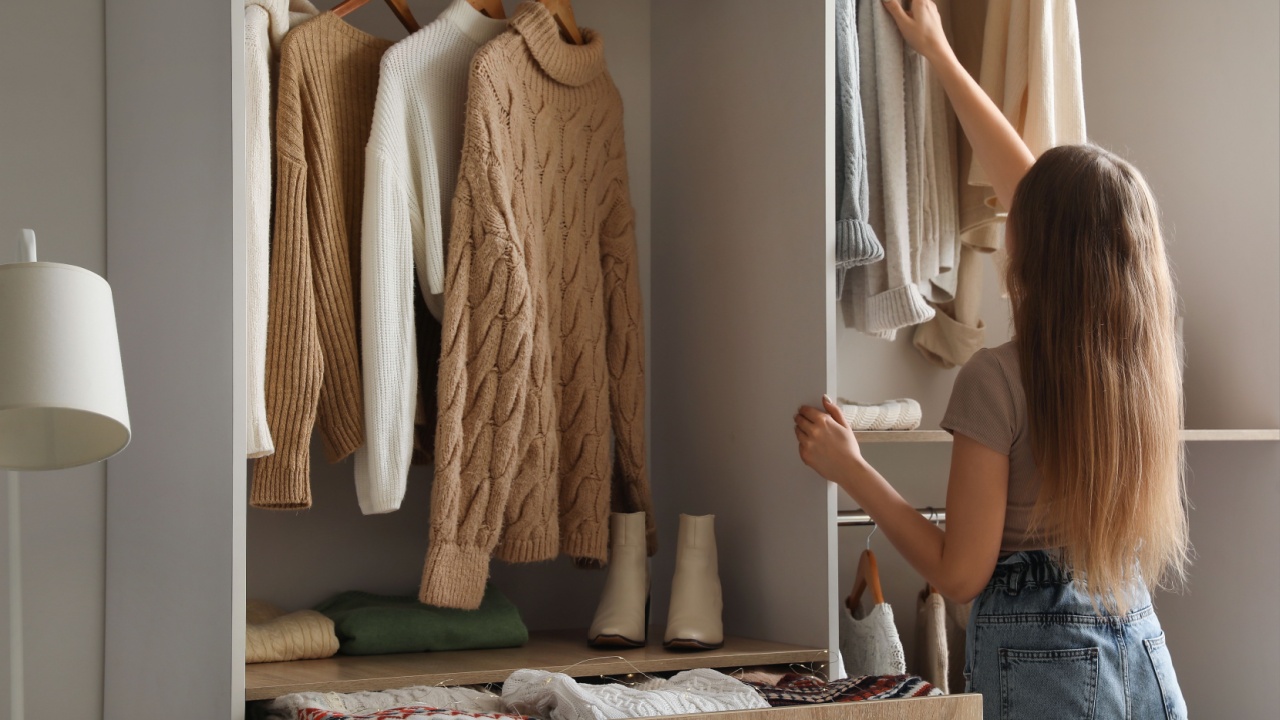
Eliminating closet space to make a room appear larger is a popular trend, but it can affect resale value negatively. Closets serve as essential storage areas for clothing, linens, and other household items. Buyers prioritize homes with abundant storage, and losing closet space limits functionality.
Alternative: Instead of removing closets, improve their organization with shelves, baskets, and storage solutions. Customizing interiors for better functionality adds appeal without sacrificing space.
2. Bold Paint Colors
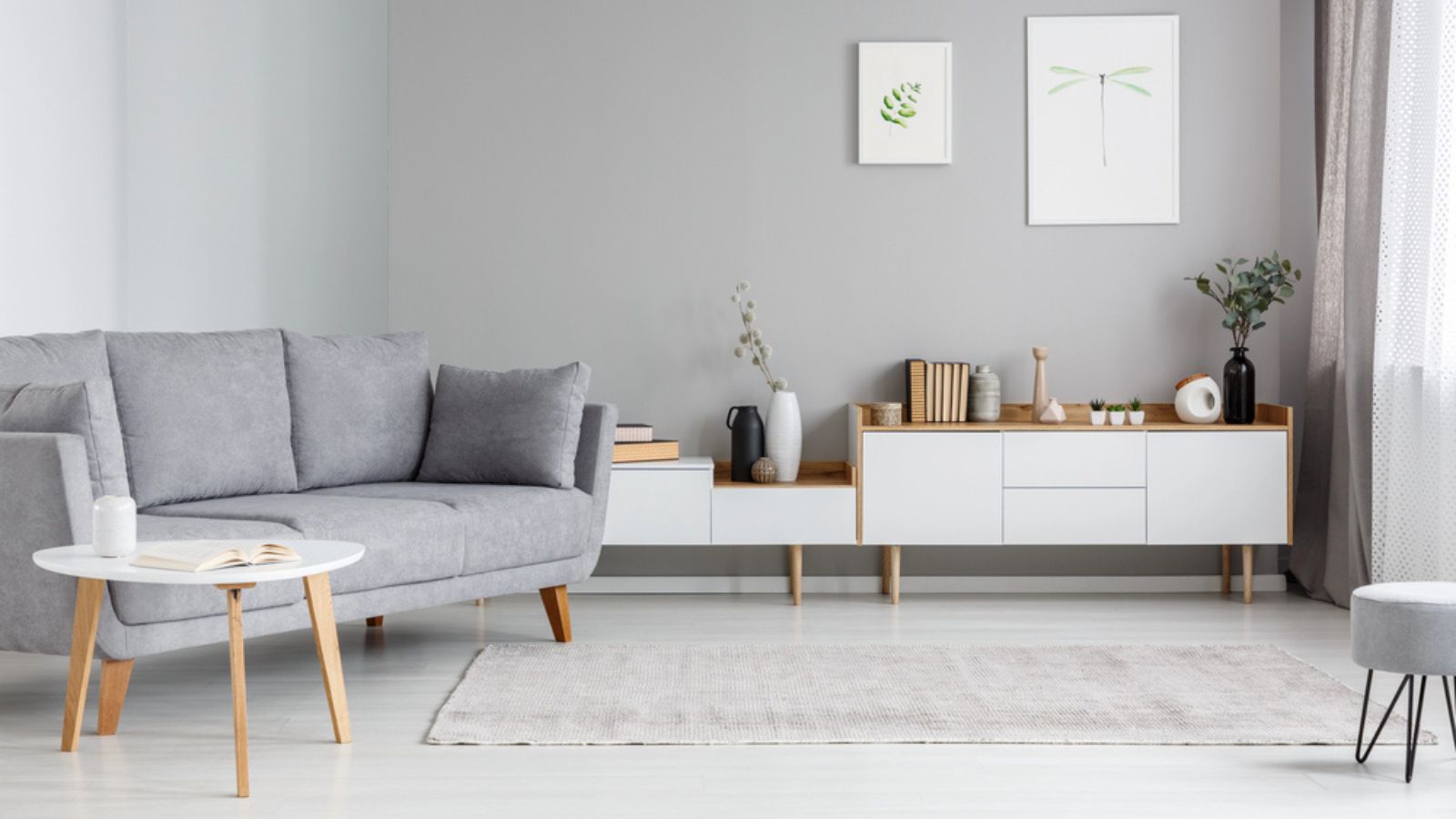
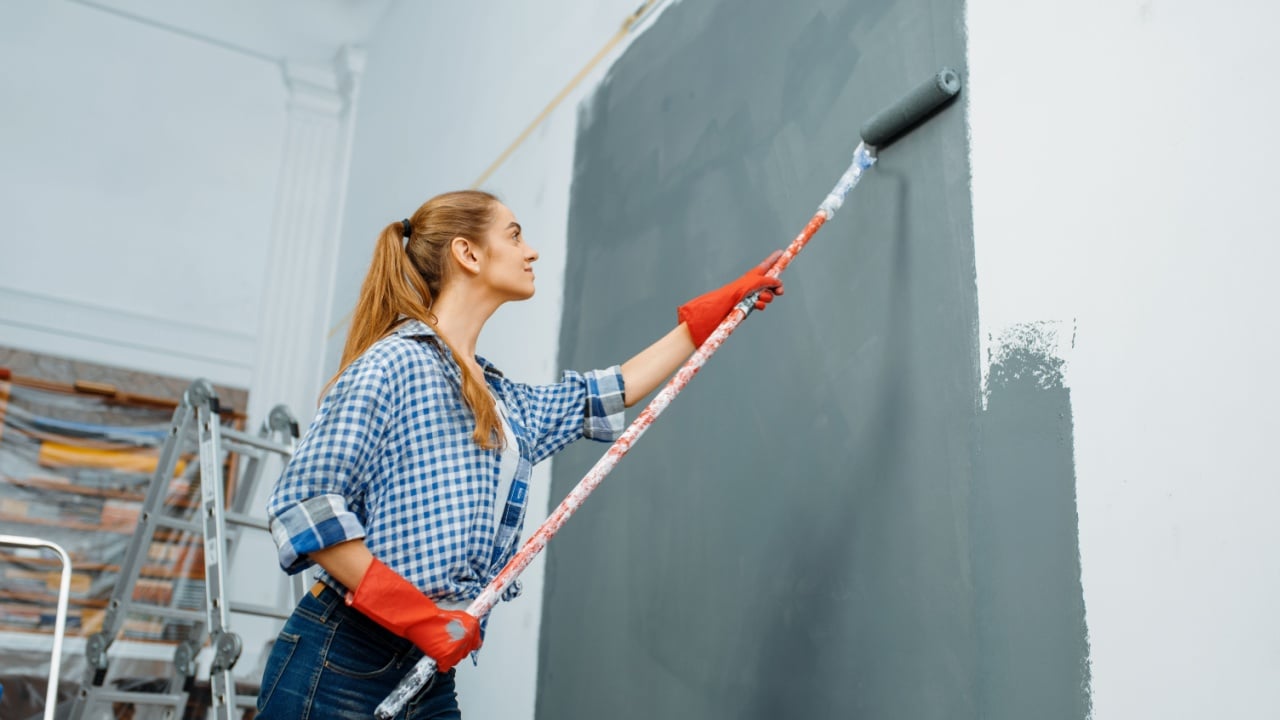
Your favorite vivid shades may brighten your day, but bold colors can alienate potential buyers. Bright walls can overwhelm and make spaces feel smaller, while others perceive repainting as a daunting chore.
Alternative: Stick to neutral tones like gray, beige, or soft white. Neutral colors create a blank canvas, allowing buyers to visualize their personal style in the space.
3. Garage Conversions
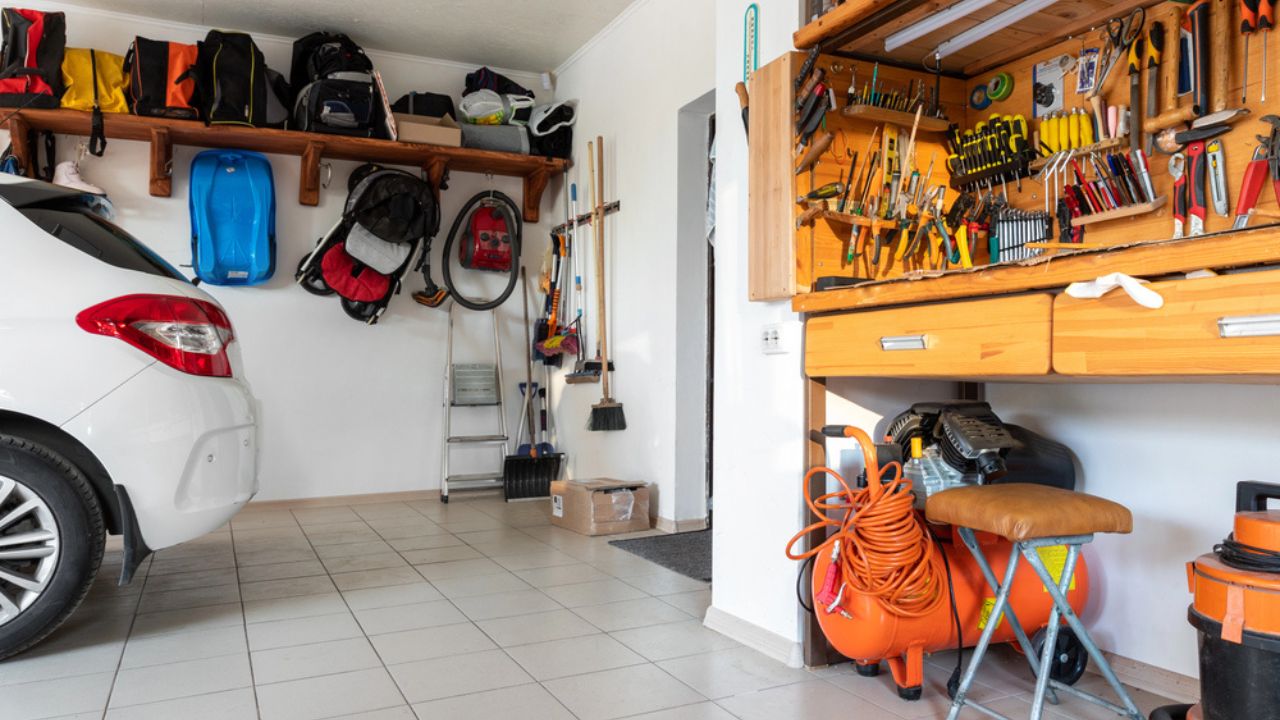 Image Credit: Depositphotos.com.
Turning a garage into a living space sounds like a great idea for added square footage, but garages serve as crucial parking or storage areas. Homes without garages may struggle to sell, especially in areas where covered parking adds significant value (some estimate a 7% drop in value with the loss of the garage).
Alternative: If you’re set on repurposing a garage, consider temporary or non-permanent ways—like modular furniture—that don’t involve major structural alterations.
4. Overdone Landscaping
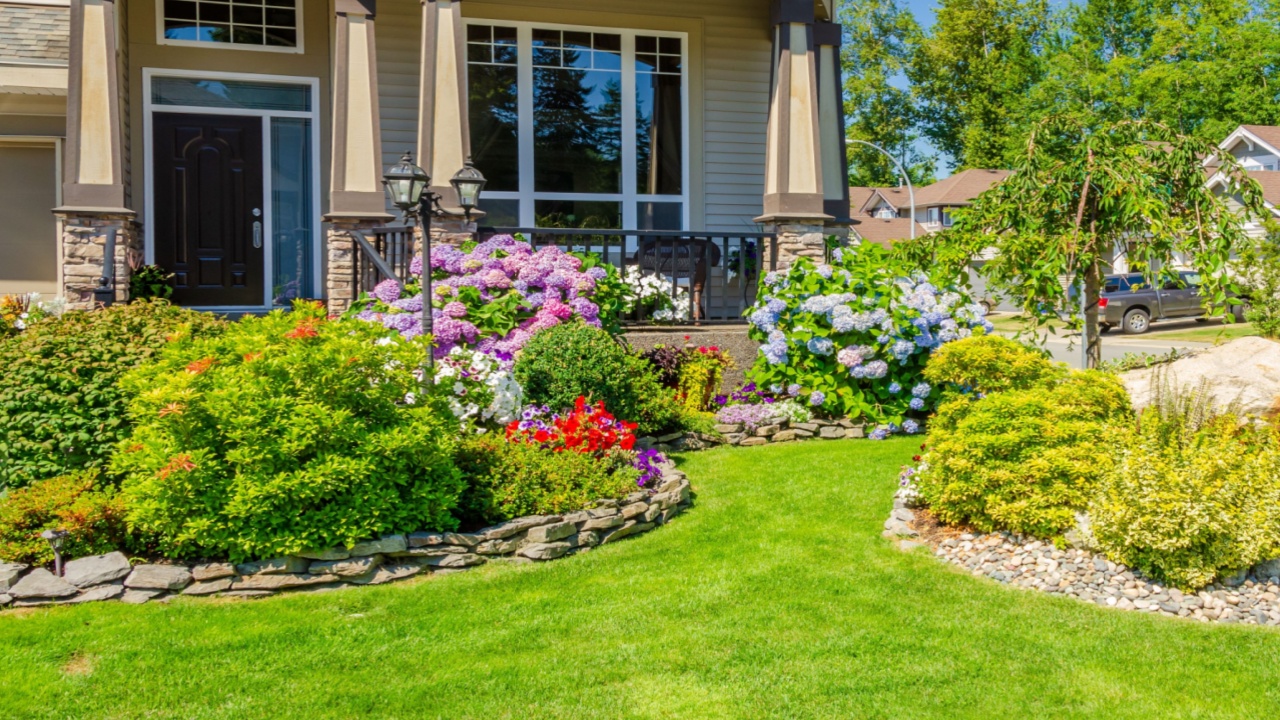 Image Credit: Shutterstock.
Beautiful landscaping enhances curb appeal, but overdoing it can overwhelm buyers. Elaborate gardens require high levels of maintenance and can be costly to manage. Potential buyers may see this as a hassle rather than an asset.
Alternative: Opt for simple, low-maintenance landscaping that uses native plants. Xeriscaping is an eco-friendly option that’s appealing for low upkeep and water efficiency.
5. Poorly Executed Tile Work
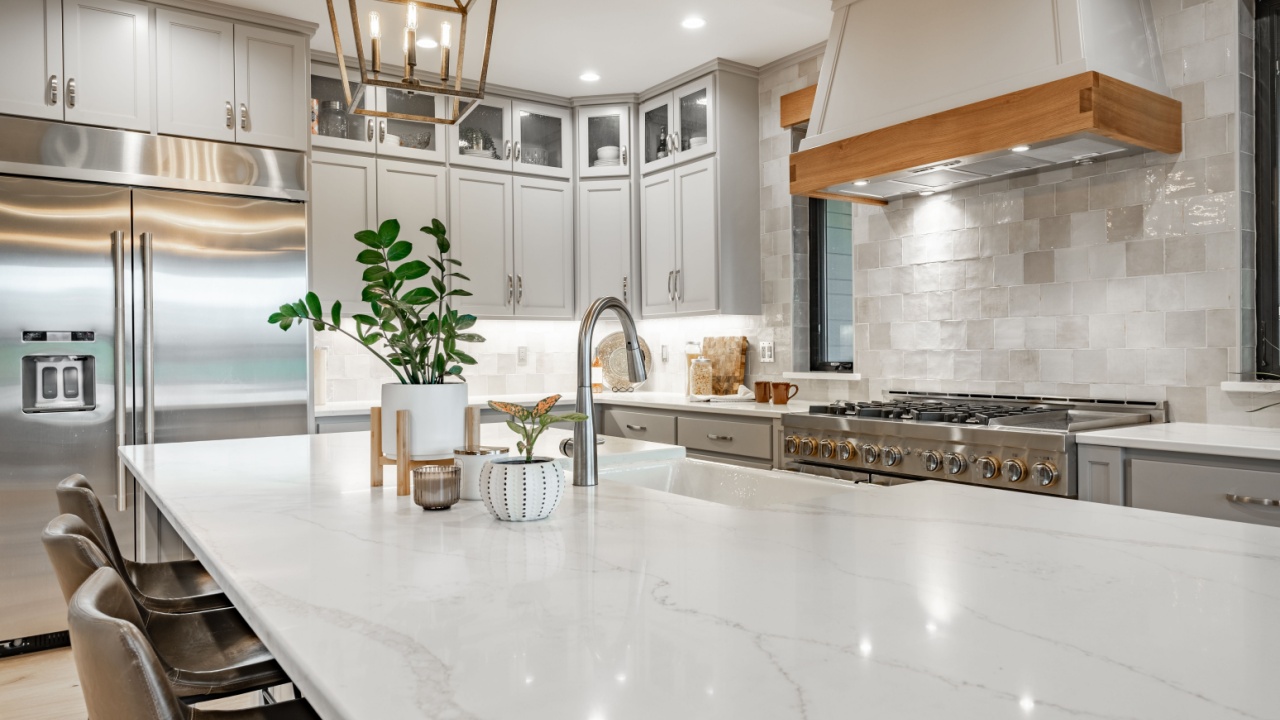 Image Credit: Shutterstock.
DIY tiling in kitchens or bathrooms can be tempting, but uneven grout lines or misaligned tiles stand out—and not in a good way. Shoddy workmanship signals future issues for buyers, leading to reduced offers.
Alternative: Hire a qualified professional for tile installations. If you’re determined to DIY, practice on a small space first to master the technique.
6. Removing Bedrooms
 Image Credit: Shutterstock.
Combining smaller rooms into one larger master suite might sound luxurious, but it reduces your home’s bedroom count. Since appraisals and property listings emphasize bedrooms, removing one can negatively affect your home value.
Alternative: Enhance smaller rooms with better lighting, furniture placement, or multifunctional layouts instead of removing walls. This keeps your room count intact and maximizes buyer interest.
7. DIY Plumbing and Electrical Repairs
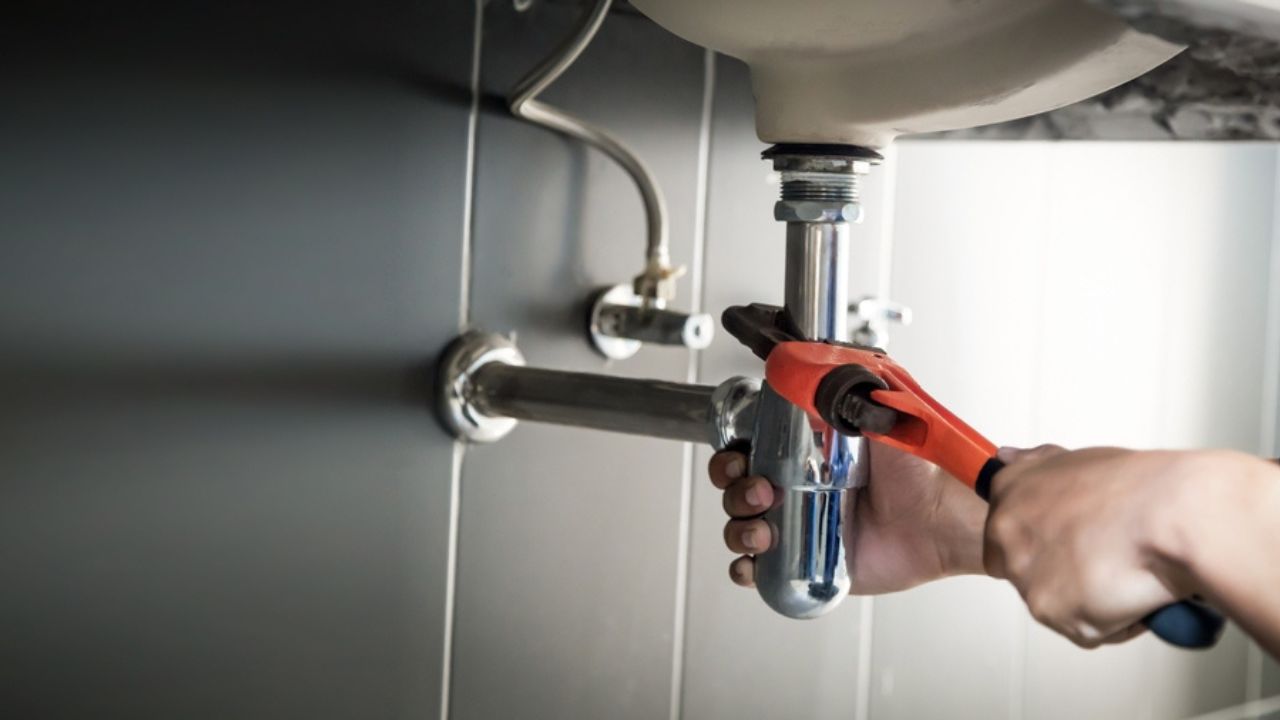
Managing plumbing or electrical fixes yourself might save money initially, but amateur errors could result in systemic damage, safety hazards, or even code violations. Buyers want peace of mind, and problematic systems break that trust.
Alternative: Always hire licensed professionals for electrical and plumbing work. It ensures proper functionality, safety compliance, and increased buyer confidence during inspections.
8. Complex Hobby Spaces

From home theaters to extravagant wine cellars, custom hobby spaces often appeal to niche interests. The broader buyer pool, however, may view such spaces as inconvenient or requiring costly modifications to revert to practical use.
Alternative: Build hobby spaces with flexibility in mind. Modular designs allow buyers to customize the room to suit their needs, without pigeonholing functions.
9. Wall-to-Wall Carpeting

Carpeting—particularly when used throughout an entire home—is seen as outdated and less desirable due to maintenance challenges and allergen buildup. Many buyers prefer hardwood or other durable flooring.
Alternative: Refinish existing hardwood floors if possible. Where carpeting is necessary, use it sparingly in specific areas like bedrooms for warmth and comfort.
10. Painting Over Natural Wood
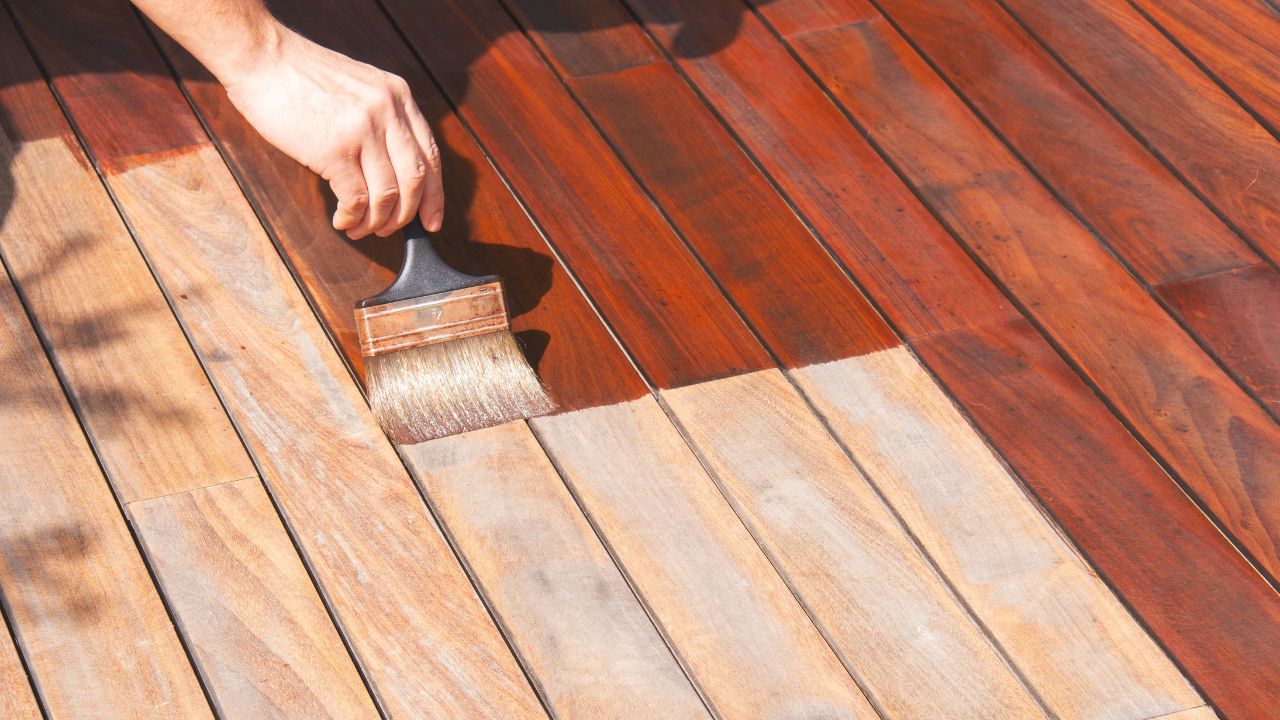
Whether it’s cabinets, trim, or beams, natural wood brings timeless warmth to a home. Painting over it makes refinishing the surfaces harder and detracts from the character that many buyers love.
Alternative: Give wood accents a polish or stain instead of paint. This retains their charm while refreshing the look to appeal to buyers.
11. Out-of-Place Swimming Pools
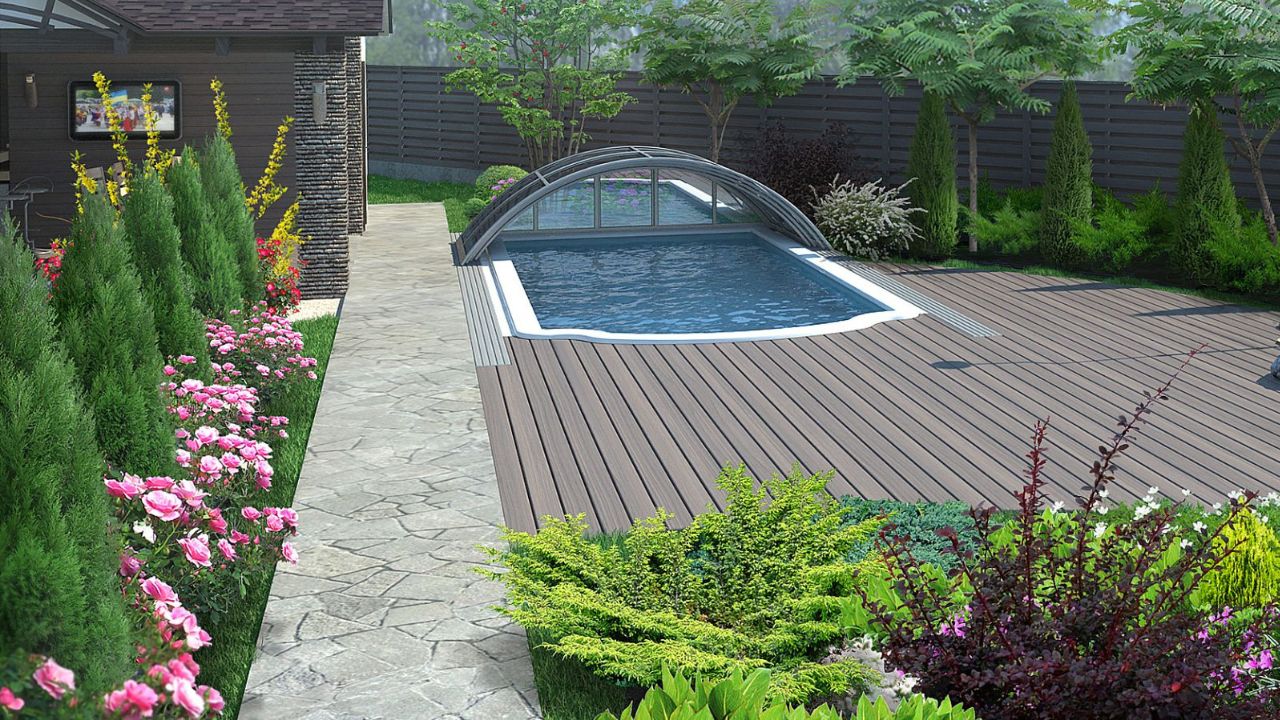
Swimming pools can be an expensive addition that only appeals to certain buyers, especially in colder climates. They also bring ongoing maintenance and insurance costs—a deterrent for many.
Alternative: Focus on functional, universally appealing outdoor spaces, like decks or patios, that offer leisure opportunities without high maintenance.
12. Unapproved Structural Changes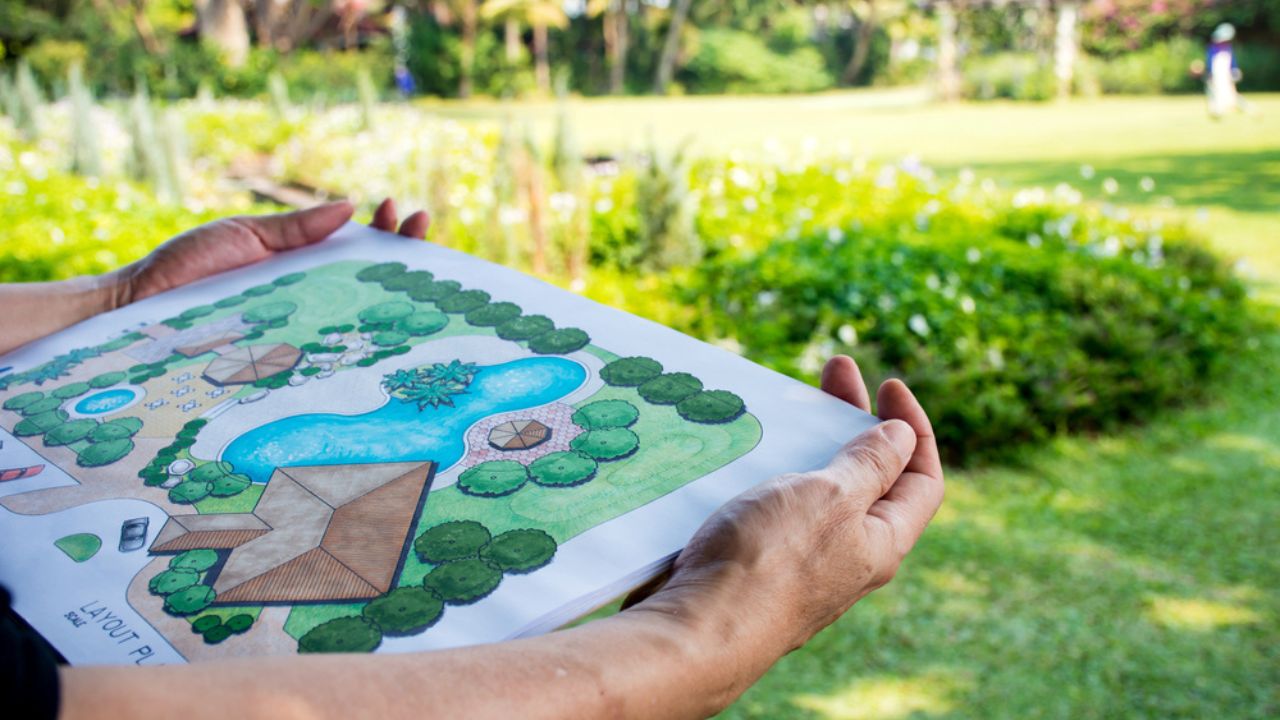 Image Credit: Shutterstock.
Knocking down walls or modifying layouts without the necessary permits might seem harmless, but buyers and inspectors regard such unapproved changes as red flags. These alterations often don’t meet building codes, leading to repairs or fines down the road.
Alternative: Always consult with local authorities before major renovations. Proper permits ensure safety, legality, and smoother transactions at resale.
13. Overly Personalized Features
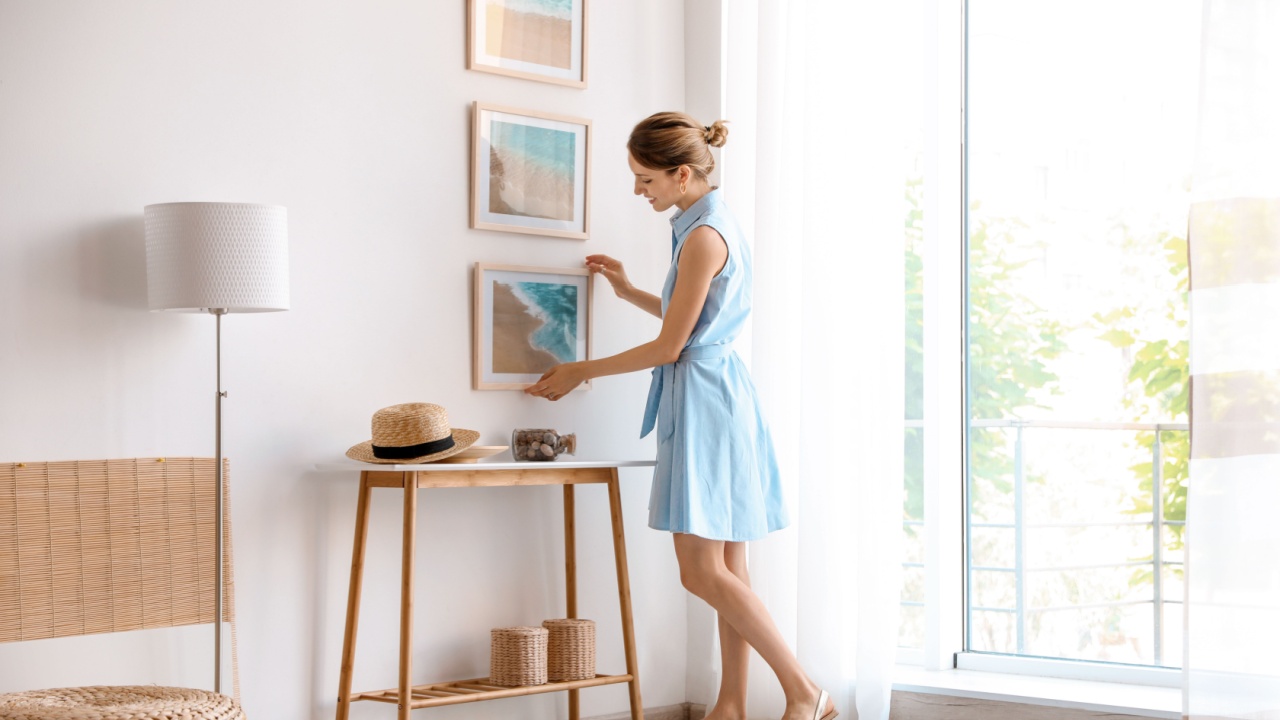
Highly personalized upgrades like unique wall murals, themed rooms, or quirky permanent fixtures may suit your tastes but could clash with a buyer’s vision. This could complicate their ability to imagine living in the space.
Alternative: Stick to enhancements that balance personality and universal appeal, like adding energy-efficient features or upgrading storage solutions.
14. DIY Installing a Koi Pond or Expert-Level Water Feature

Installing a koi pond or elaborate DIY water feature may seem artistic or relaxing, but it can devalue your home by signaling high maintenance costs, safety liabilities, and limited buyer appeal. Many buyers view such features as personal or niche, and they can raise concerns about water quality, upkeep, or insurance.
Alternative: Consider simple, low-maintenance garden enhancements like native planting beds, clean landscaping lines, or small seating areas. These provide universal appeal, reduce upkeep costs, and boost curb charm without major commitments.
Make Smarter Choices for Long-Term Value

The best DIY projects boost your home’s functionality and aesthetic appeal without alienating future buyers or causing avoidable long-term expenses. Always weigh the pros and cons of each project, consult professionals when necessary, and focus on quality over speed. By keeping these tips in mind, you’ll enhance both your living experience and your property’s lasting value.