A Room-By-Room Guide to Home Entry Points for Rodents Getting Inside
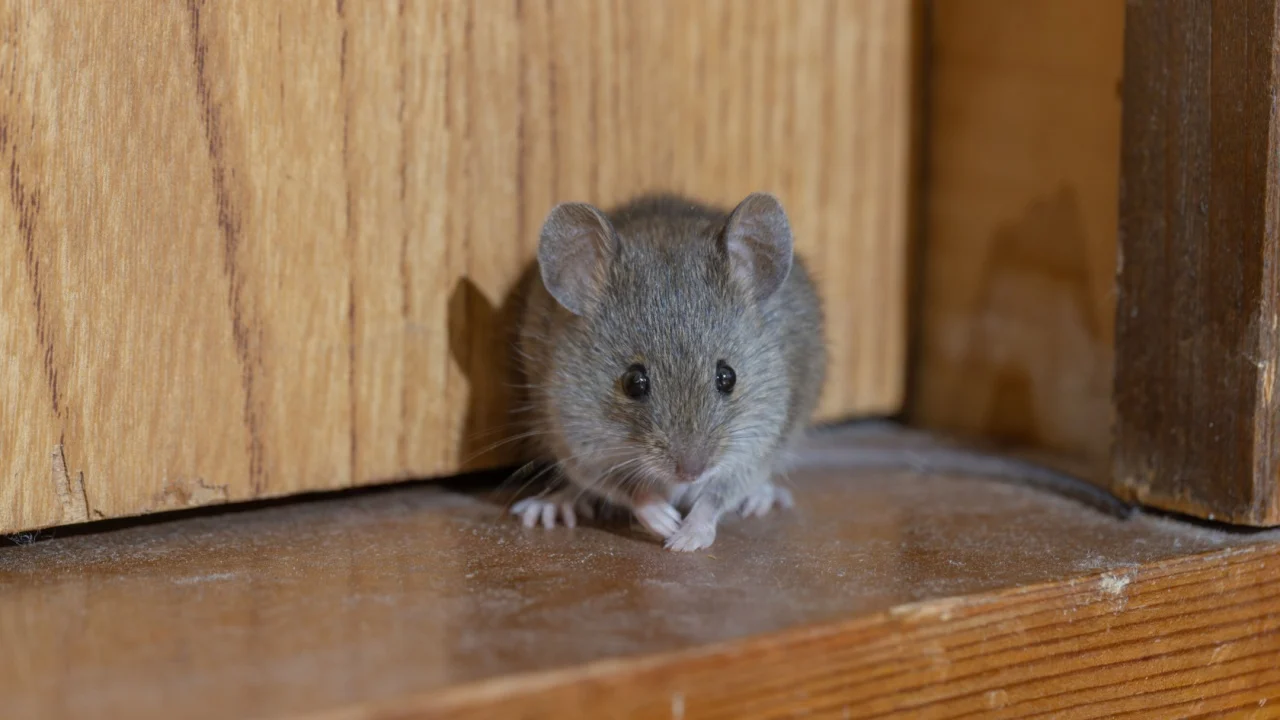
Mice and rats can enter homes through surprisingly small openings, often without homeowners noticing until an infestation develops. A mouse can squeeze through a gap roughly the width of a pencil, making even minor structural openings potential entry points.
Knowing where rodents commonly enter can help homeowners identify vulnerabilities, prevent property damage, and reduce the risk of contamination.
Foundation and Basement: Check Ground-Level Openings
Rodents frequently enter through cracks in foundation walls, gaps around utility pipes, and poorly sealed basement windows. These areas provide access to sheltered spaces where pests can remain hidden.
Inspect the foundation for openings near plumbing lines, electrical conduits, and ventilation systems. Look for droppings, gnaw marks, or shredded insulation that may indicate rodent activity. Seal suitable openings with rodent-resistant materials such as metal mesh and appropriate sealants.
Garage: Inspect Doors and Storage Areas
Garage doors often leave small gaps along their bottom edges or corners. Worn weatherstripping can create enough space for mice to enter.
Check the garage door seal and inspect areas where walls meet the floor. Store pet food, birdseed, and other attractive materials in tightly sealed containers. Avoid leaving cardboard boxes directly against exterior walls, where rodents may find concealed nesting locations.
Kitchen and Laundry Room: Follow Utility Connections
Kitchens and laundry rooms contain plumbing and appliance connections that may provide hidden entry routes.
Inspect spaces beneath sinks, behind washing machines, and around dishwasher supply lines. Gaps around pipes can connect living areas to wall cavities or crawl spaces. Food crumbs and accessible garbage can encourage rodents to remain indoors. Regular cleaning helps reduce available food sources.
Other pests may exploit similar conditions. Homeowners already arranging cockroach control services should also ask about sealing openings and correcting moisture problems that attract household pests.
Attic and Roofline: Look Above Ground Level
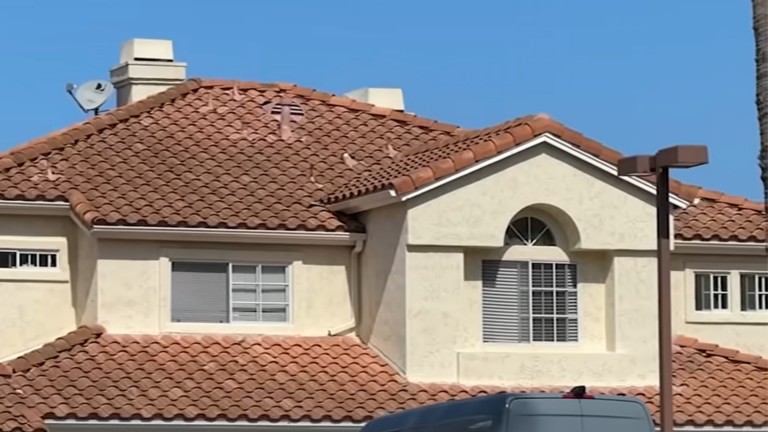
Rodents can reach attics through damaged roof vents, loose soffits, and openings around roof intersections. Rats may climb trees or exterior structures to access elevated entry points.
Inspect accessible attic areas for droppings, damaged insulation, and signs of nesting. Avoid disturbing contaminated materials without appropriate precautions. Trim branches that provide direct access to the roof and arrange professional repairs for damaged exterior components.
Preventing Future Rodent Problems
A thorough inspection should cover the entire exterior rather than focusing only on rooms where rodents have been spotted. Entry points may be located far from visible activity.
Rodent prevention requires sealing access routes, removing food sources, and addressing existing infestations. Regular inspections can help homeowners identify new openings before pests establish themselves.
Protecting a home from rodents begins with recognizing vulnerable areas. Foundation gaps, garage doors, utility penetrations, and roofline openings all deserve attention. Prompt repairs and consistent housekeeping can reduce the likelihood of recurring infestations and protect household living spaces. Check out the infographic below for more information.