12 Housekeeping Habits That Are Slowing You Down
Some housekeeping advice gets passed down through generations. These tidbits often come from a place of love and a desire to make home life better. While the sentiment is appreciated, some of these old-fashioned habits are more of a hindrance than a help in a modern home. It might be time to gently set aside some of Grandma’s (or mom’s) well-meaning rules and habits.
This list explores 12 classic cleaning practices that are no longer effective and offers smarter, more efficient alternatives for keeping your space sparkling.
1. Using Paper Towels for Everything

Reaching for a paper towel for every spill and smudge is a common reflex. This method, however, is wasteful and can be surprisingly inefficient. Paper towels can leave behind lint on surfaces like glass and mirrors, and they are not durable enough for serious scrubbing tasks. They are a single-use item that contributes to household waste and expenses.
A more effective approach is to use microfiber cloths. These cloths are designed to trap dust and absorb liquids without leaving streaks or residue. They are washable and reusable, making them a cost-effective and environmentally friendly option for most cleaning jobs.
2. Leaving Dusting Until Last

The old debate of whether to dust or vacuum first has a clear winner. Dusting after vacuuming can feel counterproductive. As you wipe surfaces, dust particles, dirt, and allergens become airborne. They will eventually settle back down onto your freshly cleaned floors and furniture, undoing some of your hard work.
For a more efficient clean, always dust from the top down. Start with ceiling fans, shelves, and window sills, working your way down to lower furniture. This allows gravity to work for you. Any particles that fall to the floor can then be easily captured when you vacuum last.
3. Forgetting to Clean Knobs and Handles
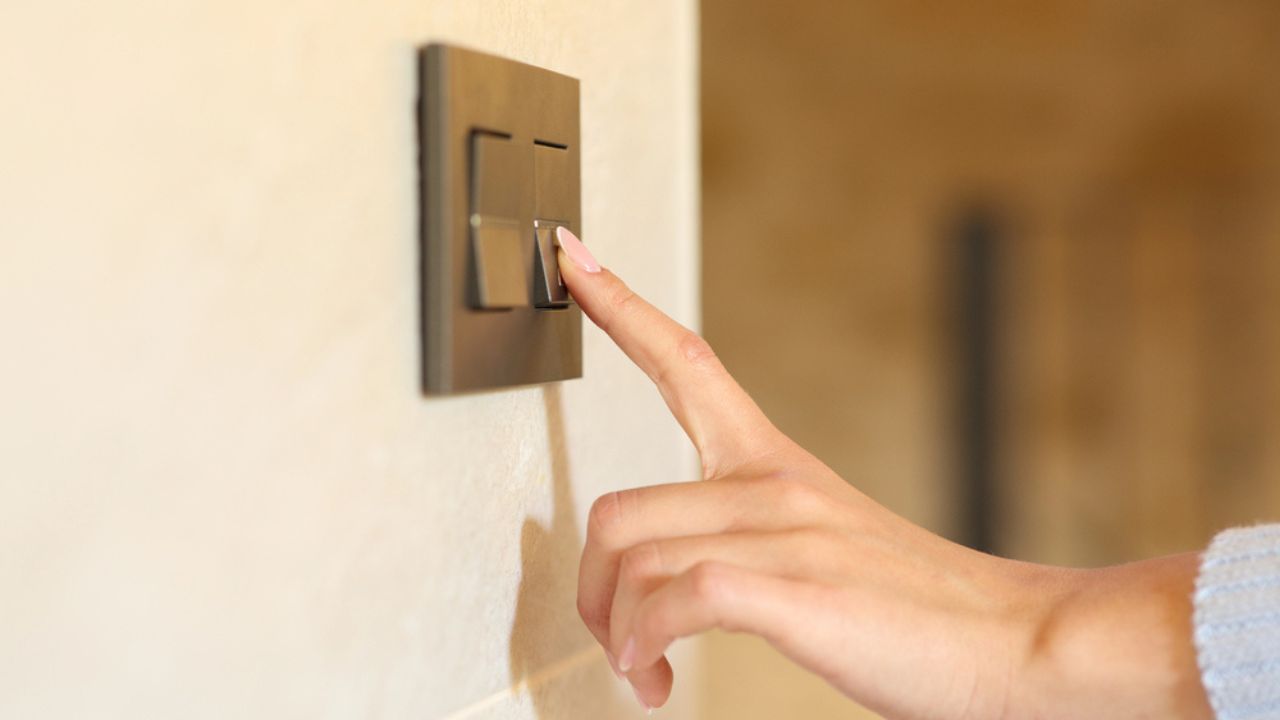
It is easy to focus on big surfaces like floors and countertops, completely overlooking the small, high-touch points throughout the house. Doorknobs, cabinet pulls, and light switches are touched by multiple people, multiple times a day. They become collection points for germs and grime, but are frequently missed during routine cleaning.
Make a point to wipe down these areas regularly. A simple disinfectant wipe or a cloth with a cleaning spray is all that is needed. Incorporating this small step into your routine helps reduce the spread of germs and keeps your home healthier.
4. Overloading the Dishwasher
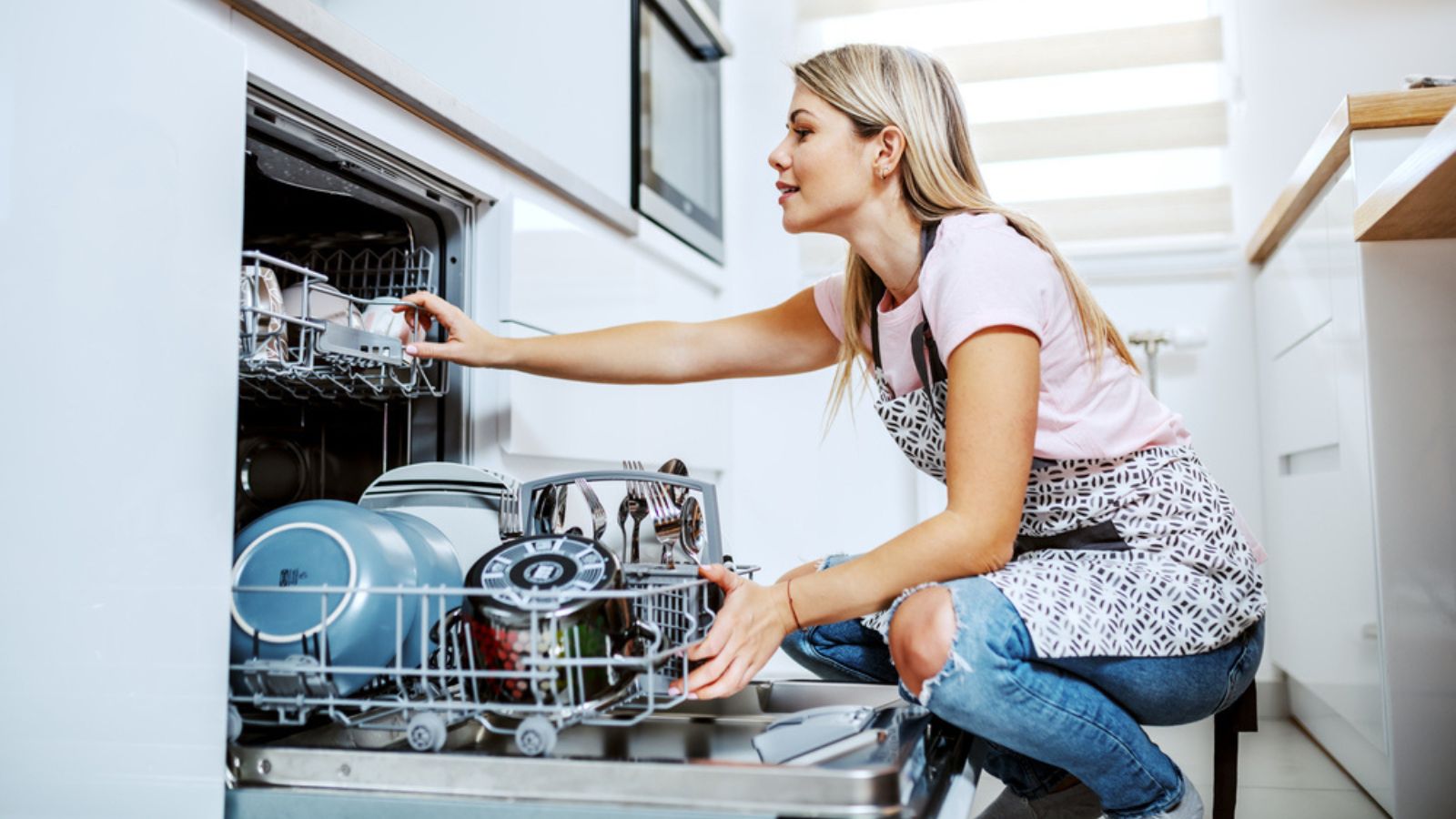
The temptation to fit just one more dish into the dishwasher is strong. Cramming the machine too full, however, prevents water and detergent from reaching every surface. This results in dishes that come out with food still stuck to them, requiring a second wash. It also puts extra strain on your appliance’s motor and spray arms.
For best results, load your dishwasher according to the manufacturer’s guidelines. Give items enough space to allow water jets to circulate freely. This improves cleaning performance and helps your dishwasher run more efficiently for longer.
5. Using the Same Sponge for Everything

That single sponge sitting by the kitchen sink might be the hardest-working item in your home. Using it to wash dishes, wipe counters, and then clean up a floor spill is a recipe for cross-contamination. A sponge used on a cutting board that handled raw meat can transfer harmful bacteria to your countertops or drinking glasses.
Designate different sponges or cloths for different tasks. For example, use one color for dishes and another for surfaces. It is also important to clean your sponges regularly by running them through the dishwasher or microwaving them while damp to kill bacteria.
6. Wiping Disinfectant Away Immediately
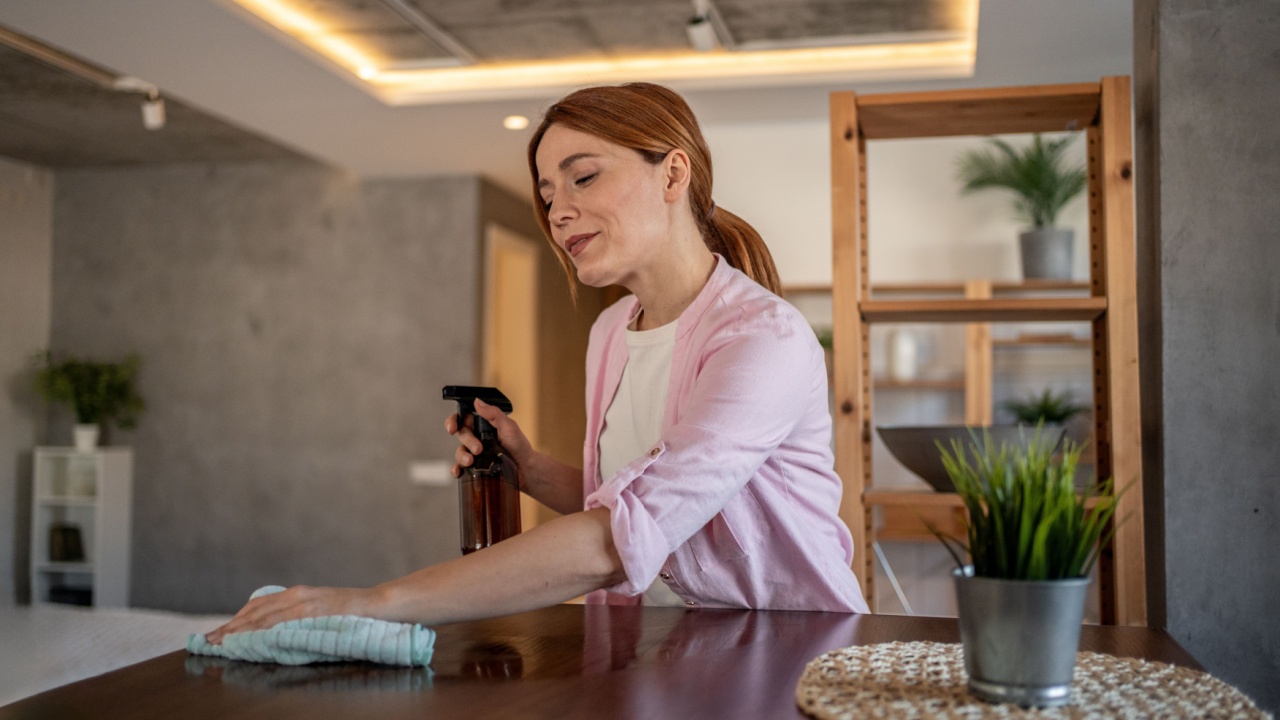
When you spray a surface with a disinfectant, your first instinct might be to wipe it dry right away. Most disinfectants, however, need to sit on a surface for a specific period to effectively kill germs and viruses. This “dwell time” can range from 30 seconds to several minutes. Wiping the product away too soon means you are just moving germs around, not eliminating them.
Read the instructions on your disinfectant’s label. It will specify the required contact time for sanitizing or disinfecting. Apply the product, let it sit for the recommended duration, and then wipe the surface clean.
7. Using Too Much Laundry Detergent
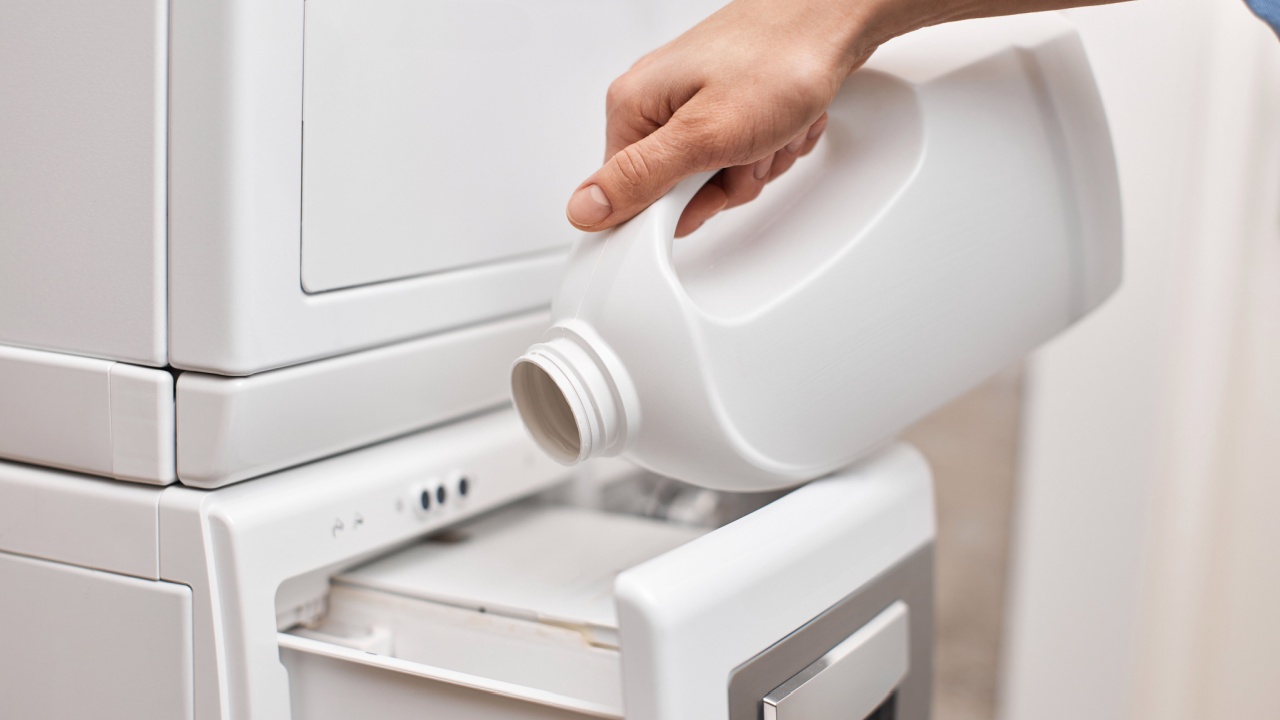
The idea that more soap equals a cleaner result is a persistent myth, especially with laundry. Modern washing machines, particularly high-efficiency models, use less water than older machines. Using excess detergent creates a surplus of suds that the machine cannot fully rinse away. This leaves a sticky residue on your clothes that can trap dirt and bacteria, leading to dingy fabrics and skin irritation.
Follow the measurement lines on your detergent cap and adjust for your load size. Often, you need much less than you think. Your clothes will come out cleaner, and you will save money on detergent.
8. Not Disinfecting Toothbrushes
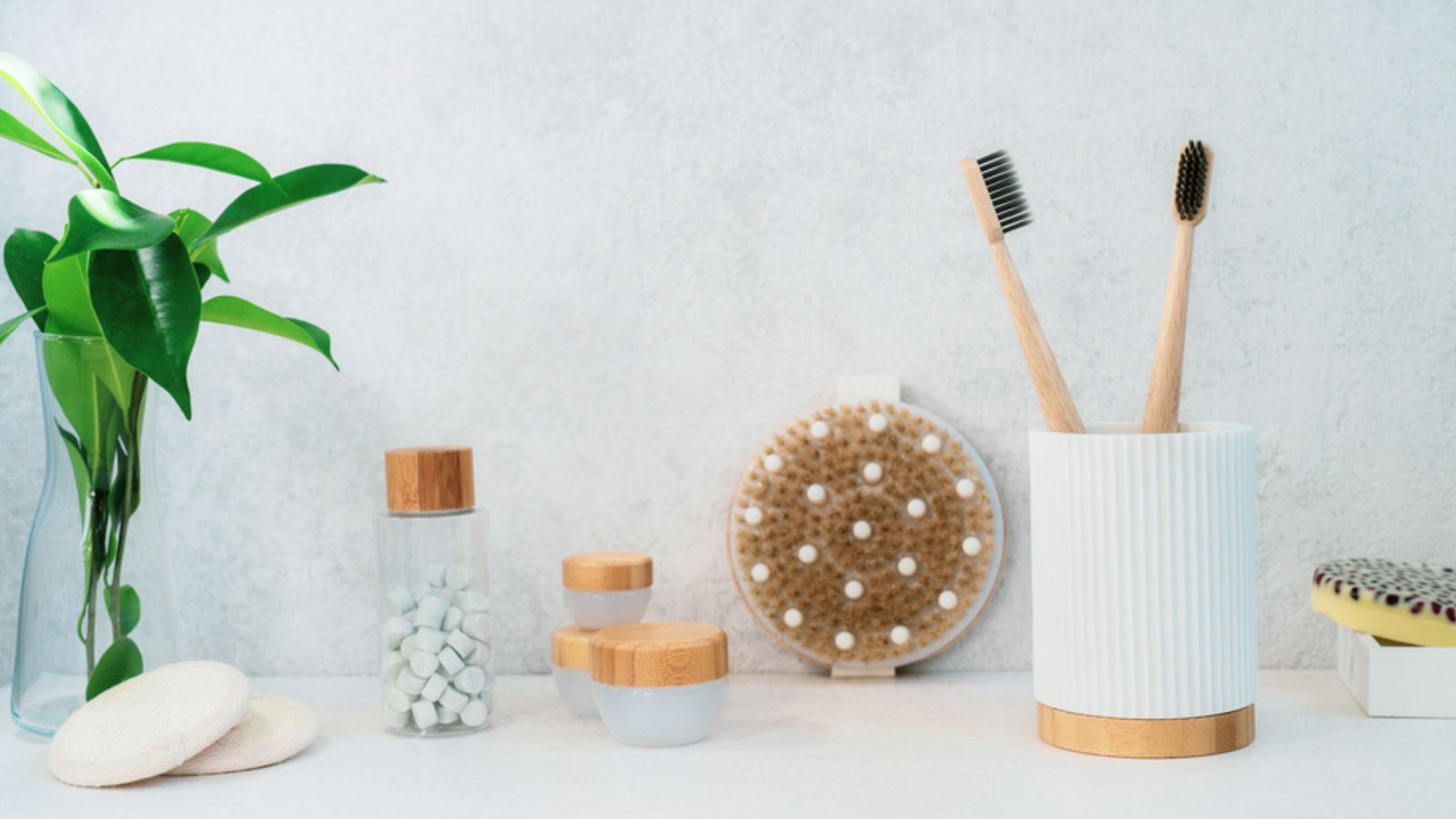
Your toothbrush is an essential tool for personal hygiene, but it is often left to fend for itself in a humid bathroom environment. After you brush, bacteria from your mouth remain on the bristles. Leaving it exposed on the counter or near a toilet can introduce other airborne germs.
To keep your toothbrush clean, rinse it thoroughly with hot water after each use. Store it upright in a holder that allows it to air dry completely. For a deeper clean, you can soak the head in an antibacterial mouthwash or a solution of water and hydrogen peroxide for a few minutes once a week.
9. Neglecting Your Cleaning Tools
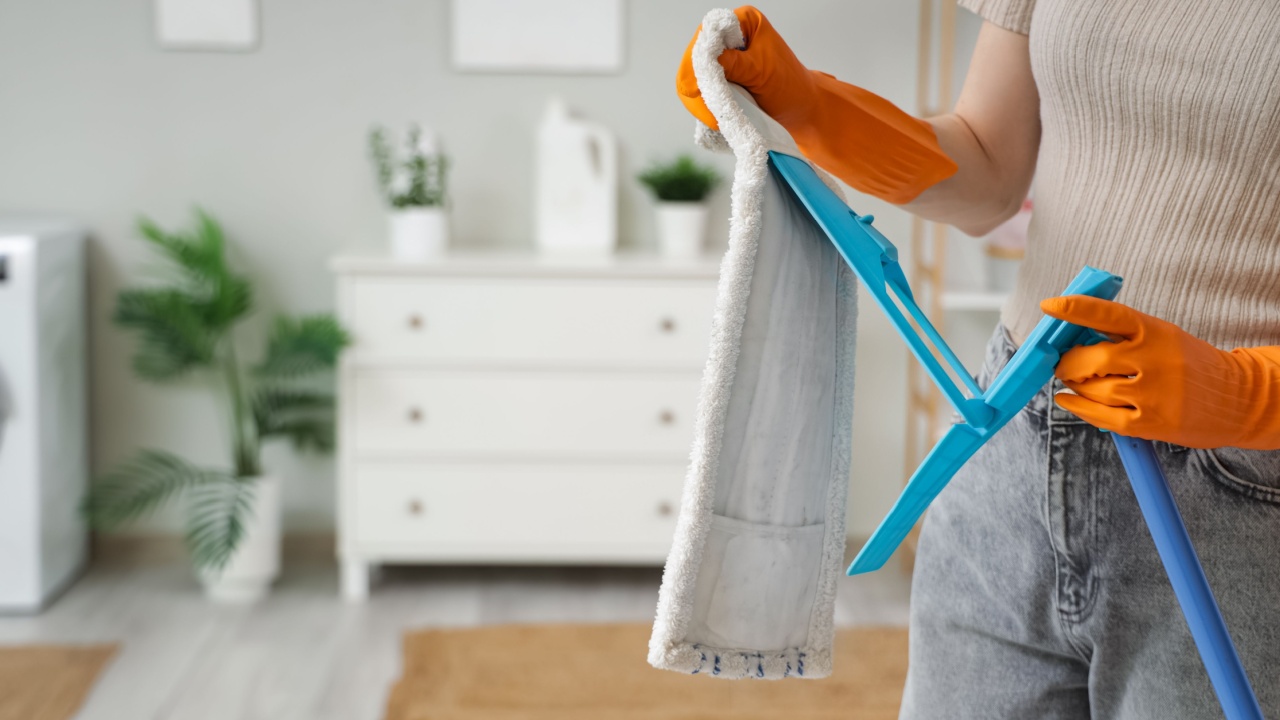
The tools you rely on to clean your house need cleaning too. A dirty mop just spreads dirty water around your floors. A vacuum cleaner with a full bag or a clogged filter loses suction and effectiveness, pushing dust back into the air. Brooms, dustpans, and cleaning cloths all harbor dirt and germs.
Make it a habit to clean your tools after you use them. Empty your vacuum canister, wash the filter, rinse mop heads thoroughly, and toss cleaning cloths into the laundry. This simple maintenance ensures your tools are ready and effective for the next job.
10. Ignoring Kitchen Appliances
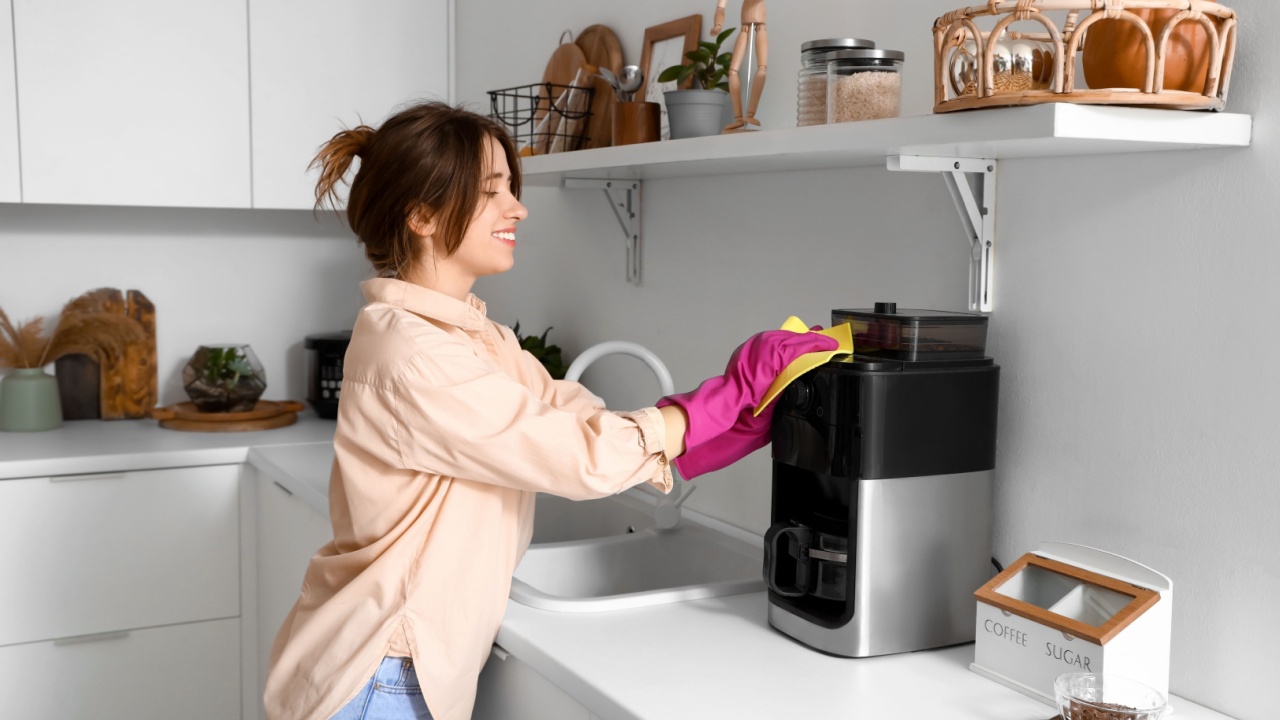
Your microwave, toaster, and coffee maker work hard every day, but they often get overlooked on cleaning day. Food splattered inside a microwave can become a breeding ground for mold and bacteria. Crumbs in a toaster are a fire hazard. Mineral buildup in a coffee maker can affect the taste of your coffee and damage the machine.
Wipe down your microwave interior regularly. Empty the crumb tray of your toaster after each use. Descalcify your coffee maker every month or two with a vinegar and water solution. Giving these small appliances some attention keeps them running safely and efficiently.
11. Washing Windows on a Sunny Day
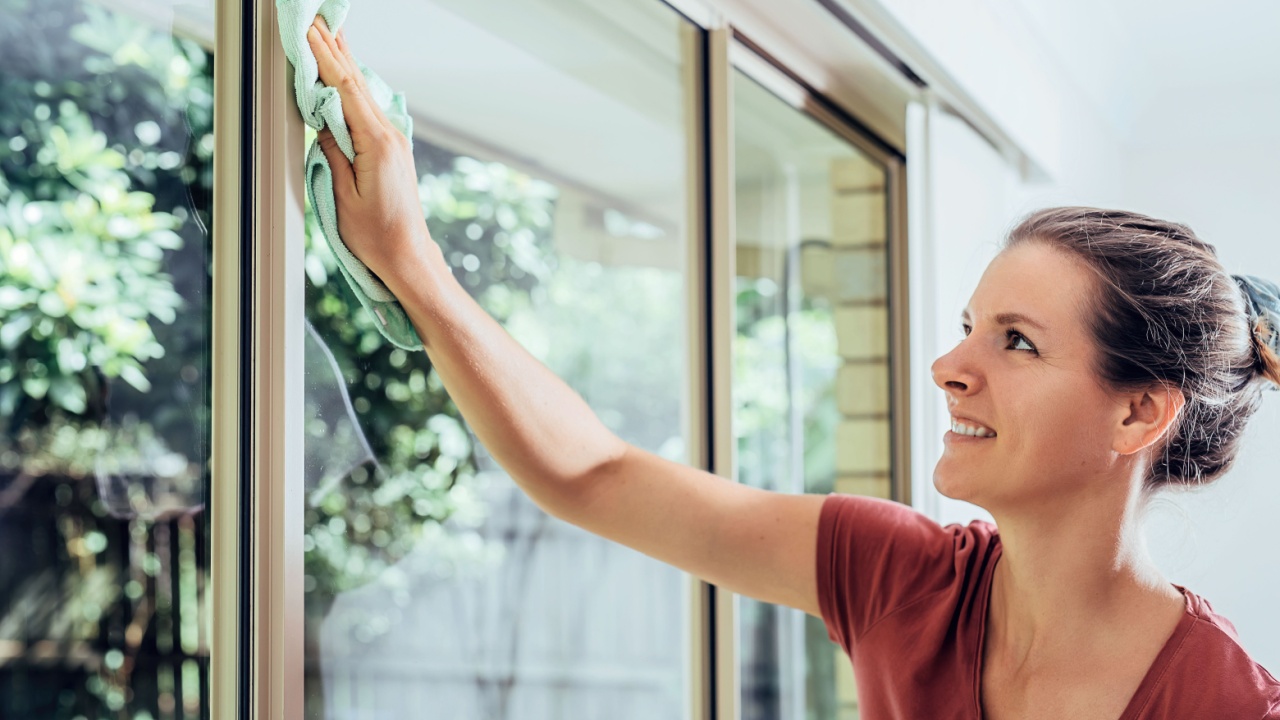
Washing windows on a bright, sunny day seems like a perfect idea. You can easily see all the streaks and smudges. The heat from the sun, however, causes the glass cleaner to evaporate almost instantly. This rapid drying leaves behind streaks and residue before you have a chance to wipe the surface clean, creating more work for you.
The best time to wash windows is on a cool, overcast day. This gives you plenty of time to spray and wipe without the cleaner drying too quickly. The result is a clear, streak-free shine.
12. Using Feather Dusters
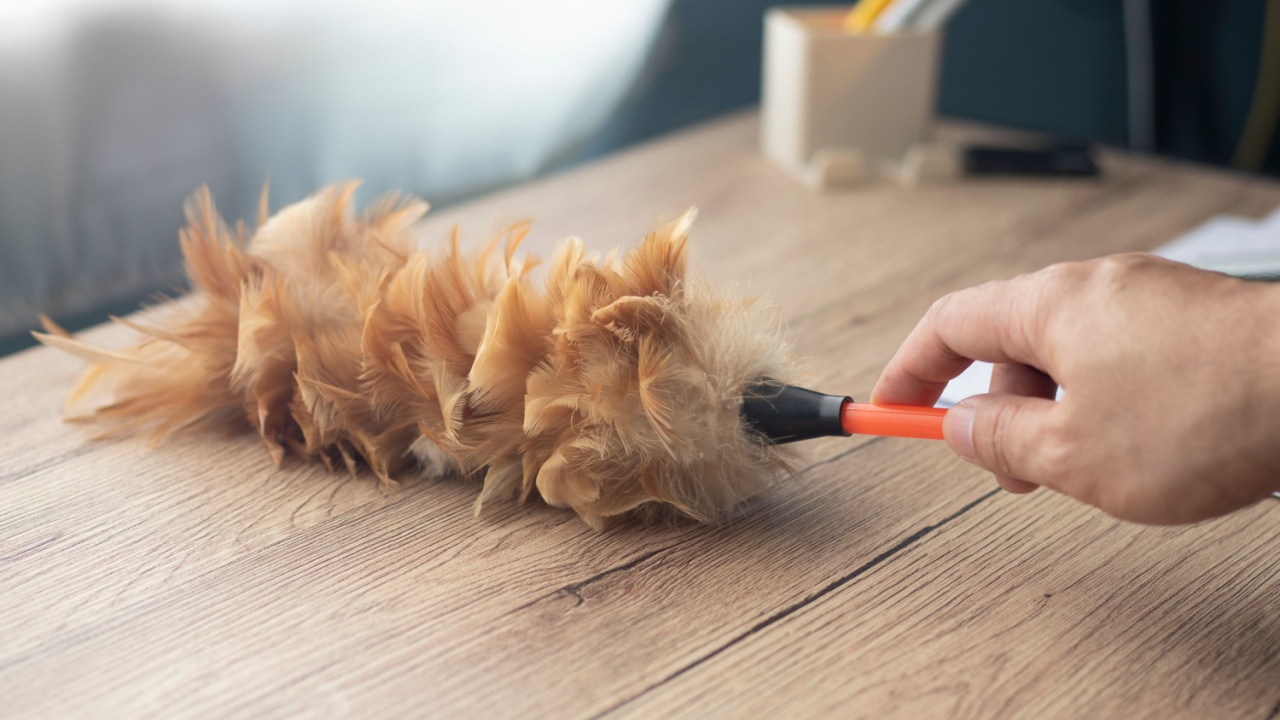
The classic feather duster looks charming, but it is not a very effective cleaning tool. Feathers tend to push dust around rather than capture it. As you flick the duster across a surface, you send tiny particles of dust, dander, and pollen into the air, only for them to settle elsewhere in the room.
For true dust removal, switch to a microfiber duster or a damp cloth. These tools are designed to trap and hold onto dust particles, removing them from your home completely. Many microfiber dusters have long, extendable handles, making it easy to reach high shelves and ceiling fans.
Out with the Old, In with the Clean
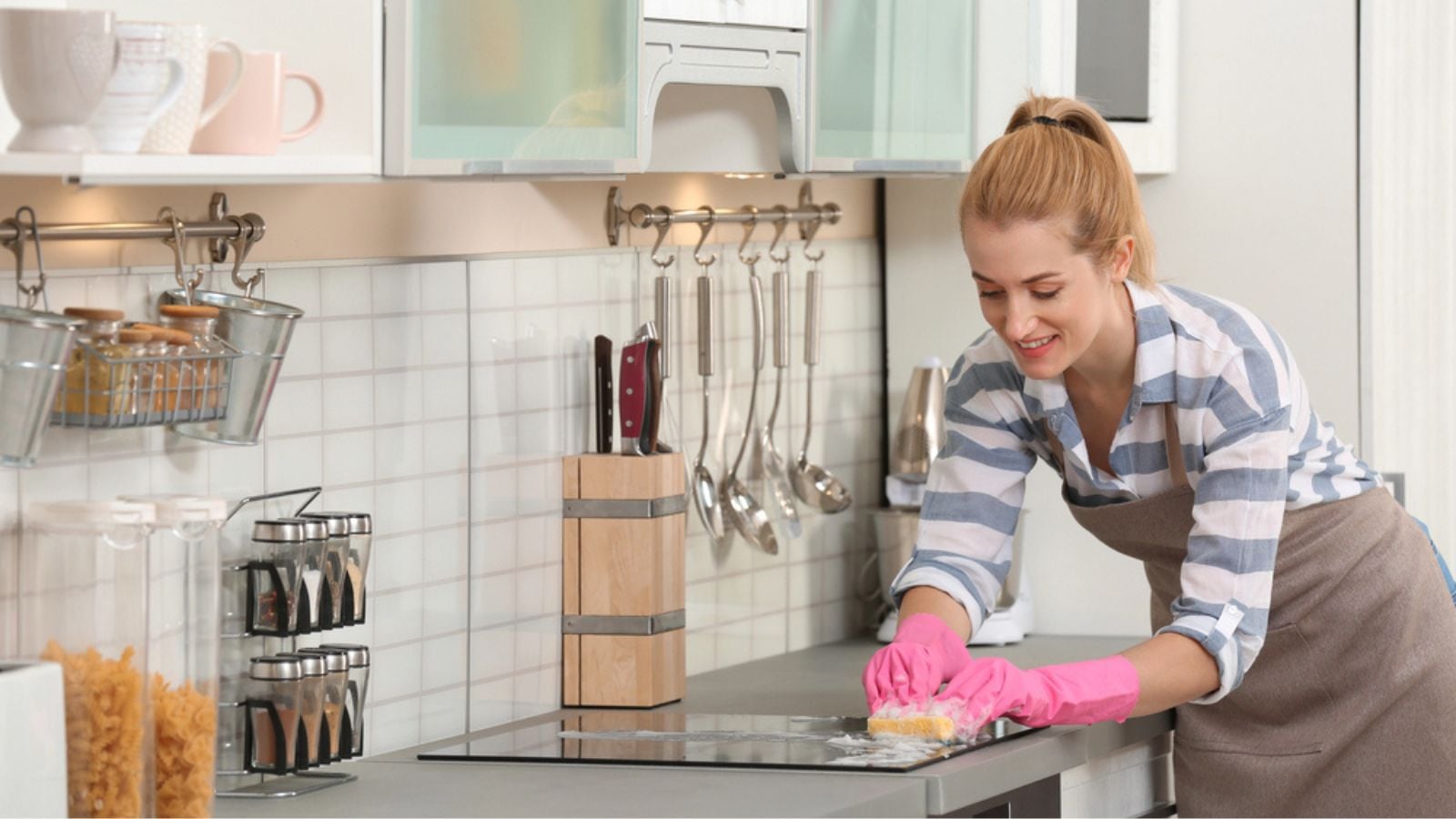
Modernizing your cleaning habits and routine does not mean dismissing the wisdom of the past, but rather adapting it for today’s homes and lifestyles. Instead of sticking to habits simply because they are familiar, consider what works best for you and your space. Try incorporating one or two of these updated methods into your next cleaning session. You might find that a small change can make a big difference, saving you time and effort while achieving a cleaner, healthier home.