A Richmond Event-Space Lawsuit Shows How Backyard Noise Can Become a Zoning Fight
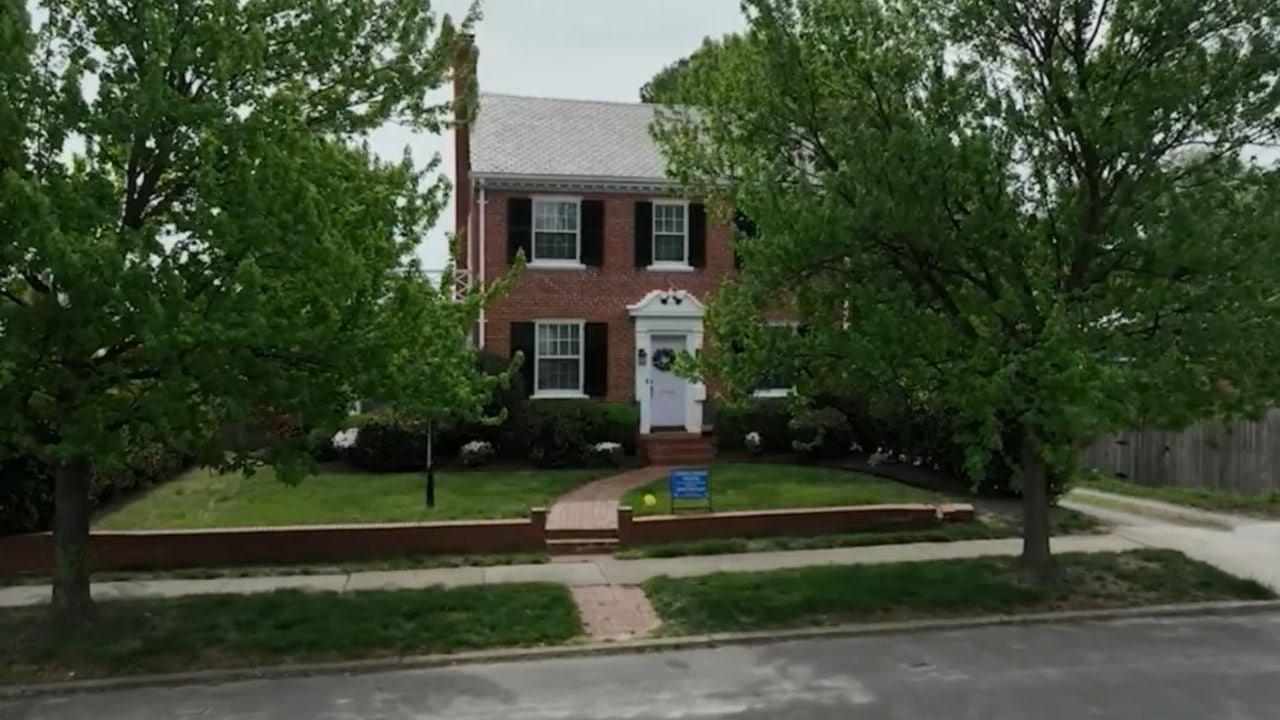
A Richmond dispute over outdoor events has moved from neighborhood hearings to court after City Council denied a special use permit for Lavender Hill, an event-planning business in the city’s near West End.
The owner, Nadia Anderson, is suing the city and City Council over the denial, according to The Richmonder. The permit would have allowed outdoor events at 1705 Commonwealth Avenue, where Lavender Hill is already allowed to hold indoor events and operate a separate accountancy business.
The fight centered on what could happen outside. The proposed special use permit would have allowed up to 52 outdoor event days per calendar year, with events between 9 a.m. and 10 p.m. and amplified outdoor music ending before 9 p.m.
Neighbors opposed the request, saying past outdoor events had been too loud and disruptive near nearby homes. The lawsuit argues the city’s denial was improper, while Richmond declined to comment to The Richmonder on pending litigation.
The Permit Would Have Allowed Up to 52 Outdoor Event Days
The proposal was not about whether Lavender Hill could operate at all. The property already had approval for indoor events and a separate accountancy business, according to The Richmonder.
The special use permit was aimed at outdoor events. City planning staff had recommended approval with conditions, including limits on hours, attendance, amplified music, and how often outdoor events could take place.
Richmond’s file for the rejected ordinance described the request as authorizing outdoor events at 1705 Commonwealth Avenue. The draft conditions included no more than 52 outdoor event days per year, a maximum of 120 attendees, event hours from 9 a.m. to 10 p.m., and amplified outdoor music ending before 9 p.m.
Neighbors Said Noise Had Already Disrupted Nearby Homes
Neighbors pushed back during public hearings, saying outdoor gatherings at the property had affected daily life inside nearby homes. The Richmonder reported that residents described noise loud enough to wake children, interfere with work-from-home routines, and rattle picture frames.
The Planning Commission voted 8-1 to recommend denial before the matter reached City Council. One commissioner said the city was being asked to make a whole block accept windows rattling and pictures shaking, according to The Richmonder’s earlier coverage of the permit fight.
Anderson disputed the opposition’s framing and argued there was not objective evidence that the use would harm the neighborhood. The lawsuit now challenges how the city weighed those objections when it rejected the outdoor-events request.
The Lawsuit Says the Denial Was Improper
The lawsuit argues City Council’s decision was arbitrary, capricious, not fairly debatable, and contrary to city rules, according to The Richmonder. Anderson also argues that officials relied too heavily on neighbor opposition instead of objective evidence.
The city has not publicly argued the case in the article. The Richmonder reported that Richmond declined to comment on pending legal matters.
The court case is still pending, so the denial should not be described as unlawful unless a court says so. The current record shows a property owner challenging the city’s decision, neighbors who objected to the proposed outdoor use, and a disputed special use permit that City Council chose not to approve.
Outdoor Events Can Move From Yard Issue to Zoning Case
The Richmond case shows how quickly outdoor gatherings can become a land-use dispute when homes sit close to patios, gardens, event lawns, parking areas, speakers, tents, catering setups, and late cleanup.
One private party is different from a business plan built around repeated paid events. Once gatherings become regular, advertised, amplified, or tied to a business use, property owners may run into zoning rules, noise limits, parking concerns, HOA restrictions, permit conditions, and neighbor objections.
For homeowners and small property owners, the practical step is to check local rules before turning a yard, patio, garden, or detached space into a recurring event site. The Richmond lawsuit is still unresolved, but the dispute already shows how outdoor noise complaints can move from the backyard to City Hall and then into court.