A Kentucky Man Is Facing Thousands of Dollars in Fines for Tree Theft After Cutting Down Another Homeowner’s Trees
If a tree falls in the forest and nobody is around to hear it, does it still make a sound?
While we may never know the answer to that age-old question, we do know what happens when a man cuts trees down without a homeowner’s permission.
That’s because a Kentucky man is facing thousands of dollars in fines after cutting trees down on a Tennessee property, according to local station ABC News Channel 9.
Now, his story is going viral as people react to the news.
A Kentucky Man Must Pay $15,000 in Restitution
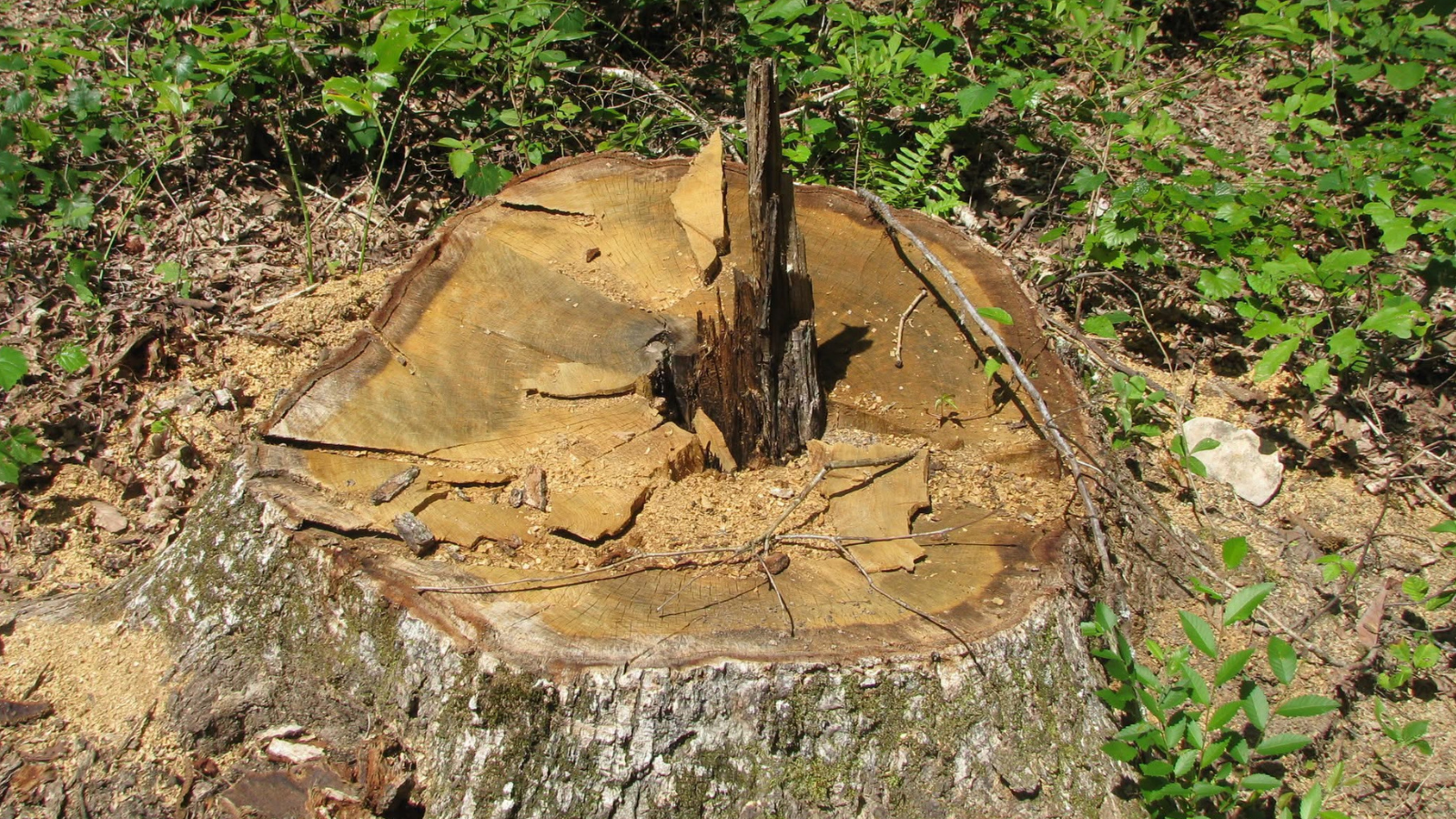
James Thomas Williams Jr. has been found guilty of trespassing on the property of a Henry County homeowner, where he admitted to cutting down multiple white oak trees in January 2026.
The guilty verdict came after the Tennessee Department of Agriculture’s Agricultural Crime Unit (ACU) investigated the missing trees, tracing the incident back to Williams. According to News Channel 9, a forester worked with the ACU to determine how much damage Williams had done, claiming that the missing timber was valued at around $18,000.
The publication reports that Williams pleaded guilty, agreeing to pay $15,000 to the property owner as a form of restitution.
Many People Felt Justice Wasn’t Served
The Tennessee Department of Agriculture shared a press release about the story, which was later posted on the agency’s Facebook account. “The goal in cases like this is to make the victim as whole as possible,” Andy Holt, Agriculture Commissioner, said in the statement. “Recovering losses for Tennessee landowners is an important part of justice.”
However, people on Facebook felt that justice may not have been fully served here.
“So the landowner is getting $15,000 for $18,000 worth of timber,” one commenter wrote. “Sounds like stealing timber is profitable even after getting caught.”
“Then come tax time he gets to pay the income taxes on the money from the sale of the timber he didn’t want cut and sold in the first place,” another person chimed in, prompting yet another person to comment on the age of the trees.
“Not to mention those trees were 80 [plus] years old,” they wrote. “No amount of money can replace the trees.”
Sadly, the last commenter may have hit the nail on the head, since the Arbor Day Foundation says that white oaks can live for hundreds of years. During that time these trees will produce a number of saplings. Each of these trees then goes on to play an important role in the forest it calls home, highlighting just how big of an impact even cutting just one tree down can have.