A Homeowner Says City Rules Let Large Backyard Structures Go Up Without Neighbor Notice
A Baker City, Oregon, homeowner has renewed his objection to zoning rules that allow certain accessory structures in residential neighborhoods without advance notice to nearby residents.
Baker City Herald reported that Michael Russell contends the rules can allow “eyesores” in neighborhoods before neighbors have a chance to object.
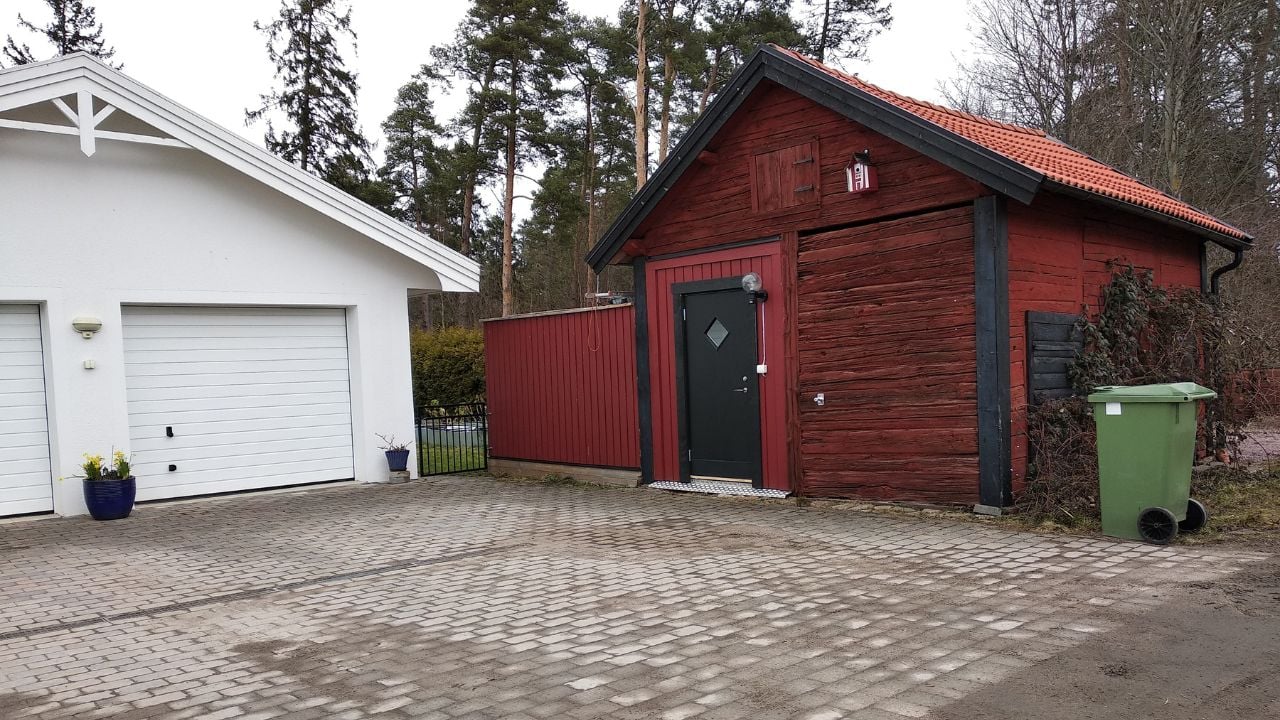
The dispute is about accessory structures, a category that can include detached shops, sheds, garages, workshops, greenhouses, and similar buildings.
A detached structure can change a neighbor’s view, shade, curb appeal, fence line, and sense of space even when the project follows local code.
Baker City Allows Large Accessory Structures
Baker City’s planning FAQ says a detached accessory structure cannot exceed 1,200 square feet or 20 feet in height unless the owner receives conditional use permit approval.
The city says a conditional use permit can be requested for a structure larger than 1,200 square feet or taller than 20 feet. That process requires Planning Commission approval and typically takes six to eight weeks.
The city also lists standard residential setbacks, including 20 feet for detached garages and carports in front, 5 feet for interior side lot lines, 10 feet for street-side corner lots, and 10 feet in the rear unless a platted alley reduces that distance to 1 foot.
The Notice Question Has Come Up Before
Russell’s concern has surfaced in Baker City before.
In 2022, the Baker City Herald reported that he objected after a 40-foot shipping container was approved in a residential yard. He argued that the city should have used a more public review process.
The city’s planning director said at the time that the application was handled based on the development code criteria. The Herald reported that Type I decisions can be approved without public notice or a public hearing when the criteria are clear and objective.
Views Are Treated Differently Than Setbacks
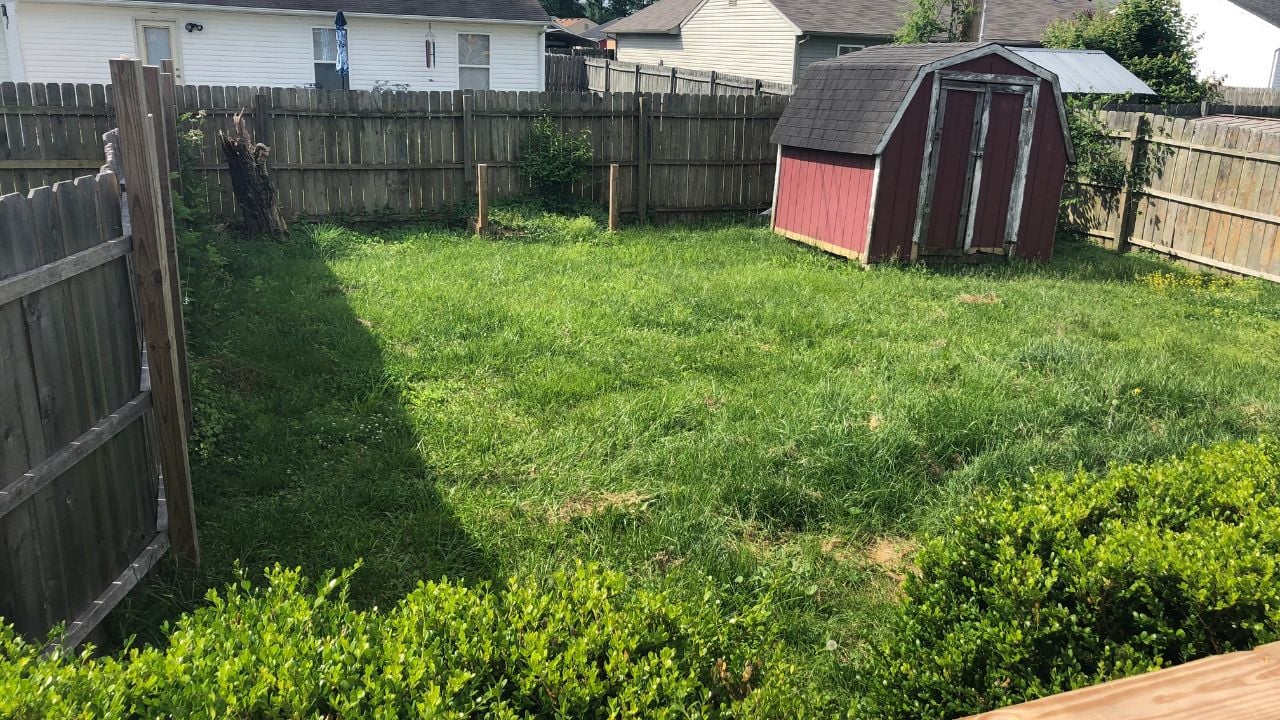
Baker City’s own FAQ draws a clear line between code limits and neighbor expectations. The city says residential structures have height limits, but it does not regulate mountain-view obstruction except for traffic vision. That leaves many neighbor disputes focused on size, placement, setbacks, and review process rather than the view itself.
The Objection Centers On Process
Accessory buildings are common in residential neighborhoods. Homeowners use them for storage, workshops, garages, garden equipment, tools, and home projects.
Russell’s objection is aimed at the approval process. His concern is whether a structure that meets size and height rules should move forward through staff review, or whether nearby residents should receive notice when a project could visibly change a residential street.
For homeowners anywhere, the Baker City dispute is a reminder to check local accessory-structure rules before assuming a neighbor will receive notice. In many cities, the right time to understand the process is before the shed, shop, garage, or container appears next door.