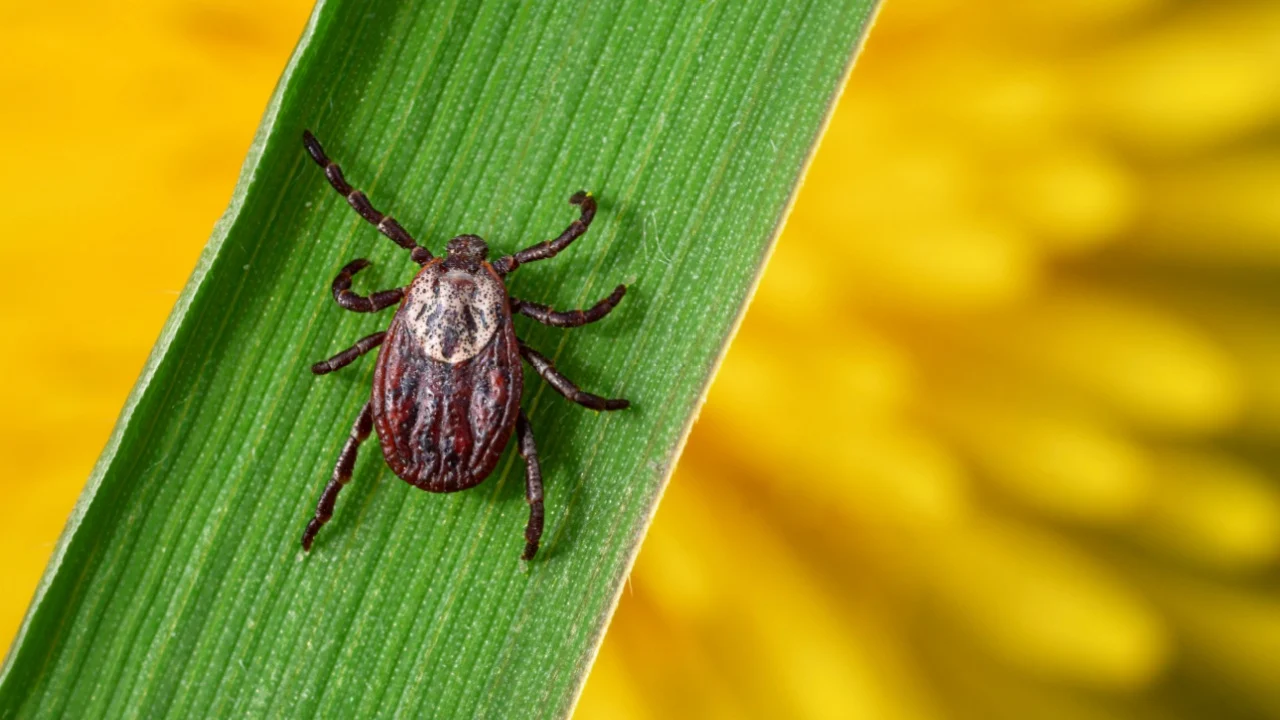
17 Plants to Add to Your Yard Because Ticks Don’t Like Them
Spending time outside should feel relaxing, not like a battle against tiny pests waiting in the grass. Ticks are more than a nuisance. They can carry diseases that make a fun afternoon in the yard turn into weeks of worry. Many people reach for sprays and chemicals, but there’s a greener option growing right in the garden.
Certain plants produce oils and scents that ticks seem to find unpleasant. Most of the research so far has focused on the extracted oils from these plants rather than the living specimens, so growing them should be treated as one part of a larger pest management plan. Still, adding fragrant, attractive plants to your landscape comes with plenty of upside, even beyond the pest factor.
The list below outlines 17 plants that repel ticks. Each entry covers what makes the plant worth growing, how it might help with ticks, and a few practical notes to get you started.
Here’s what to dig into.
1. Catnip

Catnip oil has earned EPA registration as a mosquito repellent, and recent research points to it as a promising tick repellent too. A 2022 study found that extracts from certain catnip cultivars repelled multiple tick species, which gives this common herb some real credibility in the garden.
Catnip (Nepeta cataria) grows fast and asks for very little. It tolerates drought, isn’t picky about soil, and thrives in full sun across most regions. The flip side of that easygoing nature is aggressive spreading, so it helps to keep it contained or trim it back regularly.
If you have cats around, expect some happy visitors. To slow its spread, grow catnip in a raised bed or large container where you can manage how far it reaches.
2. Citronella
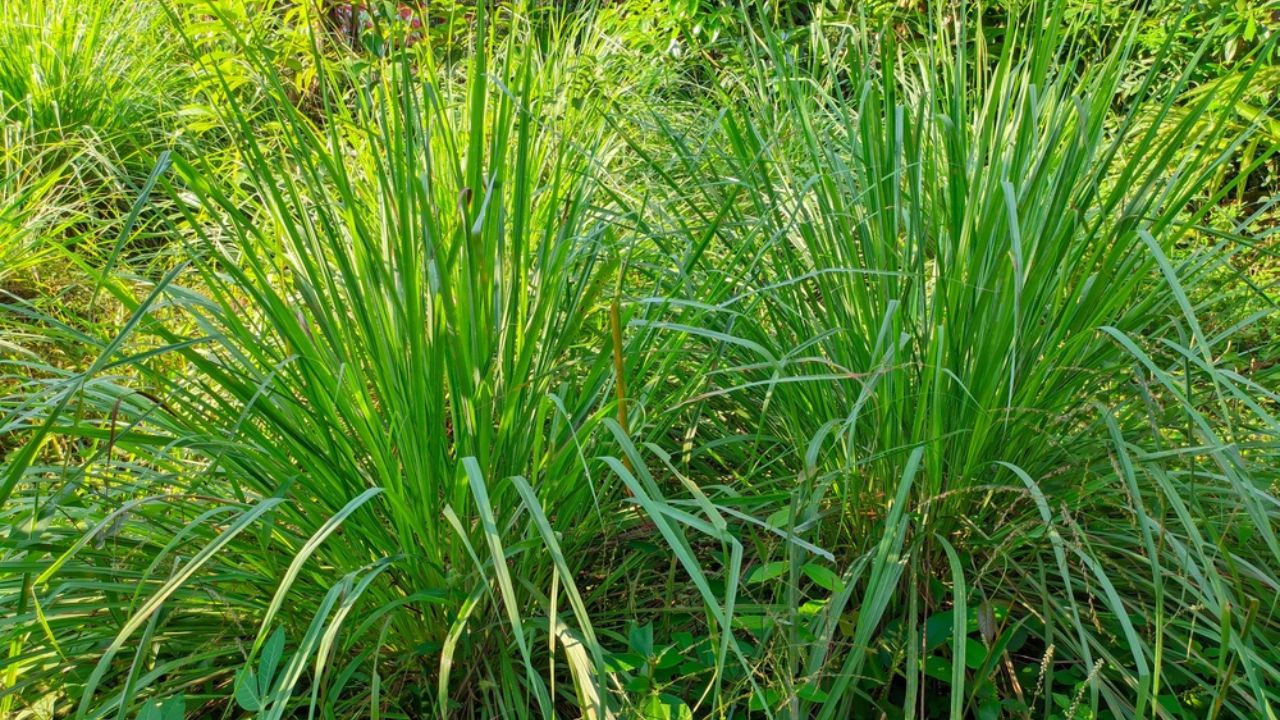
Citronella is famous for keeping mosquitoes away, and it may pull double duty against ticks. When combined with thyme oil, citronella oil extract (Cymbopogon winterianus) showed real promise as a tick repellent in research on essential oils.
Beyond any pest benefits, citronella earns its spot with looks alone. Its large, lacy evergreen leaves carry a fresh lemony scent, and the plant grows happily in the ground or in containers across warmer regions, zones 10 and 11.
Give it morning sun with a bit of light afternoon shade, and it will reward you. Container growing makes sense in cooler climates, since you can move the plant indoors when temperatures drop.
3. Clove Trees
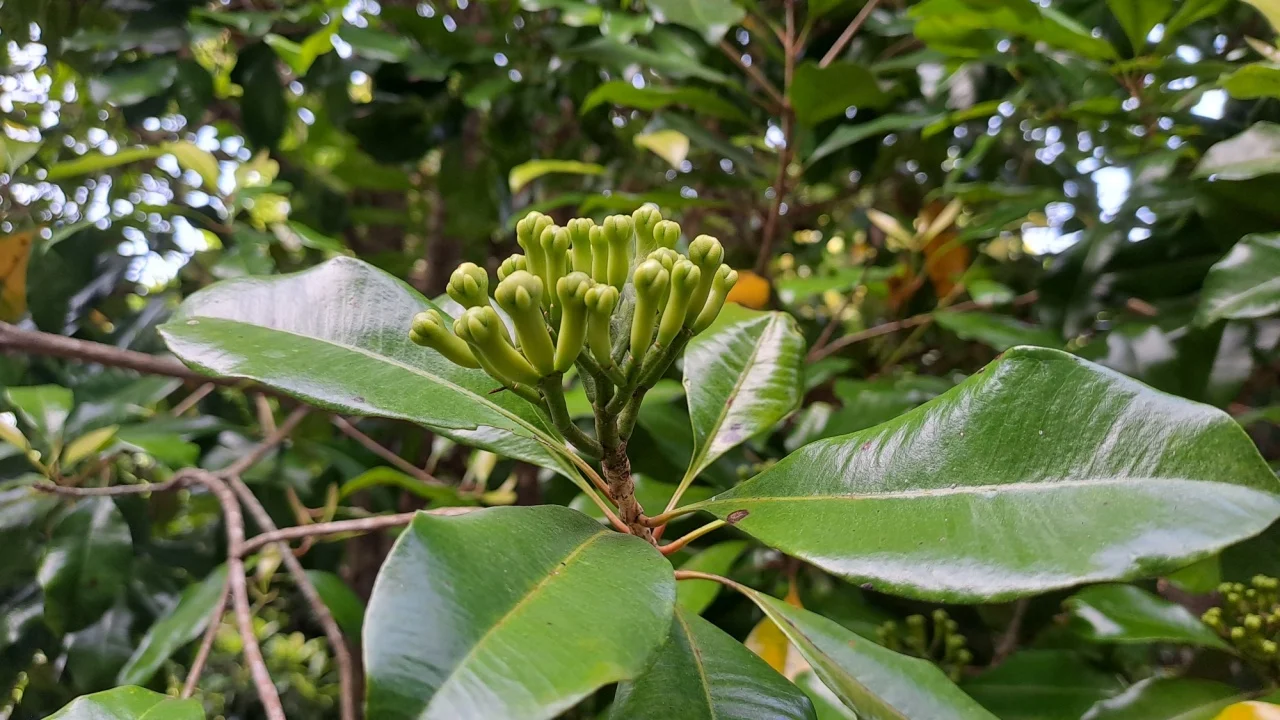
Several studies suggest clove bud oil helps hold ticks back, making this tropical tree more than a pretty face. The same compound that gives cloves their warm, spicy aroma appears to be what bothers the pests.
Clove trees (Syzygium aromaticum) stay compact, grow slowly, and live a long time. With striking dark green leaves and red flowers, they bring beauty to yards in the warmest regions, zones 11 and 12. They prefer full sun or partial shade.
The soil matters here. Aim for rich, well-draining ground that stays consistently moist without becoming waterlogged. For most growers outside tropical zones, a large container kept indoors during cold months is the realistic path.
4. Garlic
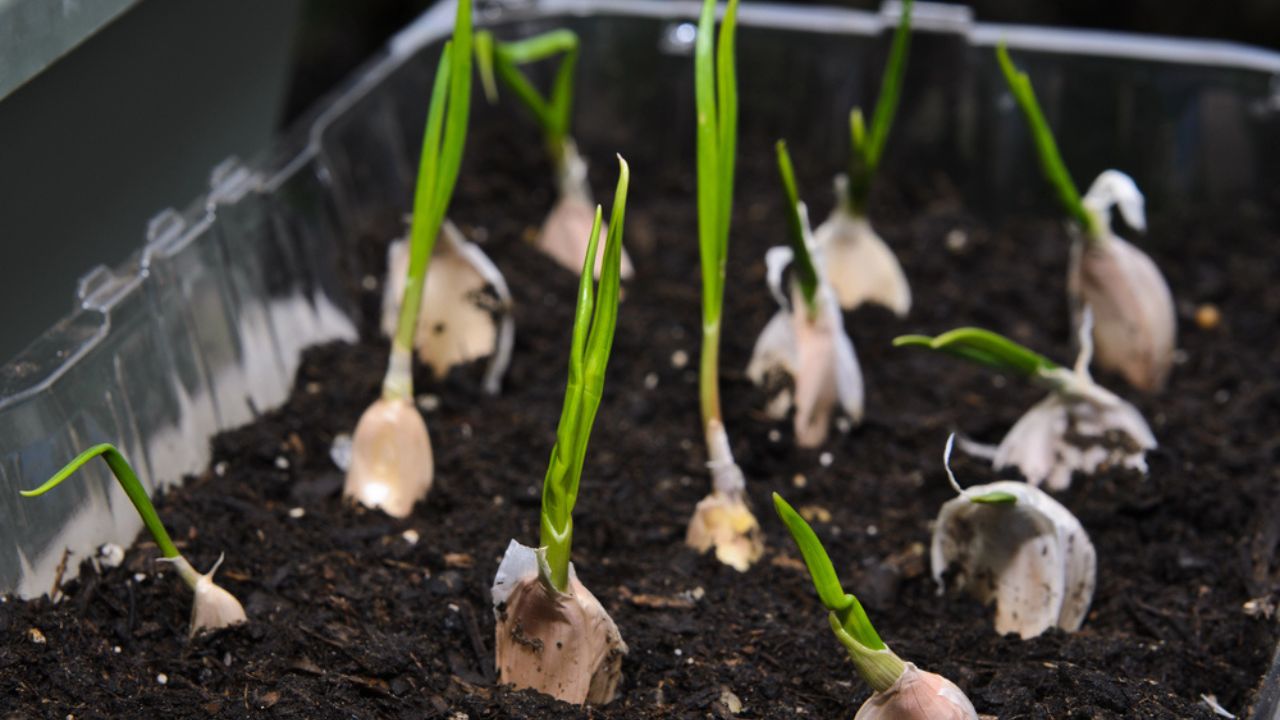
Garlic “juice” shows promise as a tick repellent, and that pest-fighting reputation extends across the garden. Gardeners have long used garlic as a companion plant precisely because so many pests dislike it.
Even though the bulbs develop underground, garlic still wants a full sun spot. It grows well across a wide range, zones 4 to 9, and prefers loose, well-draining soil that stays moist.
Planting garlic among other crops can offer some natural protection to its neighbors. Tuck a few cloves near vegetables and flowers to spread the benefit around your beds.
5. Geraniums
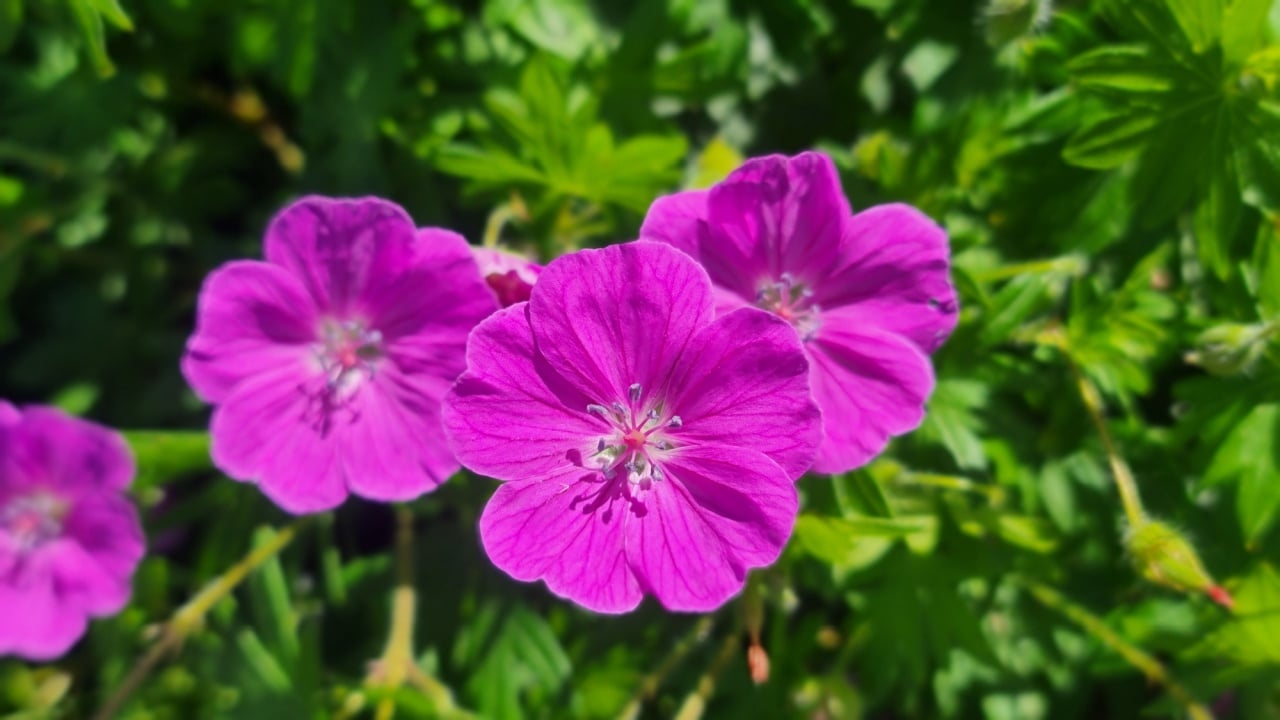
Geranium oil can repel ticks, and that’s a welcome bonus on top of everything else these plants offer. Fragrant and colorful, geraniums are a favorite for containers and flower beds across warmer regions, zones 9 to 12.
Choose a full sun position with organically rich, well-draining soil. These long-blooming plants keep producing flowers when you take care of them, so they pull their weight all season.
Deadheading spent flowers makes a noticeable difference. Removing the faded blooms encourages the plant to keep putting out fresh color rather than spending energy on seeds.
6. Lavender
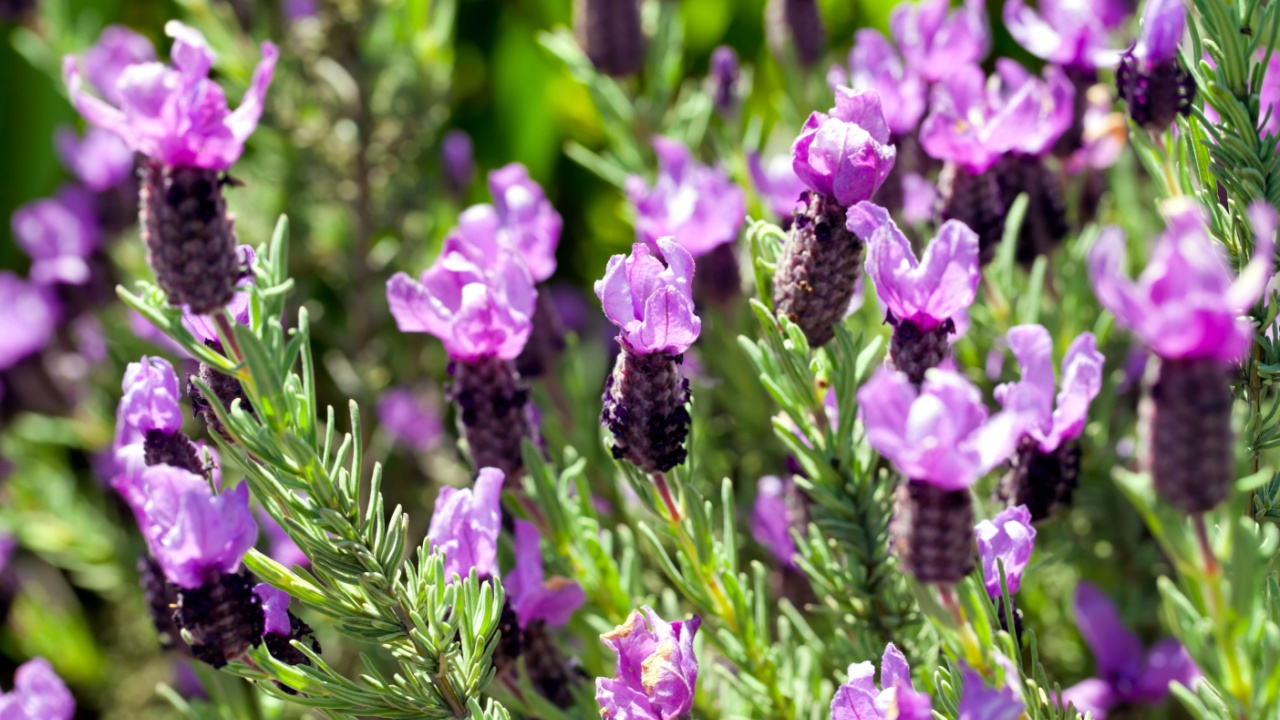
Lavender’s tall, purple-pink, feathery spikes make a gorgeous perennial border, and that signature scent may help keep ticks at a distance. Research suggests compounds from the plant repel these pests, so the fragrance you love could be working in your favor.
Grown across zones 5 to 9, lavender wants the sunniest spot you can offer. It’s a drought-tolerant plant, which means less watering and less fuss once established.
Resist the urge to pamper it. Skip rich fertilizers and go easy on water, since lavender actually performs better in lean conditions than in overly nurtured soil.
7. Lemon-Scented Gum Trees

Oil of lemon eucalyptus stands out as one of the few EPA-approved natural skin-applied tick repellents, which makes the tree it comes from worth a look. The lemony fragrance is unmistakable and pleasant throughout the yard.
The lemon eucalyptus tree (Corymbia citriodora) suits warmer regions, zones 8 to 11. Be ready for serious size, though, since this specimen can climb up to 100 feet tall.
Space and sun are non-negotiable for this one. A drought-tolerant tree, it needs a full sun position and well-draining soil, along with plenty of room to stretch out as it matures.
8. Lemongrass
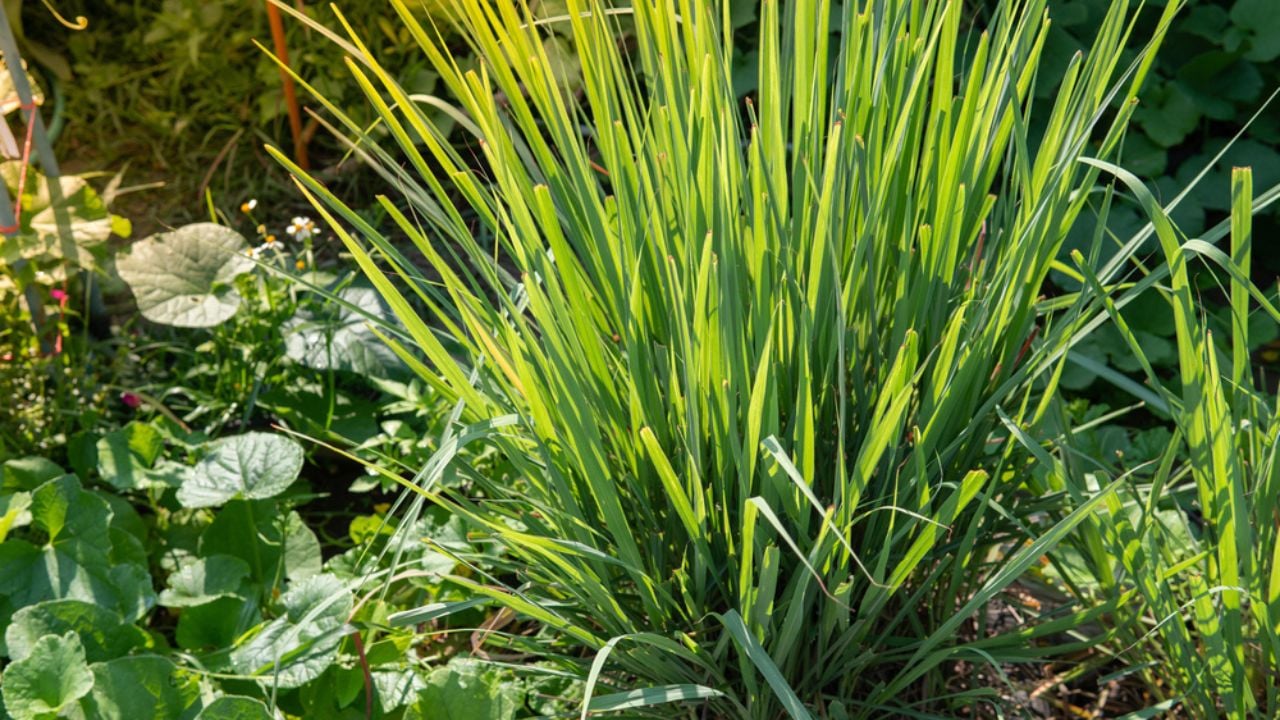
Lemongrass is a kitchen favorite, and its oil extract shows potential as a tick repellent on top of its culinary appeal. The fragrant stalks bring a fresh citrus note to both cooking and the garden.
You can grow lemongrass (Cymbopogon citratus) as an annual or a perennial, depending on your climate, with zones 10 to 11 supporting it year-round. It wants full sun and rich, loamy soil kept evenly moist.
This plant fits nicely into edible gardens. Harvest the stalks as you need them for cooking while the rest of the clump keeps growing and contributing its scent to the space.
9. Oregano

Oregano joins the lineup of essential oils with promising tick-repelling properties. While it’s less certain that the living plant matches the oil’s effect, growing oregano lets you enjoy its distinct aroma and harvest leaves for the kitchen.
This perennial herb does best in full sun with well-drained, light, and dry soil across zones 4 to 10. It handles dry conditions well, so it won’t demand much from you once it settles in.
The harvest is reason enough to grow it. Snip fresh leaves throughout the season for seasoning, and the plant will keep producing as long as you keep cutting.
10. Peppermint
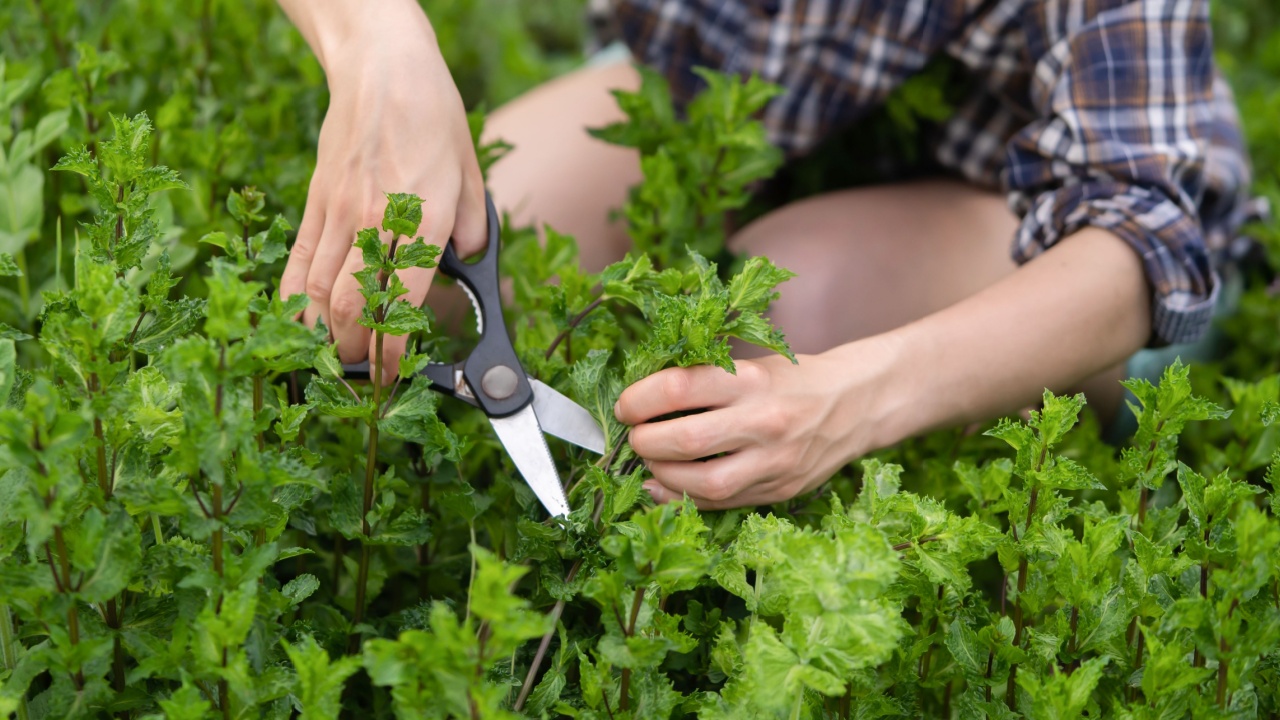
Peppermint oil has been shown to have some tick-repelling properties, which raises hope that the plant itself might help fend off these bugs. Either way, the cool, refreshing scent is a treat to have nearby.
Peppermint (Mentha × piperita) grows vigorously across zones 5 to 9, sometimes a little too vigorously. It tolerates shade but prefers full or partial sun, and it’s a strong choice for spots that don’t get all-day light.
Containers are your friend with this one. Planting peppermint in pots keeps its spreading roots in check so it doesn’t take over the rest of your landscape.
11. Rosemary
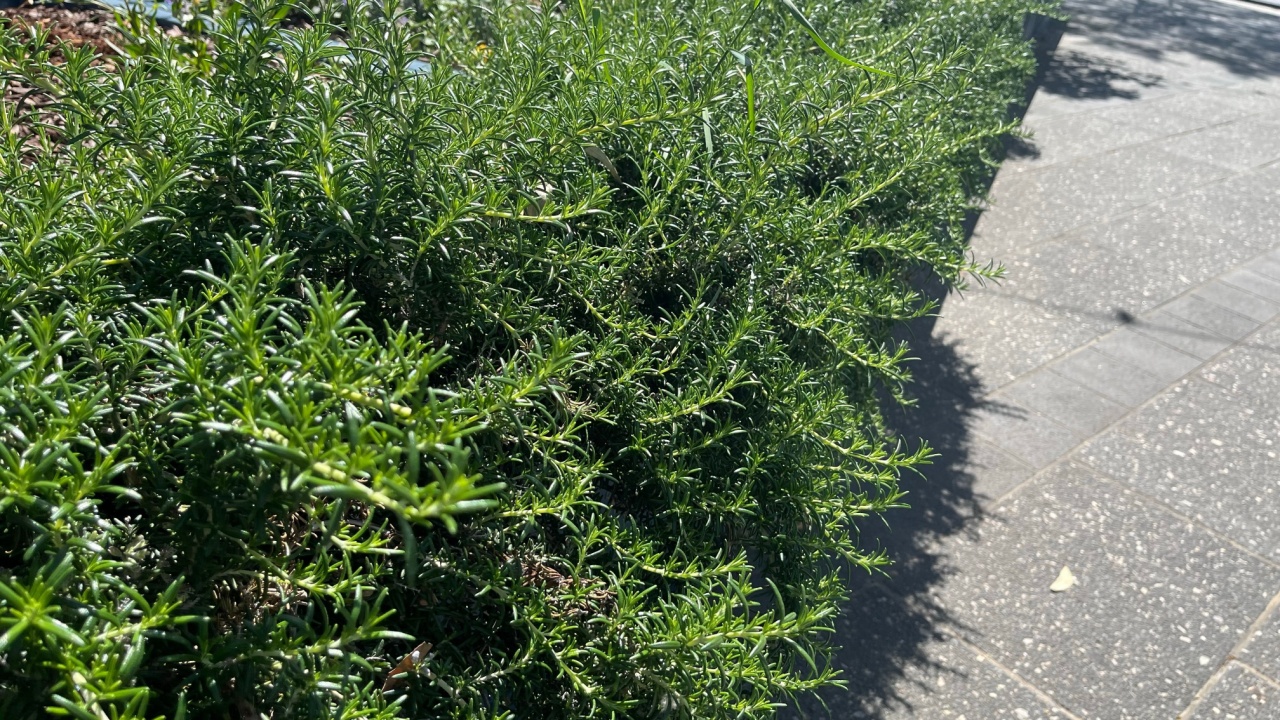
Rosemary is another aromatic herb that could help steer ticks away from your space. Its piney, fresh fragrance is one of the most recognizable in any herb garden.
Grown as a perennial in zones 8 to 10 and as an annual in cooler areas, rosemary (Salvia rosmarinus) needs plenty of sun. It does best in sandy or loamy, well-draining soil that doesn’t hold water around the roots.
This herb works hard in the kitchen too. Keep it near a path or doorway where you can brush past it and release its scent, then snip sprigs whenever a recipe calls for them.
12. Thyme
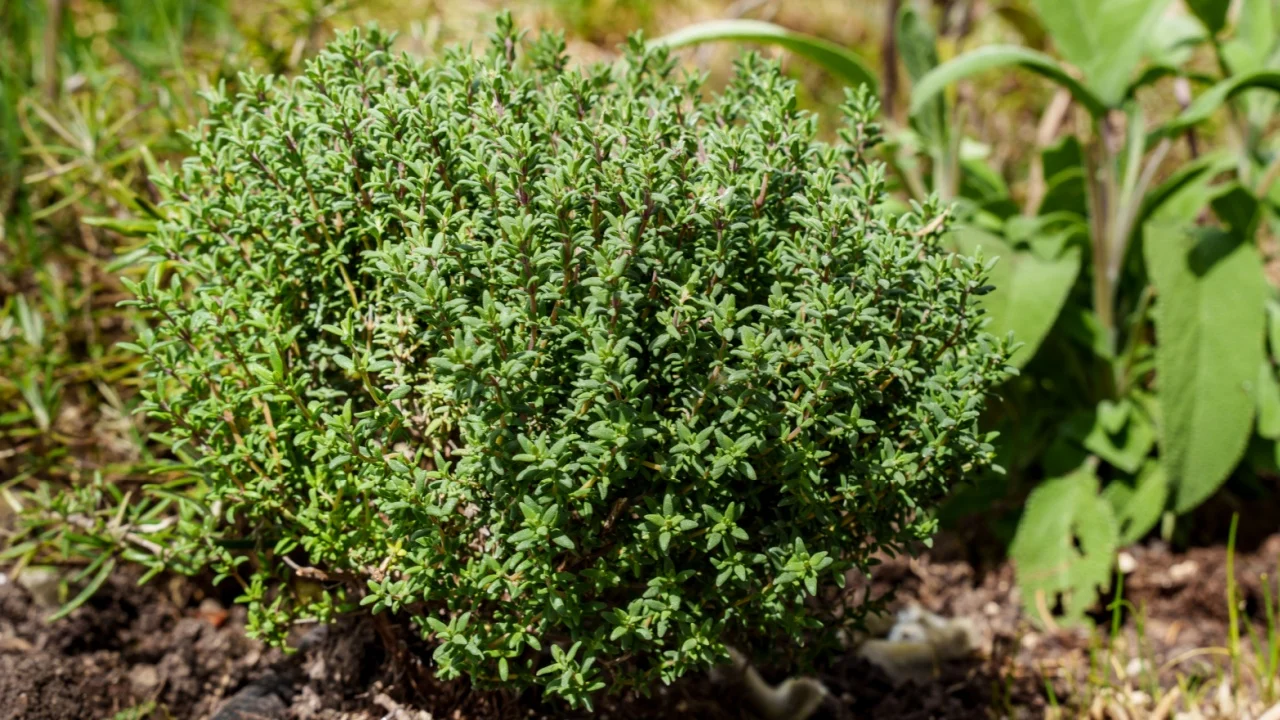
Thyme oil turns up again and again in studies on natural tick-repelling options, making this Mediterranean herb a strong candidate for your yard. Its small leaves pack a big punch of fragrance and flavor.
Thyme (Thymus vulgaris) grows as a perennial across zones 5 to 9 and adapts to a wide range of conditions, as long as it gets enough sun. Even where the plant’s repelling power is uncertain, it brings real value to the garden.
Pollinators love it. Evergreen thyme draws bees and other helpful visitors, so planting it supports the wider health of your garden while you enjoy the leaves in your cooking.
13. Verbena
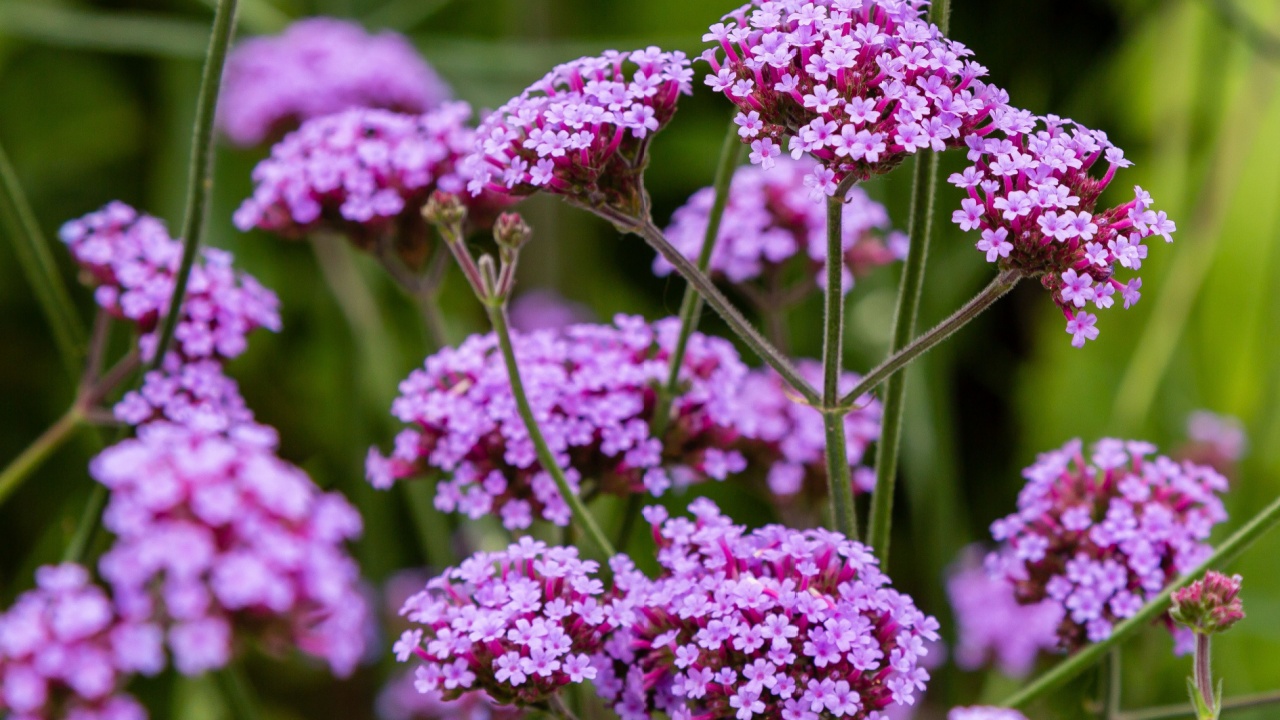
Verbena oil extract carries potential tick-repelling properties, which earn this plant a place among your tick-fighting strategies. The lemony scent and long-lasting little blooms make it a cheerful addition wherever you put it.
Verbena (Verbena x hybrida) suits sunny, moist, and well-draining flower beds across zones 8 to 11. In cooler climates, it grows easily as an annual, so almost anyone can find a spot for it.
The blooms keep going for a long stretch. Plant verbena where you’ll see it often, since both the color and the fragrance reward a prominent spot in the garden.
14. Vetiver
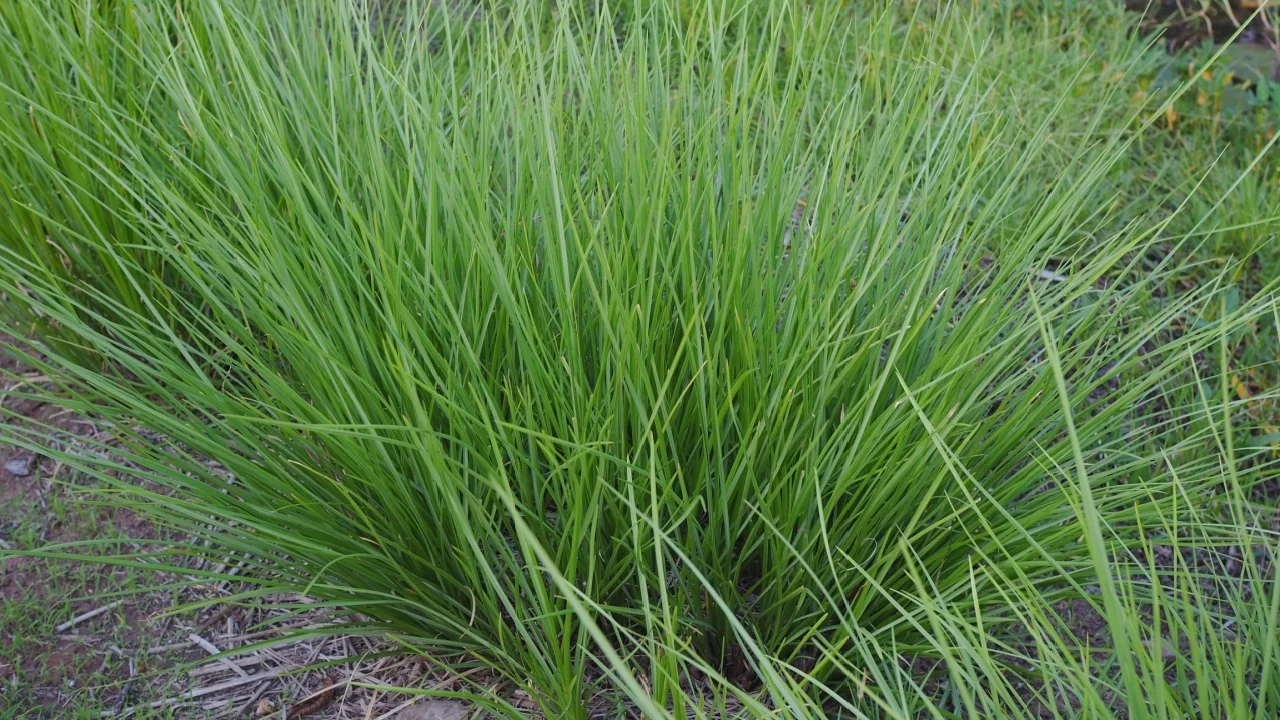
Vetiver is a perennial bunch grass that could help head off ticks looking to move into your yard. Its dense, deep-rooted growth gives it a few jobs to do beyond pest control.
This grass (Chrysopogon zizanioides) is a standout for erosion control, with roots that anchor soil firmly in place. It can reach 8 feet tall, suits zones 8 to 11, and grows in full sun or part shade.
Slopes and trouble spots are where vetiver shines. Use it along banks or eroding areas where its tall growth and strong roots can stabilize the ground while adding a possible tick barrier.
15. Wormwood
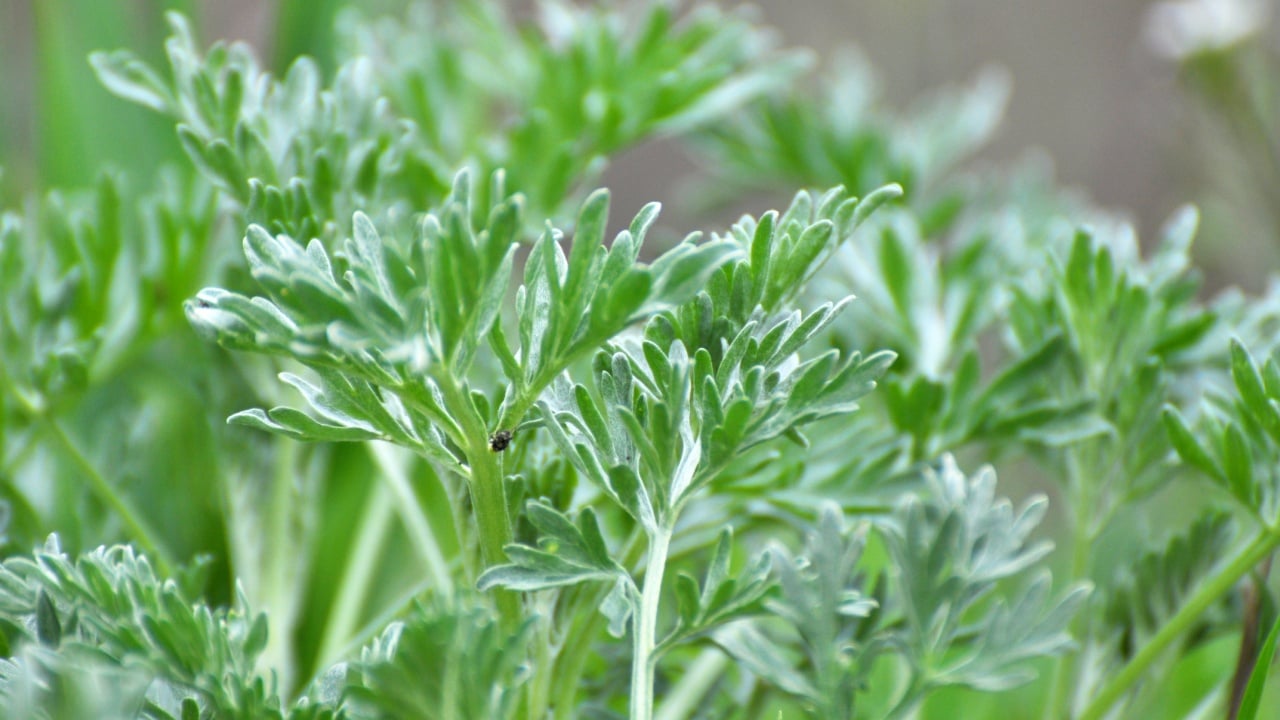
Wormwood essential oil has demonstrated some tick-repelling properties, rounding out the list with a hardy, low-maintenance option. Its silvery foliage adds a soft, unusual texture to garden beds.
Common wormwood (Artemisia absinthium) grows across a wide range, zones 3 to 10, which makes it one of the more adaptable choices here. Pick a sunny spot and let this drought-tolerant plant settle in on its own.
It practically takes care of itself. Once established, wormwood asks for very little attention, making it a fitting piece of a hands-off pest management approach.
16. Lemon Balm
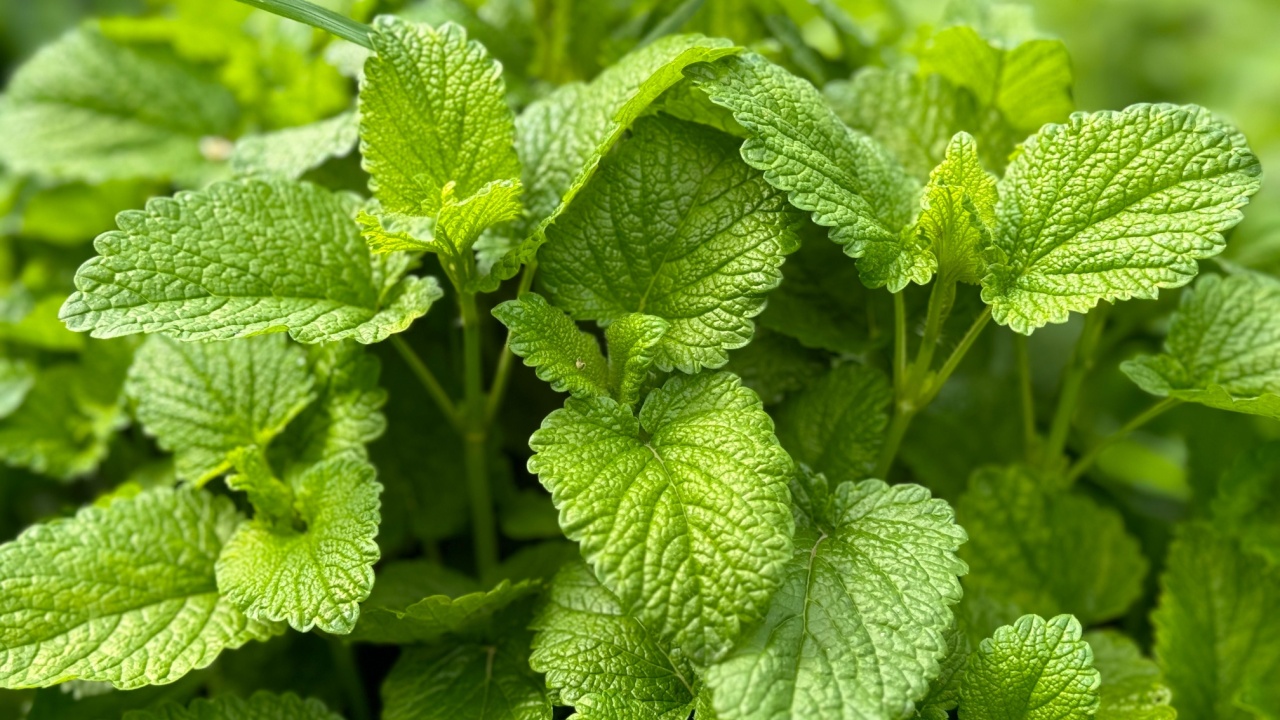
Lemon balm belongs to the same mint family as several plants on this list, and its strong citrus scent comes from compounds that many pests find off-putting. Like its relatives, peppermint and lemongrass, it brings fragrance that humans enjoy and insects tend to avoid.
Lemon balm (Melissa officinalis) grows as a hardy perennial across zones 3 to 7 and tolerates a range of conditions, from full sun to partial shade. It spreads readily, so container growing helps keep it manageable.
The leaves make a soothing tea. Harvest them often to enjoy in the kitchen, and frequent cutting also keeps this enthusiastic grower from overrunning its neighbors.
17. Marigolds
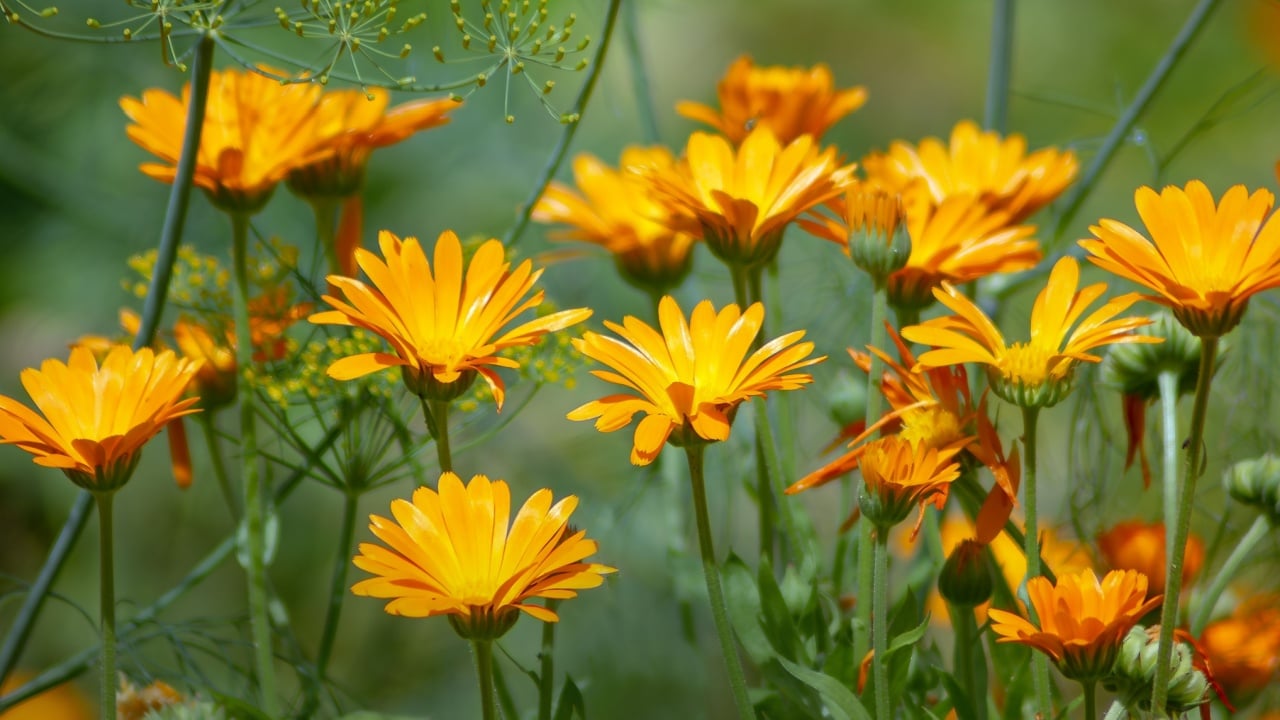
Marigolds are a classic companion plant known for repelling a long list of garden pests, thanks to the aromatic compounds in their foliage and roots. While most pest research centers on insects like nematodes and aphids, their strong scent fits the same profile as other plants that ticks tend to avoid.
These cheerful annuals (Tagetes) grow almost anywhere with full sun and well-draining soil, making them one of the easiest additions to any yard. Their bright orange and yellow blooms also bring instant color.
Borders and vegetable beds are ideal spots. Plant marigolds around the edges of your garden or among your vegetables, where their scent and pest-repelling reputation can benefit the whole area.
Putting It All Together
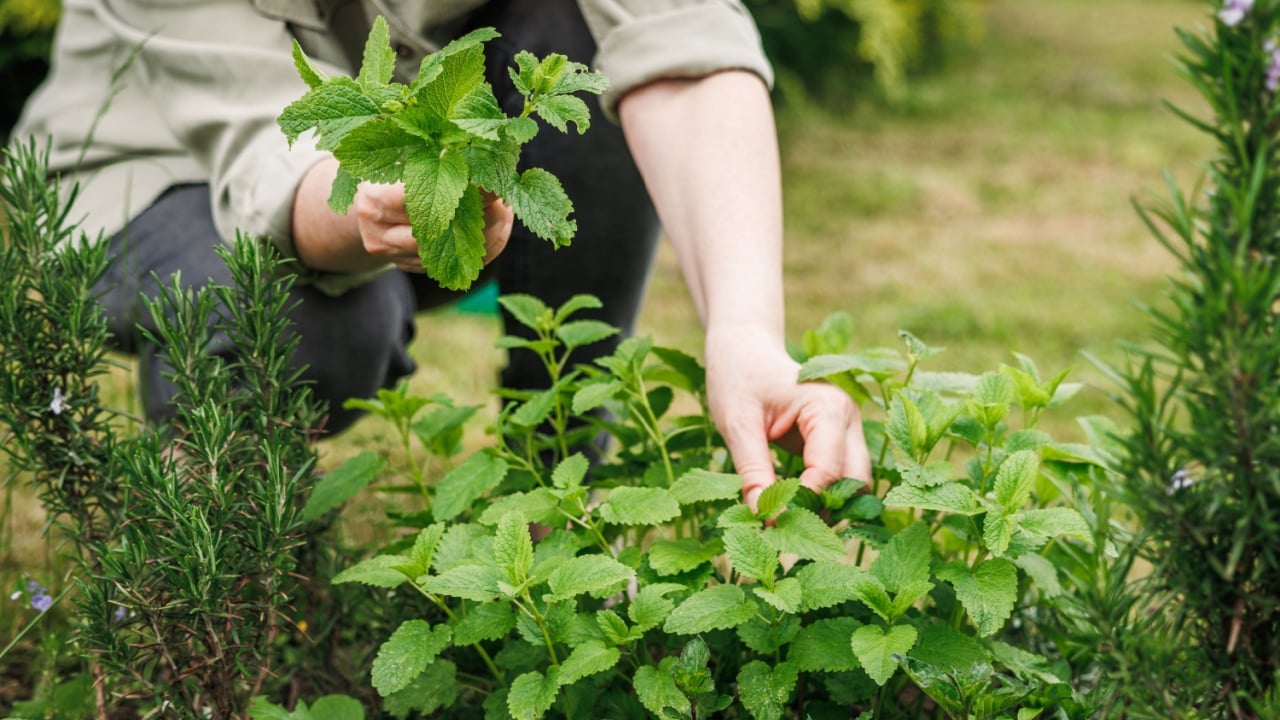
Adding these plants to your yard gives you a natural way to make the space less inviting to ticks while filling your garden with fragrance, color, and useful herbs. The research on living plants is still growing, so the smartest approach treats these species as one piece of a broader plan rather than a standalone fix.
Pair them with simple yard habits like keeping the grass cut low, clearing leaf litter, and creating a barrier between wooded areas and your lawn. Choose a few plants that suit your climate and the conditions of your yard, find good spots for them, and watch how they fit into your outdoor space. A greener, more pleasant yard with fewer pests is well within reach.
Read More:
Reclaim Your Backyard from Ticks and Unwanted Disease—Naturally!