Fire Repairs Allegedly Led to Mold, Leaving a 79 Year Old Woman with a Hazardous Home
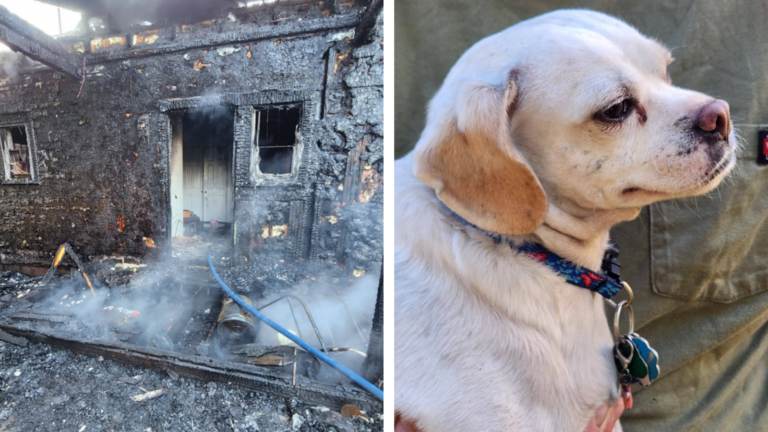
A 79-year-old DeKalb County, Georgia, homeowner has been unable to live in her Stone Mountain house for more than a year, and her family says that fire restoration work is the reason. Josephine Harris’ relatives told WSB-TV that an independently owned franchise damaged the property while restoring it after a fire, letting extensive mold take hold. The franchise denies the allegations.
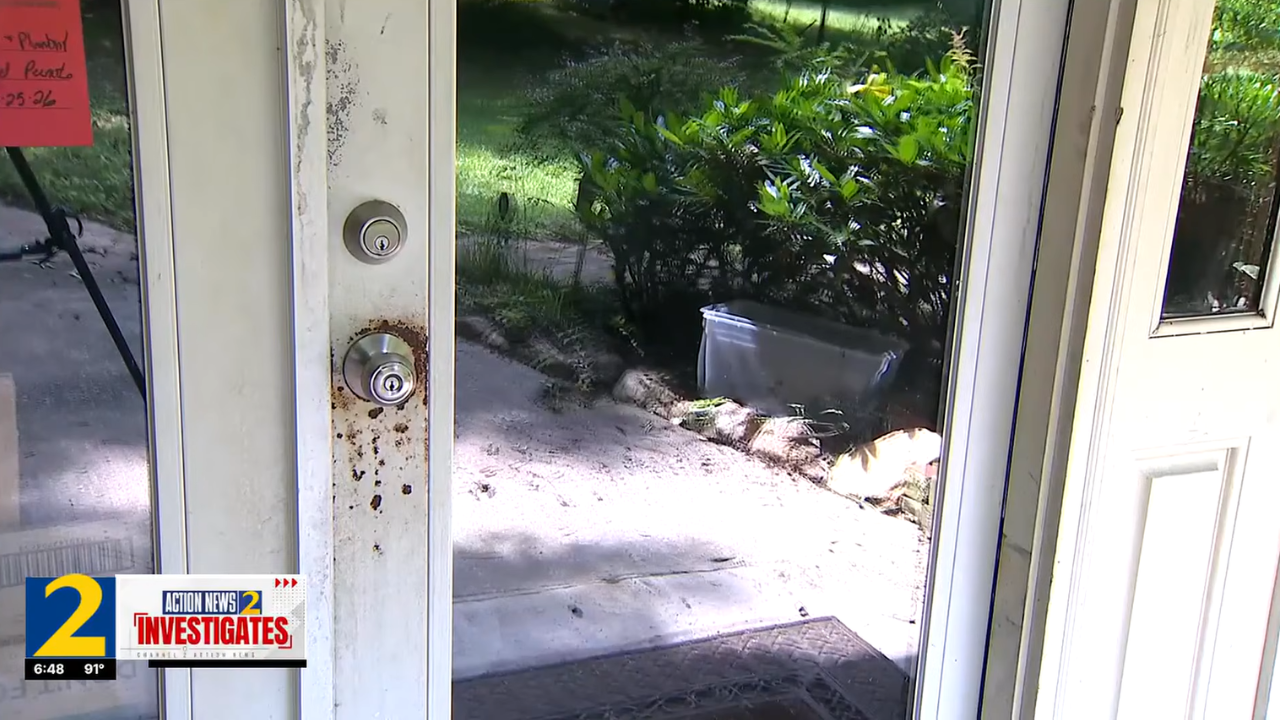
The home originally took some smoke damage in a fire. Harris’ family alleges that restoration crews stopped work for several months over the summer and left the house without proper ventilation, which they say allowed mold to spread throughout. When relatives returned months later, they said they found black mold on furniture, clothing, and other personal belongings. Harris’ nephew described it as “an inch thick throughout the house”, with images of the damage to support his claims.
The family also alleges that crews sealed up walls before county inspections were finished, only working on “cosmetic” repairs. DeKalb County confirmed it had issued two stop-work orders at the property over permitting and code problems. The first order came because work was being done without the required permits, and the second was because additional electrical and plumbing permits were required to keep going.
The franchise disputed the family’s account in a statement in which it said it followed the direction of the homeowner, insurance, and authorities. It asserted that its project documentation reflects all of that. Harris’ family said the home now has to be gutted for the mold to be properly removed, and is now weighing legal action.
What DeKalb County Says About the Permits
A stop-work order is a county’s instruction to halt construction at a site until a problem gets resolved, usually a permitting or code issue. DeKalb County issued two of them at the Chinquapin Way house. The orders establish that the county found permit problems at the property.
The orders don’t establish who’s responsible for the mold, however. DeKalb County said it hasn’t issued any formal citation against the franchise owner, so the county’s action so far has stopped the work rather than assigned blame for it. But there’s still an issue at the heart of everything: someone is responsible for the mold overgrowth.
Who Pays When Restoration Costs Exceed Insurance?
The family says the franchise told them they may owe part of the cost of bringing the home up to current building codes. Consumer advocates told WSB-TV that homeowners are generally responsible for repair costs that run past the limits of their insurance coverage. Code upgrades are often a problem in these situations, since homes that are rebuilt after a fire have to meet new construction standards.
The franchise addressed the money question in its statement, saying policy limits can leave part of the recommended work uncovered. That can leave a homeowner deciding whether to pay for the rest, and those coverage determinations belong to the insurance carrier. The family’s complaint is with the outcome, however, and they say the house now needs to be gutted. There’s no resolution in sight, but the dispute is one that you should be aware of as a homeowner. This is a very real issue that could well happen to anyone.