Meet the Man Facing Investigation for Removing 200 Bags of Trash From Polluted River
Cleaning up a polluted river sounds like the kind of thing officials would thank people for. But a UK barrister and environmental campaigner is now under investigation for helping to organize a volunteer cleanup that removed about 200 bags of trash, branches, weeds, and silt from a waterway. Paul Powlesland, founder of the River Roding Trust, said the work was done after years of asking the Environment Agency to act, as he felt he needed to do something.
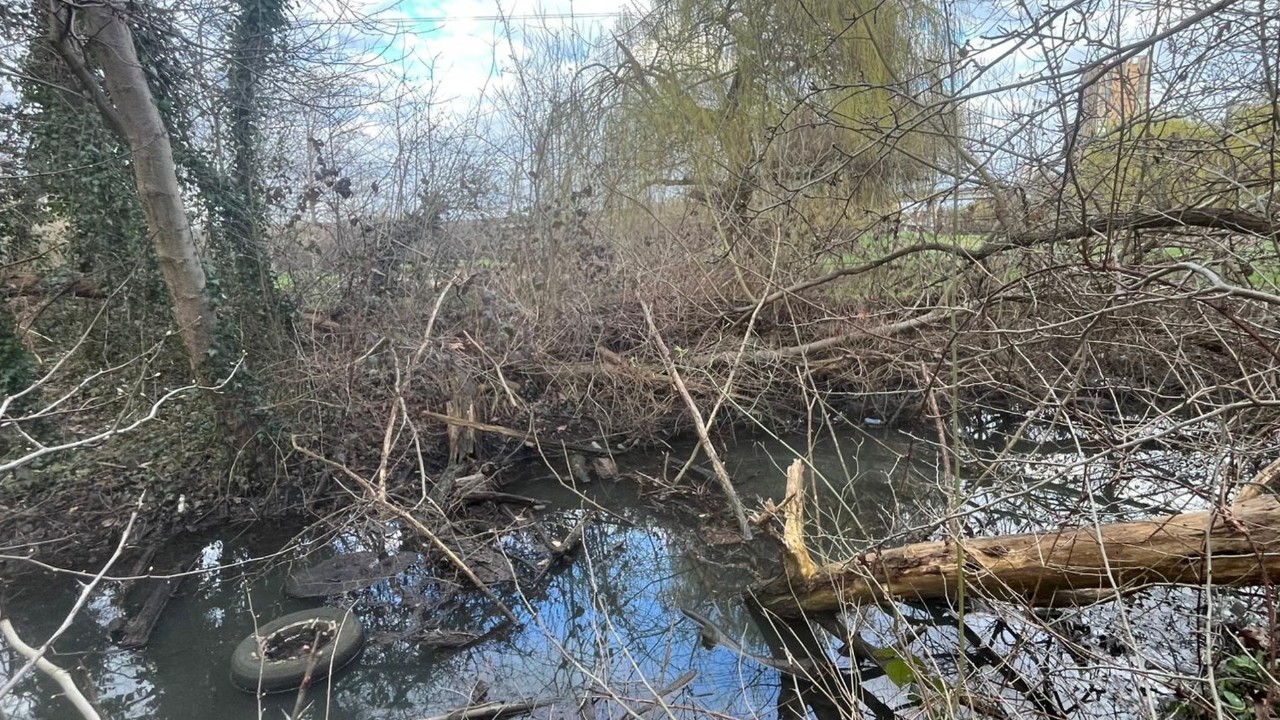
The cleanup focused on Alders Brook, which runs through rural Essex and Barking in East London. According to The Guardian, volunteers spent 10 days clearing litter, weeds, branches, and silt from the brook earlier in the year. The area had been contaminated with needles and other dumped items.
Then the Environment Agency sent Powlesland a letter. It announced that the work may have been illegal because it was done without the permit necessary to complete it. As a result, the agency said it was investigating whether unlawful work had taken place under the Environmental Permitting Regulations 2016. It also questioned dredging, some of the waste left on site, and possible flood risk activity that happened as a result.
Powlesland has not exactly taken that quietly. He said the agency ignored pollution and illegal dumping for years, only to move against volunteers who cleaned part of the river themselves. The case has now become a very British kind of environmental argument: a filthy river, a cleanup crew, a permit dispute, and a lawyer who could end up fighting the regulator over picking up trash.
Why the Environment Agency Is Investigating the Cleanup
The Environment Agency’s position is that river work still needs oversight, even when the goal is to improve the waterway. It says that the unpermitted work allegedly done may have breached its environmental regulations, and that any dredging or waste left in a flood plain could qualify as regulated flood-risk activity. In practical terms, the agency is saying good intentions don’t remove the need for a permit.
The EA also said governance and expert advice are needed to avoid unintended harm to flood risk, drainage, or the wider environment. That is the bureaucratic center of the dispute. Powlesland and the volunteers saw a blocked, polluted brook and tried to clear it, while the agency says intervention in a river channel can create environmental and flood-management problems if it is not approved first.
Why Powlesland Says the Case Misses the Bigger Problem
According to Powlesland, he had repeatedly asked the Environment Agency to help clean the river before the volunteer work took place. He told The Guardian the agency was going after an easy target instead of major polluters, illegal waste dumpers, or sewage issues affecting the river. He also said wildlife had started returning to the cleared section after the work was finished.
The wider river has been the subject of pollution complaints for years. The Guardian reported that the River Roding is affected by raw sewage discharges, and that Friends of the Roding data showed Cran Brook sewage outflow discharges more than 750,000 liters of raw sewage per year into the river. So, the part that has made people angry is not hard to understand: volunteers pulled hundreds of bags of trash from a river, and now the official response they’re facing is an investigation.