Homeowner Worried Security Cameras Would Upset New Neighbors Until They Recorded 20 Unwanted Visits in One Week
When the house next door sold, a homeowner faced an awkward dilemma. One of their security cameras overlooked the property, and they worried the new owners might feel their privacy was being invaded. However, the camera was there for a reason: years of unwanted visits from a man living on the other side of the newly sold house.
According to the homeowner, the man’s behavior had become an ongoing source of frustration on their seven-house dead-end street. Several households had reportedly obtained no-trespass orders, while others relied on security cameras and locked gates to protect their properties.
Unsure how to explain the situation without overwhelming the newcomers, the homeowner turned to Reddit for advice. They wanted to respect their new neighbors’ privacy without compromising the security measures they had put in place.
As it turned out, the homeowner had little reason to worry about the introduction. The new residents installed security cameras of their own and, within their first week of living there full-time, reportedly recorded the man entering their property around 20 times.
An Awkward Introduction
Embedded media follows; please allow a moment to load.
Update on advice for cameras facing neighbors house
by
u/cltip in
neighborsfromhell
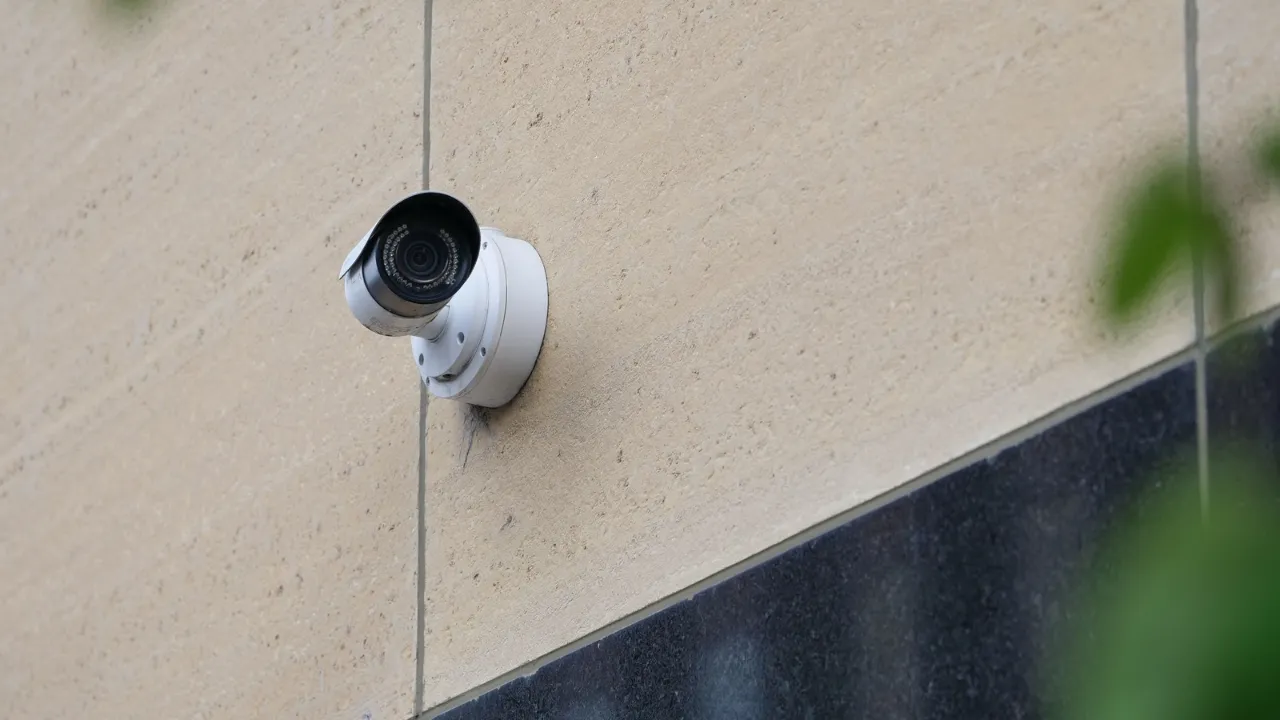
In the original Reddit discussion, the homeowner explained that cameras covered all four sides of their house. One pointed toward the neighboring property, although its motion detection was reportedly limited to activity within roughly 10 feet of the property line.
The arrangement was a response to problems the homeowner said had been going on for years. They described a man wandering through yards and approaching people’s windows. Three households on the street had reportedly obtained no-trespass orders against him.
These allegations have not been independently verified, and the homeowner did not disclose the location. No official records confirming the reported incidents or court proceedings were located.
The original post prompted a disagreement over how much privacy the new homeowners should expect. Some commenters argued that the camera was justified given the circumstances. Others believed it captured too much of the neighboring property and suggested adjusting the angle.
The homeowner was open to making changes, including installing two cameras that could monitor the boundary without overlooking as much of the adjoining yard. They also wanted to avoid making the man the centerpiece of their first conversation with the newcomers.
As it happened, they didn’t have to bring him up.
When the homeowner finally met one of the new residents, he asked about the man himself. He had already noticed something that made him uncomfortable, giving the homeowner an opportunity to explain both the neighborhood’s concerns and the camera facing his property.
Rather than objecting, the new neighbor said he planned to have additional cameras installed around his house.
Twenty Visits in a Week
The new homeowners had been fully moved in for about a week when the original poster returned to Reddit with another update. By that point, their cameras had reportedly recorded the neighboring man entering their property around 20 times.
According to the homeowner, the recordings showed him visiting the front and back porches and walking around the house. The new residents shared some of the footage with neighbors, including one recording that was especially unsettling.
At approximately 3 a.m., the man reportedly approached their front door, leaned toward the security camera until his face was about a foot away, and smiled. He then walked off in the direction of the original homeowner’s property.
The original homeowner’s camera captured nothing during that encounter. Although the poster described the recording and shared a screenshot in the Reddit comments, the full video was not made publicly available for independent examination.
The new residents reportedly planned to contact the sheriff’s office about obtaining a no-trespass order of their own. The poster expressed relief that the newcomers were taking the situation seriously, particularly after years of feeling that earlier interventions had done little to resolve the problem.
Keeping Watch Together
The update also revealed how the neighbors were adapting. Rather than relying on one household’s cameras, several residents were sharing recordings and discussing suspicious activity around their properties.
The original homeowner said their own no-trespass order and security system appeared to have kept the man out of their yard. However, they continued to see him near the property line and had taken precautions to secure the backyard, where their two dogs spend time.
Some commenters encouraged the residents to keep dated copies of their recordings and report unwanted visits to local authorities. Others wondered whether the neighborhood could do more collectively.
The situation was still developing. In a later comment, the homeowner said one of the newcomers had spoken directly with the man and that another neighbor subsequently received troubling text messages. The details of those interactions were not independently documented.
The physical precautions continued, too. The poster described replacing a seized gate lock and keeping the backyard secured, while the new homeowners were preparing to connect their perimeter fencing to the house.
Balancing Home Security With Neighbor Privacy
The homeowner’s original concern raises a practical question for anyone installing outdoor security cameras: How can residents monitor their own property without unnecessarily recording their neighbors?
Camera placement can make a considerable difference. Positioning cameras to focus on entrances, driveways, gates, and property boundaries can provide useful coverage while minimizing views of neighboring windows, patios, and other private spaces.
Many modern security cameras also offer customizable motion detection zones or privacy masking features. The two serve different purposes. Motion detection zones generally determine which areas trigger alerts or recordings, while privacy masks can obscure selected portions of the camera’s view on supported devices. Limiting motion detection alone does not necessarily prevent a camera from capturing activity outside that zone.
Homeowners should review their equipment’s settings and familiarize themselves with applicable local privacy and recording laws, particularly if their cameras also capture audio.
A conversation with neighbors can also help address concerns before they become a source of tension.
For the homeowner who originally worried about upsetting the people next door, having neighbors willing to share information represented a welcome change. The cameras had become something they could discuss openly rather than an uncomfortable feature to explain away.