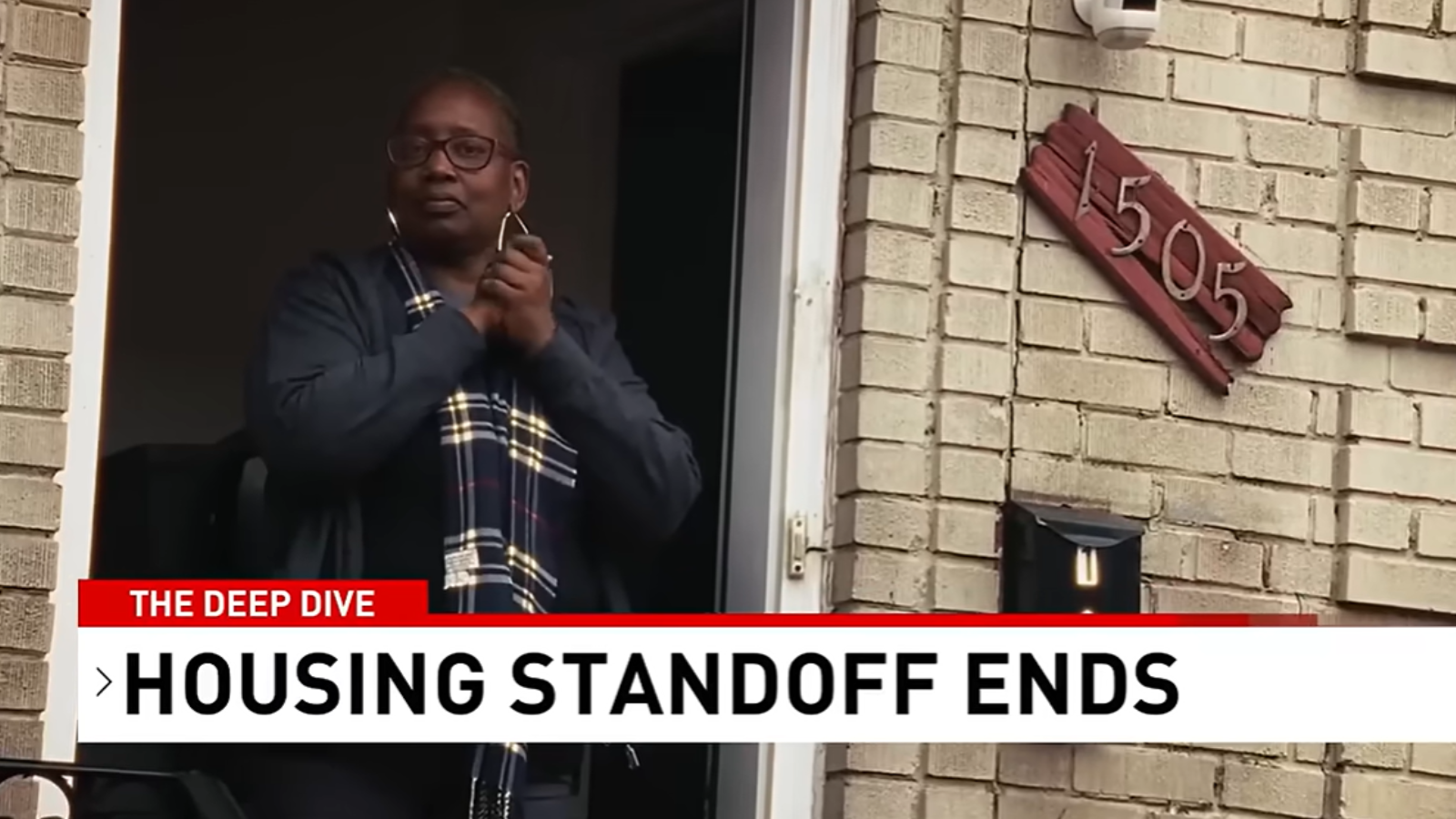
D.C. Woman Credits Local News for Helping Her Evict Squatter Amid Family Crisis
A Washington D.C. woman’s months-long battle with a squatter in her home has finally come to an end. According to 7News on Your Side, Veronica Hegens has been trying to remove a woman from her property since last October. Unfortunately, local laws prohibited her from doing anything meaningful to remove Gwendolyn Broadie.
After nearly facing foreclosure on her property because of the lack of rental payments, Hegens reached out to 7News to ask for help. What happened next changed the course of Hegens’ life, allowing her to keep her home while also allowing Broadie to find somewhere to live so she didn’t end up out on the streets.
Now, Hegens is thanking the news team for bringing attention to her situation, which she thinks influenced the outcome.
However, the story also sheds some light on an ongoing issue within the region, as experts say that 50 percent of the landlords who have responded to a survey for housing providers have said that they have a delinquent case.
Hegens Originally Rented Her House Out to Move In With Her Dad
The former Pentagon employee told the news station that she was on disability when she decided to rent out her home so that she could provide live-in care for her father. However, when she originally rented the property, it was to Phillip Graham, Broadie’s boyfriend.
Graham had a contract through the DC Housing Authority’s voucher program, according to 7News, which was set to expire in September 2025. However, Graham passed away before he could either move out or renew his contract.
The squatter couldn’t afford to pay rent, and told reporters that she was bringing in less than $1,000 in disability when they interviewed her back in March 2026, and she was afraid she would end up on the streets if she left the home. “I don’t want to put no burdens on her. But I also don’t want to be out in the street and don’t have nowhere to go.”
This put Hegens in a tight spot, and she eventually was faced with foreclosure when she took her case to DC Superior Court, which told the women to go to mediation.
Broadie Finally Moved Out in June
Hegens says that she believes 7News played a major part in getting Broadie out of the home, which happened in mid-June when she went to live with family. “It was your program that brought light to my situation that I could not seem to get out of,” she told reporters. “So, I think in all honesty, I owe you all a great thank you.”
And while Hegens also talked up the mediation process, giving it a bit of credit as well, Dean Hunter, CEO of the Small Multifamily Owners Association, had another take on the process. “Right now, mediation just leaves us another delay tactic,” he said. “It’s a box that has to be checked off before a landlord can get to a judge to deal with the merits of their case.”
Hunter also shared that a recent survey of a little more than 600 small landlords found that more than 50 percent of respondents were dealing with something similar. Additionally, 50 percent of people also said they waited at least a year for something to be done about their case.
But according to another story from 7News, D.C. is looking to give landlords of short-term rental properties a little more protection under an “Illegal Occupancy Enforcement Act.” It would help eliminate the rights of short-term renters after their reservation ends, making it harder for them to overstay their welcome.
Of course, that would do little to help people in Hegens’ situation, but hopefully this is a sign that the tide is turning when it comes to helping people like Hegens, who was only looking for a way to make some extra cash while caring for her sick dad.