Stop Making These 8 Mistakes If You Want Fresh Veggies Indoors All Winter
Your sunniest window is lying to you. In late November, it looks bright enough to grow anything, but measured by the light a vegetable actually needs, that windowsill might as well be a hall closet.
This is the mistake behind most failed winter gardens, and it is everywhere. Window glass and low winter sun can cut the light reaching a plant to roughly half of its summer level, according to Laidback Gardener author Larry Hodgson, who puts it bluntly: “a windowsill is pretty much as dark as Hades.” Meanwhile, Colorado State University Extension horticulture agent Cassey Anderson, writing for Fresh Food Connect, notes that most vegetables want at least 12 hours of solid light a day. In comparison, her fairly typical house gets six or seven hours of direct sun at most. So we pot up our best tomato, set it by the glass, and watch it stretch, yellow, and drop its flowers before Christmas.
Getting this right matters for your grocery bill. Romaine averaged about $3.56 a pound nationally in early 2026, according to Bureau of Labor Statistics figures on FRED, and a winter of store-bought salads adds up quickly. The opposite trap is just as real: Hodgson estimates that a gadget-heavy setup can push the cost of a single homegrown lettuce to around $40. The sweet spot is cheap light, the right crops, and fewer losses. And timing counts. If you want homegrown salad by the holidays, you need to plant seeds now, in November.
Whether this is your first indoor winter or you are a gardener in your 50s or 60s who is tired of hauling heavy pots inside only to watch them fail, the fix is mostly about what to stop doing. Start with the habit that sinks more winter gardens than any other.
1. Stop Trusting Your Sunniest Window
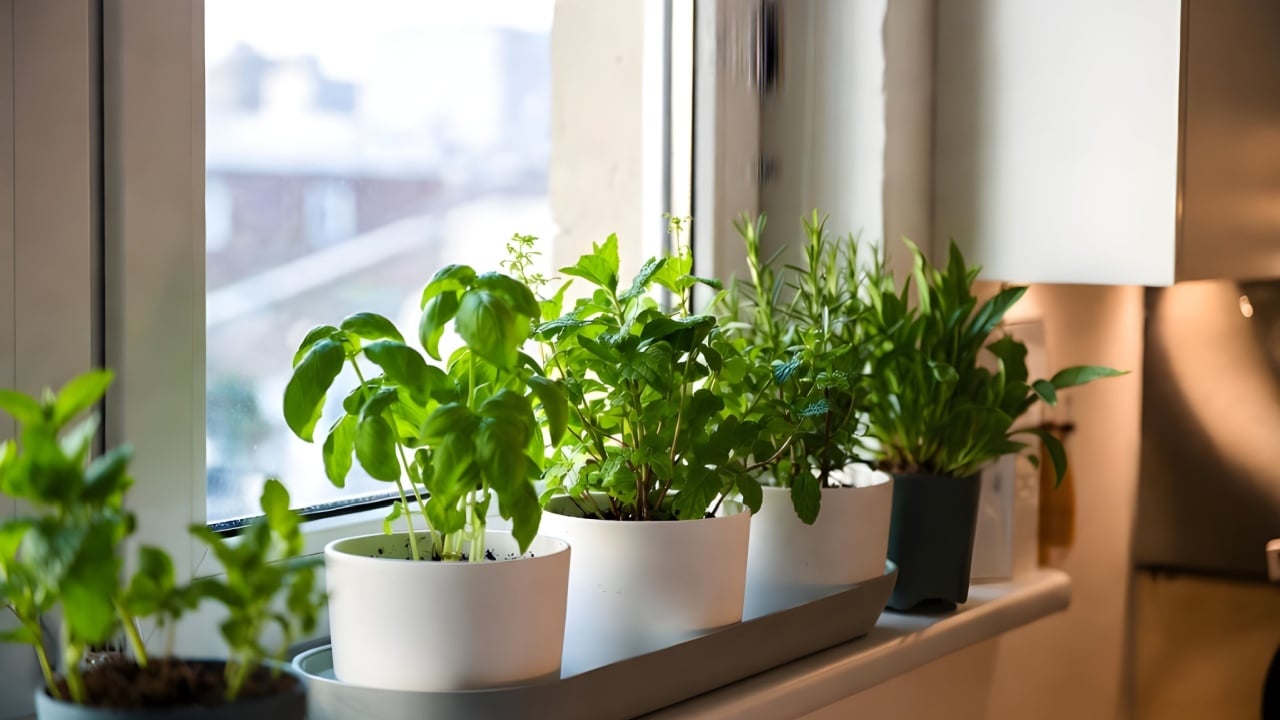
A bright window is fine for a few herbs and slow greens, but it is not a grow room. The Old Farmer’s Almanac says greens can get by on four or more hours of light, while fruiting and root crops need at least six to eight and usually a grow light. If your windows face north, or you live where December days are short, assume you need supplemental light for anything beyond a pot of chives. A south-facing window is the best you can do without a bulb.
2. Stop Dragging the Whole Garden Inside
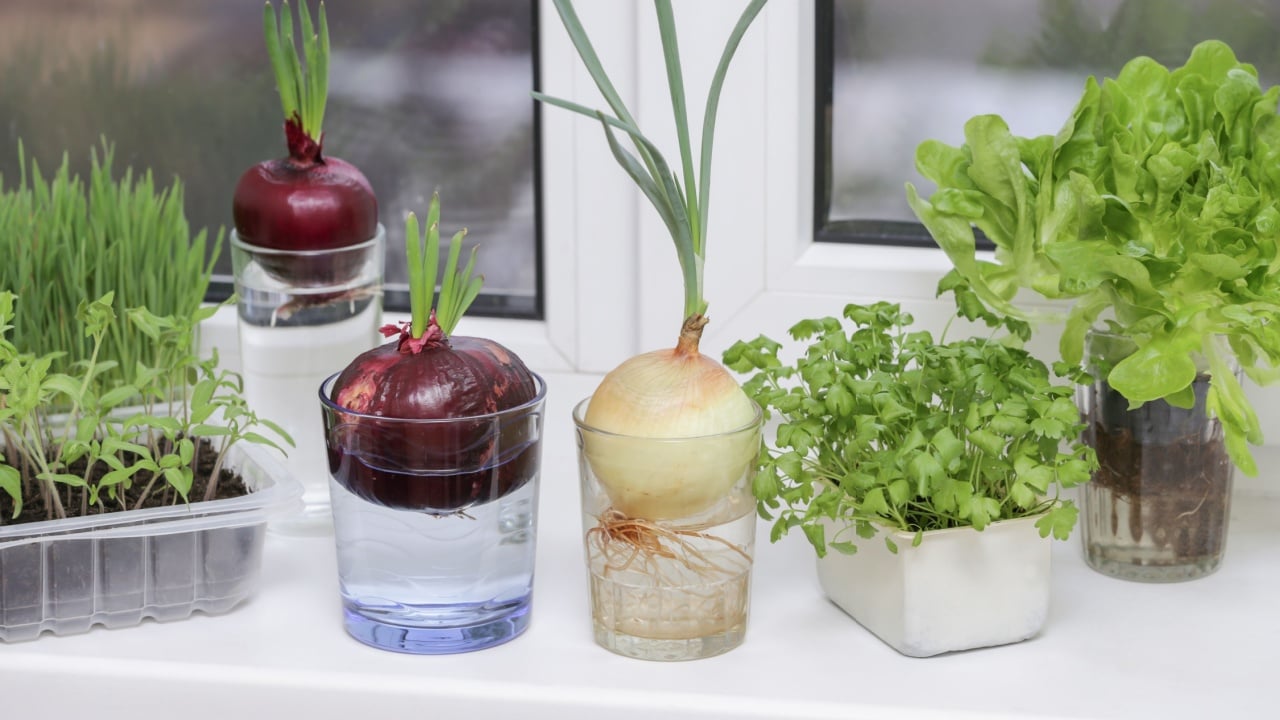
Gardeners love to rescue everything before a hard freeze, and it rarely ends well. Anderson advises bringing in only what you have reasonable room for, and warns that beans, cucumbers, and melons do not tend to transplant well, so digging them up is usually wasted effort. Pick two or three plants worth the space. If dogs or cats share your home, keep chives off low sills; the ASPCA lists chives as toxic to dogs, cats, and horses, and Humane World for Animals includes the green parts of tomato plants on its list of foods poisonous to pets.
3. Never Skip the Pest Inspection
A few aphids outdoors become a full-blown infestation indoors. University of Illinois Extension explains that indoors, pests have “no predators, parasites, or pathogens to keep them under control,” so populations climb fast. Spider mites, which thrive in dry winter air, can leave leaves speckled and webbed. Before anything crosses the threshold, check leaf undersides, stems, pots, and soil. Rinse plants with a strong spray of water, and leave behind anything you cannot clean.
4. Stop Hanging Your Grow Light Too High
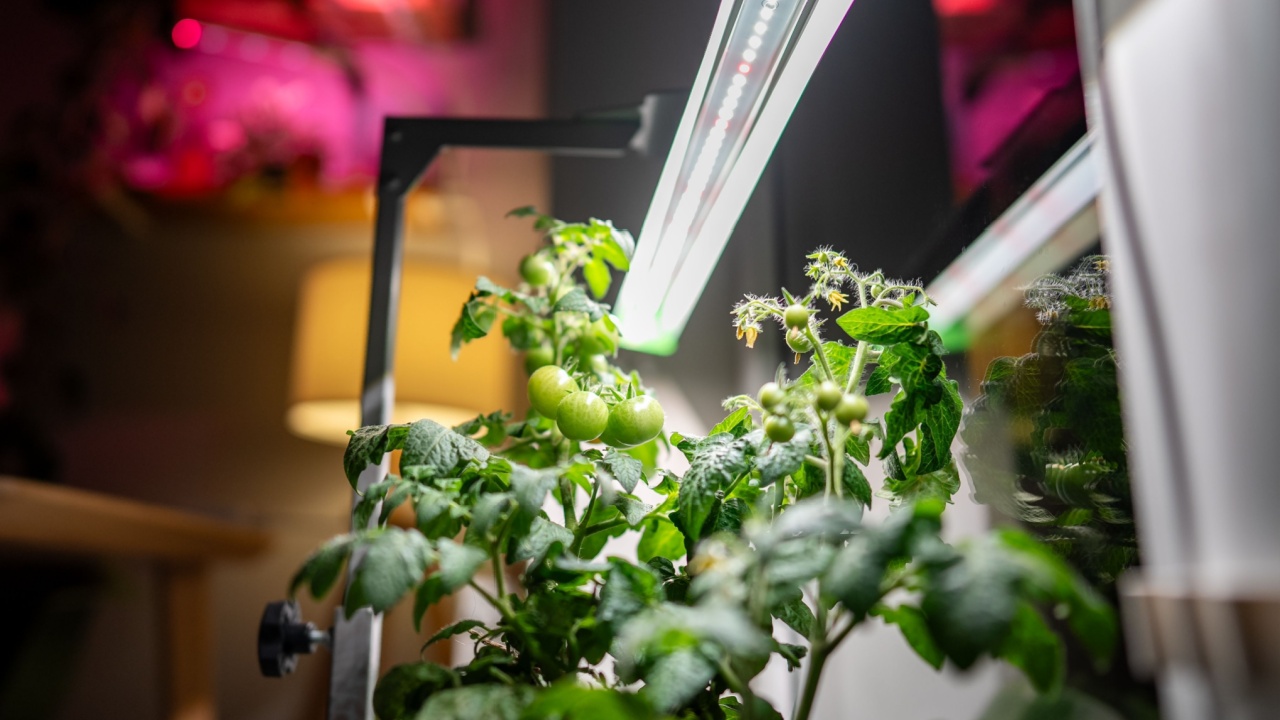
You do not need an expensive kit. AP gardening columnist Jessica Damiano, in a piece on Yahoo, says “even that old shop light that’s been gathering dust in the garage will do.” What matters is distance. Iowa State University Extension recommends placing a full-spectrum LED shop fixture about 18 inches from the foliage, or a fluorescent one about 9 inches away, with lights on for 14 hours a day. Put it on a cheap timer, and resist leaving it on around the clock; UConn Extension notes plants need some hours of darkness each day.
5. Stop Growing Head Lettuce
Heading lettuce makes you wait weeks for one harvest. Damiano recommends loose-leaf types instead, because they mature faster, take less space, and grow back after you snip the outer leaves. Black-seeded Simpson, oak leaf, and red or green leaf lettuces are dependable choices. Sow them in shallow containers, barely cover the seed, and start harvesting when leaves reach four to six inches. Hodgson notes leaf lettuce can give you two or three cuttings, which turns one $3 seed packet into weeks of salads that would otherwise run $3 to $4 a pound at the store.
6. Don’t Overlook Microgreens
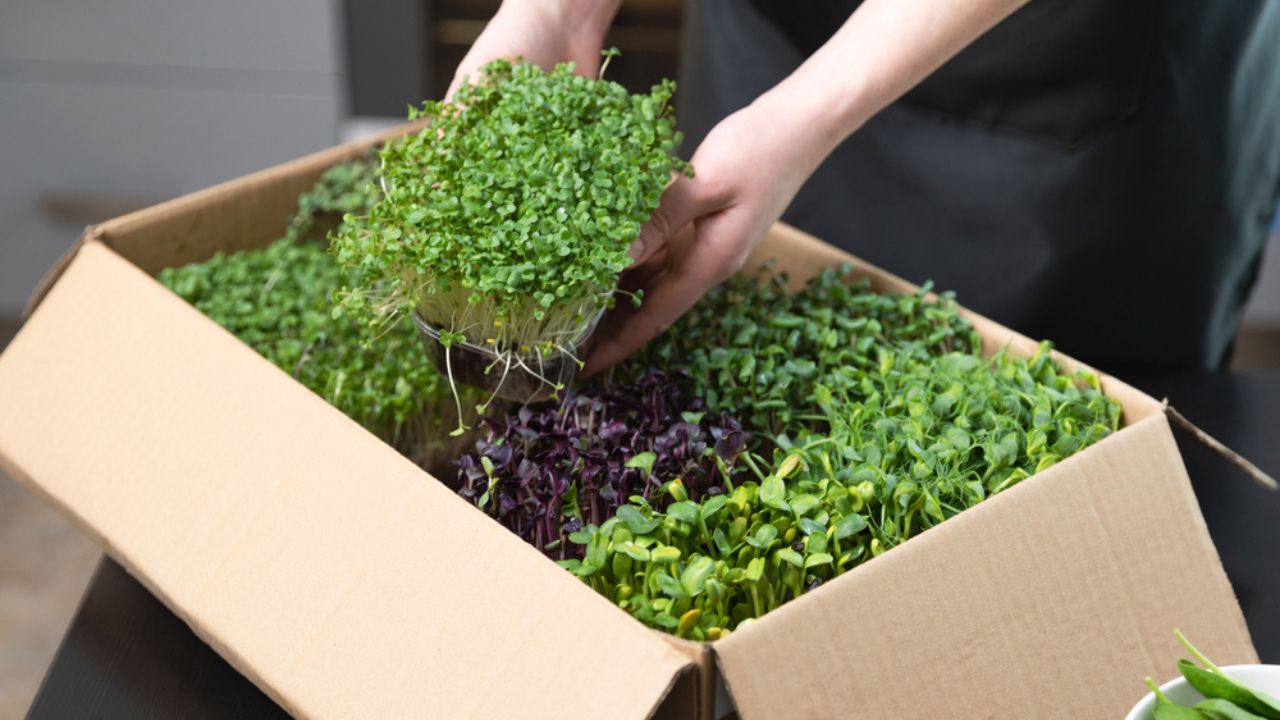
When researchers at the University of Maryland and the USDA analyzed 25 kinds of microgreens, they found these seedlings held four to 40 times more nutrients than the mature plants, according to the University of Maryland. Better yet, they are the easiest winter crop there is. As Jill McSheehy writes at The Beginner’s Garden, “you could be eating fresh greens in only a week!” A reused clamshell, potting mix, and a windowsill are all you need.
7. Stop Expecting Tomatoes and Peppers to Behave Like Summer
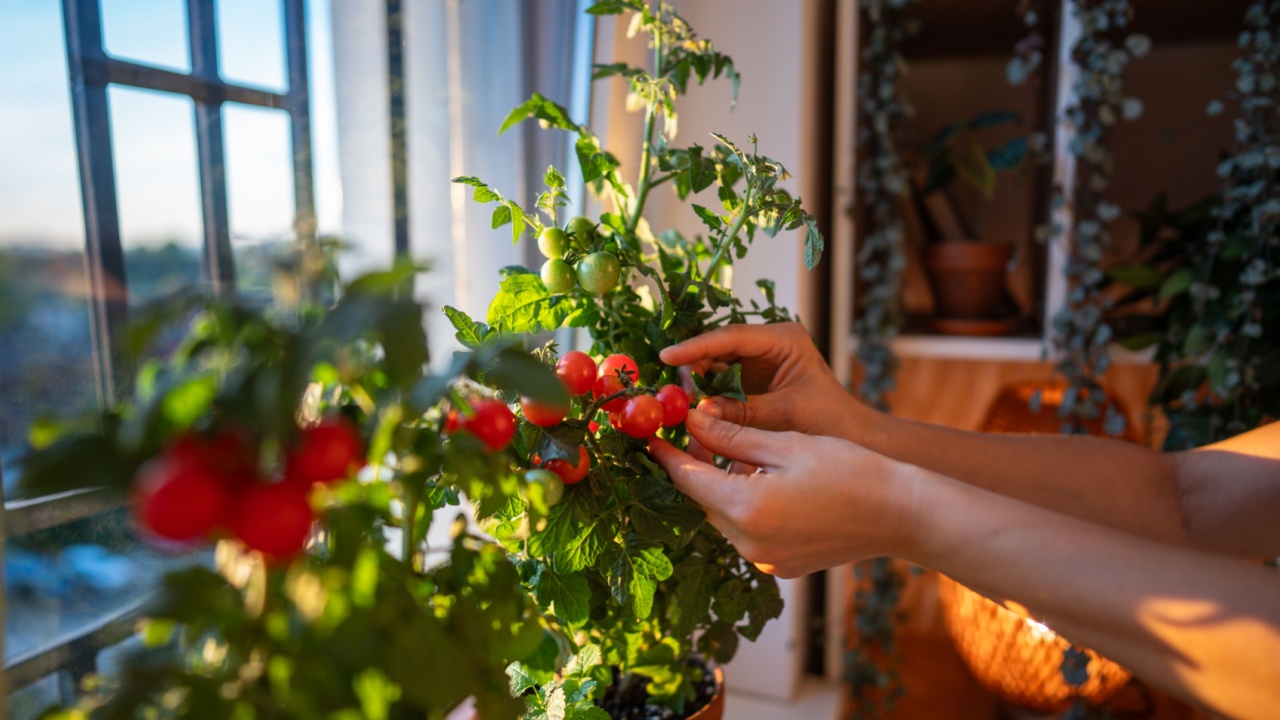
Tomatoes and peppers are perennials in their native habitats, so they can survive indoors, but survival is not the same as a harvest. Anderson has a pepper heading into its fourth winter inside that does not flower or fruit, yet “stays just alive enough to bring back out in spring.” If you want fruit, choose compact varieties the Almanac suggests, like ‘Tiny Tim’ tomatoes or ‘Lunchbox’ peppers, give them strong light, and play bee: McSheehy points out that self-pollinating tomatoes still need the flowers shaken, so a fan or a gentle flick does the job.
8. Stop Drowning Plants in a Cool House
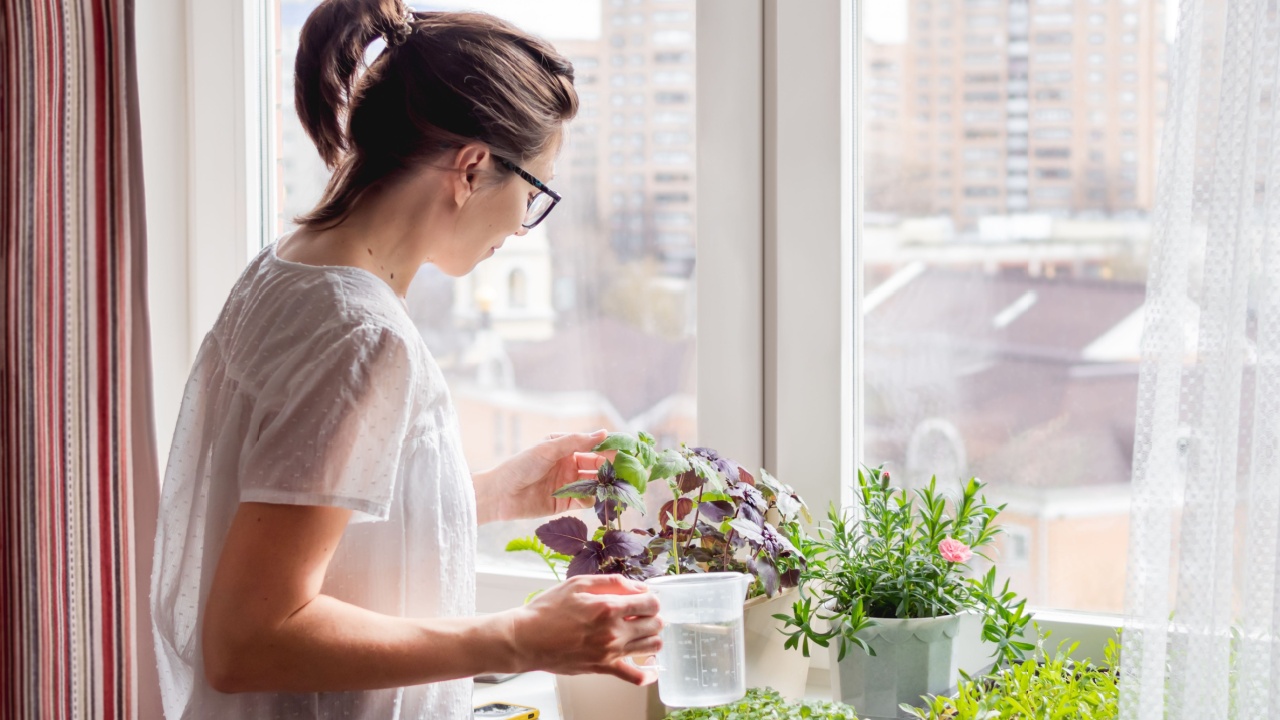
If you keep the thermostat in the 50s or low 60s, warm-season plants slow down or go dormant, and Anderson warns that watering on a summer schedule will rot their roots. Country Living suggests keeping rooms at 65 to 70°F by day and away from heating vents. The Almanac’s rule is simple: water only when the top inch of soil feels dry, and empty saucers so roots never sit in standing water. Grow herbs in separate pots, too; rosemary likes to dry out, while basil wants steady moisture.
A Fresh Harvest Is Closer Than You Think
Keep it small and cheap. One shelf, one shop light on a timer, two trays of loose-leaf lettuce, a tray of microgreens, and a pot of a favorite herb will out-produce a living room crowded with struggling tomato plants. Sow a new tray of greens every two weeks so the harvest never stops. The Old Farmer’s Almanac has been telling gardeners the same thing for years: start with greens, add a grow light, and build from there.
Read More
The 7 Best Garden Items to Thrift This Fall
9 Smart Ways to Save Money in the Garden Before Fall Ends