9 Annuals That Won’t Die on Your Porch This Summer (Most Gardeners Are Planting the Wrong Ones)
A porch is one of the harshest environments in residential gardening. The combination of reflected heat, wind exposure, limited soil volume, and inconsistent watering turns ordinary plants into expensive mulch. The plants that thrive there are a specific group, and most of them are not the ones grabbing the most shelf space at the garden center.
The good news is that a handful of easy annuals are practically engineered for porch containers.
Plant the right ones in spring, and you could have color from spring straight through the first frost, with as little as five minutes of care per week and a starting investment under $30.
Below are eight annuals that actually deliver. Each one is chosen for its real-world porch performance, verified sources, and staying power. Read this before you spend a single dollar at the nursery.
Why Most Porch Plants Fail (and What to Look for Instead)
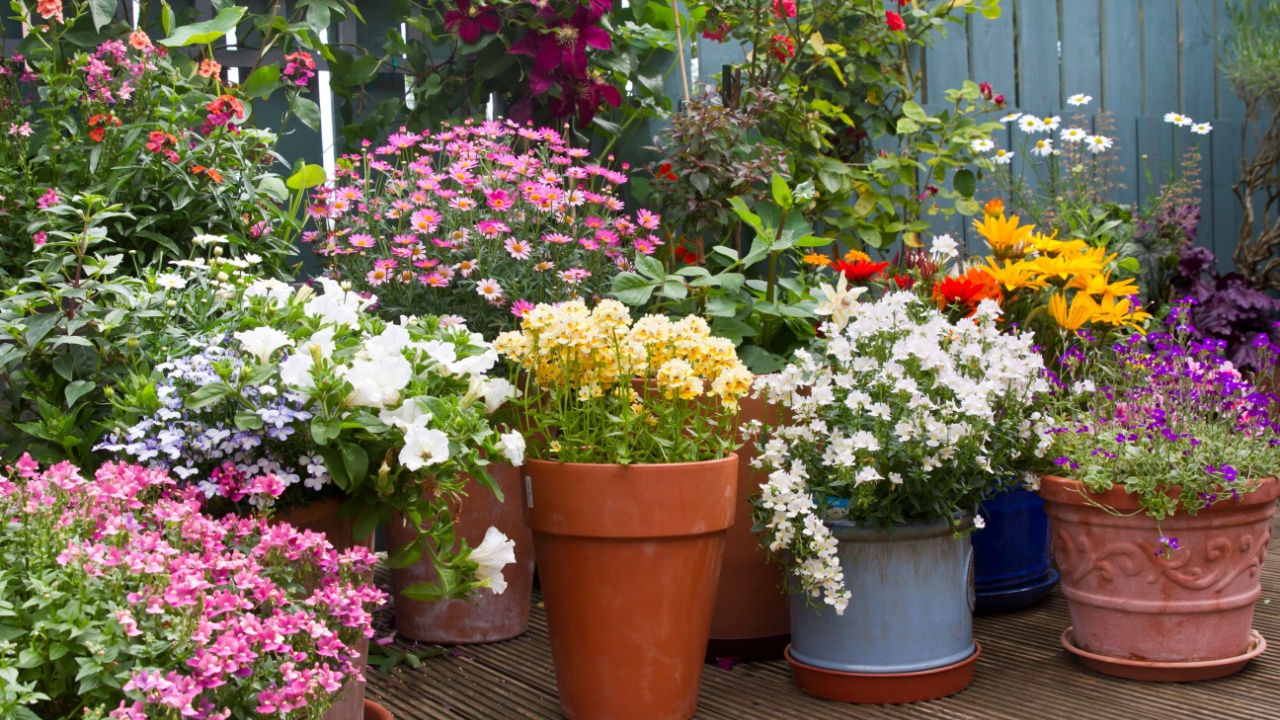
Most container failures come down to one mismatch: gardeners choosing plants for how they look on the shelf, not how they perform in a hot, wind-exposed porch container. According to The Old Farmer’s Almanac, container flowers need more frequent watering than garden beds (often daily during summer heat), and they require a high-quality potting mix with proper drainage to avoid root rot.
The single most common and costly mistake is using the wrong soil. Garden soil is too heavy for containers and drains poorly. Potting mix is lighter, drains well, and provides better airflow and nutrients for container-grown roots. Skipping this step costs the average gardener $20 to $40 in dead plants every season.
Before buying anything, check how many hours of direct sunlight your porch receives each day, and whether it faces north, east, south, or west. A north or east-facing porch will need shade-tolerant plants. A south or west-facing porch gets the most light, which is ideal for sun-lovers like petunias and zinnias, according to The Spruce. This one check eliminates the most common cause of porch plant failure.
1. Petunias: The Clear Champion of Porch Containers
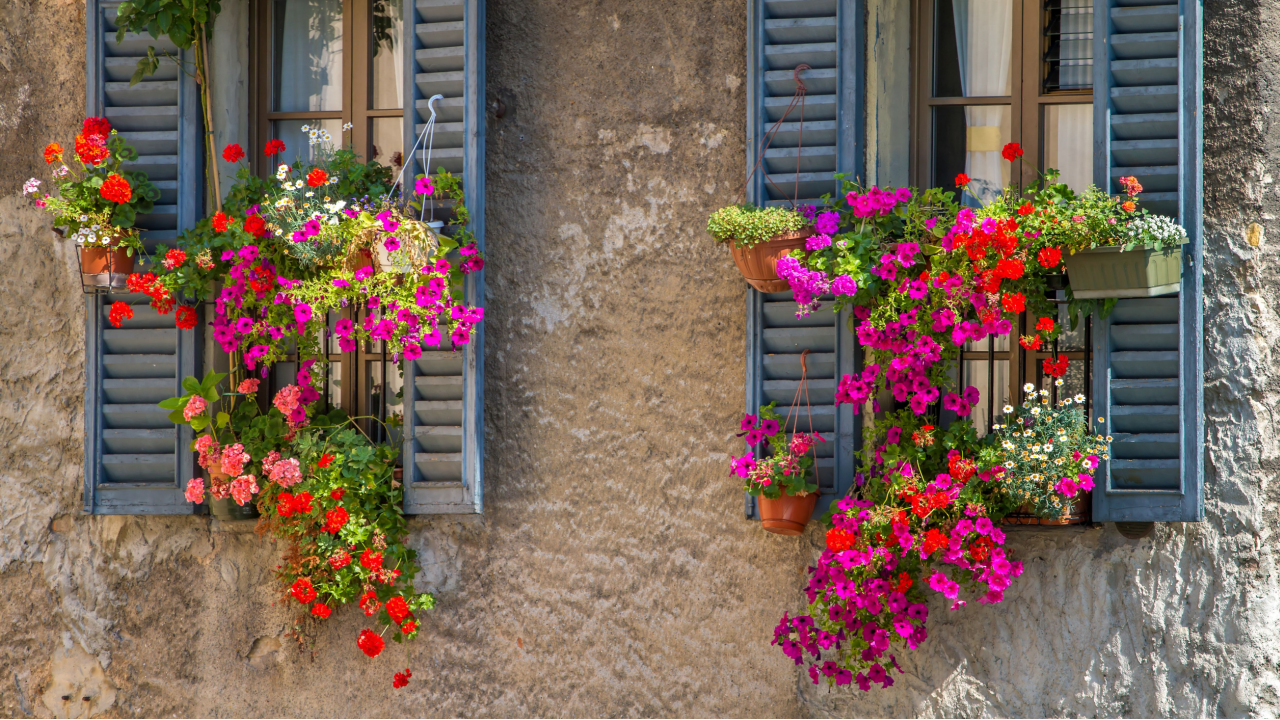
If there is one annual every porch gardener should know, it is the petunia. Specifically, trailing Wave and Supertunia varieties are bred to bloom earlier, spread wider, and keep going all season without constant deadheading.
Proven Winners, one of the country’s leading plant breeders, reports that Supertunia Vista varieties grow up to two feet tall and more than three feet wide, lasting an extra month in southern states and well into fall in cooler climates. No deadheading required. Plant them in part sun to full sun, water consistently, and they will reward you with nonstop color from spring to frost.
Master gardener Dick Zondag of Jung Seed Company recommends Wave petunias specifically for their vigor. According to Martha Stewart Living, Zondag advises: trim plants back and fertilize with a high-nitrogen fertilizer in late summer to get a fresh flush of growth and flowering when other annuals are fading.
Cost note: A single six-pack of petunias at most nurseries runs $5 to $8 and will fill a standard 14-inch container for the entire season.
2. Calibrachoa: The No-Fail Trailing Annual Most Gardeners Have Never Tried
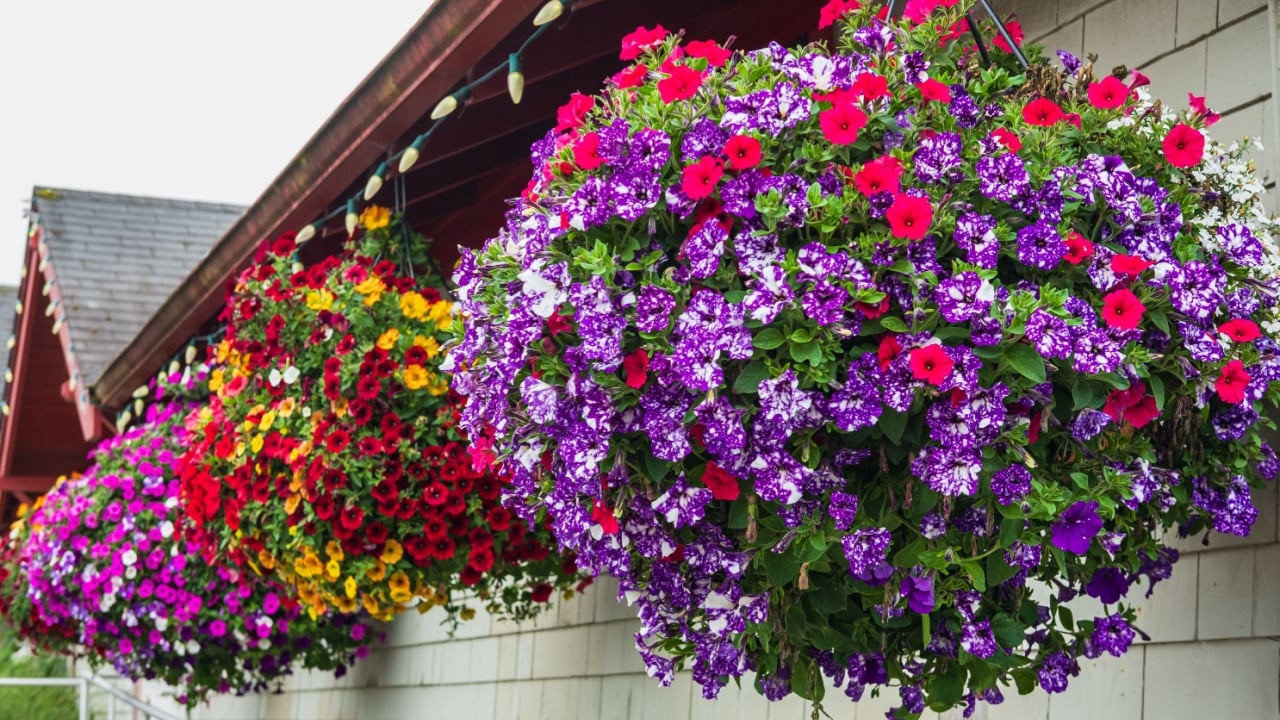
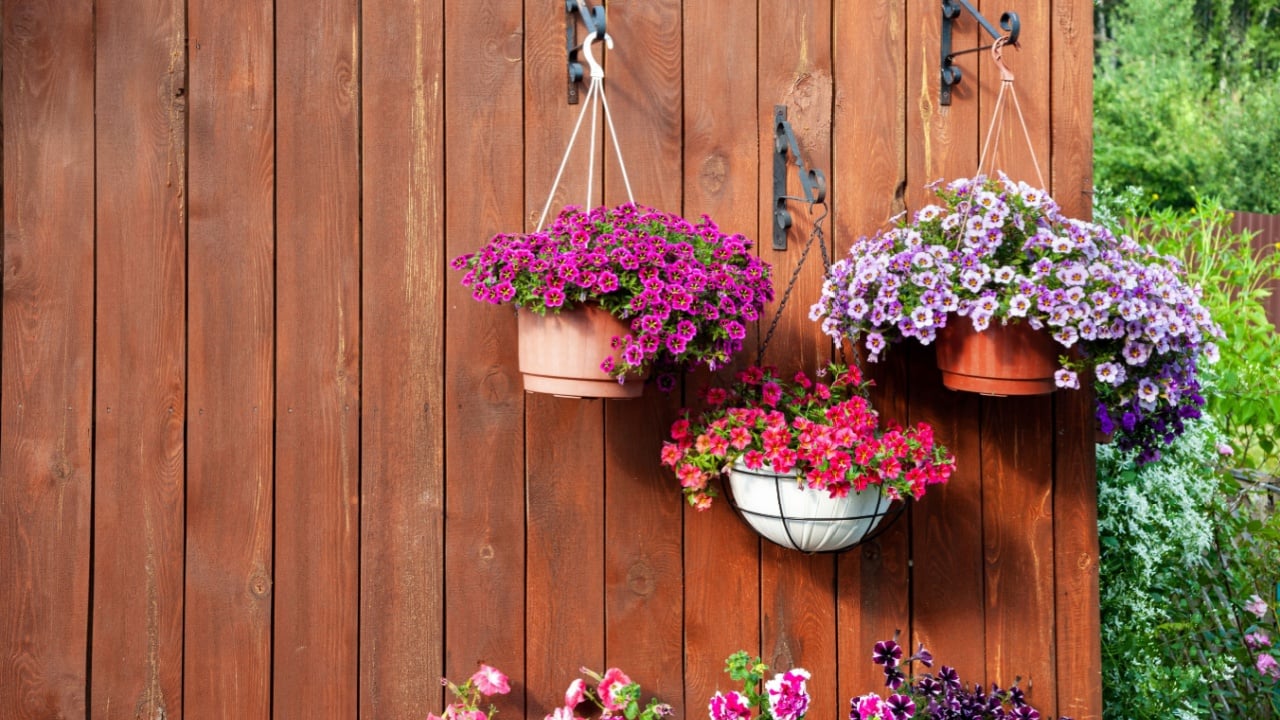
Calibrachoa looks like a miniature petunia but performs like a weed, in the best possible way. It blooms all season long without deadheading, tolerates heat well, and trails beautifully over the edges of hanging baskets and window boxes.
Sargent’s Gardens describes it as a prolific bloomer that flowers right up until the first frost, coming in a vast selection of colors and patterns. It prefers at least six hours of sun but will tolerate less. The key to keeping it happy is consistent moisture and a regular fertilizer schedule. A light trim in late season refreshes the plant and extends blooms by several additional weeks.
For gardeners who have tried and failed with other annuals, calibrachoa is frequently the turning point. It is sold under the brand name Superbells by Proven Winners and is available at most garden centers for around $6 to $9 per plant.
3. Impatiens: The Only Annual That Thrives on a Shady Porch
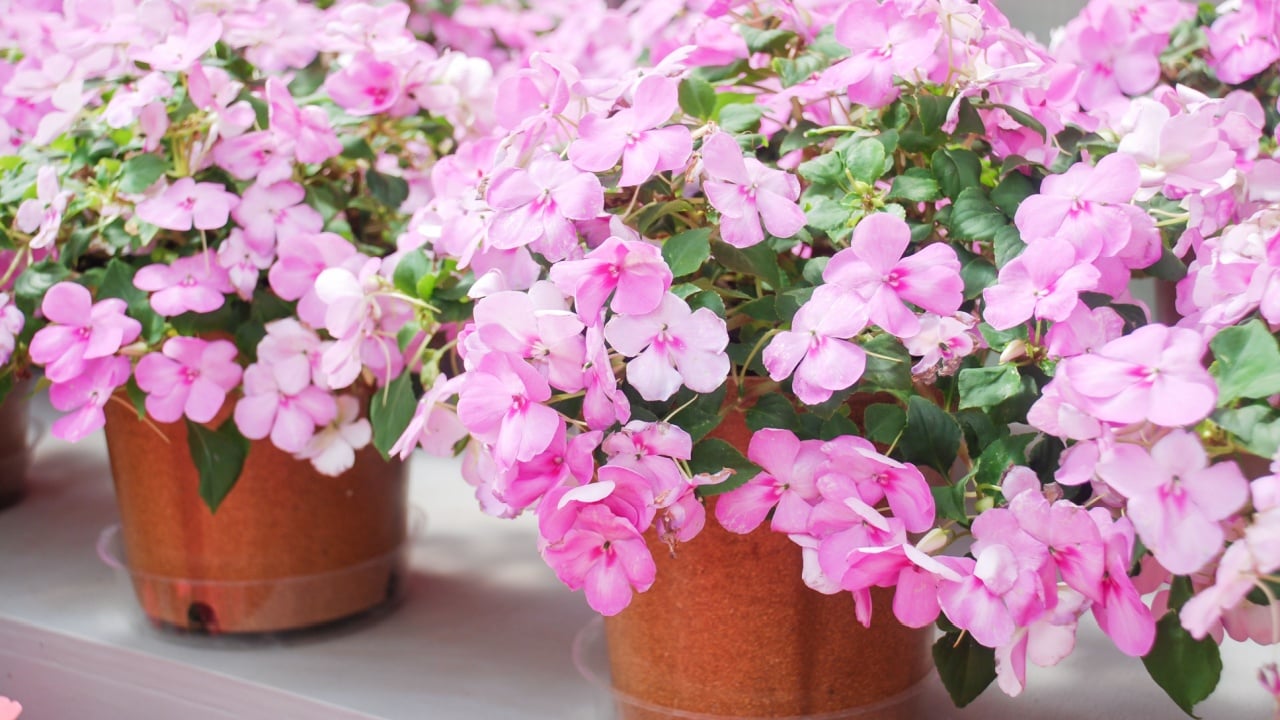
Here is the plant most gardeners with a north-facing porch do not know they need. Impatiens are one of the very few annuals that genuinely thrive in shade or partial shade — and in a shady porch situation, nothing else comes close.
Garden writer and author Mary Schier, cited in Martha Stewart Living, recommends Beacon impatiens specifically, noting they are easy to grow from seed, spread to 12 to 14 inches, and flower constantly. She uses them to edge shady beds and in containers under decks.
Modern impatiens varieties like the Rockapulco series from Proven Winners feature double blooms in rose, coral, purple, and red, with minimal care requirements: a shady spot, consistent moisture, and a bit of fertilizer. That is the entire checklist.
One important caution is to choose varieties with verified downy mildew resistance, as older impatiens lines have been susceptible to this fungal disease. Beacon and SureFire begonias are recommended as alternatives in affected areas.
4. Zinnias: The $3 Seed Pack That Outperforms $30 Worth of Nursery Plants
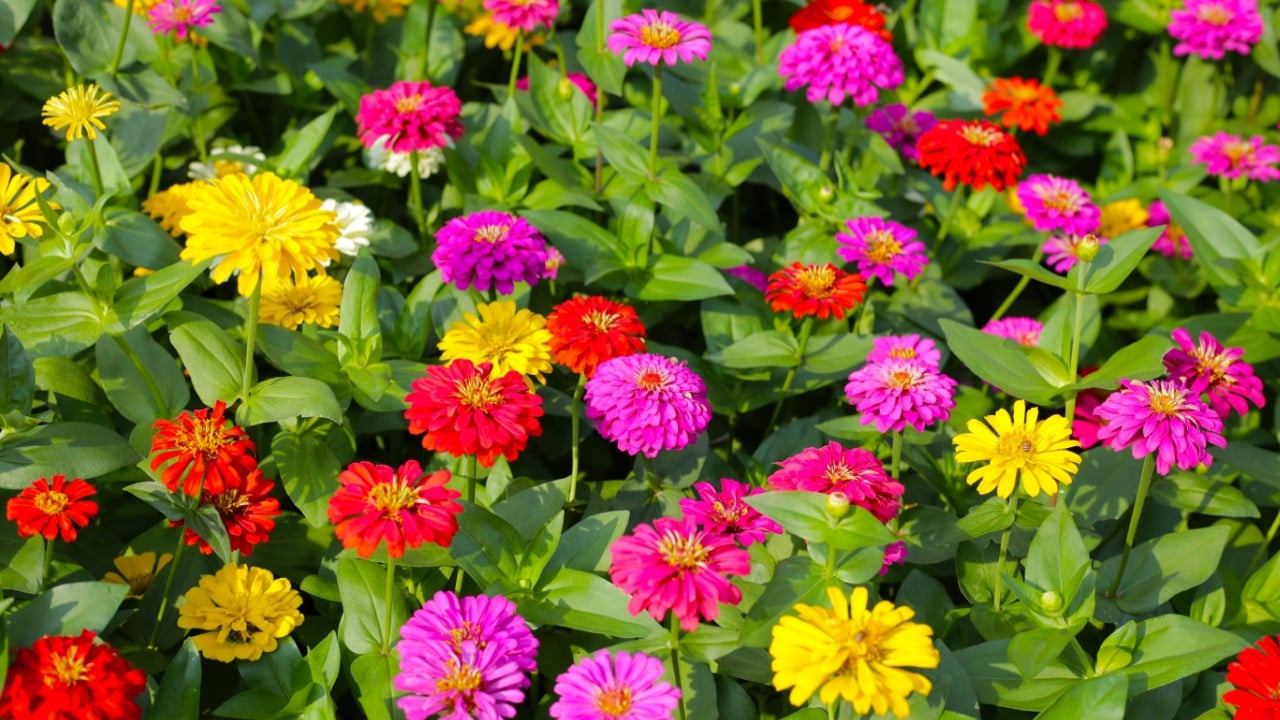
No annual delivers more color per dollar than the zinnia. A single $3 seed packet of Profusion zinnias contains enough seed to fill multiple containers, and the plants will bloom from early summer through the first frost with almost no maintenance.
Master gardener Dick Zondag recommends Profusion zinnias for their many colors and low-growth habit. As he told Martha Stewart Living, new flowers tend to cover spent blooms, so the container always looks fresh, and it blooms from summer through fall with little maintenance necessary.
For porch use, compact zinnia varieties like Profusion (14 to 18 inches tall) are ideal. Full sun is non-negotiable; zinnias planted in less than six hours of direct light will stretch, flop, and produce fewer blooms. Water at the base, not overhead, to prevent powdery mildew.
5. Marigolds: The One Annual That Does Double Duty
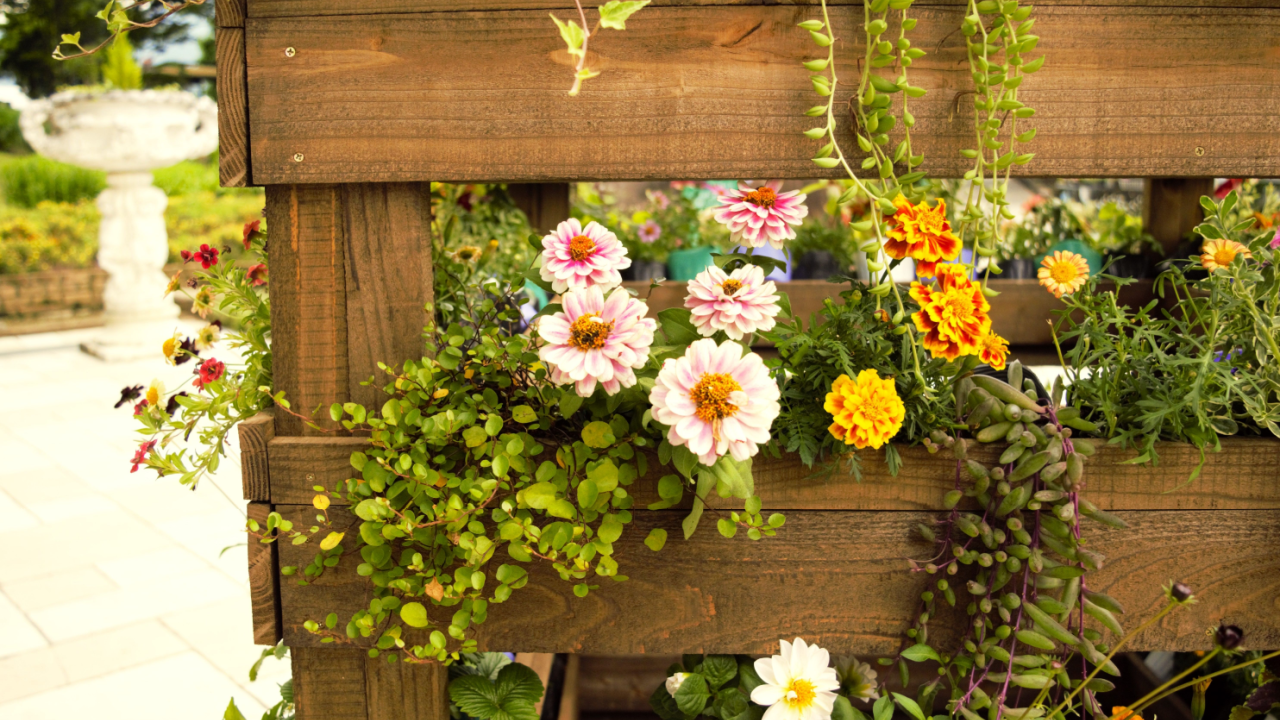
Marigolds are one of those annuals your grandmother probably grew, and it turns out she knew something most modern gardeners have forgotten. Beyond their cheerful orange and yellow blooms, marigolds are one of the most effective pest deterrents in the container garden.
According to Martha Stewart Living, marigolds come in a range of colors, including white, yellow, red, and even blue or purple. They grow easily from seed, tolerate full sun, and deer and rabbits tend to leave them alone. Their strong scent also deters aphids, whiteflies, and certain nematodes that attack neighboring plants.
For a porch with children or pets, marigolds are among the safer annual choices; unlike some popular porch plants, they are non-toxic and edible. Plant in full sun, keep soil moderately moist, and deadhead spent blooms to extend flowering through late fall.
6. Angelonia: The Annual That Laughs at Summer Heat
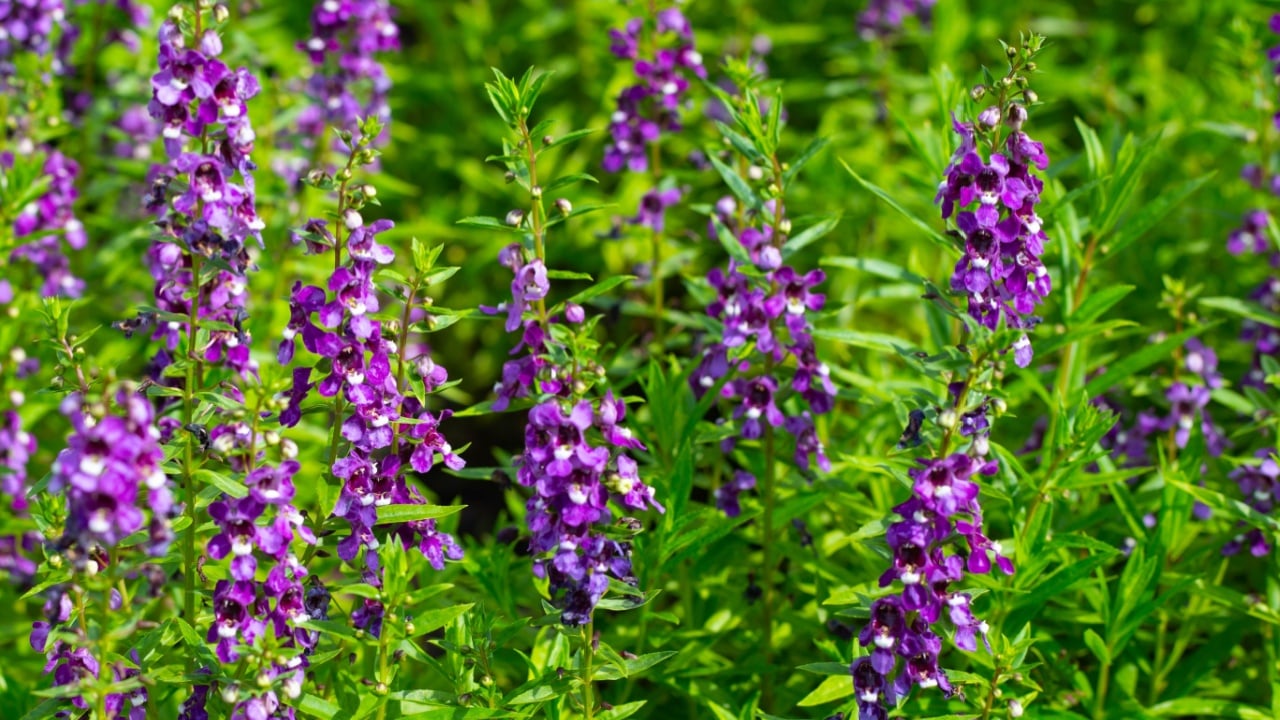
Most annuals struggle in intense summer heat. Angelonia, sometimes called the summer snapdragon, was practically designed for it. With vibrant spikes of blue, purple, pink, or white flowers, it grows well in sunny locations and is not fazed by hot and humid weather.
Proven Winners describes Angelonia as a dream come true for busy gardeners, requiring only a bit of fertilizer or compost and providing beautiful blooms all summer long without deadheading. It is particularly well-suited to south-facing porches that bake in afternoon sun, where more delicate annuals quickly fail.
Angelonia pairs exceptionally well with trailing calibrachoa in the same container; the vertical spikes of angelonia contrast beautifully with the low-spreading habit of calibrachoa, creating a professional-looking display that holds up through the hottest weeks of summer.
7. Sweet Alyssum: The Fragrant Filler That Prevents Empty Pots
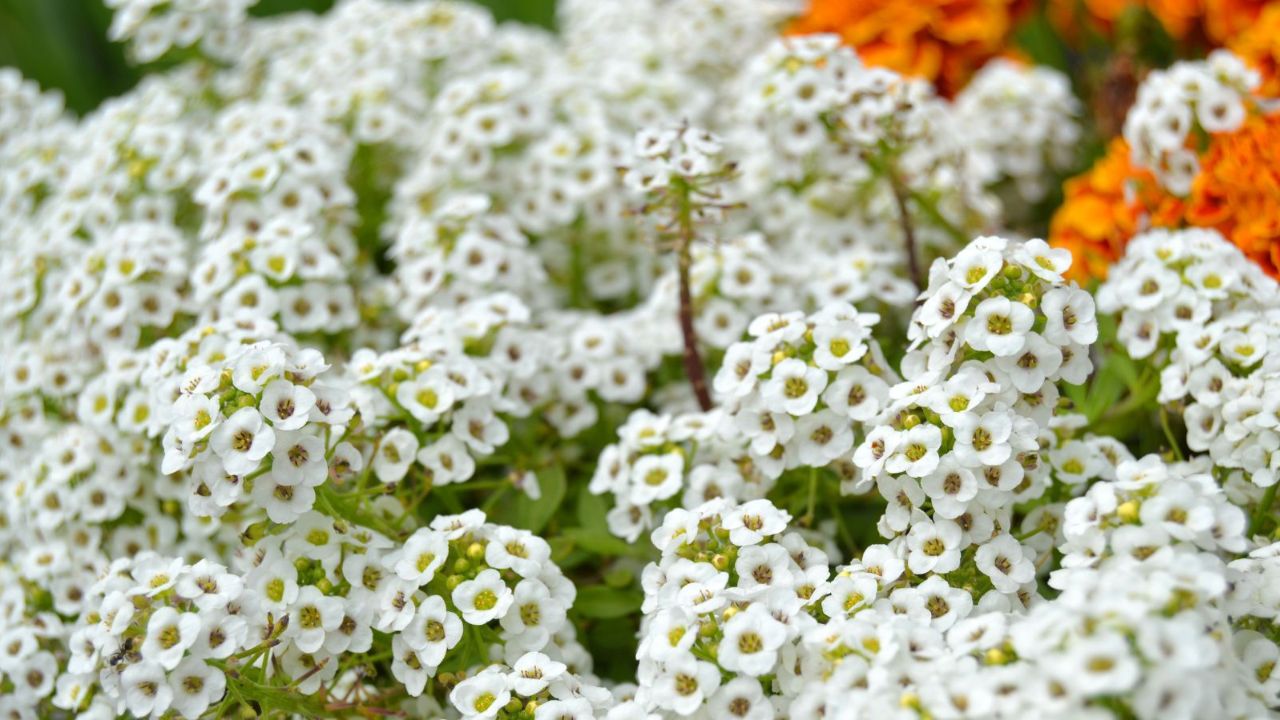
Sweet alyssum is the plant most experienced porch gardeners reach for when they need a filler that works in any situation. It is low-growing (four to eight inches tall), fragrant, cold-tolerant, and blooms all summer with almost no care.
Proven Winners describes their Prince and Knight alyssum varieties as vigorous, cold-tolerant, all-summer blooming plants that require no special care. Despite standing only four to eight inches tall, they can grow up to four feet across, trailing spectacularly from hanging baskets and combination planters.
Zondag describes sweet alyssum as a very low-growing annual that can cover an area in a very short period, adding beauty despite its small size. It is typically among the least expensive annuals available (often under $4 per plant) and seeds are even cheaper, running around $2 to $3 for a packet that will fill a large container.
8. Pentas: The Hummingbird Magnet That Never Stops Blooming
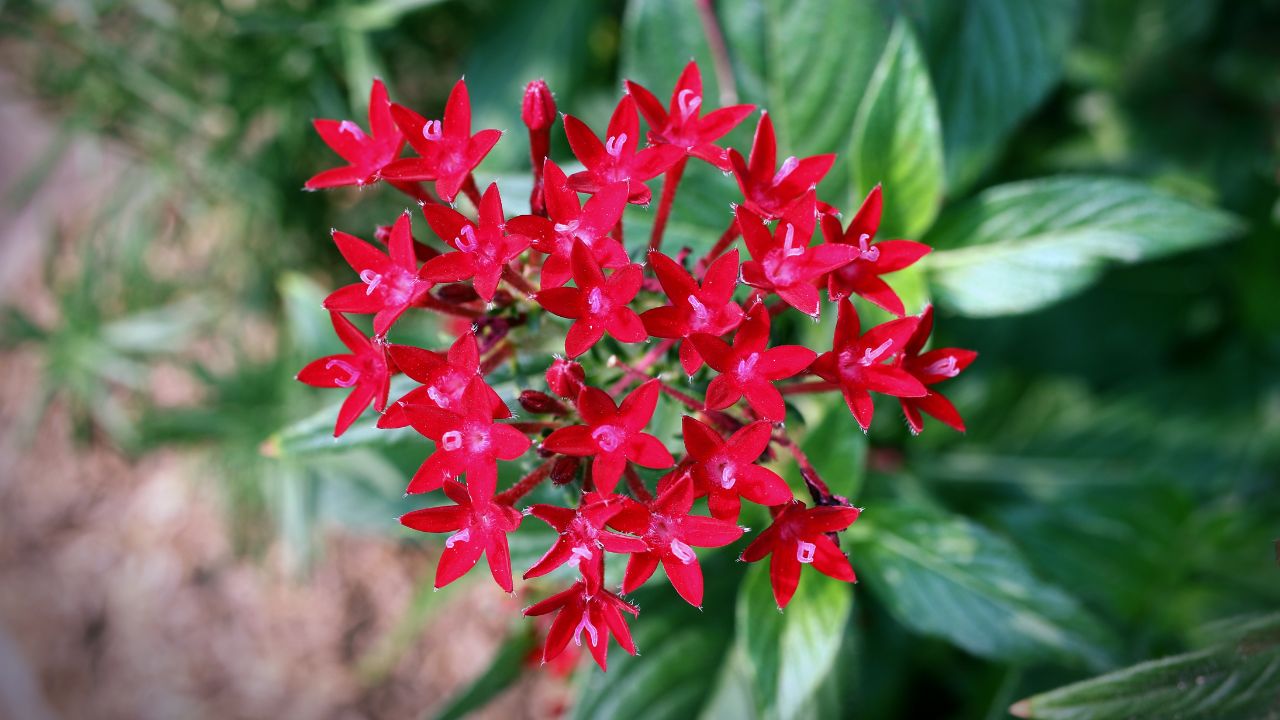
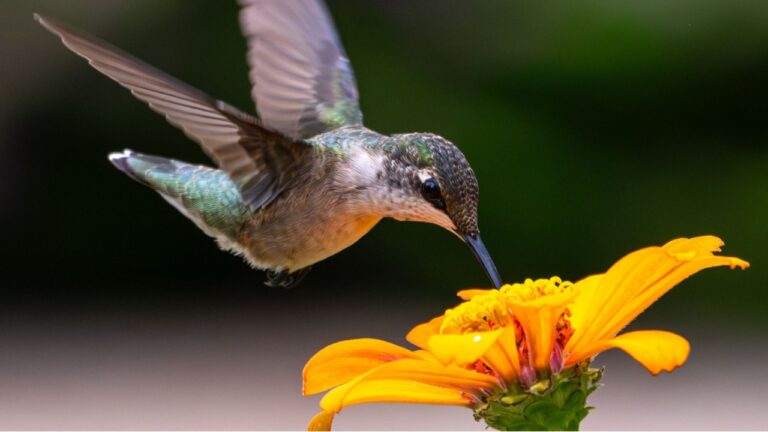
If you want a porch plant that starts conversations, pentas (also called Egyptian star flowers) are it. Their densely packed clusters of star-shaped blossoms attract butterflies and hummingbirds from across the yard, and they bloom continuously from planting until frost.
Garden Design describes pentas as native to tropical East Africa, which explains their impressive heat and humidity tolerance. They grow one to two feet tall, produce flowers in shades of pink, magenta, lavender, red, and white, and require no deadheading for continual bloom, though removing spent clusters does encourage more vigorous flower production throughout the season.
For gardeners in USDA hardiness zones 10 to 11, pentas can even be brought indoors in fall and overwintered as a houseplant, effectively converting a $7 annual investment into a perennial that pays for itself over multiple seasons.
The One Container Mistake That Kills Every Plant on This List
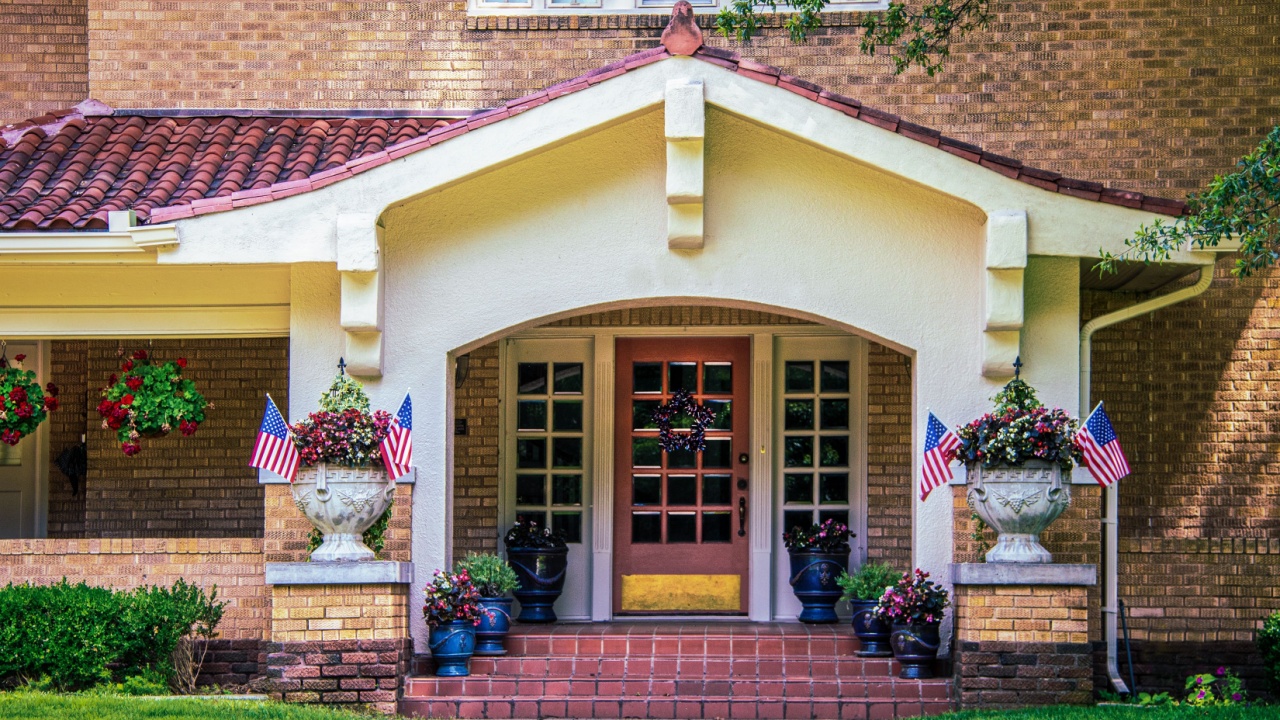
Even the most resilient annuals will fail in one common scenario: a pot without drainage holes. When water pools at the bottom of a container, roots suffocate and rot within days, and there is no recovery from root rot. Every container used for porch annuals must have drainage holes at the bottom, no exceptions.
Container gardening expert sources cited by Homes and Gardens confirm that drainage holes are the single most critical structural element of any container planting. Without them, even the toughest annuals from this list will decline within one or two heavy rains.
If you have a decorative container without drainage holes, the fix is simple: plant your annuals in a plain nursery pot with drainage, then set that pot inside the decorative container. This preserves the look without sacrificing the plant.
The best porch is not the one with the most plants; it is the one where every plant chosen was chosen correctly. Pick two or three annuals from this list based on your porch’s sun exposure, spend under $30, and you will have color from now through October. Your neighbors will ask what your secret is.
Read more:
7 perennial planting mistakes to stop making right now
How to Grow Zucchini Vertically: 7 Steps That Save Space and Double Your Harvest