Homeowner’s Dyson Vacuum Catches Fire While Charging Behind Kitchen Door
A cordless vacuum is supposed to make cleaning the house easier, but one New York homeowner discovered how dangerous the appliance could become when it suddenly caught fire. The Dyson vacuum was hanging behind a closed kitchen door, where its rechargeable battery ignited while the homeowner was eating dinner nearby.
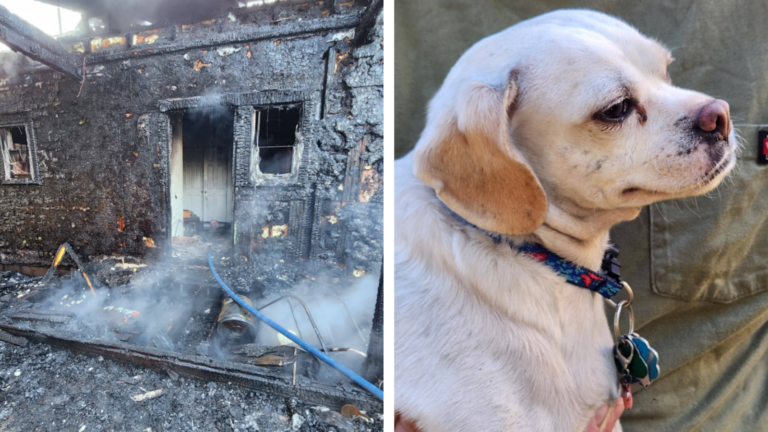
The fire broke out Monday, November 16, at a home on Graffunder Drive in Menands, just outside Albany. The homeowner grabbed a fire extinguisher and managed to stop the flames before they spread, although the incident left burn marks in his kitchen and hallway.
Speaking with WNYT, the homeowner explained how fortunate his timing had been. If the fire had started an hour earlier or later, he might not have noticed it quickly enough to prevent more serious damage. Fortunately, nobody was injured.
The incident has raised concerns about lithium-ion batteries, particularly those used in everyday household appliances. From cordless vacuums and power tools to rechargeable lawn equipment, these batteries are increasingly common around the home. Fire officials are warning residents to pay closer attention to where they charge and store them.
A Close Call at Home
Embedded media follows; please allow a moment to load.
The Menands Fire Department responded to the property after receiving a report of a fire involving a lithium-ion battery. According to the West Albany Fire Department, which assisted at the scene, investigators traced the incident to a battery pack associated with the Dyson cordless vacuum.
WNYT’s video report showed the damage inside the house, including burn marks in the kitchen and hallway. Some of those marks were left as the homeowner attempted to move the burning appliance outside.
Although the flames had been extinguished, firefighters still had work to do. West Albany crews placed the damaged batteries into a specialized containment vessel to prevent additional hazards.
They also monitored the air inside the home for potentially dangerous gases. Lithium-ion battery fires can release toxic fumes, meaning the danger isn’t necessarily over when the visible flames disappear.
Fire recovery workers were at the property the following day, cleaning up the remaining damage. The home escaped significant structural damage, but the incident demonstrated how quickly an ordinary household appliance can create an emergency.
Hidden Household Risks
Many homeowners prefer cordless vacuums because they can be mounted neatly on a wall or tucked inside a closet. Some models also use wall-mounted charging docks, allowing the battery to recharge between cleaning sessions.
The convenience makes it easy to overlook the charging location. A vacuum might hang near coats, paper products, cleaning supplies, or other household items that could catch fire if the battery overheats.
The U.S. Fire Administration recommends charging battery-powered devices on solid, flat surfaces and keeping them away from flammable materials. Devices should also be stored in dry, ventilated areas rather than locations where excessive heat can build up.
Charging equipment matters, too. Federal fire officials recommend using original or certified replacement chargers rather than inexpensive, uncertified alternatives that may lack important safety protections.
The Menands investigation identified the vacuum’s lithium-ion battery pack as the source of the fire. Officials have not publicly established exactly why that battery failed, so improper charging or storage should not be assumed to have caused this particular incident.
When Batteries Go Wrong
Lithium-ion batteries store substantial energy in compact packages, making them useful for appliances that need to operate without a power cord. However, damaged or defective batteries can experience a dangerous process known as thermal runaway.
During this process, heat generated inside a failing battery can trigger additional chemical reactions, causing temperatures to rise rapidly. The resulting fire can spread quickly, produce toxic smoke, and potentially reignite after the initial flames have been extinguished.
Firefighters say homeowners should recognize warning signs before a battery reaches that point. These can include unusual heat, swelling, strange odors, hissing noises, leaking, or smoke.
A battery exhibiting these symptoms should no longer be used or charged. Homeowners should also avoid damaged batteries and follow the manufacturer’s instructions when replacing battery packs or charging equipment.
If a battery begins smoking or catches fire, the recommended response is to evacuate immediately and call 911. Residents should not attempt to carry a burning battery outside or fight the fire themselves.
That warning is particularly relevant to the Menands incident. Although the homeowner successfully used an extinguisher, moving a burning lithium-ion device can expose someone to intense heat, flames, and hazardous gases.
Another Fire Nearby
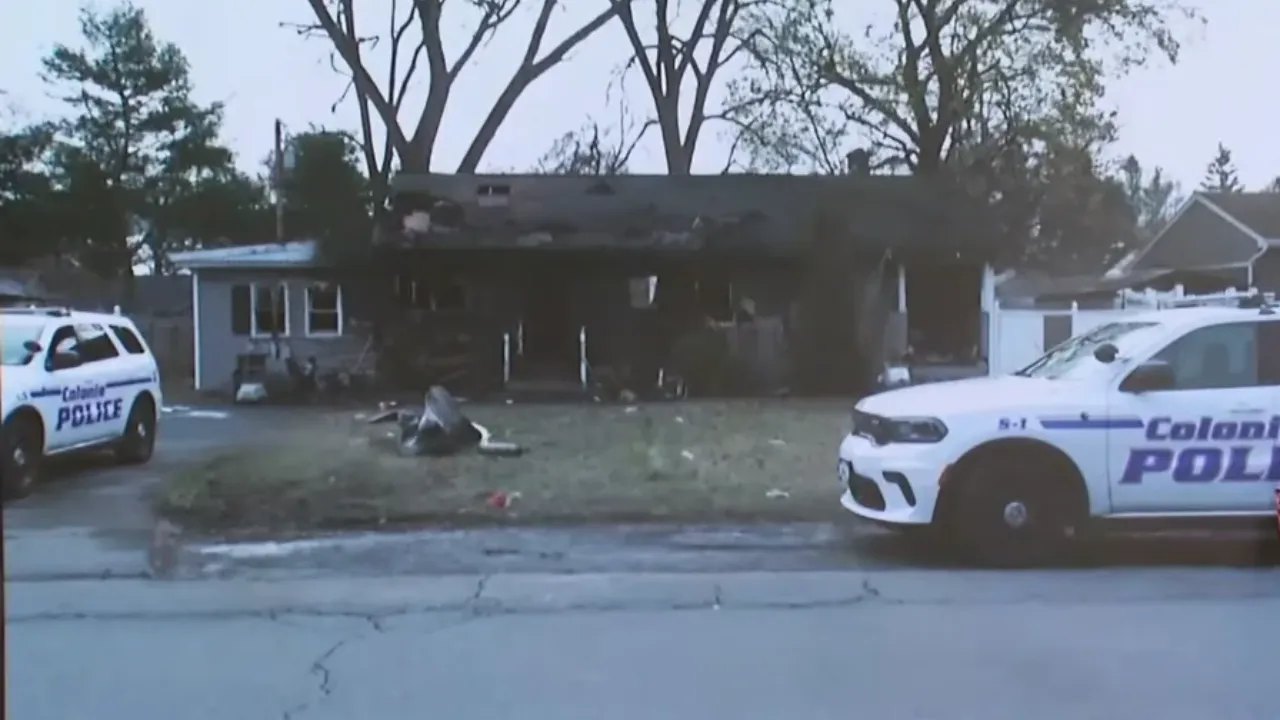
The warning comes after a devastating lithium-ion battery fire in nearby Colonie on Friday, November 13.
According to the Times Union, investigators determined that a fire on Locust Park began with a lithium-ion battery in an electric bicycle. The blaze killed a 63-year-old grandmother and her 6-year-old grandson.
Fire officials said the rapidly spreading blaze and toxic smoke created dangerous conditions that prevented firefighters from reaching the victims. A volunteer firefighter was also injured during the response.
Following the two incidents, Albany County Sheriff Craig Apple issued a public safety alert on November 17, reminding residents to follow manufacturers’ charging instructions and maintain working smoke and carbon monoxide alarms.
For households with cordless appliances, that advice extends beyond vacuum cleaners. Rechargeable drills, leaf blowers, lawn mowers, and other battery-powered equipment deserve the same attention, particularly when they are stored in garages, utility rooms, or enclosed spaces.
The U.S. Fire Administration also advises homeowners never to throw lithium-ion batteries into ordinary household trash. Used or damaged batteries should instead be taken to an appropriate battery recycling or hazardous-waste collection facility, following local handling requirements.
In Menands, the homeowner’s quick response prevented a much worse outcome. Firefighters still needed specialized equipment to contain the damaged battery and conduct air monitoring before the incident was fully resolved.