How to Save Snow-Damaged Trees and Shrubs After Winter Storm Hernando
Walking into your yard after Winter Storm Hernando may have felt like stepping into a different landscape entirely. Bent arborvitae, cracked limbs, and browned evergreens are enough to make any homeowner panic.
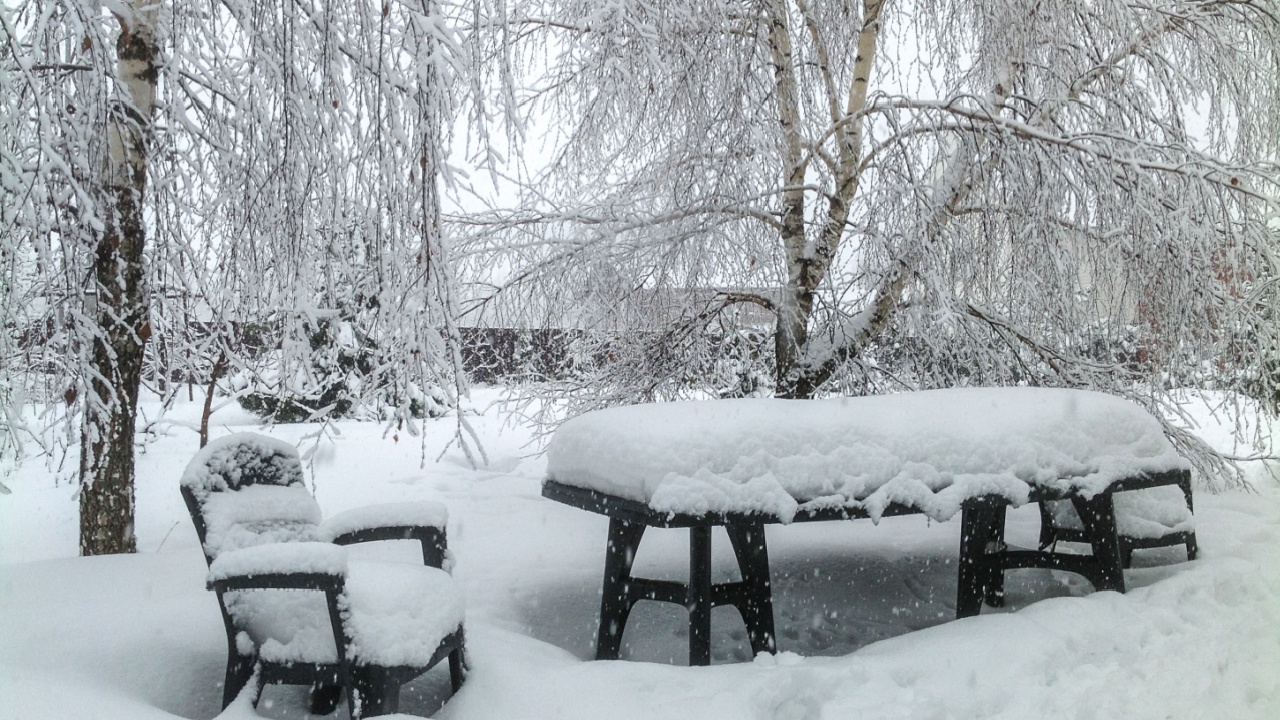
Ice and snowstorms don’t damage plants the way wind does. As Woodland Tree Service explains, ice and snow can add weight “slowly and relentlessly,” loading branches until they bend or split.
Trees that lose less than half their crown often recover from snow and ice with little long-term impact. But once canopy loss climbs beyond 75%, survival odds drop significantly.
However, before you reach for the pruning saw, take a breath. In most cases, trees and shrubs are far more resilient than they appear.
The key to successful tree and shrub recovery after a storm isn’t speed — it’s strategy that focuses on safety and smart assessment.
1. Remove the Snow but Wait for the Ice to Melt
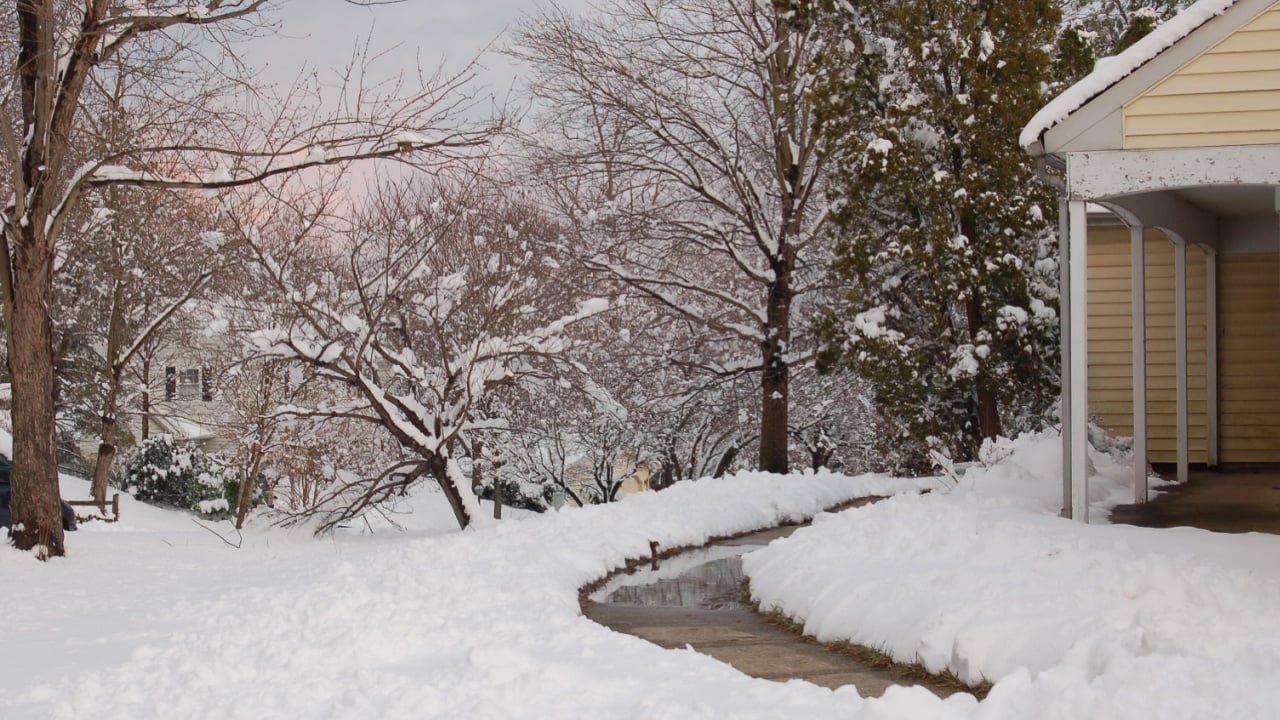
It’s tempting to knock ice off branches, but as Gardener’s Supply advises, “Don’t try to remove ice from brittle branches after an ice storm; you’ll likely do more damage than good.” Ice should melt naturally.
If soft or heavy snow is present, gently brush it upward from the bottom of shrubs and on trees to remove it. Never vigorously shake frozen limbs; cold wood is brittle and prone to snapping.
2. Evaluate Crown Loss and Trunk Damage
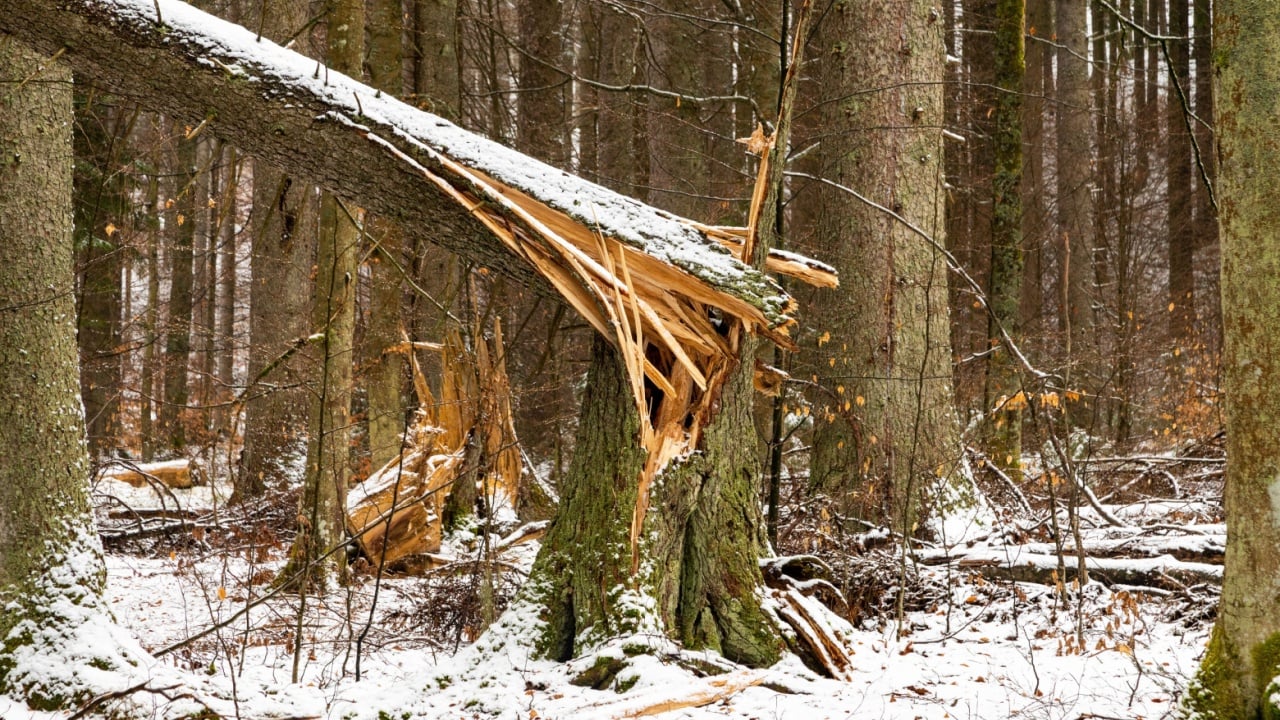
Stand back and assess:
- Under 25% canopy loss: Very likely full recovery.
- 25–50% loss: Slower regrowth, but promising.
- Over 75% loss: Consider professional evaluation.
Pay close attention to the trunk. Vertical splits, exposed wood, or cracks at major branch unions matter more than scattered limb breakage. Larger structural damage warrants calling a certified arborist. Professional cabling, bracing, or corrective pruning may help salvage certain trees, but only when done correctly.
3. Remove Immediate Hazards (What to Prune Now vs. Later)

Go ahead and remove:
- Broken, dangling limbs
- Branches resting on structures
- Clearly snapped wood
Make clean cuts just outside the branch collar. According to Shawn Banks of NC State Extension, leaving the branch collar intact helps wounds seal more effectively.
Try to avoid over-pruning. Trees rely on their remaining canopy as an energy factory to compartmentalize wounds and push new growth.
4. Why Patience Protects Recovery
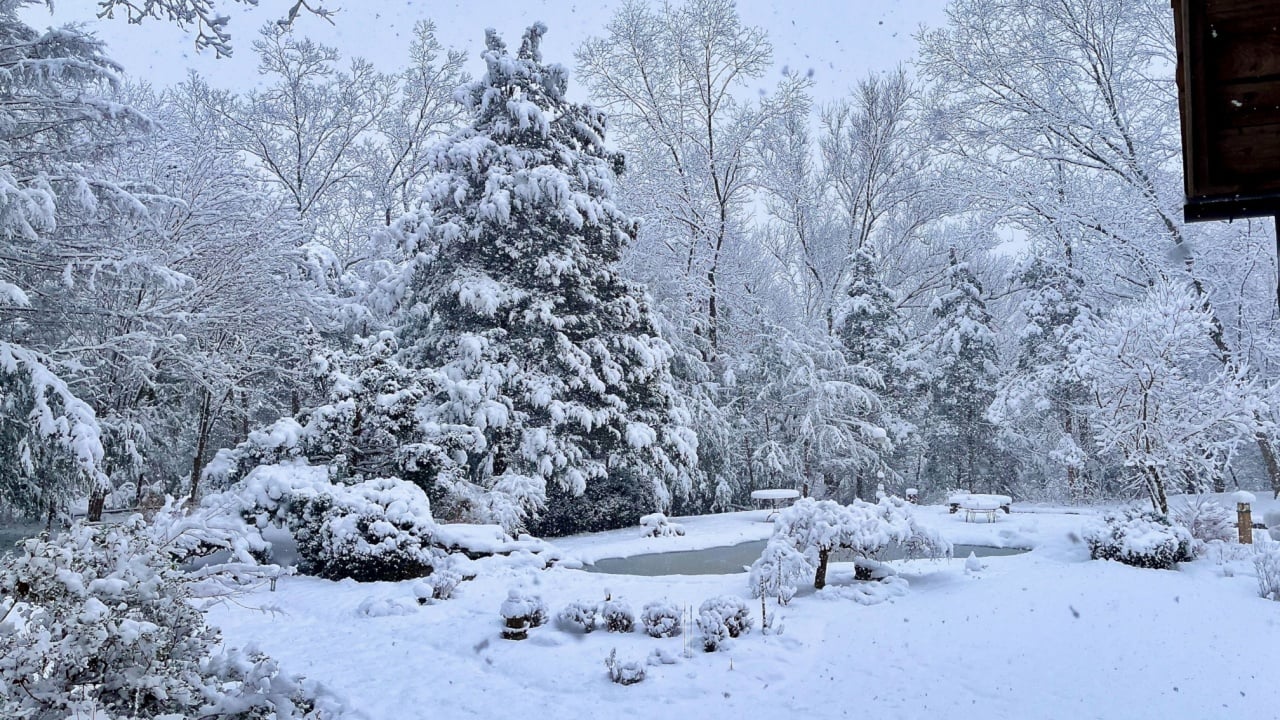
Many bent branches will straighten within days or weeks as temperatures rise. Arborvitae and junipers often splay dramatically but rebound. Evergreens that appear burned may flush out again in spring.
Brandee Gruener of Southern Living advises homeowners to “wait until new growth appears in late winter or early spring before you do extensive pruning.” Buds frequently emerge on branches that initially look lifeless.
So resist the urge to reshape your trees immediately. Just because they look uneven today doesn’t mean they’re ruined tomorrow.
What to Expect This Spring and Summer
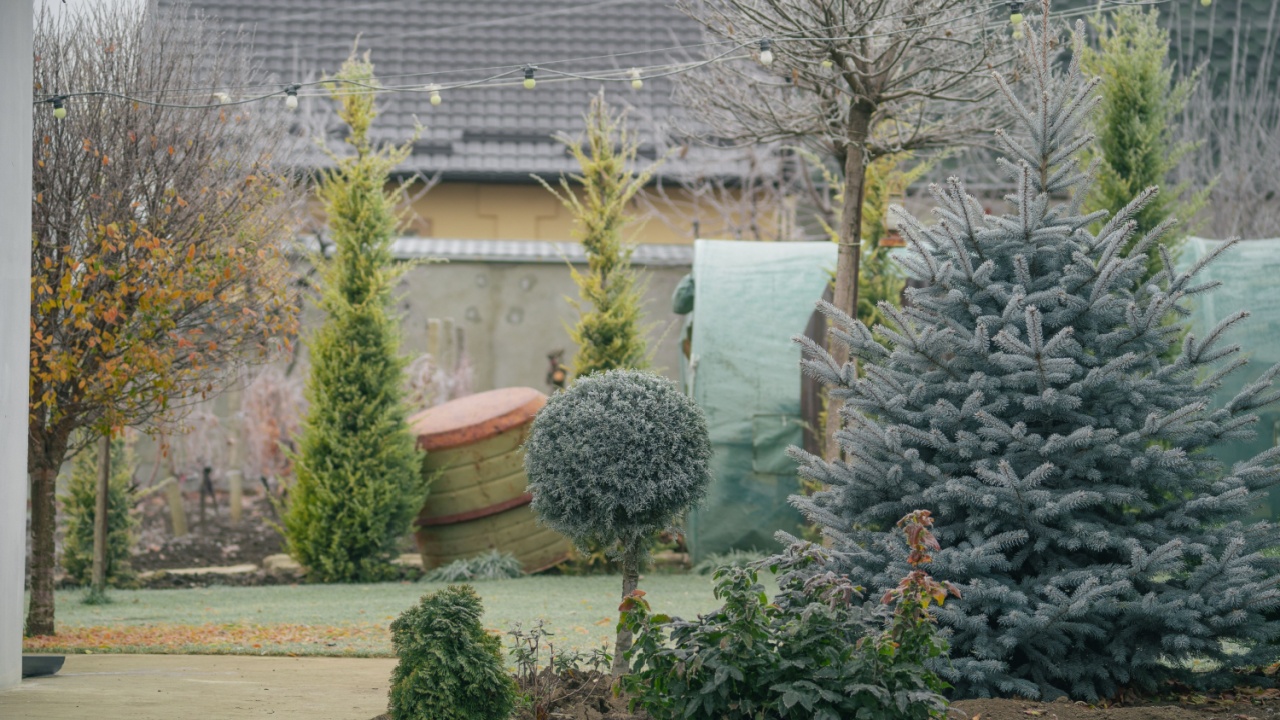
Recovery is measured in seasons, not weeks.
Some trees may take one to two growing seasons to regain symmetry. Shrubs that are heavily pruned may skip a bloom cycle. A lopsided silhouette now may fill in surprisingly well by midsummer.
Monitor for delayed issues such as progressive dieback, premature fall color, or mushrooms at the base. These are all signs that internal decay may be developing.
But remember: most trees that bend without breaking regain their structural strength.
Winter Storm Hernando delivered a shock to landscapes across the region with record-breaking snow. Yet with steady assessment, restrained pruning, and thoughtful aftercare, your trees and shrubs have every chance to recover.