Is It Time to Order Seeds for Next Year’s Garden? Yes. Don’t Make These 9 Mistakes
The best tomato you’ll grow next August may already be selling out, and most gardeners haven’t even opened their first seed catalog.
That sounds dramatic for the middle of November, but the seed business doesn’t run on garden time. Most catalogs land between Thanksgiving and the week after Christmas, according to garden expert Joe Lamp’l of joegardener, and by the time the rest of us get serious in February, the heirloom tomatoes, sweet peppers, and buzzy new varieties are often marked “out of stock.” Worse, the late scramble pushes shoppers toward bargain websites that look American, ship from overseas, and send seeds that don’t meet federal import rules. The government says the person who clicked “buy” is the one responsible.
The payoff for getting this right is real money. The National Gardening Association has long estimated that a typical food garden costing about $70 to plant can produce more than $600 worth of vegetables. Lose your first-choice seeds, buy duplicates of what you already own, or waste a season on duds, and that return shrinks fast. Right now in November, you have the one thing January shoppers don’t: time.
So is it time to think about ordering seeds for next year’s garden? Absolutely. But before you fill a cart, it pays to know the habits that quietly cost gardeners money, harvests, and occasionally a run-in with federal regulators. Here are nine to drop now, starting with the one almost everyone makes.
1. Stop Waiting Until January to Order Seeds for Next Year’s Garden

Seed companies feel the rush long before spring. Staff at Fedco Seeds told Hello Homestead that January is their busiest month, and Epic Gardening notes that popular varieties regularly sell out by mid-spring because many crops produce seed only once a year, while floods, pests, and hurricanes can wipe out a harvest. Gardenary puts it bluntly: “it’s best not to procrastinate when buying your seeds.” Worried November seed will be stale by spring? Lauren Giroux of Johnny’s Selected Seeds told Epicurious that seed arrives from both hemispheres all year and is stored in controlled conditions, so ordering early costs you nothing in freshness.
2. Never Order Before You Check the Stash You Already Own
The Old Farmer’s Almanac, which has guided gardeners since 1792, tells readers to inventory leftover seeds before buying anything, to avoid duplicates and weed out duds. That faded “packed for” year isn’t a deadline, either; Northern Gardener points out, “that date is not an expiration date.” Per the Almanac’s chart, onion and parsnip seeds should be replaced after a year, while tomato seeds last about four. If you’ve gardened for 20 years, that drawer may hold a small fortune. Not sure what’s still good? Roll ten seeds in a damp paper towel, bag it, keep it warm, and count sprouts after about a week; eight or more means you’re set. The most expensive seed packet you’ll ever buy is the one already sitting in your drawer.
3. Stop Buying Seeds From Overseas Bargain Sites (Federal Rules Apply to You)
Most home gardeners never hear this: according to the USDA Animal and Plant Health Inspection Service, if you order seeds from another country online, “you are considered an importer and most likely need a permit.” The agency is clear that the buyer, not the seller, is responsible for meeting import rules, and many seeds require a permit plus a phytosanitary certificate proving they are pest-free. Here is the surprising part: APHIS estimates that about one-third of problem seed shipments were ordered on purpose from websites that appear U.S. based but are actually run overseas. Before you check out, confirm the company ships from a U.S. address and lists where its seed comes from.
4. Never Plant Mystery Seeds That Show Up in Your Mailbox
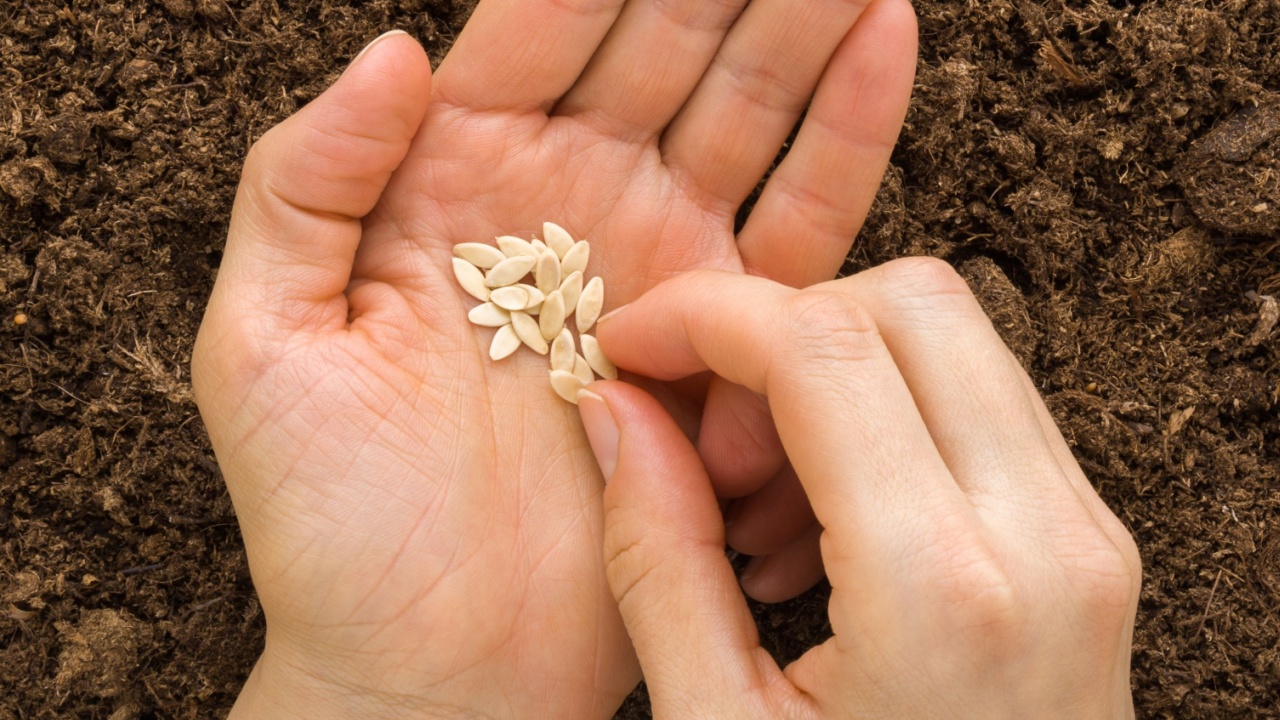
Unordered seed packets still arrive, sometimes tucked in with a legitimate order. Penn State Extension warns that improperly imported seed can introduce “invasive plant species, insect pests, and plant pathogens.” Don’t plant them, compost them, or toss them in the trash. Seal them in a bag, freeze them, keep the packaging, and report them to your State Plant Health Director. Remember, an invasive vine doesn’t respect property lines; whatever sprouts in your bed can become your neighbor’s problem, and nobody wants to be the yard that started it.
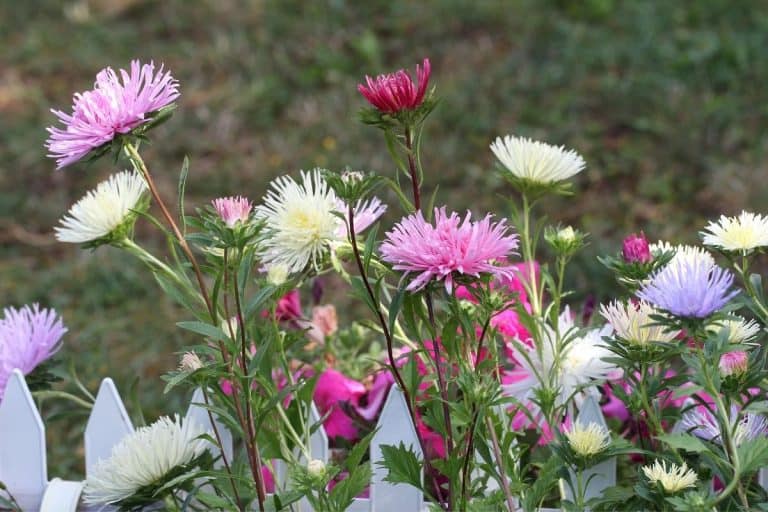
5. Stop Falling for Rainbow Roses and Blue Watermelons
One fake rainbow rose seed listing sold 37,271 times on eBay before the seller was banned, according to 404 Media reporting summarized by AI Weekly. AI-generated photos now make impossible plants, from purple teddy bear sunflowers to glowing strawberries, look completely real. Casey Hentges of Oklahoma State University Extension cautions that these sellers grab attention, but “often they’re just selling magic beans.” If a flower looks like a cartoon, it is one.
6. Don’t Leave Treated Seeds Where Kids and Pets Can Reach Them
Packets labeled “treated” contain seed coated with a pesticide, usually in a brightly dyed dust or clay, according to the National Pesticide Information Center. That candy colored coating is exactly the problem. NPIC advises keeping treated seed away from children, “who may be attracted to the bright colors,” and cleaning up spills so wildlife won’t eat them. If grandkids visit or your dog eats anything that hits the floor, store treated seed up high in a sealed container, never in the snack drawer.
7. Stop Buying With Your Eyes Instead of Your Garden Plan
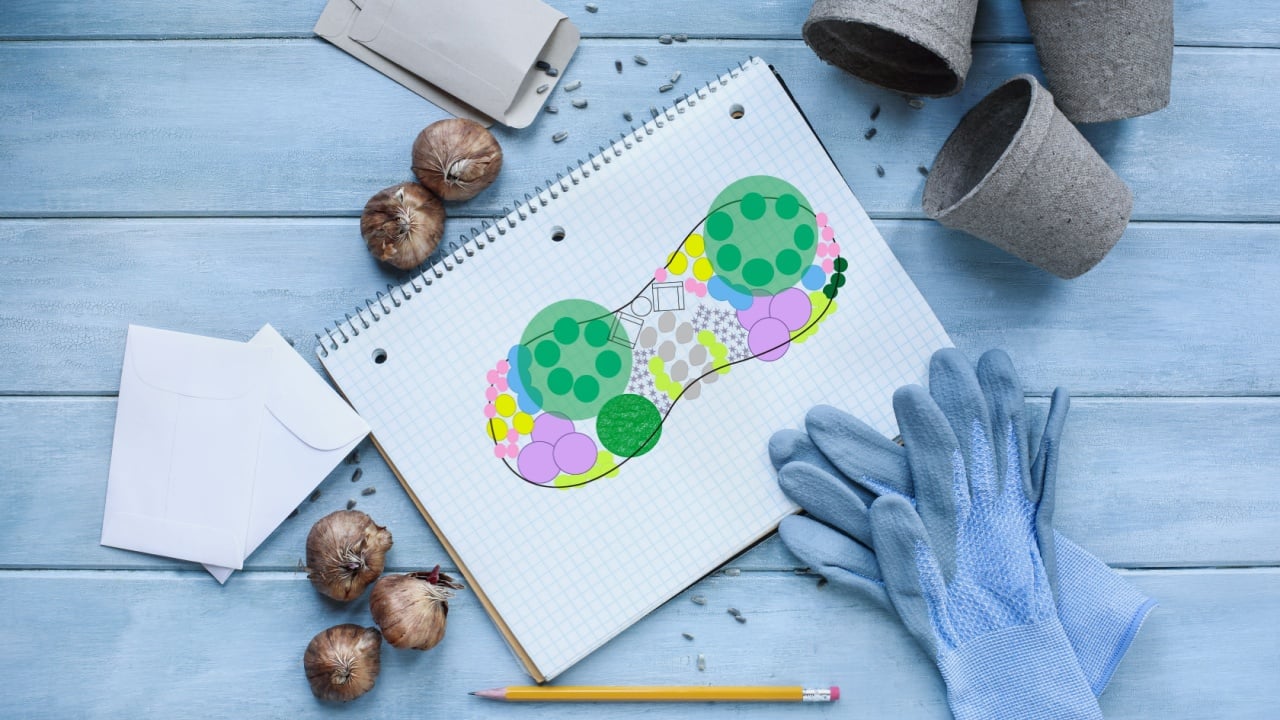
Catalog photos show varieties grown in ideal conditions by professionals, which is why Lamp’l of joegardener warns, “Don’t make the mistake of just buying with your eyes.” One North Carolina gardener at The Unexpected Gardener admitted buying 17 tomato varieties for a small suburban HOA yard and vowed to cut back to four or five. Start with your frost dates, your square footage, and what your family actually eats. For gardeners in their 50s and 60s, restraint pays twice: fewer trays of seedlings to tend and fewer extras dying on the patio in May.
8. Stop Paying Shipping Twice (and Ignoring the Bulk Math)
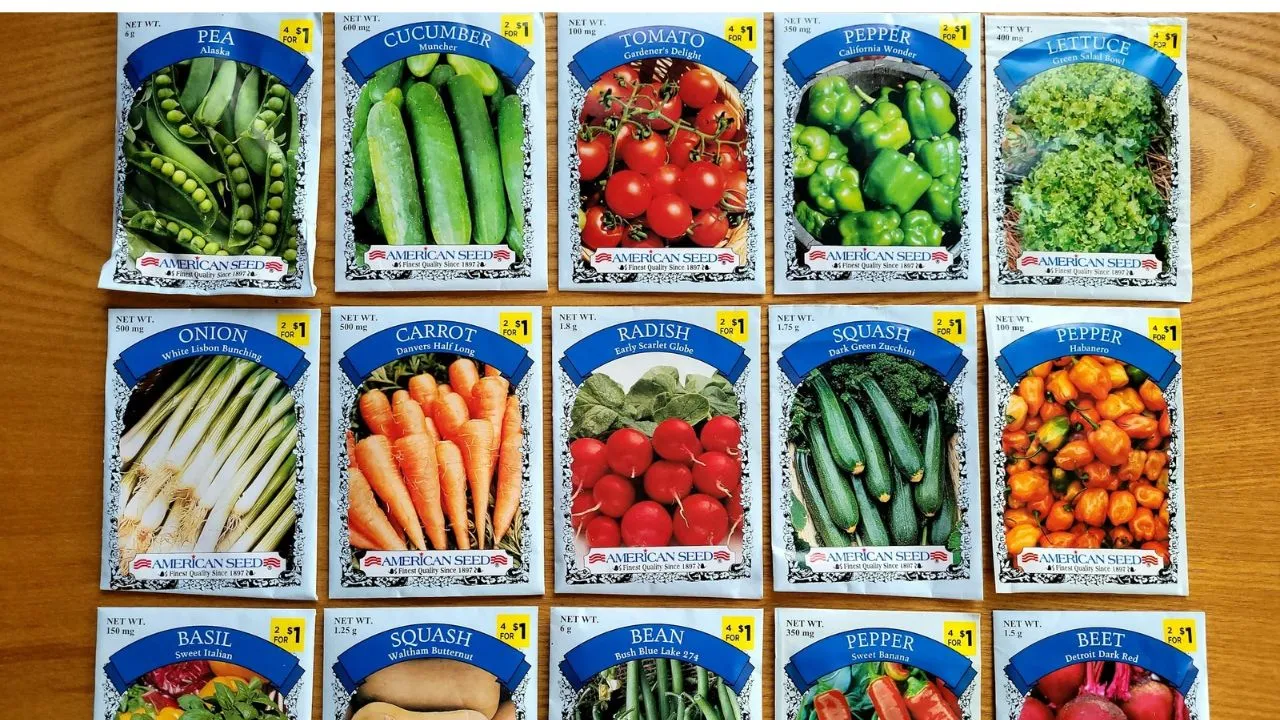
Seeds get cheaper by the handful. Lamp’l notes a variety that costs $2 for 20 seeds may cost just $3 for 100, and placing one combined order, herbs and flowers included, means paying shipping once. Split a big order with a gardening friend, as Gardenary suggests, and you split the shipping too. Patient shoppers win too: Mavis of One Hundred Dollars a Month bought 104 seed packets for about $150 shipped during an end-of-season sale, roughly $1.44 a packet. Since garden writer Charlie Nardozzi, writing for the National Gardening Association, notes a 600 square foot plot “costs only about $70 to plant,” every dollar saved on seed stretches that return further.
9. Stop Storing Seeds in a Warm Kitchen Drawer
Heat, light, and humidity are what kill seeds. Nick Libby of Johnny’s Selected Seeds told Hello Homestead he keeps his in a shoebox in the basement, ideally between 40 and 50 degrees; your grandmother’s cool cellar had it right all along. For longer storage, use an airtight jar with a silica gel packet in the fridge or even the freezer. The catch is letting the jar warm to room temperature before you open it, because, as One Hundred Dollars a Month explains, “it is not the cold that is the enemy here, it’s the moisture.” Stored that way, Mavis reports her frozen seed keeps for 10 years or more.
Your November Seed Plan
This weekend, pull out every packet you own, toss the onions and parsnips older than a year, and run a quick paper towel test on anything questionable. Then build a short list around what you eat and the space you have. Order your must-haves now, especially heirloom tomatoes, peppers, and anything new that caught your eye. Author Rhonda Kaiser told The Spruce that seed companies “distribute their complete catalogs of seeds during early winter,” and she urges ordering heirloom and hard-to-find seeds before vendors run out. Fill the gaps for free at a library seed library or local seed swap, both of which joegardener recommends, and buy only from established U.S. seed companies you or your gardening friends already trust.
Every gardener knows the pull of a fresh catalog. A gardening columnist for the Ozaukee Press joked that “it is biologically impossible to not end up with way too many seeds,” and that’s part of the fun. The real villains are waiting too long, buying what you already own, and trusting a website that’s too good to be true. Fix those three now, in November, and next summer’s harvest starts with the right seeds, safely stored, at a fraction of the cost.
Read More
The 7 Best Garden Items to Thrift This Fall
9 Smart Ways to Save Money in the Garden Before Fall Ends