15 Signs You Grew Up a True ’60s Hippie Kid
If the 1960s had an emblem, it would, of course, be the hippies. The hippie movement was the era’s defining trend as people rebelled against the status quo and sought to create a more liberated and inclusive society for all.
Like any rebellious movement, the hippies rejected conventional values and embraced the foundational concepts of peace, love, and freedom. Although they may not have been the leadership’s favorite group, the hippies left a lasting mark on history through their distinctive lifestyle, activism, and artistic expression.
What did it mean to be a hippie? Let’s reveal what it meant to be part of the movement that inspired generations. Here are 15 signs someone grew up in this hippie era.
1. You Kept Hair Long

The 1960s weren’t particularly an era when people shaved clean, but letting manes grow wild was one of the most visible signs of being a hippie. Men and women grew their hair long as a symbol of rebellion against societal norms and an expression of freedom and individuality.
You knew you were a hippie if your relationship with the razor was broken. Some governments, such as Singapore, banned long hair on men due to the hippie movement
2. You Went Barefoot or Wore Sandals

The hippies not only believed in baring their souls to love and romance, but they also practically bared their souls in a quest to connect more to nature.
Hippies often went barefoot or wore Jesus sandals. This choice reflected their desire for simplicity, connection with nature, and rejection of mainstream norms.
3. You Wore Tie-Dye Clothing
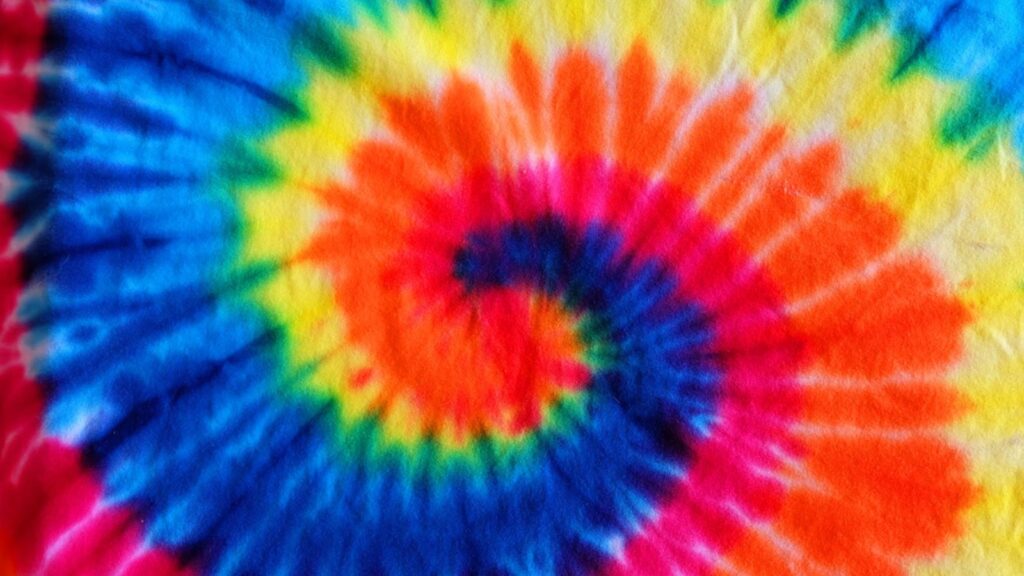
Tie-dye shirts, dresses, and other garments were popular among hippies as a way to embrace colorful designs.
The hippies were big on protesting against the establishment, and tie-dyeing was a great way to use art as a protest tool. Wearing DIY patterns that were almost impossible to duplicate was a very anti-commercial move.
4. You Loved Living Communally

Hippies frequently resided in communes or communal homes, sharing housing and resources in an atmosphere of camaraderie and assistance. What better way to embrace love and peace than to share close quarters with friends or family you love- prioritizing spending quality time over corporate culture?
Communal living was a great way to save on rent and help each other keep the heat going in places where heating relied on traditional sources like firewood.
5. You Wore Natural Fabrics

The hippie movement focused on returning to their roots and dissociating from artificial things. It demonstrated this in several ways, and its clothes were among the loudest statements.
Hippies preferred clothing made from natural fabrics like cotton and hemp, avoiding synthetic materials as part of their back-to-nature ethos. You’d know you were a part of the tram if your wardrobe had more silk than polyester, no polyester at all.
6. You Always Had Headbands
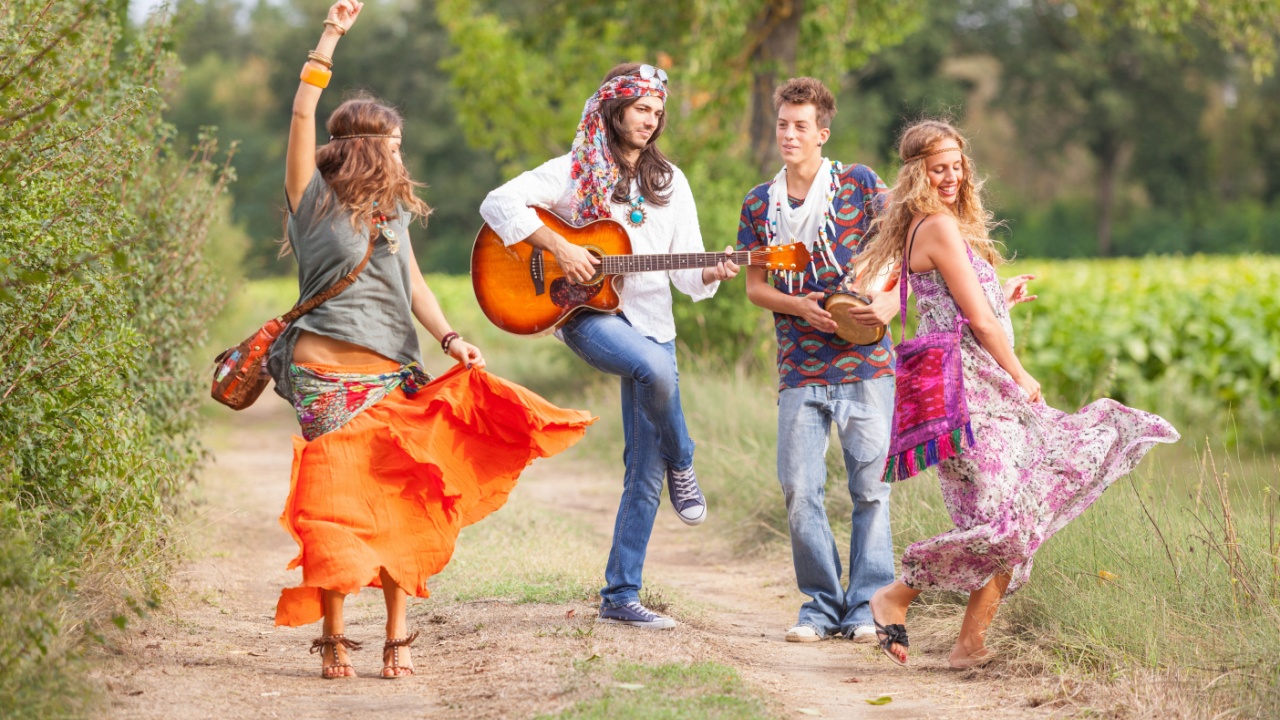
Headbands are not new; today, many people are adopting them as fashion statements or just to keep sweat away at the gym.
Wearing headbands, often adorned with flowers or beads, was also a common fashion choice among hippies, symbolizing peace and unity. Plus, it was practical to keep their long hair out of their faces.
7. You Joined the Anti-War Activism

The anti-war activism on social media today would make the hippies very happy, although the confusion on who started what war would be a little upsetting.
Hippies were vocal opponents of the Vietnam War, participating in protests, marches, and demonstrations against military intervention.
8. You Flashed the Peace Sign

If the peace sign was the single symbol of the hippies, then everyone taking a selfie today is practically a member. Its simple but powerful design made the peace sign an iconic symbol of the anti-war movement and hippie culture.
The symbol of peace has evolved, and it may unfortunately not mean the same as it did for the hippies.
9. You Were Open to Eastern Philosophy
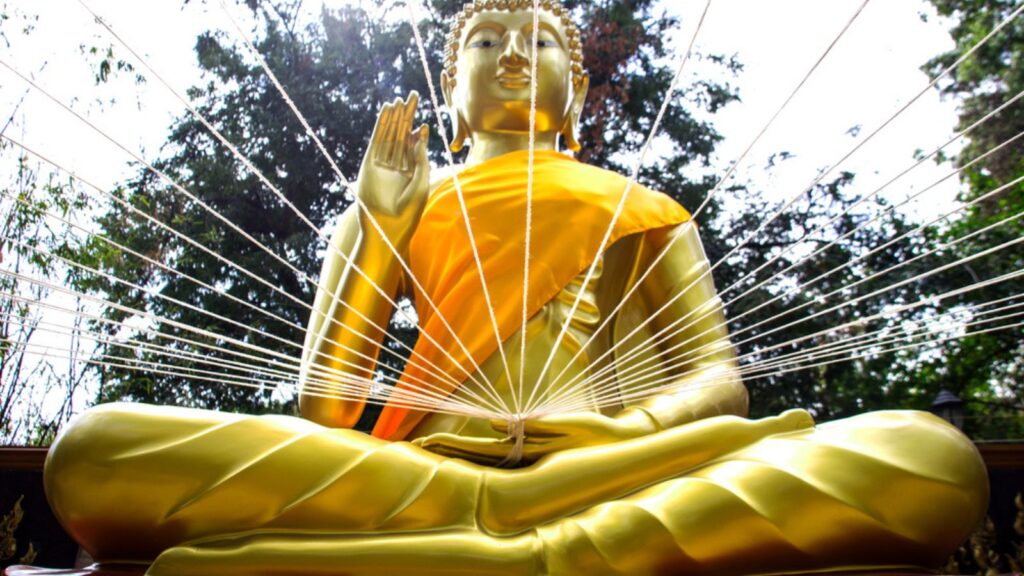
One of the main characteristics of 1960s hippie culture was its openness to Eastern philosophy. Disillusioned with Western materialism and searching for a greater purpose in life, many young people in that era gravitated to Eastern ideologies like Buddhism and Hinduism.
Eastern philosophy encouraged practices like meditation, yoga, and mindfulness, leading them on a journey of self-discovery and personal transformation. It somehow offered solace, inspiration, and a sense of purpose to those who sought refuge from the tumult of the times.
10. You Loved DIY Culture
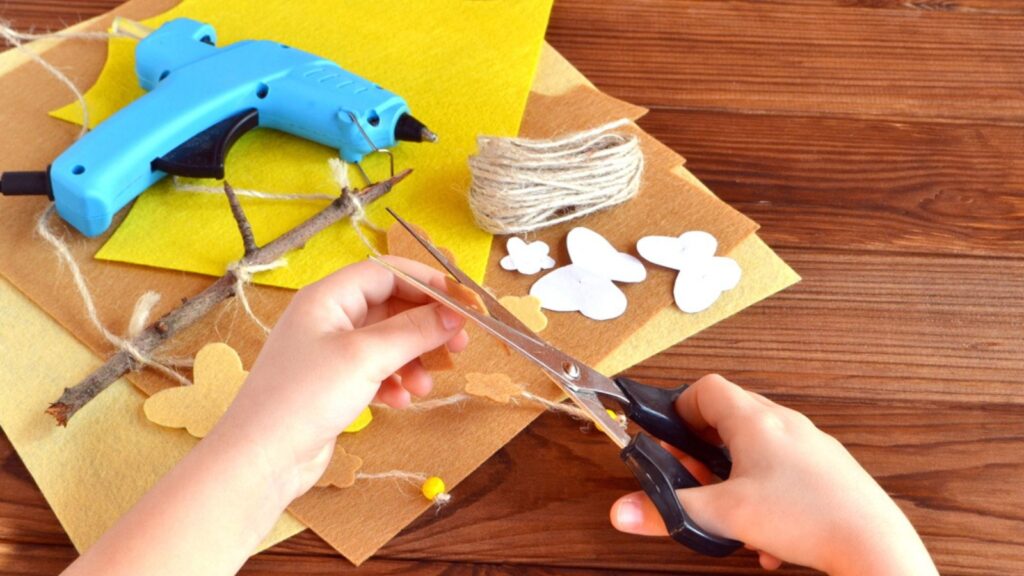
The DIY (do-it-yourself) culture has come full circle, and today, some people are running successful businesses from DIY projects.
While almost everyone is making pallet beds and flower pots from their backyards these days, hippies embraced a DIY ethos- making their own clothing, jewelry, art, and other goods as a way to express creativity and individuality.
11. You Advocated for Free Love

The morality police would not be pleased about it today, but hippies rejected traditional norms of monogamy. There was a collective embracing of the concept of free love, advocating for sexual liberation and exploration.
Free love represented a deeper dedication to individual freedom and the dismantling of social obstacles for hippies rather than just sexual liberation.
12. You Rejected Materialism

Today’s love for materialism and all things shiny is a far cry from the attitude of the 1960s hippie movement. Hippies rejected mainstream consumer culture and materialism, instead prioritizing experiences, relationships, and personal growth.
Hippies valued personal development and social interactions more than material possessions. If you are frustrated by today’s rate race and prefer a quiet, simple life, you have the perfect picture of what the ’60s felt like.
13. You Owned a Volkswagen Bus

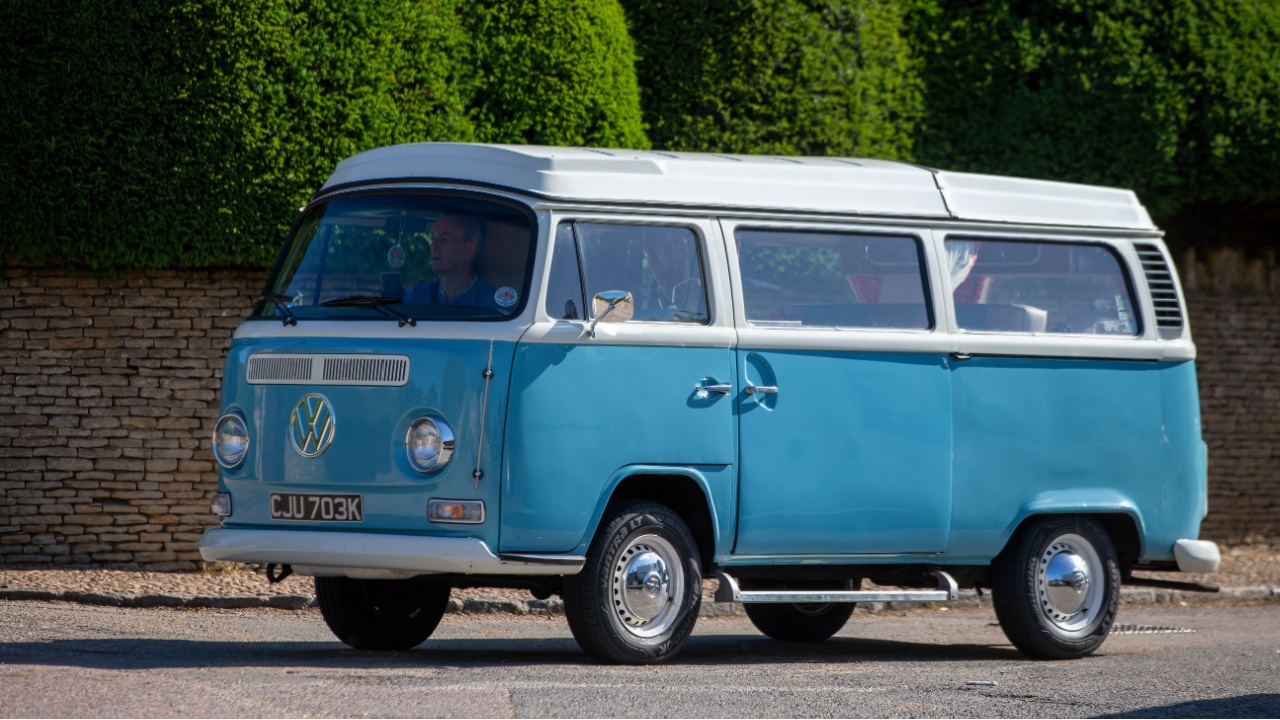
If you saw a Volkswagen bus in the 60s, you knew a hippie was nearby. The VW Kombi, popularized by the hippie counterculture and frequently used for road trips and communal living, gained notoriety for its unique design and roomy interior.
The “hippie van” was one of the most iconic representations of hippie culture. It captured the spirit of simplicity, imagination, and travel that defined a whole generation.
14. You Attended Music Festivals

Attending music festivals like Woodstock and Monterey Pop Festival was a hallmark of hippie culture, where people gathered to celebrate music, peace, and love.
The hippie movement advocated strongly for people to have fun. The festivals were more than just hangouts for hippies; they were colorful celebrations of independence, solidarity, and individuality.
15. You Embraced Diversity

Hippies celebrated diversity and inclusivity, rejecting racism, sexism, and other forms of discrimination. They were focused on promoting acceptance and understanding among people of different backgrounds and beliefs.
Read more:
20 Treasured Moments From Living Through the ’60s
14 Common 1960s Practices That Are Insane by Today’s Standards