6 “Bird-Friendly” Berry Shrubs to Rip Out Before Winter (Some Are Now Illegal to Plant)
That shrub glowing red by your front steps, the one you planted for the birds, may be doing them more harm than good. Several of the most popular berry shrubs in American yards feed birds the nutritional equivalent of potato chips, and one has left dozens of songbirds dead in a single Georgia yard.
These are not obscure plants. Burning bush, Japanese barberry, nandina, and Bradford pear were sold for decades as tough, easy, wildlife-friendly staples; burning bush sales alone topped $38 million nationwide in 2010, according to the Ecological Landscape Alliance. If you are in your 50s or 60s, there is a fair chance one of them went into your yard years ago on a garden center’s recommendation. Since then, birds have carried their seeds into woodlands and neighbors’ yards, and a growing list of states has responded by banning their sale.
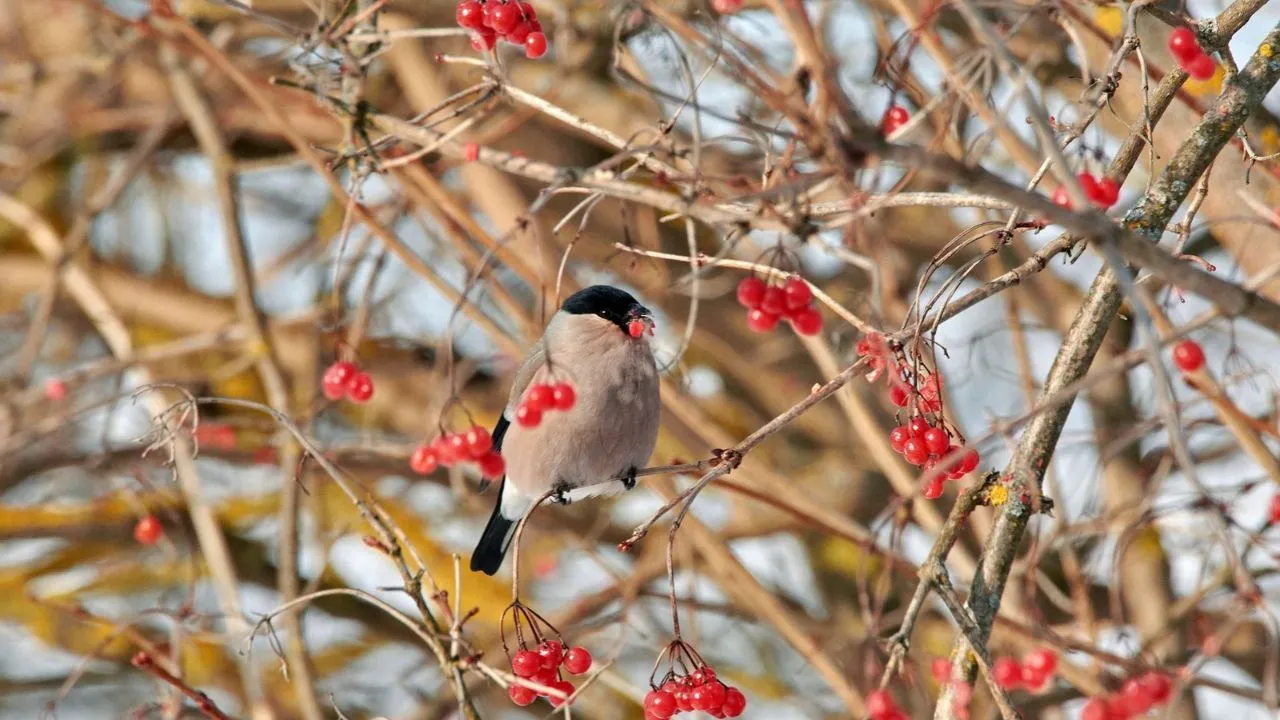
That matters more than it sounds. Americans spend roughly $4 billion a year on bird food, according to the Cornell Lab of Ornithology, yet the right berry shrubs for birds work like a feeder you never have to refill. Right now in November, berries are at their peak, cedar waxwings are flocking, and leafless branches make the troublemakers easy to spot.
Here are six shrubs to stop planting, plus native swaps that give birds real fuel all winter. The first one is probably growing somewhere on your street right now.
1. Stop Growing Nandina; Plant American Beautyberry Instead
Nandina, often sold as heavenly bamboo, holds bright red berries all winter, which is exactly the problem. In 2009, dozens of cedar waxwings were found dead in a Thomas County, Georgia, yard, and pathologists at the University of Georgia College of Veterinary Medicine found their digestive tracts packed with nandina berries and damage consistent with cyanide poisoning. Most birds can handle a berry or two, but waxwings gorge. As researchers at the North Carolina Botanical Garden put it, “A flock of cedar waxwings can strip the fruits from a nandina bush in minutes.”
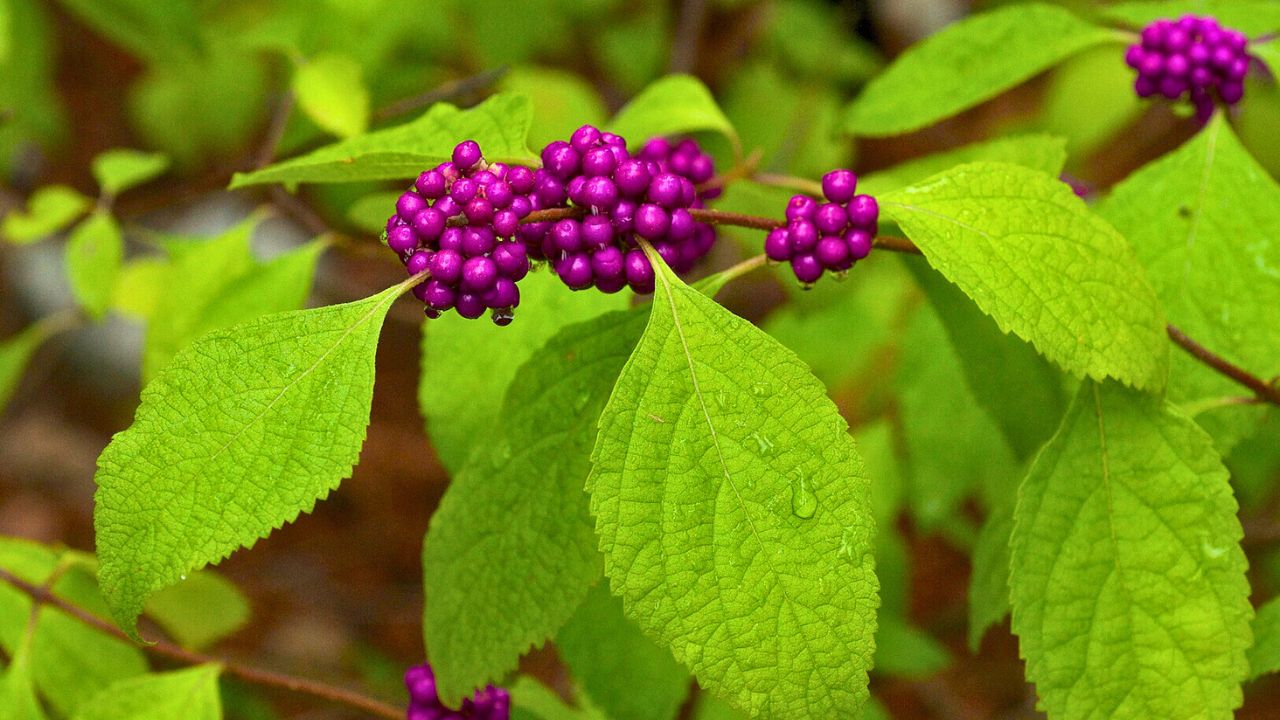
Audubon Delta urges homeowners to remove nandina, or at the very least prune off the berry-laden branches. Replace it with American beautyberry, whose brilliant purple fruit persists into winter and, according to Country Living, sets berries without a pollinator partner.
2. Get Rid of Burning Bush; Try Red Chokeberry for Fall Fire

Burning bush is on the Massachusetts Prohibited Plant List, and Lawn & Landscape reports it “will be phased out of sale in Pennsylvania” after being declared invasive. Birds eat its berries and drop the seeds in nearby woods, where it crowds out native plants. Most state bans target selling and planting rather than shrubs already in the ground, but buying a replacement may not be legal where you live.
You do not have to give up that blaze of fall color. Red chokeberry offers white spring flowers, red fruit birds love, and bright red autumn foliage, and Country Living notes it shrugs off heat, drought, and poor soil. The Ecological Landscape Alliance also suggests native eastern wahoo for the same fiery red.
3. Avoid Japanese Barberry; Winterberry Holly Is the Upgrade

Garden writer George Weigel notes that Pennsylvania joined Maine, Minnesota, New Hampshire, and New York in banning barberry sales, calling it “a leading invasive-plant problem” now flagged in at least 20 states. Your neighbors’ woods are where its bird-spread seedlings end up.
Winterberry holly is the swap. It is native, deer tend to leave it alone, and its red berries hang on bare branches all winter. Most gardeners never hear this, but a lone winterberry will never berry: you need a male. University of Minnesota Extension says one male can pollinate about 20 females within 40 feet. The bonus? A few snipped stems make free holiday arrangements.
4. Rip Out Bush Honeysuckle; Viburnum Feeds Birds Real Food
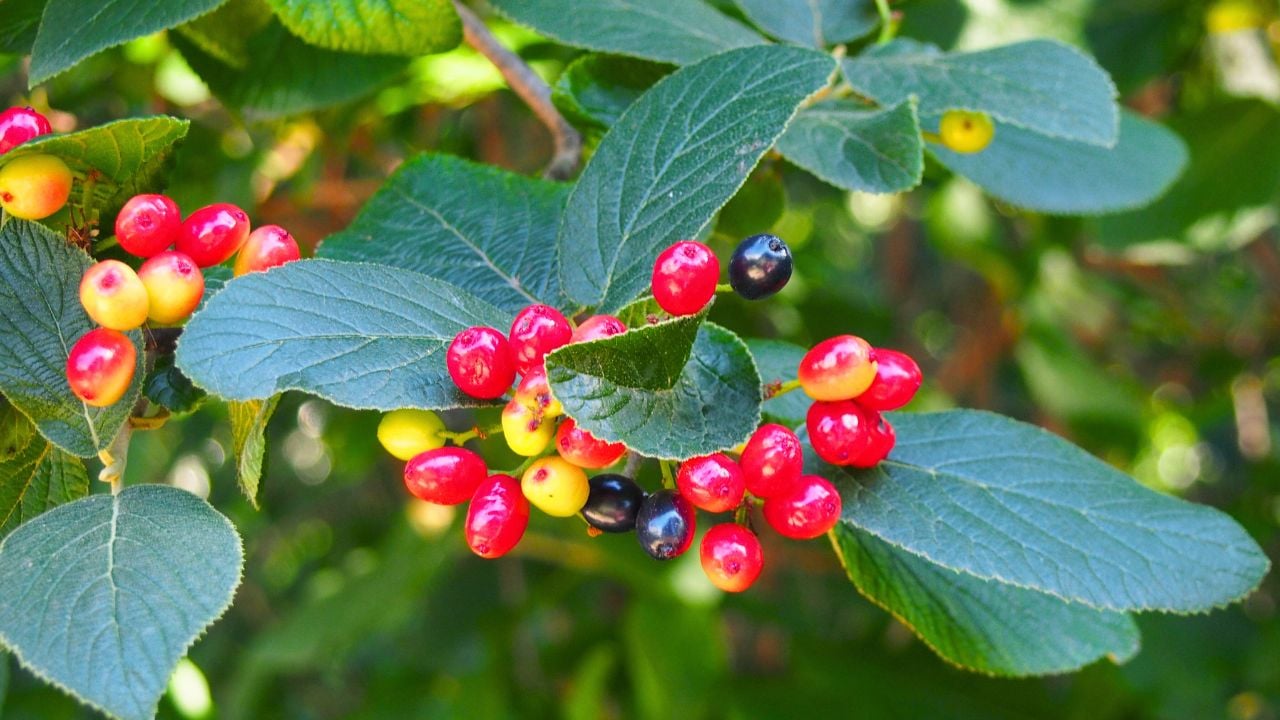
Here is the fact that changes how you see every berry in your yard. When researchers publishing in Northeastern Naturalist tested shrub fruits at New York bird-banding stations, native fruits ran from roughly 7% to 49% fat, while every invasive fruit tested came in under 1%. Birds fueling up for migration and cold nights need that fat.
Bush honeysuckle is a prime offender. “It’s like the potato chips of berries for birds,” says Larry Rizzo, a biologist with the Missouri Department of Conservation, which notes that it holds green leaves late into fall, making November the easiest month to find it. Replace it with viburnum. Better Homes & Gardens says viburnum berries often linger through winter and draw northern flickers and other woodpeckers; nannyberry and American cranberry bush are popular choices.
5. Never Plant Multiflora Rose; Choose a Native Rose for Rosehips

Better Homes & Gardens warns that multiflora rose and beach rose are invasive in many areas, and recommends native Virginia and swamp roses, whose fall rosehips birds love. Birds agree. In a study of more than 450 droppings from migrating birds in Massachusetts, researchers found that birds chose native fruits even when multiflora rose and barberry fruits were far more plentiful. “Birds are discerning, and they prefer native berries to invasive fruits,” lead author Amanda Gallinat told The Wildlife Society.
A berry is not a meal just because a bird swallows it.
6. Cut Down the Bradford Pear; Eastern Red Cedar Is a Waxwing Magnet
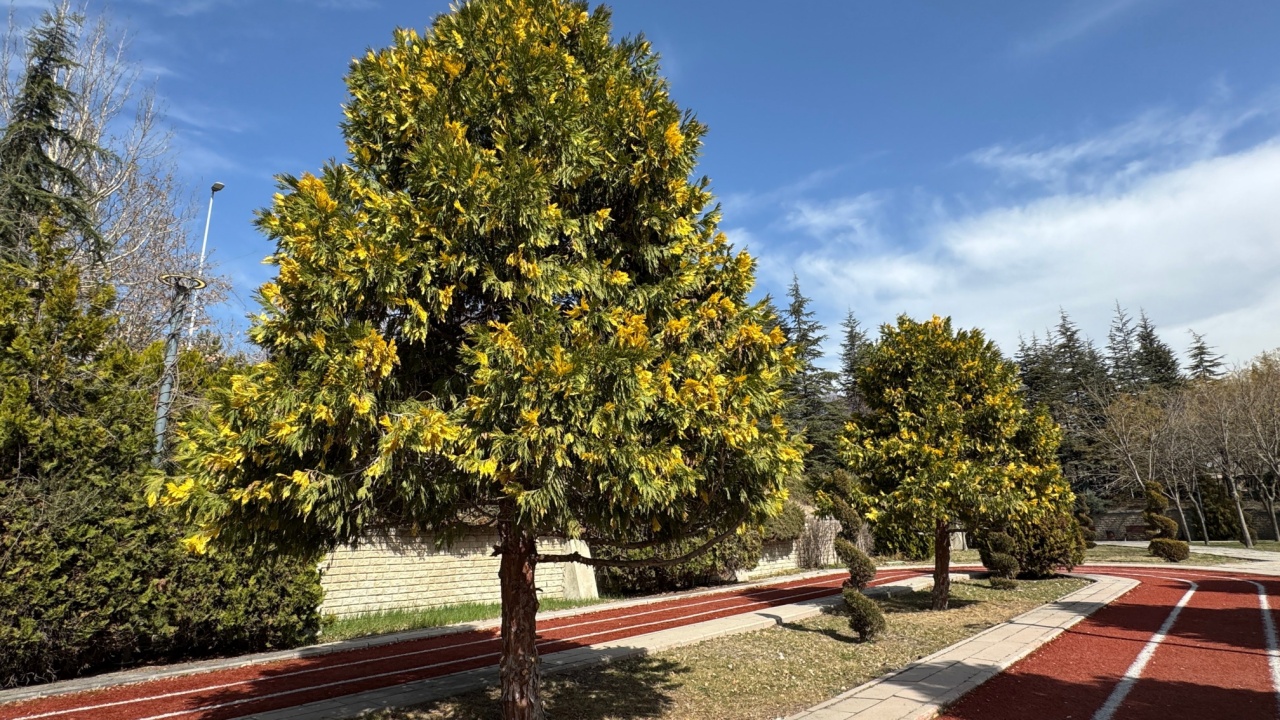
Ohio became the first state to ban the sale of Callery pear, the species behind the Bradford pear, and the University of Cincinnati reports that South Carolina and Pennsylvania pursued similar measures. Pears planted in neighborhoods are now sprouting in forests across Ohio, which means yours may be seeding someone else’s problem. The good news is budget-friendly: Gardening Know How reports that some organizations offer free replacement trees for cutting them down.
Plant eastern red cedar in its place. The North Carolina Botanical Garden calls it the cedar waxwing’s preferred native food plant, and Country Living notes that junipers produce “small seed cones that birds such as cedar waxwings adore.”
How to Plant the Best Berry Shrubs for Birds This November
Start with one swap, not six. In colder regions where the ground is close to freezing, use November to cut berries off nandina and remove invasives, then plant natives in spring. In milder areas, Country Living advises fall planting when you have about six weeks of moderate weather ahead, with deep, regular watering until the ground freezes.
And go easy on the cleanup. Your grandmother, who left the garden standing until spring, was onto something: Better Homes & Gardens advises gardeners to “leave aster plants standing through winter” so finches can feed on the seedheads. Black-eyed Susans left standing will even self-sow, giving you new plants for free.
Small Swaps Add Up to Fuller Winter Feeders
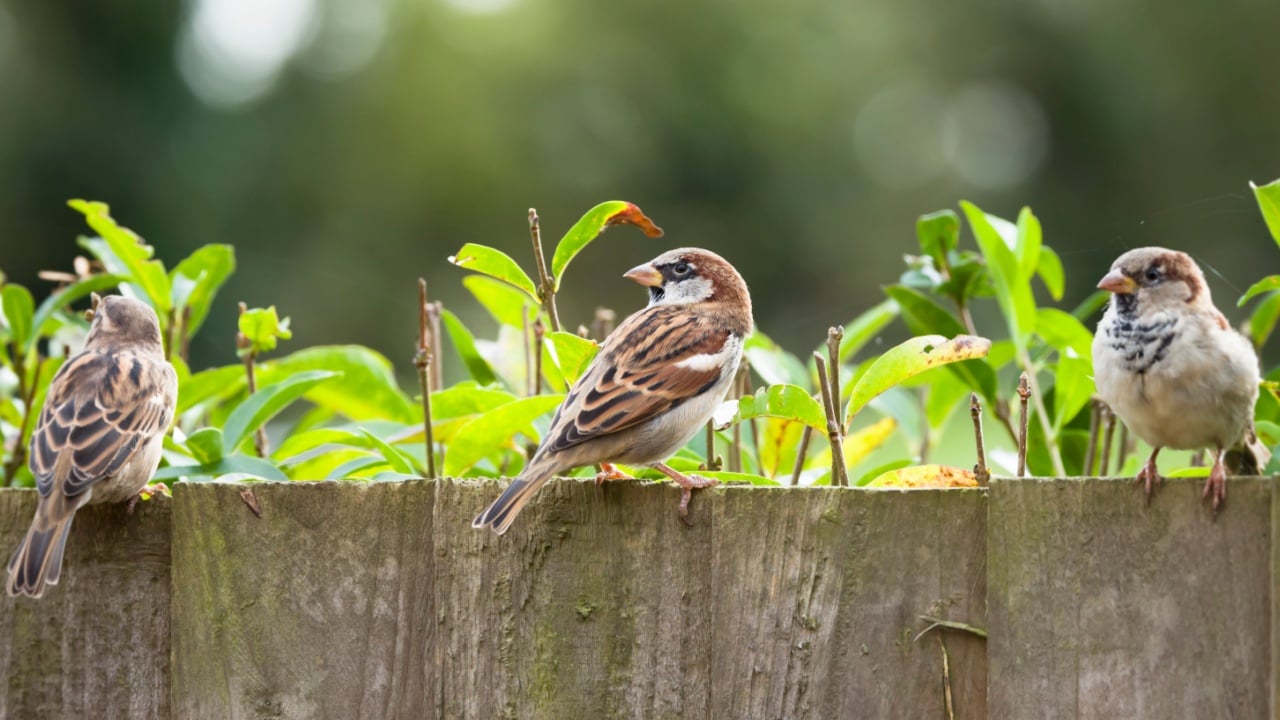
Since 1970, the United States and Canada have lost nearly 3 billion birds, or “more than 1 in 4 birds,” according to research from Cornell University. No single yard reverses that, but the villain here is easy to see: shrubs sold as bird food that offer birds little or worse. Pull one out this November, plant a native in its place, and next winter’s waxwings will tell you it was worth it.
Read More
Stop Making These 8 Watering Mistakes Before Your First Hard Frost
How to Transition Plants Indoors for Winter: 9 Mistakes to Stop Making This Fall