Stop Making These 8 Watering Mistakes Before Your First Hard Frost
The cold didn’t kill most evergreens that turn brown in spring. They died of thirst, and the mistake that sealed their fate was made in October, the week someone decided the garden hose was done for the year.
Laura Schwarz, writing for Northern Gardener, watched a neighbor’s hedge of pyramidal arborvitae lose half its trees two winters in a row before it was replanted for a third time. The culprit wasn’t a brutal winter or a bad nursery. It was a lack of consistent water heading into the freeze. With an installed Emerald Green arborvitae running roughly $240 to $900 per tree, ThePricer says that’s a mistake that can quietly cost a homeowner thousands.
Once the ground freezes solid, roots can’t take up another drop until the spring thaw, but evergreen foliage keeps losing moisture to wind and winter sun the entire time. Whatever water is in the soil on freeze day is all your plants get. For anyone who has spent 20 or 30 years growing the backbone of a yard, a few deep soakings in late October and November are the cheapest insurance you’ll ever buy, costing little more than the water already in your hose.
But deep watering before your first hard frost isn’t as simple as dragging out the sprinkler one last time. Water at the wrong moment, in the wrong spot, or on the wrong plants, and you either waste the effort or invite real damage. These are the eight mistakes that undo the most fall watering, starting with the one nearly every gardener makes.
1. Stop Putting the Hose Away When the Leaves Fall
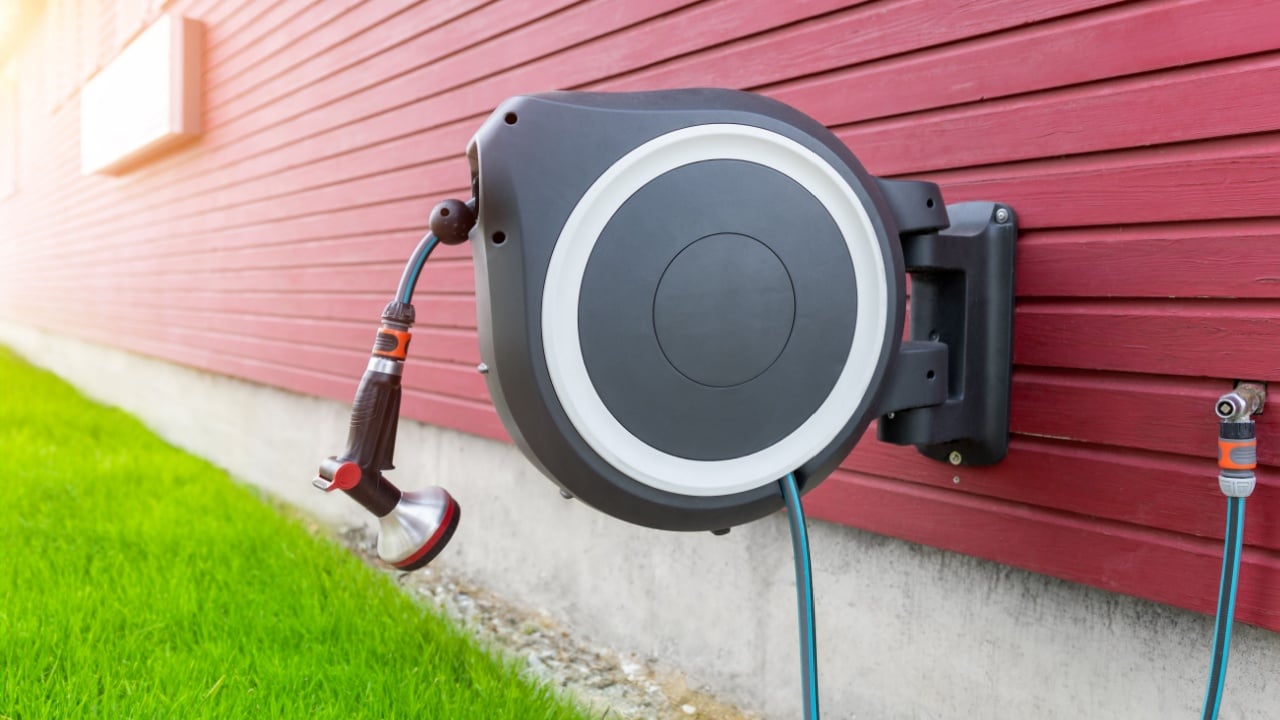
Bare branches make the season feel finished, but the roots underneath are still working. University of Minnesota Extension tells gardeners to “Continue watering deeply during dry periods this fall,” and to keep at it until the soil freezes, which in Minnesota typically happens between late November and mid-December. That advice covers mature trees and shrubs, too, not just this year’s plantings.
Most gardeners never hear this part: roots are far less cold hardy than the branches above them. Northern Gardener notes that the roots of most hardy woody plants die at around zero degrees Fahrenheit, and that moist soil holds more heat than dry soil, so damaging frost can’t reach as deep into a well-watered bed.
2. Don’t Wait Until the Night Before the Freeze
Last-minute watering feels responsible, but it’s the wrong move. An Extension expert answering a gardener’s question through Ask Extension warned that watering right before a freeze “could certainly contribute to frost heaving,” the freeze and thaw cycle that can push roots and crowns out of the ground. The better plan is to soak beds a day or two ahead, during a stretch of days above 40°F, so the water has time to sink in.
That head start pays off. University of Florida IFAS Extension recommends watering 24 to 48 hours before a freeze, explaining that well-watered soil absorbs more of the day’s solar heat and releases it overnight, raising minimum night temperatures in citrus canopies by as much as 2°F. On a borderline night, two degrees can be the whole difference.
3. Quit Giving Thirsty Roots a Quick Sprinkle
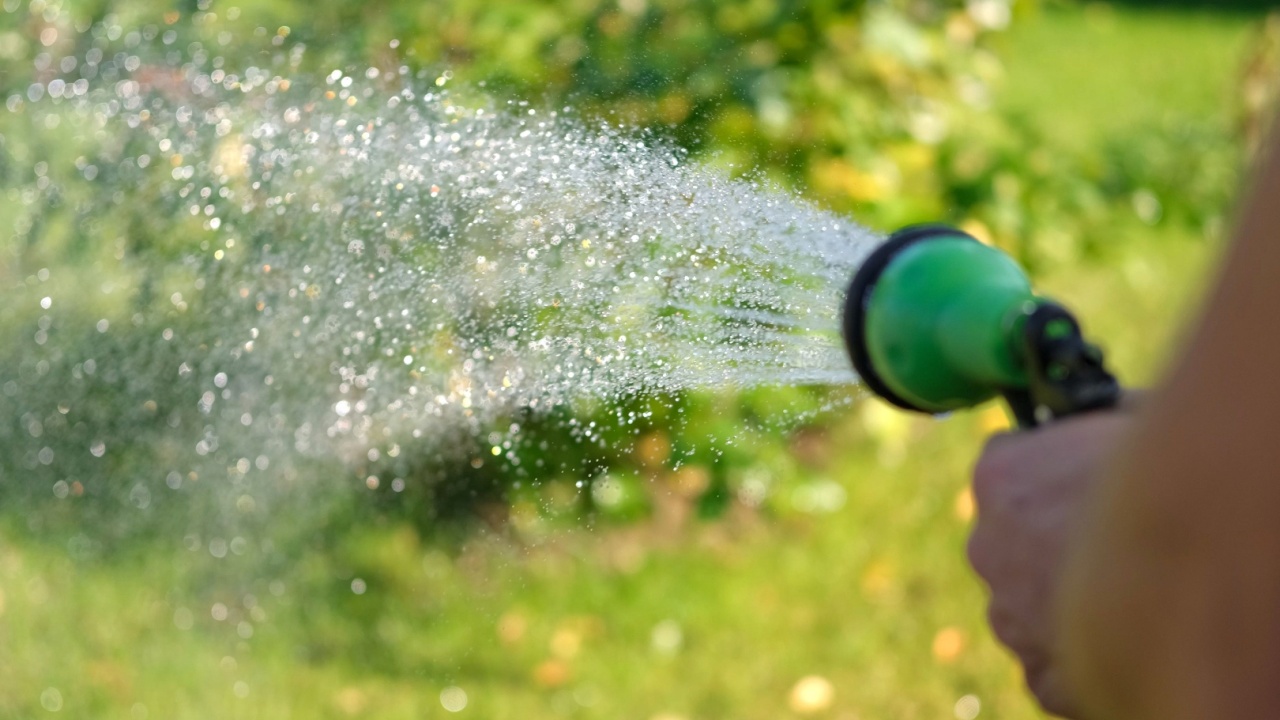
A five-minute pass with the hose wets the mulch and little else. As Katherine Rowe of Epic Gardening puts it, “Frequent, shallow water doesn’t support strong root development.” Water deeply, then wait a few days. To check whether it’s time, push a trowel into the soil; if it’s dry three to four inches down, water.
For trees, think in gallons, not minutes. Colorado State University Extension recommends about 10 gallons per inch of trunk diameter, so a two-inch tree needs roughly 20 gallons per watering. That’s one slow, quiet soak, and it costs a tiny fraction of a replacement tree.
4. Never Ignore Your Evergreens; They Drink All Winter
Evergreens are the plants most likely to pay for a dry fall. Arborvitae, boxwood, yews, holly, and rhododendrons hold onto their foliage all winter and keep losing water through it, even when their roots are locked in frozen soil. Lisa Johnson of University of Wisconsin Extension says one of the best defenses against winter burn is to “ensure that evergreens go into fall well-hydrated.”
This is also the damage your neighbors will notice first. Winter burn shows up as brown, crispy foliage, especially on the sunny, windy south and west sides of a plant, and a privacy screen with dead gaps looks neglected from the street all spring. A browned hedge in April is almost always a watering decision made in October.
5. Stop Watering Right at the Trunk
Pointing the hose at the base of a tree feels logical, but most of the roots doing the drinking are farther out. University of Illinois Extension advises: “Water at the tree’s drip line and not right against the base.” Colorado State University Extension adds that established large trees have a root spread equal to or greater than the height of the tree.
Lay a soaker hose in a ring at the outer edge of the branches. For newly planted shrubs, Northern Gardener recommends letting a hose trickle at the base of each plant for about 30 minutes so the water slowly reaches the entire root system.
6. Don’t Hose Down the Leaves to “Insulate” Them
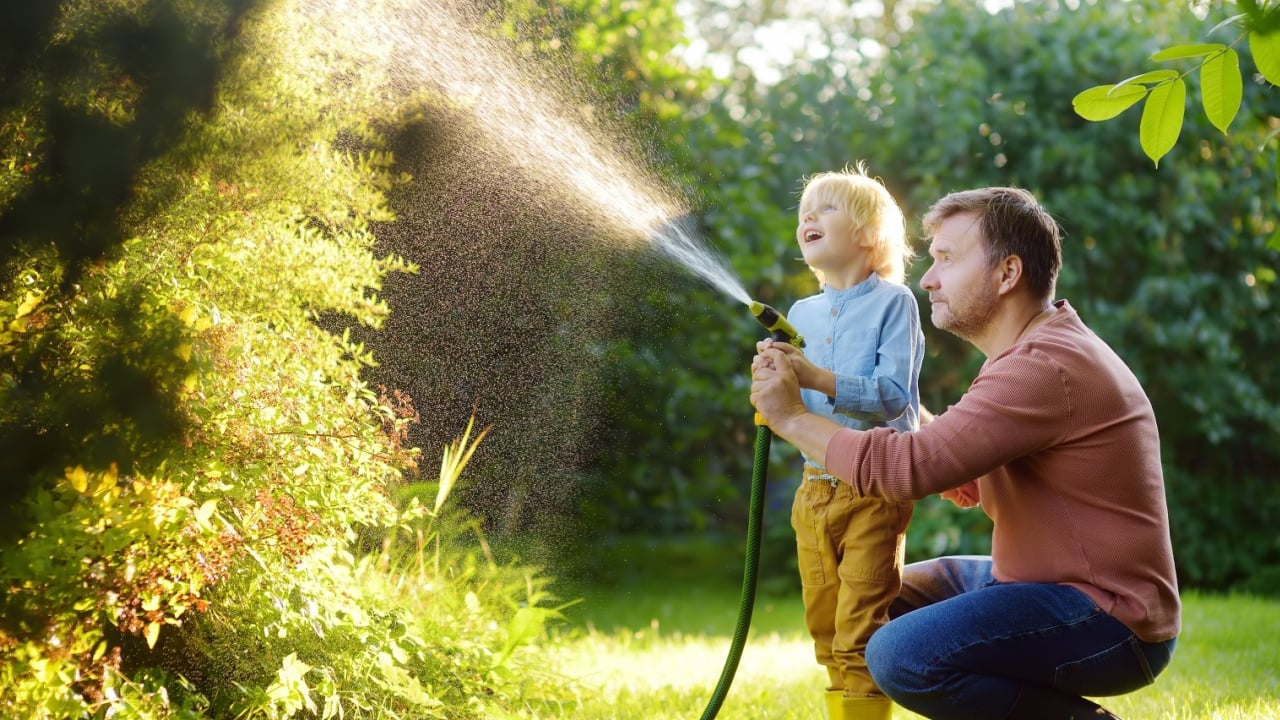
One of the most stubborn myths in fall gardening is that spraying foliage before a freeze coats plants in protective ice. For home gardeners, it doesn’t work that way. Horticulturists at LSU AgCenter are blunt: “Wetting plant foliage before a freeze does not, however, provide any cold protection.”
Keep every drop aimed at the soil, where roots can actually use it. The protection comes from moist ground storing and releasing heat, not from water sitting on leaves.
7. Never Drown the Plants That Hate Wet Feet
Deep watering before a hard frost is not a blanket rule. Drought-adapted plants can suffer in cold, soggy soil. Golden Valley Botanicals, an Arizona nursery, lists succulents, cacti, yucca, lavender, rosemary, and many herbs among the plants you should not water before a freeze, advising, “It’s best to let the soil dry out a bit before a freeze.” Shallow rooted groundcovers and plants already stressed by pests or disease belong on the same list.
Potted plants are their own story. Rather than soaking containers, move them into a garage or against a sheltered wall, since roots in pots are far more exposed to cold than roots in the ground.
8. Stop Skipping the Mulch That Locks the Water In
Deep watering without mulch is like filling a bathtub with the drain open. Sarah Browning of Nebraska Extension recommends a three- to six-foot ring of organic mulch, three to four inches deep, around the base of trees and shrubs, and reminds gardeners that “Plant damage from winter desiccation is often preventable.”
Shredded fall leaves work beautifully and cost nothing. As Epic Gardening advises, keep mulch away from the stems of plants, and spread it right after your deep soak to hold that moisture through the freeze.
The Garden You Water Now Is the Garden You Keep
None of this takes special equipment or a big budget. It takes a hose, a few mild afternoons, and the discipline to keep watering after the garden looks finished. That hose coiled too early is the villain behind more spring disappointments than any cold snap.
If you’ve spent decades growing trees from bare saplings into shade, protect that investment now. Penn State Extension notes that deep, infrequent watering during fall dry periods “helps establish soil moisture reserves” plants can draw on during winter thaws. A few slow soakings before your first hard frost are the easiest way to make sure April greets you with green.
Read More
Washing Your Lettuce Won’t Remove Cyclosporiasis, But Growing Your Own Will
Your Grandmother Stored These 8 Foods All Winter Without Canning a Single Jar