Stop Pruning! Leave These 6 Plants Messy in Fall or Lose Next Spring’s Flowers
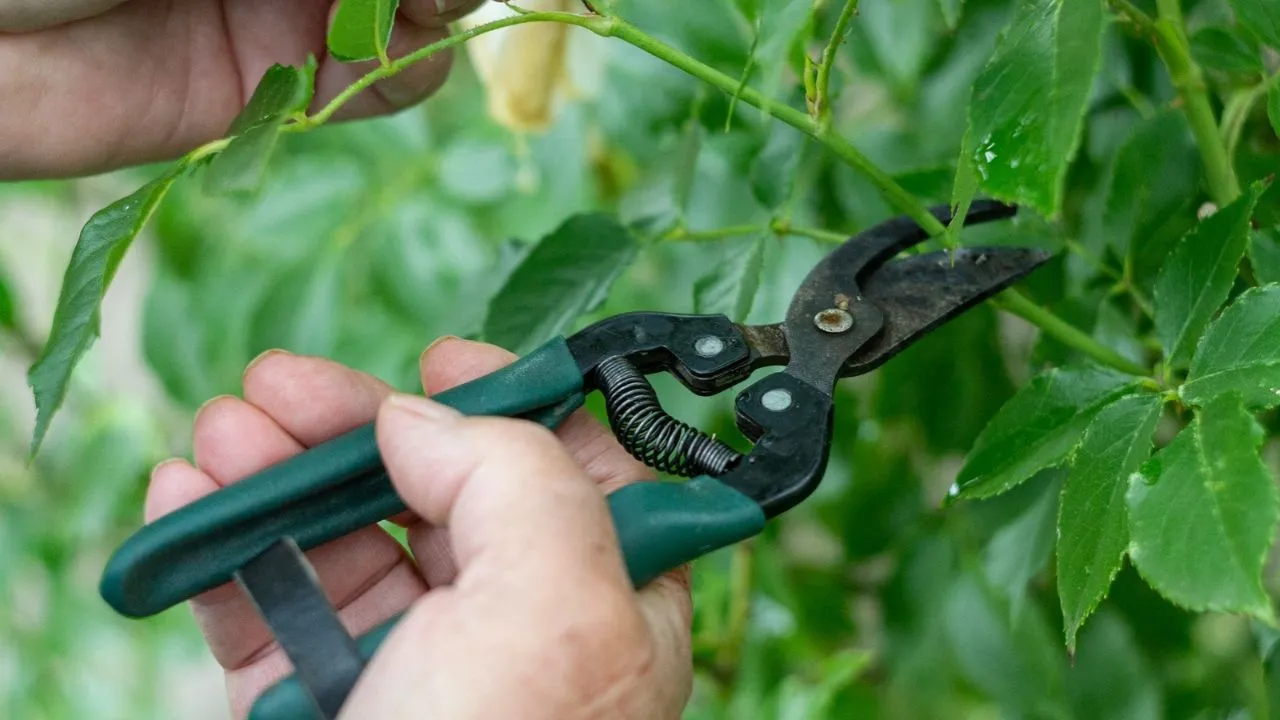
The most damaging thing you can do to your garden this week looks exactly like good gardening: a sunny Saturday, freshly sharpened pruners, and a yard trimmed neat before the first hard frost.
Most of us inherited that fall cleanup as a ritual, and it feels like responsible stewardship. But for lilacs, hydrangeas, ornamental grasses, and a long list of perennials, the haircut lands at precisely the wrong moment. Worse, the damage stays invisible for six months. The shrub looks fine in November and leafs out fine in April. It simply never blooms, and by then nobody remembers the pruners.
Doing less also saves real money and real backs. Fallen leaves are free mulch, standing stems are free bird feeders, and every hour you skip bagging debris is an hour you get back. If you’re over 50 and your shoulders already dread the annual fall marathon, consider this your official permission slip to leave it messy in October.
There is a catch. A few messes genuinely need to go before winter, and in some neighborhoods the wrong kind of mess can earn you a letter from the HOA. Below are the seven things to stop cutting right now in October, plus the places you should never let slide. Start with the shrubs you love most.
1. Stop Pruning Lilacs, Forsythia and Azaleas
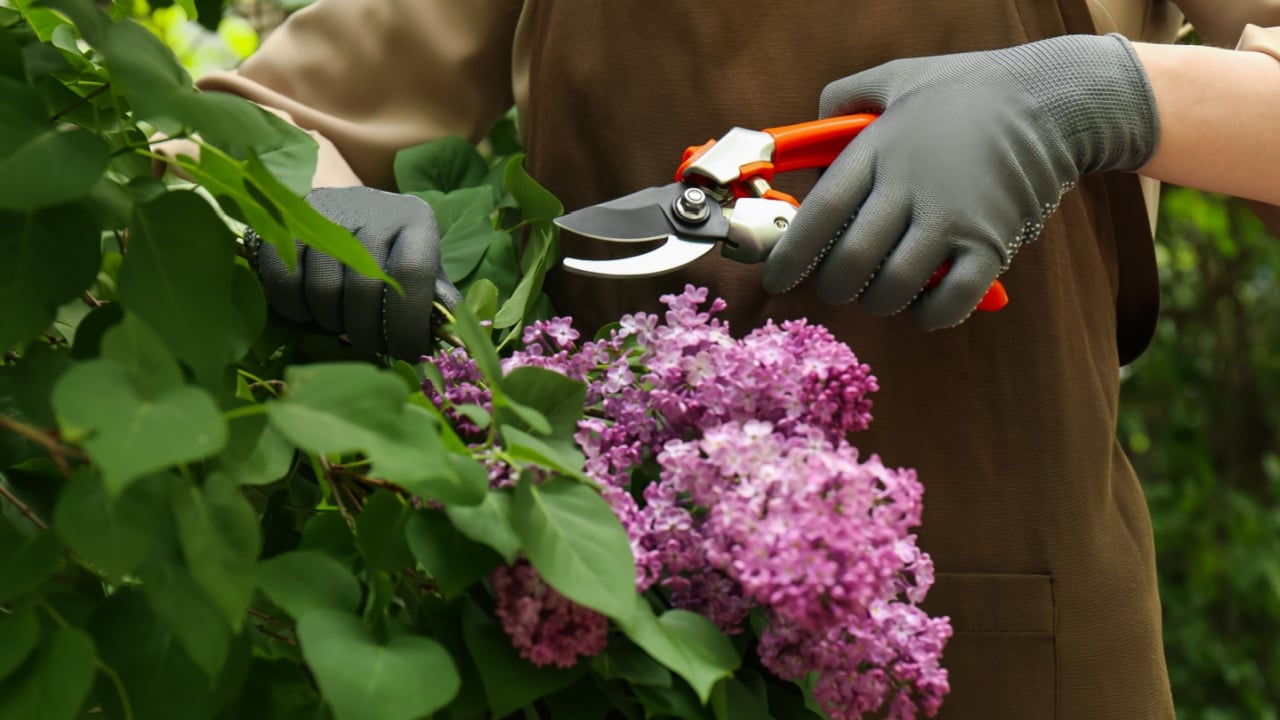
These spring bloomers set next year’s flower buds during the season that just ended, so those buds are already sitting on the branches. “Cut them off in October, and there’s nothing left to bloom,” landscaping expert Caballero, co-founder of GreenPal, told Dengarden. It’s the old rule your grandmother’s generation lived by, and Penn State Extension still teaches it: prune spring bloomers soon after they finish flowering, never in fall.
2. Don’t Give Every Hydrangea the Same Haircut
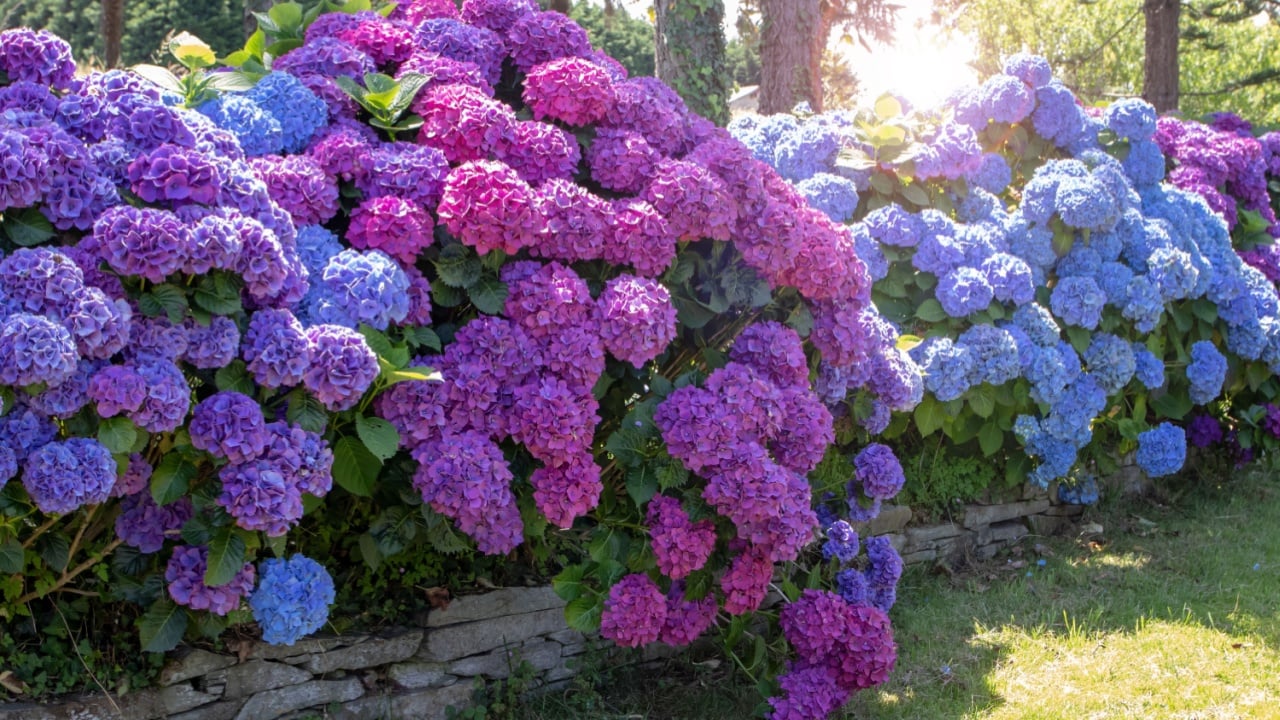
Bigleaf and oakleaf hydrangeas bloom on old wood, while smooth and panicle types flower on new growth. That’s why Frugal Gardening warns that two hydrangeas on the same porch “could require completely different pruning schedules.” If you don’t know which type you own, leave the dried flower heads alone until spring. They cost nothing and look handsome dusted with frost.
3. Leave Ornamental Grasses Standing Until Spring

Cutting grasses now exposes the plant’s center to ice and snow. Garden designer Lee Miller told Homes & Gardens that fall cutting can cause “the crown to hollow out.” Wait until late March or early April, before new growth appears, and enjoy the winter movement in the meantime.
4. Keep Hollow Stems and Seed Heads Standing
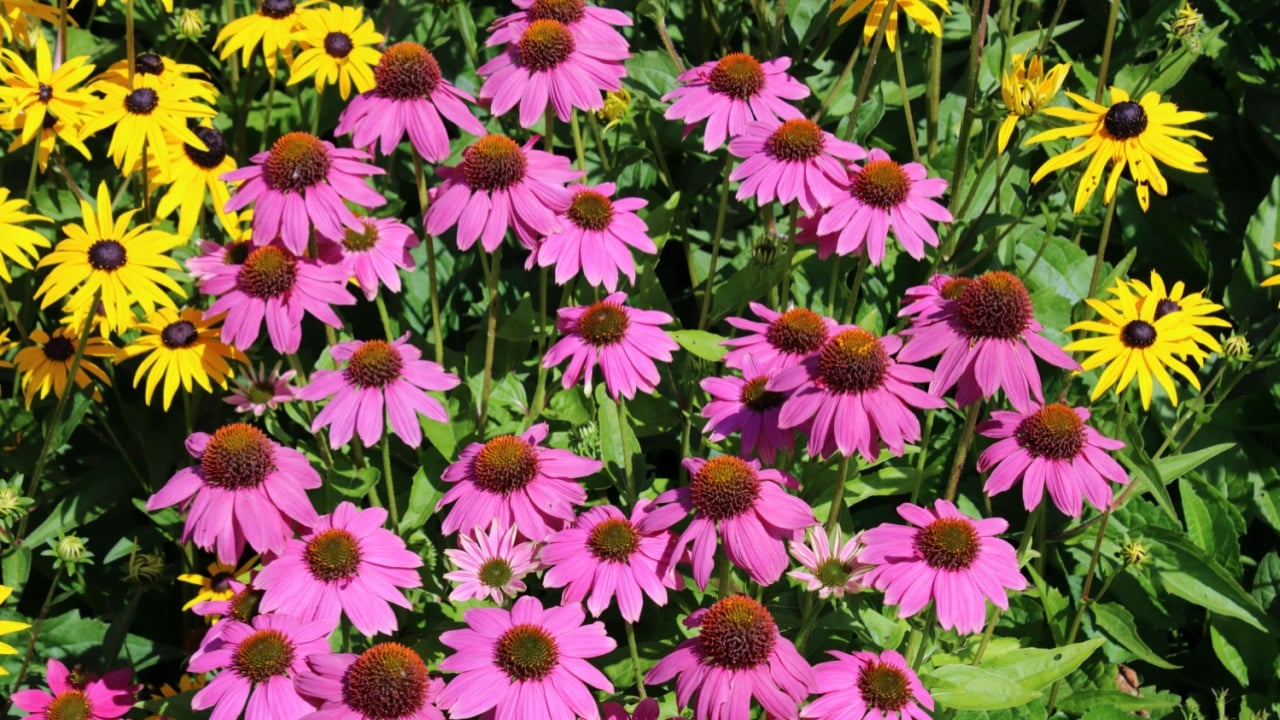
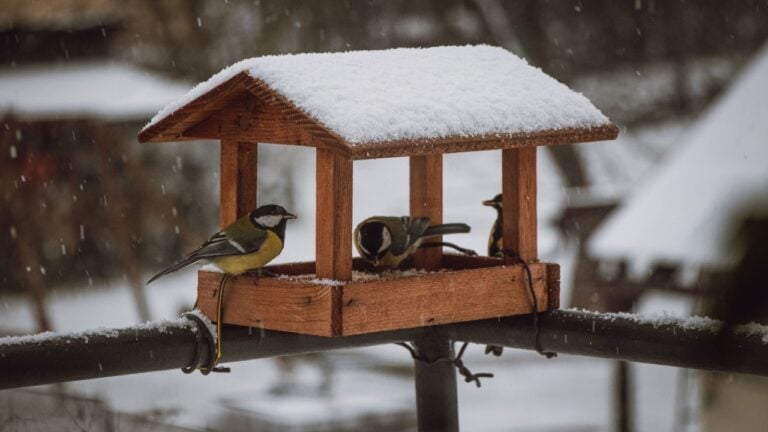
Xerces estimates that 30% of native bees are tunnel nesters that rely on hollow stems, dead wood, and brush for shelter. Coneflowers, black-eyed Susans and sunflowers double as free winter bird feeders for goldfinches and other seed eaters. If tall stems look too wild, Frugal Gardening suggests leaving “approximately 12 to 24 inches standing” instead of cutting flush. Only remove seed heads from invasive or aggressive self-seeders you don’t want spreading.
5. Avoid the October Shrub Haircut
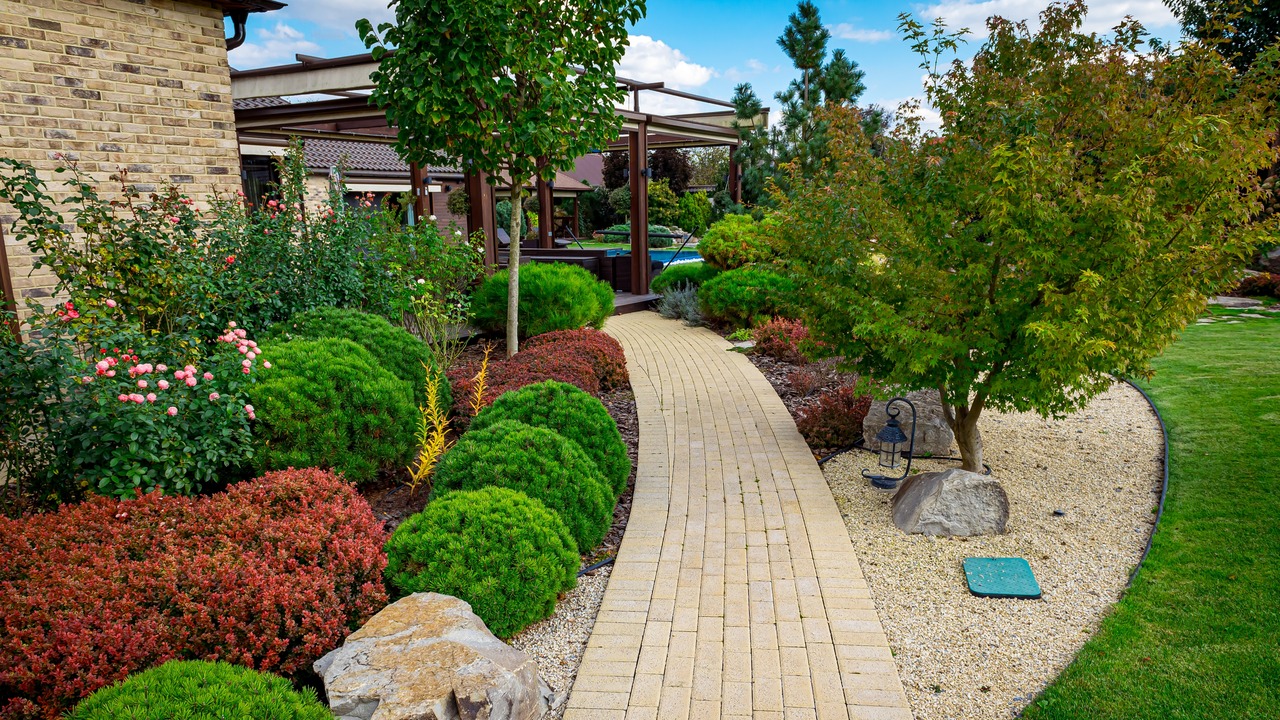
Pruning doesn’t just remove growth; it triggers it. The University of Maryland Extension warns that new growth from fall pruning “will not have a chance to harden off before winter.” Shearing is the worst offender. Penn State notes that very few shrubs adapt well to it, because all those heading cuts build a dense outer shell that shades the interior. The result is a green meatball with frostbitten tips.
6. Stop Pruning “Just Because It’s Fall”

Before every cut, ask why. If the only answer is habit, put the pruners down. “When in doubt, don’t prune!” horticulturist Stacey Hirvela of Proven Winners ColorChoice Shrubs told Good Housekeeping. Penn State also ranks size control near the bottom of good reasons to prune, since no amount of cutting replaces choosing a plant that fits its space.
What to Do Instead This Weekend
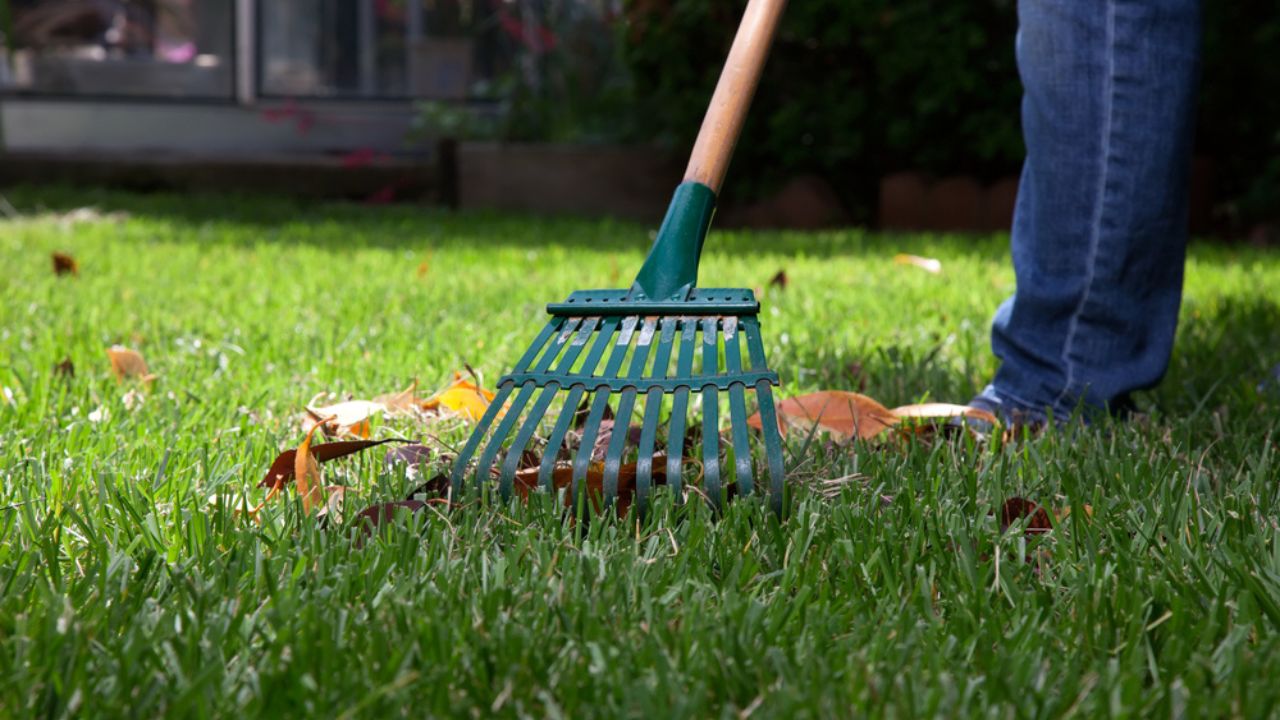
Rake leaves off the lawn and into your beds. Clip out only dead, diseased, and broken wood. Then jot a simple note for each shrub: spring bloomers get pruned right after flowering, while summer bloomers and grasses wait for late winter. University of Minnesota Extension calls the late dormant season “best for most pruning,” and that one calendar shift is all most gardens need.
The tidiest yard on the block in October is often the one with the fewest flowers in May. So hang the pruners on their hook, pour a cup of coffee, and let the garden finish its year the way it wants to. The October haircut can wait. Come spring, the lilacs will thank you.
Read More
Washing Your Lettuce Won’t Remove Cyclosporiasis, But Growing Your Own Will
Your Grandmother Stored These 8 Foods All Winter Without Canning a Single Jar