Stop Your Yard Cleanup! Birds Need These 7 Plants to Survive Winter
That neat, satisfying fall cleanup you have planned for this weekend may be the worst thing you do for the birds in your yard all year. The brown stalks, shaggy grasses, and faded flower heads you are itching to cut down are not garden waste. They are the winter pantry for wildlife, and once they go into the yard waste bag in October, nothing replaces them until spring.
The stakes are bigger than one tidy flower bed. Nearly 3 billion fewer birds live in North America today than in 1970, according to research reported by Science News, and the losses include common backyard species, not just rare ones. Even worse is that some of the berry shrubs sold as bird-friendly offer birds almost no real nutrition.
There is good news hiding in that cleanup pile. Americans spend about $4 billion a year on bird food, according to the Cornell Lab of Ornithology’s All About Birds, yet the seed heads already standing in your garden cost nothing. If you have been gardening for 20 or 30 years, you were probably taught to cut everything to the ground by Halloween; skipping that job saves you a weekend of kneeling and hauling, and the birds come out ahead.
Below are seven plants to support birds in winter, whether you leave them standing this October or add them to your yard, plus the shrubs worth ripping out, including a few that some states now ban from sale. Start with the flower you have probably been deadheading for years.
1. Purple Coneflower: Stop Deadheading It
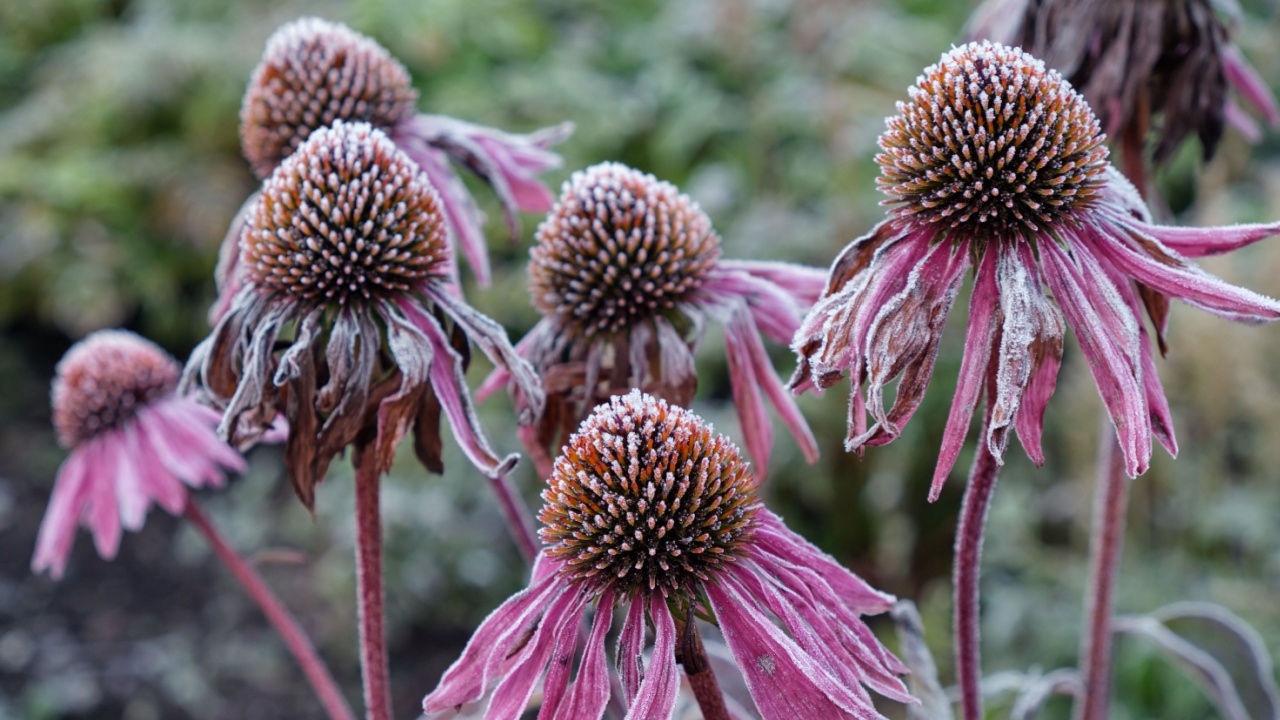
If you deadhead coneflowers for tidiness, you are removing their best feature. According to Botanical Interests, a single seed head can keep several birds busy, and they return daily until every seed is gone. Wildlife expert Peter Gros told Homes & Gardens that leaving native perennials standing is “one of the simplest things you can do for wintering birds,” because the sturdy stems also shelter ground feeders from harsh wind. Goldfinches, cardinals and chickadees are the regulars.
2. Black-Eyed Susan: Free Bird Food, Then Free Plants
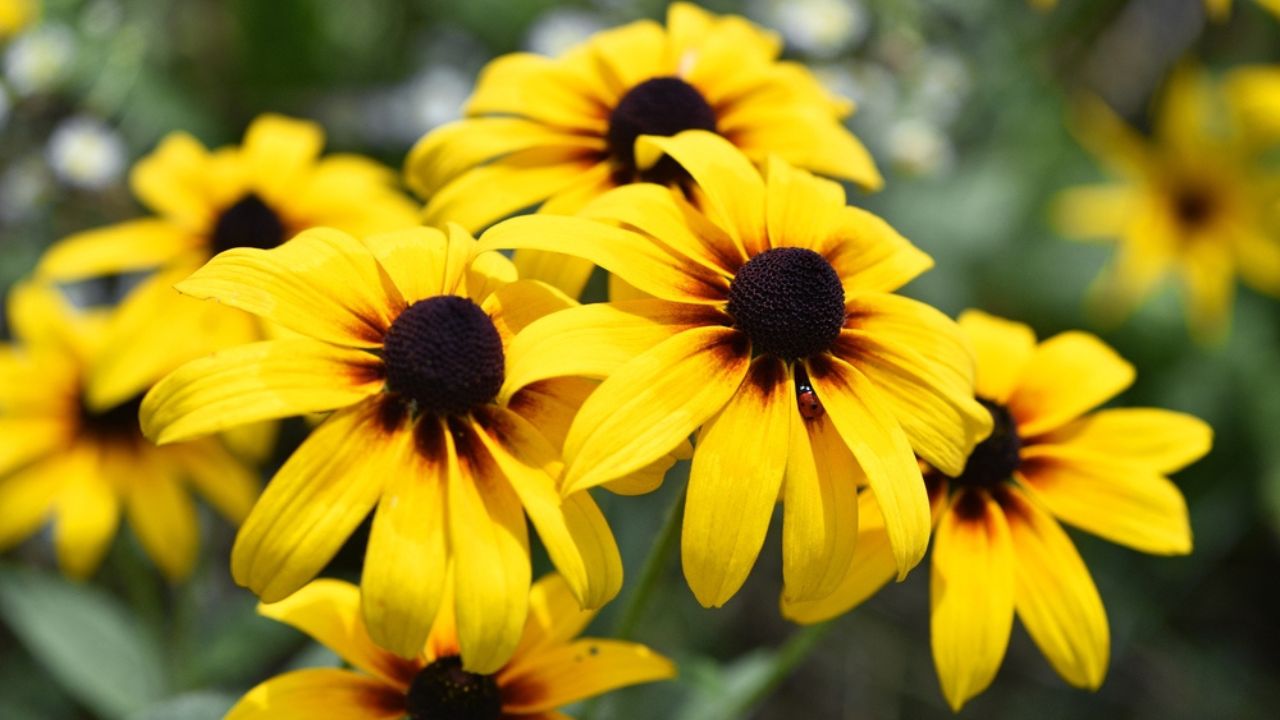
Finches, sparrows and chickadees feast on black-eyed Susan seed heads all winter, and Homes & Gardens recommends waiting until late winter or early spring to cut them back. As the land trust Conserving Carolina puts it, “blooms that produce copious amounts of seeds can replace purchasing birdseed.” Whatever the birds miss pays you back again, because the plants self-seed into free plants for next year, according to Botanical Interests.
3. Goldenrod and New England Aster: The Double-Duty Pair
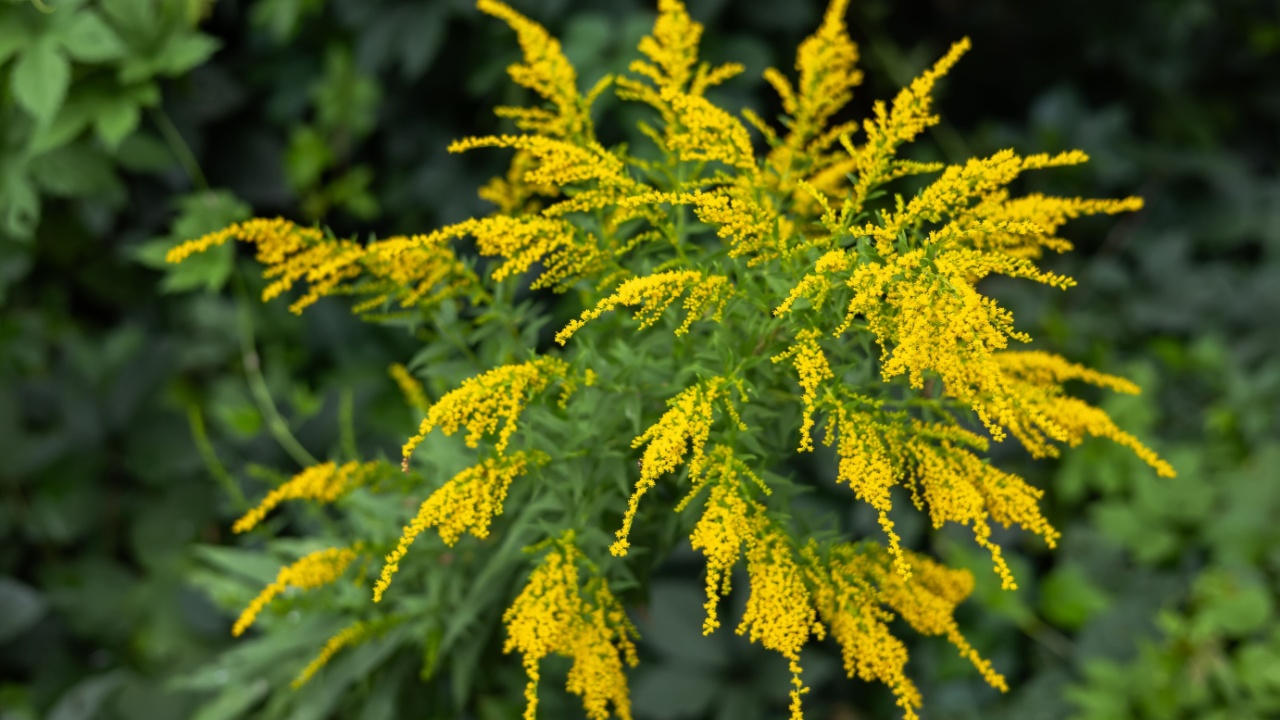
Goldenrod takes the blame for fall allergies it does not deserve, notes Botanical Interests, and its fluffy seed heads draw dozens of bird species before becoming nesting material in spring. Asters feed birds twice, first through the caterpillars on their leaves, then through their seeds. That caterpillar connection matters more than most gardeners realize: Audubon reports it can take 6,000 to 9,000 caterpillars to raise a single brood of five chickadees, and its reporting is blunt that “native plants are better for native birds than introduced flora.”
4. Native Ornamental Grasses: Leave Them, Even If the Neighbors Squint
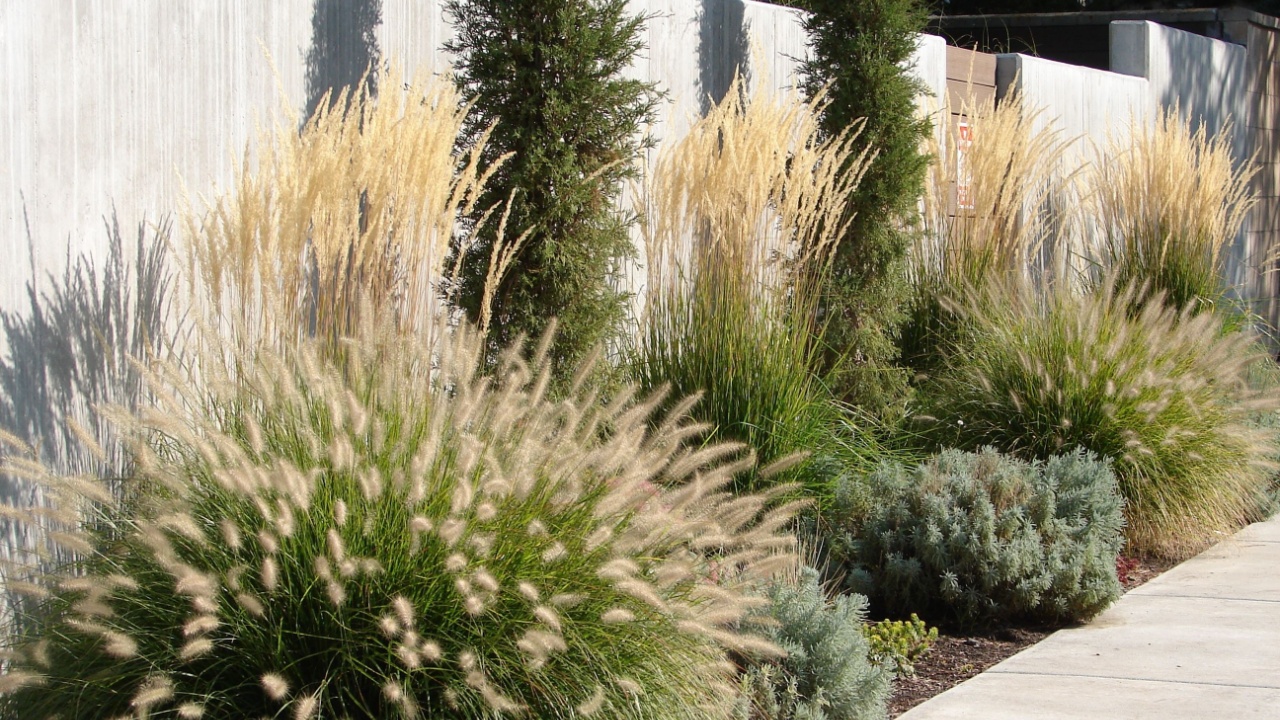
Switchgrass and other native grasses left standing give sparrows and finches seed, plus cover from wind and predators, according to Proven Winners. If you worry the people next door will read your yard as neglected, you are not alone. The Boston Globe’s Ask the Gardener column frames fall cleanup as a balance between your wants, your neighbors’ concerns, and nature’s needs, and for tall stems that feel too messy, it suggests you “reduce them to 18-24 inches instead.”
5. Winterberry Holly: The Shrub Birds Line Up For
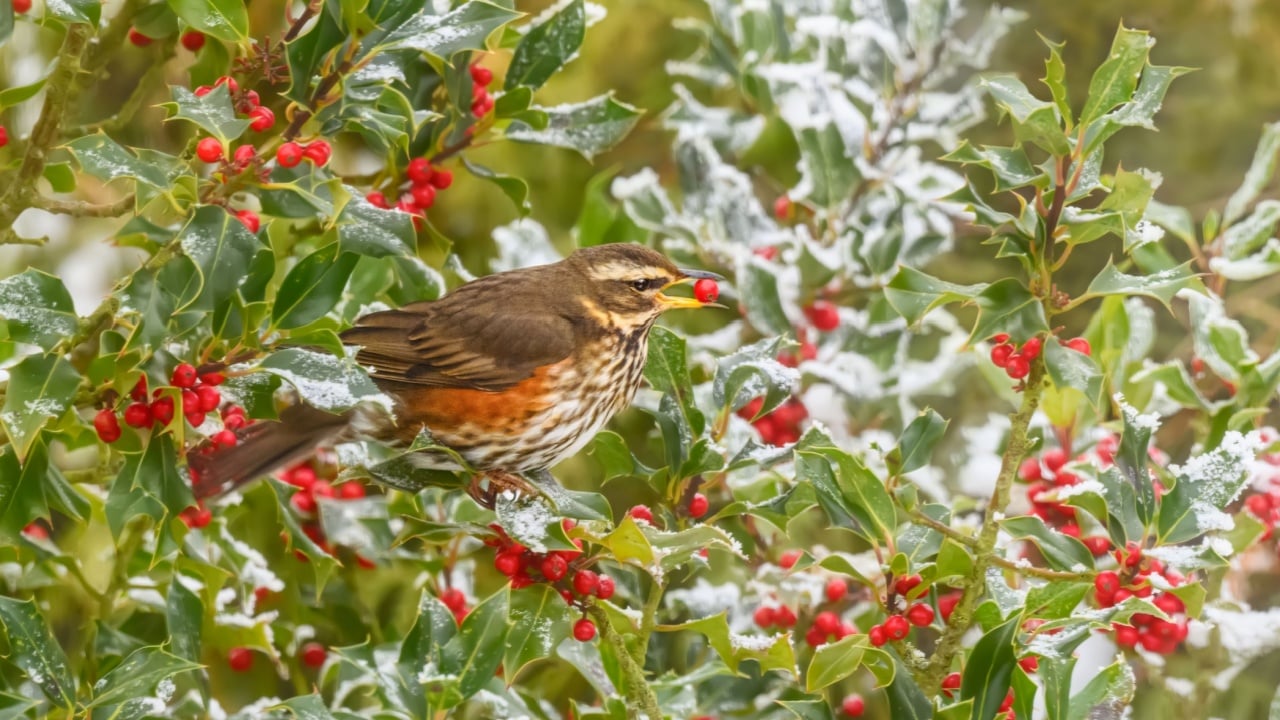
Winterberry feeds robins, bluebirds, woodpeckers, waxwings, and thrushes, grows to about eight feet, and handles zones 3 through 9, according to Homes & Gardens. It is a native holly, which is the point: ecologist Forrest King-Cortes told Real Simple, “Always go native over whatever you may find more easily.”
6. Native Viburnum and Chokeberry: Not All Berries Are Equal
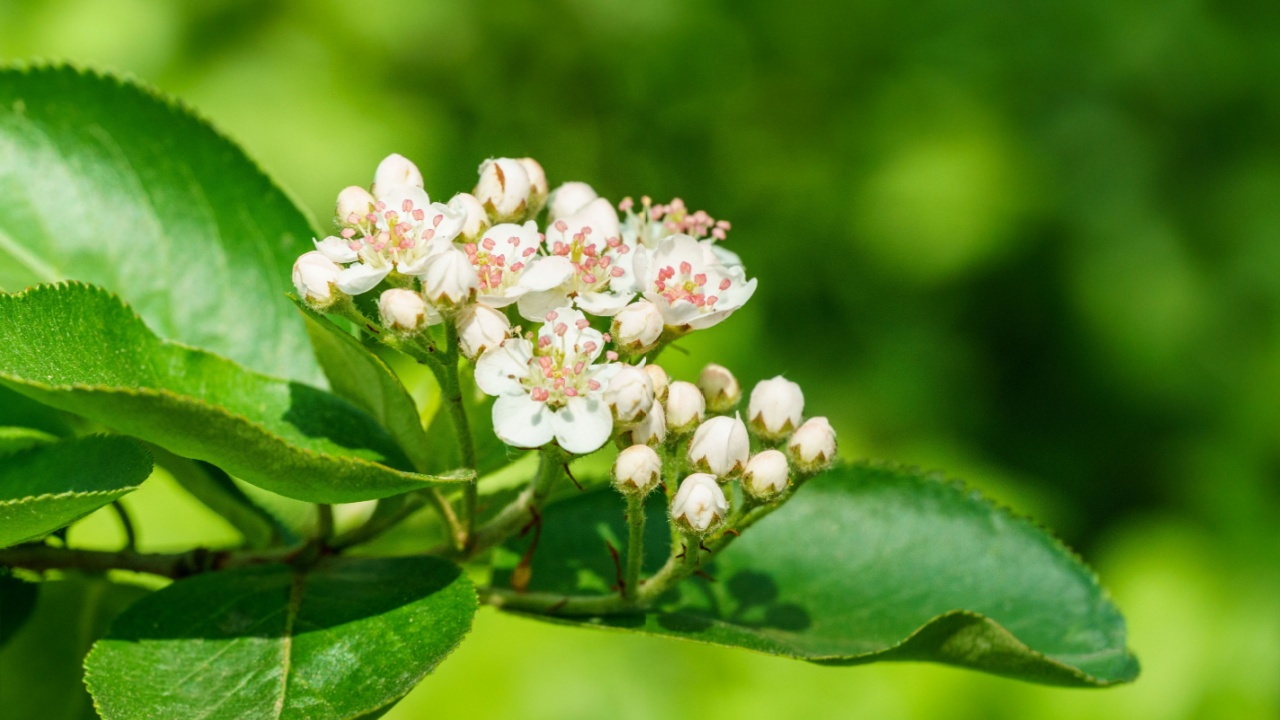
Here is the fact that surprises even experienced gardeners: native shrub berries contain roughly 6.5 to 48.7 percent fat, while invasive Eurasian berries come in under 1 percent, according to the Burroughs Audubon Society. Audubon describes invasive honeysuckle berries as “kind of like junk food” for birds: plenty of berries, very little fuel for a frozen night. Native viburnums and chokeberries are the upgrade, and Real Simple recommends checking your local university extension for the natives that suit your region.
7. Eastern Red Cedar and Juniper: Food Plus a Roof

Juniper berries feed birds, but Botanical Interests argues that “the shelter value might be even more important than the food here,” since dense evergreen branches give birds a protected place to ride out storms. Eastern red cedar, a native juniper, is the plant UNC’s North Carolina Botanical Garden recommends as a preferred native food for cedar waxwings. That recommendation comes with a warning attached.
How To Support Your Backyard Birds
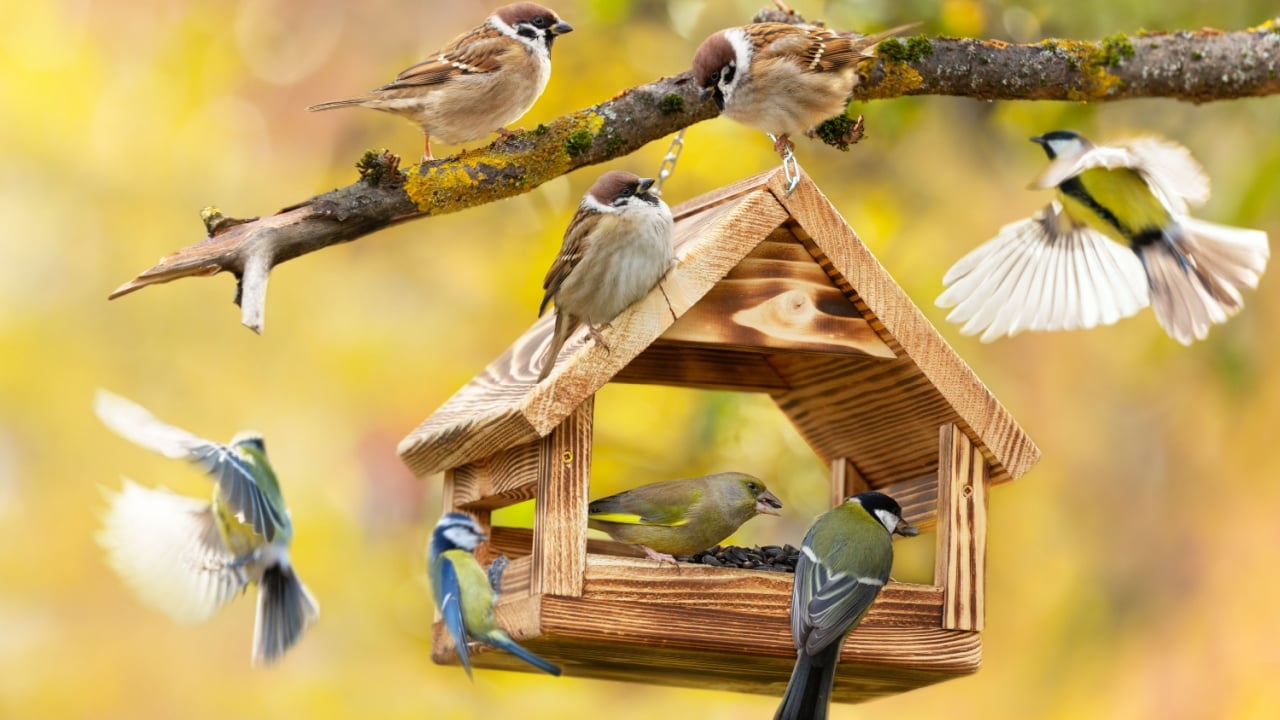
You do not have to choose between a wild yard and a neat one. Farmers’ Almanac recommends keeping sidewalks, driveways, and the front edges of beds trimmed while leaving the interior standing, and still removing diseased plants, rotting fruit, and invasive weeds. After generations of cut it, bag it, haul it away, its advice fits on a sticky note: “Don’t make your yard messy. Make it strategically messy.”
A tidy garden in October is an empty wildlife pantry in January.
The habit worth breaking this fall is not laziness; it is over-tidiness. Put down the pruners on the coneflowers, pull the nandina instead, and by January your yard can be the busiest feeding station on the block, at no cost to you.
Read More
Washing Your Lettuce Won’t Remove Cyclosporiasis, But Growing Your Own Will
Your Grandmother Stored These 8 Foods All Winter Without Canning a Single Jar