5 Proven Tips for Creating an Owl Sanctuary in the Backyard
Nothing beats watching an owl glide into your yard at dusk; it’s like nature’s own spooky magic show. Their eerie calls and ghostly flight are pure backyard drama. But unlike those chatty songbirds that show up at any old feeder, owls are picky predators with very specific tastes. If you want these nighttime beauties hanging around, you’ll need to go beyond planting flowers and think like a wildlife wrangler.
Attracting owls takes patience and a little backyard makeover, but the payoff? Free rodent control and a front-row seat to some seriously cool nocturnal action. Want to make your yard owl-friendly?
Here are five easy ways to roll out the welcome mat for these fascinating night stalkers.
1. Cultivate a Rodent-Friendly Habitat
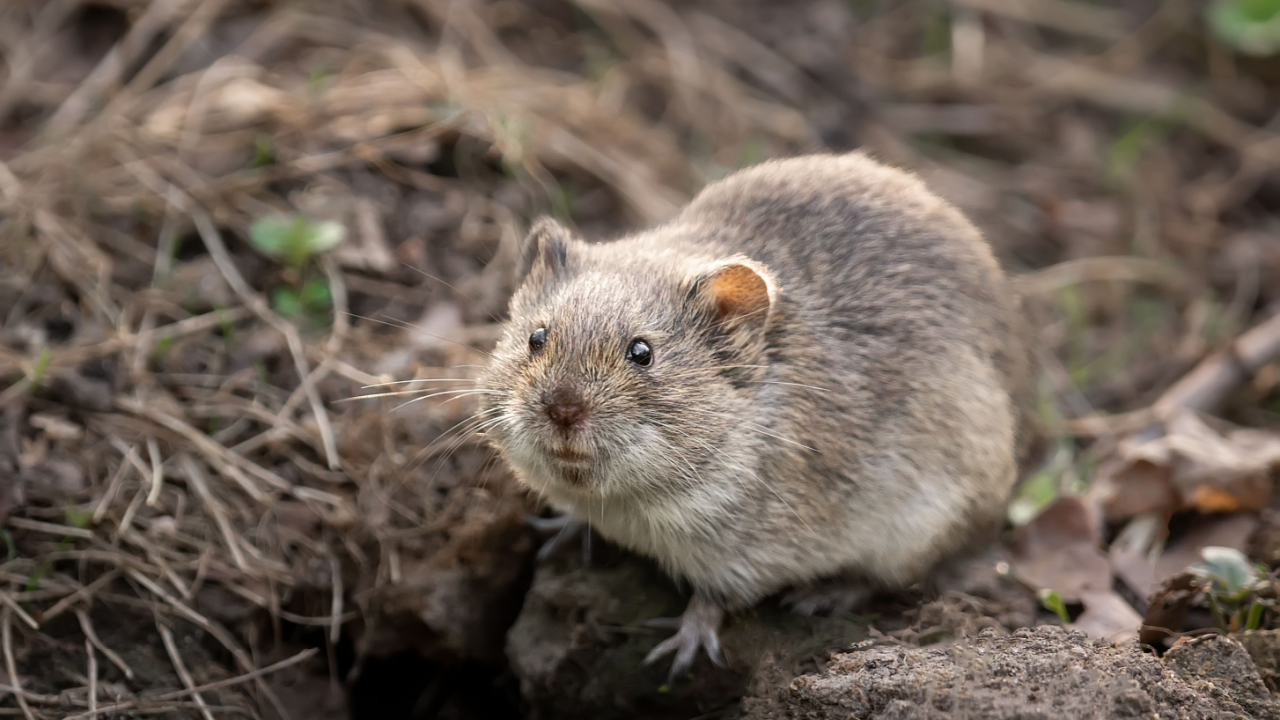
Owls are raptors, meaning they are meat-eaters. While songbirds want seeds, owls want the creatures that eat the seeds. A single barn owl family can consume thousands of rodents in a nesting season, so if you want owls, you first need to welcome their dinner: mice, voles, and shrews.
To do this, you need to create an environment where small mammals feel safe enough to visit. This means leaving parts of your yard a little “messy.” Create brush piles from fallen branches, old Christmas trees, or trimmings in a quiet corner of your property (not near your home where they’ll cause hayhem). These piles provide crucial cover for small mammals to nest and hide from the elements.
Pro Tip: Avoid clearing away all the leaf litter in the fall. Leaves provide a habitat for bugs, which attract shrews and mice, which in turn attract owls. It’s a simple food chain fix that starts with putting the rake away.
2. Eliminate Synthetic Pesticides and Rodenticides
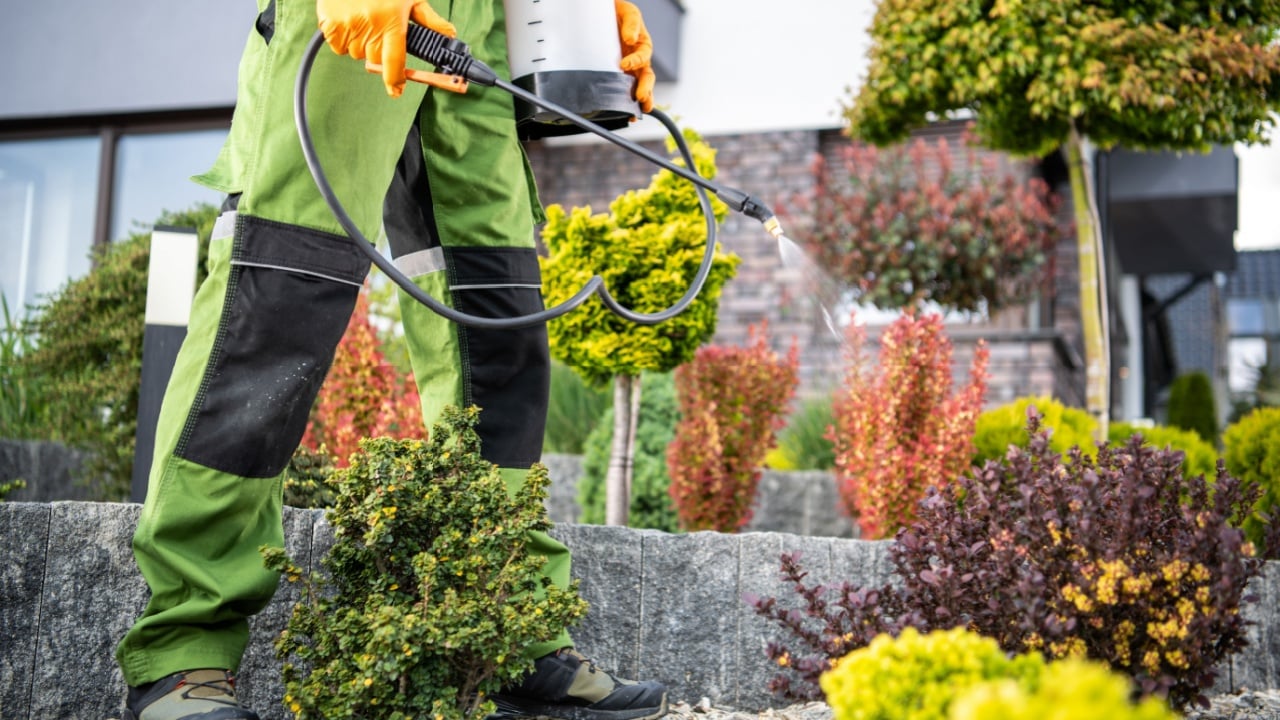
If you want an owl-friendly yard, this is the #1 safety rule: skip the poisons. Using rodenticides to control rats or mice is basically setting a trap for owls. Poisoned rodents don’t die right away; they get slow and become easy targets for hungry owls. Once the owl eats the toxic rodent, the poison can kill the bird, too.
Using insecticides is equally problematic. Smaller owls like Flammulated Owls or Elf Owls depend on insects for food. Even bigger owls rely on a whole food chain that starts with insects. Spraying chemicals wipes out that foundation, messing up the ecosystem that owls depend on.
Pro Tip: Embrace natural pest control. Instead of chemicals, let the owls do the job they were born to do. A resident pair of owls is far more effective (and safer) at controlling a rodent population than a box of poison.
3. Install Species-Specific Nesting Boxes
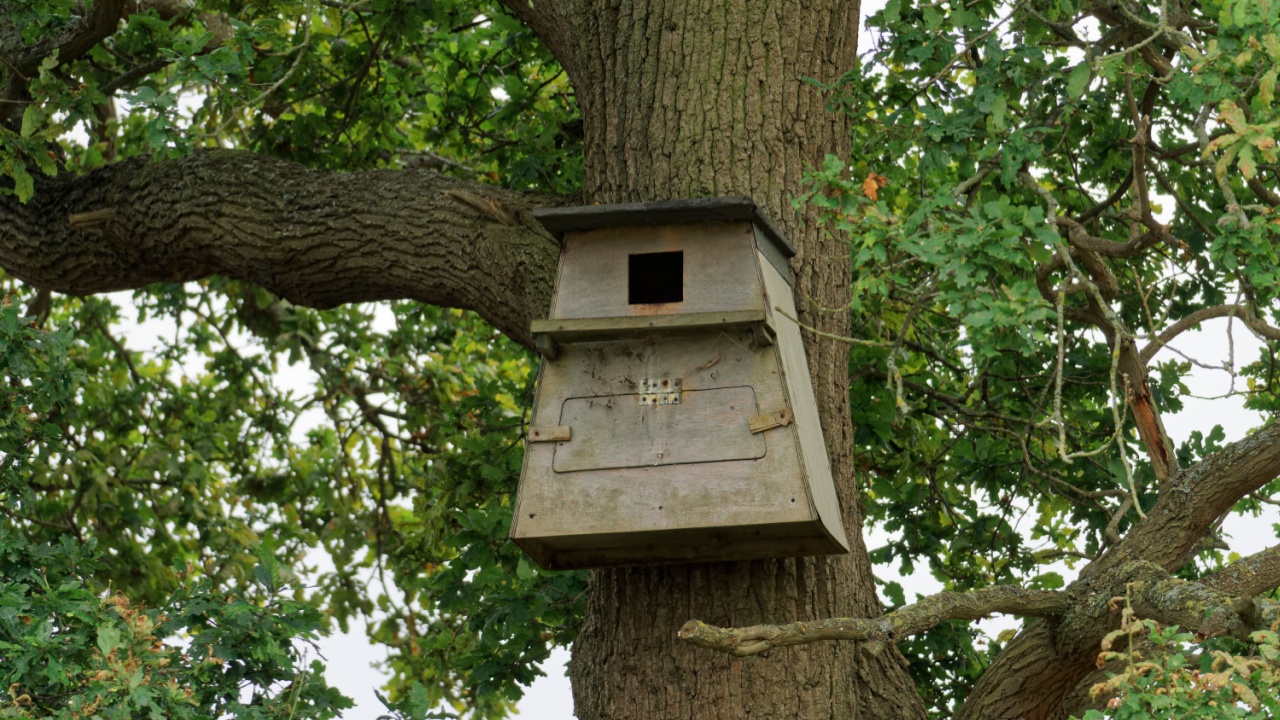
Most wild owls make their homes in tree cavities created by woodpeckers or natural decay. But with fewer old-growth trees in suburban areas, these natural nesting spots are hard to come by. You can help solve this housing shortage by putting up a man-made nesting box.
The key is to avoid a generic, one-size-fits-all box. A Great Horned Owl needs a big, open platform or a huge box, but a little Screech Owl needs a smaller box with just the right-sized entrance to feel safe. Do a little digging to see which owls are native to your area and then buy or build a box that’s just right for them.
Pro Tip: Place your nesting box 10 to 20 feet high on a sturdy tree or pole. Ensure the opening faces away from prevailing winds to keep the residents warm and dry during storms.
4. Install a Large Bird Bath
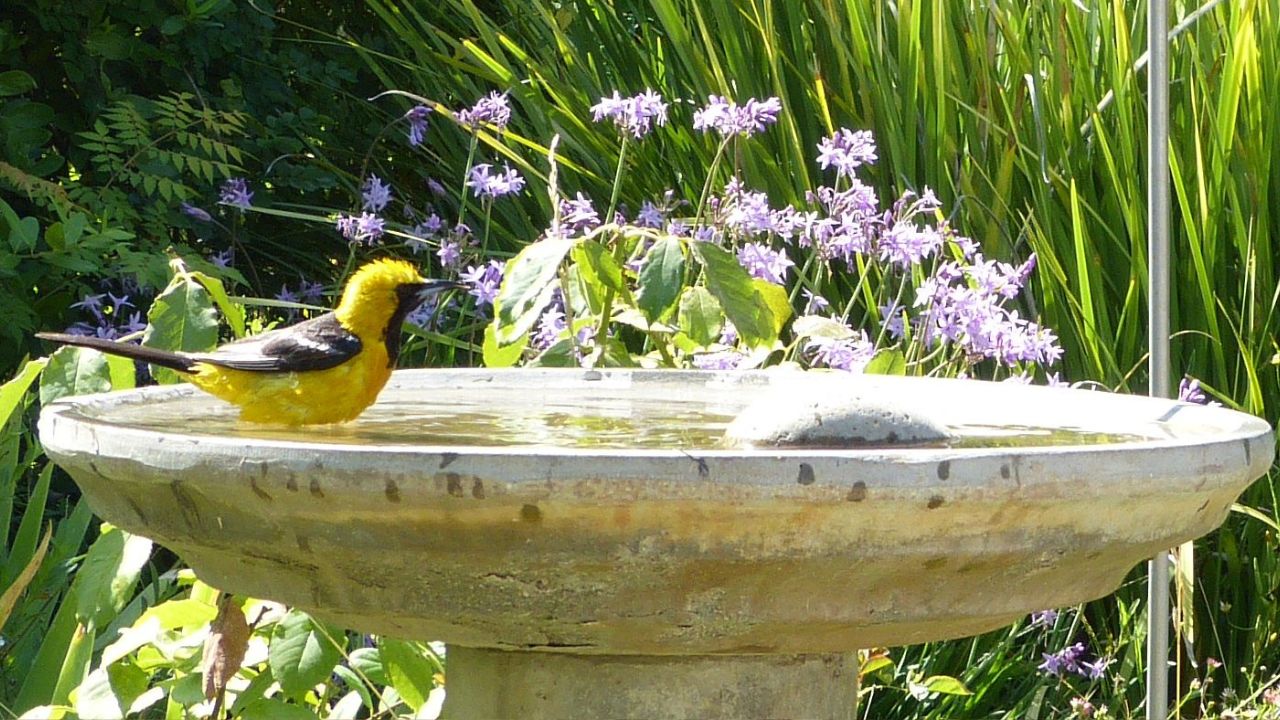
While owls get most of their hydration from the prey they eat, they still need water for drinking and bathing. A clean, reliable water source can be a major draw, especially in dry climates or during the heat of summer.
Because owls are larger than your average backyard bird, a standard, flimsy bird bath might not suffice. Look for a basin that is at least two to three inches deep and sturdy enough to support the weight of a larger bird. The sound of moving water is particularly attractive to wildlife, so adding a solar fountain or a dripper can help catch their attention.
Pro Tip: Invest in a heated bird bath or a de-icer for the winter months. When local ponds and puddles freeze over, your liquid water source will become the most popular spot in the neighbourhood for local wildlife.
5. Preserve Large Trees and Snags
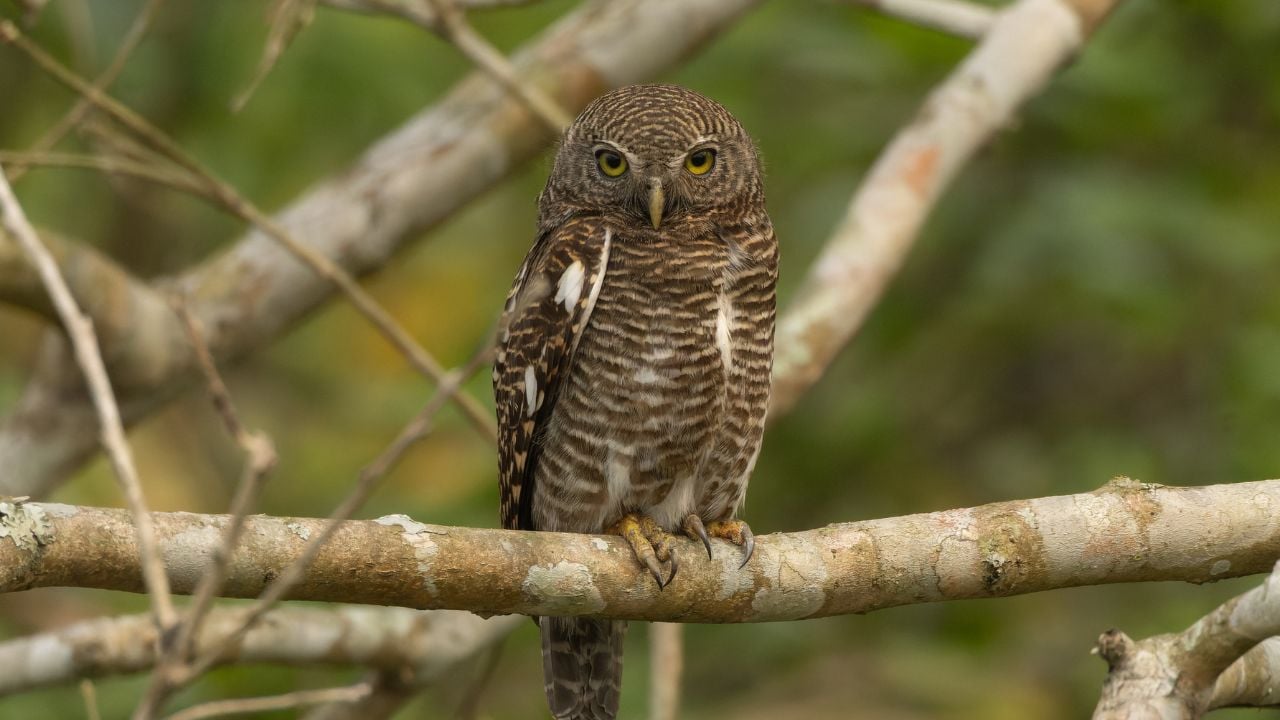
Owls are sit-and-wait predators. They require high perches where they can scan the ground for movement below. Mature trees with strong, horizontal limbs provide the perfect vantage points for hunting. Dense conifers (evergreens) are especially valuable because they offer wind protection and camouflage for owls roosting during the day.
If you have a dead tree (a snag) that isn’t a safety hazard to your home, consider leaving it standing. Snags are high-value real estate in the bird world, offering soft wood for excavating nests and bare branches for unobstructed viewing.
Pro Tip: If you don’t have large trees, you can install a tall post with a crossbar in a quiet area of your yard. This artificial perch gives owls a place to rest and hunt while your younger trees grow.
Create a Backyard Ecosystem
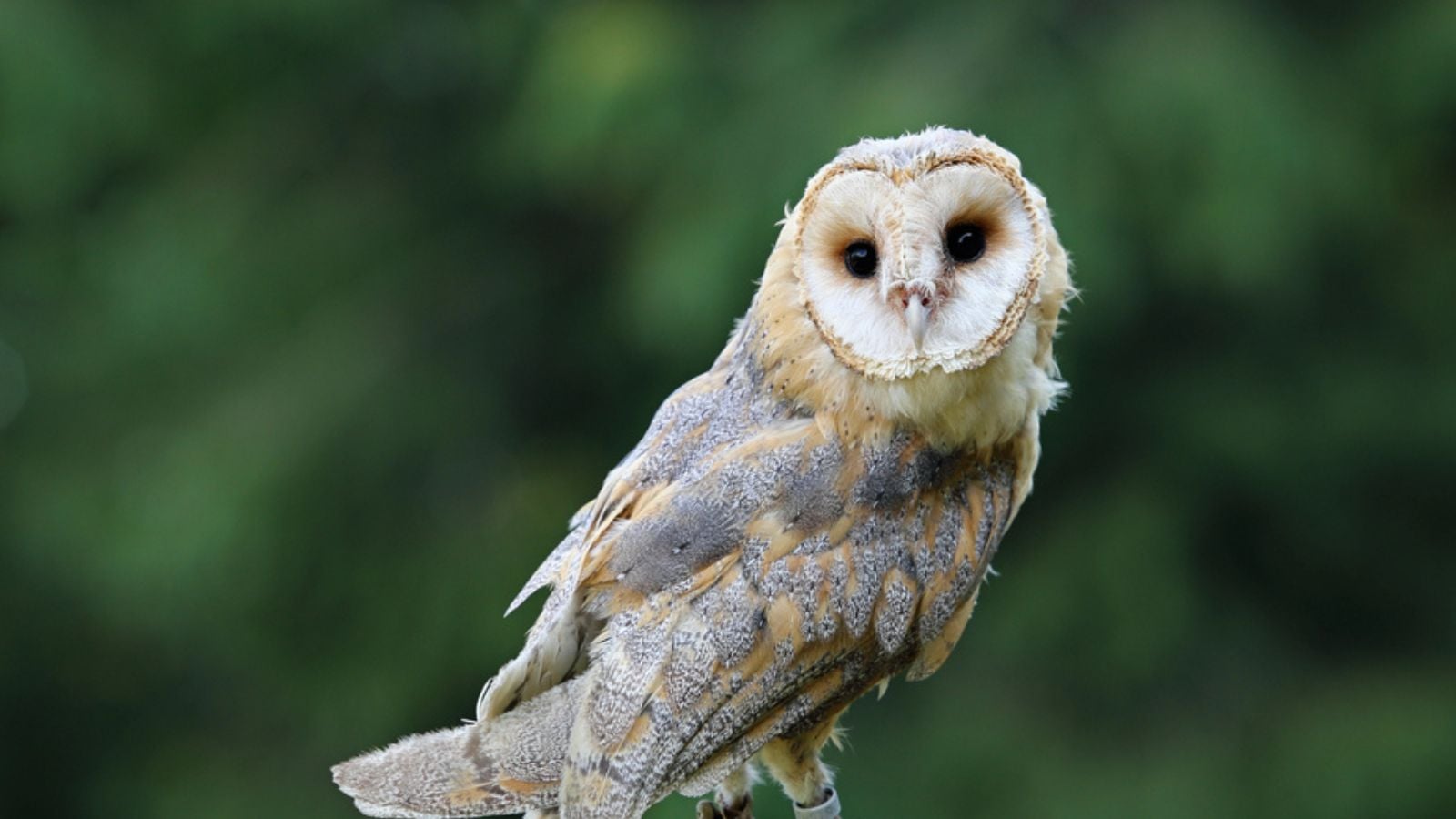
Attracting owls isn’t an overnight project; it’s about building a balanced ecosystem where nature can thrive. By providing the right mix of shelter, food, and water, you are setting the stage for a thriving backyard habitat that supports everything from tiny beetles to majestic raptors.