The 12-Year-Old Who Unlocked the Vanilla Orchid’s Secret, and Never Profited From It
For more than two centuries after Europeans carried vanilla vines out of Mexico, those vines refused to make a single bean, and the person who finally solved the puzzle was an enslaved boy who never earned a cent from it.
The plant behind that bottle in your pantry is Vanilla planifolia, a climbing tropical orchid. According to the Royal Botanic Gardens, Kew, it is one of the very few orchids whose fruit carries real economic value, and vanilla ranks as the second most expensive spice in the world after saffron because its pods demand so much hand labor. Most of us reach for it without a second thought, which is exactly why its story is so easy to miss.
That story matters every time you shop. Real vanilla is expensive for reasons that trace straight back to one flower, one island, and one discovery in 1841. It also explains why so much of what’s sold as vanilla flavor contains none of the real thing, and why farmers today guard their vines like jewelry.
So before you bake your next batch of holiday cookies, it’s worth knowing where that warm, sweet scent actually comes from. The answer begins in the forests of Mexico, long before anyone thought to put vanilla in a cookie.
Why Vanilla Costs So Much
Growing vanilla is laborious from start to finish. PBS reports that it takes about 300 hand-pollinated blossoms to produce a single pound of beans, and that pound can sell for around $300 depending on the market. The Herb Society of America sums it up: “Vanilla is nearly as expensive as silver.” There are no shortcuts. Every flower, every pod, and every cured bean passes through human hands.
Where Vanilla Began
Long before vanilla reached Europe, it was prized across Mexico and Central America. The Handbook of Vanilla Science and Technology notes that “Vanilla was used in pre‐Hispanic Mesoamerica for a variety of purposes,” including tribute, fragrance, medicine, and flavoring cacao, by groups such as the Maya, Aztec, and Totonac. Kew credits the Aztecs with first using it to flavor cocoa.
The Totonac people of Papantla, on Mexico’s Gulf Coast, became the great vanilla growers. As NPR reports, “It was the Totonacans who introduced vanilla to the world.” They paid tribute to their Aztec rulers in vanilla, and when Cortés returned to Spain, Mexico’s vanilla plants were among the riches he carried home.
Why Vanilla Vines Bloomed Without Bearing Fruit
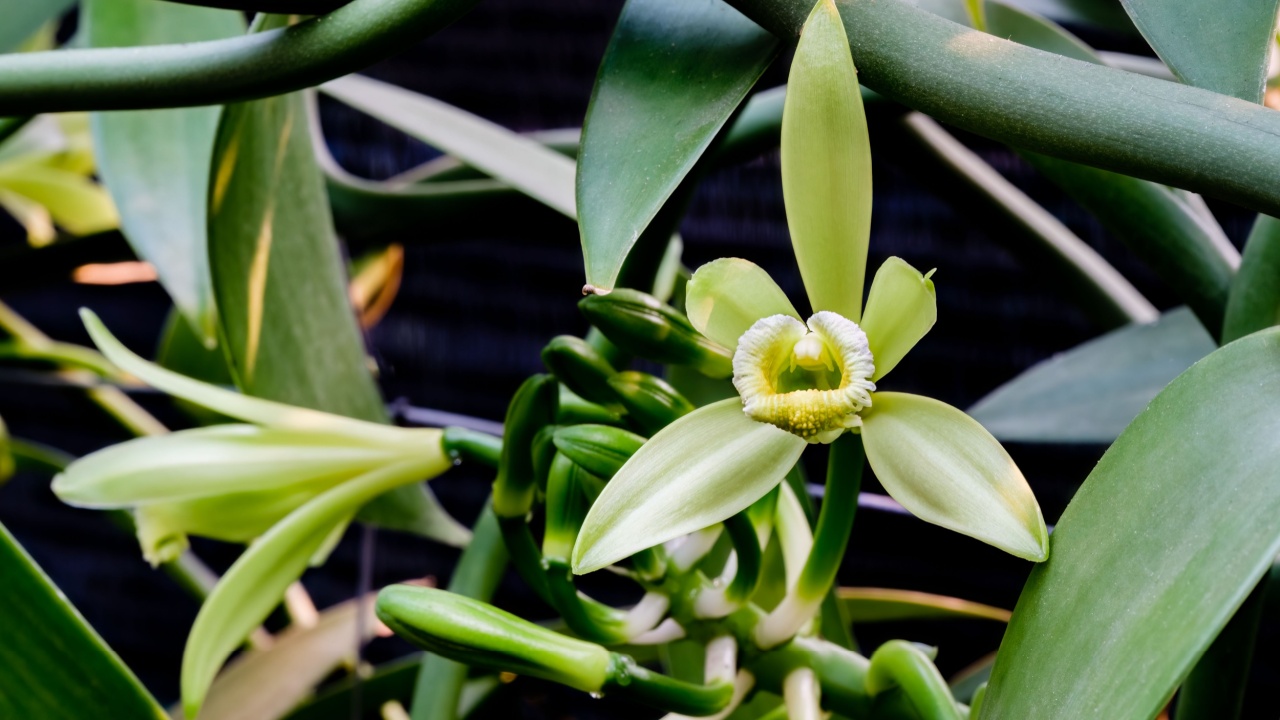
When vanilla traveled abroad, the vines grew beautifully and produced nothing. As UF/IFAS Extension explains, “The vines were not productive outside their native range” because their natural pollinators stayed behind in Mesoamerica.
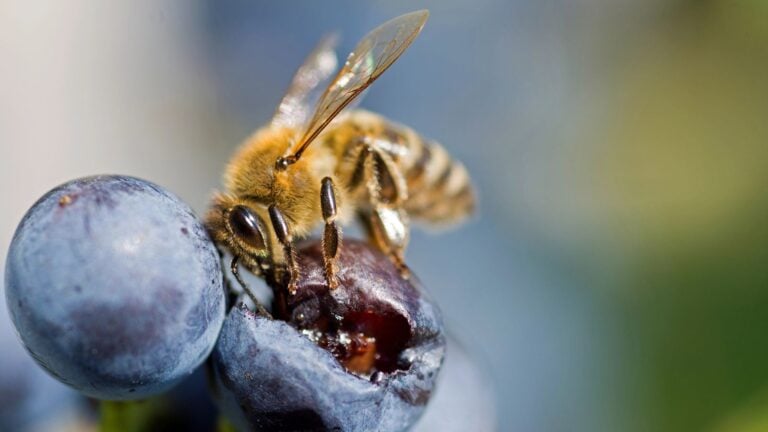
The flower itself is the problem. It contains a tiny lid called the rostellum that keeps it from fertilizing itself, and each bloom stays open for only a few hours. Even in its native Mexico, UF/IFAS reports that pollination succeeds less than about 10% of the time, with the natural pollinators present. Abroad, the odds were effectively zero. A Belgian botanist, Charles Morren, published a hand pollination method in 1837, but it was too slow to be practical.
The 12-Year-Old Who Changed Vanilla Forever
On the French island of Réunion in the Indian Ocean, plantation owner Ferréol Bellier-Beaumont had a vanilla vine that refused to fruit. As National Geographic tells it, one morning in 1841, his enslaved 12-year-old, Edmond, showed him pods hanging from the vine. “He’d produced those fruits himself, he said, by hand-pollination.”
According to Lapham’s Quarterly, Edmond used a thin stick, a little larger than a toothpick, to open the flower and reach past the membrane separating its male and female parts, a technique still used to pollinate vanilla today. Within his lifetime, vanilla became Réunion’s major cash crop, and National Geographic notes the island eventually outstripped Mexico as the world’s largest producer.
Edmond did not share in that fortune. Europeana reports he was freed in 1848, when slavery was abolished on Réunion, and never profited from his discovery, dying without fortune or recognition. His hometown finally raised a statue in his honor in 2004.
Nearly every real vanilla bean you have ever tasted exists because a 12-year-old looked closely at a flower that grown men had failed to figure out.
What Makes the Vanilla Orchid So Unusual
This is no windowsill orchid. Kew notes the evergreen vine can reach 15 meters, roughly 49 feet, climbing trees with fleshy aerial roots. The UC Davis Botanical Conservatory adds that “Green aerial roots help support the plant as it climbs and can also photosynthesize.”
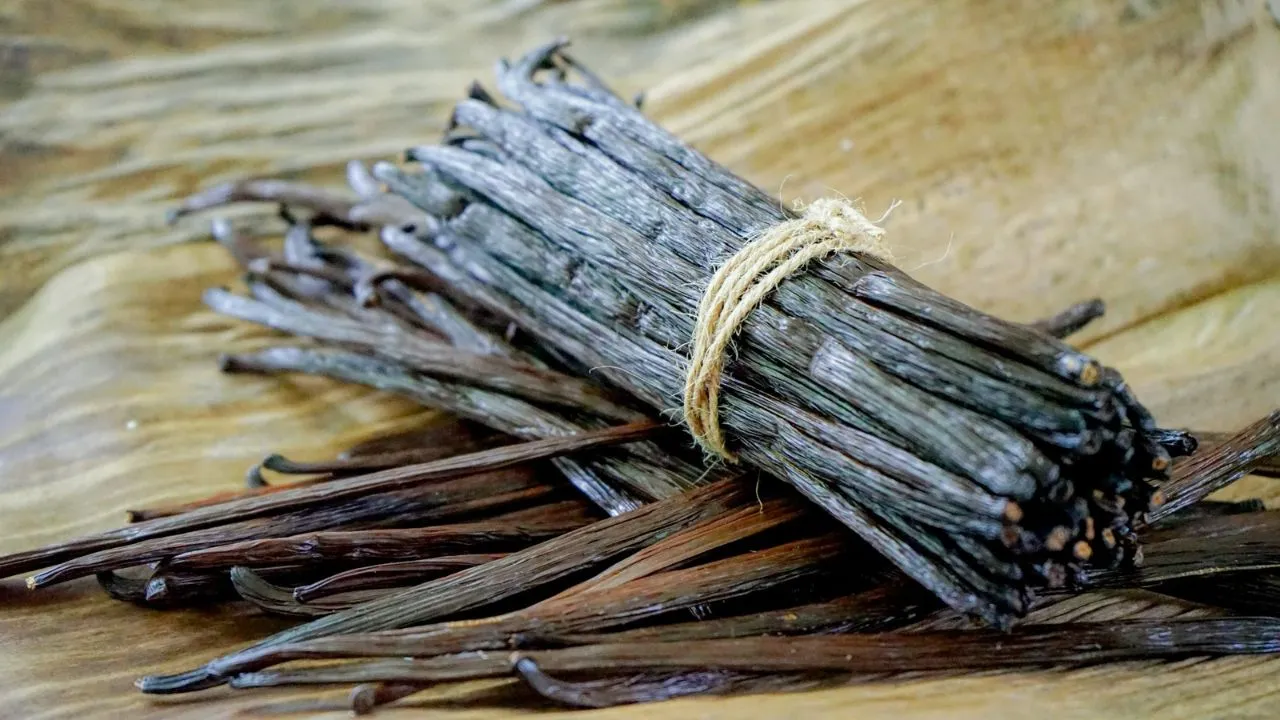
After pollination, pods take eight to nine months to ripen, according to UF/IFAS Extension. Even then, a fresh green pod smells like almost nothing. Kew explains that the familiar aroma only develops after the fruit is dried and cured, a process UC Davis says can take up to six more months.
Why Real Vanilla Is Still Worth Stealing
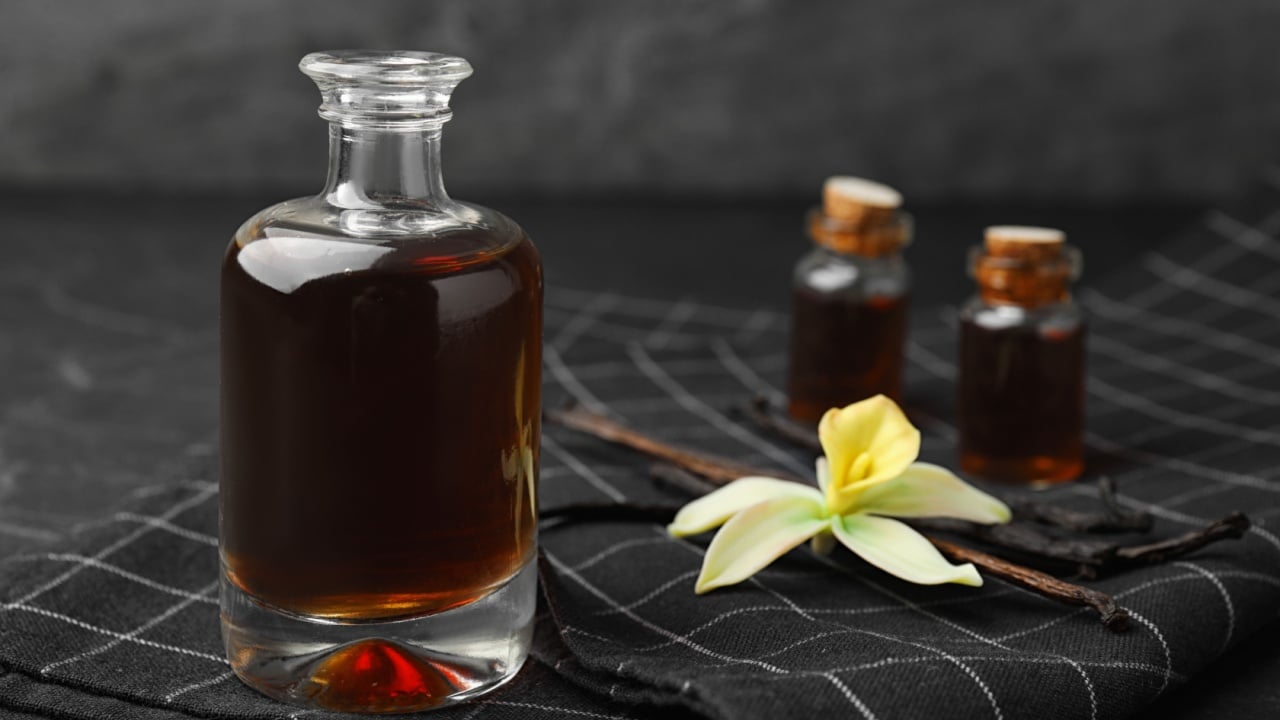
The theft problem is just as real today, in Mexico and abroad. In 2018, The World (PRI) reported that Madagascar vanilla hit a record $635 per kilo, up from $100 two years earlier, and that farmers had armed themselves to protect their vines. One farmer explained, “We’re armed because the robbers are armed.” The Daily Maverick later described growers paying guards through the nine months it takes their pods to mature, and the Herb Society notes that farmers now stamp codes onto growing beans to deter theft.
Meanwhile, the real plant is in trouble in the wild. Kew notes the IUCN lists Vanilla planifolia as Endangered, and that it is now rare in its native forests because of habitat loss and overexploitation. And most of us rarely taste the genuine article at all: PBS reports that 99% of vanilla-flavored products contain no real vanilla, and Kew notes much of today’s vanilla essence is made from wood pulp or coal tar.
How to Grow a Vanilla Orchid at Home
You can grow a piece of this history yourself, but plan for warmth and patience. UF/IFAS Extension warns that vanilla is sensitive to chilling and can be killed by freezing temperatures. Plants For A Future lists it as hardy only in USDA Zones 10 through 12, so most gardeners should bring it indoors before October ends.
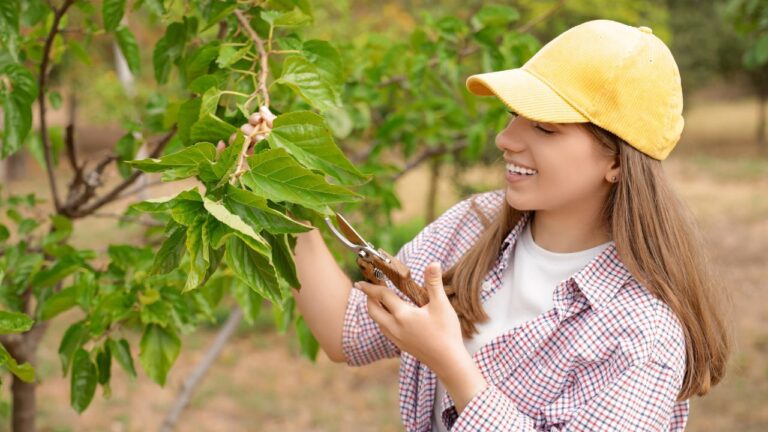
Kew’s horticulturists grow vanilla in a mix of bark chips, pumice, and charcoal, water only when it dries out, and describe their routine simply: “We mist the aerial roots once a day.” Give the vine a sturdy trellis or post, and loop it back down to the mix to encourage new roots. UF/IFAS notes that 12-inch cuttings take three to four years to bloom, while meter-long cuttings can flower in two to three, so a long cutting from a fellow grower costs nothing and saves you a year. When flowers finally open, pollinate in the morning with a toothpick, just as Edmond did. Wear gloves when handling the vine, too: Plants For A Future warns the plant can irritate skin. Florida gardeners, take note: UF/IFAS reports the state’s native vanilla species are endangered and should not be collected from the wild without permits.
Is Growing Vanilla Worth It?
Commercially, vanilla is one of the most demanding crops on earth. At home, it asks for warmth, humidity, and patience measured in years, which is something gardeners in their 50s and 60s tend to understand better than anyone.
The real villain in vanilla’s story has always been the shortcut: the imitation extract, the stolen green pod, the impatience that gives up before the first bloom. Growing your own is the opposite of all that. As PBS put it, “There is nothing vanilla about vanilla.” Tend one through a single winter, and you’ll understand, firsthand, why that small brown pod has been guarded, stolen, and treasured for centuries.
Read More
Washing Your Lettuce Won’t Remove Cyclosporiasis, But Growing Your Own Will
Your Grandmother Stored These 8 Foods All Winter Without Canning a Single Jar