When Should I Plant Garlic? Stop Making These 6 Mistakes This Fall
Most garlic that disappoints in July was ruined the previous October, and not by neglect. More often than not, your garlic harvest was ruined by a little too much enthusiasm. The most common garlic mistake isn’t planting too late, but rather planting too early, on the first cool weekend that feels like fall.
It’s an easy trap to fall into. Seed garlic arrives in September, the nights turn crisp, and every gardening instinct says to get it in the ground. But cloves planted into warm soil can push up tender leaves that winter then punishes, leaving you with small, tired bulbs next summer. And the shortcut many gardeners reach for, a head of garlic from the kitchen counter, carries a risk most people never hear about: a soil disease that can make a bed useless for garlic for decades.
Garlic takes about nine months to mature, so a mistake in October doesn’t reveal itself until midsummer. Get it right, and a single pound of seed garlic can grow into roughly 30 full bulbs, with free seed for every year after.
So when should I plant garlic? It’s the question every fall gardener asks, and the honest answer has less to do with a date on the calendar than with your soil, your first frost, and seven habits that quietly shrink the harvest.
1. Stop Planting the First Weekend It Feels Like Fall
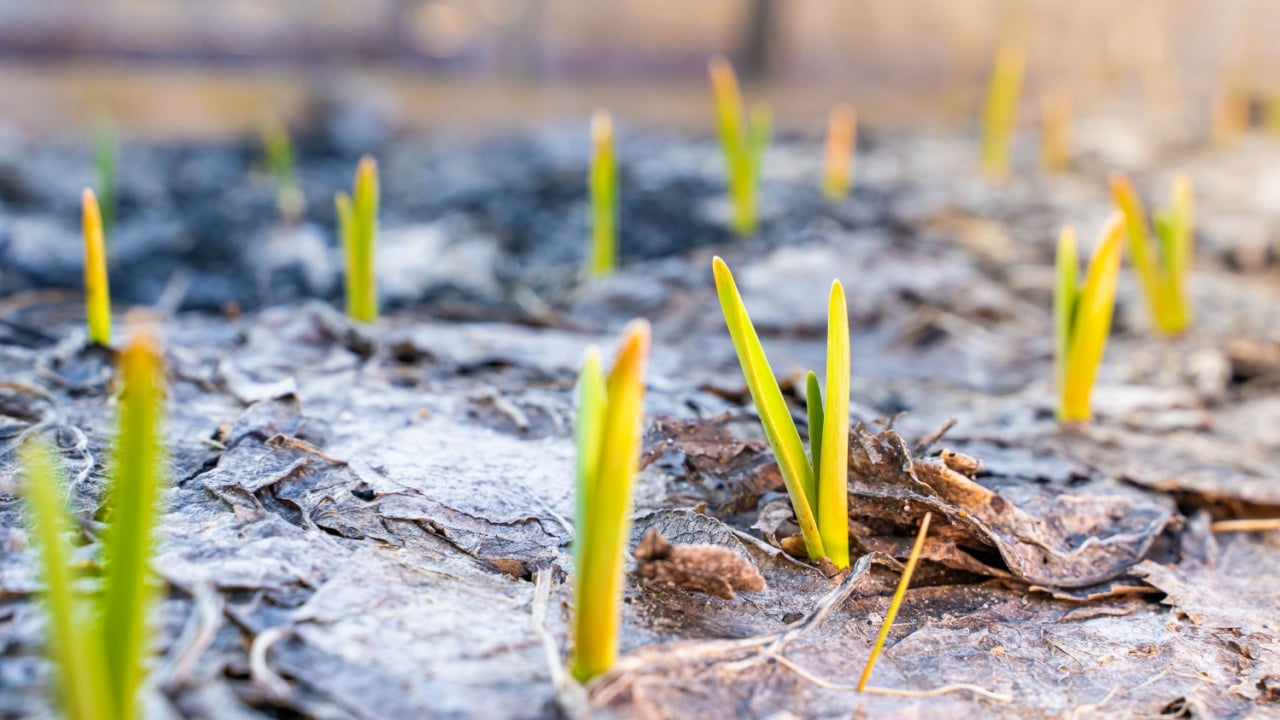
Cool air does not mean cool soil. Garlic is meant to grow roots in fall, then sit quietly underground until spring. Plant it too soon, and it sends up green shoots that frost burns back, spending energy that should have gone into the bulb. Meg Cowden of Seed to Fork, who has grown garlic in zone 4 for over a decade, says it plainly: “The biggest mistake I see from gardeners is planting garlic too early.” She waits several weeks past the first frost, until the hard freezes arrive. Garlic never rewards the eager gardener; it rewards the patient one who waits for the first hard frost. If your cloves have already sprouted, don’t panic, because those leaves usually pause through winter and recover in spring.
2. Never Plant Garlic From the Grocery Store

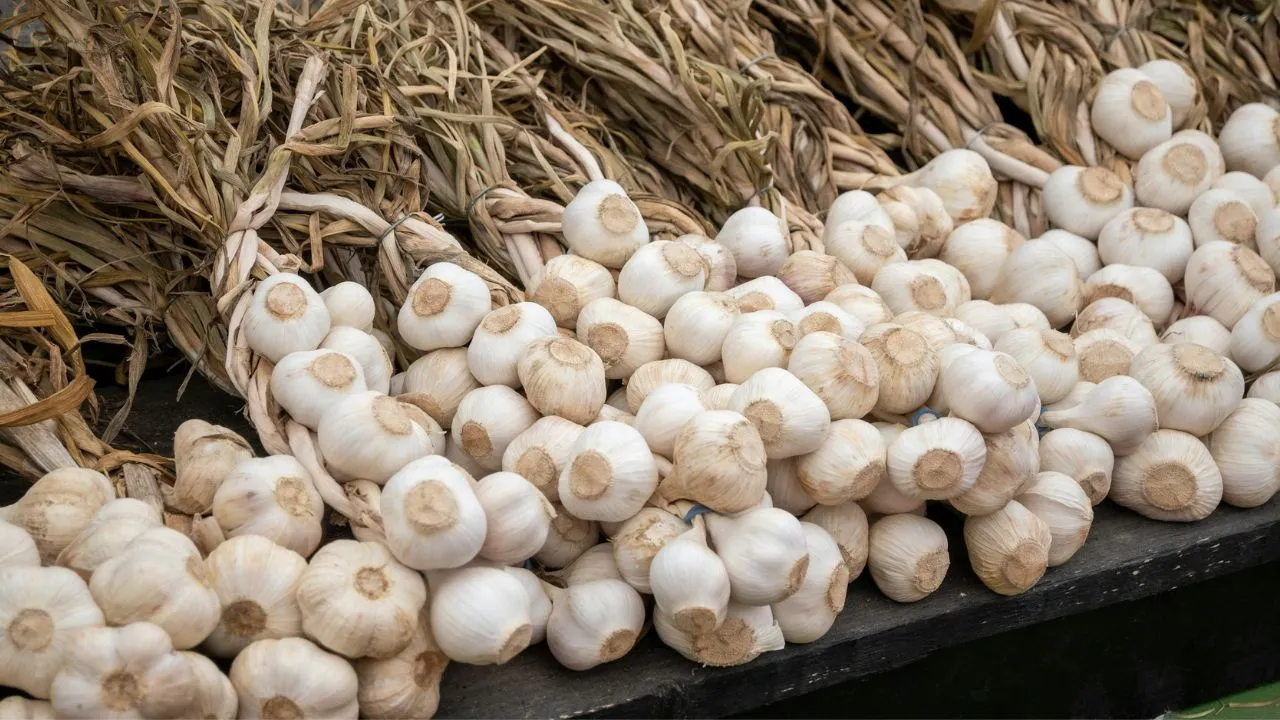
This is the mistake with the longest shadow. The University of Maryland Extension warns that supermarket garlic “may be a symptomless disease carrier,” and one of the worst things it can bring home is white rot. According to the University of Maine Cooperative Extension, white rot can make ground unusable for garlic and onions for as long as 40 years, even with no crops growing there. On top of that, Penn State Extension notes that much store-bought garlic is treated to extend shelf life, making it harder to grow, and may be a variety that can’t handle your winters. Certified seed garlic costs more up front, but it is the cheapest insurance in your vegetable garden.
3. Stop Using the Calendar: When to Plant Garlic by Frost
The Old Farmer’s Almanac offers a rule of thumb your grandmother would recognize: in colder climates, plant “about 1 to 2 weeks after the first killing frost.” Country Living frames the same window from the other side, aiming for three to six weeks before the ground freezes so roots grow, but no greenery breaks the surface. In practice, right now in October, northern gardeners should be watching the thermometer, while Penn State points Pennsylvania growers to mid to late October. Warmer regions have more time; Seed to Fork suggests zone 6 gardeners can plant through the end of November and zone 7 into mid-December.
4. Don’t Break Up Your Bulbs Early or Plant the Runts
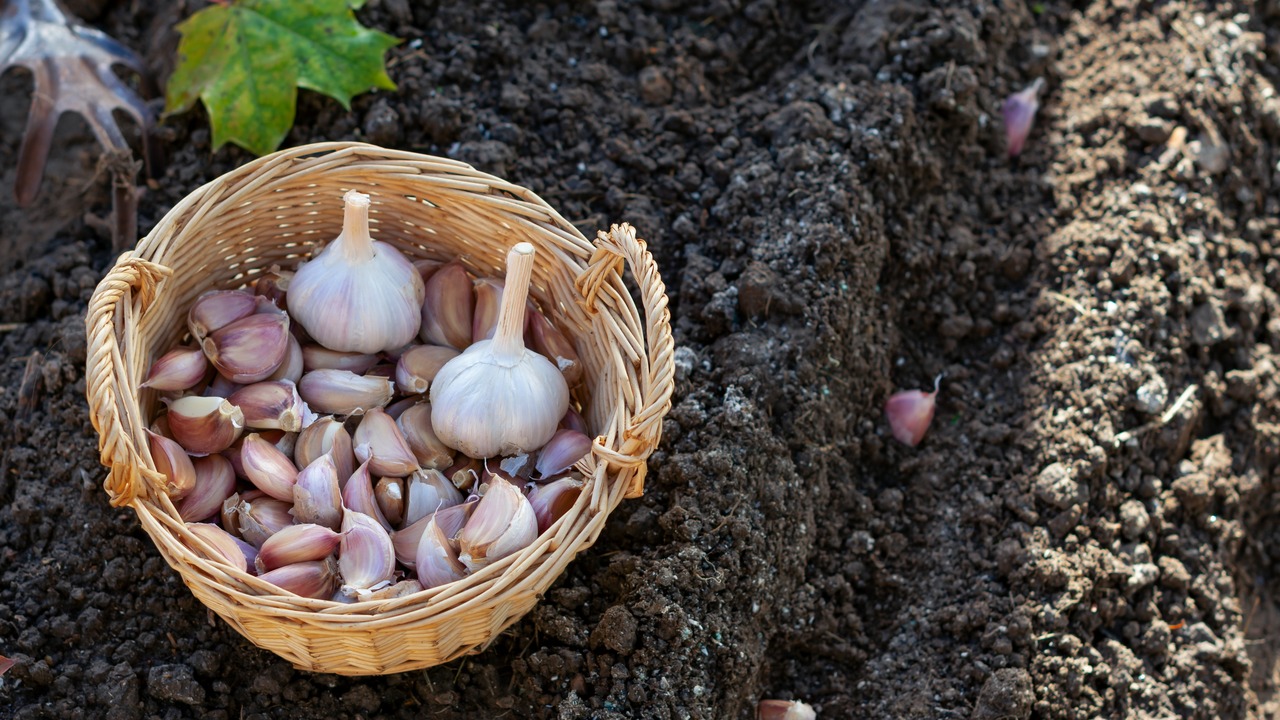
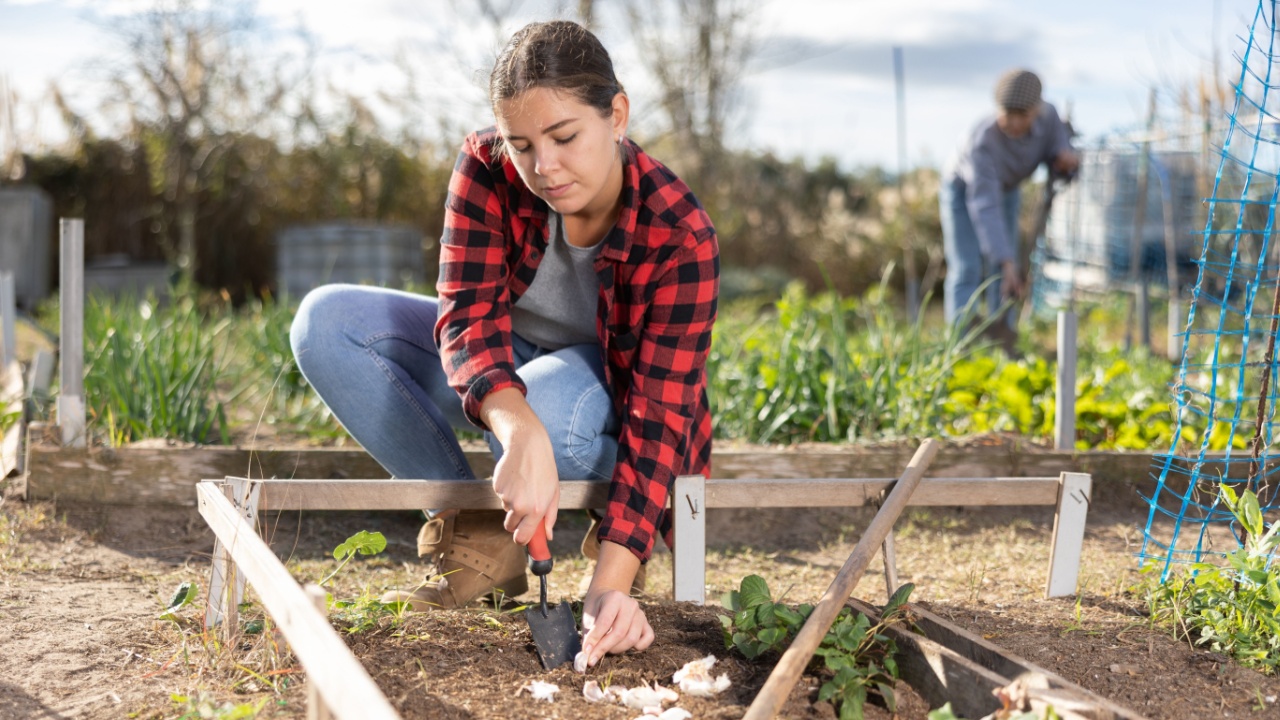
Separating cloves days in advance seems efficient, but it costs you. Penn State Extension advises breaking bulbs apart “no more than a day before planting,” so the root nodules don’t dry out, and Fairfax Master Gardeners note that early separation lowers yield. Plant only the biggest, firmest cloves, since larger cloves grow larger bulbs; send the small ones to the kitchen. Set each clove pointed end up, 2 to 3 inches deep and 4 to 6 inches apart, with the papery skin left on.
5. Stop Planting Where Onions Grew or Water Pools
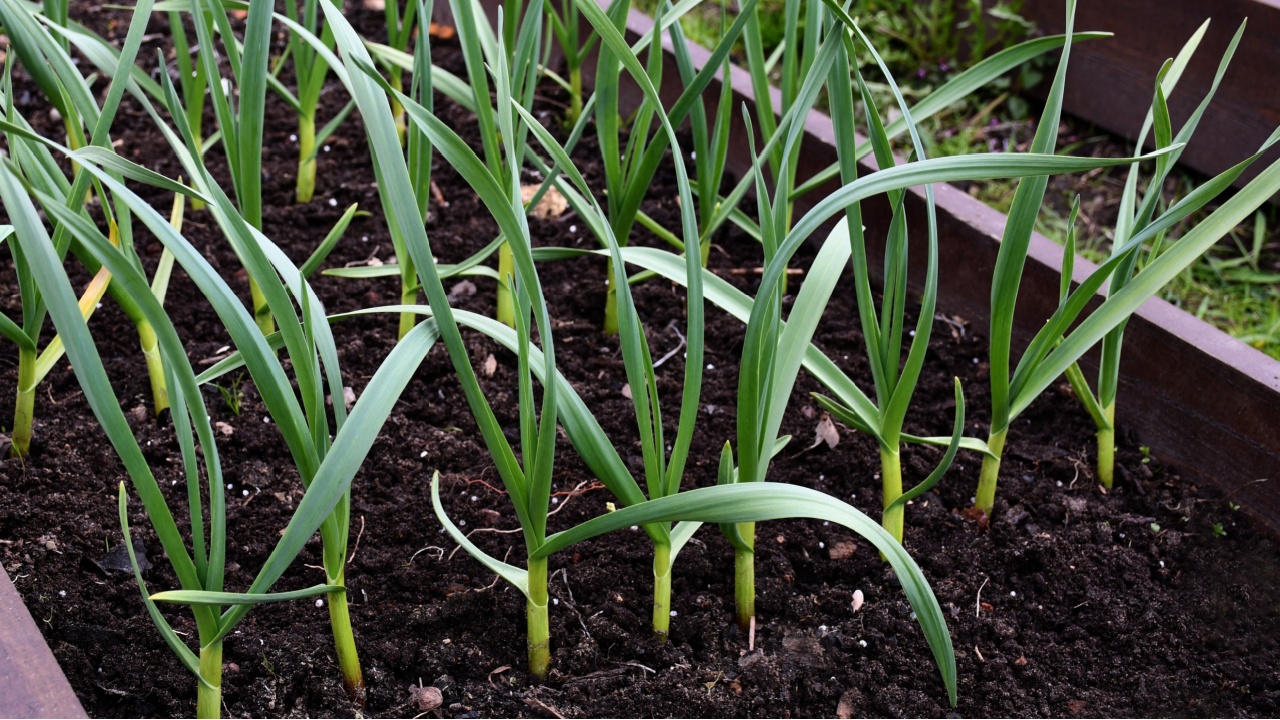
Garlic shares pests and diseases with the whole onion family, so where you plant matters as much as when. Fairfax Master Gardeners say never to plant garlic where an onion family crop “has grown in the past two years.” Drainage is the other deal breaker: garlic can rot in soil that stays wet, so heavy clay calls for a raised bed. Give it full sun too, at least six to eight hours a day.
6. Don’t Leave the Bed Bare or Pay for Mulch
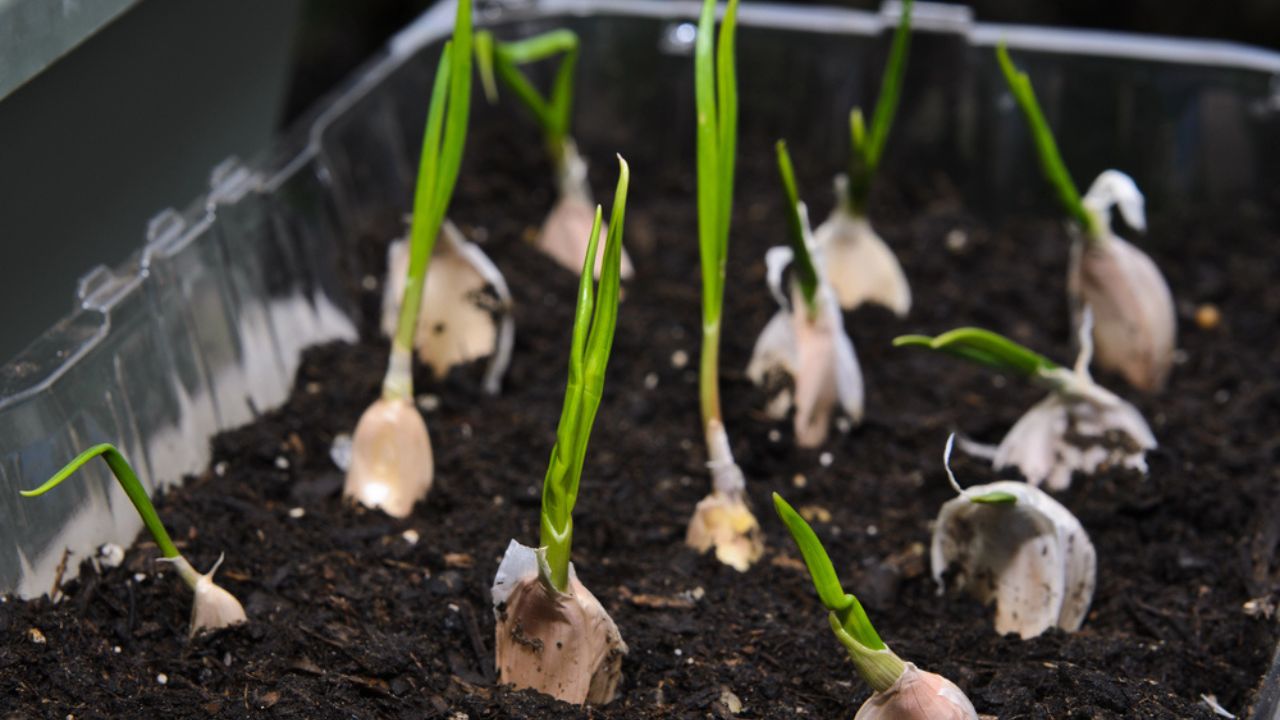
Winter’s real danger to garlic is the constant freezing and thawing that heaves cloves and stresses young roots. A blanket of straw or shredded leaves, a good four inches deep as Penn State Extension recommends, evens out those swings and keeps spring weeds down. You don’t need to buy anything. As The Laidback Gardener points out, chopped leaves “are an excellent mulch and they’re free too!” Just pull back any heavy, matted layer in spring so shoots can push through.
Plant Once, Then Grow Your Own Seed

Order certified seed garlic now, before suppliers sell out, then let your first killing frost tell you when to plant. Next June, snap off the curly scapes on hardneck types; Country Living cites research showing that leaving them on can shrink bulbs by as much as 48 percent. After harvest, set aside your biggest, healthiest bulbs instead of buying seed again. Jonathan Mitschele, who grows garlic for Fedco, keeps the math simple for the Maine Organic Farmers and Gardeners Association: “you need one clove for each plant you want to have next year.” The Old Farmer’s Almanac even notes an old saying that garlic learns a garden, adapting to your soil the longer you replant it.
Garlic is one of the most forgiving crops you can grow, which is exactly why its two big mistakes are so frustrating. Planting too early and planting grocery store cloves both feel harmless in October and only show their cost in July, or for decades. Wait for the frost, start with clean seed, mulch with free leaves, and keep the harvest away from pets. A little patience this month buys you a summer of fat, fragrant bulbs and a seed supply that never runs out.
Read More
The 7 Best Garden Items to Thrift This Fall
9 Smart Ways to Save Money in the Garden Before Fall Ends