14 Plants That Tomatoes Shouldn’t Be Near
Tomatoes are a cornerstone of many backyard gardens, promising juicy, sun-ripened flavor that store-bought versions just can’t match. To get that perfect tomato harvest, however, you need to do more than just water and wait. Successful gardening is like hosting a good party; you need to make sure all your guests get along.
Planting the wrong neighbor next to your tomatoes can lead to stunted growth, increased pests, and nutrient competition, ultimately sabotaging your hard work.
Understanding which plants make poor companions for your tomatoes is a crucial step toward a thriving garden. This guide will walk you through 14 plants that can cause problems for your prized tomato crop.
We’ll explore why these pairings don’t work and offer better alternatives to help you create a harmonious and productive garden bed.
1. Potatoes
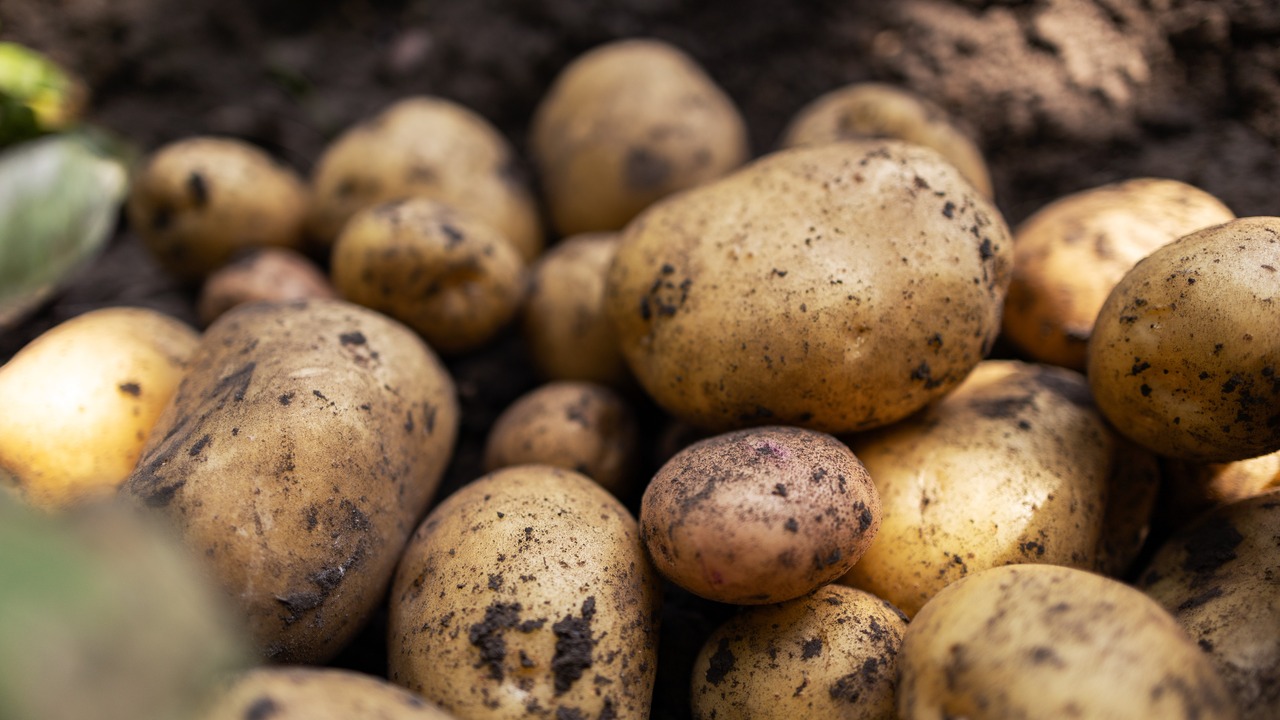
While both tomatoes and potatoes are members of the nightshade family, they are not friendly neighbors. Planting them together is a common mistake that can have serious consequences for both crops. They are susceptible to the same devastating fungal diseases, most notably early and late blight. If one plant gets infected, the disease can rapidly spread to the others, potentially wiping out your entire harvest.
Furthermore, both are heavy feeders, meaning they have high nutrient demands and will compete fiercely for resources like nitrogen and phosphorus in the soil. This competition can leave both plants weakened and less productive.
Quick Guide:
- Problem: Shared diseases (blight), competition for nutrients.
- Alternative Companions: Plant carrots, onions, or basil nearby instead. These have different needs and can even help repel pests.
- Next Steps: Plan your garden layout to keep at least 3-4 feet of distance between potato and tomato patches. Practice crop rotation by not planting in the same spot for at least three years to reduce soil-borne diseases.
2. Brassicas (Cabbage, Broccoli, Kale, Cauliflower)
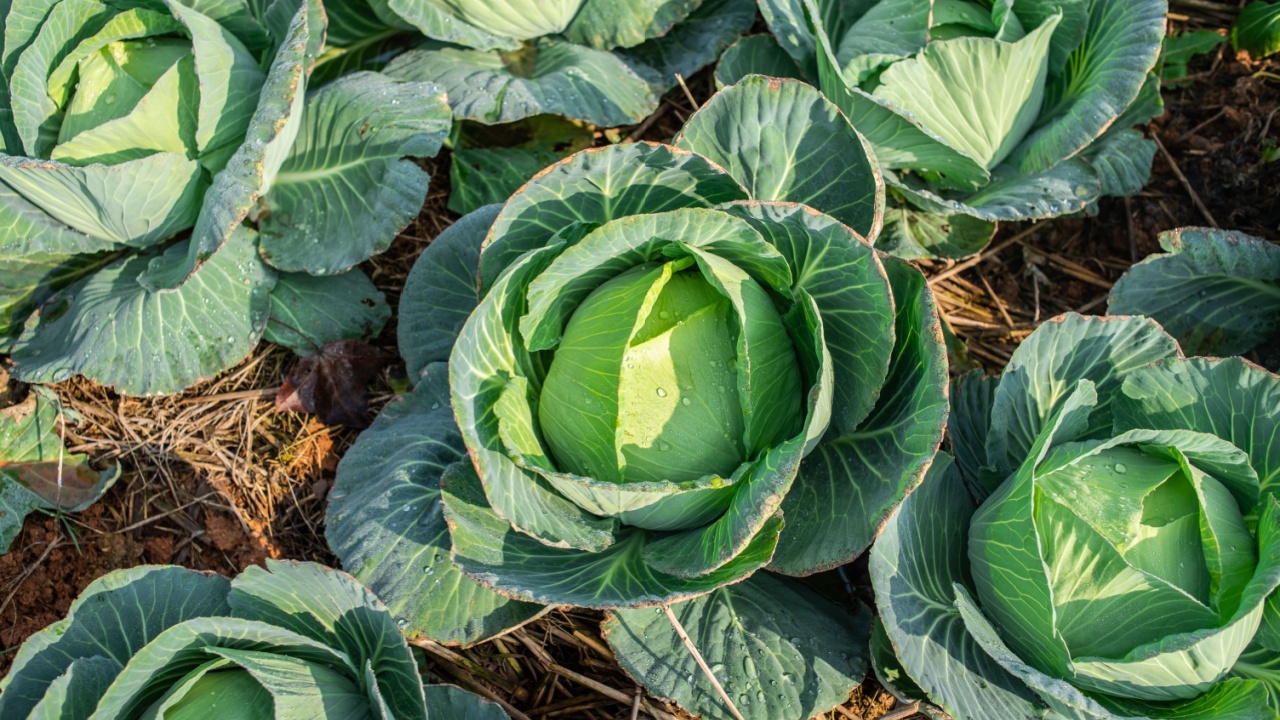
The brassica family, which includes favorites like cabbage, broccoli, kale, and cauliflower, is a poor match for tomatoes. Brassicas are heavy feeders that require a lot of calcium from the soil, the same mineral that tomatoes need to prevent blossom end rot. This direct competition can lead to nutrient deficiencies and weakened tomato plants.
These leafy greens can also inhibit the growth of tomatoes. While the exact mechanism isn’t fully understood, gardeners have long observed that tomatoes planted near brassicas tend to be smaller and less vigorous.
Quick Guide:
- Problem: Competition for key nutrients like calcium stunts tomato growth.
- Alternative Companions: Pair tomatoes with lettuce or spinach. These leafy greens have shallower roots and different nutrient profiles, so they won’t compete.
- Next Steps: Dedicate a separate bed or section of your garden for the brassica family, far away from your tomato plants.
3. Corn
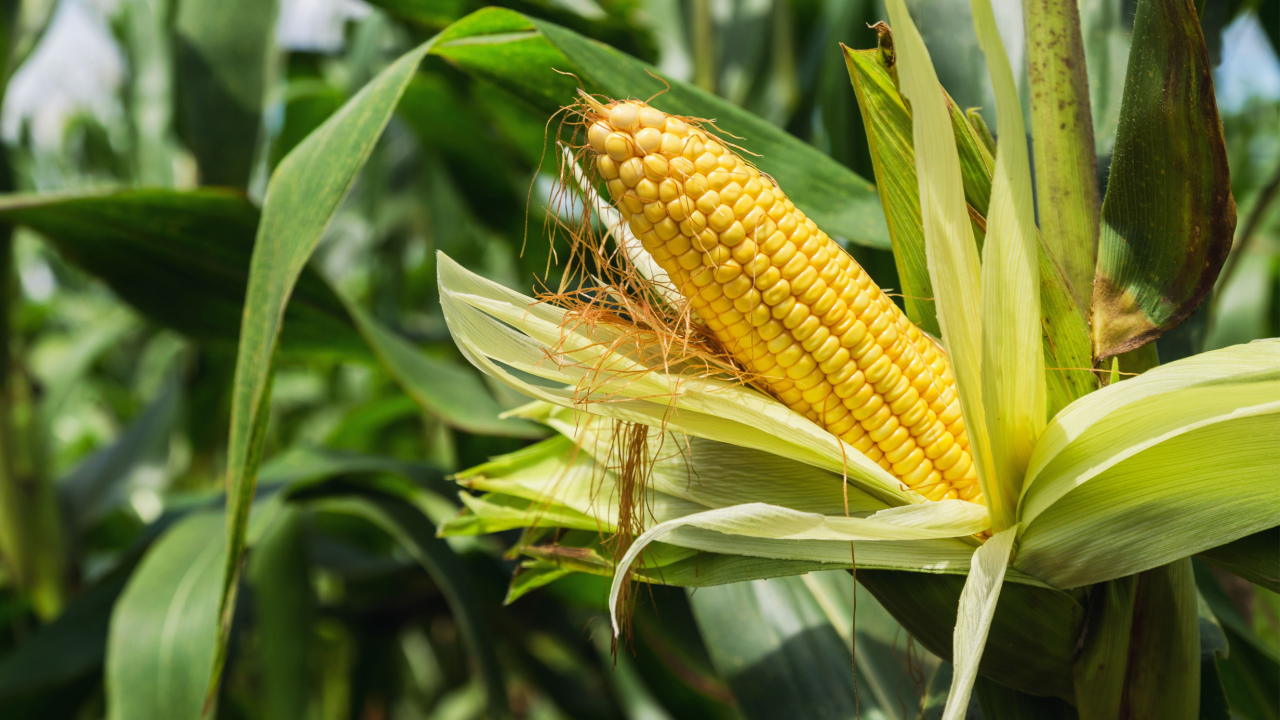
Planting corn next to tomatoes is a recipe for pest problems. Both crops are targeted by the same voracious pest: the corn earworm, which is also known as the tomato fruitworm. By planting them together, you create an inviting buffet that encourages the worm population to boom and move freely between plants, damaging both your corn ears and ripening tomatoes.
Additionally, tall corn stalks can cast too much shade on sun-loving tomato plants. Tomatoes need at least 6-8 hours of direct sunlight per day to produce fruit, and the shadow from a dense corn patch can significantly reduce their yield.
Quick Guide:
- Problem: Attracts the same destructive pest (tomato fruitworm/corn earworm), creates excessive shade.
- Alternative Companions: Bell peppers and eggplants are great companions, as they are in the same family but don’t attract the fruitworm as aggressively and have similar sun requirements without the height issue.
- Next Steps: If you must plant both, position your corn patch on the north side of your tomatoes to minimize the shade it casts during the day.
4. Fennel
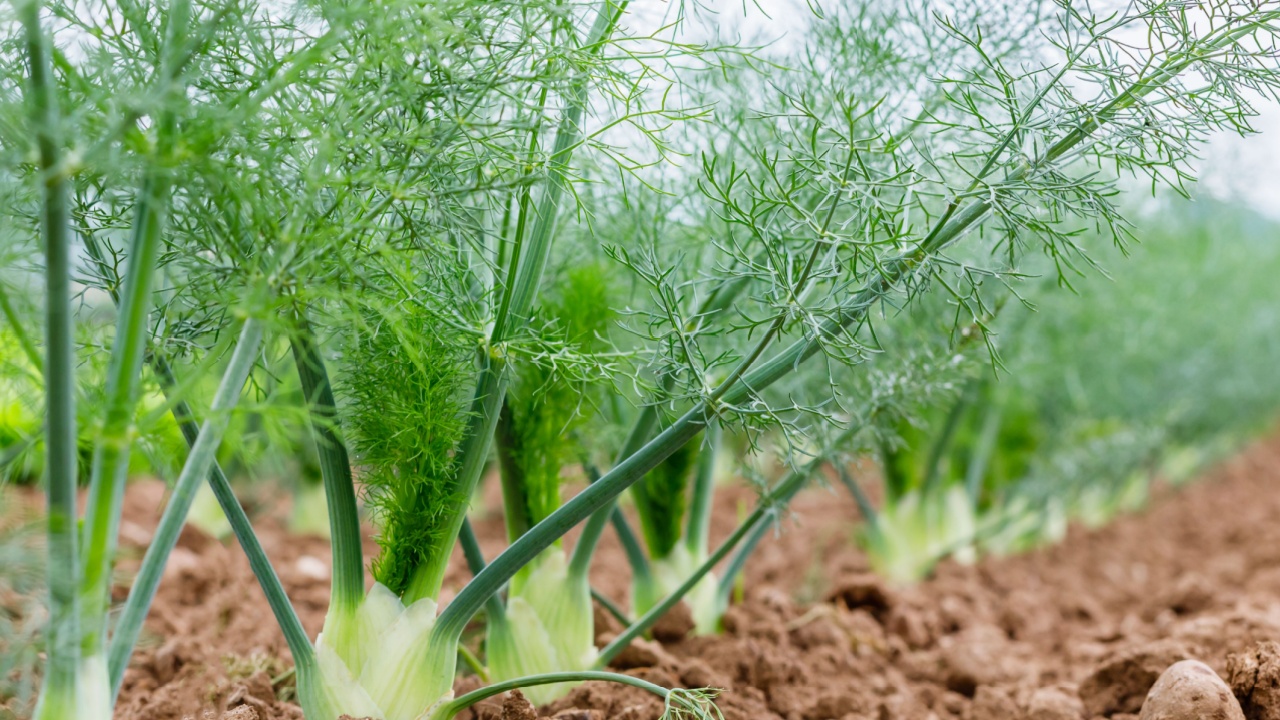
Fennel is a notorious garden bully. It releases allelopathic chemicals from its roots that inhibit the growth of many nearby plants, and tomatoes are particularly sensitive. This chemical warfare can stunt your tomato plants, reduce their yield, and leave them looking sickly.
Fennel’s effects are so pronounced that most experienced gardeners recommend giving it a dedicated spot far away from the main vegetable patch. It’s best grown in isolation or in a container where its roots can’t interfere with others.
Quick Guide:
- Problem: Releases chemicals that inhibit tomato growth.
- Alternative Companions: Plant aromatic herbs like basil or oregano. Basil is famous for improving tomato flavor and repelling pests like tomato hornworms.
- Next Steps: If you love fennel, grow it in a large pot or a distant corner of your yard where it can’t harm its neighbors.
5. Walnuts

Black walnut trees are a major threat to tomatoes. These trees produce a powerful allelopathic chemical called juglone, which is present in their leaves, stems, and roots. Juglone is highly toxic to plants in the nightshade family, including tomatoes, peppers, and eggplants. Tomatoes planted within the root zone of a walnut tree (which can extend 50 feet or more from the trunk) will wilt, turn yellow, and eventually die.
Even fallen leaves and nuts can leach juglone into the soil, making the area inhospitable for your tomatoes. There is no remedy for juglone poisoning, so prevention is the only option.
Quick Guide:
- Problem: Walnut trees produce juglone, a chemical highly toxic to tomatoes.
- Alternative Companions: If you have a walnut tree, create raised beds with a barrier at the bottom to plant tomatoes, or choose a garden location well outside the tree’s drip line.
- Next Steps: Identify any walnut trees on or near your property. Ensure your vegetable garden is located at least 50-80 feet away from the trunk to be safe from the effects of juglone.
6. Dill

Dill can be a confusing companion. When young, dill is a helpful neighbor, repelling some pests like spider mites. However, as it matures and begins to flower, it becomes a problem. Mature dill attracts pests that also prey on tomatoes, including spider mites and tomato hornworms.
Furthermore, a fully grown dill plant can be quite large and bushy, competing with tomatoes for sunlight, water, and nutrients. Its growth-inhibiting properties can also stunt the development of nearby tomato plants.
Quick Guide:
- Problem: Mature dill attracts pests and can inhibit tomato growth.
- Alternative Companions: Plant parsley or cilantro instead. These herbs have similar culinary uses but do not attract the same pests or inhibit growth.
- Next Steps: If you plant dill, consider it a sacrificial plant. Harvest it before it fully matures, or plant it in a container to control its spread and influence.
7. Eggplant
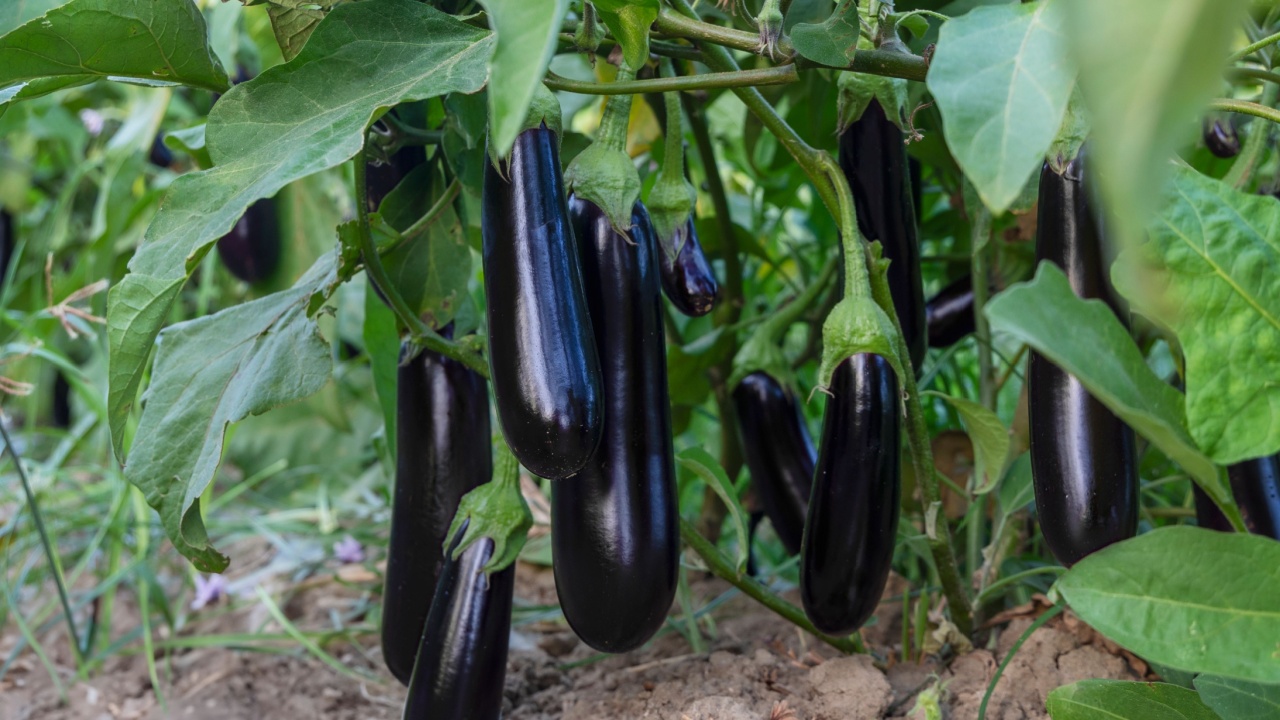
Like tomatoes, eggplants are members of the nightshade family. This shared heritage means they are vulnerable to the same diseases, particularly blight and verticillium wilt. Planting them side-by-side increases the risk that if one plant becomes infected, the disease will quickly spread and decimate both crops.
Both are also heavy feeders, requiring significant nutrients to produce fruit. This leads to competition in the soil, potentially weakening both plants and reducing your overall harvest from each.
Quick Guide:
- Problem: Share common diseases like blight and verticillium wilt, compete for nutrients.
- Alternative Companions: Bush beans are an excellent choice. They fix nitrogen in the soil, which benefits the tomatoes, and they aren’t susceptible to the same diseases.
- Next Steps: Separate your eggplant and tomato plantings by several feet. Practice crop rotation and avoid planting any nightshade family crop in the same spot for at least three years.
8. Carrots
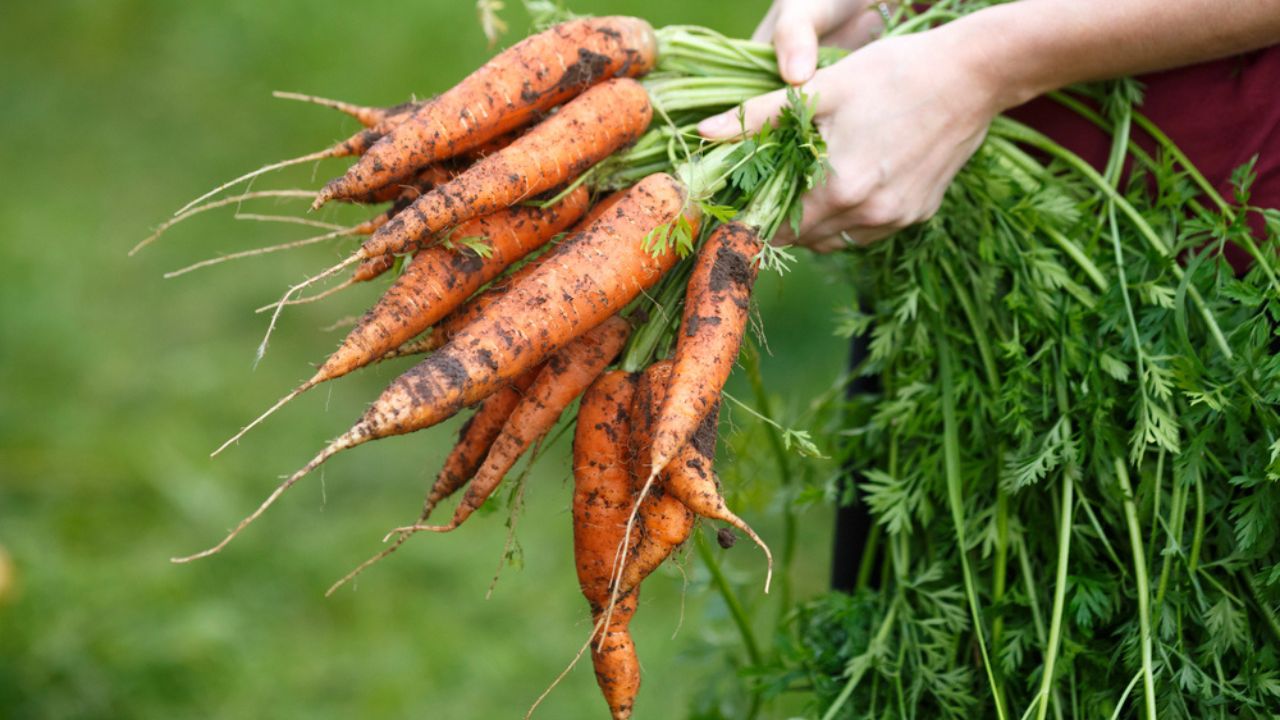
While they may not seem like direct competitors, carrots and tomatoes are not ideal companions. Carrots are root vegetables that need space to develop their taproot. Young tomato plants have shallow roots, but as they mature, their root systems spread out and can interfere with the development of the carrot roots.
This underground battle for space can result in stunted growth for both plants. Your carrots may be small and misshapen, and your tomatoes may not get the root support they need.
Quick Guide:
- Problem: Root systems compete for space, stunting the growth of both plants.
- Alternative Companions: Plant shallow-rooted herbs like thyme or chives around your tomatoes. They won’t compete for deep soil space and can help deter pests.
- Next Steps: Give each crop its own dedicated row or block with plenty of space between them to allow both root systems to develop fully without interference.
9. Garlic and Onions
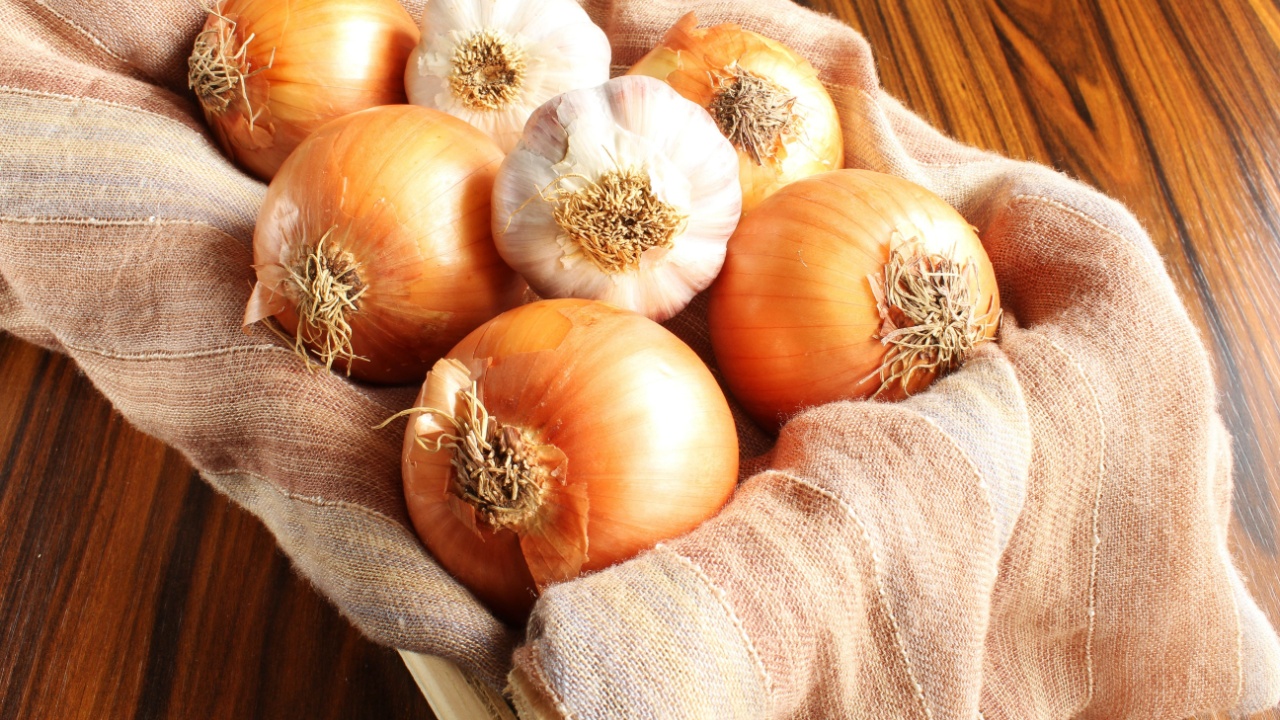
The strong sulfur compounds released by garlic and onions, while great for repelling some pests, can have a negative impact on tomato plants. These compounds are believed to stunt the growth of tomatoes, resulting in weaker plants and a smaller harvest.
While some gardeners report success with this pairing, the risk of inhibited growth makes it an unreliable combination. It’s generally safer to keep members of the allium family at a distance from your tomatoes.
Quick Guide:
- Problem: May stunt the growth of tomato plants.
- Alternative Companions: Borage is a fantastic companion. It repels tomato hornworms and attracts beneficial pollinators.
- Next Steps: Plant your garlic and onions in a separate bed or on the other side of the garden from your tomatoes to avoid any potential growth issues.
10. Celery
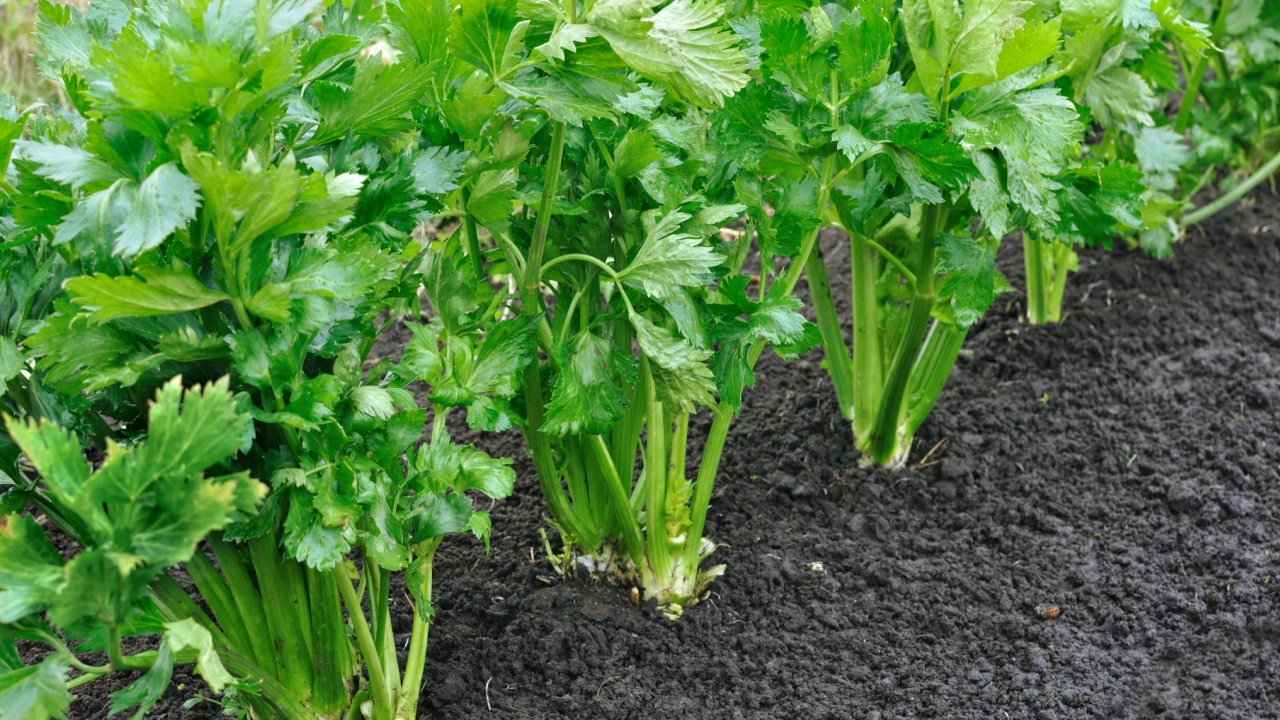
Celery and tomatoes have very different needs, particularly when it comes to water. Celery is a thirsty plant that requires consistently moist soil to thrive. Tomatoes, on the other hand, prefer deep but less frequent watering and well-drained soil to prevent root rot and fungal diseases.
Trying to meet the needs of both plants in the same bed is a difficult balancing act. You’ll likely end up overwatering your tomatoes or underwatering your celery, leading to poor health for one or both.
Quick Guide:
- Problem: Conflicting water requirements.
- Alternative Companions: Marigolds are a classic companion for tomatoes. They are known to repel nematodes (microscopic root pests) and other harmful insects.
- Next Steps: Create zones in your garden based on water needs. Group thirsty plants like celery together, and keep plants that prefer drier conditions, like tomatoes, in a separate area.
11. Pepper Plants
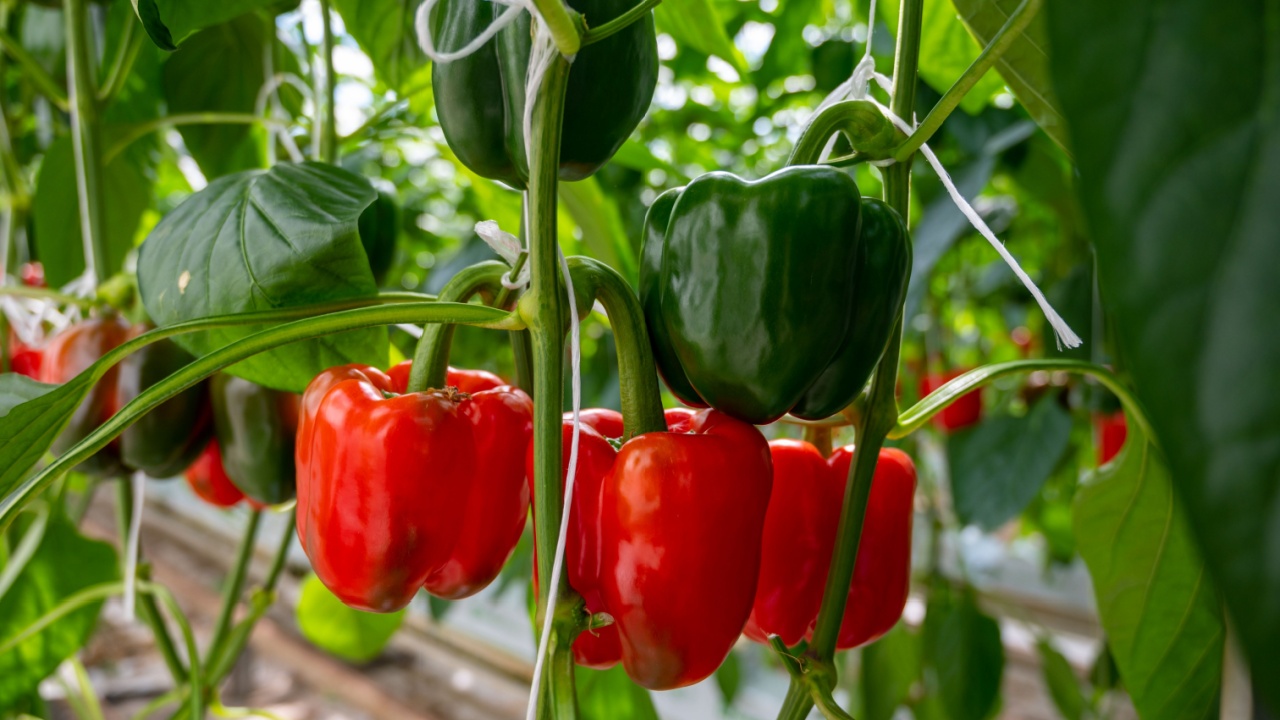
Although often planted together, it’s best to give peppers and tomatoes some space. As fellow nightshades, they are susceptible to the same pests and diseases, including aphids, whiteflies, and blight. Planting them in proximity creates a monoculture effect, allowing diseases to spread quickly and pests to multiply.
Keeping them separated reduces the risk of a widespread outbreak. If a disease hits your peppers, the distance may protect your tomatoes, and vice versa.
Quick Guide:
- Problem: Shared pests and diseases can spread rapidly between them.
- Alternative Companions: Try planting peas near your tomatoes. As legumes, they add nitrogen to the soil, providing a gentle nutrient boost for the heavy-feeding tomato plants.
- Next Steps: Leave at least 3 feet of space between your pepper and tomato plantings to improve air circulation and reduce the chance of disease transmission.
12. Asparagus
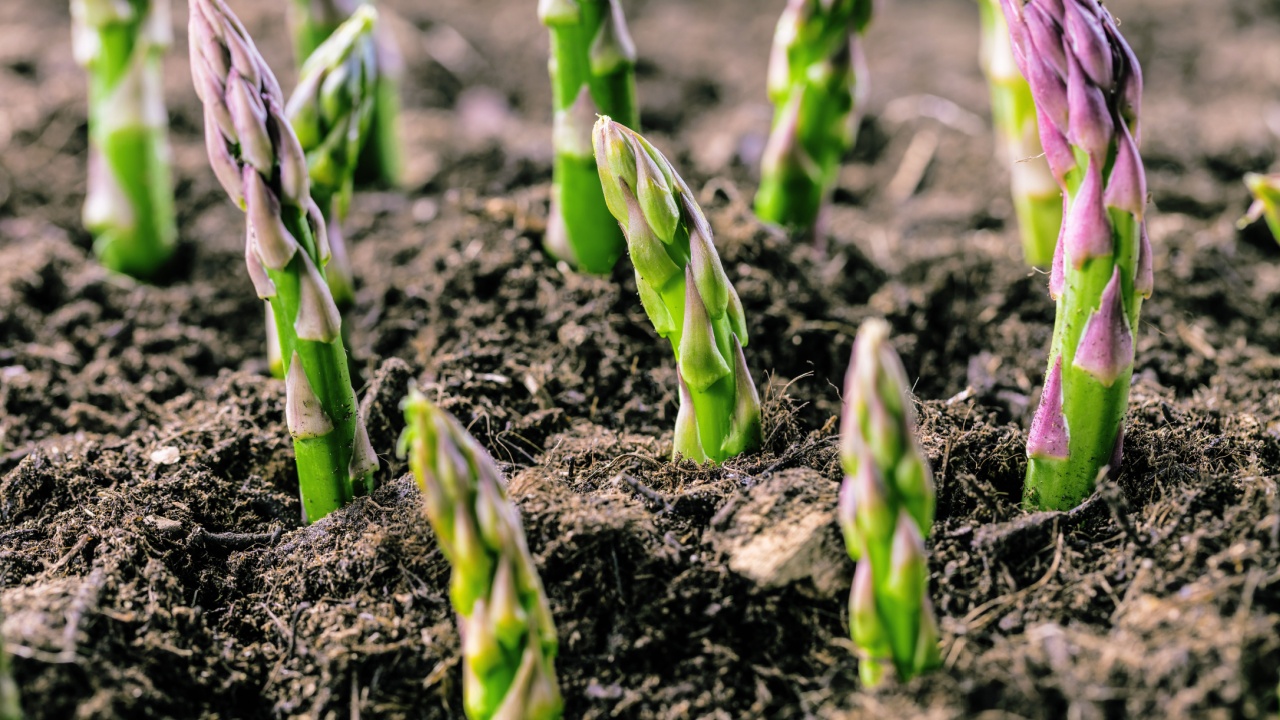
Asparagus is a wonderful perennial vegetable, but it’s not a good short-term neighbor for annuals like tomatoes. Asparagus releases compounds that can inhibit the growth of tomatoes. Furthermore, an established asparagus patch has a dense, deep root system that will outcompete tomato roots for water and nutrients.
The feathery fronds of mature asparagus can also attract the asparagus beetle, a pest you don’t want to introduce near your other vegetables.
Quick Guide:
- Problem: Inhibits tomato growth, competes for resources, and attracts pests.
- Alternative Companions: Basil is a perfect match, as it helps repel tomato hornworms and whiteflies while supposedly enhancing the tomato’s flavor.
- Next Steps: Give asparagus its own permanent bed in your garden where it can grow undisturbed for years without interfering with your annual crops.
13. Mint
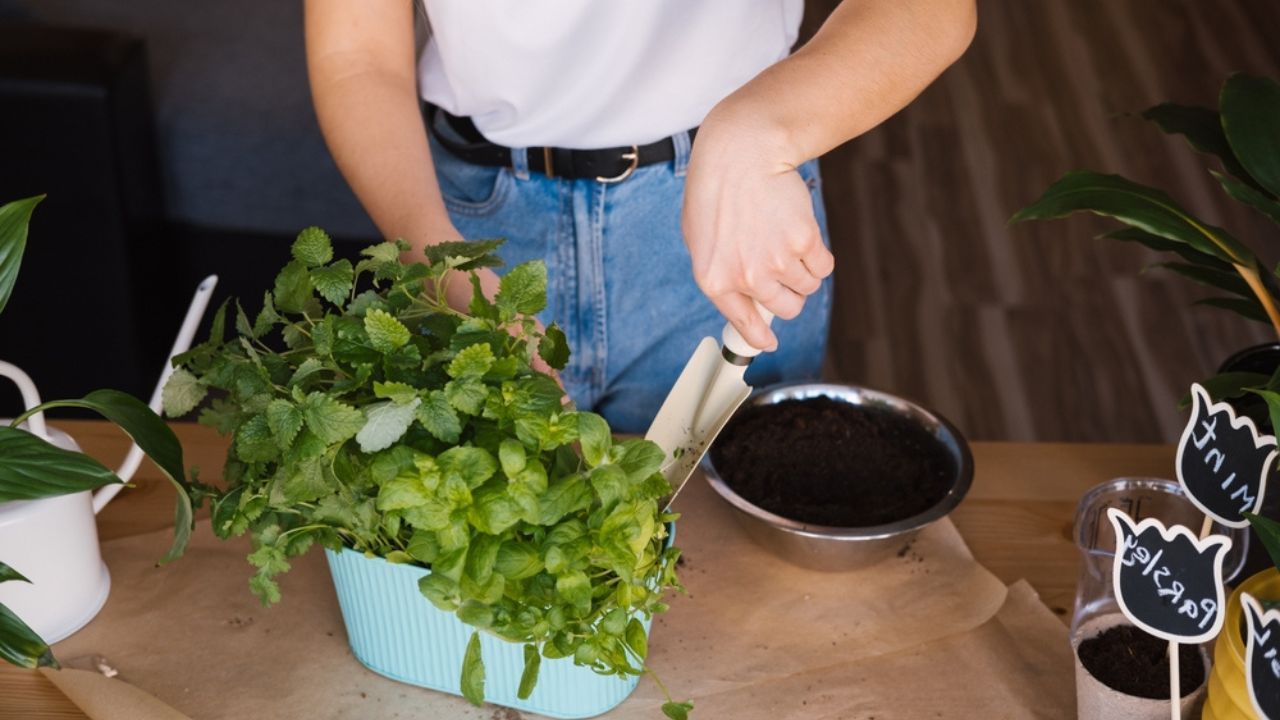
Mint is an incredibly aggressive plant. Its root system sends out runners that spread rapidly, allowing it to take over a garden bed in a single season. If planted in the ground near tomatoes, it will quickly choke out the tomato’s roots, stealing water and nutrients.
While mint is excellent for repelling pests, its invasive nature makes it a terrible in-ground companion for almost any vegetable. The only safe way to use mint in a vegetable garden is to keep it contained.
Quick Guide:
- Problem: Extremely invasive roots that will choke out tomato plants.
- Alternative Companions: Instead of mint, plant oregano or thyme. These are less aggressive Mediterranean herbs that thrive in similar conditions to tomatoes.
- Next Steps: Always plant mint in a container. You can place the container near your tomatoes to get the pest-repelling benefits without the risk of a garden takeover.
14. Sunflowers

While beautiful, sunflowers can be detrimental to tomatoes. Their allelopathic properties can leach a mild toxin into the soil that inhibits the germination and growth of other plants, including tomatoes. This effect, known as allelopathy, can lead to stunted, weak tomato plants.
Sunflowers also grow very tall and have dense foliage, casting a large shadow that can block the essential sunlight your tomatoes need. Their extensive root systems are also fierce competitors for water and nutrients.
Quick Guide:
- Problem: Allelopathic properties inhibit growth, create too much shade, and compete for resources.
- Alternative Companions: Low-growing nasturtiums are a great choice. They help deter aphids and whiteflies and are also edible.
- Next Steps: Plant sunflowers along a border or in a dedicated patch far from your vegetable garden, especially on the north side where their shadows won’t affect sun-loving crops.
Planning for a Bountiful Harvest

Creating a successful garden is all about smart planning and understanding how different plants interact. By avoiding these 14 problematic companions, you give your tomatoes a significant advantage. Your next step is to take this knowledge and map out your garden.
Grab a piece of paper and sketch your layout, making sure to place beneficial companion plants near your tomatoes and keep the troublesome ones far away. This simple act of planning will help you prevent problems before they start, leading to healthier plants and a more abundant, delicious tomato harvest this season.
Read more:
How to Grow Juicy Delicious Tomatoes Like the Pros
Choose These 5 Tomato Plants If You Want to Enjoy an Early Harvest