Grocery Bills, Broken Trust and a Bestseller Are Fueling a Homesteading Revival
Americans may be spending more at the grocery store than ever, but more are deciding the cheapest, most trustworthy food is the one they grew themselves. Food prices rose 3% in the last year, though the sting is sharper than a single figure suggests, as grocery prices have climbed almost a third since 2020, outpacing overall inflation.
Staples like fresh tomatoes are up 13% year over year, and beef sits at record highs, according to the Bureau of Labor Statistics. Shoppers are feeling it; consumer sentiment sank to the lowest reading ever this spring, according to the University of Michigan’s Surveys of Consumers, which has tracked how Americans feel about their finances and the economy since 1952. The latest May reading of 44.8 fell below the previous record set in June 2022, a mood grimmer than during the pandemic or the 2008 crash. The reason was prices: 57% of consumers said that high costs were eroding their personal finances.
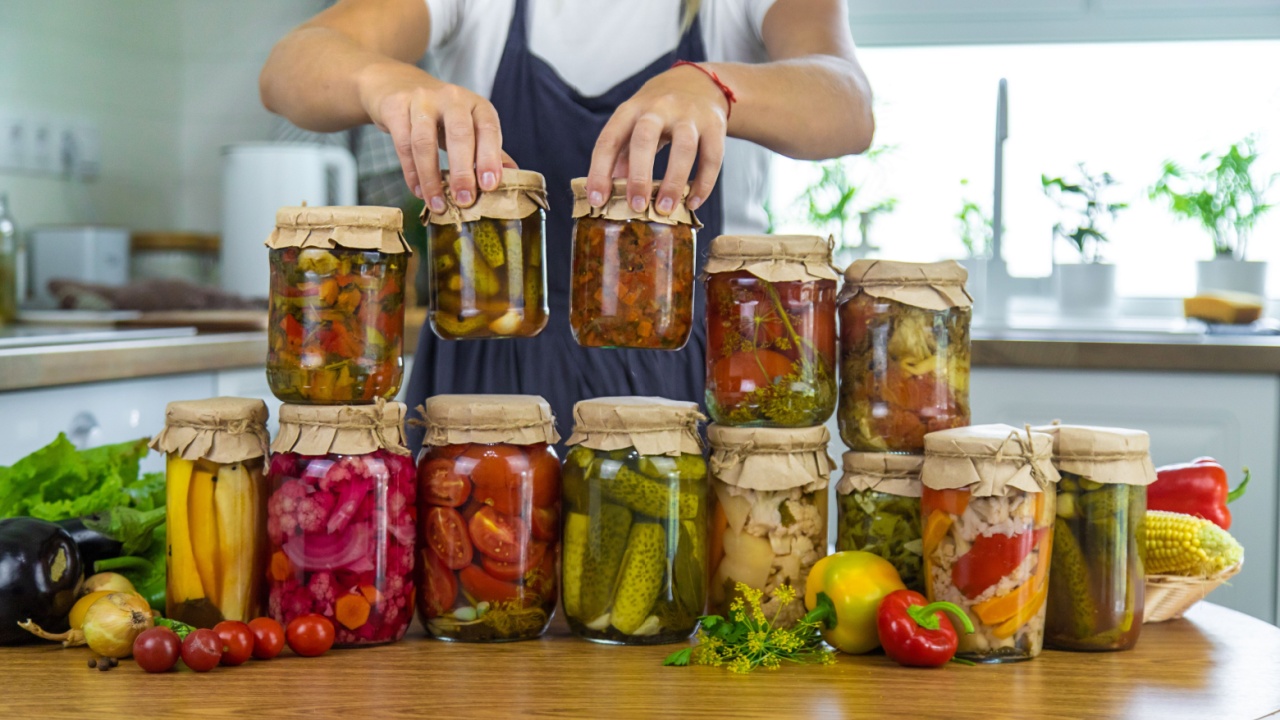
Where they can, Americans are opting out. Home canning and food preservation are drawing a new crowd, propelled by grocery bills that keep climbing, a wariness of ingredients, and a pull toward analog work in a screen-saturated age.
In a Curion Poll Pulse survey of more than 15,000 US adults in July, the market-research firm found that 84% of consumers reported doing at least one home-based food or production activity, like making food from scratch or gardening, and more than a third said they are preserving or storing food by freezing, fermenting, or canning.
“People want to know what’s in their food,” says Registered Dietitian Whitney English. “They’ve lost trust in what’s on the shelf, and canning gives them a feeling of control.”
A Ledger of Recalls
The 2026 summer brought a near-continuous run of food recalls, several of them the largest in years. Through mid-August, the FDA and USDA have logged more than 160 food recalls, and flagged more than 37 million pounds of recalled meat, poultry and egg products.
Taylor Farms voluntarily pulled iceberg lettuce tied to a multistate Cyclospora outbreak, with nearly 11,000 illnesses, 454 hospitalizations and two deaths. In July, 1.6 million dozen eggs were recalled due to salmonella, with a separate salmonella outbreak tied to jalapeños. GreenWise organic frozen blueberries and mixed berries were recalled due to possible E. coli contamination, and a years-long listeria outbreak traced to soft cheese has sickened at least a dozen people, hospitalized 10, and killed 1.
Food-safety advocates say the steady drumbeat of recalls has left shoppers uneasy; consumer confidence in the food supply has dropped to an all-time low, with just 55% of Americans saying they were confident in the safety of the U.S. food supply.
Cultural Moments
This year’s buzziest novel, Caro Claire Burke’s Yesteryear, has spent much of 2026 in the top five of The New York Times bestseller list, with Anne Hathaway attached to its coming movie adaptation. The premise is a polished “tradwife” social media influencer who wakes up on an actual 1855 homestead and must survive the labor she had only ever performed for the camera. The novel has become shorthand for the gap between the fantasy of self-sufficiency and the reality of growing all your own food.
That’s not to say that the fantasy doesn’t sell. Gardening and “urban homesteading” have become fixtures on TikTok and YouTube, embraced by those who want to do something more tangible with their hands.
“There’s a real romance to preserving your own food,” says English. “You get to decide how much salt and sugar go in, and skip any additives you don’t want. My only caution is that doing it yourself and doing it safely aren’t automatically the same thing.”
The Invisible Risk
The irony in these trends is that a surge in DIY preserving can also carry potential hazards. Improperly canned foods can contain Clostridium botulinum, a bacterium that produces botulism, a rare but potentially fatal illness. Home-canned vegetables are the most common cause of botulism outbreaks in the United States, according to the CDC.
Pressure canning is the only safe method for low-acid foods such as green beans, corn, and most vegetables. A boiling-water bath is fine for high-acid foods like jams, pickles, and tested salsa recipes, but it won’t protect against the toxin.
The toxin cannot be seen, smelled, or tasted, which means a contaminated jar can look and smell perfectly normal. Federal guidance warns against any shortcuts, such as using an electric multicooker to can, even if it has a “canning” button on the panel.
That caution aside, those who study the trend expect it to outlast the price spike that helped ignite it. The payoff isn’t just a cheaper pantry, but the satisfaction of the work itself, the sense of having made the thing and knowing what’s in it.
“This wasn’t created by a content cycle, so it won’t be retired by one,” said Inga Verbicka, director of strategic insights at Curion. “They’re not asking anyone to take the work away. They’re telling you the work is part of the point.”