You May Be Breaking the Law Every Time You Kill a Garden Snake
If you spotted a snake in your garden this season and reached for a shovel or a bottle of repellent, you just fired your best employee. Every gardener who has spent years chasing snakes off their property has unknowingly been doing the same thing: evicting the one creature that controls slugs, mice, voles, and rats for absolutely nothing in return. That’s not a minor mistake; that’s a costly one.
Here’s what’s happening behind the scenes while that snake is gone. A single mouse family, left unchecked, can consume up to 20 pounds of your seeds, bulbs, and young transplants in one season alone. One breeding pair of mice can produce up to 2,000 offspring in a single year. Without a natural predator keeping them in check, those numbers compound fast; gnawing through irrigation lines, nesting in your compost, and spreading disease through your beds. The snake wasn’t the problem in your garden; the rodents it was hunting are.
The average American household spends more than $300 a year on pest control products, according to industry data, and professional rodent removal can run between $500 and $2,000 depending on the severity of the infestation. A garden snake doesn’t send an invoice. It doesn’t require pesticides, traps, or a service contract. It just shows up and does the work, season after season, for free.
If you’ve been gardening for decades and still reflexively remove every snake you see, it’s worth reconsidering what’s actually at stake. Here are the six reasons why you want snakes in your garden, and why one of them may surprise you.
1. They’re Your Free, Round-the-Clock Pest Control Service
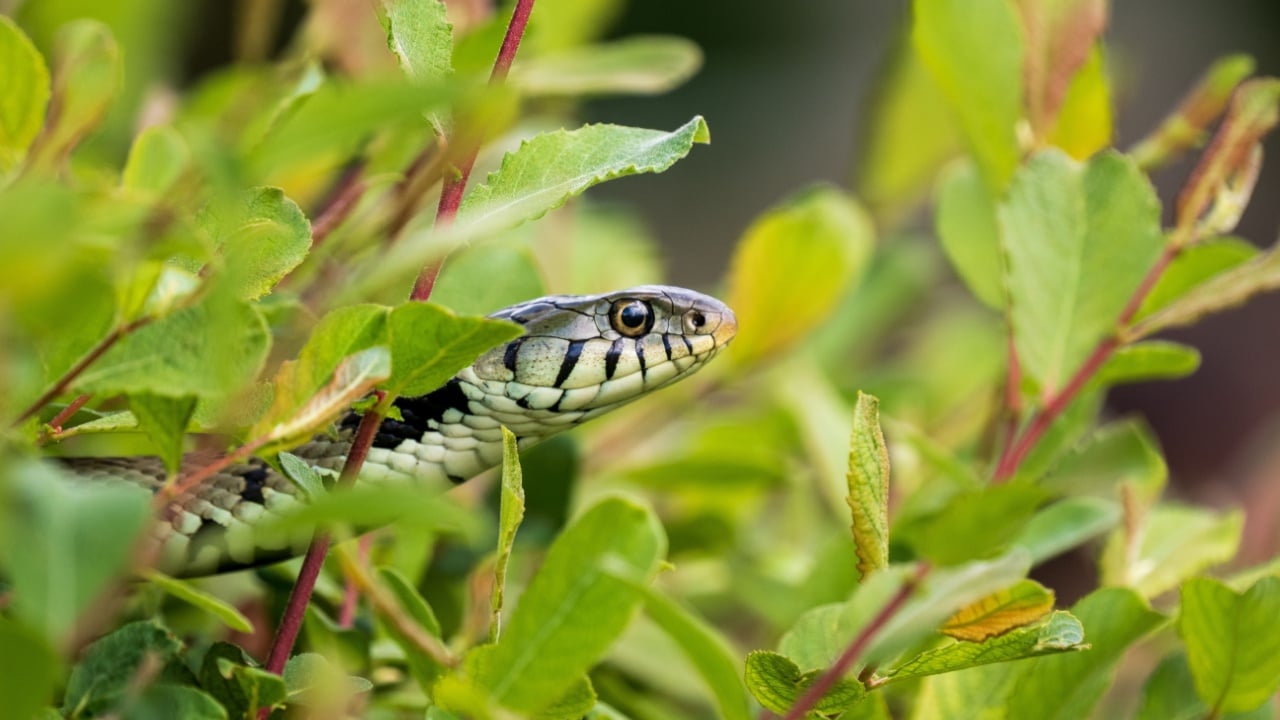
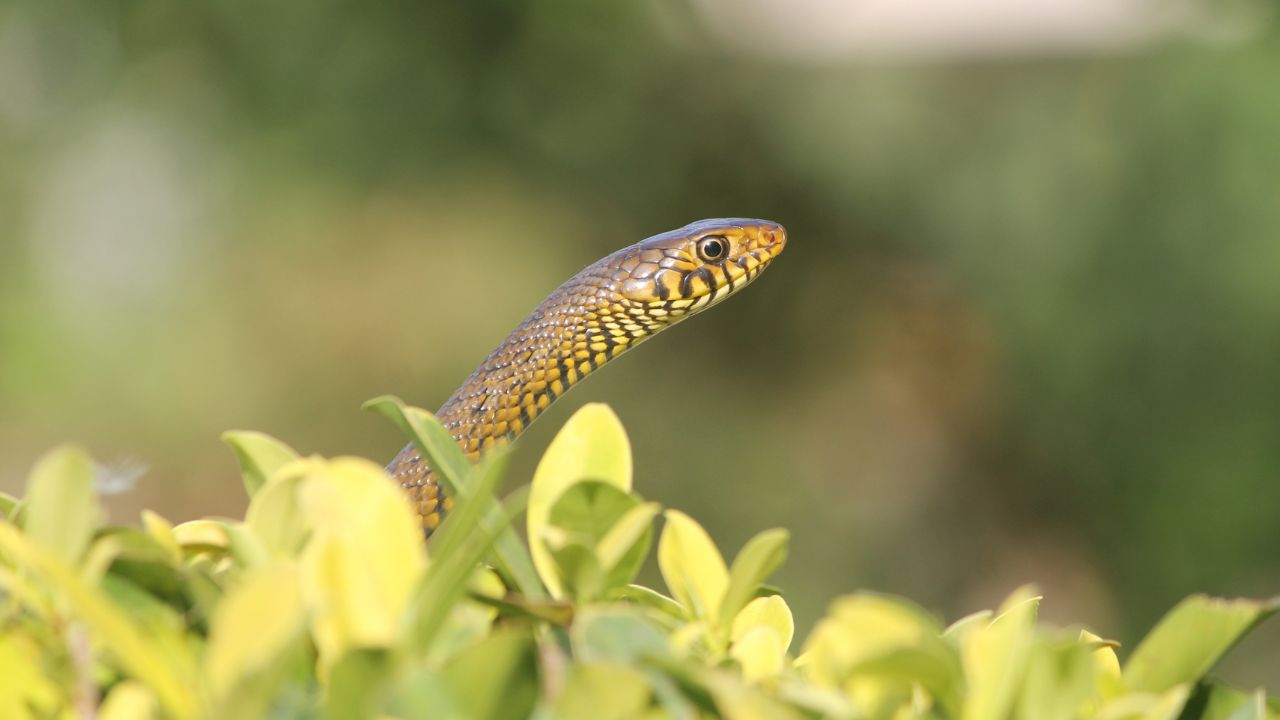
Most gardeners spend hundreds of dollars every summer trying to solve problems that a resident garter snake would handle quietly and at no cost. Garter snakes, the slim, striped snakes North American gardeners encounter most often, feed on slugs, grasshoppers, beetles, grubs, and mice. Rat snakes and black snakes extend that service to outbuildings and compost areas, getting into rodent tunnels too small for any other predator to access.
According to the Old Farmer’s Almanac, garter snakes are among the most beneficial reptiles a gardener can have on their property, and unlike a bag of slug bait or a box of mouse traps, they restock themselves. Gardening Know How describes garden snakes as “the perfect solution” for slug, snail, and small mammal problems in the landscape. Stop spending $300 a year fighting a war that nature already volunteered to win for you.
2. One Mouse Family Can Destroy 20 Pounds of Your Garden, Per Season
Here’s the number most gardeners never hear: a single mouse family can eat through up to 20 pounds of seeds, bulbs, and tender plants in one growing season, according to pest control research compiled at Discover Wild Science. And that same pair can produce up to 2,000 offspring in a year. Traditional traps and chemical rodenticides rarely keep pace with those numbers, and they pose real risks to the pets, birds, and beneficial wildlife you’ve worked to attract.
Snakes access rodent dens and tunnels that no trap, cat, or terrier can reach. Once a resident snake establishes a hunting territory in your yard, rodent populations don’t just dip; they stabilize. Gardeners who have deliberately stopped evicting snakes from their properties frequently report that vole and mouse problems become dramatically more manageable within a single season.
3. The Kingsnake Does Something Your Pesticides Absolutely Cannot
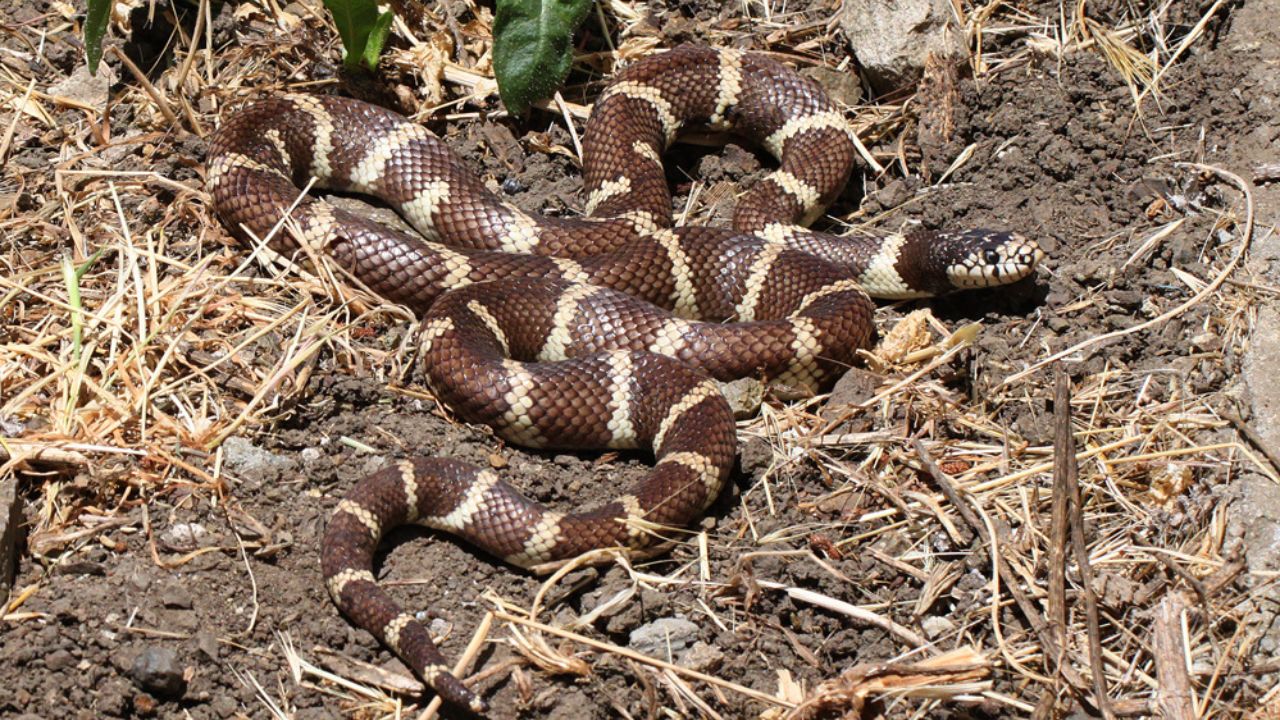
If you live in an area where copperheads, cottonmouths, or rattlesnakes are a concern, the kingsnake may be the most valuable creature you can have in your yard, and most homeowners don’t know it exists. Kingsnakes are naturally immune to pit viper venom, and they actively hunt and eat venomous snakes. According to Live Science, kingsnakes prey on cottonmouths, rattlesnakes, and copperheads alongside rodents and birds.
Gardeners in the Southwest report that once they stopped removing kingsnakes from their properties, rattlesnake sightings dropped noticeably. Bull snakes serve a similar role in drier regions, managing rattlesnake populations through territoriality and predation. Chasing a kingsnake off your property isn’t a safety precaution. For homeowners in venomous-snake territory, it’s the opposite.
4. A Snake in Your Yard Is a Sign Your Garden Is Thriving

Snakes don’t show up in dead yards. They appear in yards that offer food, shelter, water, and layered plant life; the same qualities that attract pollinators, songbirds, and frogs. According to Gardening Know How, the presence of a garden snake is “a sign that the ecosystem is healthy and growing.” If you’ve been working to add native plants, reduce pesticides, or build out pollinator habitat, a snake moving through your beds means it’s working.
When you find a shed snake skin in a garden bed, that’s cause for celebration: it means a snake has been actively using your yard as a hunting ground all season. It’s one of the quietest compliments a garden can receive.
5. Killing a Garden Snake May Be Illegal, and Most Homeowners Don’t Know It
This is the part that stops most gardeners cold: in many states, killing certain snake species, including some kingsnakes and garter snakes, is a prosecutable offense. State-level protections vary widely, but under the federal Endangered Species Act, killing a protected species can result in fines of up to $50,000 per violation, according to FindLaw.
Illinois protects 11 native snake species. Florida enforces protections for the eastern indigo snake and the rim rock crowned snake. Nebraska prohibits killing timber rattlesnakes and prairie kingsnakes. New Mexico has annual harvest limits on the gray-banded kingsnake. Most homeowners who have reflexively killed a garden snake have never once considered whether it was legal to do so. Before you reach for that shovel, it’s worth a 30-second search for your state’s wildlife laws.
6. You Don’t Need a Wild Yard to Welcome Them; Just a Few Small Changes
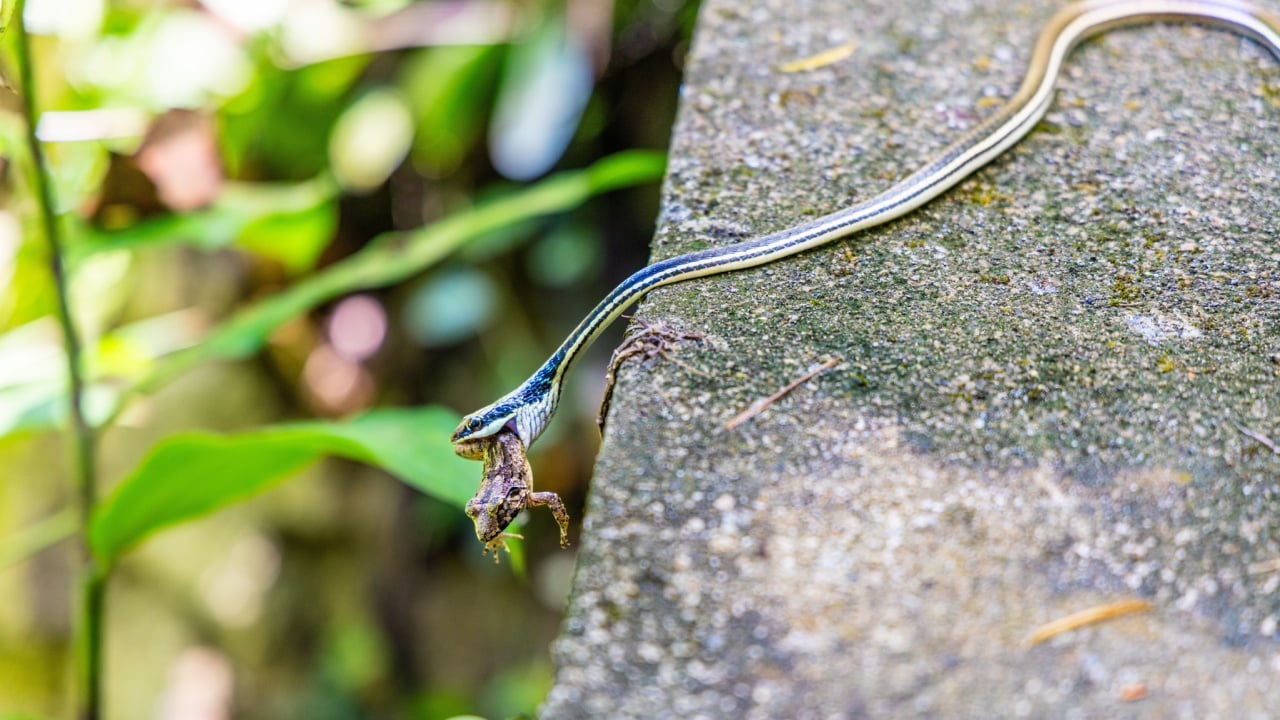
The biggest misconception about attracting garden snakes is that it requires a neglected, overgrown yard. It doesn’t. According to Gardening Know How, the most effective habitat features are simple: a flat rock or two at a sunny edge of the garden, a small water source like a ground-level birdbath, and a reduction in pesticide use. Snakes need a calm, stable environment, which is exactly what a well-tended garden offers.
Place habitat features at the back edge of your yard, away from patios and play areas, so snakes have room to work without creating stress for your household. Stop using chemical snake repellents; most outdoor formulas (many of which are just mothball variants) are largely ineffective and evaporate quickly, according to Michigan State University Extension. The best welcome mat you can put out costs nothing: simply stop reaching for the shovel.
What to Do When You See a Snake in Your Garden
The most important thing to know about garden snake identification is simple: non-venomous snakes have round pupils, a rounded nose, and a head that is barely wider than their neck. Venomous pit vipers have triangular heads, slit pupils, and a noticeably wide body. If you can see it from a comfortable distance, you can tell the difference. If you can’t, don’t approach. Let it move on its own.
For gardeners with dogs or cats: most snake species will avoid confrontation with pets entirely. The vast majority of bites occur when snakes are handled or cornered. Keep pets from investigating snake habitat features at dusk and dawn, when snakes are most active, and you’ll coexist with very little friction. If you encounter a snake you genuinely cannot identify, the safest and smartest move is to leave it alone and contact your local wildlife extension office for guidance.
The Best Pest Control in Your Garden Was Already There
For gardeners who have spent years fighting slugs, voles, and mice with traps and sprays and bags of repellent, this is the part that stings a little: the solution has probably been slipping through your garden beds all along. Snakes are one of gardening’s oldest and most effective allies. Your grandmother likely knew this. The Old Farmer’s Almanac has said it for decades. And now the data confirms what experienced gardeners already understand: a yard that keeps its snakes keeps its pests in check, its soil healthier, and its pest control budget close to zero.
The villain in your garden was never the snake. It was the mouse that it was hunting. Stop chasing out the one creature that works for free, and start making room for it.
Read More
Washing Your Lettuce Won’t Remove Cyclosporiasis, But Growing Your Own Will
Your Grandmother Stored These 8 Foods All Winter Without Canning a Single Jar