Stop Buying Grocery Store Flowers: Grow These 8 Cut Flowers for Almost Nothing
If you spent $15 on a grocery store bouquet last week and watched it wilt by Wednesday, you just paid more for three days of flowers than it costs to grow an entire summer’s worth. A single $2 packet of zinnia seeds produces 50 to 100 blooms across one season, according to Mother Earth News. The math is compelling.
Americans routinely spend $50 to $100 a month on fresh-cut flowers from grocery stores and florists. Over a year, that adds up to $600 to $1,200 for blooms that arrive already days old and rarely last a full week in the vase. Meanwhile, the neighbor whose kitchen always has a magazine-worthy arrangement probably spent less than a lunch growing it herself.
Right now, in the fall, is actually the ideal moment to plan a cutting garden. Fall is the time to plant spring bulbs, assess your beds, and order seeds for next year. If you are a gardener over 50, you likely already have the beds, the tools, and the soil knowledge; you just have not aimed them at cut flowers yet. The savings start the moment you do.
You do not need a flower farm, a greenhouse, or even a big yard. You need eight specific plants, a simple plan, and the willingness to stop paying florist prices for something your garden can do better. Here are the cut flowers that professional growers rely on and the ones that earn their space in any home garden.
1. Zinnias Are the Only Flower You Technically Need
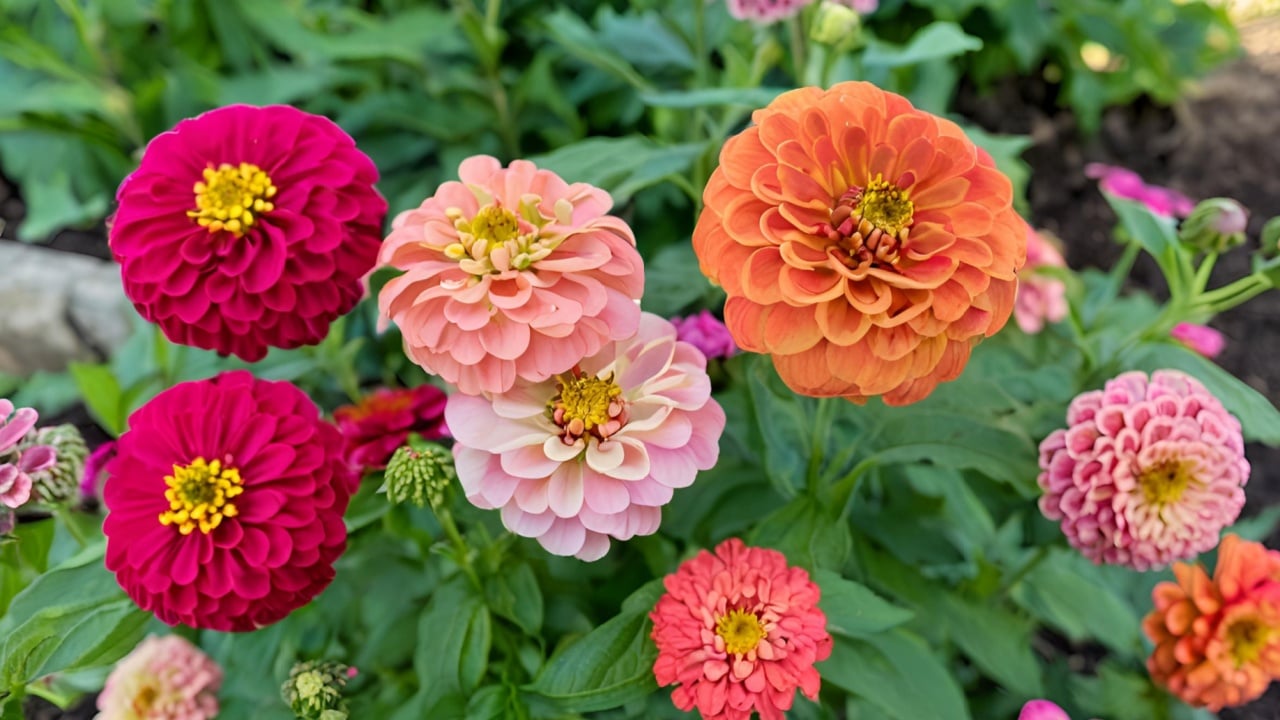
If you could plant just one cut flower for the rest of your life, every flower farmer in the country would tell you the same thing: zinnias. A single $2 seed packet can replace $600 worth of store-bought bouquets in one growing season, and the flowers last 7 to 10 days in a vase, nearly double the lifespan of most grocery store arrangements.
“Zinnias are excellent for the cut-flower garden because they’re easy, reliable, inexpensive, and they just keep on producing,” writes Andy Wilcox in Mother Earth News. He is not exaggerating. Pinch the plants at 12 to 18 inches tall, and they branch into bloom-producing machines that keep flowering until frost. Succession plant a new batch every three to four weeks, and you will never have a flowerless week from June through October.
Here is a trick the professionals use that most home gardeners never learn: the wiggle test. Bounce the stem between your index and middle finger. If it is rigid, the bloom is ready to cut. If it flops, leave it another day. Cutting too early means droopy, short-lived arrangements. Cutting at the right moment means flowers that outlast anything from a store. Zinnias are also completely safe around dogs and cats, which is more than most florist bouquets can claim.
2. Cosmos Fill a Vase the Way Grocery Store Flowers Never Could
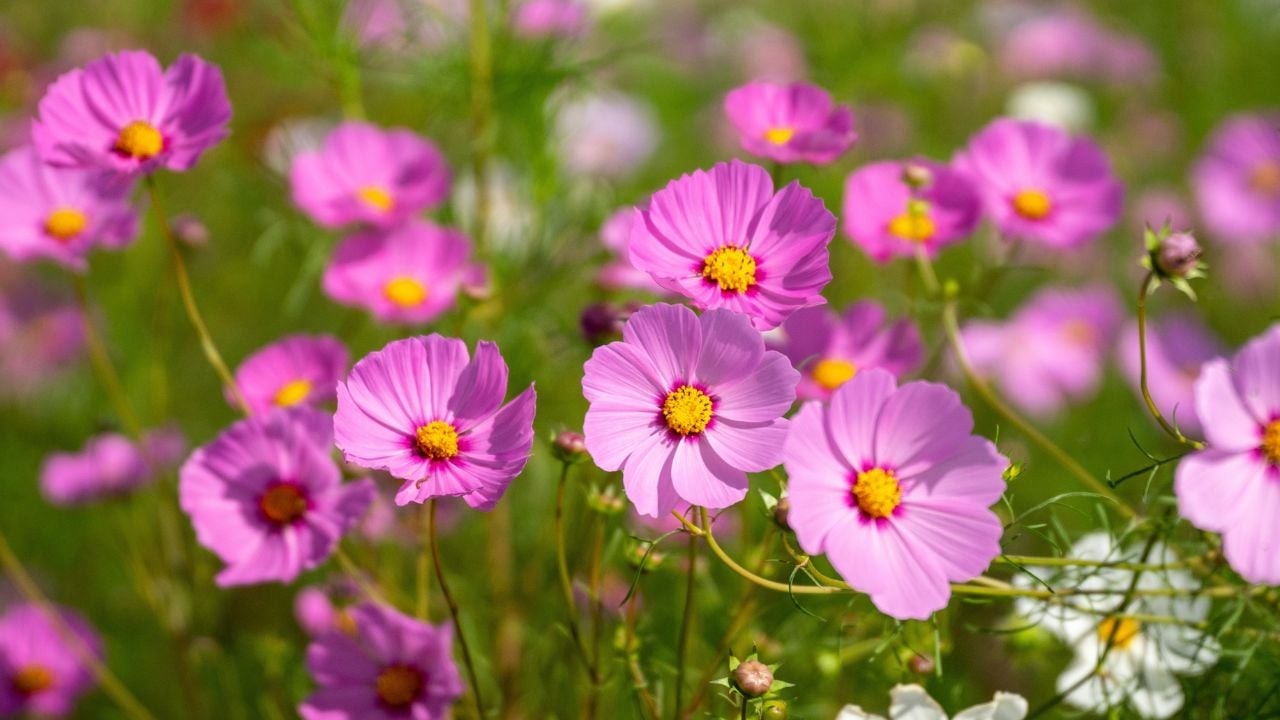
Cosmos bring something to a bouquet that money cannot buy at a grocery store: movement. Their delicate, airy stems float above wispy foliage, creating the kind of loose, natural arrangements that high-end florists charge a premium for. Your grandmother probably grew them along the fence line without a second thought.
“Their blooms are incredibly delicate and add the sparkle element to a bouquet,” say Jennifer and Adam O’Neal of PepperHarrow Farm, as quoted in Martha Stewart. The trick is cutting them at just the right moment; snip when the first petal begins to curl open for the maximum 7- to 10-day vase life. Grow the double-flowered varieties like Double Click if you want petals that hold up better during arranging.
One honest warning: cosmos can grow to six feet tall and will sprawl aggressively if you do not give them room. They are worth the space, but plant them at the back of the bed or along a fence where their enthusiasm will not smother everything else.
3. Dahlias Are Worth Every Penny
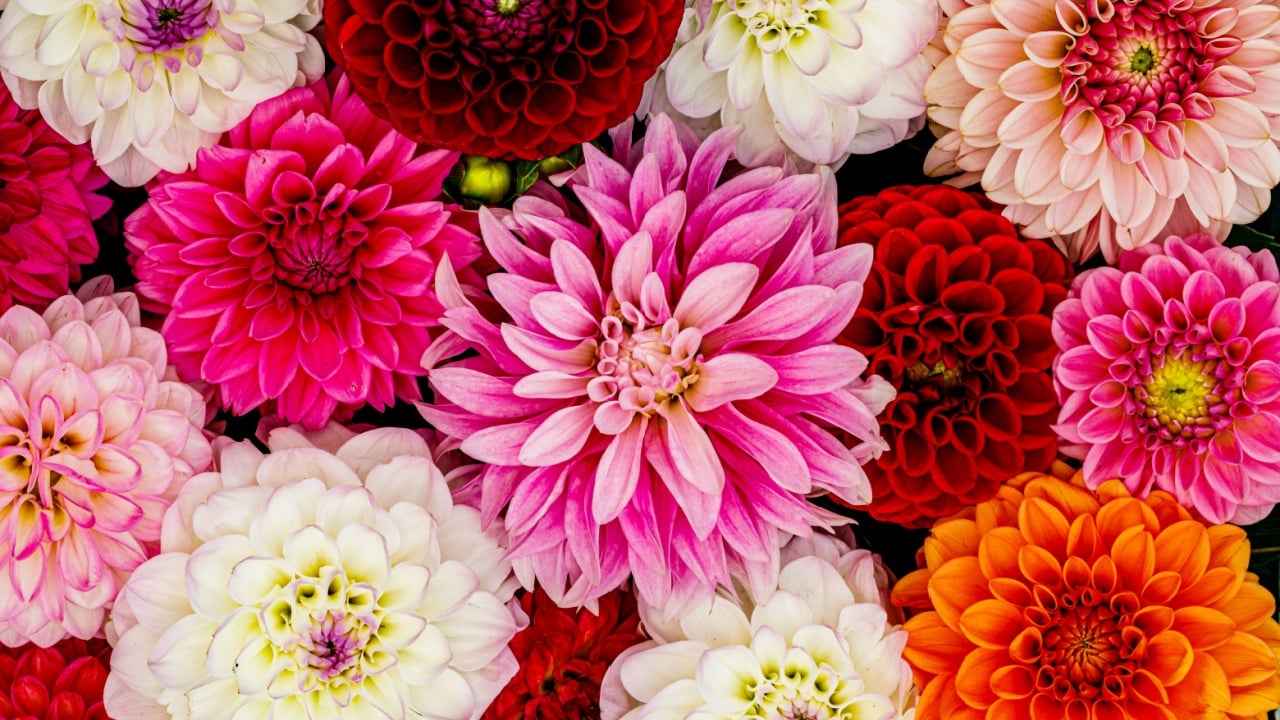
Dahlias are where your cutting garden starts looking like a professional florist’s studio. Their bloom forms range from tiny pompons to dramatic dinner-plate-sized flowers in hundreds of colors, and nothing else you can grow at home matches their visual impact in a vase.
Yes, tubers cost $5 to $15 each, which feels steep compared to a $2 seed packet. But here is what the experienced gardeners know: dahlias multiply every year. Dig the tubers after the first fall frost, divide them, and store them in a cool spot. By year two, your initial investment has doubled. By year three, you are giving extras to neighbors. “Dahlia flower power is unmatched, and once you invest in tubers, they can be multiplied and split and enjoyed for years,” writes Wilcox in Mother Earth News.
Pinch the plants at six to eight inches tall, stake the taller varieties, and keep them evenly watered. They will reward you with blooms from late summer through frost, exactly when most grocery store bouquets get expensive for fall weddings and holidays.
4. Sunflowers, But Not the Kind You Are Thinking Of
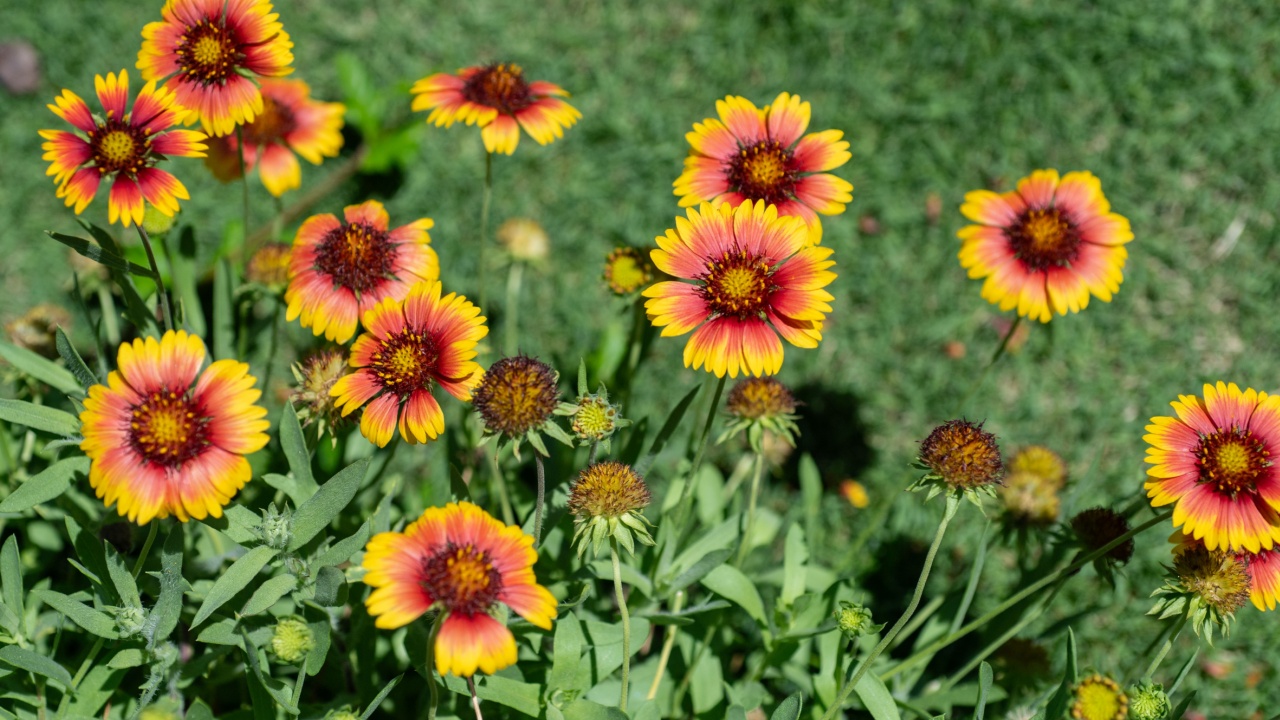
The classic single-stem sunflower makes a beautiful statement, but it is a one-hit wonder. It produces one big bloom, and then it is done. For a cutting garden, professional growers switched to branching sunflowers years ago, and the difference is night and day.
Branching varieties keep producing modest-sized blooms until frost. Their smaller stems actually fit in a vase without the broomstick problem anyone who has tried to arrange a standard sunflower knows well. “Breeders have developed branching sunflowers in a wide array of colors,” notes Mother Earth News, “so you can match them to other garden design elements.” Look for pollen-free varieties like the ProCut series if you do not want yellow dust on your tablecloth.
Give them full sun and decent drainage, keep them deadheaded, and they will keep producing. At the end of the season, let the last blooms go to seed for the birds. That is a garden working two jobs for free.
5. Celosia Is What the Professionals Grow and Amateurs Overlook
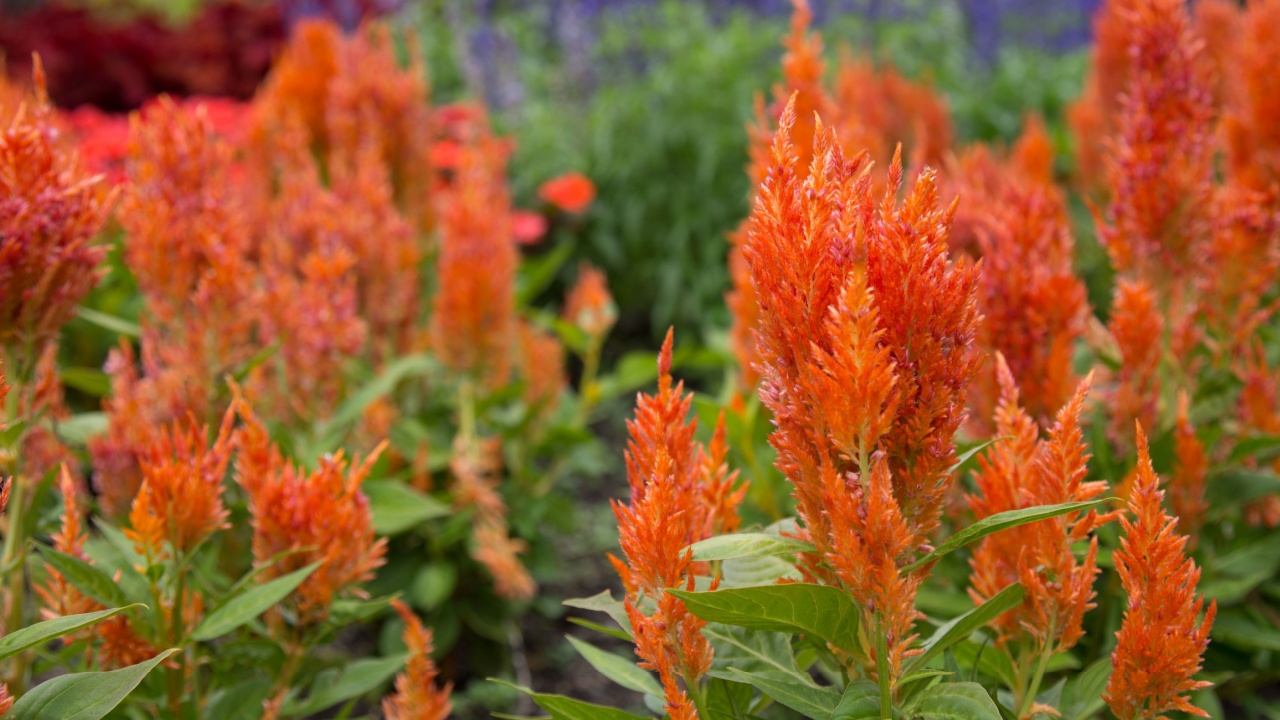
Most gardeners walk right past celosia at the nursery. Professional flower farmers cannot grow enough of it. That gap between amateur perception and professional reality is exactly why celosia earns a spot on this list.
“One of the most hardworking and often-overlooked plants in the cutting garden,” writes Erin Benzakein of Floret Flowers, “these heat-loving flowers are grown for their fuzzy, velvet-like blooms and are useful both fresh and dried.” That dried part matters: celosia retains its color and shape long after the growing season ends, which means your September harvest can still be decorating your table at Thanksgiving. Country Living calls it a flower that “adds texture and interest to fresh or dried bouquets.”
Celosia comes in plumes, fans, and the wonderfully bizarre “brain” shape. It thrives in heat, produces buckets of material from midsummer through autumn, and costs almost nothing from seed. If you want your arrangements to look like they came from a high-end florist rather than a backyard, this is the flower that does it.
6. Snapdragons Give You Height That Nothing Else Can
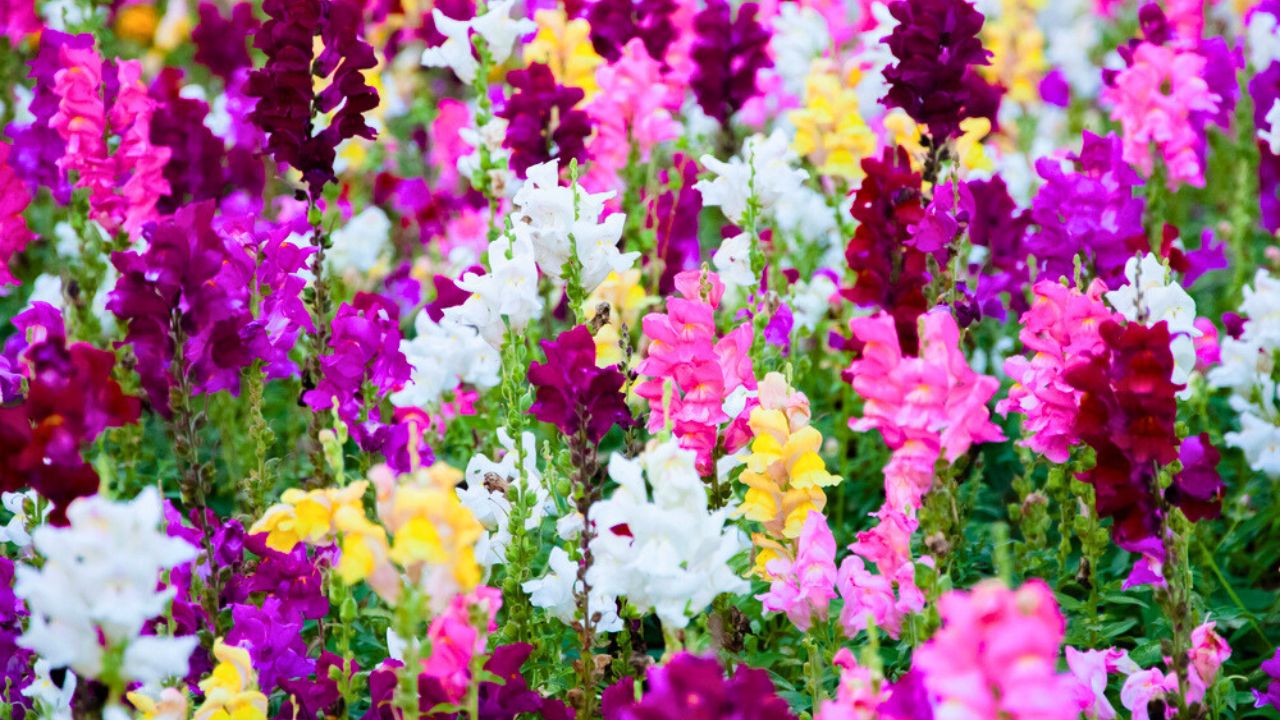
Every good bouquet needs something tall to create structure, and snapdragons are the best answer a home grower has. Their flower spikes add vertical drama that zinnias and cosmos cannot provide, and they come in nearly every color from soft pastels to bold jewel tones.
What many gardeners do not realize is that snapdragons actually prefer cooler weather, which makes them perfect for early spring and fall cutting when other flowers are winding down or have not started yet. Start them from seed indoors in late winter, transplant after the last frost, and succession plant for continuous harvest. The Madame Butterfly series, with its ruffled double blooms, is a particular standout that looks far more expensive than it is.
For gardeners in their 50s and 60s who remember snapdragons from childhood, growing them again is a small act of reclaiming something beautiful that the modern garden center has largely forgotten.
7. Herbs You Already Grow Make Expensive-Looking Filler for Free
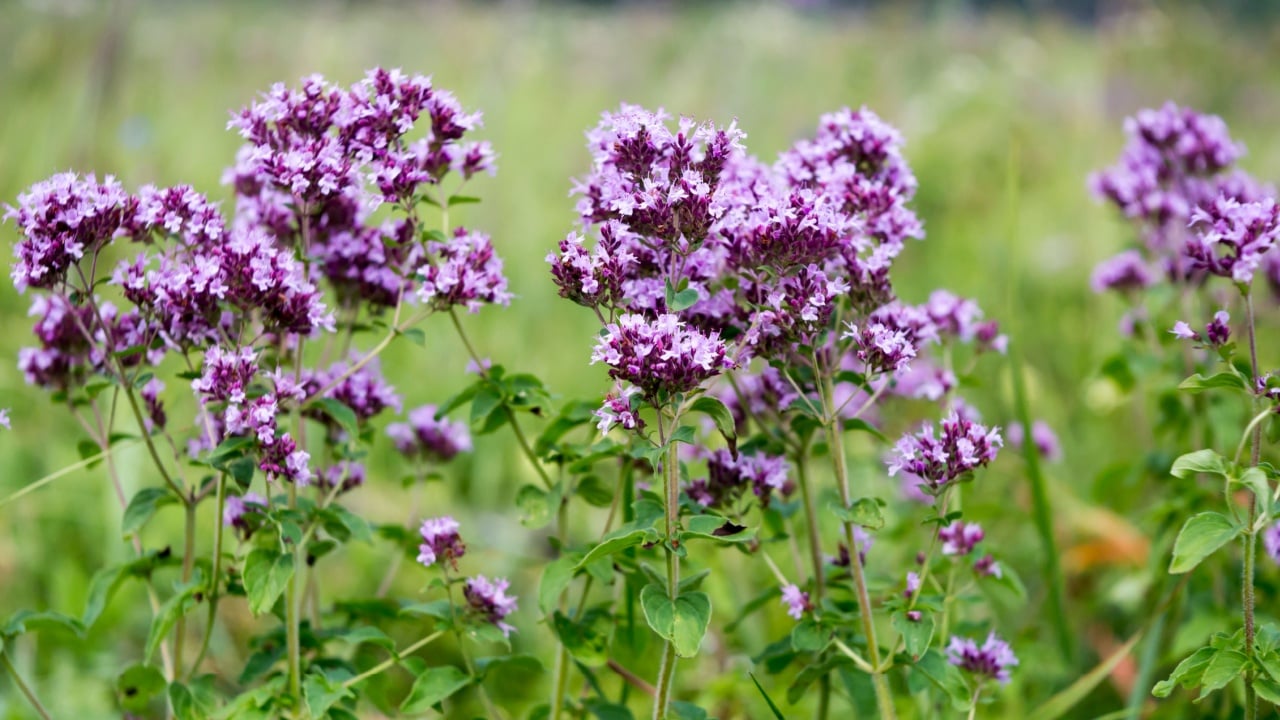
Here is a secret professional florists would prefer you did not figure out: a significant portion of what makes an expensive arrangement look expensive is the greenery filler. And that filler is often just basil, mint, or oregano, herbs that millions of home gardeners already grow and never think to cut for a vase.
Floret Flowers lists basil among its top cutting garden staples, particularly varieties like ‘Aromatto’ and ‘Cinnamon’ with their deep purple stems and aromatic foliage. Mint is even easier; cut it, put it in water, and it will outlast every other flower in the arrangement. In fact, it often roots in the vase if left long enough, giving you free propagation material.
Professional florists charge $3 to $5 per stem for this kind of greenery. Your herb garden has been producing it for free all season. Oregano flowers are dainty white blooms that Mother Earth News calls one of the most pollinator-visited plants in the garden. Stop buying filler. Start cutting it from the plants you already have.
Your Cutting Garden Does Not Need to Be Perfect to Save You Hundreds
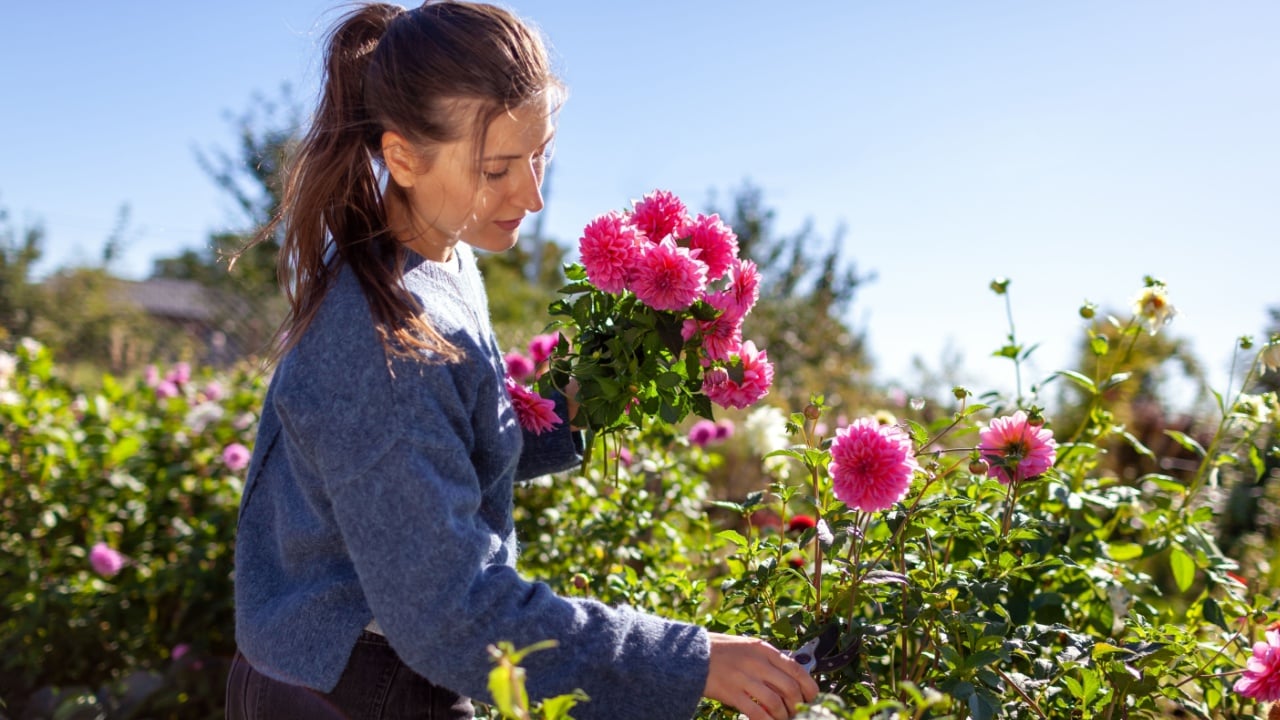
The difference between spending $600 a year on grocery store flowers and growing your own is not talent, space, or a green thumb. It is knowing which eight plants to grow and having the confidence to start.
Fall is the perfect time to plan. Order seeds for next spring, plant tulip and daffodil bulbs for early color, and take stock of the sunny spots in your yard that could hold a small cutting bed. A 4-by-8-foot raised bed is enough to produce weekly bouquets all summer.
The real luxury was never a $15 bouquet wrapped in cellophane. It is walking into your own garden with a pair of snips and coming back with something that will outlast, outshine, and out-charm anything the grocery store ever sold you.
Read More
Washing Your Lettuce Won’t Remove Cyclosporiasis, But Growing Your Own Will
Your Grandmother Stored These 8 Foods All Winter Without Canning a Single Jar