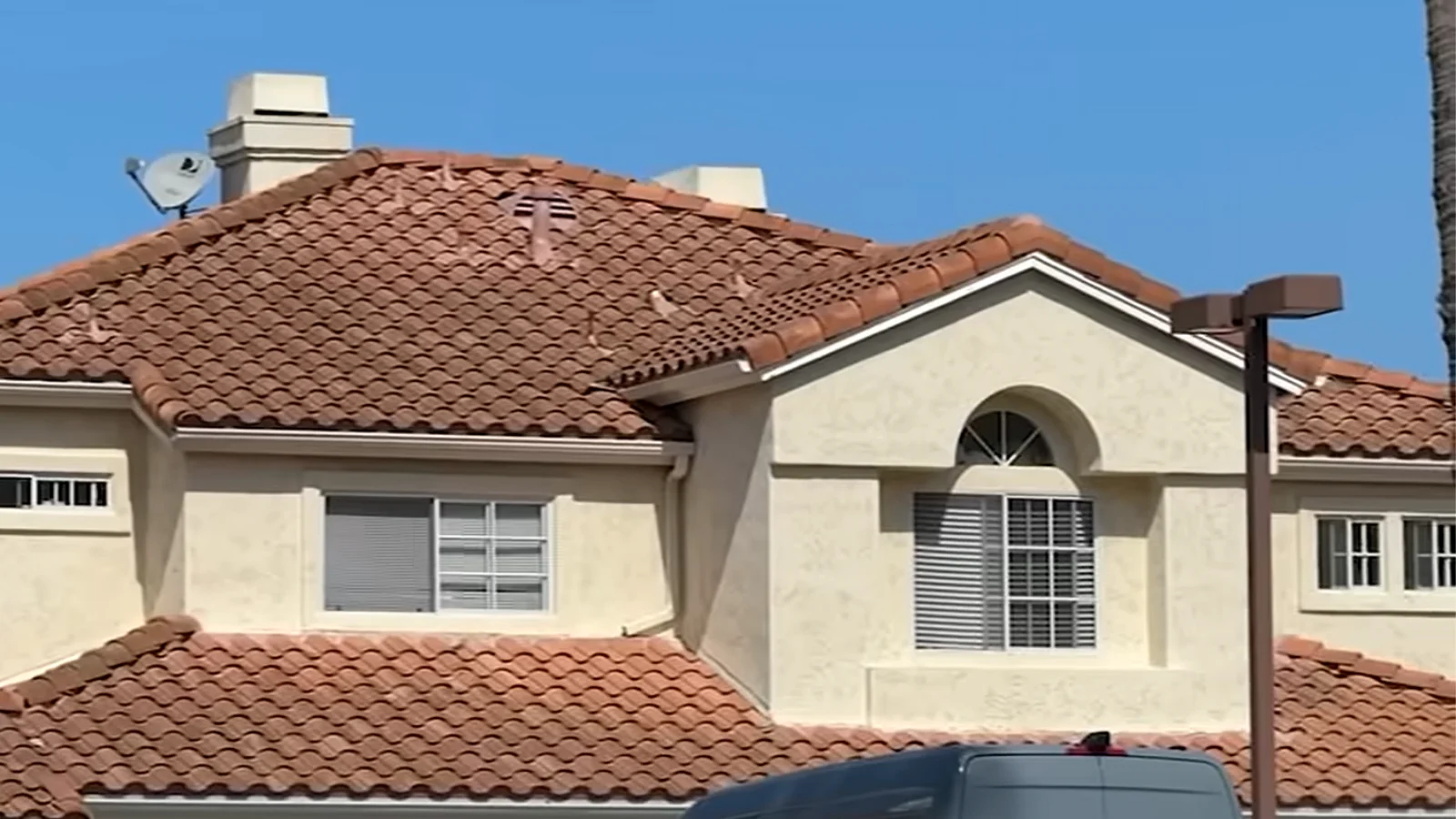
Condo Owners Stunned by $26,000 HOA Bill for Roof Work They Say Isn’t an Emergency
Most HOA bills come with some warning. For nearly 200 condo owners in Southern California, however, their latest bill reportedly came with something dramatically different: more than $26,000 each.
Residents at the 198-unit Villa Moura complex in San Clemente told ABC7 Los Angeles that their HOA imposed the emergency assessment to pay for new roofs.
Locals told ABC7 Los Angeles that there are no leaks from the roof tiles and that the HOA has known for several years that work would eventually be needed. They contend the underlayment needs replacement, rather than all of the roof tiles.
Residents are fighting more than the price. They say the roofing work was known about for years and should not qualify as an emergency—and this distinction matters under California law.
Homeowners Say the Roofs Aren’t an Emergency
Embedded media follows. Please allow a moment for it to load.
Homeowner Adam Dubin said residents want the board to seek multiple competitive bids and negotiate the cost. Others are trying to recall HOA board members and have filed a claim alleging the assessment violated state law, according to ABC7 Los Angeles.
On Aug. 31, ABC7 Los Angeles reported that the HOA said it could not comment because of ongoing legal matters.
Residents said they were offered several ways to pay, including paying the assessment at once, splitting it into two payments, or using an installment plan. They also said they have been warned that unpaid assessments could result in liens against their properties.
For 81-year-old Beverly Albright, finding another $26,000 may not be possible.
“I will have to move,” she told ABC7 Los Angeles, adding, “And this was my… I’ve worked very hard to make it so that I could be here.”
Why Calling It an ‘Emergency’ Matters
Under California Civil Code Section 5605, an HOA generally needs homeowner approval before imposing special assessments that exceed 5% of its budgeted gross expenses for the year.
There is an exception for emergencies. California Civil Code Section 5610 allows larger emergency assessments for certain extraordinary costs, including newly discovered safety hazards or repair expenses that the board could not reasonably have foreseen while preparing its budget.
Residents claim that years of known roof maintenance do not fit that definition, while the board has not publicly responded to their allegations.
Michael Kushner, a California HOA attorney who is not involved in the dispute, told ABC7 Los Angeles that homeowners generally still have to pay an assessment while challenging it rather than simply withholding the money.
“Homeowners have to pay those, even if they’re completely illegal,” he explained. “They have to pay them and then dispute them. California law doesn’t recognize the right of offsets, and you can’t withhold payment.”