Skip the Grocery Store This August: Buy These 8 Fruits and Vegetables at the Farmers Market Instead
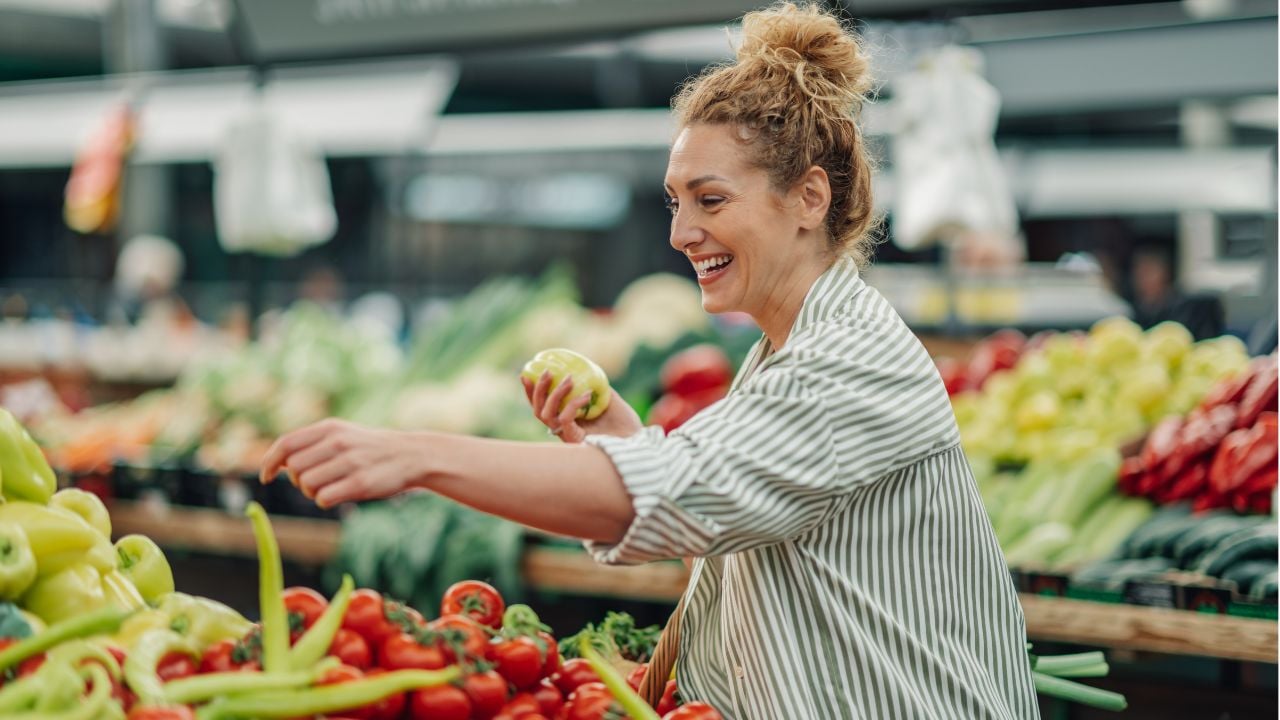
You are almost certainly spending more money at the grocery store on worse produce than you can find at the farmer’s market right now. The tomatoes in your grocery store cart were picked green two weeks ago in another state, gassed with ethylene to turn red, and priced higher per pound than the vine-ripened heirlooms sitting on a table at your local farmers market this morning.
It gets worse. The Environmental Working Group’s 2026 Shopper’s Guide to Pesticides in Produce found that nearly 100% of conventional peaches, nectarines, and strawberries tested positive for pesticide residues, including PFAS compounds that scientists now call “forever chemicals” because they do not break down in the human body. Several of August’s most popular fruits sit squarely on this year’s Dirty Dozen list, according to CNN. Opting to buy them from a local grower who can tell you exactly what went on those plants is not just a flavor decision; it can be important for your health.
August is the single most abundant month for fresh produce in most of the country. Farmers markets are overflowing right now, and that abundance drives prices down. Buying a 25-pound flat of tomatoes directly from a grower can yield a cost savings of 20 to 40%, according to CropCart Markets’ 2026 price analysis, often significantly below what conventional grocery stores charge for tomatoes that taste like cardboard by comparison. Peak-season local produce reliably matches or beats grocery store pricing, especially when purchased in bulk.
These eight fruits and vegetables represent the biggest gap between what you are paying at the grocery store and what you could be getting at the farmers market right now in August. Every one of them tastes better, costs the same or less, and in several cases carries fewer pesticide residues when bought locally and in season.
1. Tomatoes
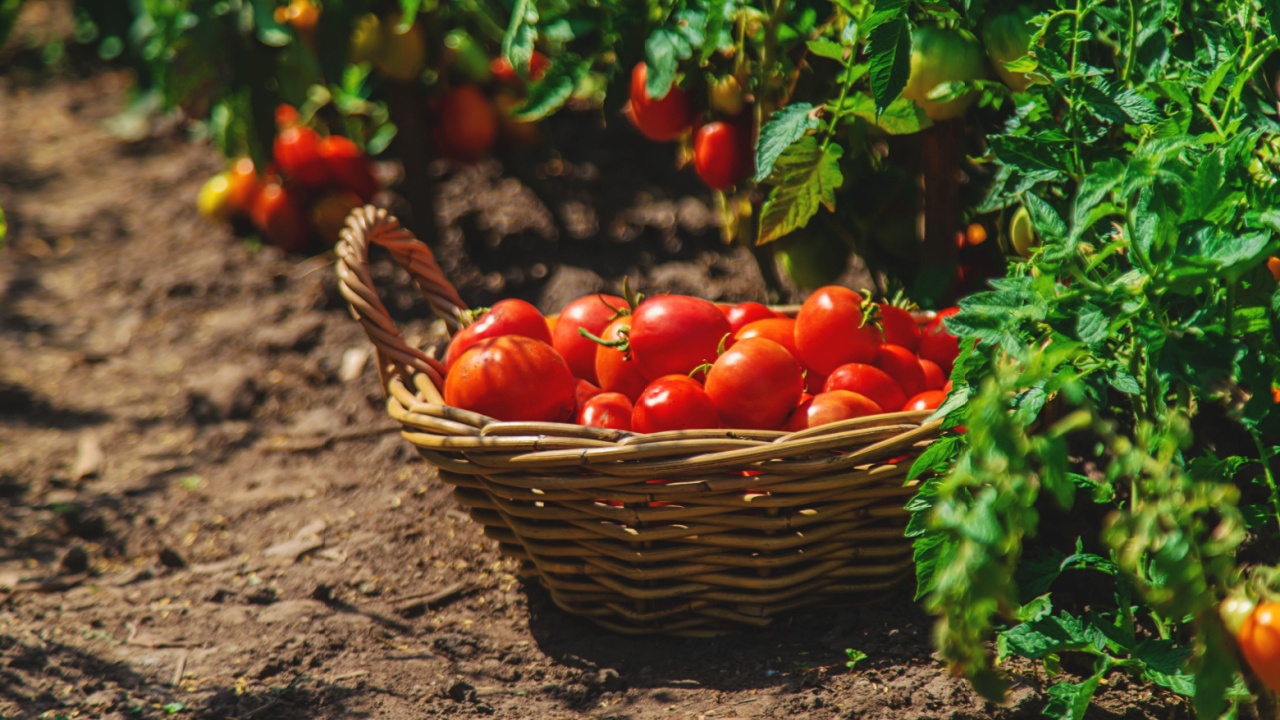
August is, without question, the best month of the year for tomatoes. “All sizes and varieties are abundant and ripening from the heat in July and August,” writes Elise Bauer of Simply Recipes. The heirloom Mortgage Lifters, Cherokee Purples, and Brandywines at your local market have been ripening on the vine for weeks, developing a depth of flavor that no gas-ripened grocery store tomato can match.
The cost difference is real. According to Ask the Food Geek, market farmers can let their tomatoes ripen longer because they do not need to ship them cross-country, and that longer vine time is what produces the flavor. If you buy a flat or a bushel, many vendors will offer discounts off the per-pound price. That is the kind of savings that adds up over a summer if your household eats tomatoes regularly.
2. Peaches and Nectarines
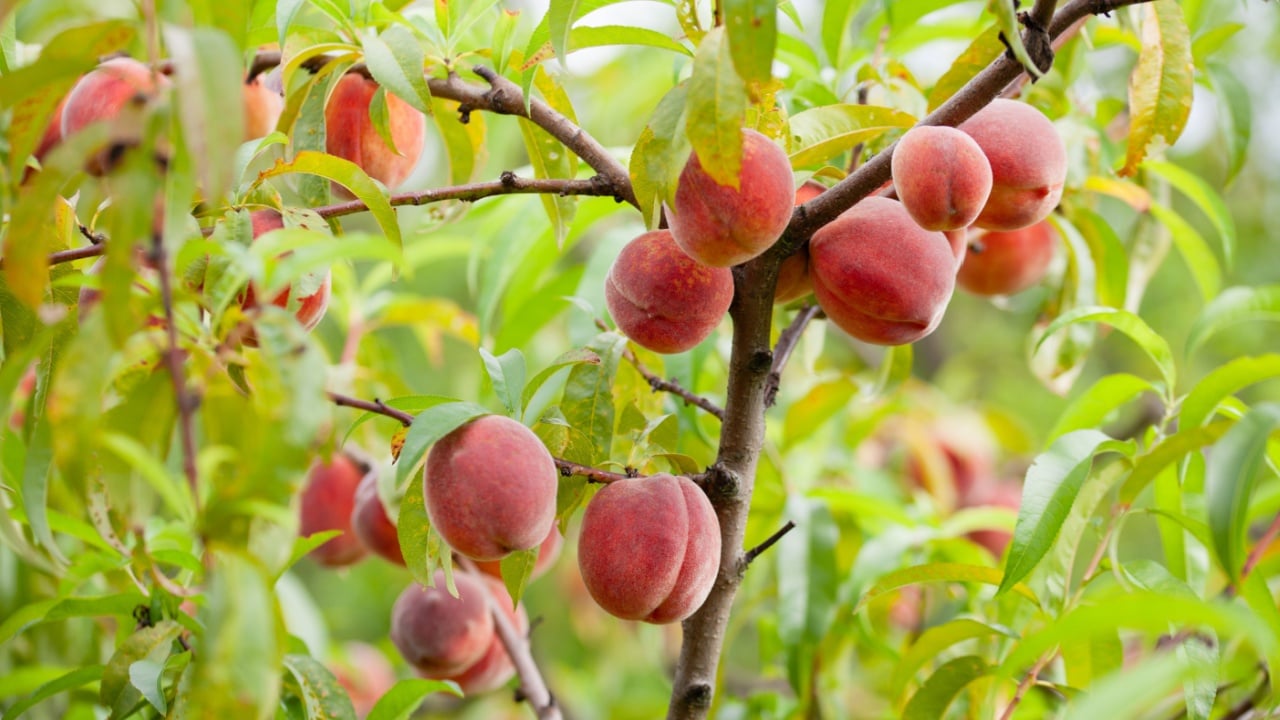
These are two of the most rewarding August farmers market purchases, and two of the riskiest grocery store buys. Peaches and nectarines both appear on the EWG’s 2026 Dirty Dozen list, with nearly every conventional sample testing positive for multiple pesticide residues. Buying from a local grower who uses fewer or no synthetic pesticides is one of the simplest ways to reduce your family’s exposure.
Beyond safety, the flavor difference is dramatic. “The juiciest, sweetest peaches and nectarines are usually found in August when they are at peak production and ripeness,” notes Veronica Tegen of Ask the Food Geek. Your best selection tool is your nose; the more aromatic a peach smells, the better it will taste. That test works beautifully at a farmers market where the fruit has actually been allowed to ripen. It tells you almost nothing at a grocery store, where the fruit was picked hard and cold-shipped.
3. Sweet Corn
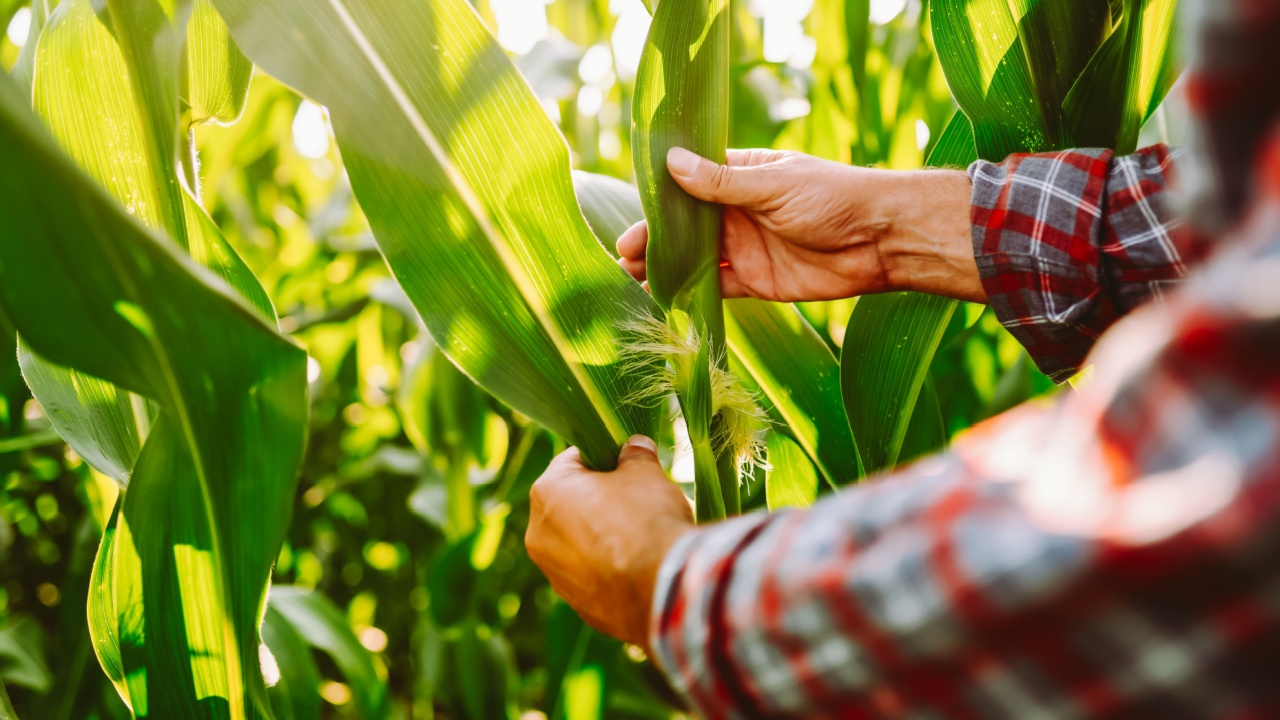
The moment an ear of corn is picked, its sugars begin converting to starch. Within 24 hours, a freshly harvested ear can lose up to 50 percent of its sweetness. “Corn tastes the sweetest the few hours after it’s picked,” confirms Simply Recipes. “So find corn at a farm stand or farmers market and prepare it that day.”
That means the corn at your grocery store, which was likely harvested days ago and trucked across state lines, is a fundamentally different vegetable than what you will find at a Saturday morning market. Your grandmother knew this, and would never have bought corn from a store when a farmstand was open, and neither should you.
4. Watermelon and Melons
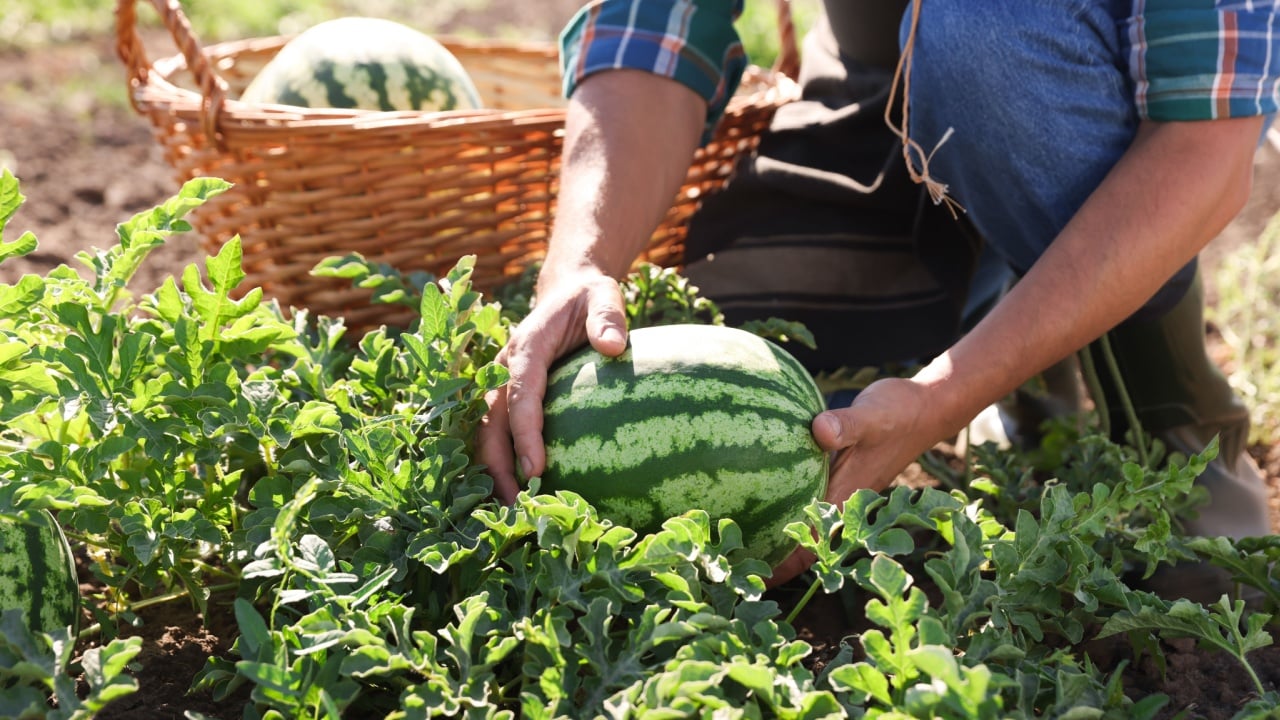
Melons are heavy, fragile, and expensive to ship, which means grocery store melons are frequently picked before peak ripeness to survive the journey. At the farmers market, they have often been harvested that morning.
The selection tips are worth knowing. For watermelon, look at the ground spot on the bottom; it should be creamy yellow, not white or greenish. For cantaloupe, check the stem end for a slight indent, which means it naturally separated from the vine when ripe. Honeydew should smell sweet and feel slightly tacky. “They should have a sweet, honeydew aroma,” notes Ask the Food Geek. “The rind will also be tacky rather than clean and smooth.” These tricks work best on market melons that were given time to ripen fully.
5. Peppers
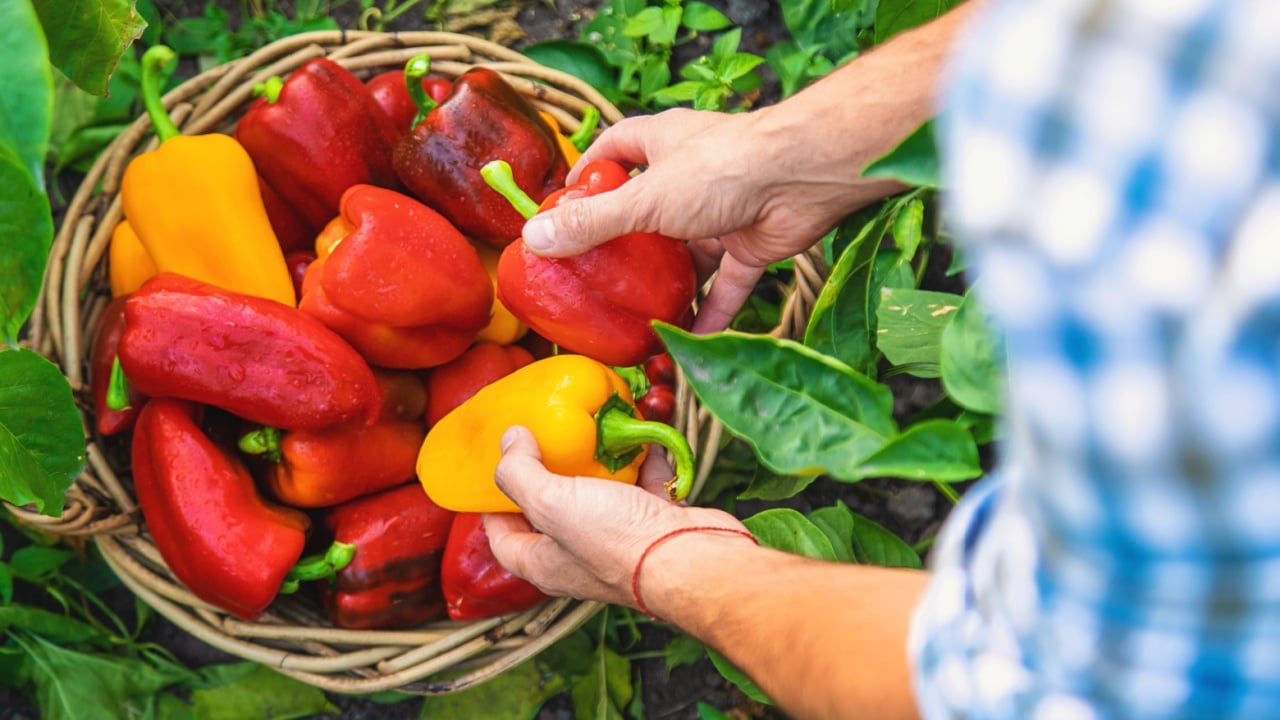
The grocery store sells you green bell peppers and calls it a day. A green bell pepper is simply an unripe pepper; it has a more bitter, vegetal flavor because it never finished developing. At the farmers market in August, you will find fully ripened red, orange, yellow, and even purple peppers with sweeter, more complex flavor, often at the same price.
More importantly, farmers markets carry specialty varieties that grocery stores never stock. Jimmy Nardello sweet peppers, shishitos, and Padron peppers are August treasures, according to Brooklyn Supper’s seasonal produce guide. If you have been buying the same four peppers your entire life, August at the market is where that changes.
6. Zucchini and Summer Squash
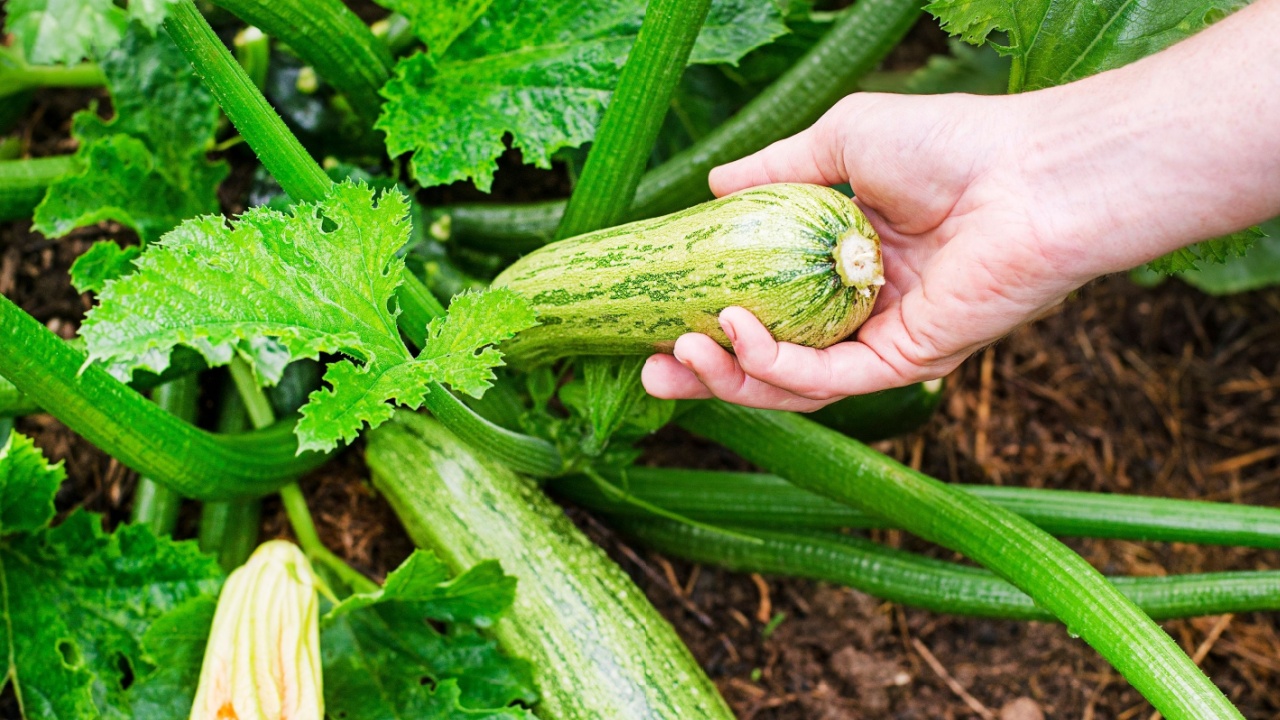
August is when zucchini becomes almost comically abundant. Gardeners across the country are leaving bags of it on neighbors’ doorsteps because they cannot use it fast enough. At the farmers market, this oversupply makes zucchini and summer squash some of the cheapest produce you can buy, sometimes as low as a dollar per pound or less.
“August is the month when everyone and their mothers and their mothers’ neighbors have zucchini overflowing in their gardens,” writes The Delicious Life. If you have a friend who gardens, you may not even need to buy it. Either way, there is no reason to pay grocery store prices for a vegetable that is virtually free right now in August.
7. Blackberries

Grocery store blackberries are one of the most common disappointments in the produce aisle. When blackberries are harvested too early to survive shipping, they taste bitter and astringent. “Seek them out at a farmers market for your best chance at getting high quality, vine-ripened blackberries this month,” advises Ask the Food Geek.
Blackberries also appear on the EWG’s 2026 Dirty Dozen, making the sourcing question about more than just flavor. A pint of vine-ripened, locally grown blackberries from a market vendor who can tell you what’s on them is worth more than two pints of bitter, pesticide-tested grocery store berries that your family won’t finish.
8. Figs

Fresh figs have an extraordinarily short shelf life, which means the ones at your grocery store have been compromised by the time they reach the shelf. A truly ripe fig is soft, slightly wrinkled, and fragile. That is not a fruit that survives long-distance shipping.
California grows 98% of the figs sold in the United States, according to Ask the Food Geek. If you live anywhere near a fig-growing region, August through November is your window. Black Mission figs are the most widely available, but August is when the green Tiger and Calimyrna varieties start appearing at markets. A fresh, properly ripe fig from a farmers market is an entirely different experience from the rubbery, flavorless version in the grocery store clamshell.
How to Save Even More at the Market This August
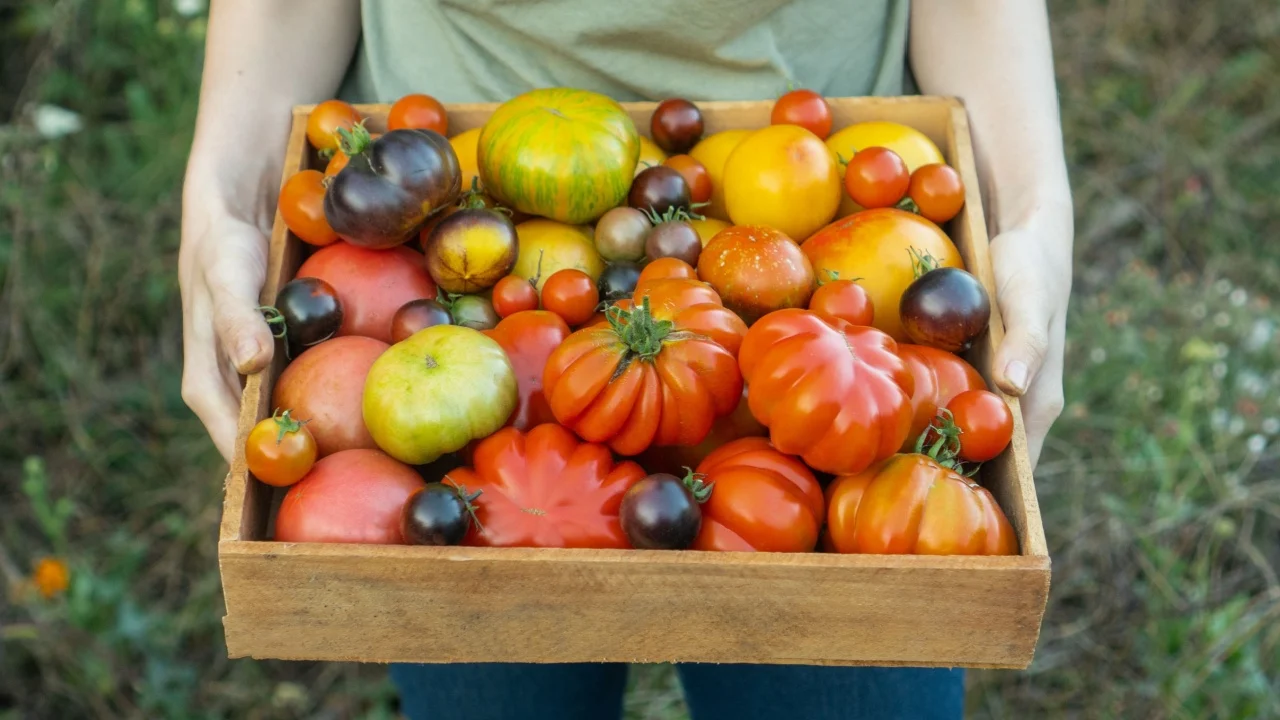
The biggest mistake new farmers market shoppers make is buying by the piece instead of in bulk. Buying in bulk in either flats, bushels, or cases can save even more. Ask your vendor; most will offer a bulk price if you buy enough.
Pro tip: do not overlook “seconds.” These are fruits and vegetables with cosmetic imperfections- a bruised peach, an oddly shaped tomato, or a slightly soft fig- that are nutritionally identical to the perfect-looking ones. Market vendors sell seconds at 40 to 70 percent off, and they are ideal for cooking, canning, and freezing. For anyone watching their grocery budget, this is money left on the table every single week.
Freeze what you cannot eat this week. Blanch and cut corn from the cob, spread berries in a single layer on a sheet pan before bagging, and roast tomatoes with olive oil before freezing. These techniques extend August’s savings and flavor well into winter, and they cost almost nothing beyond the produce itself.
It Has Always Been This Simple

Your grandmother did not need a produce guide to tell her to buy what was in season. She bought what the land was growing, and it was cheaper, better, and safer than anything shipped from 2,000 miles away. That logic has not changed; we just stopped following it.
August is the easiest month of the year to start. The markets are full, the prices are low, and the flavor gap between local seasonal produce and grocery store alternatives is at its widest. You do not have to overhaul your entire routine. Just pick two or three items from this list, visit your nearest market this weekend, and taste the difference for yourself. The savings and the flavor will make the case better than any article can.
Read more:
Is Your House A Wildfire Target? 7 Things That Increase Your Risk At Home
Is The Heat To Blame for Your Struggling Vegetable Garden This Summer? Stop Making These 7 Mistakes