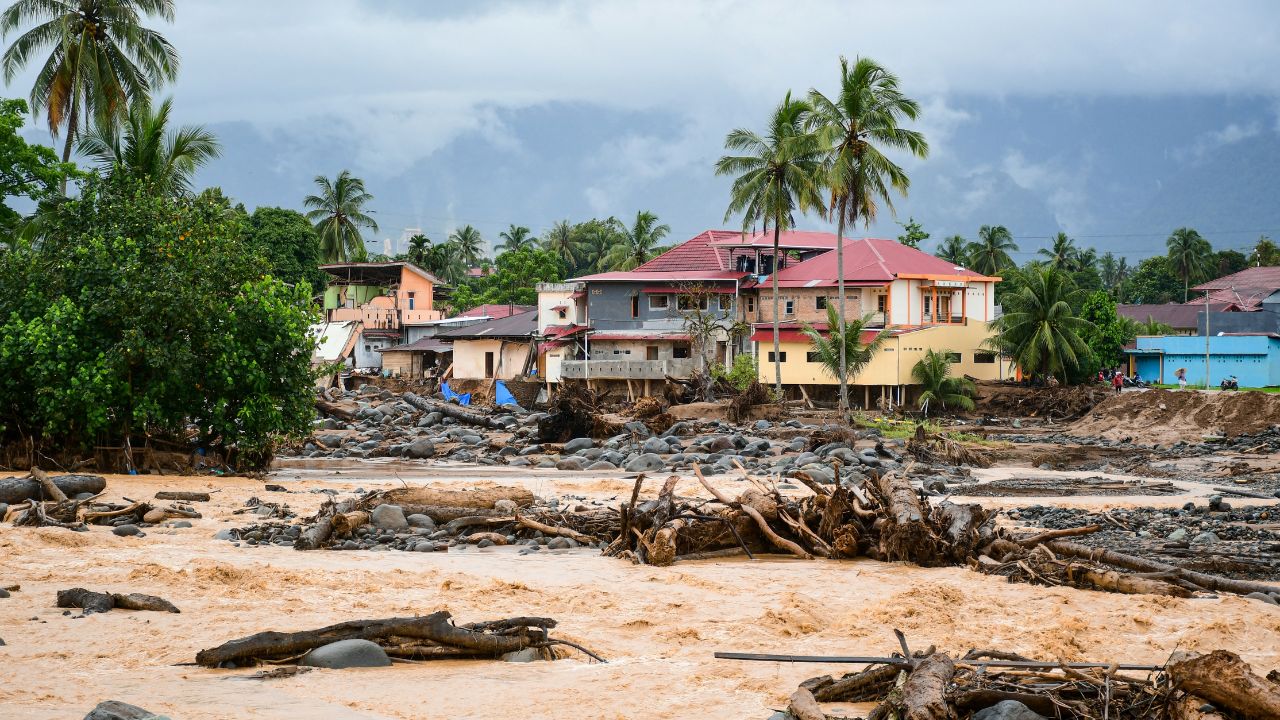
8 Flood Dangers Homeowners Never See Coming After a Wildfire
Your home survived the fire. The walls are standing, the roof held, and you are starting to believe the worst is behind you. Unfortunately, it is not. For millions of homeowners living near wildfire burn scars, the most expensive potential damages may be yet to arrive.
Across Colorado, Utah, and California, homeowners who made it through this year’s wildfire season are now watching light afternoon showers turn charred hillsides into rivers of mud, ash, and debris. In July 2026, mudslides forced the closure of Interstate 70 in Garfield County and shut down Highway 145 in San Miguel County, according to Denver7. The Salt Lake Tribune reports that Utah communities near the Cottonwood and Forsyth burn scars are filling sandbags and bracing for worse. Even though post-wildfire flooding is the predictable second chapter of every wildfire, it catches nearly everyone off guard.
The financial stakes are staggering. According to FEMA, just one inch of floodwater can cause roughly $25,000 in damage to an average-size home, and most standard homeowner’s insurance policies will not cover a single dollar of it. If you are over 50 and have spent decades building equity in your home, that is not an abstract number. It is the difference between a manageable setback and a financial catastrophe. The window to protect yourself is right now, before monsoon season peaks in August.
Here are eight dangers that blindside homeowners after a wildfire, and the steps you can take before the next storm arrives.
1. Burned Soil Repels Water Like a Parking Lot

When a wildfire tears through a hillside, it does not just destroy vegetation; it fundamentally changes the soil itself. Intense heat creates a water-repellent layer just below the surface, otherwise known as a condition scientists call “hydrophobicity”.
“The soil essentially has an inability to absorb the water if it’s severely burned,” said National Weather Service Hydrologist Erin Walter in a recent interview with Denver7. “It’s almost like a waxy material that repels water, and so it immediately runs off as if it were sheet flow on a parking lot.” Areas that absorbed rainfall for decades can become flood-prone overnight. If you live below or downstream of a burn scar, your property is now in a flood zone whether FEMA’s maps say so or not.
2. Flash Floods Can Hit Faster Than Warnings Can Be Issued
According to the USGS, as little as a quarter inch of rainfall in just 30 minutes has been enough to trigger destructive debris flows on burned hillsides in southern California. The National Weather Service confirms that half an inch of rain in under an hour can set off flash flooding on a burn scar anywhere in the West. That is a rate of rainfall so common it barely registers on most weather forecasts. Officials in Colorado now warn residents near burn scars not to wait for a flash flood warning before taking action. By the time a warning is issued, the water may already be at your door.
3. Your Homeowner’s Insurance Almost Certainly Won’t Cover It
Standard homeowner’s, renter’s, and business insurance policies do not cover flood damage. If a post-fire flood fills your basement with six inches of mud and ash-laden water, your existing policy will almost certainly deny the claim. Flood insurance through the National Flood Insurance Program costs an average of about $600 a year, with rates starting at $129 for homes in moderate-to-low-risk areas, according to FEMA. However, new flood insurance policies typically take 30 days to go into effect. If you wait until a storm is forecast to open a flood insurance policy, it is already too late.
4. The Danger Doesn’t End When the Fire Does; It Can Last a Decade
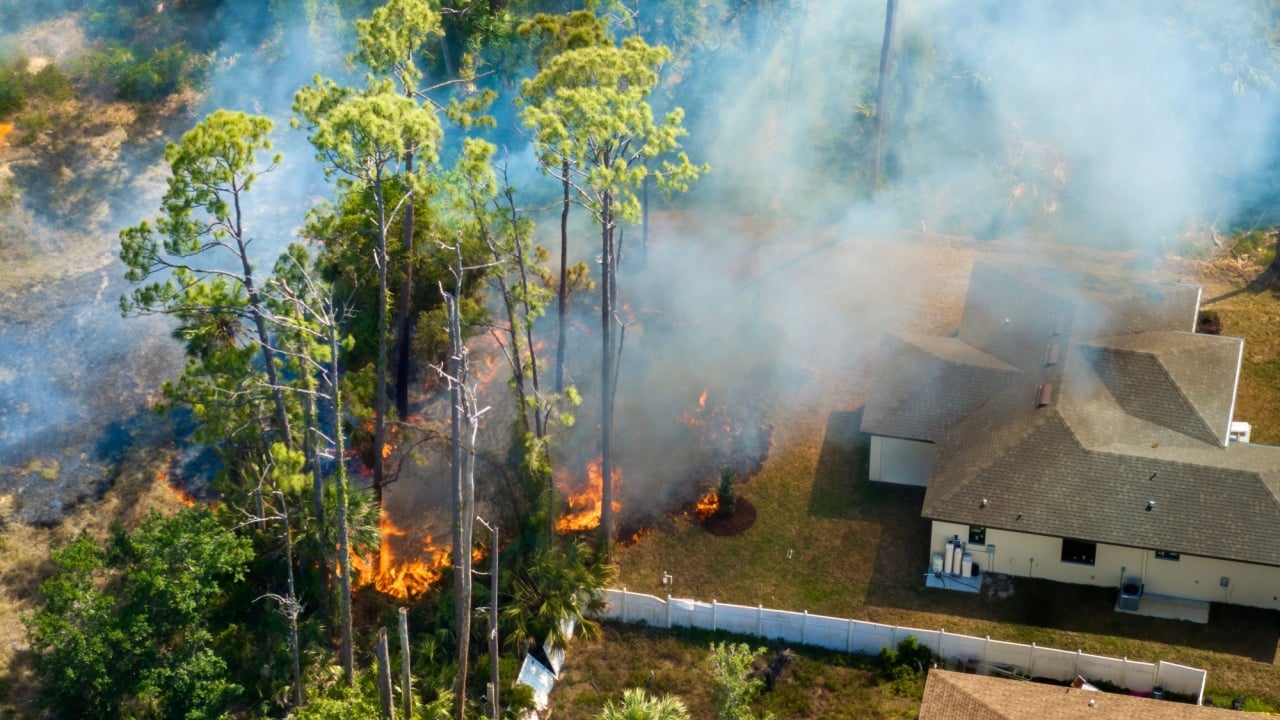
Most people assume that once the burned area “greens up,” the flood risk disappears. FEMA estimates that elevated flood risk persists for up to five years after a wildfire, but real-world events suggest the window can stretch well beyond that. Colorado’s Cameron Peak burn scar, the largest wildfire in state history when it burned 208,913 acres in 2020, triggered yet another flash flood warning in Larimer County on July 28, 2026, six years after the fire, writes the Coloradoan.
Water pressure continues to build in post-fire soils for up to four years, contributing to landslides long after the visible damage has healed. If you bought your home near a burn scar thinking you just needed to get through one or two rainy seasons, you may want to reconsider that timeline.
5. You May Already Be in a New Flood Zone and Not Know It
A wildfire can redraw the flood map overnight. Areas that were never classified as flood-prone suddenly face extreme risk because the hillside above them no longer absorbs water. The problem is that official FEMA flood maps are not typically updated quickly enough to reflect these changes. That leaves homeowners without accurate risk information, sometimes for years.
If your property is downstream of a burn scar, treat it as a flood zone regardless of what the current maps say. For homeowners considering selling, be aware that many states are tightening disclosure requirements around wildfire and post-fire flood risk; what you do not disclose could become a legal liability.
6. Debris Flows Are Far More Destructive Than Clear-Water Floods
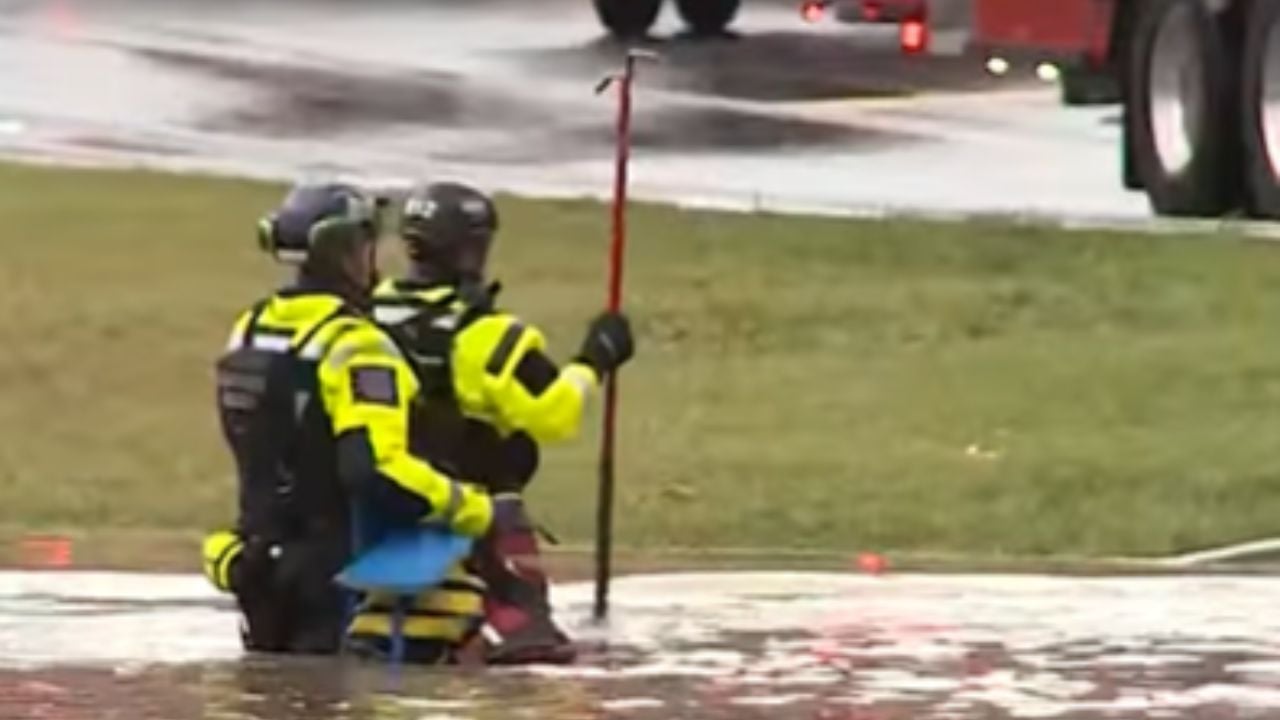
A post-fire flood is not just water. It is water carrying boulders, burned trees, ash, and sediment at tremendous speed. Research from USC Dornsife found that water and debris flow in burned areas was four to ten times greater than in unburned areas. These flows roll boulders, tear out trees, and destroy buildings and bridges, according to FEMA.
The 2018 Montecito debris flow in California, triggered by modest rainfall on the Thomas Fire burn scar, killed 23 people and destroyed more than 100 homes. “Often it is the debris flow that causes the most damage and destruction,” noted researchers at USC Viterbi School of Engineering. This is not a garden-variety flood. It is a wall of destruction, and it can arrive without warning.
7. Climate “Whiplash” Is Making This Cycle Worse Every Year
Scientists at UCLA have identified a pattern they call “hydroclimate whiplash,” and it is accelerating. Here is how it works: an unusually wet winter promotes heavy vegetation growth. The following dry season turns that vegetation into wildfire fuel. Then, the fires burn the hillsides bare. The next wet season sends floodwater cascading down those denuded slopes.
The atmosphere can absorb and release 7% more water for every degree Celsius the planet warms, according to University of California researchers. That means both the fires and the floods are intensifying in lockstep. The planet is on track for two to three degrees of warming this century, which means homeowners in fire-prone regions will face this cycle with increasing frequency and severity for the rest of their lives.
8. The Most Effective Protection Costs Almost Nothing, but You Have to Act Now
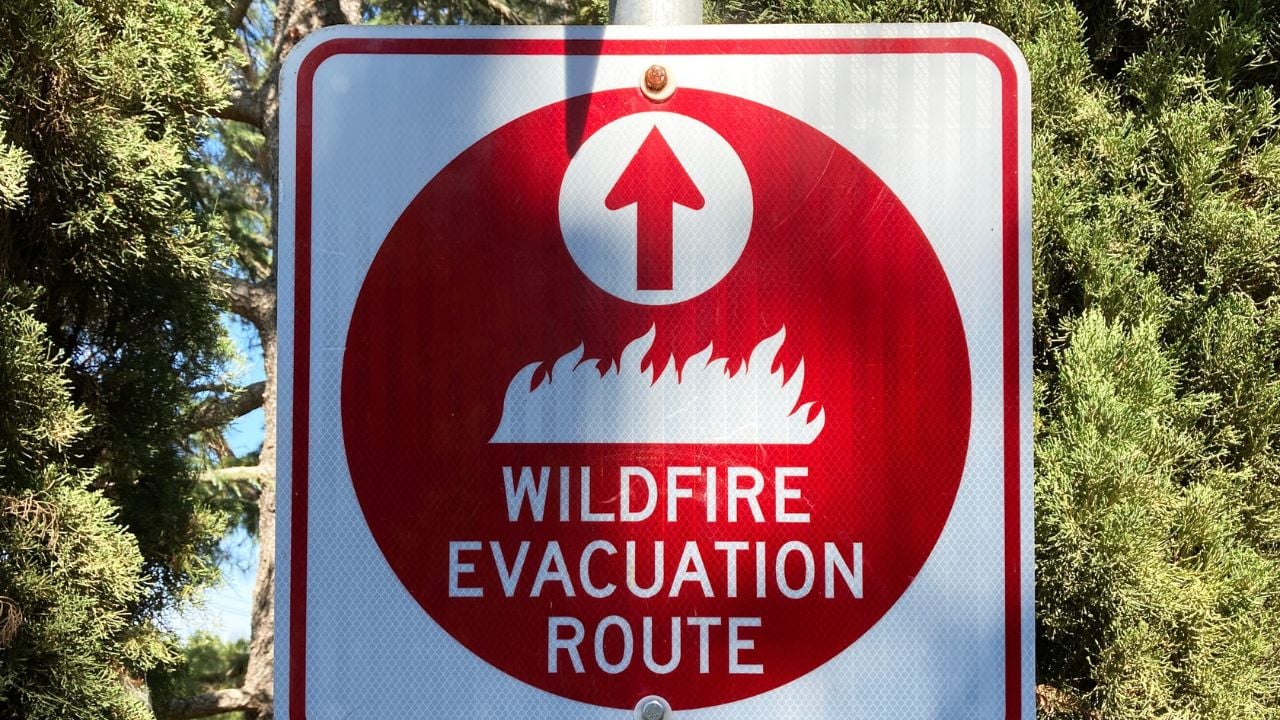
The good news is that several of the most important steps you can take are free or nearly free. Check USGS and NWS burn scar maps to determine whether your property is downstream of a recent fire. Sign up for local weather alerts; in burn scar areas, minutes of advance notice can save your life. If you are within the risk zone, buy flood insurance today; at $129 to $600 a year, it is the cheapest protection available against a $25,000 loss. Have an electrician elevate your water heater, electrical panel, and furnace above potential flood lines. Keep a go-bag packed if you live near a burn scar. And if you have any hillside on your property, replant native vegetation as soon as possible. It is one of the most effective long-term flood mitigation strategies available, and it costs almost nothing beyond seeds and patience.
The homes that weather the next decade near burn scars will not be the ones with the biggest budgets. They will be the ones whose owners understood that the fire was only the beginning.
Read more:
7 perennial planting mistakes to stop making right now
How to Grow Zucchini Vertically: 7 Steps That Save Space and Double Your Harvest