Stop Doing These 8 Things at Your Backyard Barbecue Before Your Neighbors Call Code Enforcement
You probably think you know how to host a barbecue. Most of us do.
However, U.S. fire departments respond to an average of 12,141 home fires involving grills every single year, according to the National Fire Protection Association (NFPA). And grill fires are only the beginning. From food safety violations the USDA actively warns against to HOA rules most homeowners have never read to neighbor smoke complaints that have ended up in court, the average backyard cookout is a minefield of potential mistakes hiding in plain sight.
The uncomfortable truth is that most of these mistakes are habits we inherited. We watched our parents push the grill against the deck railing, leave the potato salad out for four hours, and never once mention the word “ordinance.” It worked fine then, or at least it seemed to. But neighbors are less tolerant now, HOAs are more aggressive, and a single viral video of a smoke dispute can turn a Saturday afternoon into a local news segment. A Florida barbecue smoke confrontation captured on camera generated millions of views and national coverage, according to CBS News.
This matters more right now than at any other point in the year. July is the peak month for grill fires in the United States, and summer heat accelerates every food safety risk on your table. If you are planning a cookout this month, the cost of getting it wrong is not just an awkward conversation with your neighbor. It could be a fine, a lawsuit, or a trip to the emergency room.
These eight mistakes are not obscure technicalities. They are things most of us do every single time we fire up the grill. And every one of them is fixable before your next cookout, for free.
1. Grilling Too Close to the House
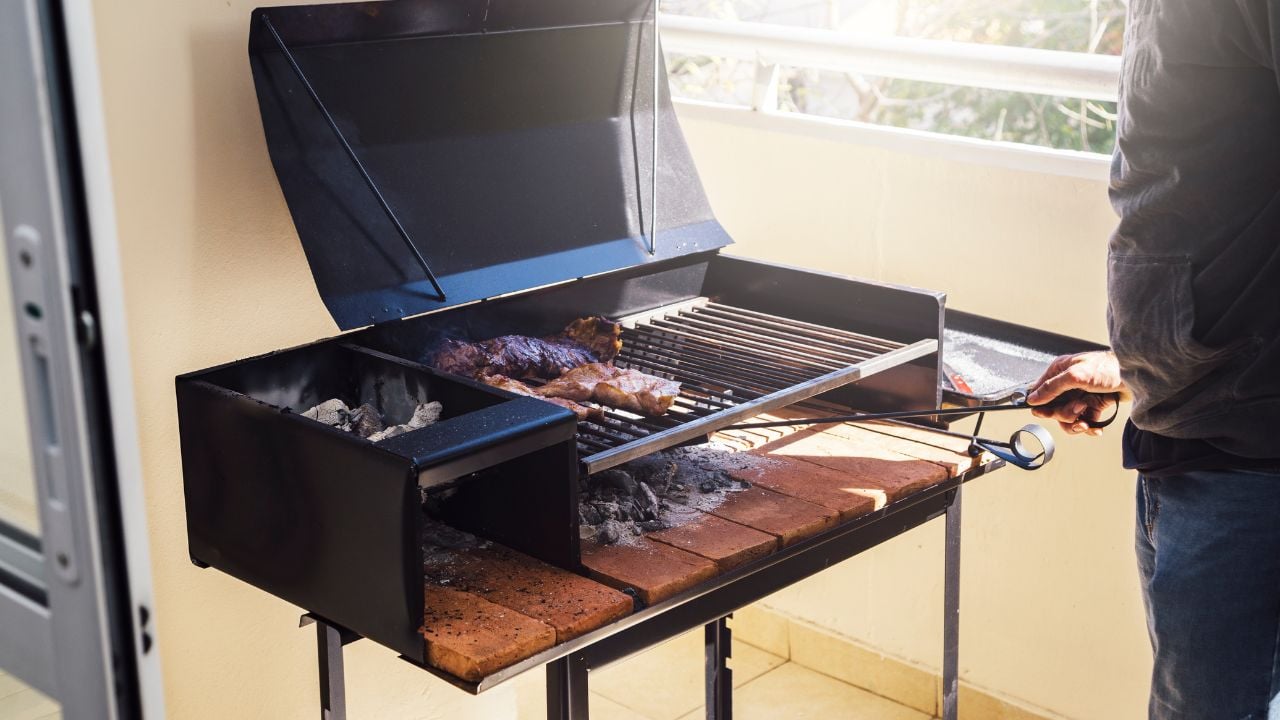
The International Fire Code requires grills to be at least 10 feet from any combustible structure, and that includes your wooden deck, vinyl siding, porch overhang, and fence. Most backyard grillers violate this rule and have no idea.
The consequences are not theoretical. According to the NFPA, home grill fires cause an average of $241 million in direct property damage annually, along with 15 deaths and 171 injuries. Seventy-six percent of those fires involve gas grills, not charcoal, which surprises most people. “NFPA recommends keeping grills away from structures and combustible materials, routinely checking for gas leaks, and never leaving grills unattended while in use,” states the NFPA’s Home Grill Fires report. If you have been grilling three feet from your back door for years without incident, you have been lucky, not safe.
2. Ignoring the Smoke Drifting Into Your Neighbor’s Yard
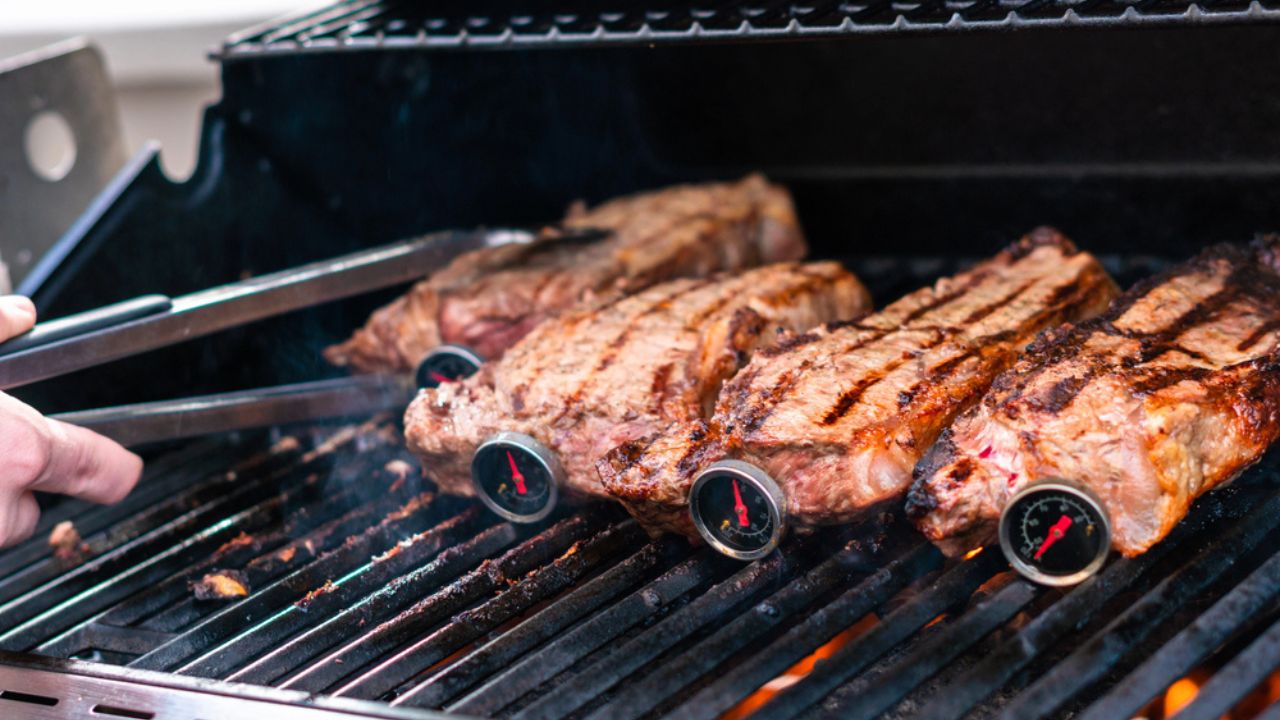
Your grandmother’s generation understood something about backyard barbecue etiquette that many of us have forgotten: the smoke does not stop at your property line. And in most jurisdictions, your neighbor can actually do something about it.
BBQ smoke that regularly drifts onto a neighboring property can be legally pursued as a “private nuisance,” which means your neighbor does not need a specific anti-smoke ordinance to take action. They need only demonstrate that the smoke significantly interferes with their use and enjoyment of their property. As Homes & Gardens notes, “Neighbors with health conditions, asthma, or allergies are especially sensitive to smoke.” The fix costs nothing: check the wind direction before you start, position the grill downwind from adjacent homes, and use the lid to control smoke output.
3. Leaving Food Out Way Too Long
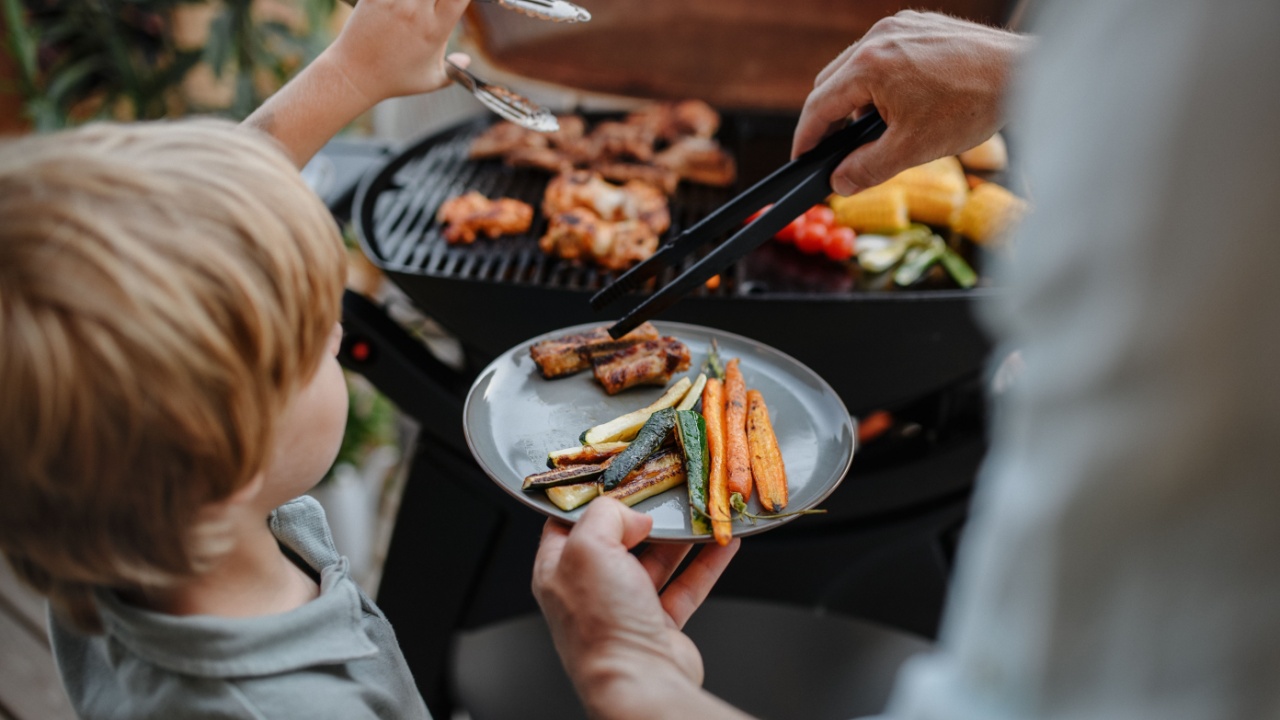
This is the mistake that sends roughly 48 million Americans to the doctor every year with foodborne illness, according to the CDC, and summer cookouts are a primary driver. The USDA’s rule is clear: perishable food left out for more than two hours must be discarded. If the temperature is above 90 degrees, that window shrinks to one hour.
Most hosts do not time this. Most guests do not think about it. And the bacteria that cause food poisoning multiply fastest between 40°F and 140°F, which the USDA calls the “danger zone.” Ground beef must reach an internal temperature of 160°F; steaks and chops need 145°F with a three-minute rest. A $12 meat thermometer is the single cheapest investment that separates a great cookout from one that makes your guests sick.
4. Not Checking Your HOA Rules Before Firing Up
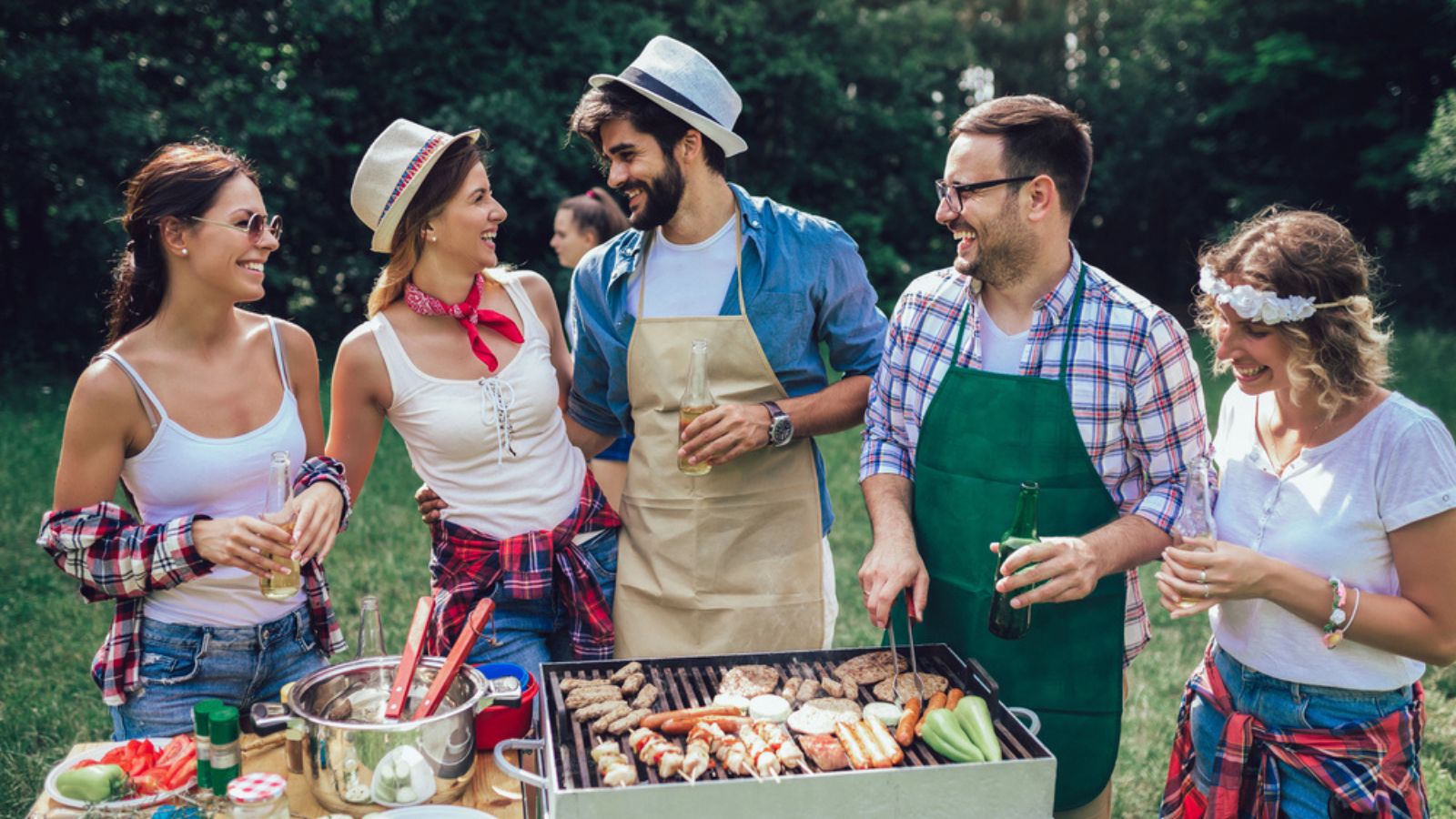
If you live in a community with a homeowners association, there is a real chance your bylaws restrict when, where, and how you can grill. Many HOAs limit grilling hours, ban charcoal entirely, require minimum distances from buildings that exceed standard fire code, and even regulate where you store your equipment.
“HOA bylaws may prohibit keeping your grill on display or storing a wood pile for smoking if it violates fire safety laws,” notes Associa, a leading HOA management firm. Violations can result in fines that start around $50 and escalate to several hundred dollars per occurrence. For anyone who has been grilling for decades without reading the fine print, this is the section that should give you pause. The rules may have changed since you moved in, and ignorance is not a defense your HOA board will accept.
5. Forgetting to Warn the Neighbors
A backyard barbecue is, by nature, a public performance. Your neighbors can hear the music, smell the smoke, and see the cars lining the street. Failing to give them a heads-up is one of the most reliable ways to erode goodwill in a neighborhood.
“You might let them know you are going to be hosting a party during the particular timeframe,” advises Diane Gottsman, a national etiquette expert and founder of The Protocol School of Texas, in Southern Living. “This just shows consideration in case some of your guests must park in front of their home by the curb.” The parking issue, in particular, is the number-one source of post-cookout neighbor resentment in suburban neighborhoods. A quick text the day before costs nothing and prevents everything.
6. Letting Guests Crowd the Grill
It feels convivial. Everyone gravitates toward the flame, drink in hand, watching the burgers sizzle. It is also a safety hazard and a recipe for chaos.
Children, pets, and adults holding cocktails near an open flame are exactly the scenario the NFPA warns against. As etiquette site Poised & Proper advises, “Unless you’ve been asked to help cook, don’t hover, instruct, or sneak a sample off the grill.” Experienced hosts know the solution is environmental, not conversational: create clear zones. Set up drinks, food, and seating away from the grill so the natural social current pulls people in the right direction. The grill master needs space to work, and everyone else needs a reason to be somewhere else.
7. Skipping the Cleanup Plan

Nobody wants to be the last guest standing in a yard full of paper plates and half-eaten corn cobs. And no host wants to spend two hours cleaning up alone after dark.
The hosts who get this right plan it in advance: a visible trash station, a recycling bin, and a stack of takeaway containers for leftovers. On the guest side, offering to help clean up is not optional; it is baseline decency. As Thrillist bluntly puts it in their backyard BBQ rules, “Just because you’re outside doesn’t mean woodland nymphs and dryads will spirit away the 18 halves of potato bun that are somehow floating around.” A five-minute group cleanup at the end saves the host an hour of solo work and ensures you get invited back.
8. Playing the Wrong Role
The single most common backyard barbecue etiquette failure is not understanding whether you are the host or the guest and acting accordingly.
If you are hosting: stop trying to do everything. A simple menu done well beats an elaborate spread done poorly. Prep burgers, sides, and sauces in advance so you are not stuck in the kitchen when guests arrive. If you are a guest: do not backseat-grill, do not bring uninvited people, and do not show up empty-handed. According to a survey cited by the Hearth, Patio & Barbecue Association, 82% of hosts appreciate guests who offer to bring something, whether it is a side dish, a six-pack, or a bag of ice. The barbecue that everyone remembers fondly is the one where every person in the yard understood their role and played it well.
What to Do Before Your Next Cookout

A great backyard barbecue is not expensive; it is considerate. Before your next one, measure the distance from your grill to the nearest wall, read your HOA bylaws, set a phone timer for food that is sitting out, text your neighbor, and buy a meat thermometer. Every one of these steps is free or nearly free, and any one of them could save you from a fine, a lawsuit, or a friendship you cannot repair.
The best hosts are not the ones with the fanciest smokers or the most elaborate menus. They are the ones who thought about the people around them, including the ones who were not invited, before they ever lit the flame. Your grandmother knew this instinctively, and she may have even called it common courtesy. For those of us who have been grilling for 20 or 30 years, it is worth remembering that the rules may have changed, but the principle never did: a good neighbor makes a good host, and a good host makes a gathering worth coming back to.
Read more:
7 perennial planting mistakes to stop making right now
How to Grow Zucchini Vertically: 7 Steps That Save Space and Double Your Harvest