A Father Climbed a Fence With His Baby as Floodwater Trapped His Yard
A Berhampore father escaped fast-rising floodwater by climbing a nearly two-metre fence while carrying his baby, according to Wellington.Scoop.
The Wellington homeowner described the floodwater as “crazy” after an April storm overwhelmed parts of the city’s southern suburbs. Two months later, he was still waiting to learn whether his house would be written off.
The storm brought intense rain, flash flooding, evacuations, road closures, and landslides across parts of Wellington. Reuters reported that 77 mm of rain fell in less than an hour.
The Berhampore case shows how quickly a flooded yard can turn from property damage into an escape problem, especially for families with babies, older adults, pets, or anyone who cannot easily climb, lift, or move through fast water.
The Floodwater Rose Around the Property
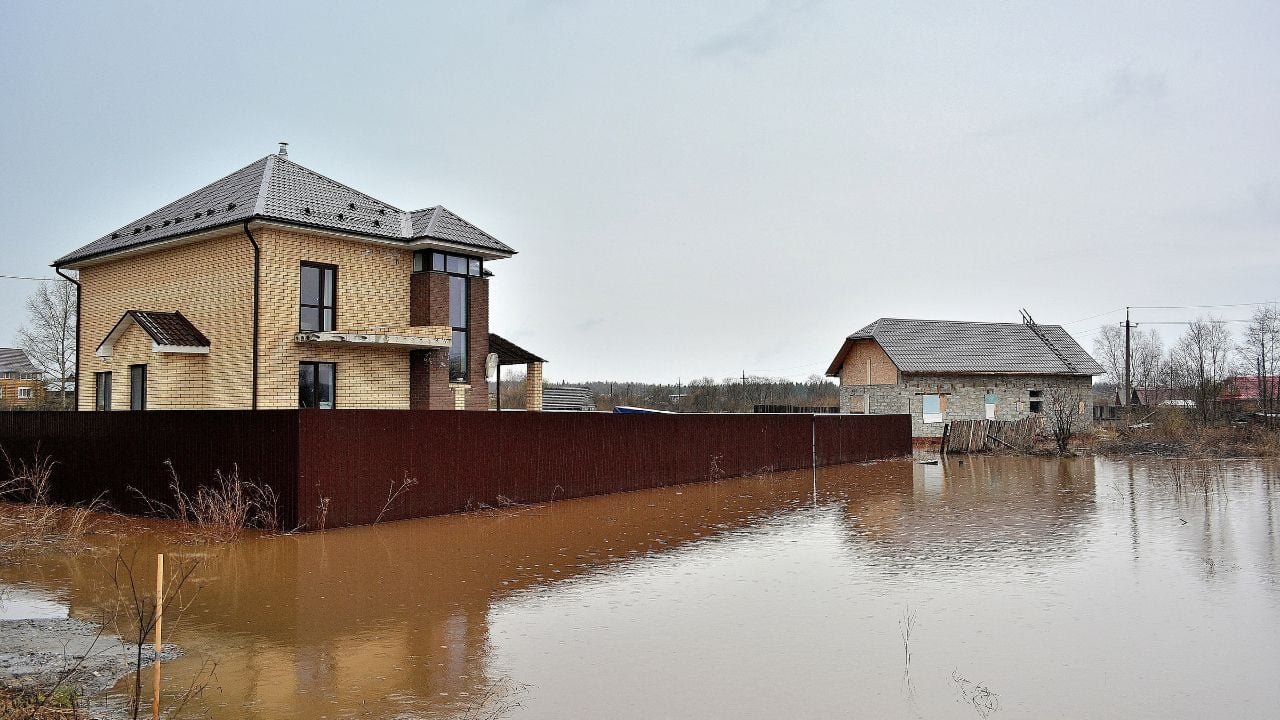
Wellington.Scoop reported that the Berhampore father had to scale the nearly two-metre fence with his baby to escape the water. The detail makes the case more than another cleanup story: the safest way out of the property was no longer the normal route.
During flash flooding, gates, driveways, basement entries, narrow side paths, and low parts of a yard can become unusable quickly. A fence that is normally just a boundary can become part of an emergency exit if water blocks the front path or driveway.
The April storm hit hard enough that authorities declared a regional state of emergency, Reuters reported. Flooding affected roads, homes, and transport links, while officials urged some residents in flood-prone areas to move to higher ground.
Two Months Later, the Home’s Future Was Still Unclear
The homeowner told Wellington.Scoop that two months after the flood, he was still waiting to find out whether the property would be written off. That delay is one of the hardest parts of major flood damage: the water may leave quickly, but the decision over whether a home can be repaired can take far longer.
Flood damage can involve walls, floors, insulation, wiring, appliances, foundations, outdoor structures, and contaminated belongings. Even after visible water is gone, homeowners may still be dealing with assessments, temporary housing, insurance questions, drying work, repair quotes, and safety checks.
Wellington City Council said April flood recovery was still continuing in May. The council listed temporary accommodation, food support, legal advice, tenancy advice, insurance support, and flood-relief help for affected residents.
Floodwater Can Be Dangerous After the Rain Stops
New Zealand’s Get Ready guidance warns people to stay out of floodwater and never try to walk, swim, or drive through it. The agency says floodwater may be contaminated with farm runoff, chemicals, and sewage.
That warning applies during cleanup as well as during the storm. Floodwater can hide sharp debris, holes, unstable ground, broken glass, lifted paving, damaged drains, and displaced outdoor items.
Homeowners should photograph damage when it is safe, keep children and pets away from remaining water or mud, and follow local advice before re-entering damaged areas or handling soaked belongings.
Flood-Prone Homes Need a Backup Way Out
The Berhampore escape is a reason for homeowners to check the property itself before heavy rain, not only the insurance file. Side gates should open cleanly, outdoor storage should not block narrow paths, and every adult in the home should know the quickest route to higher ground.
Families with babies, pets, older adults, or mobility issues should not rely on an exit that requires climbing a fence, forcing a swollen gate, or crossing the lowest part of the yard. A flood plan should include the normal exit, the backup exit, and the supplies needed if the family has to leave quickly.
Before the next heavy rain, homeowners should check gates, fences, basement entries, side paths, retaining walls, drainage points, and the route from the house to higher ground.