A Florida Homeowner Bought the Backyard He Wanted. Years Later, the Property Line Became the Problem
Joe Donzelli bought his Tamarac home in February 2015 for the backyard as much as the house.
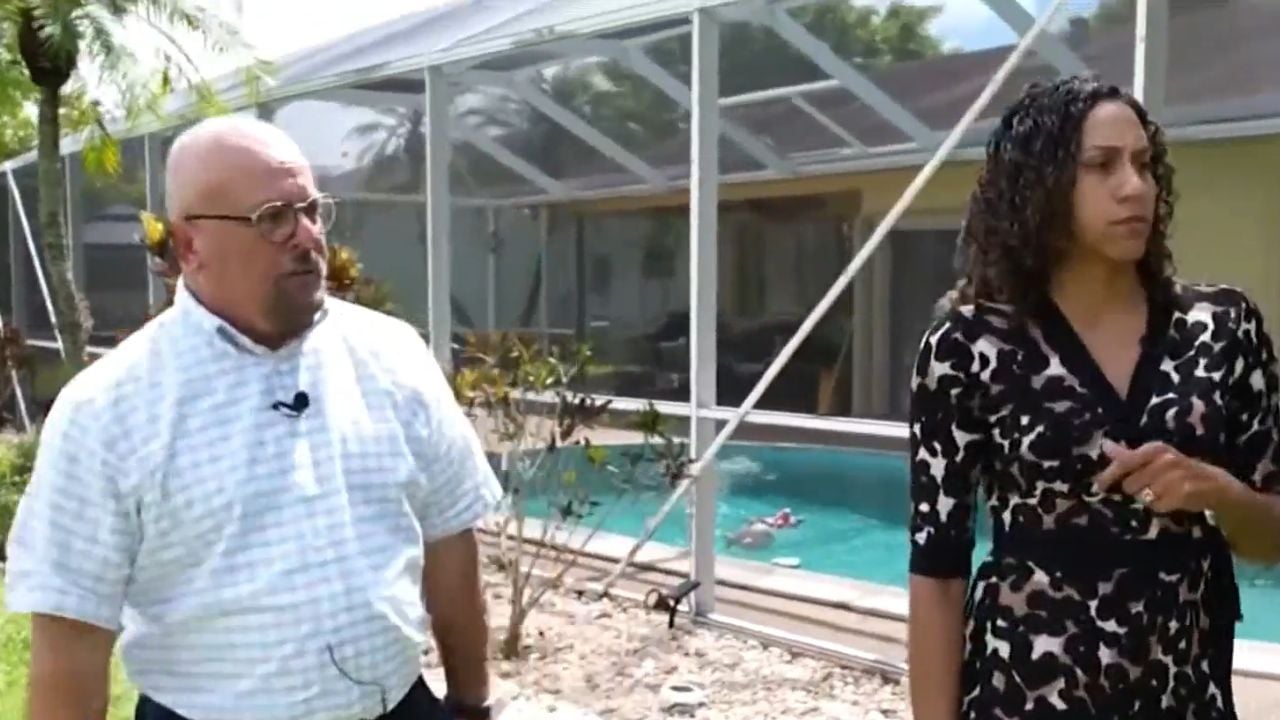
He told NBC6 Responds the property had the outdoor space his family wanted, including a pool, an enclosed patio, and a view of the former Woodlands Country Club golf course.
More than 10 years later, construction is underway on The Woodlands, a residential development planned for the former golf course property. NBC6 reported that the project will bring more than 300 luxury homes to the area.
Donzelli said the problem started when developer 13th Floor Homes sent a letter about “potential encroachments” near his property that could conflict with approved site plan limits. The dispute has not been resolved, but it puts one homeowner issue in plain view: fences, patios, pool decks, and online property maps are not the same as a certified survey.
The Developer Letter Raised a Pool and Patio Question
According to NBC6, Donzelli said the image attached to the developer’s letter showed a green line representing his property boundary and a red circle around parts of his enclosed patio and pool area.
Donzelli told the station he was initially told he had three days to remove his pool and anything else on the company’s property or the construction company would remove it for him. He later said a representative told him the deadline was waived and that a surveyor would be sent to verify the line.
The City of Tamarac maintains a public Woodlands Development page with project documents, maps, updates, site plan approval materials, development agreement records, architectural packages, and pod documents tied to the former golf course property. Nearby homeowners can also sign up for project updates as construction continues.
Online Maps Are Not the Same as a Certified Survey
NBC6 Responds said it reviewed mapping information from the Broward County Property Appraiser’s website and that the online map appeared to show Donzelli’s enclosed patio within his property boundaries.
That did not end the dispute. The Broward County Property Appraiser says it does not usually have copies of property surveys because owners are not required to file surveys with that office, except in limited split-off situations. The office tells homeowners to contact their mortgage company because it may have kept a copy of the survey.
13th Floor Homes told NBC6 that property boundaries are established through a certified survey prepared using the property’s deeded legal description and supporting title documentation, consistent with Broward County Property Appraiser records. In Florida, professional surveyors and mappers make exact measurements and determine property boundaries, according to the Florida Department of Agriculture and Consumer Services.
Buyers Should Check Surveys Before Closing
A backyard can feel settled for years before a nearby sale, redevelopment, fence replacement, or permit review raises a boundary issue. A pool, patio, screened enclosure, deck, fence, shed, driveway, or seawall may look like part of the home, but the legal line comes from deeds, title records, easements, plats, and surveys.
Before closing, buyers should ask for any existing survey, review title documents, and check whether improvements sit close to property lines. A buyer should also ask about easements, setback issues, shared-maintenance agreements, open boundary disputes, and permits for structures near the edge of the lot.
If a pool deck, patio, fence, shed, or addition sits near a golf course, canal, alley, vacant parcel, easement, drainage area, or redevelopment site, ordering a new survey before closing can be cheaper than fighting over the line years later.
Document Everything Before Removing a Fence, Patio, or Deck
Donzelli told NBC6 that many original owners from the early 1970s still live in the neighborhood and may not understand how the process works or who is advocating for them. Longtime residents may rely on fences, landscaping, neighborhood history, or decades of use to understand their yards, while a redevelopment next door can bring new surveys, title reviews, site-plan limits, and construction deadlines.
If a homeowner receives an encroachment letter, the first step should be paperwork, not demolition. Keep the letter, envelope, maps, emails, call logs, yard photos, closing documents, permits, title paperwork, old surveys, and any records showing when a pool, patio, deck, shed, fence, or enclosure was built.
Homeowners should ask for the survey or legal description behind the claim in writing, request all deadlines in writing, and avoid removing improvements before speaking with a licensed surveyor, real estate attorney, title company, or local permitting office.
13th Floor Homes told NBC6 it is working with neighboring residents individually and offered to send a surveyor to Donzelli’s property. As of NBC6’s report, Donzelli said that survey had not yet taken place.