
14 Grocery Staples Always Worth the Organic Price Tag
Shopping for groceries brings up a major dilemma: how to balance health goals with a budget. Many people want to lower their exposure to synthetic farm chemicals but find that buying everything organic is too expensive. Prioritizing specific items helps protect health while keeping grocery bills manageable.
Each year, safety groups look at this data to see which crops have the most pesticides. This information creates a helpful guide that shows exactly when it is worth spending extra money.
Certain fruits and vegetables absorb more chemicals because they have thin skins or grow directly in treated soil. Meat and dairy items carry different risks because livestock can accumulate chemicals from conventional feed over their lifetimes. Understanding these differences allows for smart, strategic choices in the supermarket aisles.
The following list breaks down fourteen foods where choosing organic makes the biggest difference.
1. Strawberries
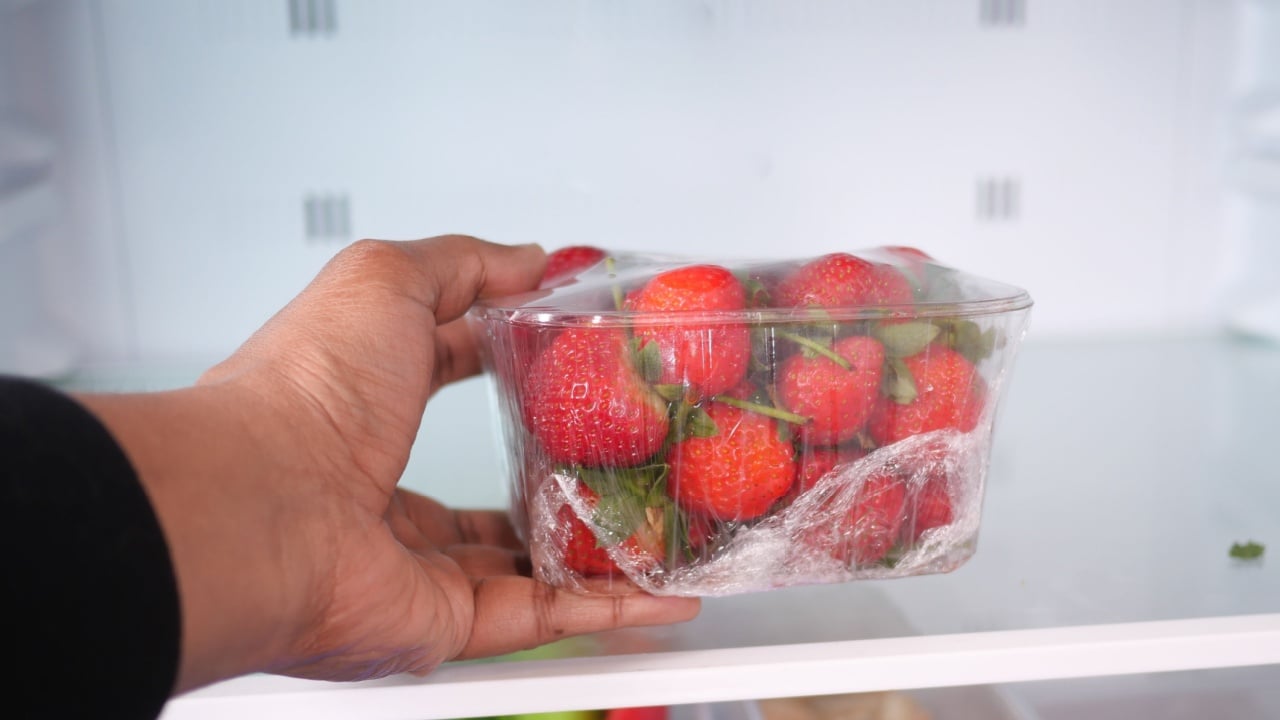
Strawberries always find themselves at the top of the list for pesticide contamination. Tests show that almost all regular strawberries have at least one chemical residue, and many have several types. Since these berries grow right on the ground and do not have a skin to peel away, sprays land directly on the part you eat.
Washing regular strawberries helps remove dirt, but it cannot get rid of chemicals that have soaked into the fruit. Buying organic berries is the best way to avoid these unwanted sprays. This is a very smart choice for families with young children who eat a lot of fruit.
If fresh organic strawberries cost too much, check the freezer aisle. Frozen organic berries are picked at their best and usually cost less per ounce than fresh ones. They are perfect for dropping into morning oatmeal, yogurt, or blenders for smoothies.
2. Spinach

Spinach is full of healthy vitamins, but regular farming leaves behind a lot of chemicals. Government tests show that regular spinach has more pesticide residue than almost any other crop. The wide, flat leaves create a large surface that easily catches and holds onto chemical sprays.
Regular spinach farms use a lot of sprays to grow more food and keep bugs from eating the leaves. Laboratories often find multiple bug sprays and fungus killers on these green leaves. Choosing organic spinach keeps these synthetic chemicals completely off your dinner plate.
Buying pre-washed organic spinach in plastic tubs is a quick way to add clean greens to your meals. If you need to save money, you can substitute low-chemical options like regular cabbage. Cooking regular spinach does not destroy the chemicals inside, so buying organic is highly recommended here.
3. Nectarines
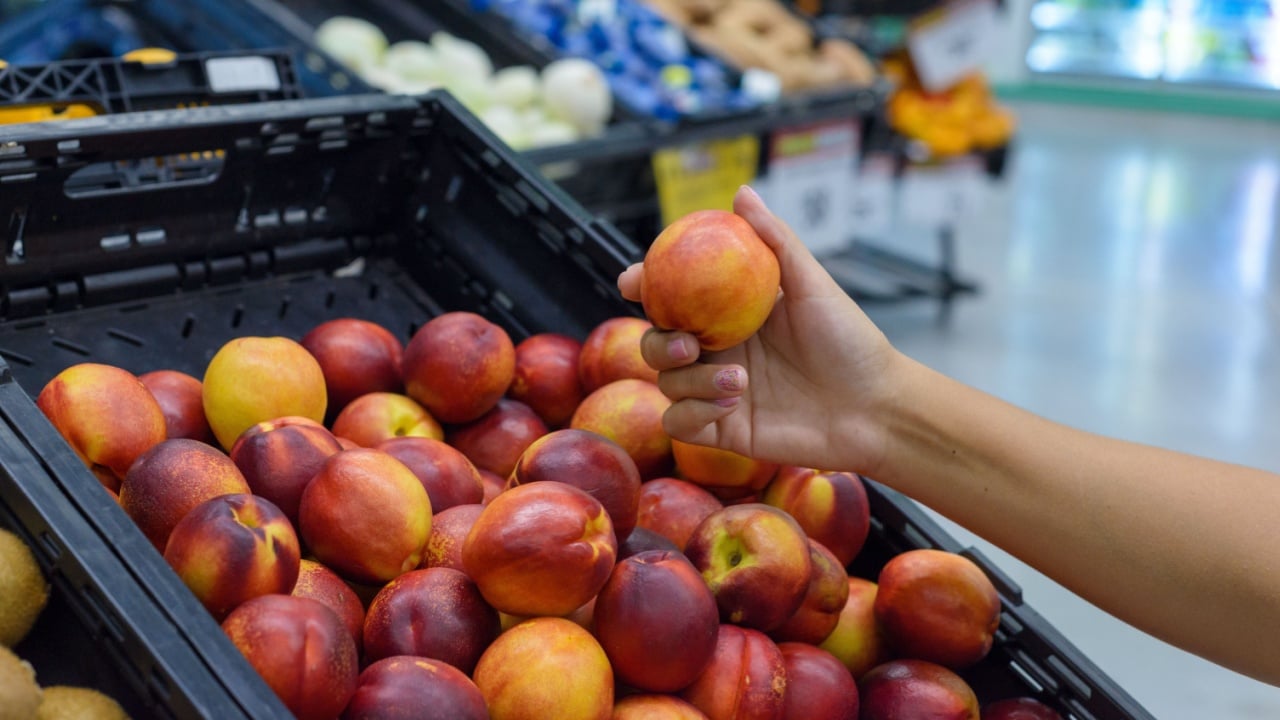
Nectarines have very thin, delicate skins that easily absorb chemicals during the growing season. Data shows that nearly all regular nectarines test positive for chemical residues. Fruit tree orchards receive frequent sprays to protect the fragile crop from bugs and plant diseases.
Since nectarines do not have a thick skin, you can peel off, you eat the outer layer where chemicals collect. These farm chemicals also soak deep into the juicy part of the fruit. Buying organic nectarines gives you a much cleaner way to enjoy this sweet summer fruit.
When organic nectarines are not in the store, look for thick-skinned fruits like regular kiwis or organic bananas. Local farmers’ markets sometimes have growers who use safe methods but do not have an official organic stamp. You can ask the farmers directly how they grow their fruit.
4. Apples
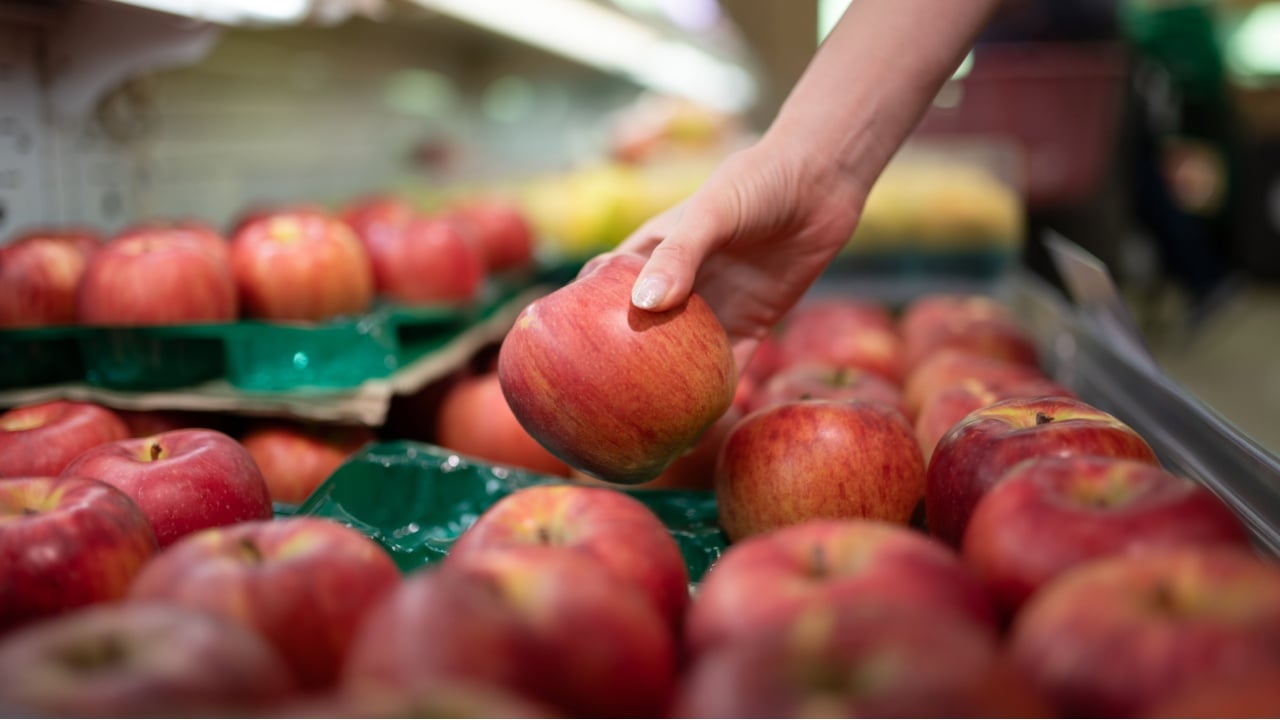
Apples are a daily snack for many people, but regular versions frequently carry quite a few chemical residues. Studies show that nearly all regular apples tested by experts contain pesticide traces. Apple trees get sprayed many times throughout the year to fight off insects and tree diseases.
Regular apples often get a layer of synthetic wax after harvest to keep them fresh during shipping. This wax traps the chemicals underneath the shiny surface, making them impossible to wash away with plain water. Buying organic apples stops you from eating these trapped chemicals.
Buying organic apples in large bags usually costs less per pound than buying them one by one. Washing organic apples under running water removes normal dust and dirt from the orchard. Leaving the skin on organic apples lets you safely eat all the healthy fiber.
5. Peaches
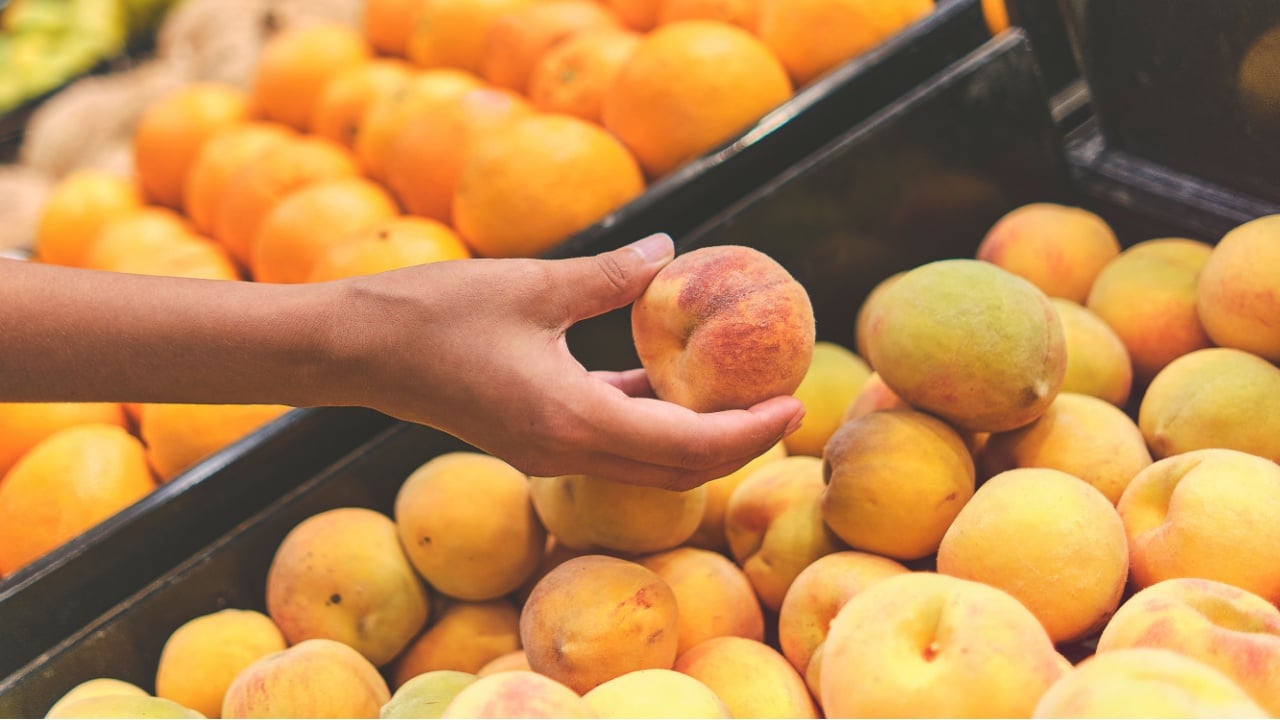
Peaches are a lot like nectarines, but their fuzzy skin traps chemical sprays even better. They sit near the top of official lists for high pesticide counts. The soft flesh bruises easily and attracts bugs, so regular farmers use heavy sprays to protect them.
Tests often find several different types of chemicals on a single regular peach. These include chemicals used to keep the fruit from rotting while it travels to the store. Organic orchards use helpful bugs and natural methods to keep their fruit safe and clean.
Frozen organic peaches are a wonderful choice when fresh ones cost too much or are out of season. They keep their sweet taste and vitamins for baking or topping your breakfast bowls. For fresh fruit, visiting local organic markets during the summer gives the best results.
6. Pears
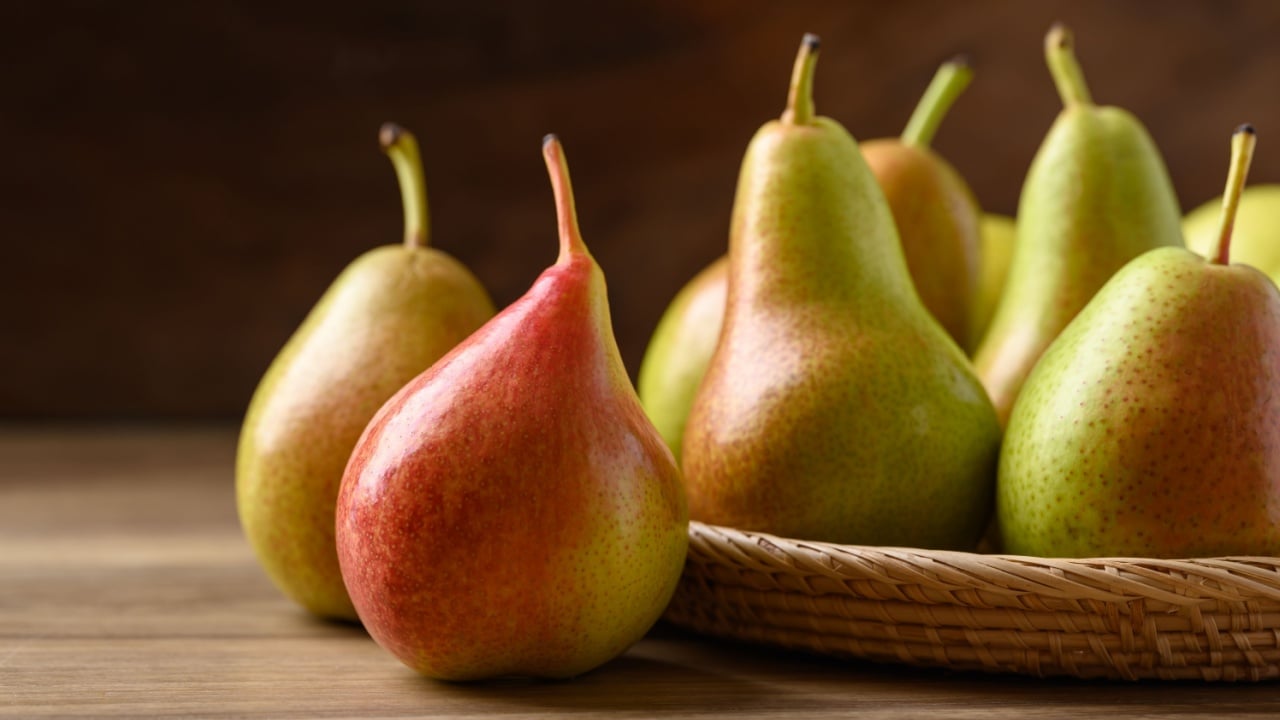
Pears are usually eaten with the skin on, which means you eat any chemicals used on the farm. Reports show that regular pears contain much higher levels of fungus killers than organic ones. These chemicals keep the fruit alive on store shelves but leave behind lasting residues.
The skin of a pear is thin and full of tiny holes, letting chemicals travel deep into the fruit. Peeling the pear removes most of the vitamins and fiber, which lowers the health benefits of your snack. Choosing organic pears lets you eat the whole fruit without worry.
Look for smaller organic pears because they often come in bags for a lower price. Let them sit on the kitchen counter until the fruit near the stem feels a little soft. This step gives you the best sweetness and texture without synthetic chemicals.
7. Cherry Tomatoes

Cherry tomatoes have a lot of skin for their small size, meaning you get a lot of spray in every bite. Testers found dozens of different pesticides across regular versions of these tiny tomatoes. The thin skin does not stop chemicals from soaking into the skin.
Since you pop cherry tomatoes into your mouth whole, you cannot peel away the dirty outer layer. This makes them a very important item to switch to organic. Organic farms use natural soil and bug control to grow these sweet treats safely.
Growing cherry tomatoes at home in a small pot is an easy way to get an organic supply. They do not need much space and grow plenty of fruit during the summer. When shopping at the store, look for the organic label right on the front of the box.
8. Celery
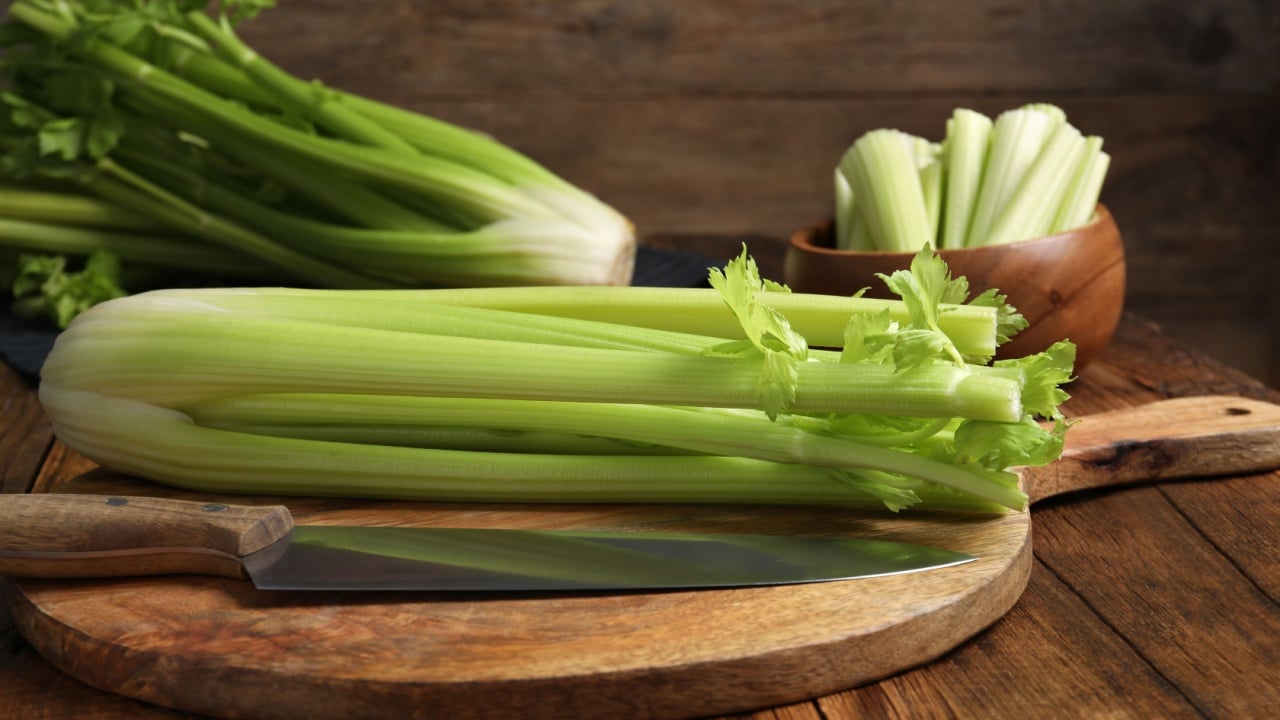
Celery stalks act like straws that drink up water and chemicals directly from the dirt. Regular celery relies on heavy doses of pesticides, and tests find dozens of types on the stalks. The open shape of the plant also lets sprays fall deep into the inner parts.
Washing celery gets rid of dirt on the outside, but it cannot reach the chemicals inside the ribs. Since celery holds a lot of water, those chemicals stay trapped inside the plant tissue. Buying organic celery ensures your crunchy snack is clean and chemical-free.
You can chop and freeze extra organic celery leaves and stalks to use later for homemade soup. The leaves hold a lot of flavor and nutrients, making them great for cooking. Organic celery juice is another great option that is much safer when grown without chemicals.
9. Potatoes

Potatoes grow underground, where they soak up chemicals put directly into the soil to stop bugs and mold. Regular potato crops get sprayed with weed killers and chemicals that stop them from sprouting in storage. Tests show these chemicals stay inside the potato long after harvest.
The skin of a regular potato holds the highest amount of these farming chemicals. Peeling helps remove some chemicals, but it also throws away the iron and vitamins found in the skin. Buying organic potatoes keeps the vitamins safe to eat.
Keep your organic potatoes in a cool, dark, and open space so they stay fresh without chemicals. Do not store them next to onions, because onions release a gas that makes potatoes spoil faster. This simple trick keeps your organic purchase fresh for a long time.
10. Hot Peppers

Hot peppers get sprayed with specific chemicals that are banned or limited on other foods. Government inspectors frequently find dangerous levels of harsh bug sprays on regular pepper samples. These strong chemicals protect the plants from bugs, but are not good for people.
The skin of a hot pepper is thin and quickly absorbs these strong, oily farm chemicals. Cooking or drying regular hot peppers does not break down or destroy these tough chemical traces. Choosing organic hot peppers keeps these strong sprays out of your spicy meals.
Try buying organic hot peppers when they are in season and drying them to make your own pepper flakes. You can also pickle organic jalapeños in vinegar and salt to keep in the fridge. This gives you a steady supply of clean heat for your favorite recipes.
11. Milk

Milk and dairy products accumulate chemicals because toxins build up over time in animal fat. Regular dairy cows often eat food grown with synthetic fertilizers and pesticides, which are stored in their fat and enter the milk. Regular farms also use growth hormones to make cows produce more milk.
Studies show that organic milk has much higher levels of healthy fats like omega-3s. This health benefit happens because organic cows must spend time outside eating fresh grass in organic pastures. Buying organic dairy avoids synthetic hormones and gives you better nutrition.
If organic whole milk costs too much, buying organic grass-fed butter is a smart choice. Healthy fats are most concentrated in high-fat dairy, making butter a great place to spend your organic budget. Look for local organic brands to find better prices.
12. Beef

Beef farming uses a lot of animal feed and long-term care, so the difference between regular and organic meat is large. Regular cattle often eat grain treated with chemicals and receive antibiotics to stay well in crowded feedlots. These substances can leave traces behind in the meat and fat.
Organic beef comes from cows raised on clean pastures without synthetic hormones or unnecessary antibiotics. These animals eat organic food that has no chemical additives or animal leftovers. This style of farming creates meat that is lower in bad fat and higher in good nutrients.
Buy cheaper cuts of organic beef, like ground beef or chuck roast, to save money on your bill. These cuts work wonderfully in slow cookers or stews and offer the same health benefits. Mixing ground organic beef with mushrooms or lentils makes the meat last for more meals.
13. Eggs

Eggs from regular chicken farms carry risks from the food and the small living spaces of the birds. Regular chicken feed often contains pesticide residues and modified grains that change the quality of the egg. The crowded spaces in regular barns also require chemical sprays to control pests.
Organic eggs come from chickens that eat a clean diet free from synthetic chemicals, hormones, and antibiotics. These chickens must have access to the outdoors so they can walk around, eat bugs, and peck at grass. This natural diet creates eggs with darker yolks and more vitamins.
Look for the organic seal and words like pasture-raised to find the healthiest eggs in the store. Local farmers often sell organic eggs at weekend markets where you can buy them directly. Keeping eggs in their original carton in the fridge keeps them fresh the longest.
14. Chicken

Chicken is a very popular healthy meat, but regular chicken farms use industrial methods that change the final food. Regular chickens often get small doses of antibiotics to grow faster and stop sickness in crowded barns. This practice helps create dangerous bacteria that resist medicine.
Organic rules state that chickens must eat organic feed and have real access to the outdoors. The use of growth hormones and standard antibiotics is completely banned in organic chicken farming. Choosing organic chicken protects you from drug residues and supports better animal care.
Buying a whole organic chicken usually costs much less than buying individual skinless chicken breasts. Roasting a whole chicken gives you meat for several days, and you can boil the bones for healthy soup broth. This uses the entire bird and lowers the cost of every meal.
Your Clean Slate Shopping Strategy

Looking at what you eat most often helps you decide where to start with these organic choices. Focus on changing the items you buy most frequently from this list to get the biggest health benefit.
Bringing a smart plan to the grocery store turns a big task into an easy routine. Write down a quick shopping checklist, marking the specific items where buying organic matters most. Building these simple habits keeps your family healthy while staying inside your household budget.