Fire Danger Climbs to High as Colorado Crews Prepare, And Urge Residents to Do the Same
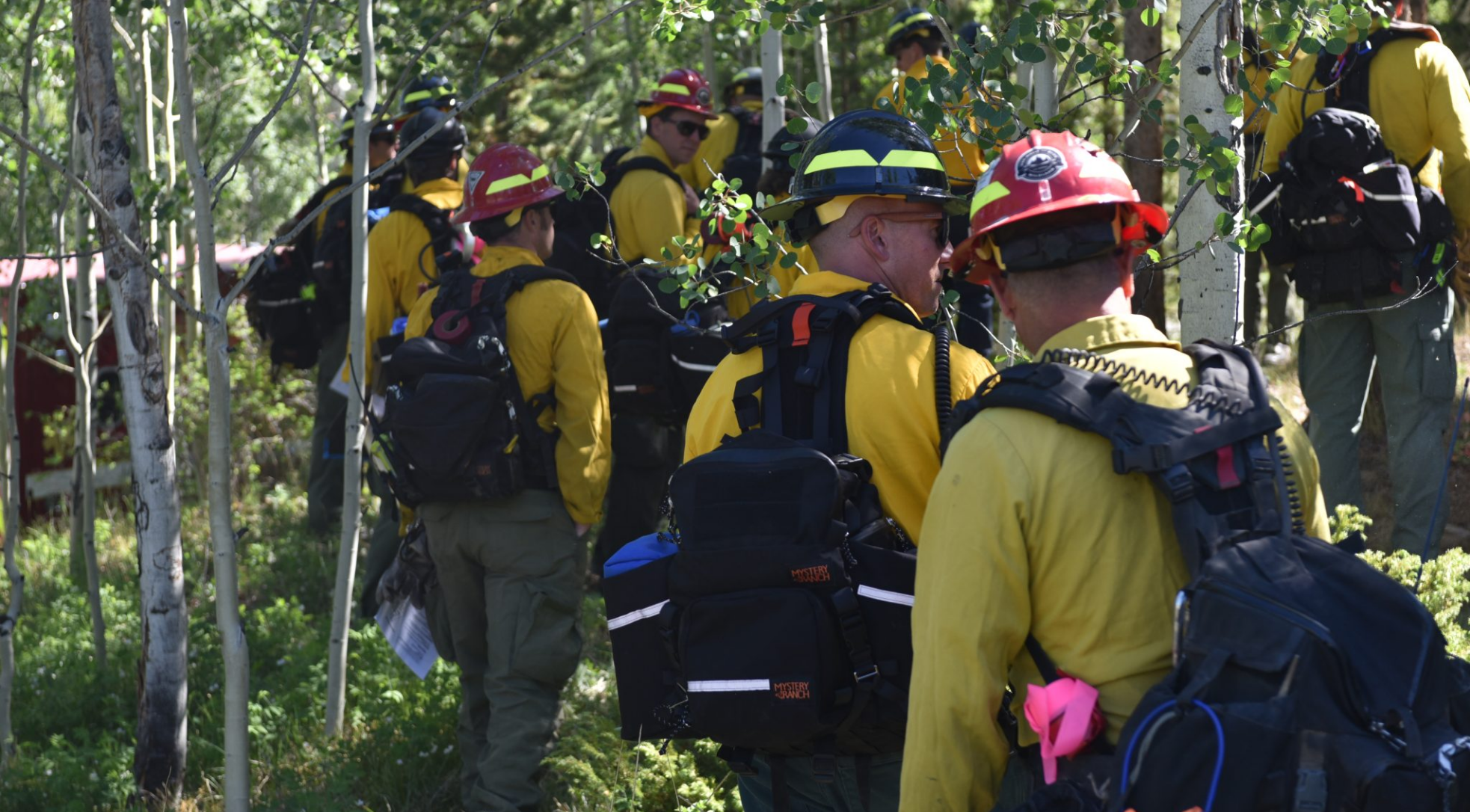
Firefighters in Summit County, Colorado, spent the week training for wildfire season. Their message to residents was that a home’s odds of surviving a fire depend heavily on what you do in advance. Summit Fire and EMS, as well as the Red, White, and Blue Fire Protection District, held their joint annual on-the-ground training in the Hamilton Creek neighborhood of Silverthorne. These precautions were taken as the county’s fire danger ranking climbed from moderate to high on Tuesday, according to Summit Daily News.
Steve Lipsher, a public information officer for Summit Fire, told the outlet that the concern didn’t just spike for first responders this week. The departments try to stay ready year-round and treat every season as one that could trigger a wildfire. Hamilton Creek sits along winding roads and thick brush, and several of its homes ended up being evacuated during the 2021 Ptarmigan Fire.
Hamilton Creek has a certification from Firewise USA, a program that recognizes proactive wildfire preservation. The neighborhood added a new cistern system as well as a committee of volunteers called the Woodchucks to help lower the risk to wildlife. Even so, Lipsher noted there was a gap across Summit County in terms of precautionary measures, and every home there could use a bit of improvement for its protection.
Crews assessed individual homes for weak points and worked out how they’d put together a response if a fire came to the neighborhood. At each stop, firefighters filled out a card about whether pets or people were inside, along with risk factors such as building materials, roof style, and the surrounding trees. Hannah Ohlson, a fuels specialist with Summit Fire, quizzed crews on one home’s makeup, and the team identified it as stucco before mapping out a plan.
What Can Homeowners Do Before a Fire?
Lipsher said a home’s fire preparedness rests largely on what the homeowner does before a wildfire starts. Once firefighters arrive and a fire is already in the area, he said, it’s often too late to improve a home’s odds. Simple steps ahead of time, like raking away flammable leaves or moving firewood away from the structure, can sharply improve its chances of surviving.
The cards crews filled out flagged the same kinds of hazards homeowners can address, down to leaf buildup beneath a patio that can feed a fire. Lipsher said the ideal is a home that needs little attention, which lets crews shift their limited time and resources to one that needs more help. The training also turned up less obvious defenses, since plenty of Hamilton Creek homes have hot tubs that can be drained and used as a water source.
What Makes Summit County Hard to Protect?
Hamilton Creek, like most of Summit County, sits in what’s known as the wildland-urban interface, where homes and other development meet undeveloped wildland. That setup forces firefighters to protect structures and fight the blaze at the same time, often with residents nearby or while navigating narrow, crowded roads.
“Wildland’s all outside of the box,” said Derek Goossen, a training, safety, and special operations captain with the Red, White, and Blue Fire Protection District.
Crews also practiced resource ordering, or requesting help from outside agencies for everything from extra personnel to air tankers to drop slurry on top of a fire. Lipsher said those requests aren’t always filled right away, especially when several fires are burning, and crews across the region and the country are competing for the same equipment. Still, most of the firefighters said the biggest payoff was confidence. Eric Tiede, a Summit Fire firefighter, said walking through the process and picturing how it will unfold makes a real fire feel less foreign when one arrives.
It looks like the firefighters have a plan for moving forward, no matter what they end up facing.