How to Organize the Fridge to Minimize Food Waste
Maybe you are wondering why that bag of spinach you bought with good intentions slumped into a slimy puddle behind the milk before you ever cooked it. Most of us toss out food we genuinely wanted to eat, and a messy fridge takes much of the blame.
The average household throws away hundreds of dollars in groceries each year, and a lot of that loss starts with poor storage. Food hidden in the back, stored in the wrong spot, or buried under leftovers tends to spoil before anyone touches it.
A few smart habits and a clear layout help you see what you have, use it in time, and stop wasting money on food that never makes it to your plate.
This guide walks you through simple systems of organizing your fridge to avoid food wastage.
1. Learn Your Fridge Temperature Zones
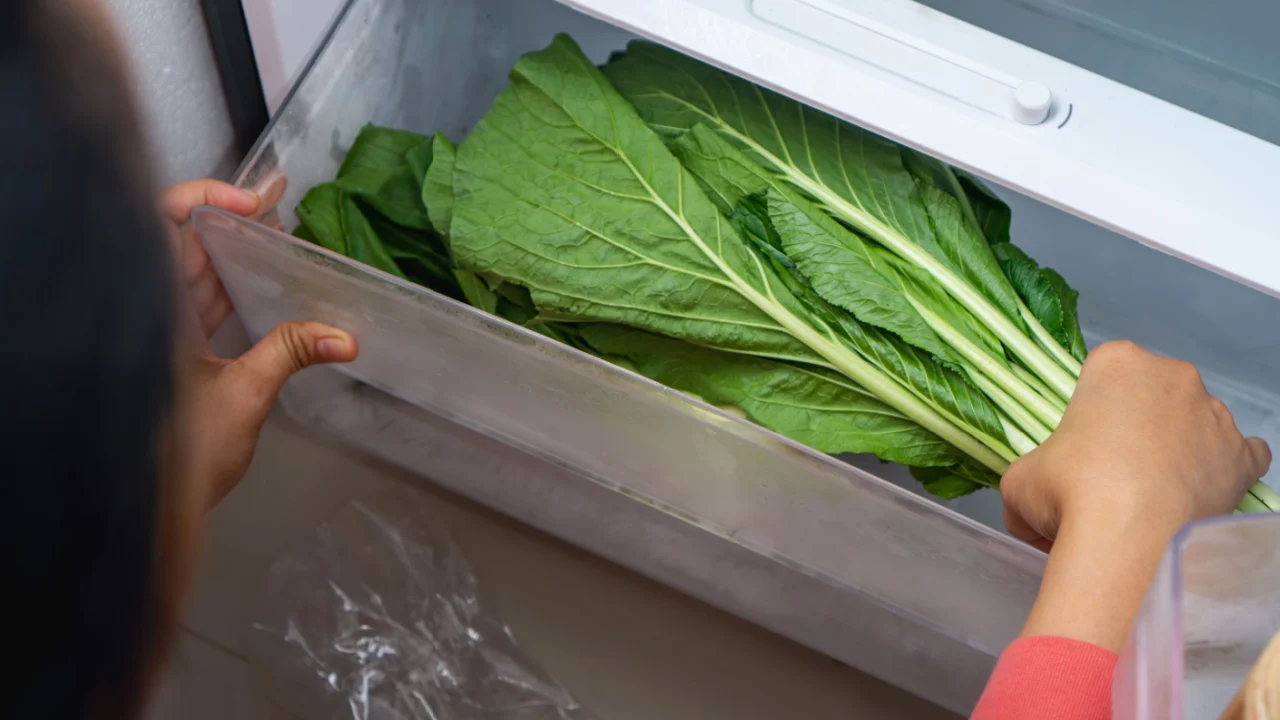
Your fridge has zones that cool unevenly, and that fact changes where your food belongs. The door stays warmest because it faces the room every time you open it, so reserve those shelves for condiments, jams, and other preserved foods that handle temperature swings well.
The top shelf runs slightly warmer than the rest, which suits leftovers and ready-to-eat packaged items you plan to finish soon. Match each food to a zone, and you slow spoilage without any extra effort.
The middle shelf holds a steady, even cool, perfect for eggs, dairy, snacks, and delicate produce that bruises in colder spots. The bottom shelf gets coldest, so store raw meat and fish there to lower the risk of drips contaminating other food.
Crisper drawers let you adjust humidity, so keep leafy greens in the high-humidity drawer and fruits in the lower one. Once you place food by zone, you watch far less of it go bad.
2. Set the Right Temperature with a Thermometer
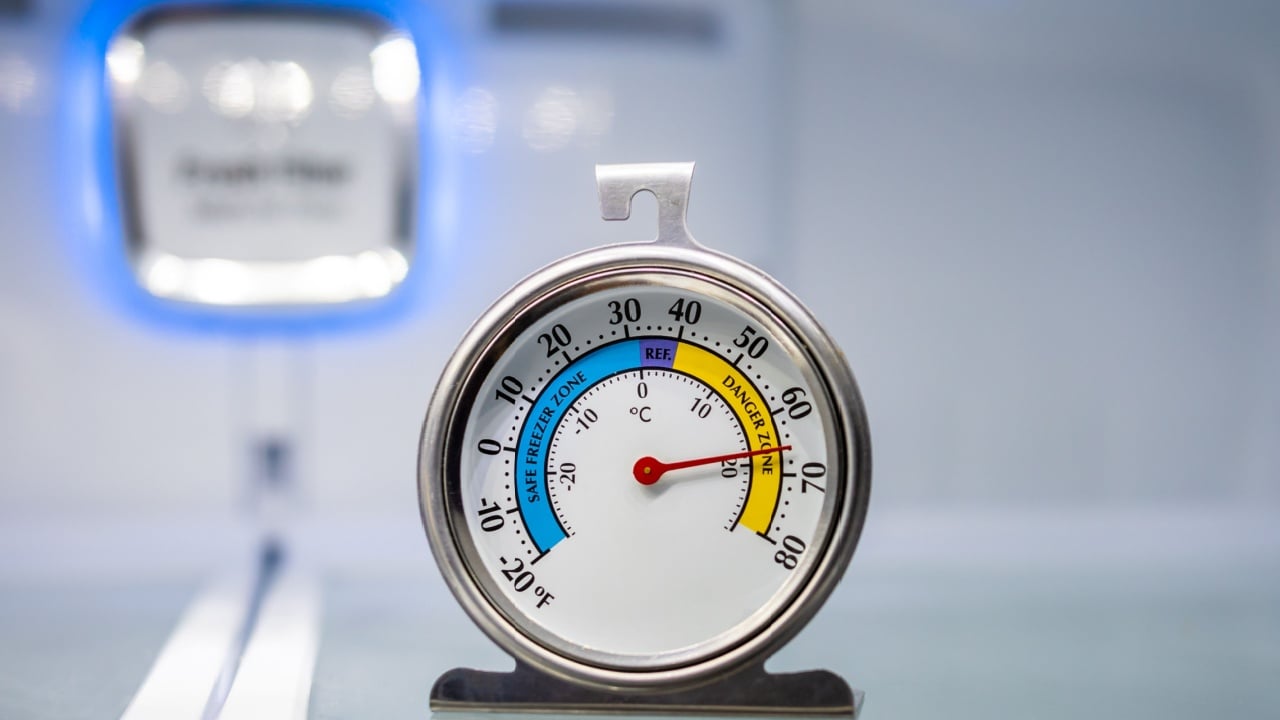
A fridge that runs too warm spoils food fast, while one that runs too cold freezes your lettuce solid. Aim for below 40 degrees Fahrenheit, the sweet spot that slows bacteria without damaging fresh items.
Built-in dials often lie, so place a cheap appliance thermometer on a middle shelf and check it after a day. This single number protects everything inside.
Once you dial in the temperature, your storage zones actually do their job. Cold air needs room to circulate, so avoid jamming the fridge wall to wall, since blocked vents create warm pockets where food turns quickly.
Give items a little space and recheck the thermometer after big grocery hauls. Steady, correct cooling stretches the life of nearly every product you buy.
3. Use Clear Containers, Bins, and Labels
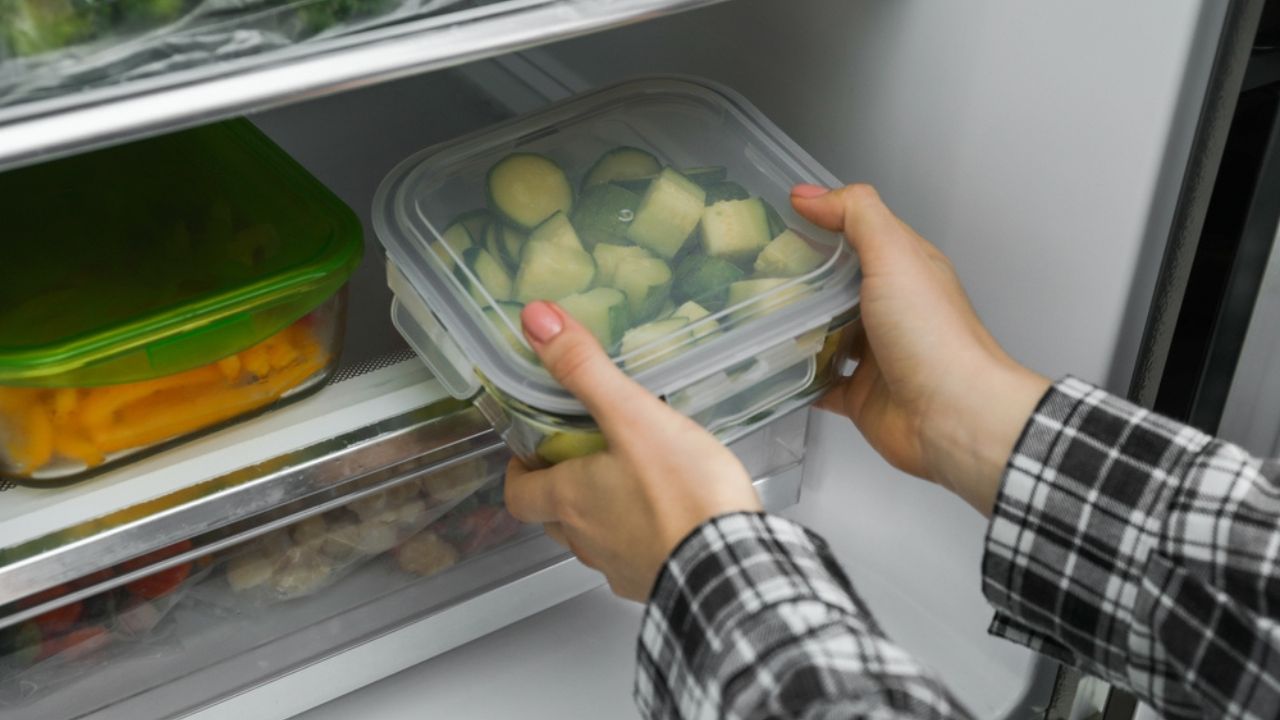
You cannot eat what you cannot see, and opaque containers hide leftovers until they grow fuzzy. Swap them for clear bins and storage boxes so a glance shows you exactly what waits inside.
Group similar items together, like one bin for snacks and another for dairy, to stop small things from vanishing behind tall bottles. Visibility alone prevents a surprising amount of waste.
Labels and turntables push this even further. Mark containers with the date you cooked or opened them, so you never guess how old that pasta really is.
A turntable in a corner brings forgotten jars and sauces forward with one spin instead of a full dig. These small tools turn a cluttered fridge into a space where every item stays in plain sight.
4. Rotate Older Food to the Front
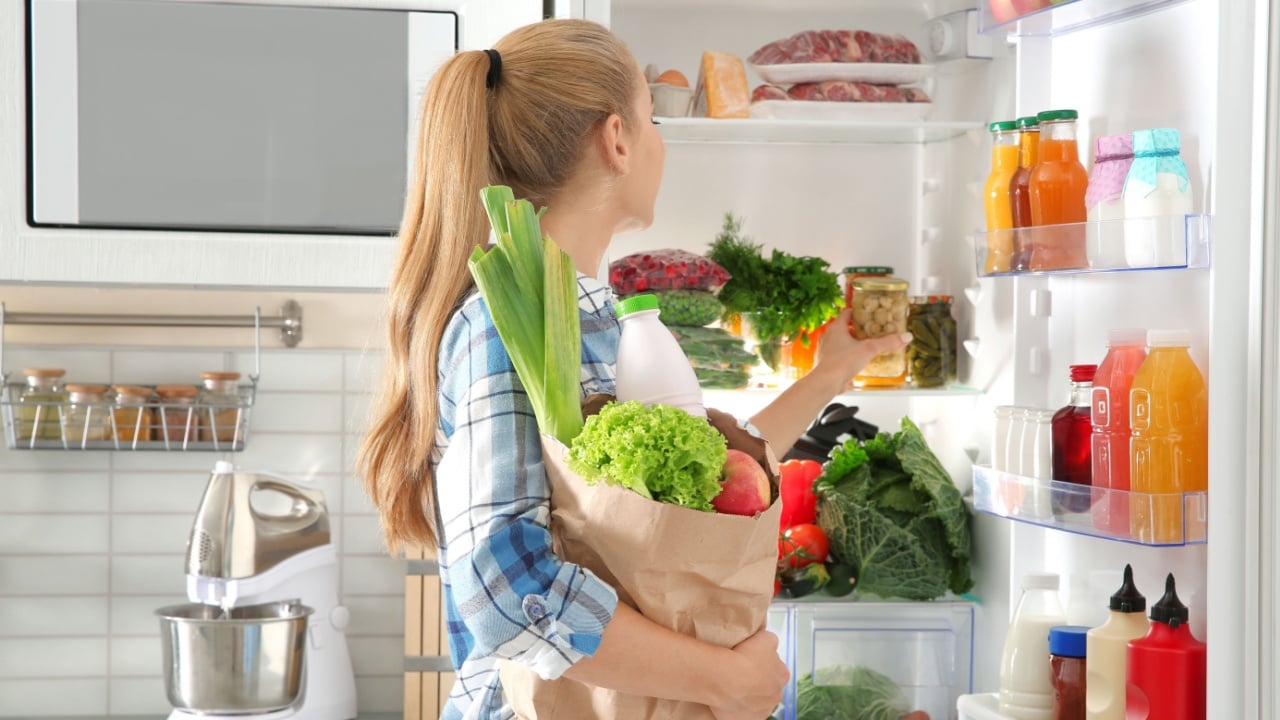
Fresh groceries naturally land in the front, which pushes older food into the back, where it rots unseen. The FIFO method, short for first in, first out, flips that habit.
When you bring home new items, slide the older ones forward and place the new ones behind. You eat food in the order you bought it, and less of it expires.
This rule works for fresh produce, leftovers, and pantry-style items alike. Make a habit of a quick fridge scan every few days to move soon-to-expire food to eye level as a reminder.
Many people add a small “eat me first” zone on one shelf for items nearing their last good day. A little rotation keeps your oldest food from becoming your next trash bag.
5. Shop and Prep With Intention
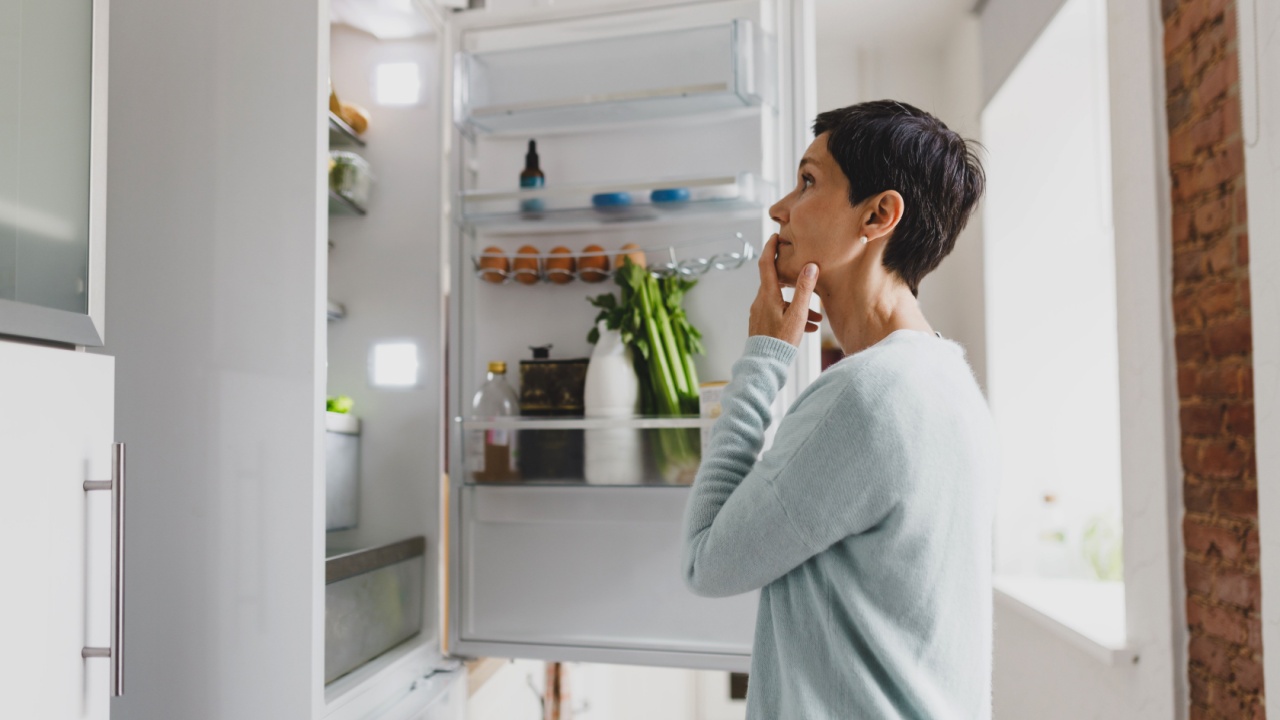
Waste often begins at the store, long before food reaches your fridge. Intentional buying means you only purchase what you have a real plan to cook with, and you resist bulk deals on perishables you rarely finish.
Check your fridge before you leave so you skip duplicates of items you already own. A shorter, smarter list means less food sitting around with no purpose.
Prep matters just as much as shopping. Wash, slice, and store produce soon after you get home, so vegetables sit ready in clear containers instead of wilting in their bags.
Prepped food feels easier to grab, which makes you reach for it before it spoils. Pay attention to what you toss most often and adjust your next trip around that pattern.
6. Keep a Flexible Clean-Out Meal in Mind

Some odds and ends never quite fit a recipe, and those lonely items usually end up in the bin. A flexible clean-out meal solves that problem by welcoming almost anything.
Soup, tacos, frittata, and fried rice all absorb random vegetables, proteins, and leftovers without complaint. Once a week, build one of these dishes from whatever needs to go.
This habit rescues food that would otherwise spoil and saves you a grocery run at the same time. Half an onion, a handful of greens, and that last bit of cooked chicken become a full meal with almost no waste.
Treat the clean-out dish as a regular fixture rather than a rare event. Your fridge stays clearer, and your wallet feels the difference.
Your Fridge, Your Savings
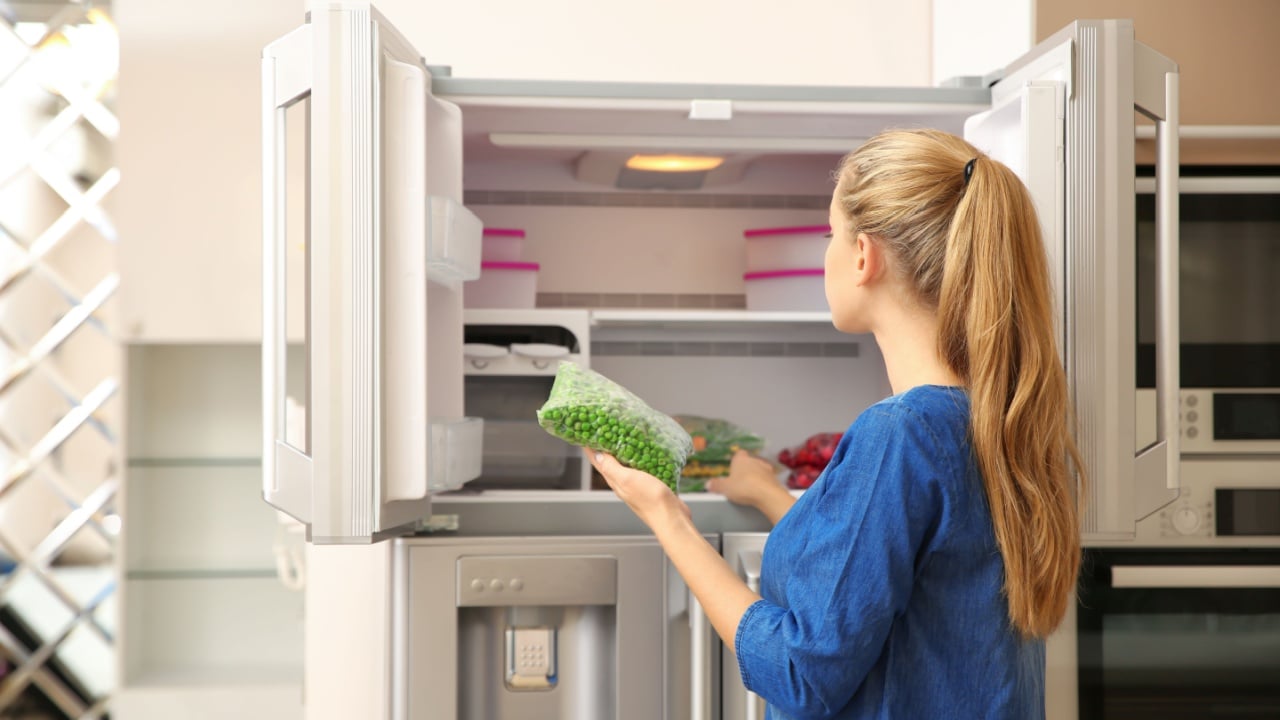
A well-organized fridge does more than look tidy. It quietly returns money to your pocket every week by helping you finish food before it spoils.
The habits here work together, so a correct temperature supports your zones, clear containers support your rotation, and smart shopping keeps the whole system from overflowing.
Pick the change that solves your biggest waste problem right now, then layer in the rest as each one sticks. Within a month, you will notice fewer slimy greens, fewer mystery containers, and a smaller pile of tossed groceries.
Read More:
Here’s How Long Foods Last in the Fridge Before They Need to Be Tossed