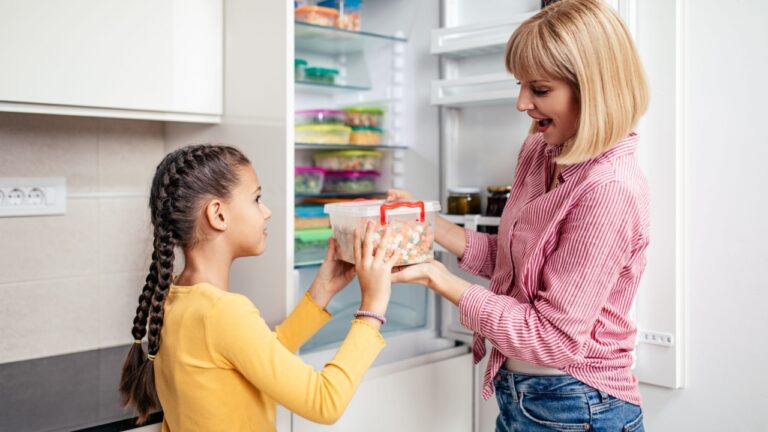
15 Items Worth Keeping Around the House for Their Practical Uses
Most households toss out items every single day that could solve a problem down the road. That empty glass jar, the worn-out toothbrush, the last sliver of soap stuck to the shower wall. These things head straight to the bin without a second look, even though they still have plenty of life left in them.
The homesteading community has long understood the value of holding onto common items for reuse. The Environmental Protection Agency reports that the average American produces nearly five pounds of waste per day, and a significant portion of that could be reused instead of being thrown out.
This list pulls together fifteen items worth saving, along with the reasoning behind each one (as long as you have the space and aren’t hoarding too many of each!). Some you might already keep around. Others may surprise you.
Read on for what to hold onto, how to put each item to work, and a few suggestions for getting started.
1. Glass Jars
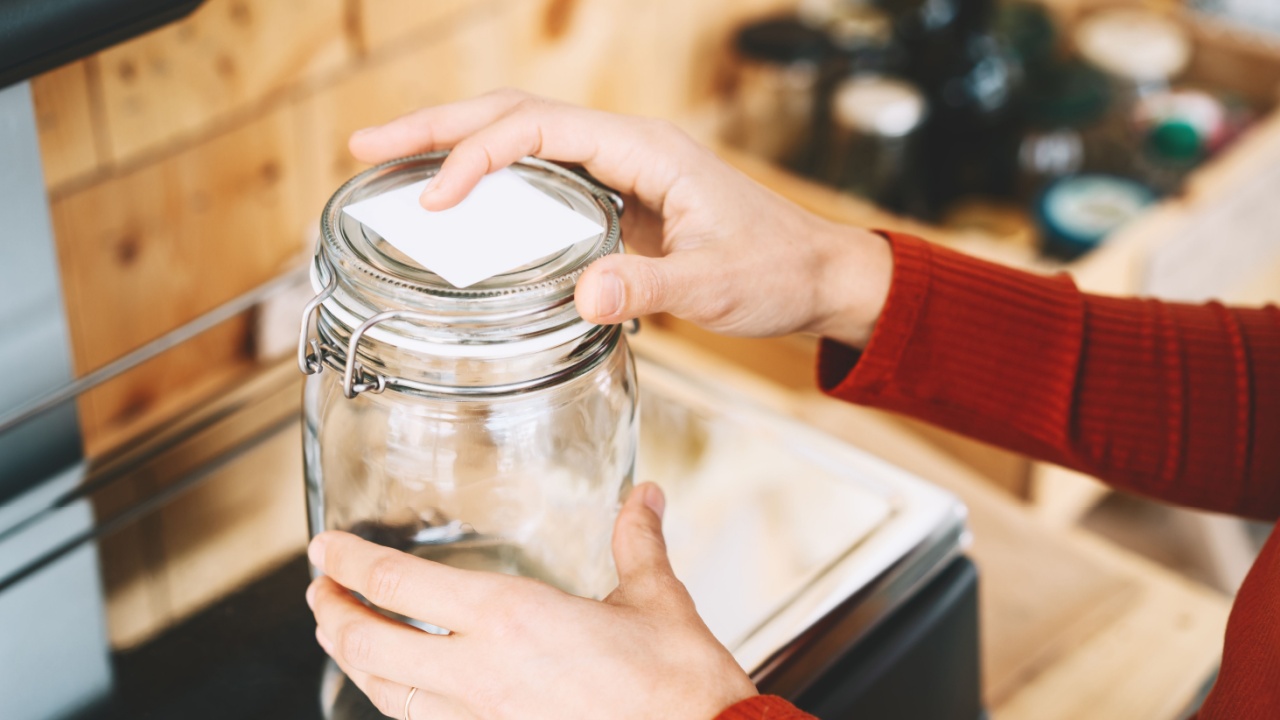
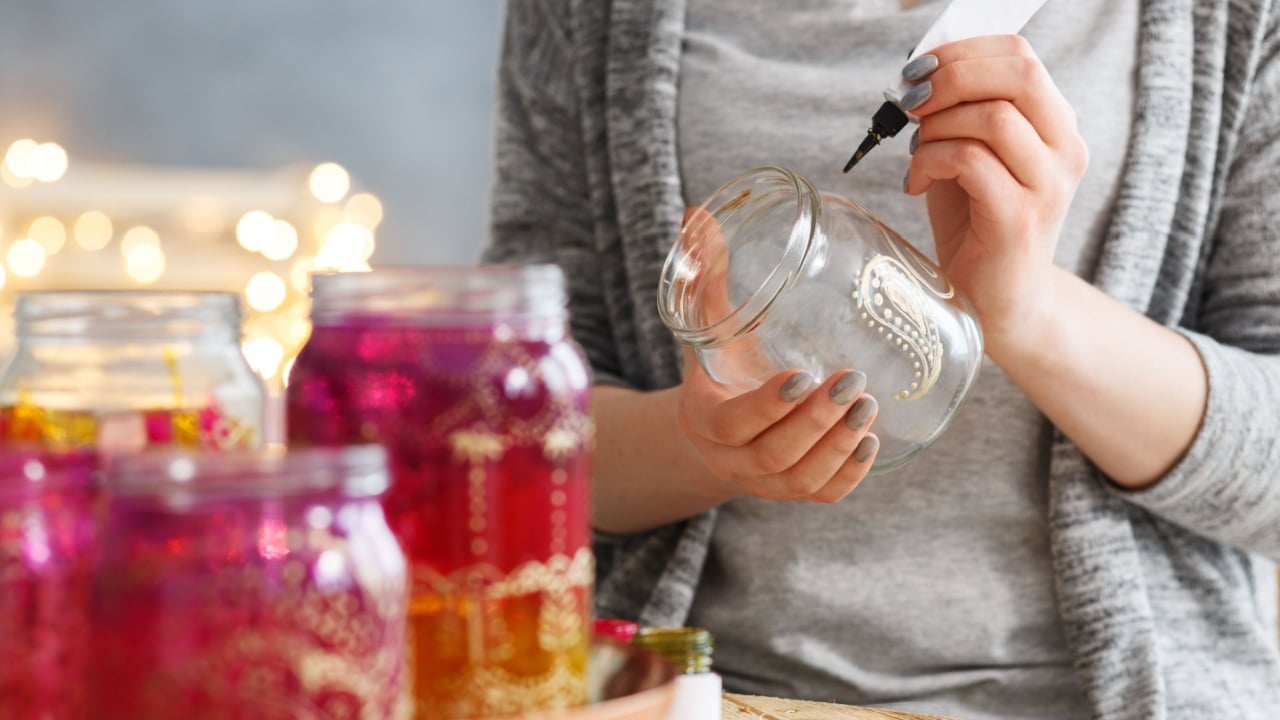
Mason jars, pasta sauce jars, and fancy glass bottles all deserve a spot in the cupboard once they’re empty. After a quick wash, they can become drinking glasses, storage for dry goods, or containers for homemade jams, vinegars, and spice blends.
The tight seal on most jars keeps food fresh and pests out, which makes them better than many disposable containers for long-term storage of pantry staples.
For anyone who likes to buy in bulk, a row of clear jars turns a messy pantry into something organized and easy to scan. Label the lids with a marker or a strip of tape, and you’ll always know what’s inside at a glance.
2. Tin Cans
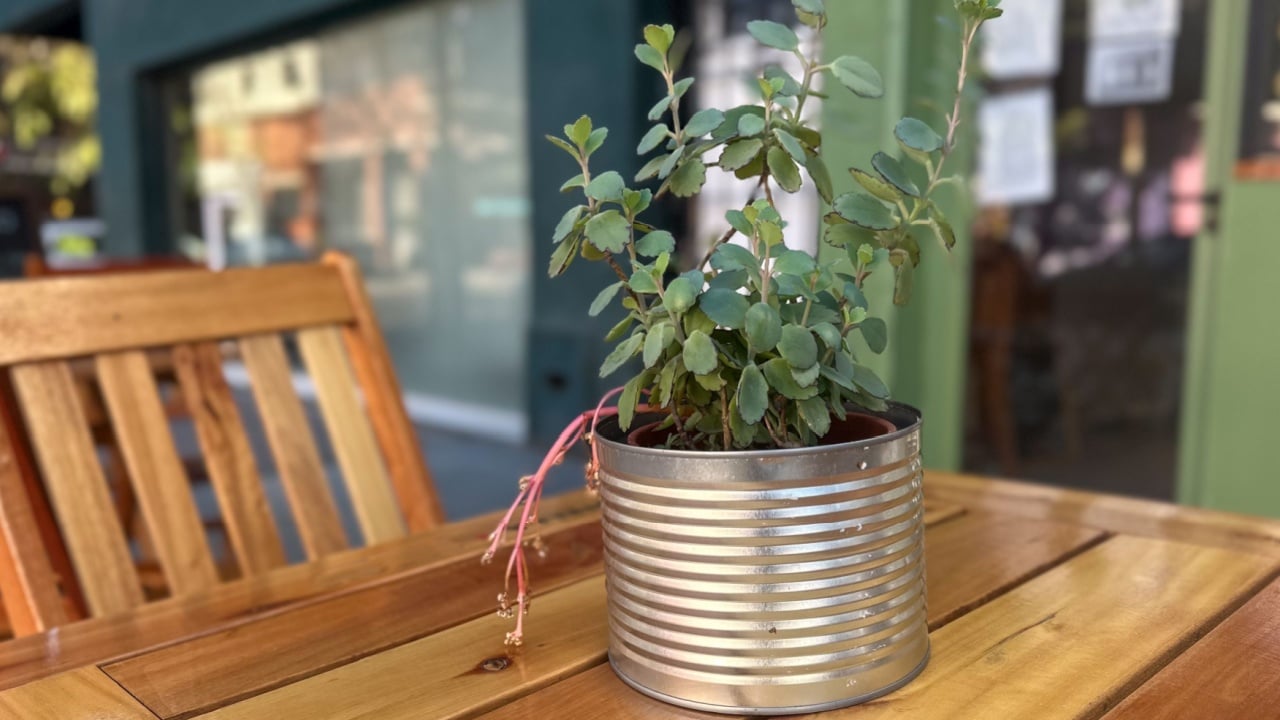
Empty food cans clean up fast and hold up well to repeated use. Larger cans work as flower pots, while smaller ones keep pens, brushes, and utensils upright on a desk or kitchen counter.
With a few drainage holes punched in the bottom, any can is instantly transformed into a planter for herbs or seedlings, providing a sturdy home for new growth.
If you want a finished look, a coat of paint hides the original labels and brand markings, allowing you to customize them to match your decor. Group several painted cans together for a tidy and coordinated storage system that costs almost nothing to put together. This is an easy way to add a personal touch to your office or craft space.
3. Wine Corks
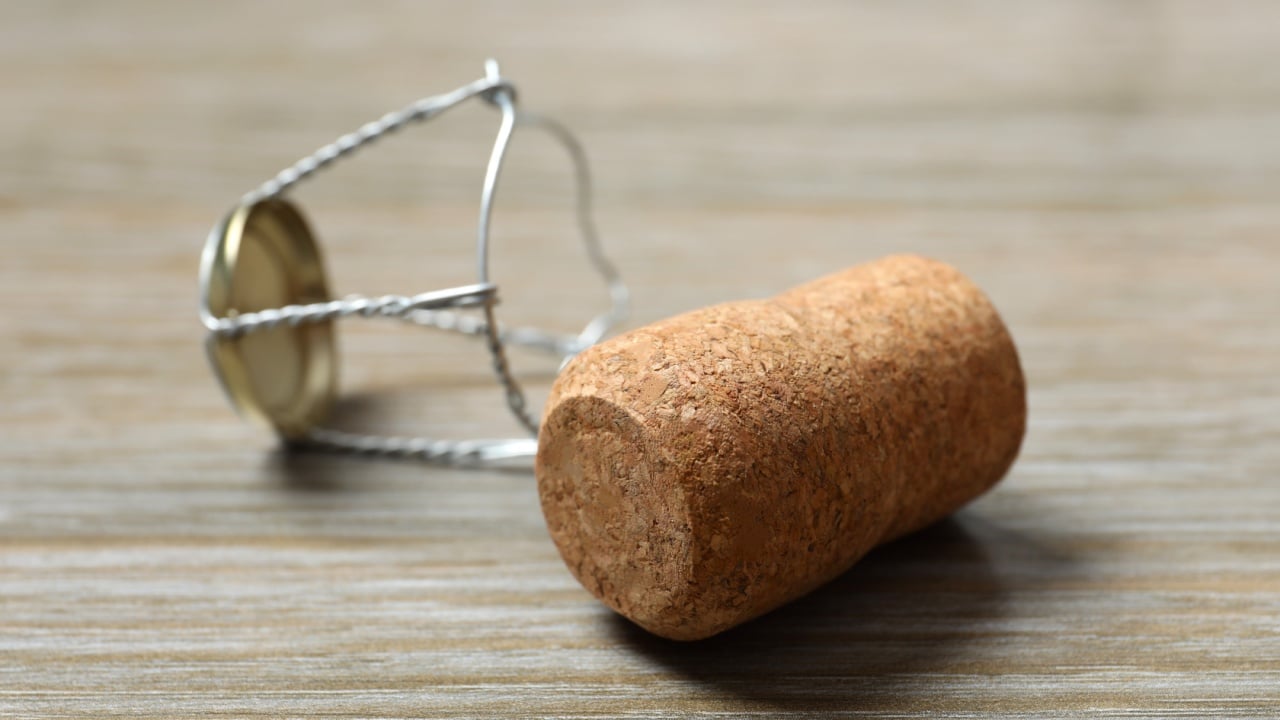
Corks pile up quickly for anyone who enjoys a glass with dinner. Beyond keeping them as mementos, corks can be sliced into trivets, bulletin boards, and drawer organizers.
Their natural, water-resistant texture also makes them useful as furniture pads that protect floors from scratches, offering a free alternative to store-bought felt pads.
Gardeners can chop cork into small pieces and mix it into potting soil to improve drainage and aeration for plants. A jar full of corks costs nothing to collect and gives you a steady supply of craft material whenever a project comes up. They can be used for everything from kids’ crafts to creating decorative wreaths.
4. Cardboard Tubes from Toilet Paper Rolls
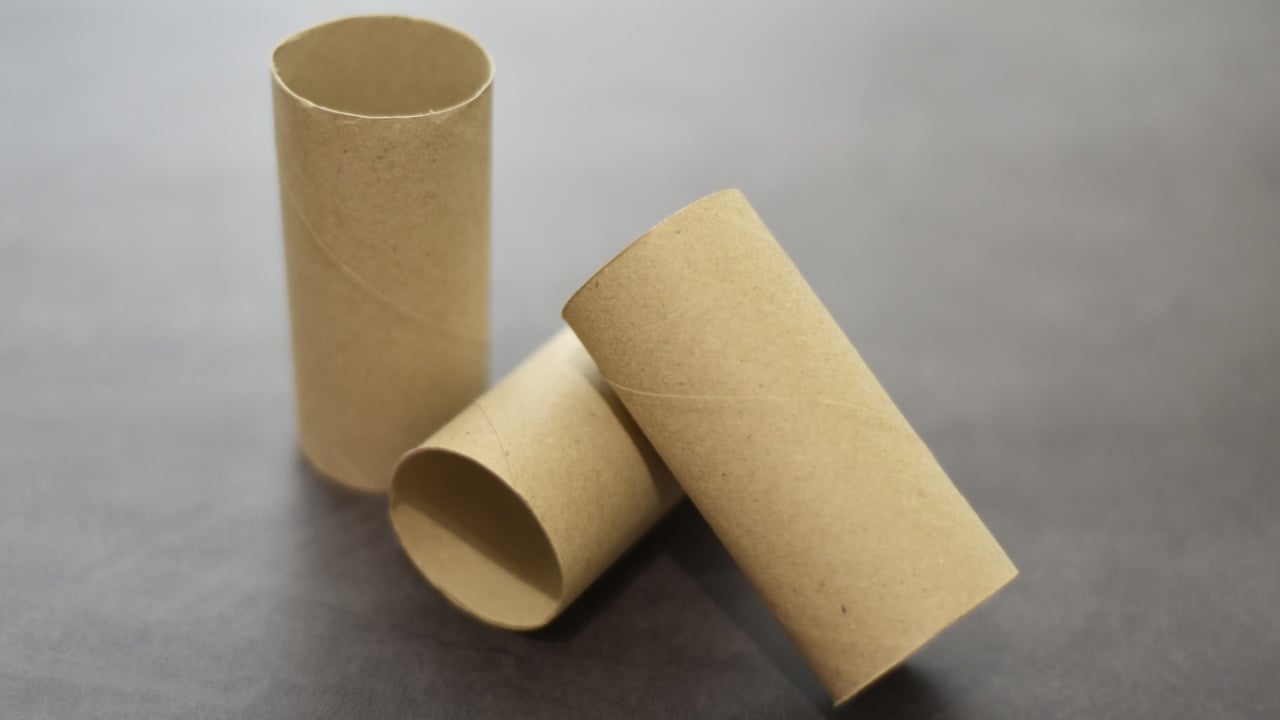
Cardboard tubes from toilet paper and paper towels are some of the most useful throwaways in any home. They make great seed starters for the garden, since you can plant the whole biodegradable tube directly into the soil.
They also keep electrical cords and cables from tangling when you cut a slit down the side and slide a coiled cord inside.
Parents will find them handy for craft time, too. Kids can turn the tubes into binoculars, toy animals, and building blocks with a little paint and glue. Keeping a small bin of them means project supplies are always on hand, ready to inspire creativity on a rainy afternoon without a trip to the craft store.
5. Broken Crayons
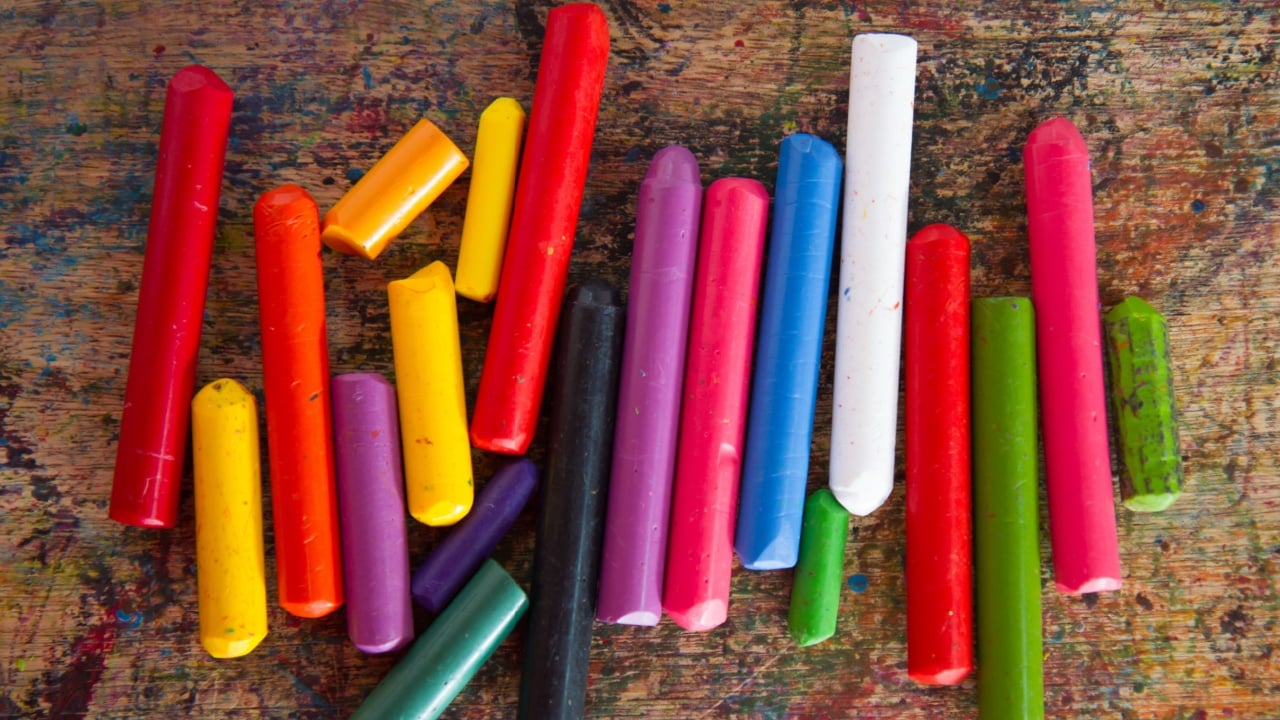
A snapped crayon still has plenty of color to give. Collect the broken bits, peel off the paper, and melt them down in silicone molds to create chunky new crayons in fun shapes.
Toddlers often grip these large molded crayons more easily than thin store-bought ones, making coloring time less frustrating for little hands.
The same melting trick opens the door to crayon art, where melted wax creates colorful patterns on canvas or wood. For families with young children, saving broken crayons turns a constant source of waste into a fun and engaging afternoon activity that encourages creativity and resourcefulness.
6. Old Toothbrushes
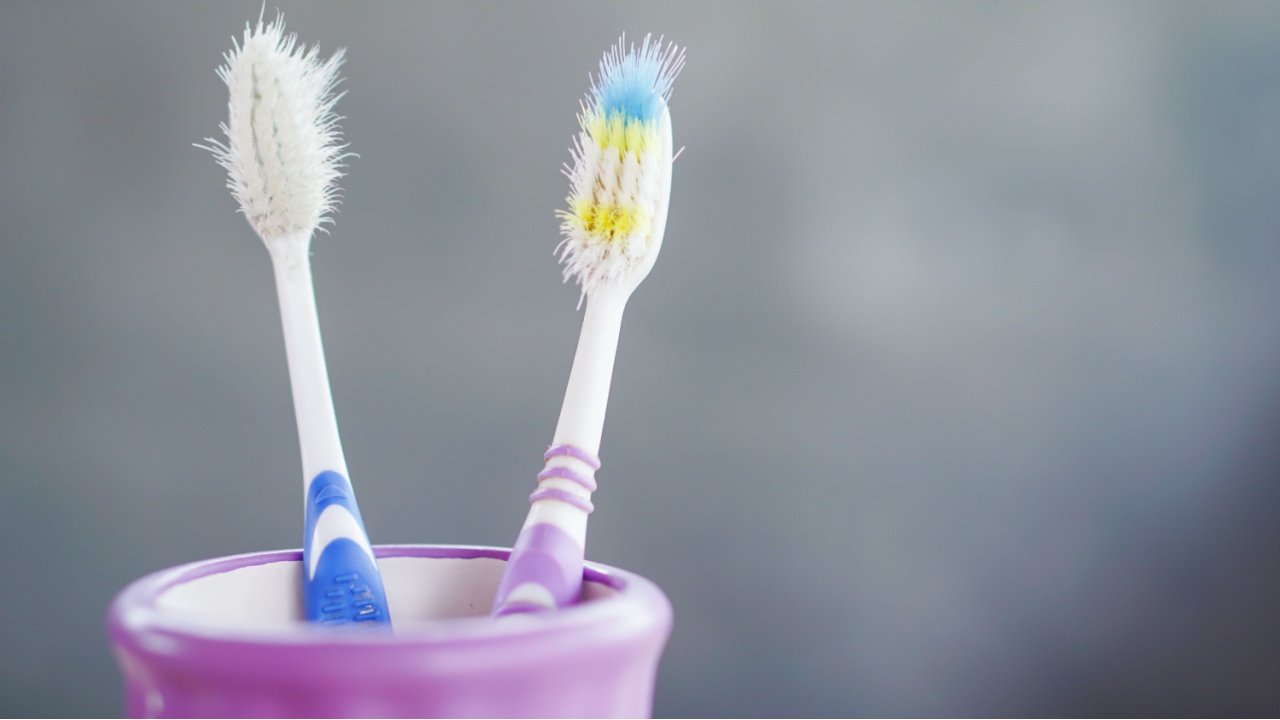
A retired toothbrush becomes one of the best cleaning tools in the house. The small bristled head reaches into grout lines, faucet bases, and tight corners that larger brushes miss.
It also works well for cleaning jewelry, scrubbing the edges of a razor, and tackling stubborn stains on shoes or clothing.
Keep a couple under the sink for detailed cleaning jobs. Because they’re free and already heading for the trash, there’s no reason not to put them to work on tasks you wouldn’t want to use a new brush for, like cleaning bike chains or scrubbing mud from boot treads. They are the perfect tool for grimy, hard-to-reach places.
7. Rubber Bands
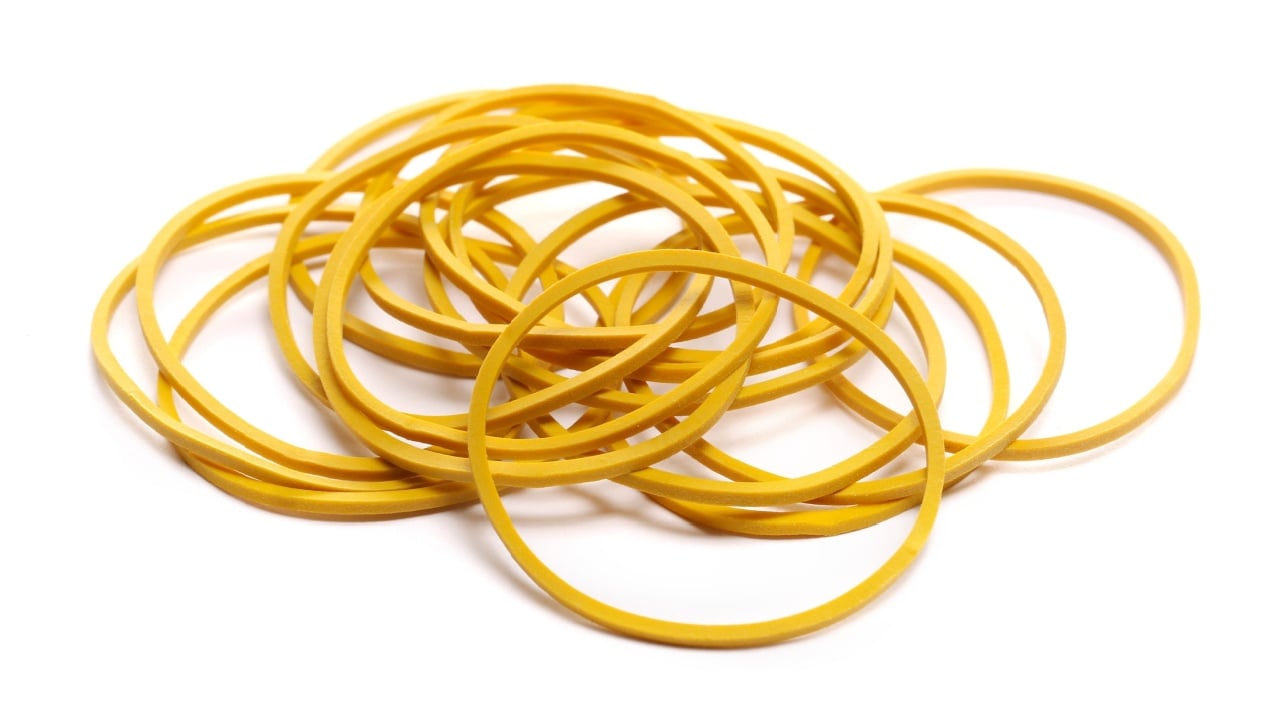
These small loops are easy to lose track of, yet they solve dozens of everyday problems. Wrap one around the head of a spatula or spoon to stop it from sliding into the pot.
Slip a few around a slippery jar lid for extra grip when it won’t budge, providing the leverage you need to open it with ease.
Rubber bands also keep cords coiled, hold a loose paint can lid in check, and bundle pens together in a drawer. Save the ones that come around produce and mail, and you’ll never need to buy a pack again. A small ball of saved rubber bands in a drawer ensures you always have one when you need it.
8. Plastic Bags
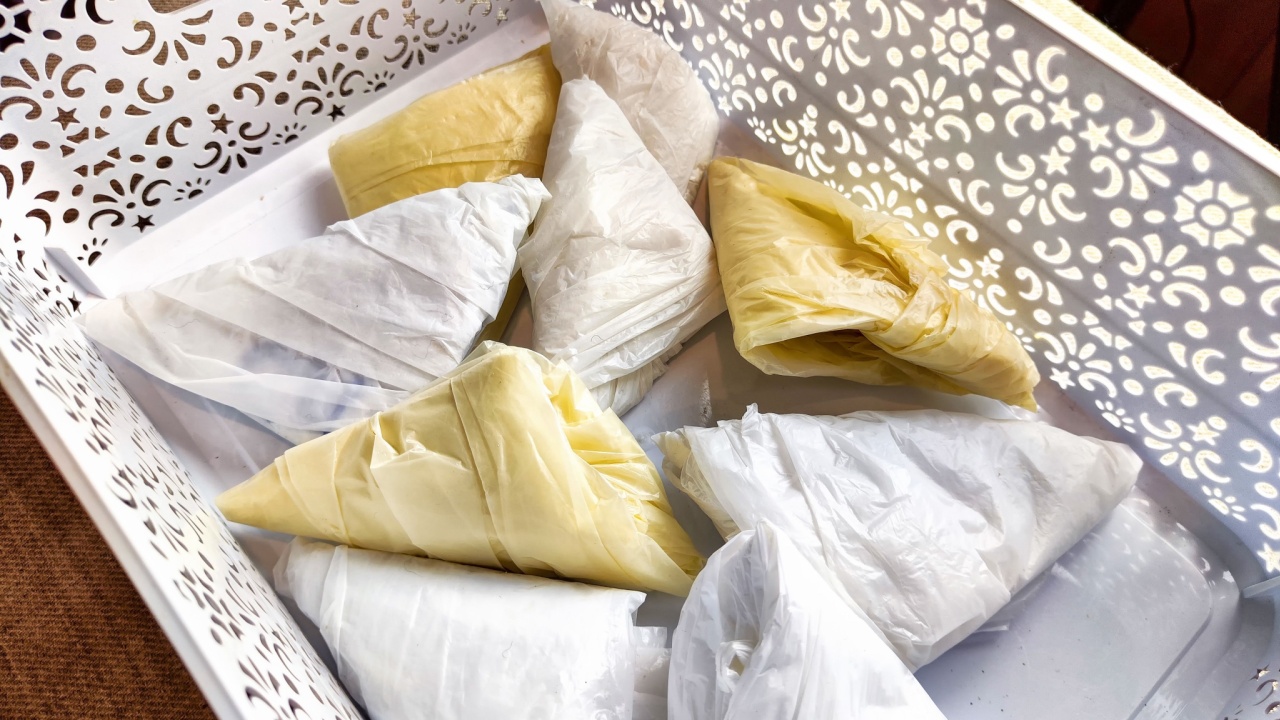
Grocery and shopping bags pile up fast, but they earn their keep as liners for small bathroom and office bins. They’re the right size for the job and save the cost of buying dedicated liners.
They also come in handy for packing lunches, wrapping wet umbrellas, and protecting items during a move.
Keep a stuffed bag of bags in a cupboard or hang a dispenser inside a cabinet door for easy access. When you reuse them this way, each bag does double duty before it’s finally discarded or recycled, extending its usefulness and reducing your household’s immediate waste.
9. Eggshells
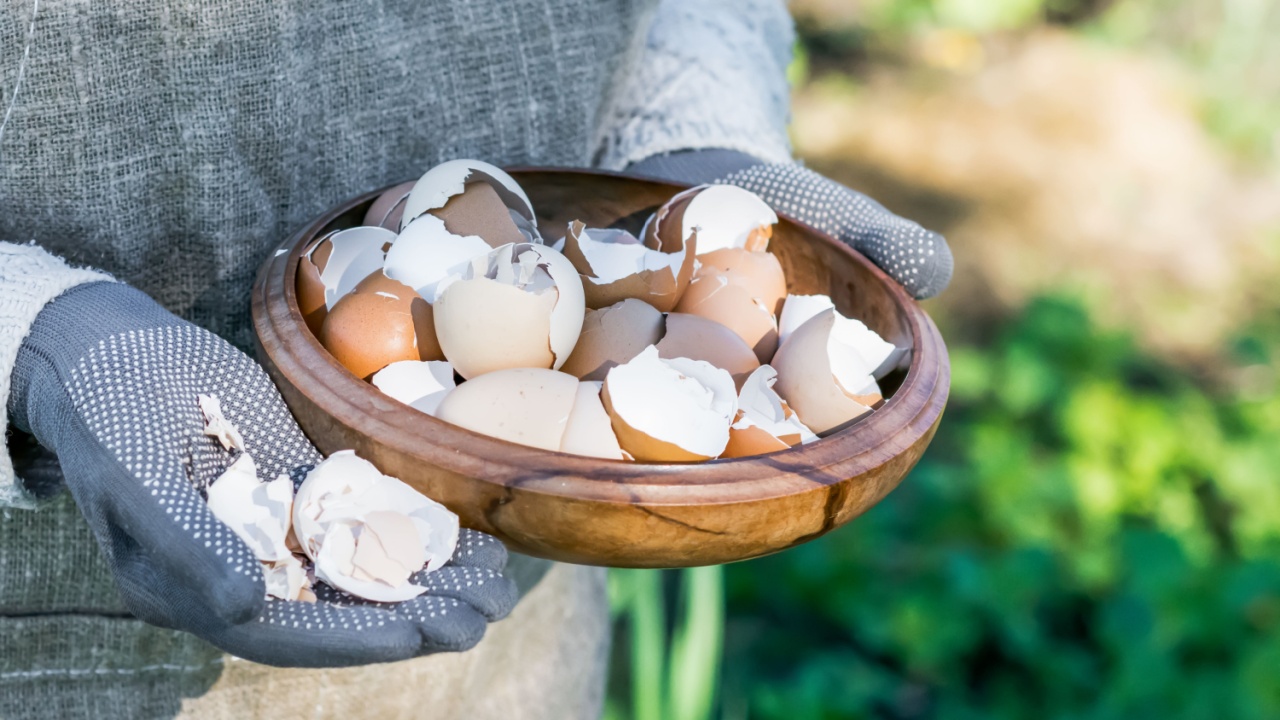
Eggshells hold more value than their fragile reputation suggests. Crushed and scattered around garden beds, they deter slugs and snails while adding valuable calcium to the soil as they break down.
Chicken keepers can rinse, dry, and crush them to feed back to the flock as a necessary calcium supplement for strong eggshells.
Some people even boil eggshells with their coffee grounds to cut bitterness from the brew. Set a small container by the stove to collect shells, and rinse them before they dry out for the easiest cleanup. This simple habit makes it easy to save them for whatever use you have in mind.
10. Aluminum Foil
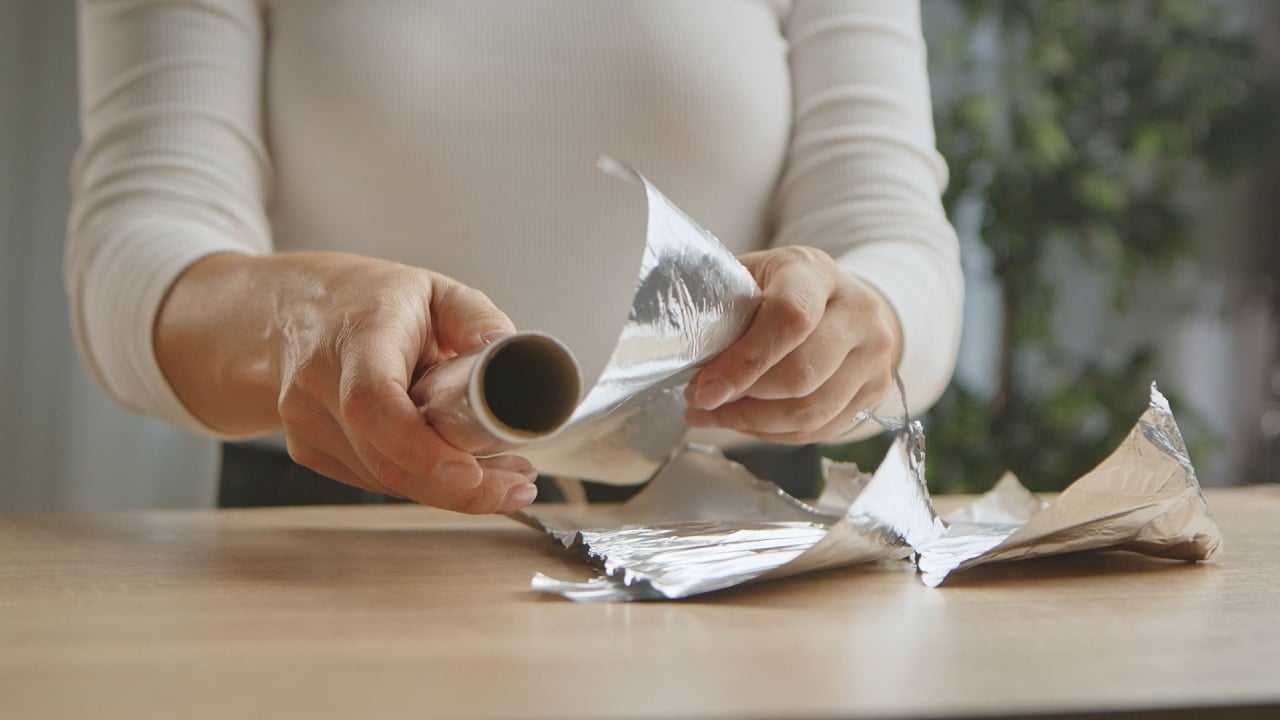
A used sheet of foil rarely needs to be thrown out right away. Crumpled into a ball, it scrubs baked-on grime from pots and pans without scratching too harshly.
Rolled foil also sharpens dull scissors when you cut through a few folded layers, quickly restoring their cutting edge.
Foil works as a silver polisher too, lifting tarnish when placed in a pan with hot water and baking soda. As long as a sheet isn’t coated in heavy grease, wipe it and set it aside for the next job. You can also use it to protect pie crusts from burning or to funnel liquids without a mess.
11. Small Soap Slivers
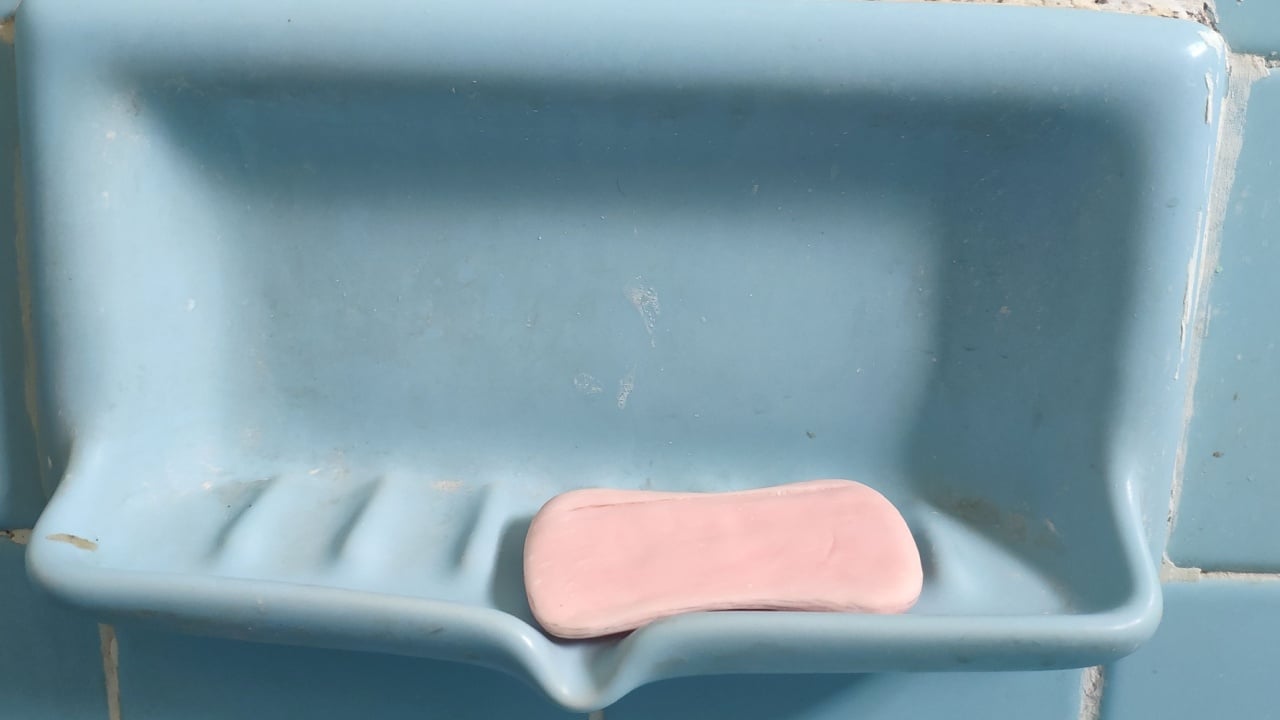
That last thin piece of soap is too small to use comfortably, but far from worthless. Collect the slivers in a container, and once you have a handful, melt them down in the microwave or a double boiler and press them together into a fresh, full-sized bar. The savings add up over a year of regular use.
You can also stuff soap pieces into a mesh produce bag or a sock for a built-in lather and scrubber in the shower.
This method makes it easy to use up every last bit of soap. Either way, those slivers stay out of the trash and keep doing their job until they’re completely gone.
12. Newspapers

Old newspapers are far too useful to send straight to recycling. They make reliable fire starters for a wood stove or fireplace, lighting quickly when rolled or crumpled.
Spread flat, they protect surfaces during painting projects and absorb spills in the garage or workshop.
In the garden, layers of wet newspaper act as an excellent sheet mulch to smother weeds and then break down naturally into the soil. Keep a small stack handy in a dry place, and you’ll likely reach for it more often than you’d expect for various household and outdoor tasks.
13. Coffee Grounds
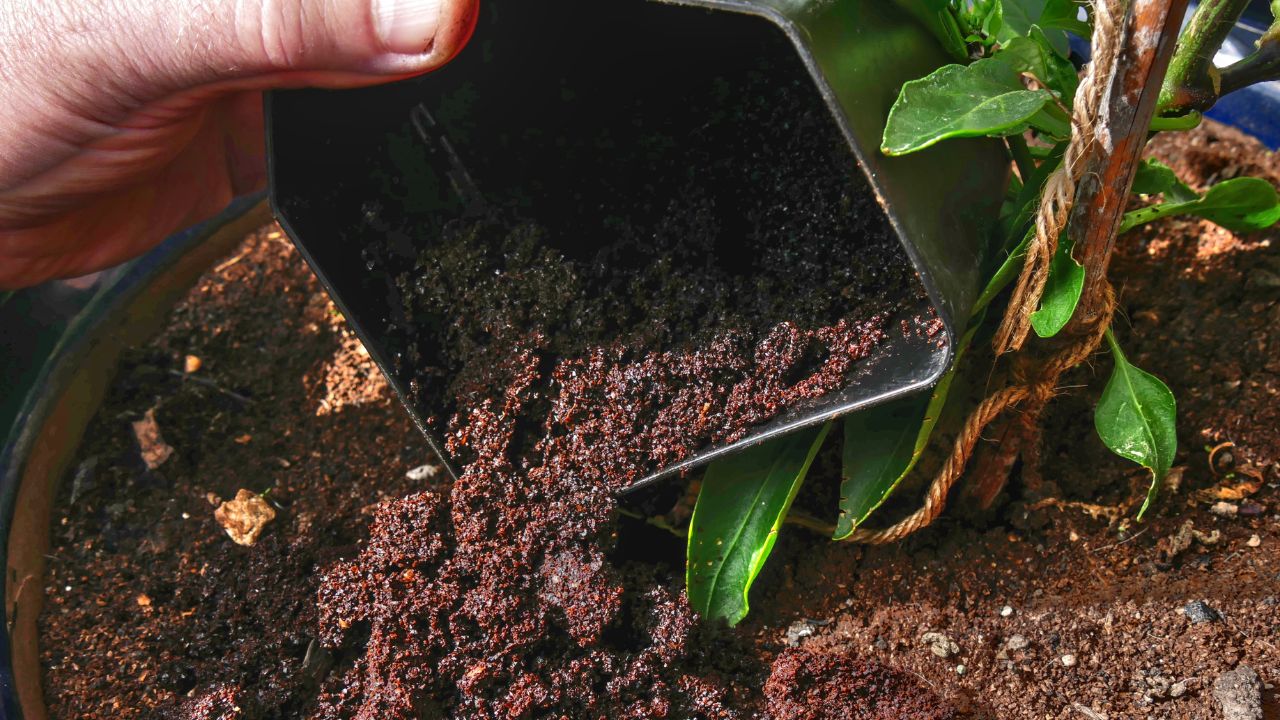
Spent coffee grounds carry plenty of life after the pot is brewed. Worked into garden soil or added to a compost pile, they enrich the dirt with nitrogen that plants, especially acid-loving ones like blueberries and roses, love.
Sprinkled around beds, they also help keep certain pests like slugs and cats away. Inside the house, a bowl of dried grounds can absorb odors in the fridge or trash can, much like baking soda.
A scoop of grounds even works as a gentle, natural scrub for greasy hands or stubborn pots, using its abrasive texture to cut through grime without harsh chemicals.
14. Glass and Plastic Bottles
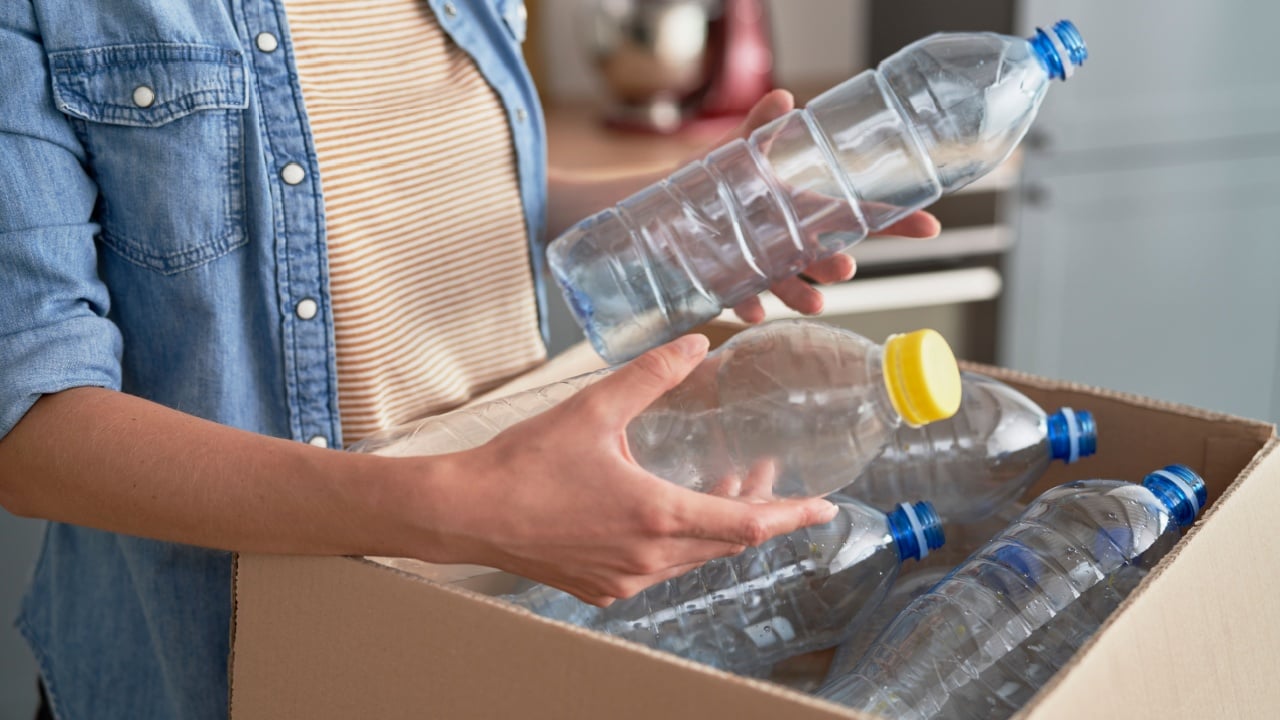
Sturdy bottles, both glass and plastic, find new purpose with little effort. A large plastic jug with holes poked in the cap turns into a watering can for houseplants and garden beds.
Glass bottles can be used to store homemade dressings, infused oils, and cold-brew coffee with a clean, refillable finish.
Cut-down plastic bottles also serve as excellent scoops for pet food, soil, or birdseed. Rinse them out and stash a few, since a useful bottle always seems to be in demand for one task or another. They can even be used as funnels or protective collars around young garden plants.
15. Cardboard Boxes
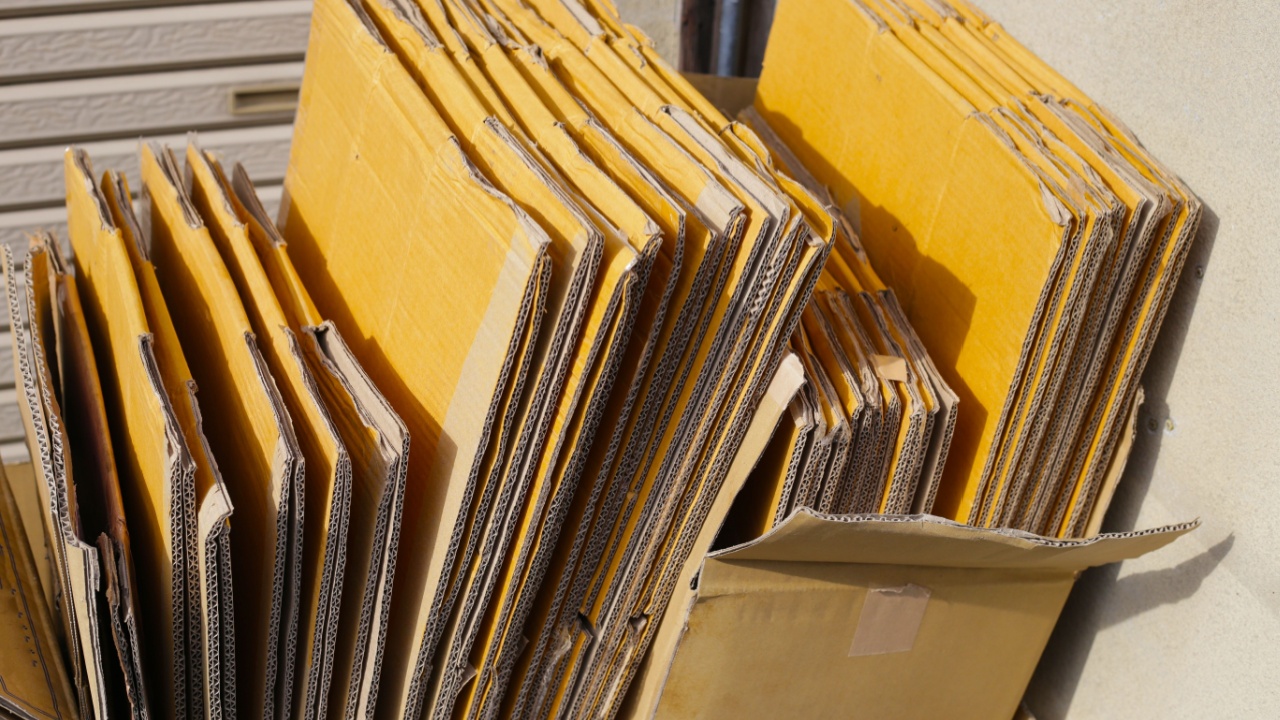
Sturdy boxes are some of the most practical items to hang onto. They store seasonal clothes, holiday decorations, and rarely used kitchen gear, keeping closets and shelves clear of clutter.
Broken down flat, they take up almost no space until you need them again for storage or shipping.
Cardboard also shines in the garden as a highly effective weed barrier. Laid under mulch or wood chips, it blocks sunlight from reaching weed seeds while it slowly decomposes, enriching the soil over time. This technique, known as sheet mulching, is a cornerstone of many organic gardening practices.
Putting Your Saved Items to Work
The items on this list prove that plenty of everyday throwaways still have value left in them. Saving a few jars, bottles, and rolls costs nothing and gives you a ready supply of materials for cleaning, organizing, gardening, and crafting, reducing your reliance on new products.
A good place to begin is with a single drawer or shelf set aside for reusable items. Once you have a spot to collect them, you’ll start to spot uses everywhere, and you’ll cut down on both waste and spending in the process. This small change in habit can have a significant impact on your household’s environmental footprint.
Read More:
14 Reusable Kitchen Upgrades That Will Make You Regret Ever Buying Disposables