15 Signs Your Food Has Gone Bad and Needs to Be Tossed Immediately
Every time a refrigerator door opens, a tiny, invisible battle is happening. Bacteria and mold are constantly trying to consume the food before anyone else can.
People usually rely on the expiration dates printed on packages to check if food is safe, but those dates are often just educated guesses. The most reliable way to tell if food has spoiled is to inspect the item itself. As bacteria and mold grow, they feed on the sugars and moisture inside the food. This process leaves clear warning signs, such as changing the food’s color, producing a bad smell, or altering its texture to make it slimy.
Learning how to spot these changes saves money and protects health. Throwing food away too early because of a harmless physical change wastes money. On the other hand, ignoring a warning sign and eating the food anyway can cause severe illness.
Maintaining a safe kitchen simply requires knowing what signs to look for. This guide covers fifteen common signs of spoiled food across the pantry, dairy drawer, meat bin, and produce crisper, helping individuals decide exactly what to throw away and what to keep.
1. Floating Eggs
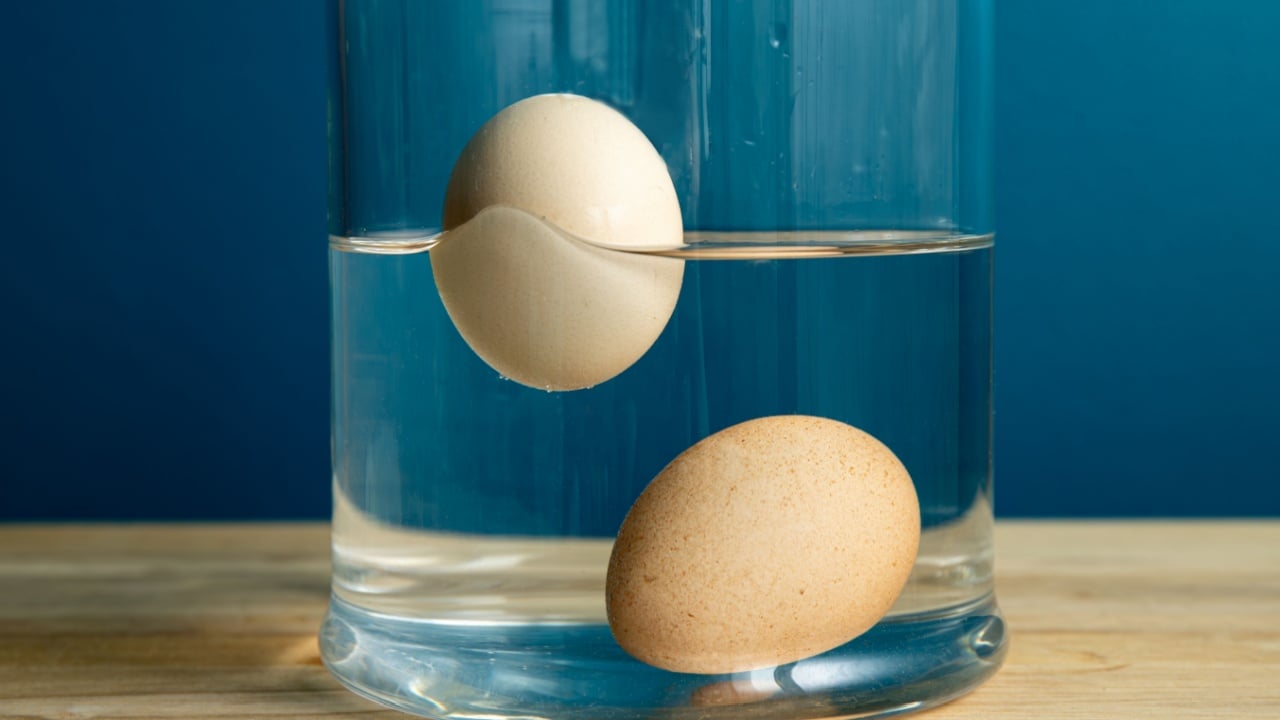
Fresh eggs have a tiny pocket of air inside that grows larger as the egg gets older. Because eggshells are porous, moisture escapes over time, and outside air sneaks in to fill the gap. When you drop an egg into water, a fresh one sits flat at the bottom, while an old egg stands up or floats because of that big pocket of trapped air.
Floating is a great warning sign, but it doesn’t always mean the egg is rotten. To know for sure, crack it into a separate bowl away from your other ingredients. A spoiled egg will instantly release a sharp, terrible smell of sulfur (like rotten eggs), whether it is raw or cooked.
- Look & Smell: If it smells clean and the yolk is whole, it is safe to cook.
- Danger Sign: Toss immediately if it smells bad or has a pink, shiny discoloration (a sign of bacteria).
- The Rule: Floating means old; a bad smell means dangerous.
2. Yellowing Green Vegetables
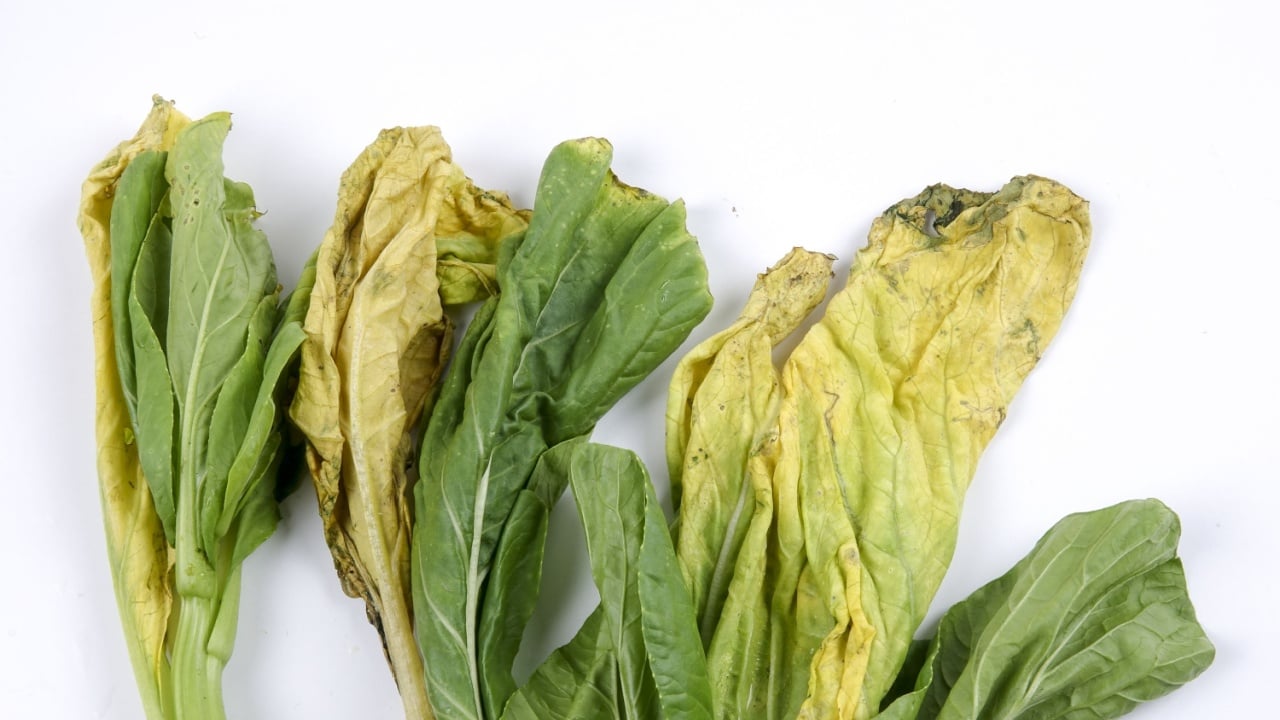
Green veggies like broccoli, kale, and zucchini get their bright color from chlorophyll. Once harvested, they stop getting nutrients, and that chlorophyll starts to break down. As the green fades, underlying yellow tones are exposed, showing that the vegetable is dying, losing its vitamins, and starting to rot.
A yellow tint means the vegetable’s cells are aging and drying out. While limp veggies can often be saved by soaking their stems in cold water, actual yellowing means the plant tissue is actively degrading. This weakened state makes it incredibly easy for bacteria and mold to take over.
- Look & Feel: Minor yellow spots on broccoli can be cut away so you can cook the rest.
- Danger Sign: Fully yellow or brown veggies, or any that feel soft and slimy, must be thrown out.
- The Rule: Yellow means rotting; if it’s slimy, throw it in the compost.
3. Severely Dented or Swollen Cans
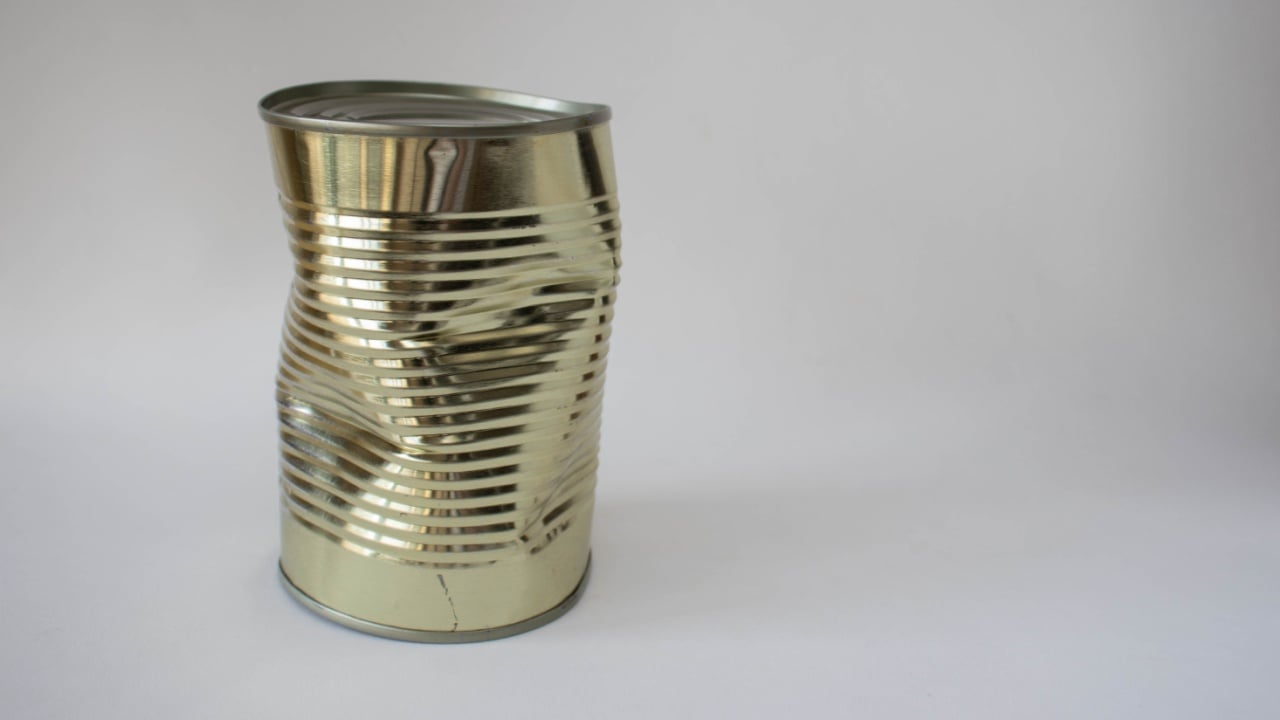
Canned foods use an airtight vacuum seal to keep out dangerous germs. When a can gets a deep dent, especially along the top, bottom, or side seams, the metal can get microscopic cracks. This lets air and deadly bacteria slip past the seal and ruin the food inside.
Always check cans for sharp dents, rust along the seams, or bulging lids. Swelling happens when trapped bacteria thrive inside the airless can and create gases that bloat the metal. The biggest risk here is Clostridium botulinum, a bacterium that creates lethal toxins causing botulism poisoning.
- Look & Listen: Toss any can with a bulging lid, dented seams, or an explosive hiss of gas when opened.
- Danger Sign: Never taste food from a suspect can to “test” it (even a tiny drop of botulism toxin can be fatal)
- The Rule: When in doubt, throw the intact, damaged can straight into the trash.
4. Green Potato Skin
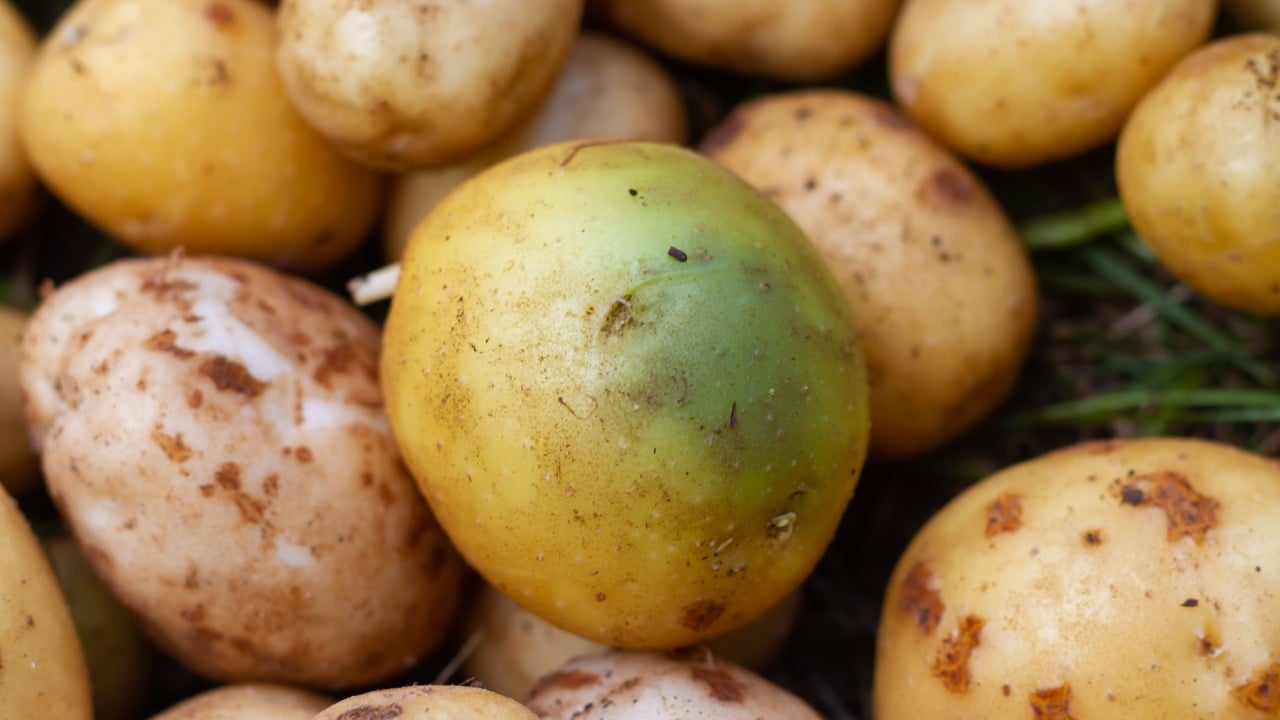
When potatoes are exposed to light, they start producing chlorophyll near their skin, turning them green. While chlorophyll itself won’t hurt you, its presence means the potato is also building up solanine. Solanine is a bitter, natural toxin that the plant uses to defend itself, but it is highly poisonous to humans.
Always inspect your potatoes under bright light before peeling. Solanine concentrates heavily in the green skin, the flesh just underneath it, and around any growing sprouts. Eating too much solanine causes nasty neurological issues, nausea, and severe stomach cramps.
- Look & Cut: Small green patches on a firm potato can be safely cut away entirely.
- Danger Sign: If the green goes deep into the potato, or if it is soft and wrinkled, toss the whole thing.
- The Rule: Cooking does not destroy solanine; cut it out completely or throw it away.
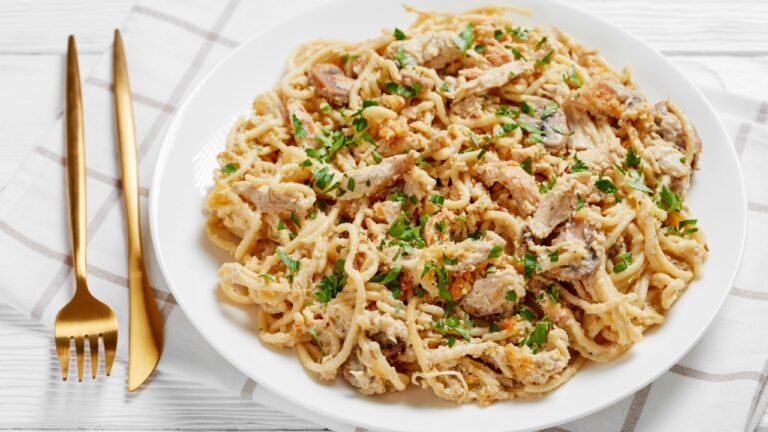
5. Cooked Rice Kept for Four Days
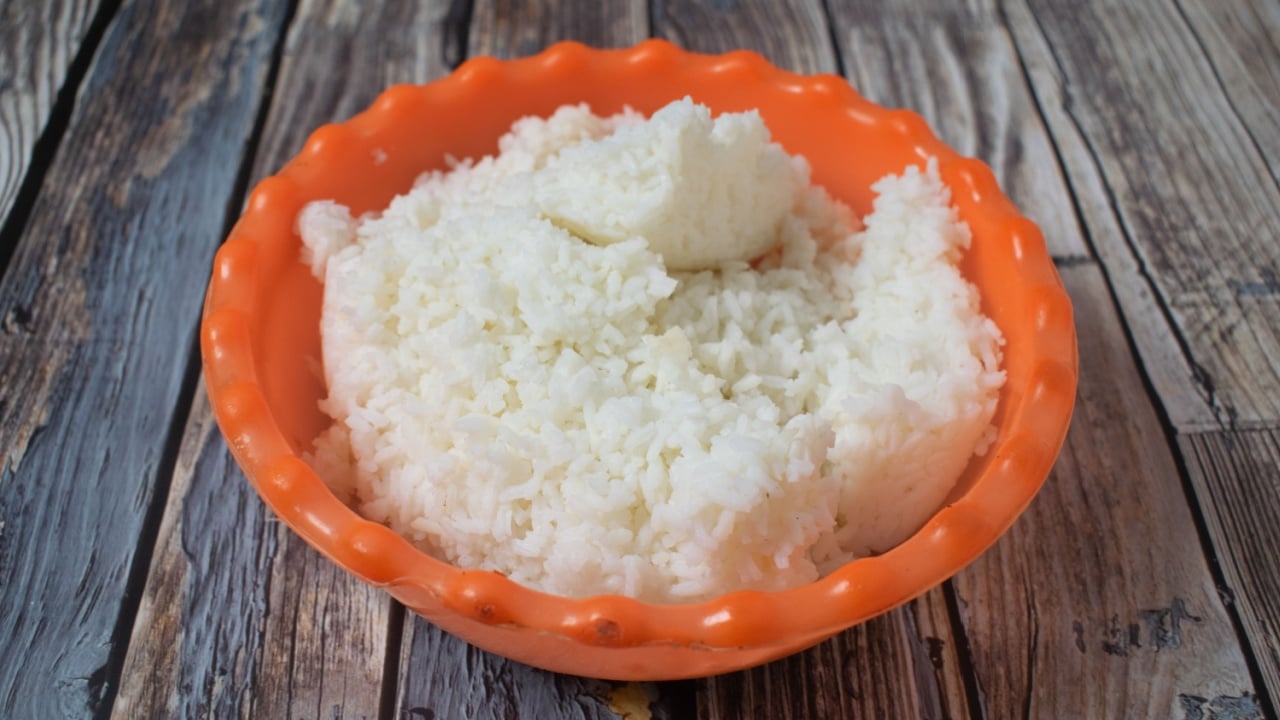
Dry rice lasts for years, but cooking it wakes up dormant spores of Bacillus cereus, a bacterium naturally found in the grain. These tough spores survive boiling water and multiply fast if rice is left at room temperature or kept too long in the fridge. They create toxins that cause severe food poisoning.
The best defense is tracking the days. Cooked rice only stays safe in a sealed container in the fridge for three to four days. After that window, the bacterial load spikes dangerously, even if the rice still looks, smells, and tastes perfectly fine.
- Look & Track: Throw away any cooked rice that has been in the fridge for more than four days.
- Danger Sign: Do not rely on a sniff or taste test; this specific bacteria doesn’t change how the rice smells or looks.
- The Rule: Label your leftovers with a date, and toss them on day four.
6. Visible Surface Mold on Soft Foods
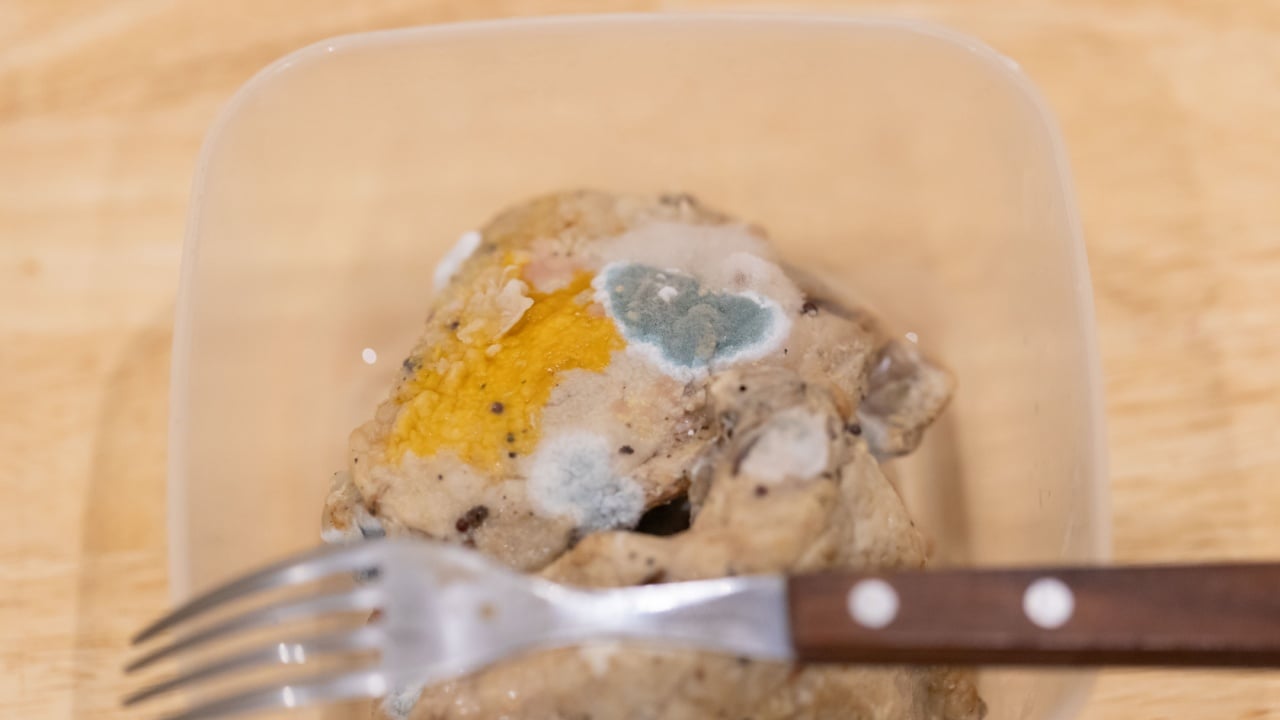
Mold is a fungus that grows visible, fuzzy spores on top of food. However, beneath that fuzz sits a hidden web of microscopic roots called hyphae that tunnel deep into the food. These roots spread dangerous toxins throughout the item, meaning the contamination goes way past what you can actually see.
Soft foods like berries, yogurt, peaches, and soft cheeses have no defense against these roots, allowing them to spread effortlessly. Some of these molds produce aflatoxins, which are highly poisonous and can cause severe liver damage over time.
- Look & Assess: Throw away soft foods completely if you see even a single spot of surface mold.
- Danger Sign: Scooping mold out of sour cream or picking a fuzzy berry out of a carton does not remove the hidden roots.
- The Rule: Hard cheeses and firm root vegetables can be saved by cutting an inch around the mold; soft foods must be tossed.
7. Sour Off-Odors in Dairy and Leftovers
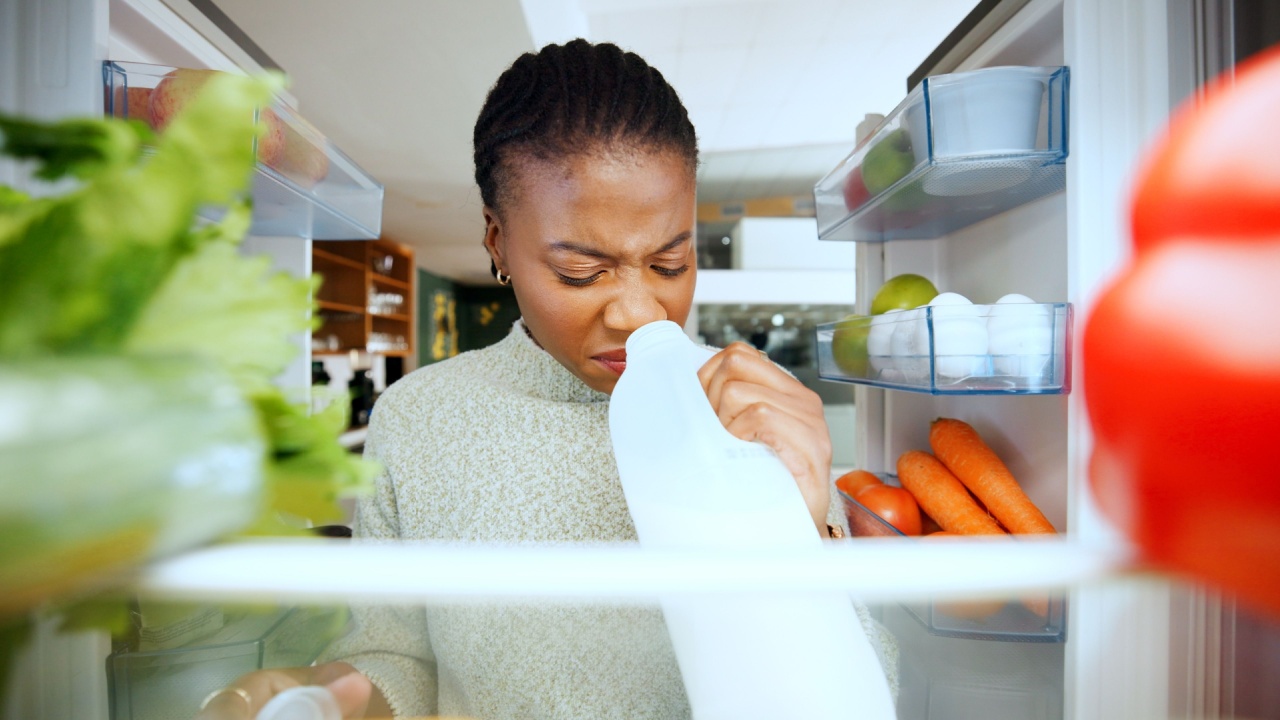
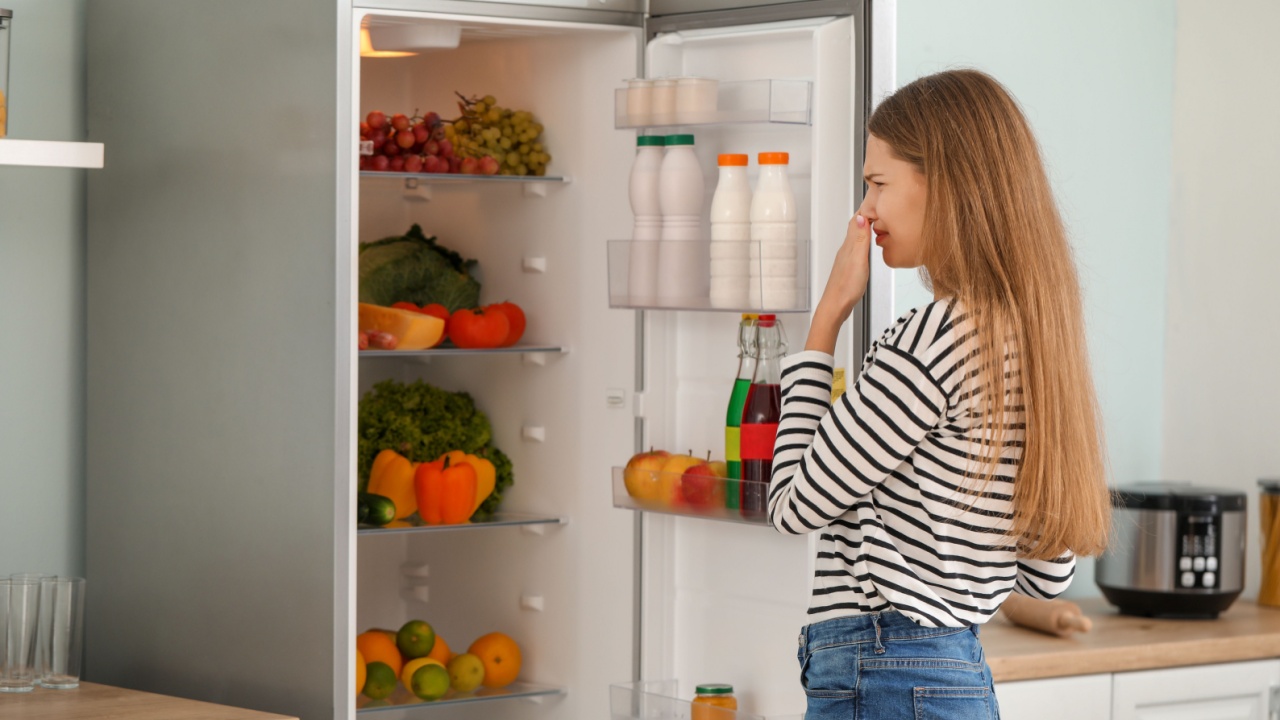
The human nose is highly evolved to detect the gases given off by rotting food. When bacteria and fungi break down proteins, fats, and carbs, they create stinky chemical byproducts like ammonia, lactic acid, and sulfur. This sharp, pungent smell is your body’s natural warning system.
A quick sniff test gives instant feedback on your food. Milk turns sour because bacteria change the sugars into lactic acid, dropping the pH. Leftover meals that smell sharp, sour, acidic, or yeasty are telling you that dangerous microbes have taken over the container.
- Look & Smell: Trust your nose—if an item smells noticeably different or foul, get rid of it.
- Danger Sign: Never taste an item that smells off just to double-check; harmful toxins can be present before the food structurally collapses.
- The Rule: If the smell makes you recoil, your body is telling you to throw it out.
8. Slimy Film on Deli Meats and Produce

A slippery, slimy film on cold cuts or bagged vegetables is a major red flag for massive bacterial growth. This slime is a biofilm, a sticky layer made by millions of bacterial cells clumped together. This layer actually protects the bacteria from the cold, allowing them to thrive inside your refrigerator.
Fresh deli meat should feel moist but clean, and vegetables should be crisp and dry. A tacky, slimy, or stringy texture means the bacterial count has skyrocketed. Delis meats are especially prone to Listeria, a dangerous bacterium that grows in the cold and causes severe illness.
- Look & Feel: Touch the surface; if it feels slippery, sticky, or stringy, it is highly contaminated.
- Danger Sign: Do not try to wash or cook the slime away—the toxins and bacteria are already locked in.
- The Rule: Slime or a vinegar-like smell means the food belongs in the trash immediately.
9. Greenish or Dull Gray Meat
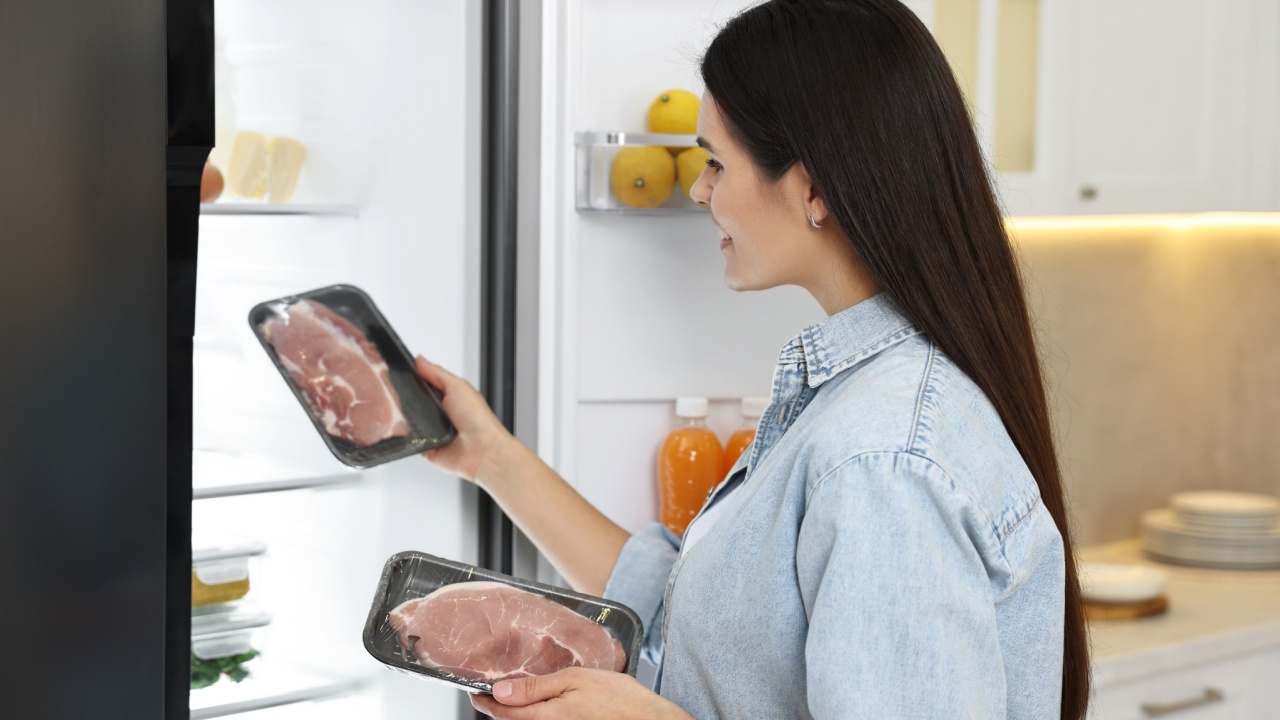
Fresh beef is bright red because of a protein called myoglobin, which turns red when it hits oxygen. Over time, a lack of oxygen turns the meat a dull brown, which can still be safe to eat. However, when meat starts turning gray, green, or takes on a shiny, iridescent look, it means it is actively rotting.
Spoilage bacteria like Pseudomonas produce green pigments as they digest the muscle fibers. When raw beef, pork, or chicken loses its natural pink or red tone and fades into a dull gray, cellular decay is well underway.
- Look & Feel: Safe beef can be brown, but it must still be firm and completely odorless.
- Danger Sign: Toss raw meat immediately if it has a green or gray cast, feels sticky, or smells sour.
- The Rule: Keep meat in the coldest part of your fridge, and toss it if it turns gray or green.
10. Completely Mushy or Collapsing Fruit
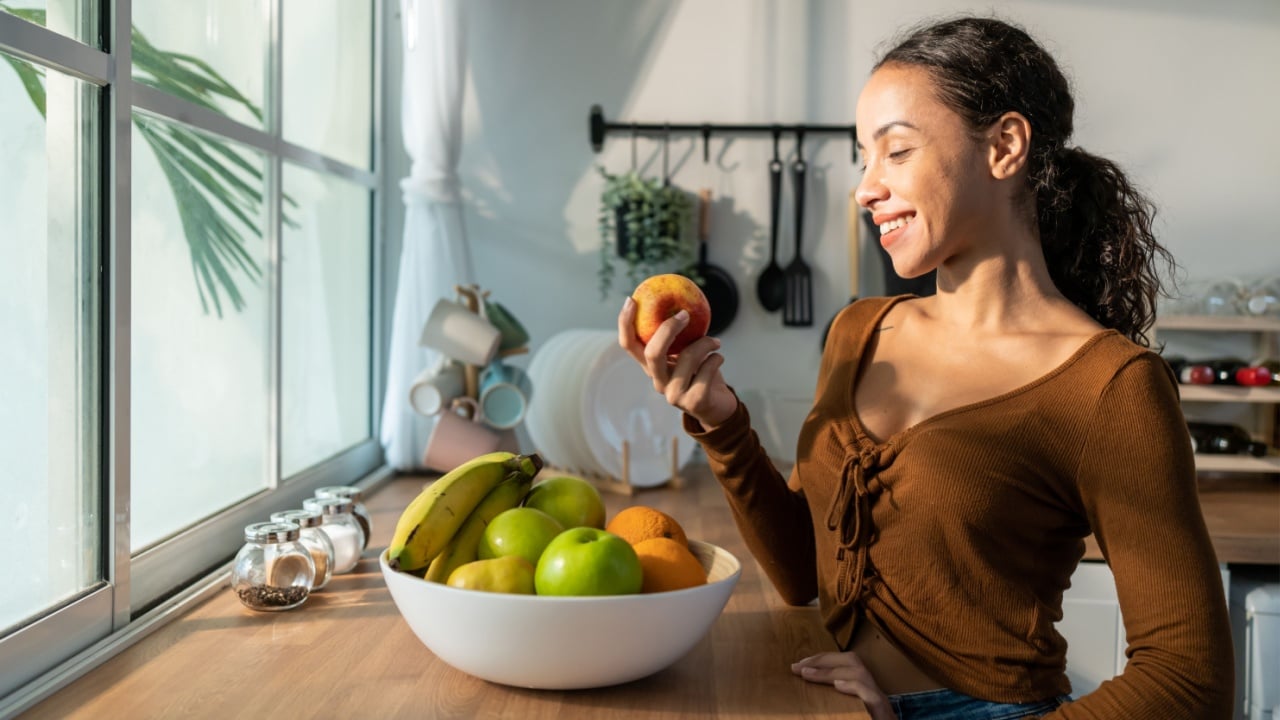
Fruit holds its shape using a natural glue called pectin that binds its cell walls together. As fruit overripens and rots, internal enzymes destroy these bonds, causing the cell walls to burst and leak moisture. This turns firm, delicious fruit into a wet, collapsing mass.
Give your fruit a gentle squeeze to check its strength. A ripe piece of fruit gives just a little bit, but a spoiled piece will feel hollow, completely soft, or cave in under your fingers. This watery, broken-down environment is the perfect breeding ground for wild yeasts and molds.
- Look & Feel: Slightly bruised fruit is fine for baking, but totally mushy fruit is already fermenting.
- Danger Sign: Throw away fruit that is actively leaking fluid, caving in, or covered in dark, soft craters.
- The Rule: Remove collapsing fruit quickly so it doesn’t spread rot to the fresh fruit next to it.
11. Pungent Ammonia Smells in Seafood
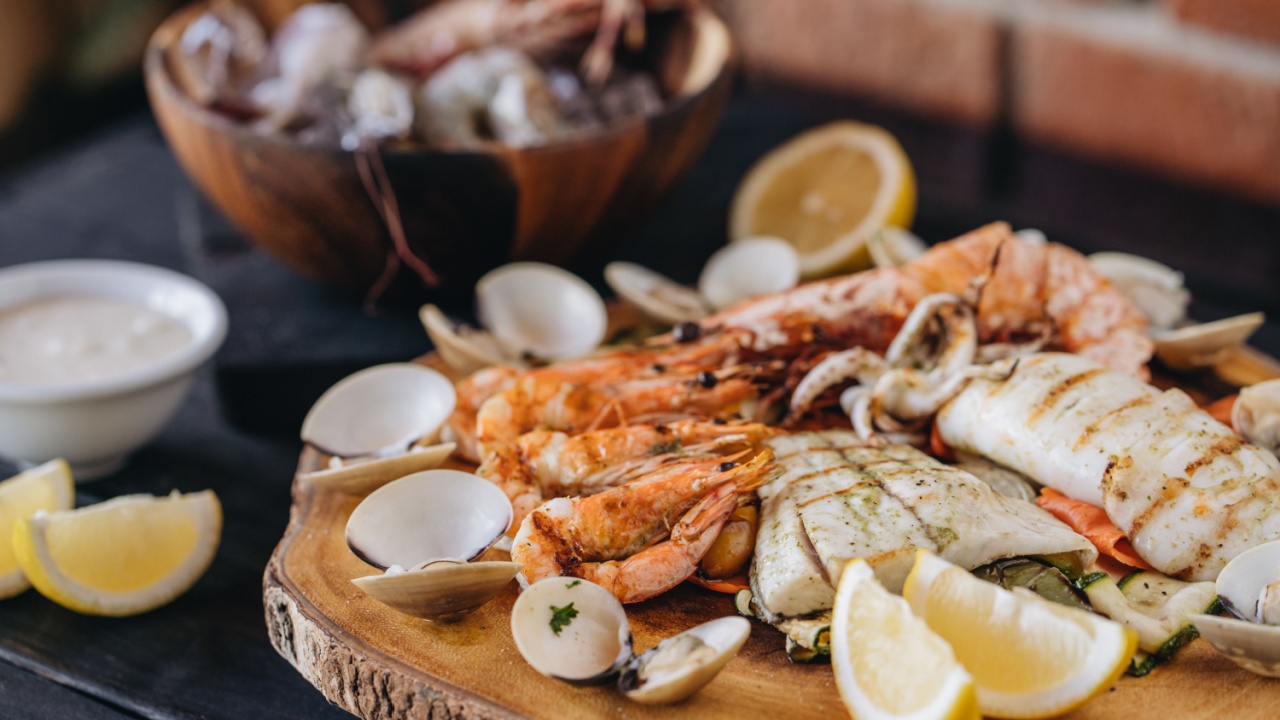
Fresh ocean fish contains a compound that balances its fluids, which is entirely odorless. But the moment a fish dies, spoilage bacteria rapidly convert that compound into a chemical called TMA, which creates that classic, highly unpleasant “fishy” smell. Fresh fish should only smell mildly like clean saltwater.
As fish continues to rot, the breakdown of its proteins creates ammonia gas, resulting in a sharp, stinging scent similar to household cleaners. If you have to pull your head back when smelling a piece of seafood, the muscle tissue is already full of decay byproducts.
- Look & Smell: Fresh seafood should smell neutral or like the ocean; anything else is a warning.
- Danger Sign: Cooking spoiled fish will not destroy heat-stable toxins like histamine, which causes scombroid food poisoning.
- The Rule: Buy fish fresh, make sure it smells clean, and cook it within 48 hours.
12. Heavy Frost and Ice Crystals on Frozen Food
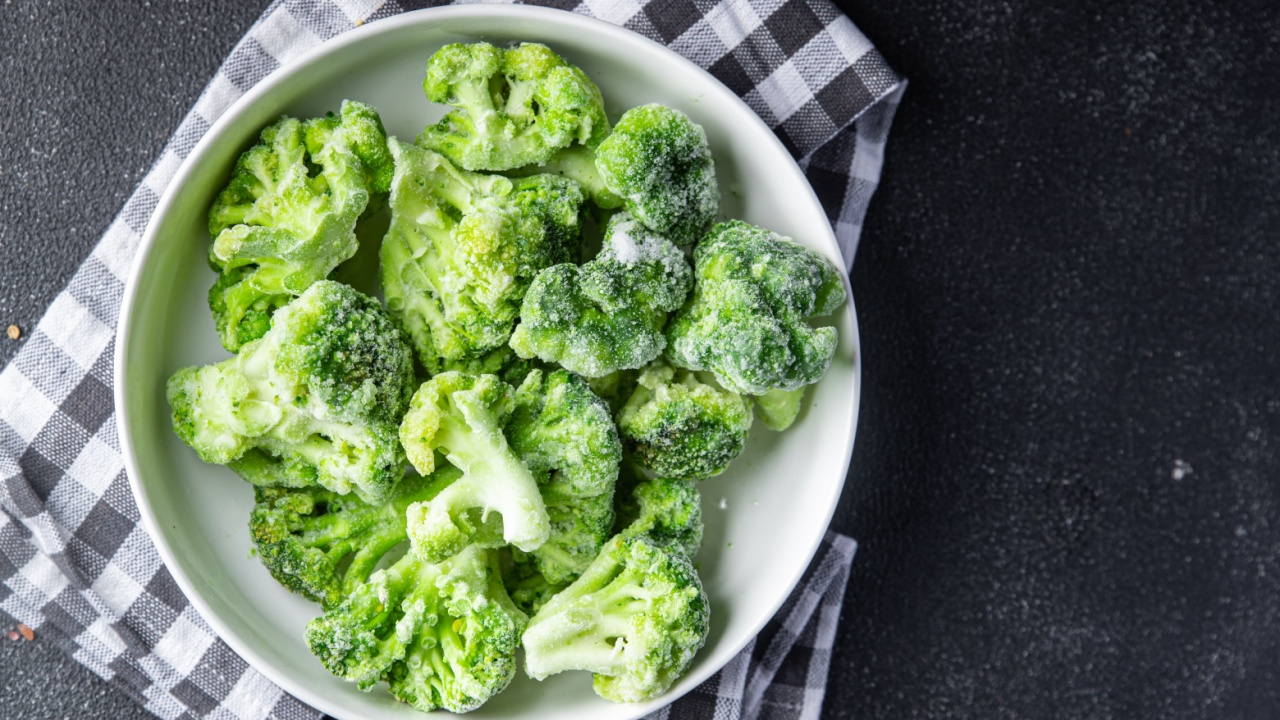
Freezer burn happens when moisture evaporates out of frozen food and moves toward the cold walls of your freezer. This happens during temperature shifts, like when the freezer door is opened often, causing the food’s surface to warm up and refreeze. That lost moisture turns into a thick jacket of frost on the outside of your food.
Take a close look at the plastic packaging. When food is covered in so much thick ice that you can barely see the product, it has suffered severe dehydration. This process damages the fats and proteins, destroying the food’s texture and flavor.
- Look & Check: Minor frost is fine, but massive ice crystals mean the food will taste woody, dry, and bland.
- Danger Sign: Toss the item if the packaging is torn, cracked, or leaking ice through holes.
- The Rule: Use airtight, vacuum-sealed bags to stop moisture loss and prevent freezer burn.
13. Unresponsive Shellfish
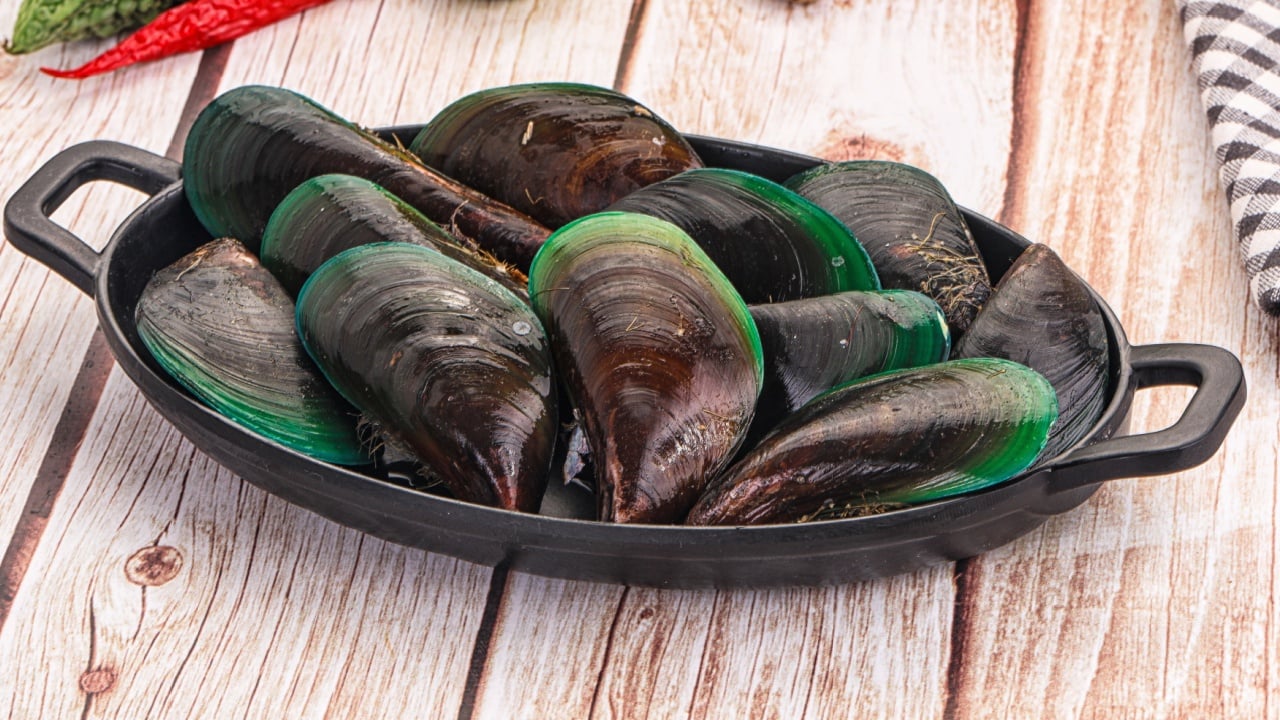
Live shellfish like clams, oysters, and mussels must be kept alive right up until they are cooked. They use powerful muscles to clamp their shells tightly shut to protect themselves. When they die before cooking, these muscles relax, the shell pops open, and the meat is exposed to dangerous bacteria.
Before cooking, check for any shells that are gaping open. Tap the open shell firmly against your kitchen counter or squeeze the edges together. If the shellfish is alive, it will quickly pull its shell closed in response to your tap.
- Look & Tap: If an open shell does not close up tightly after being tapped, the animal is dead and must be tossed.
- Danger Sign: After cooking, if any shell remains completely locked shut, throw it away. It was already spoiled before hitting the heat.
- The Rule: Keep shellfish on ice with plenty of oxygen, and make sure they react before you cook them.
14. Mold on a Single Slice of Bread
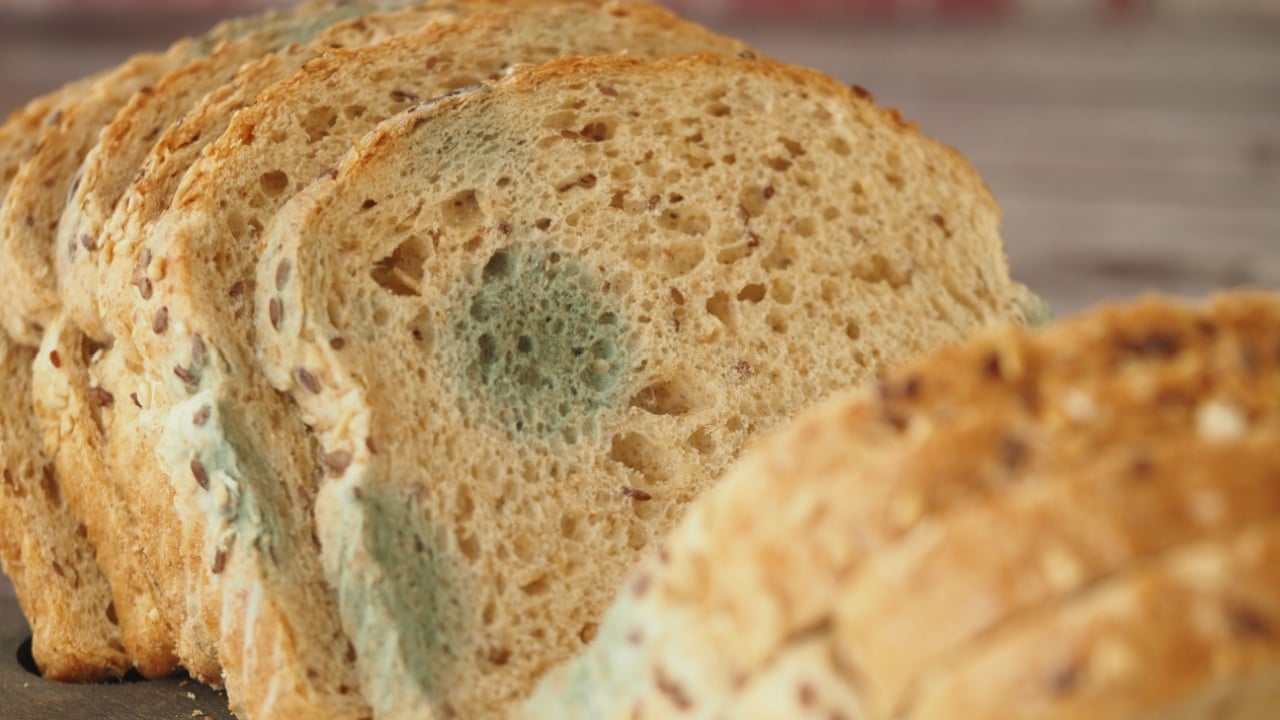
Bread is incredibly porous and full of tiny air pockets, making it an easy target for mold. Because a loaf of bread is essentially a soft, interconnected web, mold roots can travel through multiple slices with lightning speed. A visible patch of green or black fuzz on one slice means the hidden roots have likely spread much further.
Many people think cutting away the fuzzy spot or throwing out just the one bad slice leaves the rest of the loaf safe. In reality, because the air channels run through the entire bag, invisible toxic spores and roots are usually already waiting on the “clean” slices.
- Look & Check: Inspect the center and edges of multiple slices under good lighting.
- Danger Sign: Eating moldy bread can cause respiratory issues or severe stomach irritation from inhaling or ingesting the spores.
- The Rule: If you see a single spot of mold anywhere in the package, throw the entire loaf away.
15. Rancid Chemical Odors in Cooking Oils
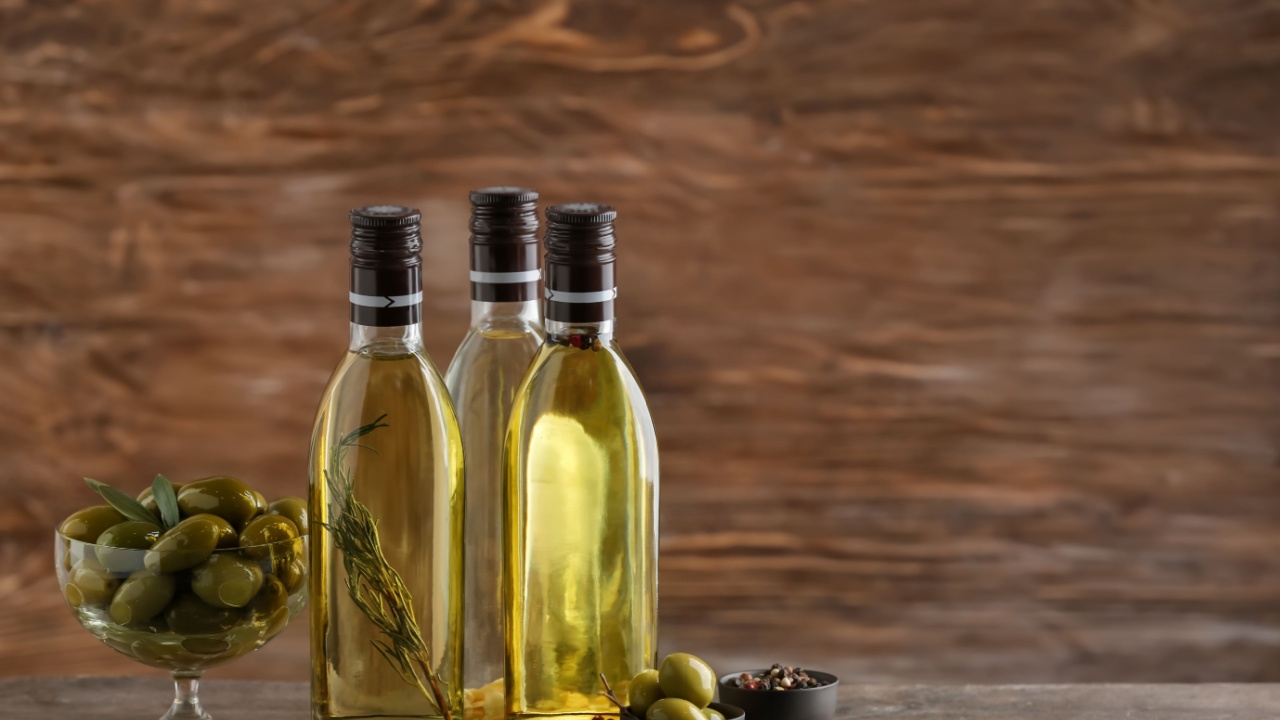
Cooking oils spoil through oxidative rancidity, which happens when exposure to light, heat, and air breaks down the oil’s fat chains. This chemical reaction turns stable, healthy fats into harsh compounds that carry a foul, industrial smell. Rancid oil loses its health benefits and can upset your digestion.
Always sniff your cooking oil before pouring it into a hot pan. Fresh extra virgin olive oil should smell fruity, green, or peppery. If the bottle smells stale or reminds you of cardboard, old crayons, oil paint, or household glue, the oil has oxidized and gone bad.
- Look & Smell: Fresh oil smells clean and natural; bad oil smells like a mechanic’s shop or chemicals.
- Danger Sign: Cooking with rancid oil ruins the taste of your food and introduces inflammatory compounds into your body.
- The Rule: Keep your oils stored in dark glass bottles inside a cool, dark cupboard away from your hot stove.
Leveling Up Your Fridge Game
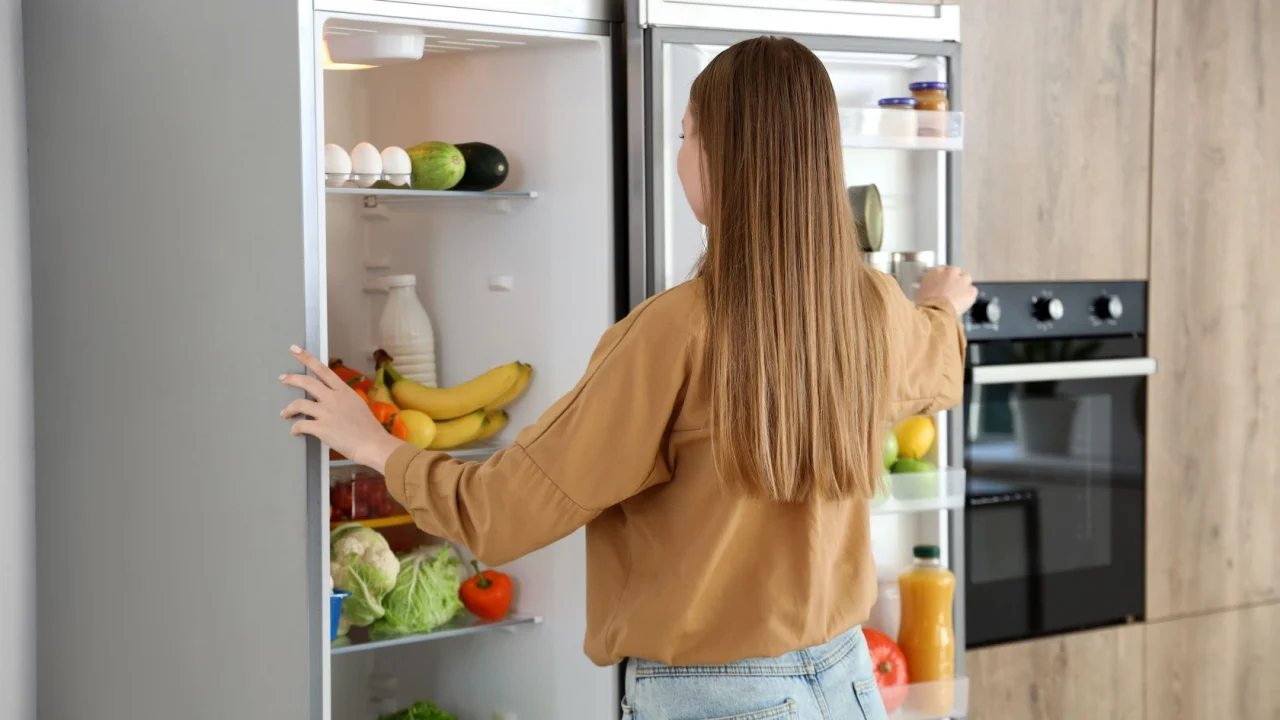
Establishing clean storage protocols represents the next step toward maximizing food preservation. Adjust the internal refrigerator temperature to rest between thirty-five and thirty-eight degrees Fahrenheit consistently to slow microbial growth without freezing produce.
Use airtight containers for leftovers, label items with dates, and keep raw meats on the bottom shelf to protect your kitchen from cross-contamination.
Read More:
Here’s How Long Foods Last in the Fridge Before They Need to Be Tossed