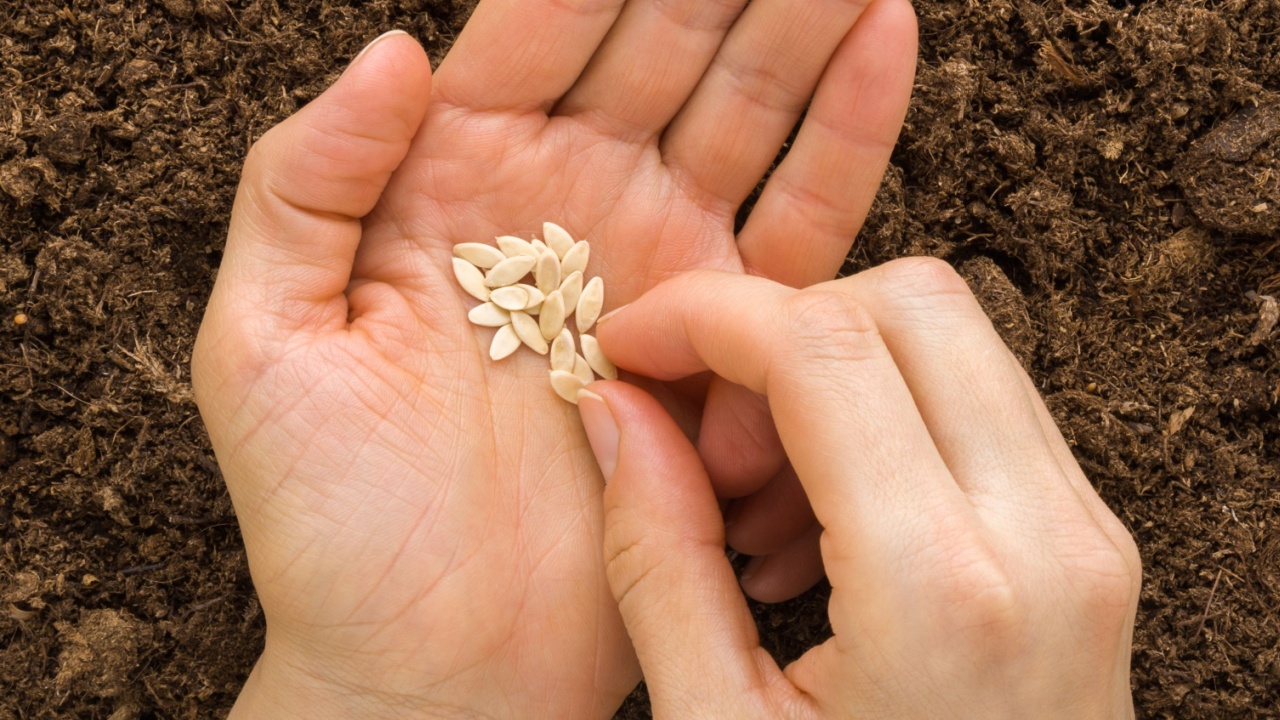
Direct Sow These 9 Seeds in June Before the Window Closes for Good
If you’re heading to the nursery right now to buy cucumber or zucchini transplants, stop. The plants sitting in those little plastic pots will almost certainly underperform the seeds you could drop directly into your warm June soil for pennies. Nurseries don’t advertise this, but for a surprising number of warm-season crops, transplanting is not just unnecessary, it’s actively counterproductive. The roots of beans, cucumbers, squash, and several other June favorites resent being moved so strongly that direct-sown seeds planted right now will catch up to, and frequently surpass, transplants set out weeks earlier.
June soil is warm. Not just warm enough; warm in a way that spring soil never quite manages. Warm-season seeds dropped into 70°F ground don’t sit and wait for conditions to improve. They explode. Beans can be up in four to five days. Zucchini pushes through in a week. Meanwhile, a transplant that’s been disturbed at the root level enters a recovery phase that can stall visible growth for ten days or more. Gardeners who skip this comparison never realize they paid extra for a slower result.
The financial case is just as clear. A single $3 packet of bean seeds direct-sown in June can produce 20 to 30 pounds of harvest, or the grocery equivalent of $40 to $60 worth of fresh beans. The crops that perform best from direct sowing in June are, without exception, the ones most commonly sold as expensive transplants this time of year. That is not a coincidence. Knowing which seeds to sow right now, and how to give them consistent moisture in the top inch of soil, is the difference between a productive summer garden and an empty bed.
The window is real, though. For several of these crops, particularly winter squash, melons, and corn, mid-to-late June is genuinely the last viable sowing date for most growing zones. If you’re in Zone 5 or 6, that deadline is measured in days, not weeks.
Here are the nine seeds worth getting in the ground right now, before June closes the door.
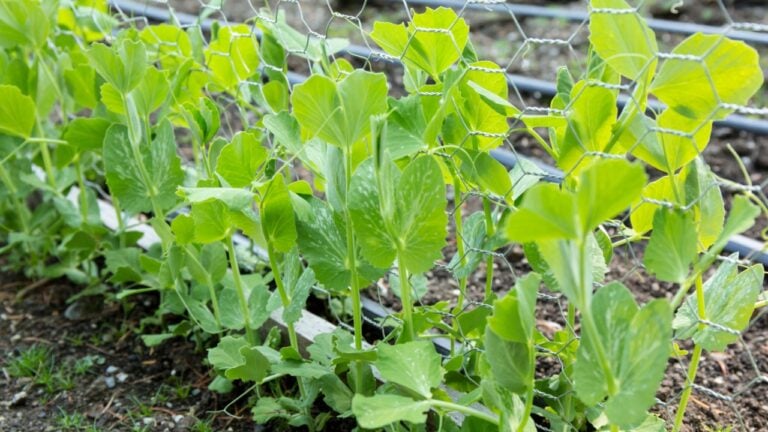
1. Beans
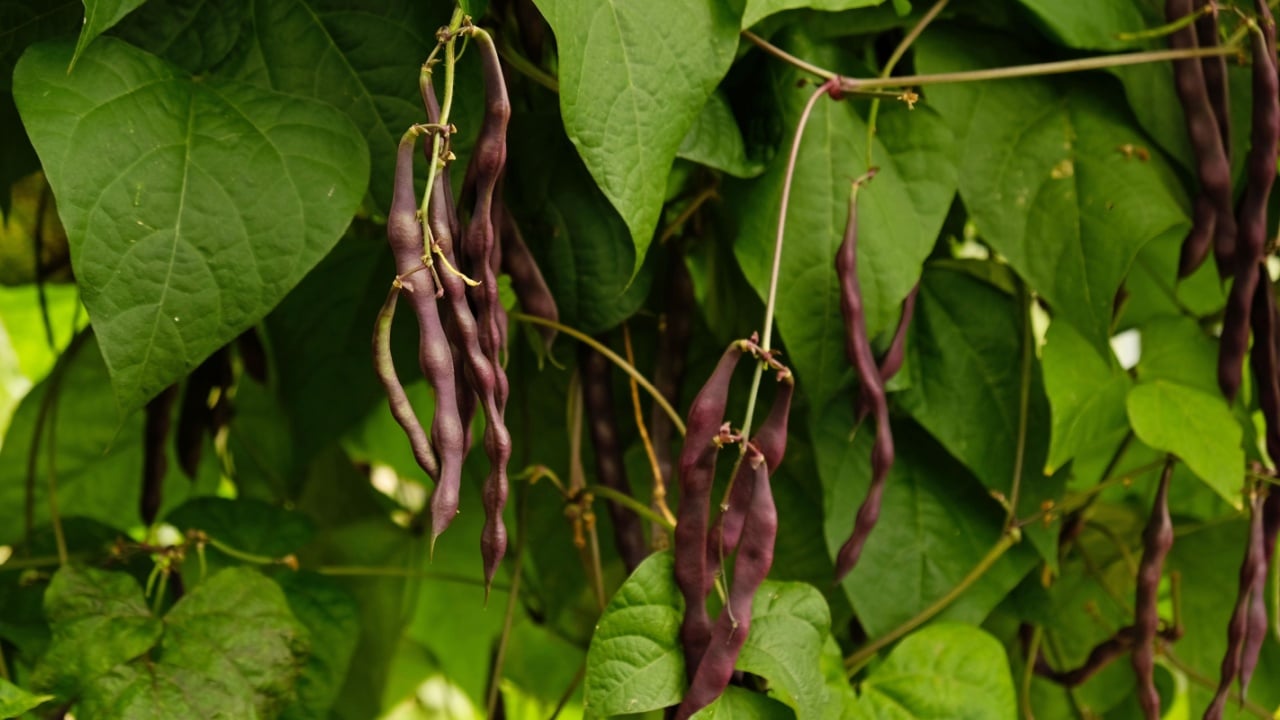
Beans are the easiest argument for direct sowing that exists in gardening. They germinate in warm soil in four to five days, they resent root disturbance to the point that transplanting offers zero advantage over direct sowing, and they produce prolifically from a modest investment. One packet, properly sown, yields enough fresh beans to replace $50 or more in grocery store produce.
The seed company Renee’s Garden puts it plainly: beans will grow even more quickly from seed planted in early summer when the soil is well warmed up and teeming with life. Sow bush varieties about an inch deep and six inches apart; pole beans need a trellis in place at planting. Overseed by 25 to 30 percent to account for any wildlife interference. For continuous harvest, sow a second succession two weeks after the first.
2. Cucumbers
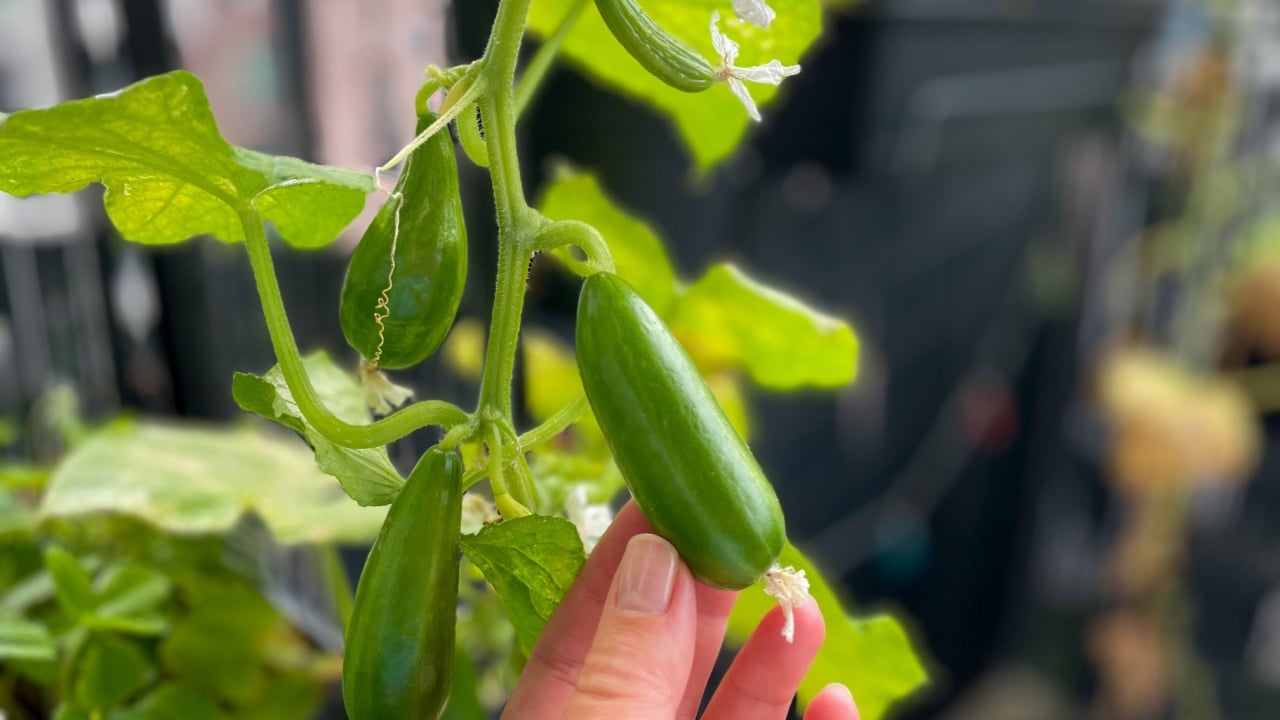
Of all the seeds that do better direct-sown than transplanted, cucumbers make the strongest case. Their roots are so sensitive to disturbance that even careful transplanting from an indoor tray frequently causes a week-to-ten-day stall. Meanwhile, a cucumber seed dropped into 65°F soil and kept moist will germinate in five to seven days and establish without any of that recovery lag. Most cucumber varieties reach harvest in 50 to 65 days from direct sowing, meaning a mid-June sowing delivers fresh cucumbers by mid-August. Nursery transplants started around the same time will likely arrive at the same finish line, only with higher cost and more stress along the way.
According to Southern Exposure Seed Exchange, cucurbits are so sensitive to transplant shock that direct-sown plants often produce more quickly than transplants set out at the same time. Sow two seeds per hole, about half an inch deep. Thin to the strongest seedling once true leaves appear.
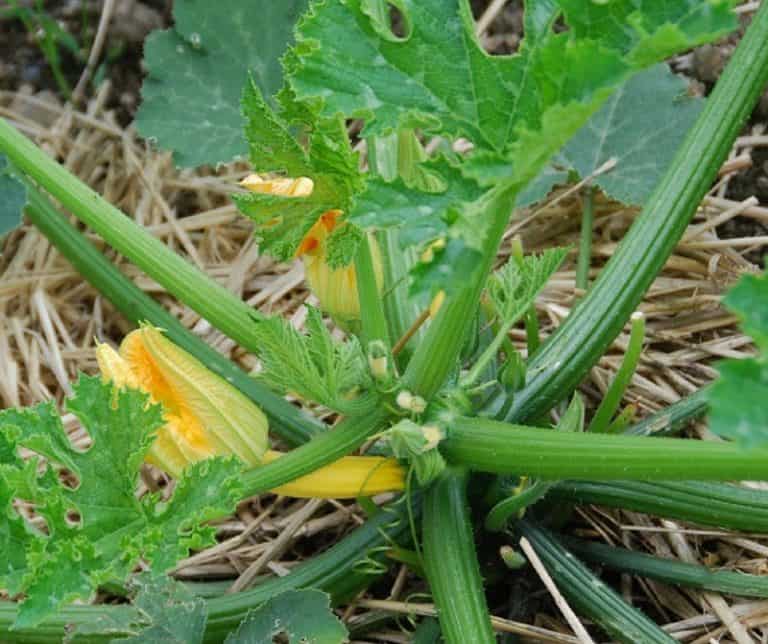
3. Zucchini and Summer Squash
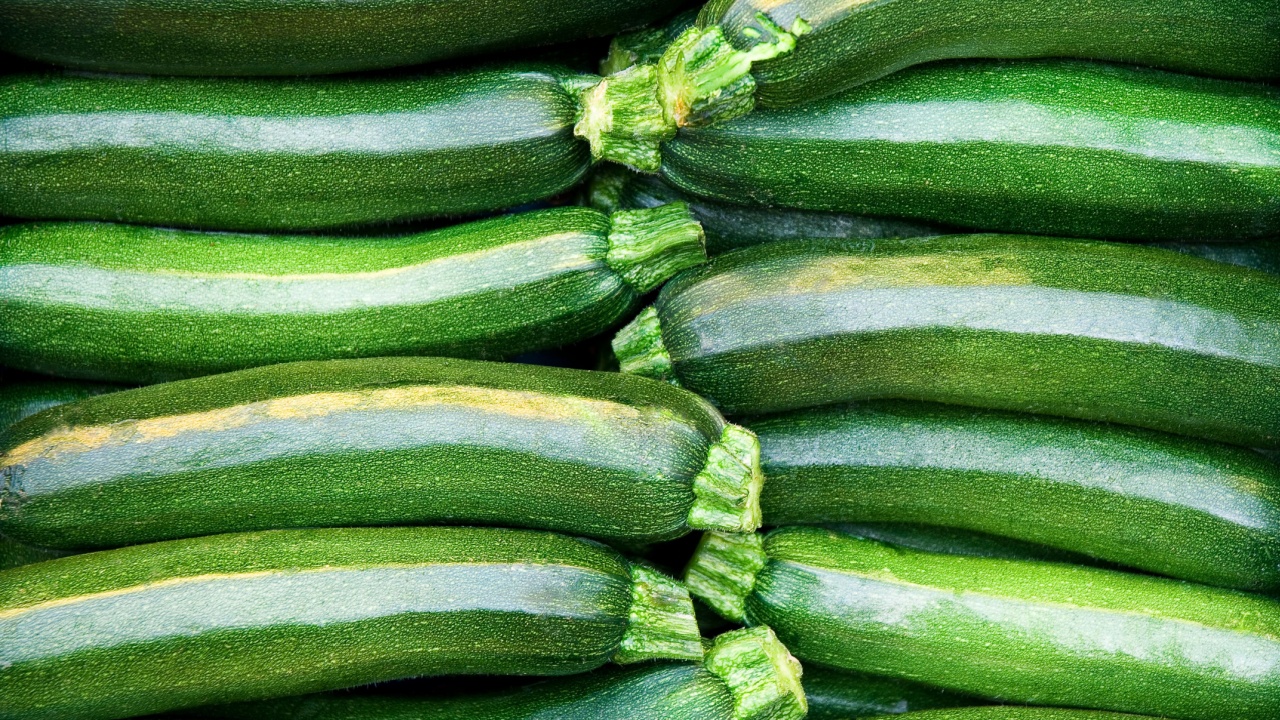
If you can only direct sow one thing in June, make it zucchini.
The reason zucchini resists transplanting isn’t primarily about stress; it’s biology. The plant develops a long taproot quickly, and even minimal disturbance to that root causes the plant to pause and redirect energy to recovery rather than growth. A direct-sown zucchini in warm June soil can produce fruit in 45 to 55 days. One or two plants are genuinely enough for most households; three borders on optimism.
One caution: most gardeners plant too many. Your grandmother probably lost neighbors over a zucchini surplus. Two plants. That’s the rule.
4. Corn
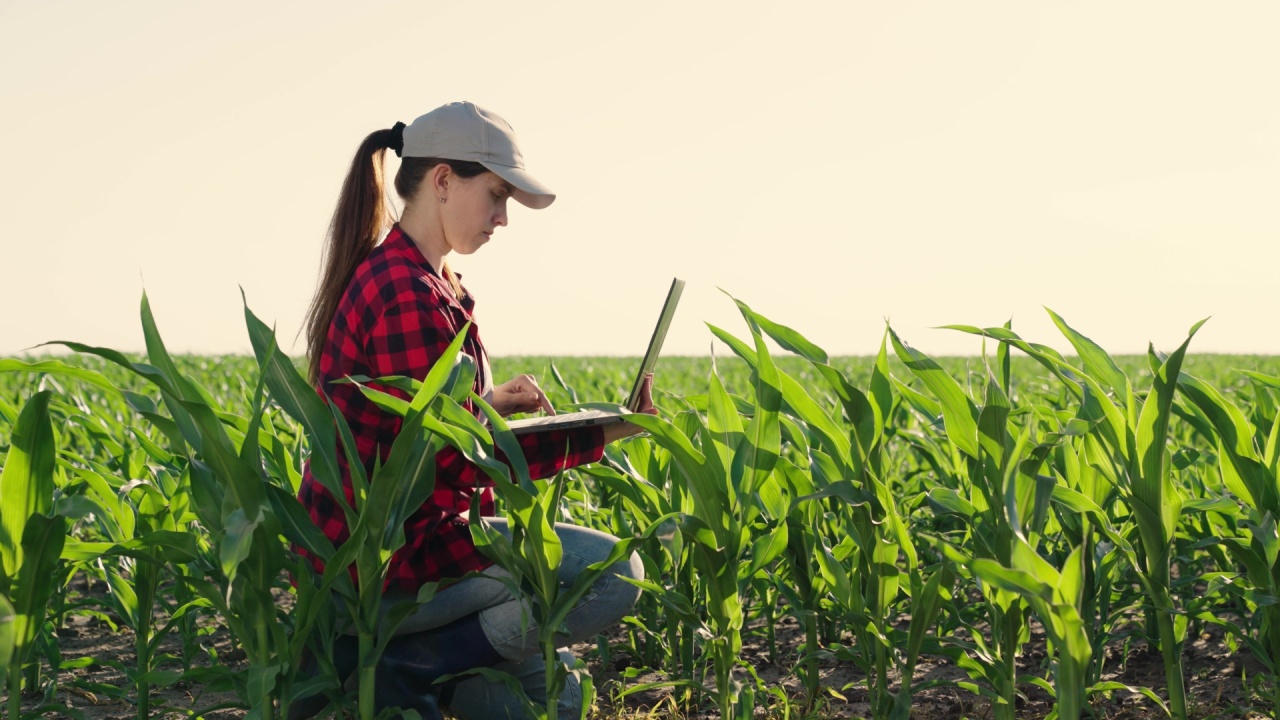
Corn is one of the most time-sensitive seeds on this list. For most northern growing zones, corn sown after the last week of June simply will not have enough time to mature before fall frosts arrive. But here is the part most gardeners miss: corn planted in late June, in a zone that stays frost-free through mid-October, can be table-ready by Labor Day weekend. That is roughly 65 days from seed to harvest; fast enough to anchor a holiday cookout from seed planted right now in June.
As Epic Gardening notes, true corn lovers should direct seed kernels every 10 to 14 days for a succession of harvests. The non-negotiable rule is block planting: corn is wind-pollinated, and planting in a single long row produces poorly filled cobs. Plant in a square block formation, with seeds about six to seven inches apart. Soil temperature should be at least 65°F before sowing.
5. Carrots
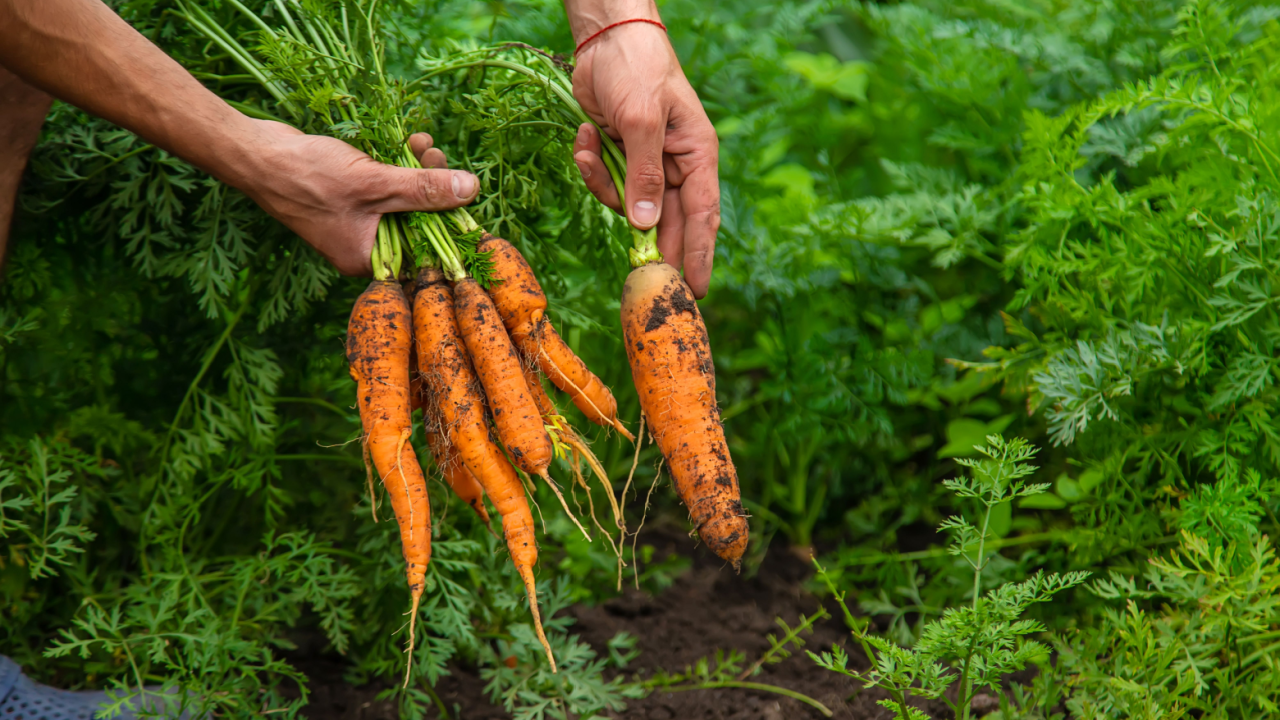
Carrots get a reputation for being difficult in summer, but the difficulty is almost entirely a moisture problem, not a timing problem. June-sown carrots face one challenge: the top inch of soil dries out quickly in summer heat, and carrot seeds need consistent moisture in that top layer to germinate. The fix that professional growers use is simple: lay a piece of burlap or even a scrap board directly over the seeded row and water through it (or lift and water, then replace) until sprouts appear. Remove the cover the moment you see green.
Seeded in mid-June in most zones, long-season varieties like ‘Chantenay’ and ‘Bolero’ will be ready to harvest by mid-August. That’s a full carrot crop from a June start, something most gardeners never try because they assume the window has closed.
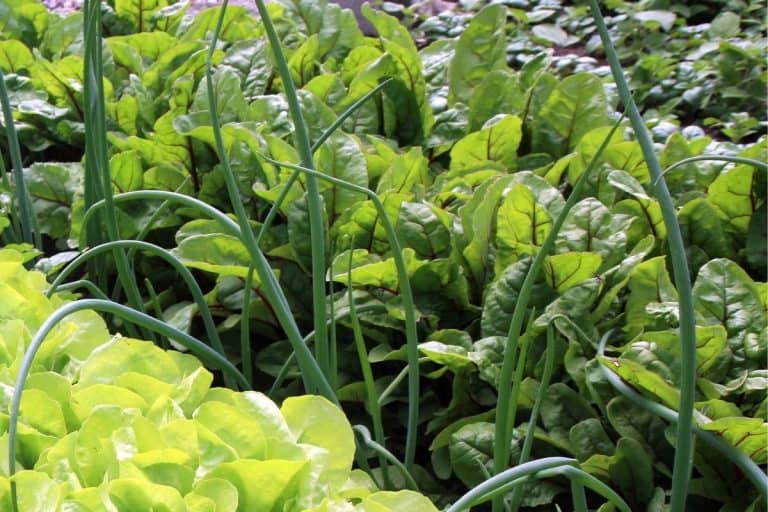
6. Beets
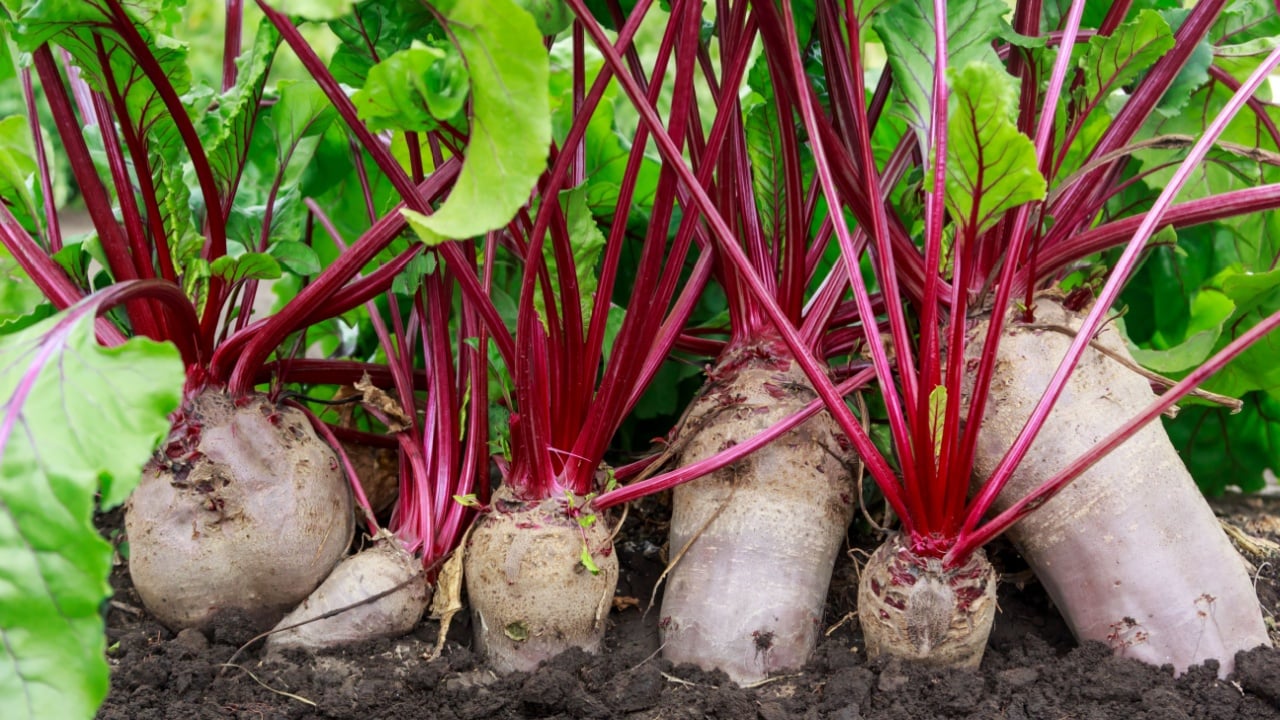
Beets are a two-harvest crop, which makes them exceptionally valuable for a June sowing. The greens are edible within three to four weeks of germination, long before the root matures. The roots themselves take about 50 to 70 days. For gardeners looking to stretch grocery savings through summer without constant replanting, beets offer fresh food twice from a single sowing.
Sow seeds about half an inch deep and two inches apart, then thin (and eat the thinnings) as they grow. Beet seeds are actually seed clusters, so thinning is always necessary. Keep the bed moist during germination; once established, beets tolerate brief dry spells better than many June crops.
7. Winter Squash
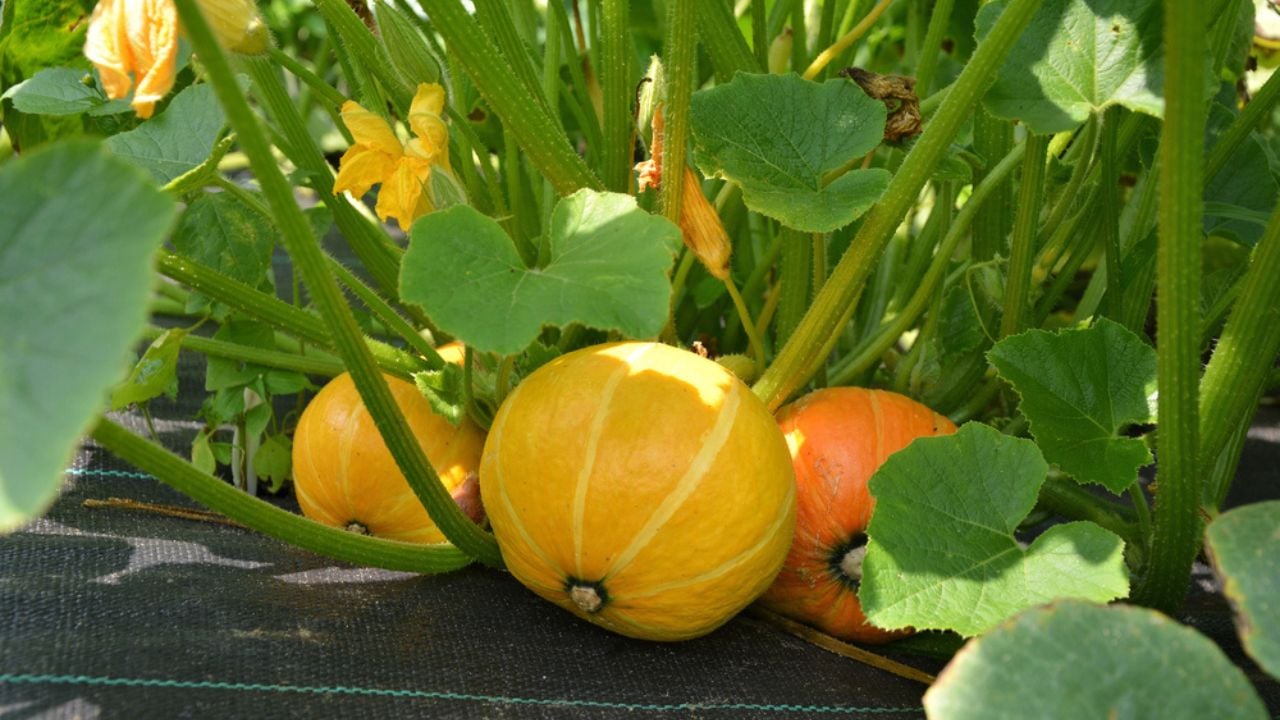
Winter squash has the most urgent window on this list. Most varieties need 90 to 120 days to mature, which means that in Zone 5 or Zone 6, the last viable planting date is right now, in June, with very little room left for delay. Miss this window, and you will be waiting until next year.
As Fruition Seeds explains, because winter squash often has over 100 days to mature, there is no succession sowing – you get one shot. Pay close attention to the days to maturity on your seed packet; varieties over 120 days are risky in short-season zones. Delicata, with its earlier fruit set and tender skin, is a reliable choice for gardeners nervous about timing. Sow where the plant will grow, give it full sun, and stay out of its way.
8. Basil
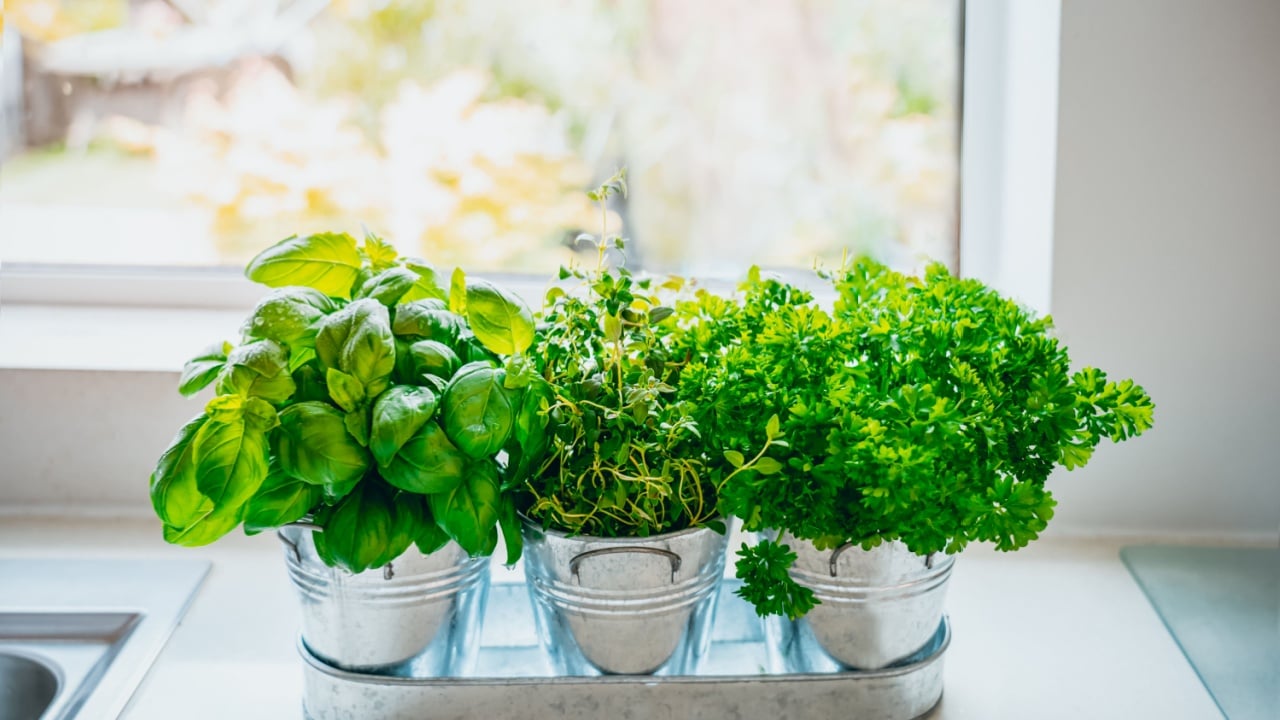
Basil bought as a nursery pot in June is often already stressed: it has been grown quickly under artificial light, shipped, and then sat in variable temperatures at the garden center. That background rarely produces the most vigorous plant. Basil direct-sown into warm June soil germinates within a week and grows without any transplant recovery period.
More practically, basil seeded directly tends to grow bushier and more compact than transplanted basil, which means more leaves for pesto and less bolting to flower. Sow seeds just barely covered by soil in a full-sun spot, and pinch flower buds as soon as they appear to keep the plant producing through summer.
9. Sunflowers and Annual Flowers
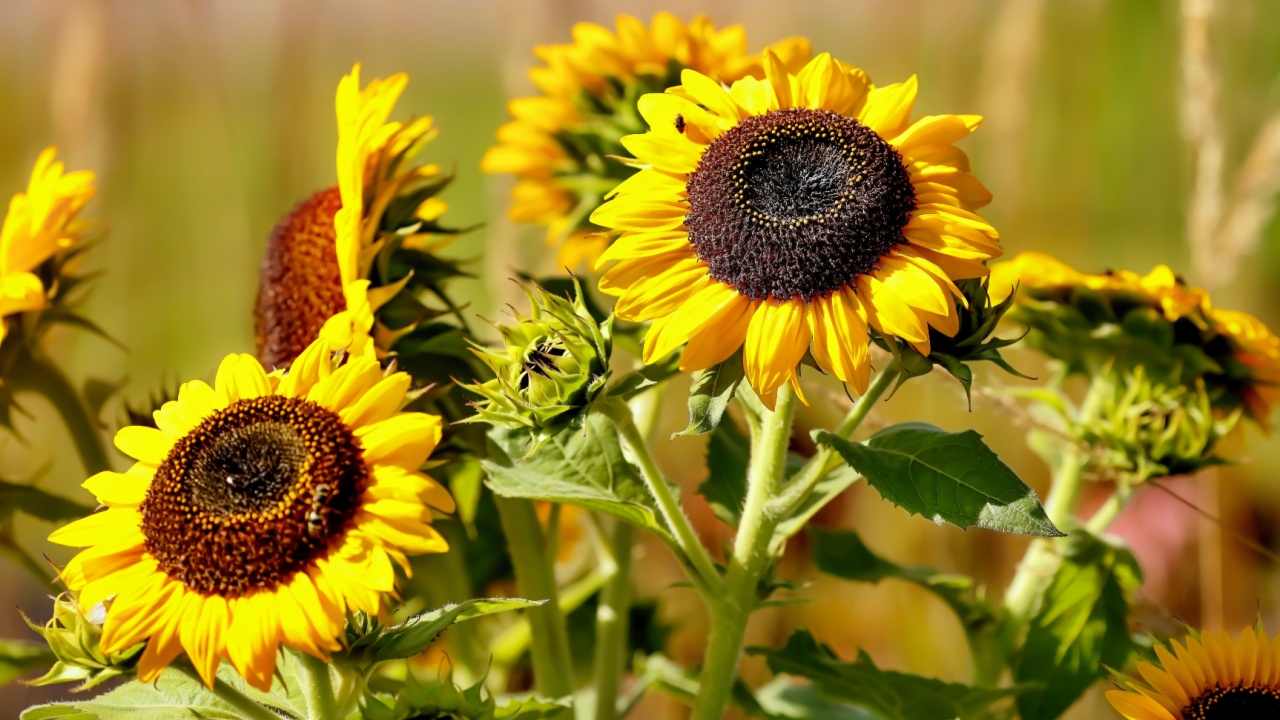
Sunflowers, zinnias, cosmos, and nasturtiums direct-sown in June produce a second flush of bloom that carries the garden from late summer through frost, exactly when first-sown annuals begin to fade. This is not a consolation prize for late planters. It is a legitimate succession strategy that the most beautiful summer gardens rely on.
Direct-sow sunflowers one inch deep in a sunny spot with room to grow; they need no supplemental fertilizer. Zinnias go in at the soil level, just barely covered. Let both self-seed at the end of the season: next year’s plants are free. A packet of mixed cosmos seeds costs about $3 and will fill a three-foot section of border with bloom from August through hard frost. For gardeners who want maximum color for minimum money, this is the most reliable formula in June.
The Window That Most Gardeners Leave Open
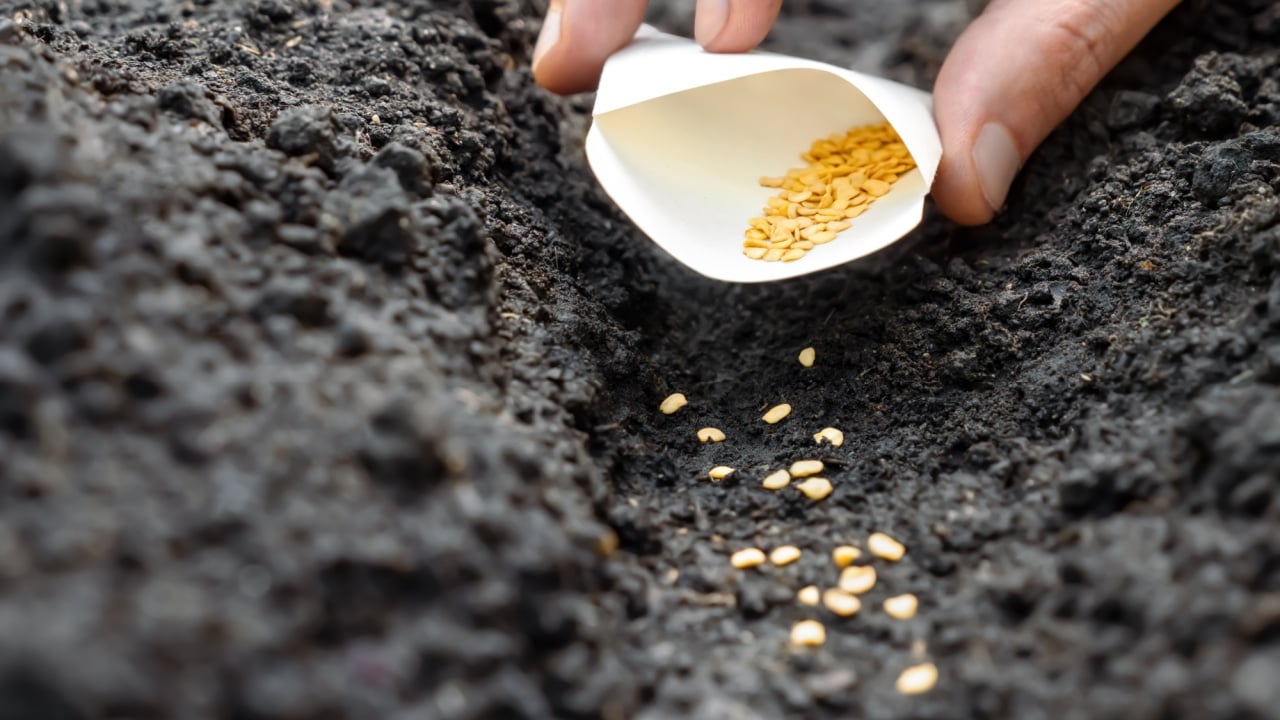
June is not the end of the gardening season. For the crops on this list, it is the beginning of a second one. The mistake most gardeners make is conflating “spring planting season” with “planting season”, as if the calendar closes on June 1 and stays closed until April. It doesn’t. The difference between a garden that produces through October and one that runs out of steam in August is often a single afternoon in June, a few packets of seeds, and the decision not to wait.