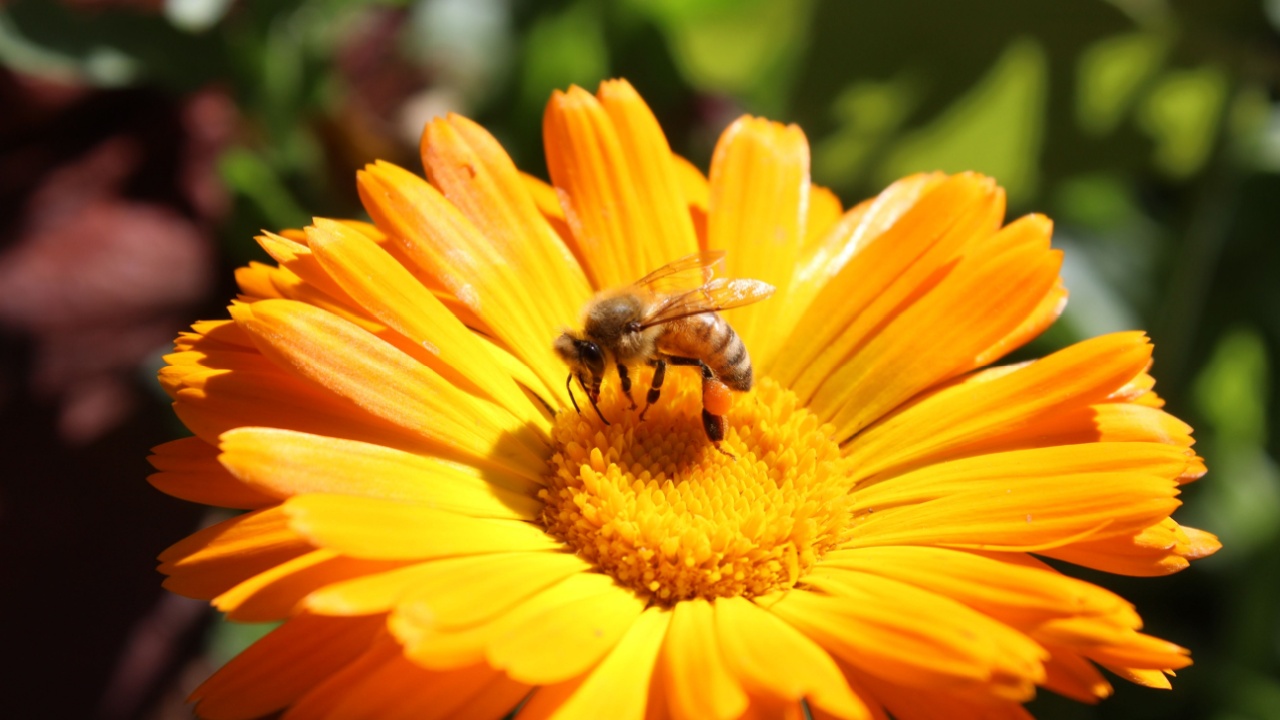
June Is National Pollinator Month. Are You Accidentally Harming the Bees You Want to Help?
The “pollinator-friendly” tag on that plant you just bought at the garden center may be one of the most misleading labels in gardening. Nursery professionals have known for years that many plants sold under that banner are pre-treated with systemic pesticides that can remain active in the plant’s tissue for months, long after it blooms. Bees land on the flowers, collect the tainted pollen, and carry it home. June is National Pollinator Month, which means right now, well-meaning gardeners across the country may be unknowingly setting traps for the very creatures they are trying to save.
This is not a niche concern. According to the Xerces Society, one of the leading pollinator conservation organizations in the country, this practice is widespread enough to warrant a dedicated buyer’s guide. The stakes are genuinely high: 75% of leading crop species and 35% of global food production depend on pollinators, according to researchers at the Holden Arboretum. That includes strawberries, apples, coffee, and tomatoes. When pollinator populations fall, food prices rise, crop yields shrink, and the ecological ripple effects extend far beyond the backyard.
The good news is that the most effective things you can do this June to support pollinators cost almost nothing. They just require unlearning a few habits the gardening industry has quietly encouraged for years. Your grandmother’s “messy,” overgrown, wildlife-buzzing garden was not a failure of aesthetics. It was, as it turns out, exactly right.
Here is what actually helps pollinators in your garden, and what to stop doing right now.
1. Stop Buying “Pollinator-Friendly” Plants Without Asking This One Question
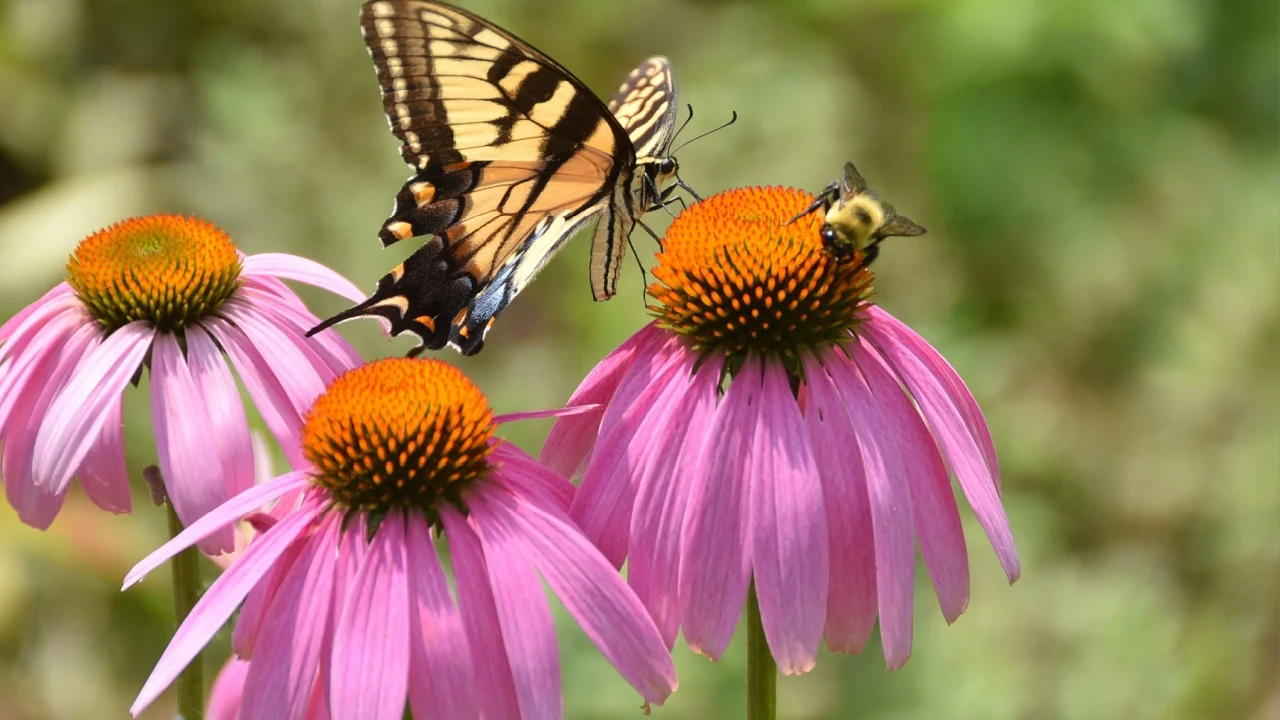
Before you bring any plant home this June, ask the nursery staff whether the plants have been treated with neonicotinoids or other systemic insecticides. This is the single most important question a pollinator-conscious gardener can ask. According to the Xerces Society, neonicotinoid pesticides not only kill pollinators on contact but also reduce a bee’s ability to navigate home, disrupt reproduction, and persist in plant tissue for months or even years after application.
The Xerces Society maintains a Buying Bee-Safe Nursery Plants guide and a Native Plant and Seed Directory to help you find verified, chemical-free sources in your area. Big-box retailers are frequently the worst offenders; local native plant nurseries and extension service plant sales are almost always the better choice, and they are often cheaper per plant once you account for long-term survival rates.
2. Raking: The Fastest, Free Thing You Can Do This June
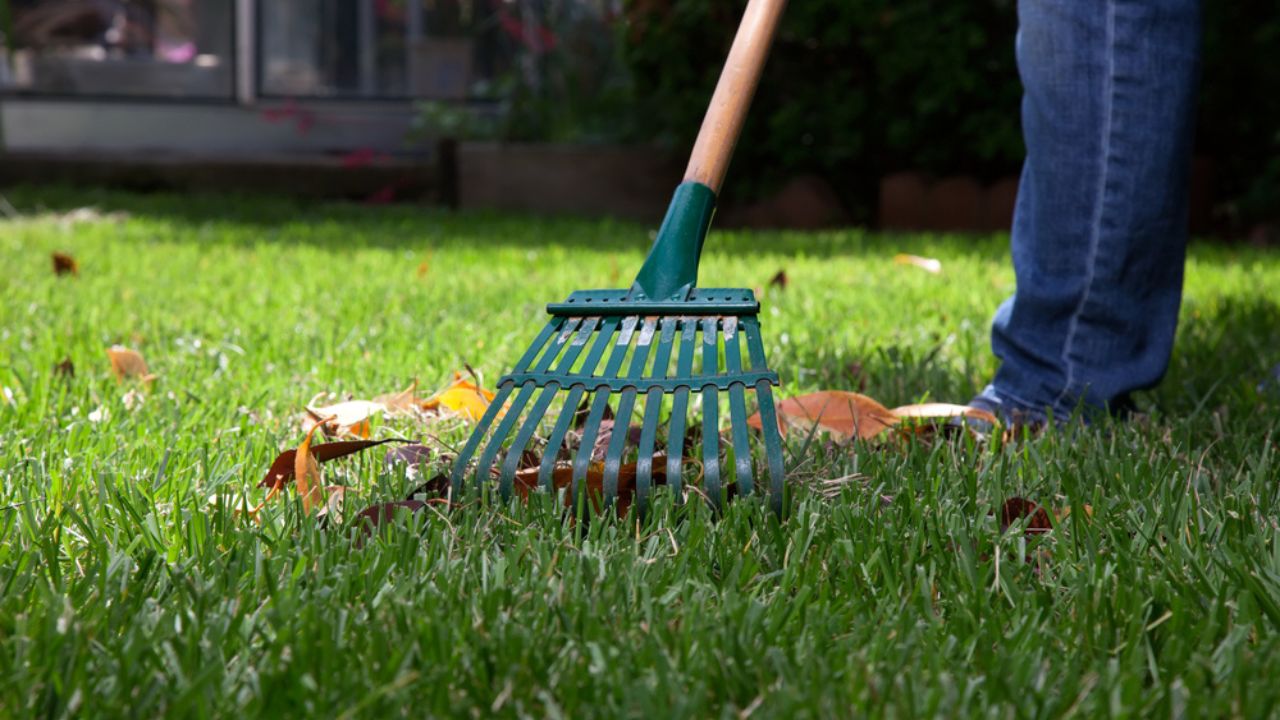
Stop raking. Seriously.
According to the National Wildlife Federation, 94% of moth species rely on the leaf layer to complete their life cycle, whether as eggs, pupae, or adults in winter. When you rake and bag every fallen leaf, you are not tidying the garden; you are dismantling an entire habitat. Ground-nesting native bees, which account for roughly 70% of all bee species, also need access to bare, undisturbed, well-drained soil. Leave a small patch of exposed earth at a south-facing edge of your lawn or garden bed.
This change costs nothing and can be made today. The bag of leaves you do not haul to the curb is habitat you did not destroy.
3. The Real Reason Your Bee Hotel Isn’t Working
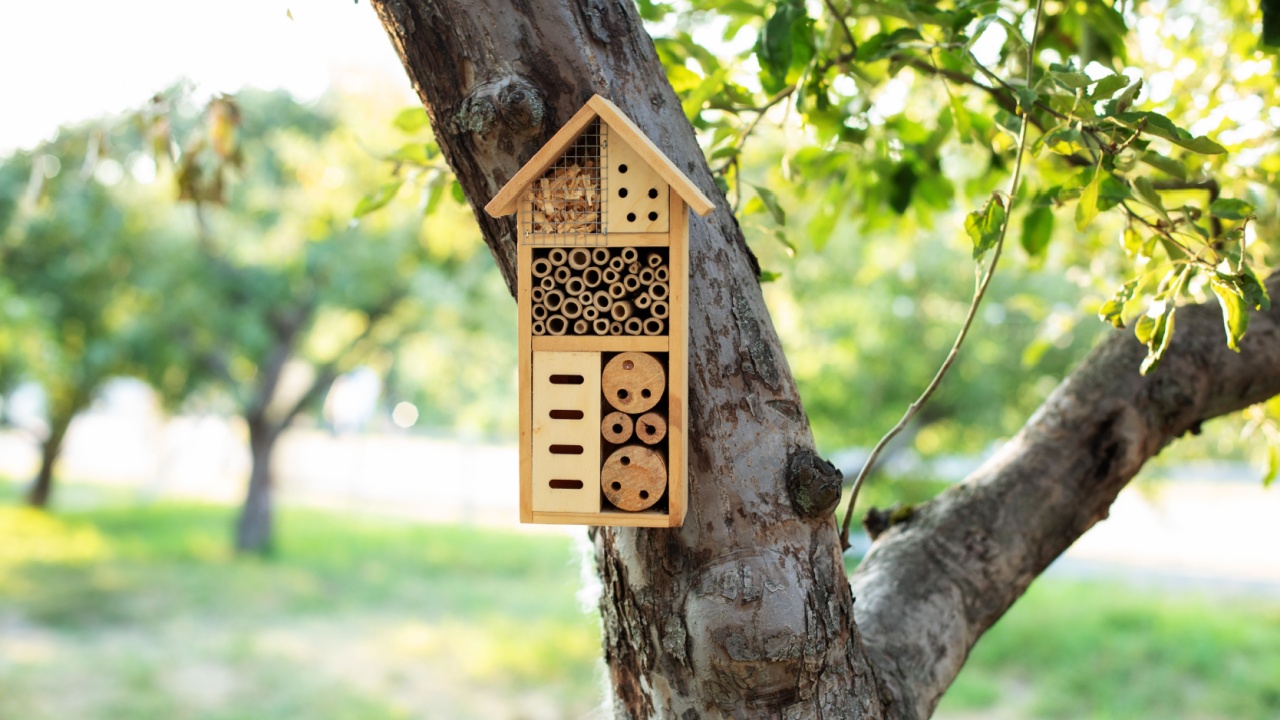
If you have a bee hotel hanging in a shady spot on the north side of your fence, it is almost certainly empty. Cavity-nesting solitary bees, the primary users of bee hotels, require direct sun and prefer a south-facing orientation. They will not nest in a damp, cold, shadowed structure. Move the hotel to the sunniest wall of your yard, ideally at least three feet off the ground.
It is also worth knowing that 90% of bee species do not live in colonies at all. They are solitary insects that nest alone in the ground or in hollow stems. Most of them cannot sting. The gardeners who fear bees most are often most afraid of the species least likely to cause harm. A better understanding of who your bee garden guests actually are changes the dynamic entirely.
4. Stop Wasting Money on the Wrong Plants
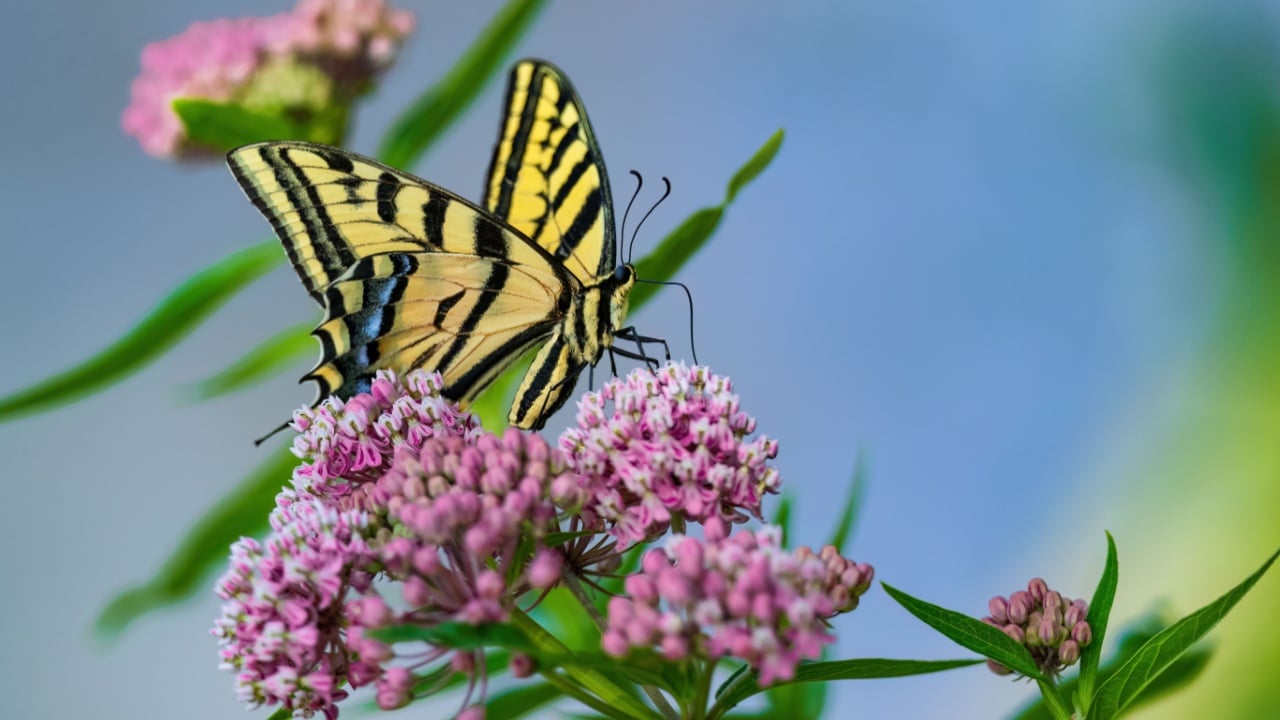
Gardeners who have made the switch to native perennials consistently report a revelation: native plants require less maintenance than ornamental exotics, they return every year, and pollinators prefer them overwhelmingly. A native perennial like purple coneflower or black-eyed Susan, purchased once for a few dollars, will outlast dozens of annual replacements and cost nothing to maintain after establishment.
Two costly mistakes to avoid right now. First, tropical milkweed, widely sold in garden centers, is actively harmful to Monarch butterflies; it blooms too late and tricks Monarchs into skipping their southern migration before cold weather arrives. Only native milkweed will do. Second, double-flowered ornamentals, including the big, fluffy blooms on many hybrid roses, dahlias, and marigolds, are largely inaccessible to pollinators because the extra petals block the pollen entirely. They are beautiful to us and invisible to bees.
The Old Farmer’s Almanac has championed native plantings for more than a century. That recommendation has only grown more urgent.
5. Even a Balcony Can Make a Difference
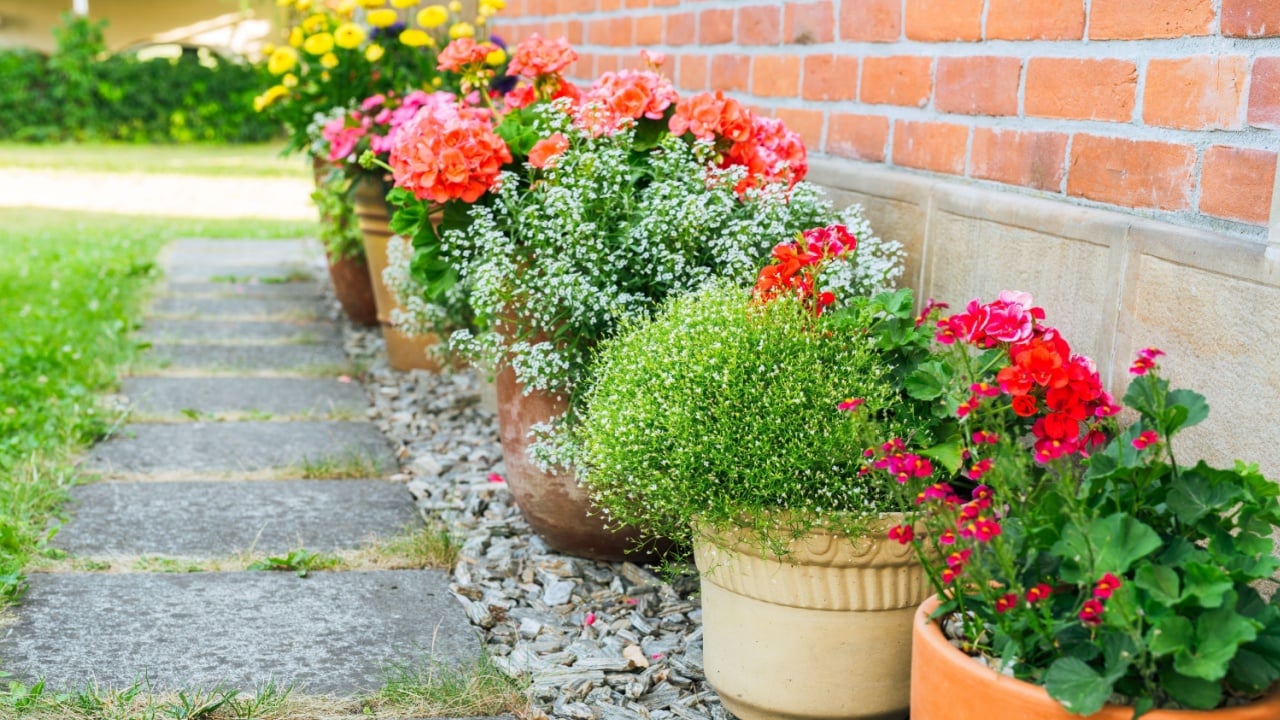
The most common reason people give for not supporting pollinators is space. It is not a valid reason. The U.S. Fish and Wildlife Service is explicit on this point: a single container of coneflowers or native herbs on a balcony provides genuine food and rest for pollinators in transit.
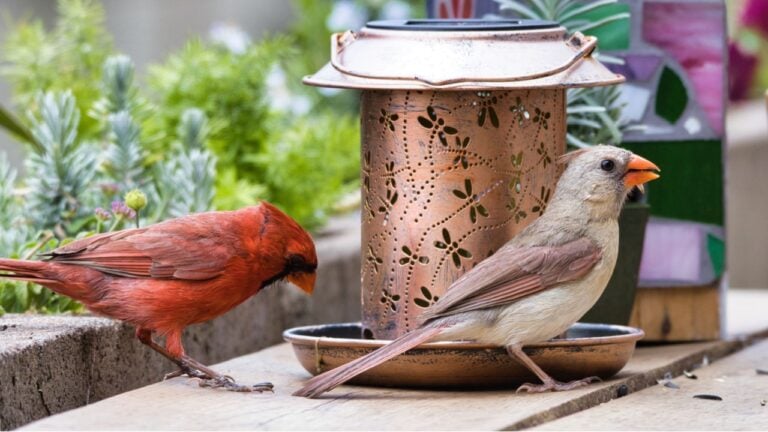
If you have outdoor space of any size this June, add one pot of native blooms: native bee balm, coneflower, or native salvia are all easy, widely available, and priced under $10 at most local nurseries. A bird bath with a few rocks added for landing pads provides water for pollinators and songbirds simultaneously. That is a $15 to $20 investment that actively supports a food system millions of people depend on.
6. Read Your Fertilizer Label Before You Use It This Month
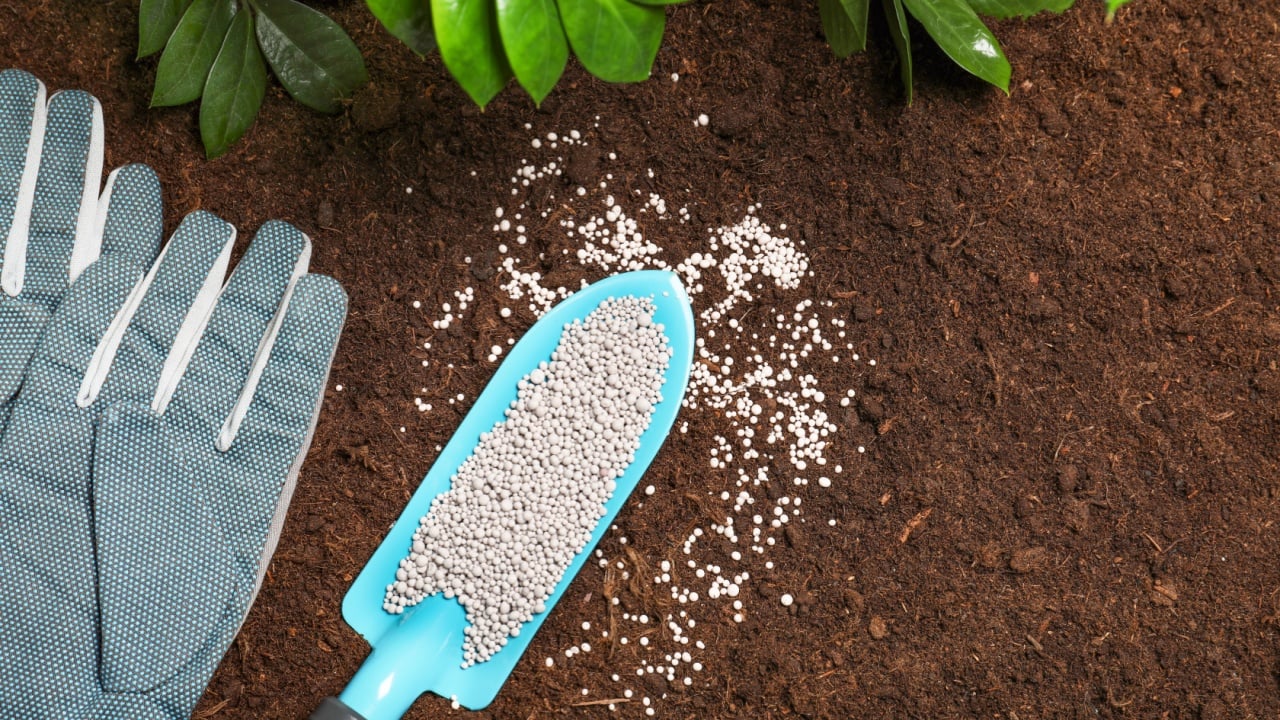
This one surprises most gardeners: insecticides are sometimes mixed directly into lawn and garden fertilizers, marketed as a two-in-one treatment. If you apply a fertilizer containing a hidden insecticide near blooming plants, you may be poisoning pollinators while believing you are feeding your garden. Read every label. Look for any ingredient ending in “-thrin” or “-noid” on the active ingredients list. Organic fertilizers are the safest choice.
If you must use a pesticide for a genuine infestation, apply it in the early morning or late evening, when pollinators are least active. Never apply any insecticide to plants that are currently in bloom, including flowering weeds. And if you have pets, the same neonicotinoids harmful to bees have been flagged by veterinary researchers as a concern for dogs and cats who contact treated grass or plants.
The Single Yard Change That Pays Off the Most
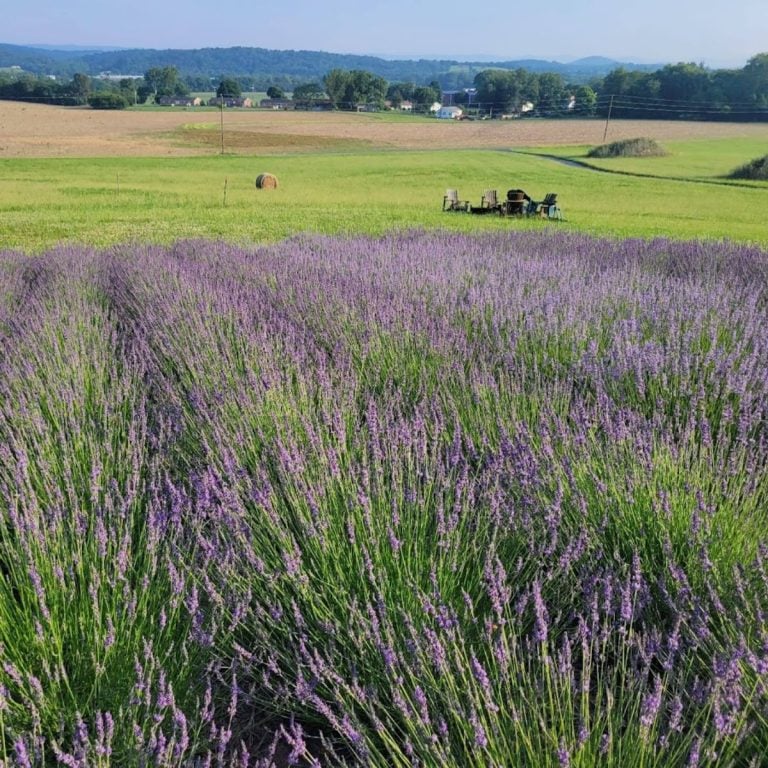
The United States has roughly the equivalent of the state of Texas planted in turf grass, an ecologically inert surface that costs homeowners hundreds of dollars annually in water, fertilizer, and mowing to maintain. Replacing even 50 square feet of lawn with white clover or a mix of low-growing native wildflowers eliminates that maintenance cost, reduces water use, and immediately transforms that patch into active pollinator habitat.
You do not need to overhaul the yard. Fifty square feet is smaller than most living room rugs. The pollinators that arrive will be doing far more work for your vegetable garden, your fruit trees, and your neighbors’ yards than any amount of pesticide or purchased predator insects ever could.
June is the right month to start. The flowers are ready. The bees are looking. The only thing standing between your yard and a thriving pollinator garden is a handful of habits worth dropping.
Read more:
7 perennial planting mistakes to stop making right now
How to Grow Zucchini Vertically: 7 Steps That Save Space and Double Your Harvest